On this page
Healthy-looking skin, hair, and nails start with the everyday basics — what you eat, how you sleep, how you move, and how you handle stress. Supplements can play a genuinely useful supporting role, but only once that foundation is in place. If you've searched for supplements for hair skin and nails, you've probably run into a wall of bold promises, so here's a calmer, plain-English look at what these nutrients actually do and how to use them well.
Why skin, hair, and nails share a supplement shelf
There's a reason these three so often show up together on labels: they're built from many of the same materials. Hair and nails are made largely of keratin, a structural protein, while skin leans heavily on collagen and elastin. Producing and maintaining all of them draws on a shared set of vitamins, minerals, and amino acids.
They're also some of the first places your body shows the effects of an off-balance routine. Skimp on sleep, run low on certain nutrients, or ride a stretch of high stress, and it can show up as dull skin, more shedding, or nails that split. That's the honest framing to keep in mind: supplements are one input among many, not a switch you flip.
What actually supports skin, hair, and nails
No single nutrient runs the whole show. A handful of well-studied ones each contribute in their own way.
Collagen
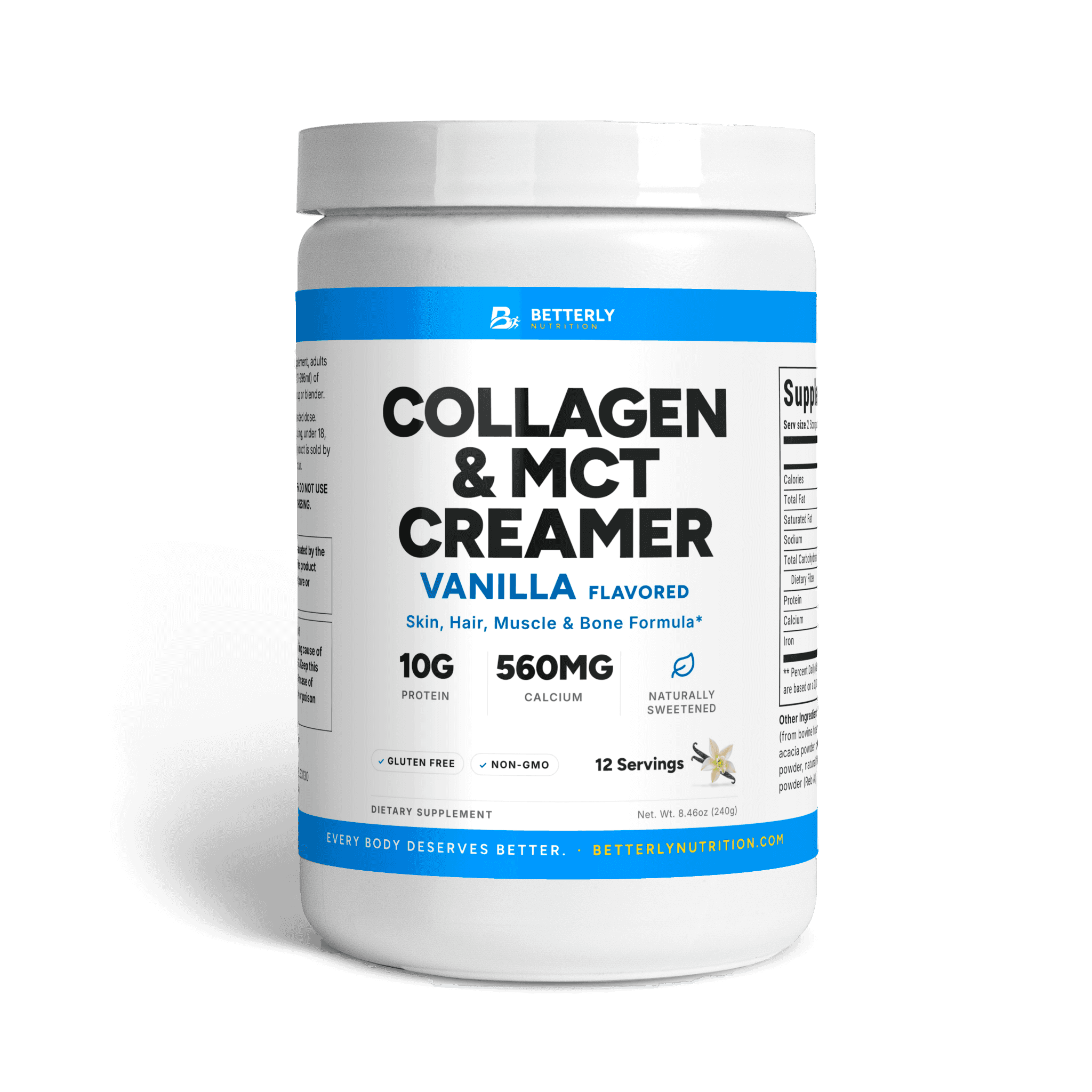
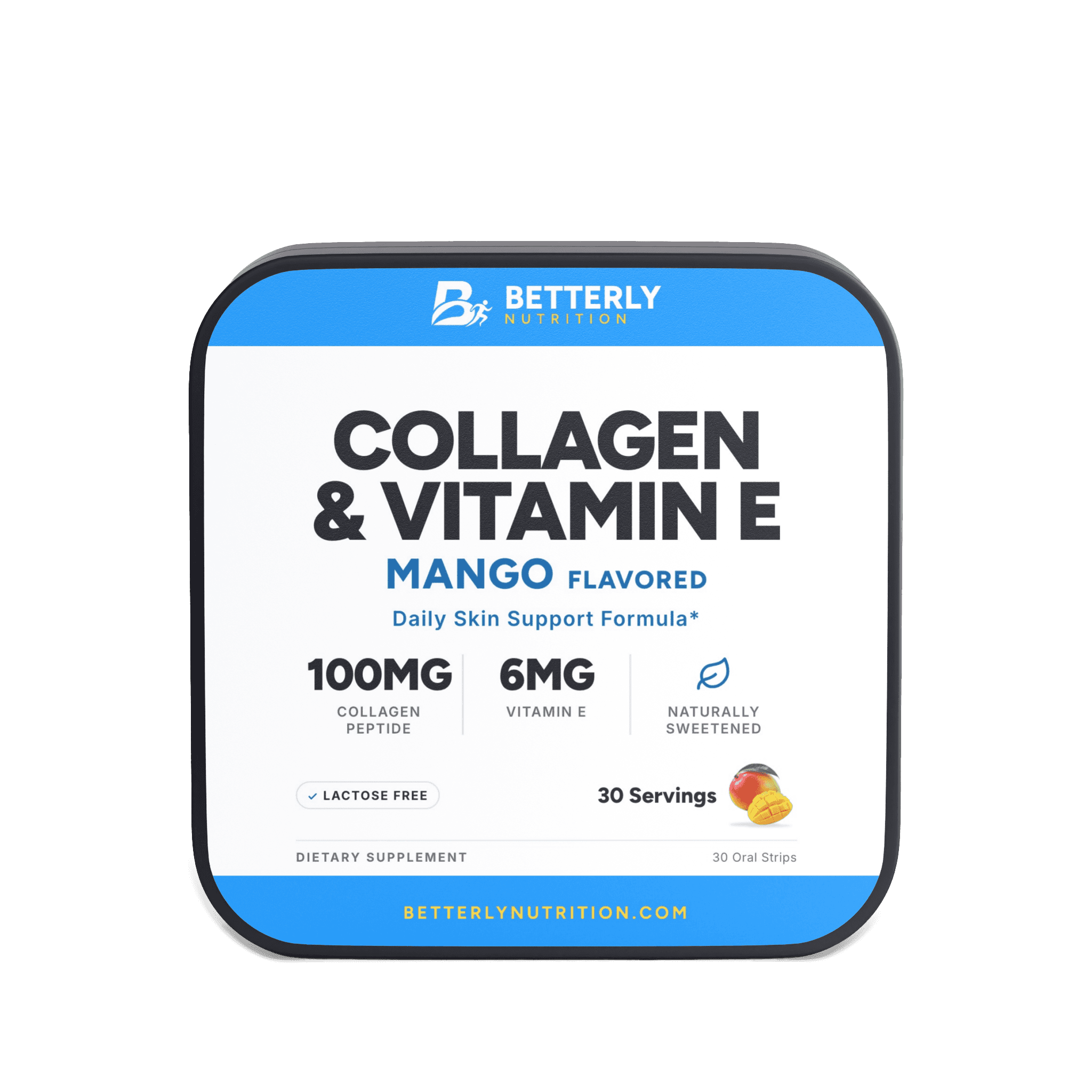
Collagen is the most abundant protein in your skin, and your body makes less of it as you age. Collagen peptides give your body amino acids it can use as it maintains its own connective tissue, which is why collagen has become such a popular starting point for a beauty-focused routine. If you want the full picture — the different types, what the research does and doesn't show, and how to fit it into your day — our guide Collagen 101: Benefits & Uses walks through it without the hype.
Biotin and the B vitamins
Biotin (vitamin B7) helps your body turn the carbohydrates, fats, and proteins in food into energy. It's the nutrient most associated with hair and nails, though the NIH Office of Dietary Supplements notes there's little scientific evidence behind those promotional claims. True biotin deficiency is uncommon, so if you already eat a varied diet, more biotin isn't automatically better. It's a helpful part of the mix, not a miracle on its own.
Vitamin C
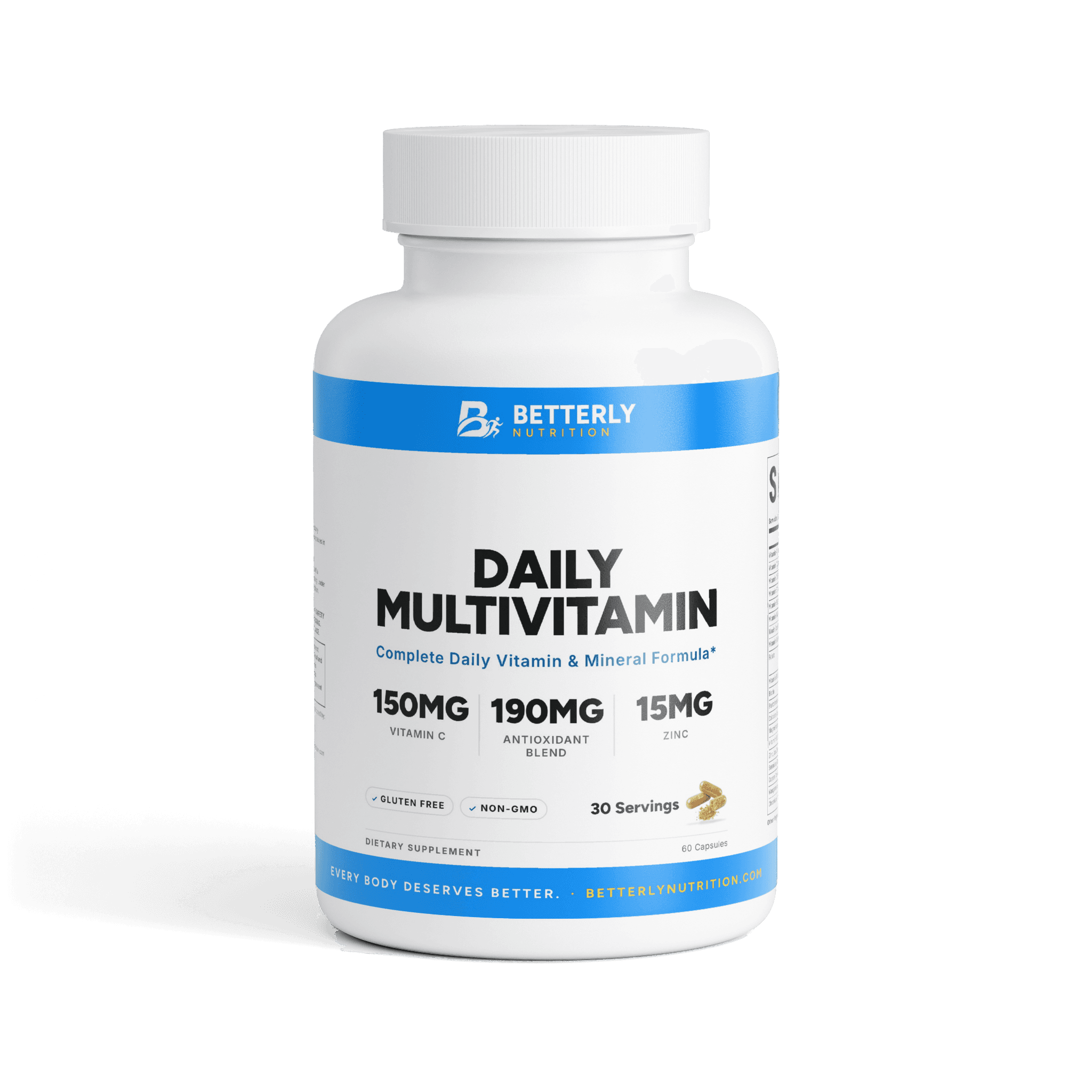
Vitamin C does quiet, important work: your body uses it in the natural process of making collagen, and it acts as an antioxidant that helps protect cells from everyday oxidative stress. It pairs naturally with a collagen routine for that reason.
Zinc
Zinc is found in cells throughout your body, and your body uses it to make DNA and proteins. It's a mineral many people get from food, but it's a sensible one to be aware of.
Vitamins A and E
Vitamin A is important for normal growth and development, and vitamin E is a fat-soluble antioxidant that helps protect cells from damage caused by free radicals. Both are easy to get from a colorful, whole-food diet.
Omega-3 fatty acids
The omega-3s found in fish, seafood, and flaxseed are important components of the membranes that surround each cell in your body, skin cells included. They're a good reminder that "skin nutrition" includes healthy fats, not just vitamins.
Food first: your everyday foundation
Before reaching for a bottle, it's worth remembering that most of these nutrients show up in ordinary meals. Eggs, nuts, and seeds bring biotin and vitamin E. Citrus, peppers, and berries bring vitamin C. Shellfish, legumes, and whole grains bring zinc. Salmon, sardines, and flax bring omega-3s. Protein at each meal gives your body the amino acids it uses to build keratin and collagen in the first place.
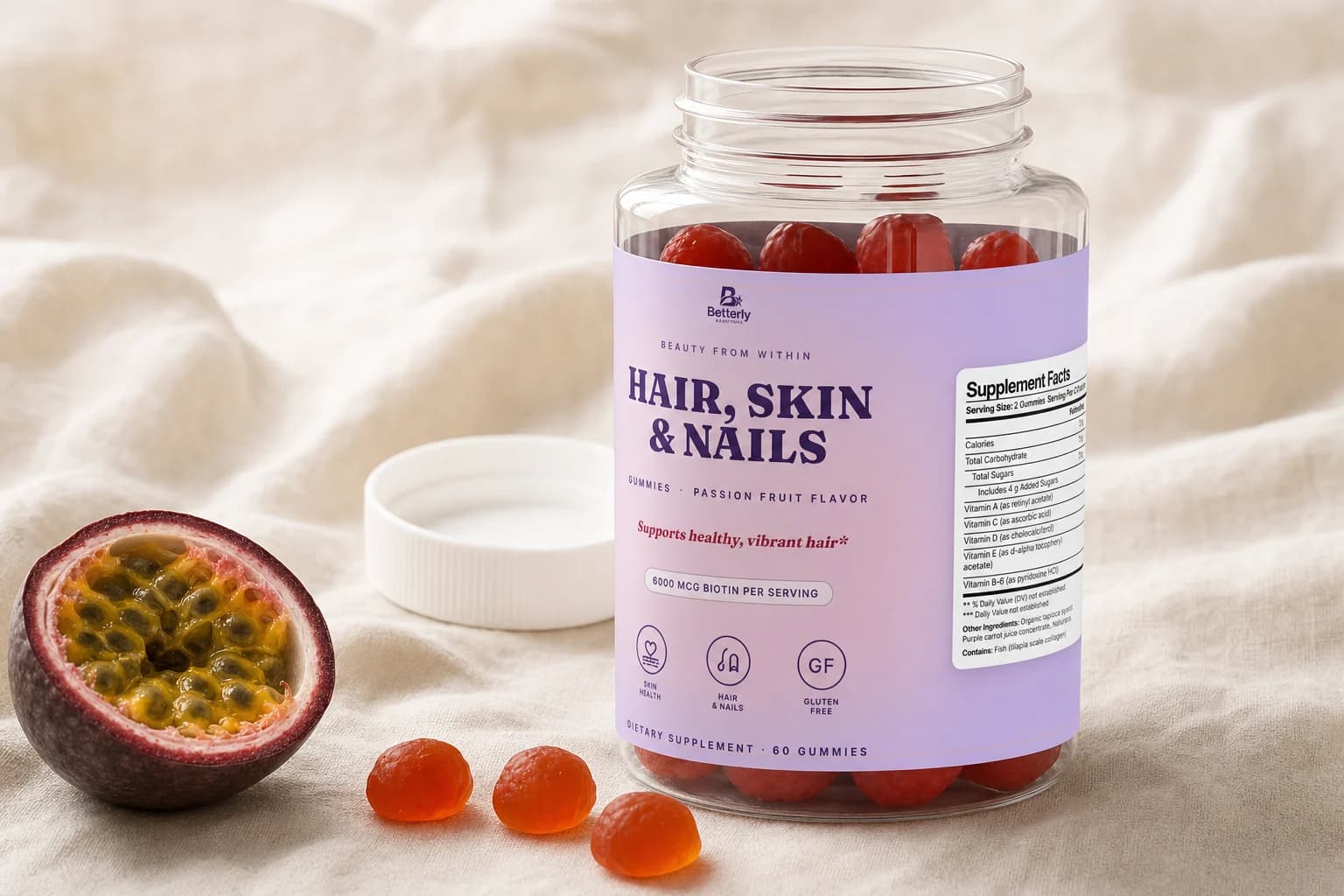
Supplements earn their place by filling gaps and adding convenience — not by replacing a plate of real food. If you'd like to compare formats, our Hair, Skin & Nails collection puts our beauty-focused options side by side.
How to choose a supplement without the hype
A few honest questions save you money and disappointment:
- What's actually in it? Look for a clear label with real amounts, not a mystery "beauty blend" that hides how much of anything you're getting.
- Does the form fit your life? The best supplement is the one you'll actually take. Capsules, powders, and chewables all work — pick what you'll remember.
- Are the claims believable? Be skeptical of anything promising to "cure," "fix," or transform you overnight. Supplements support your routine; they don't override genetics, age, or lifestyle.
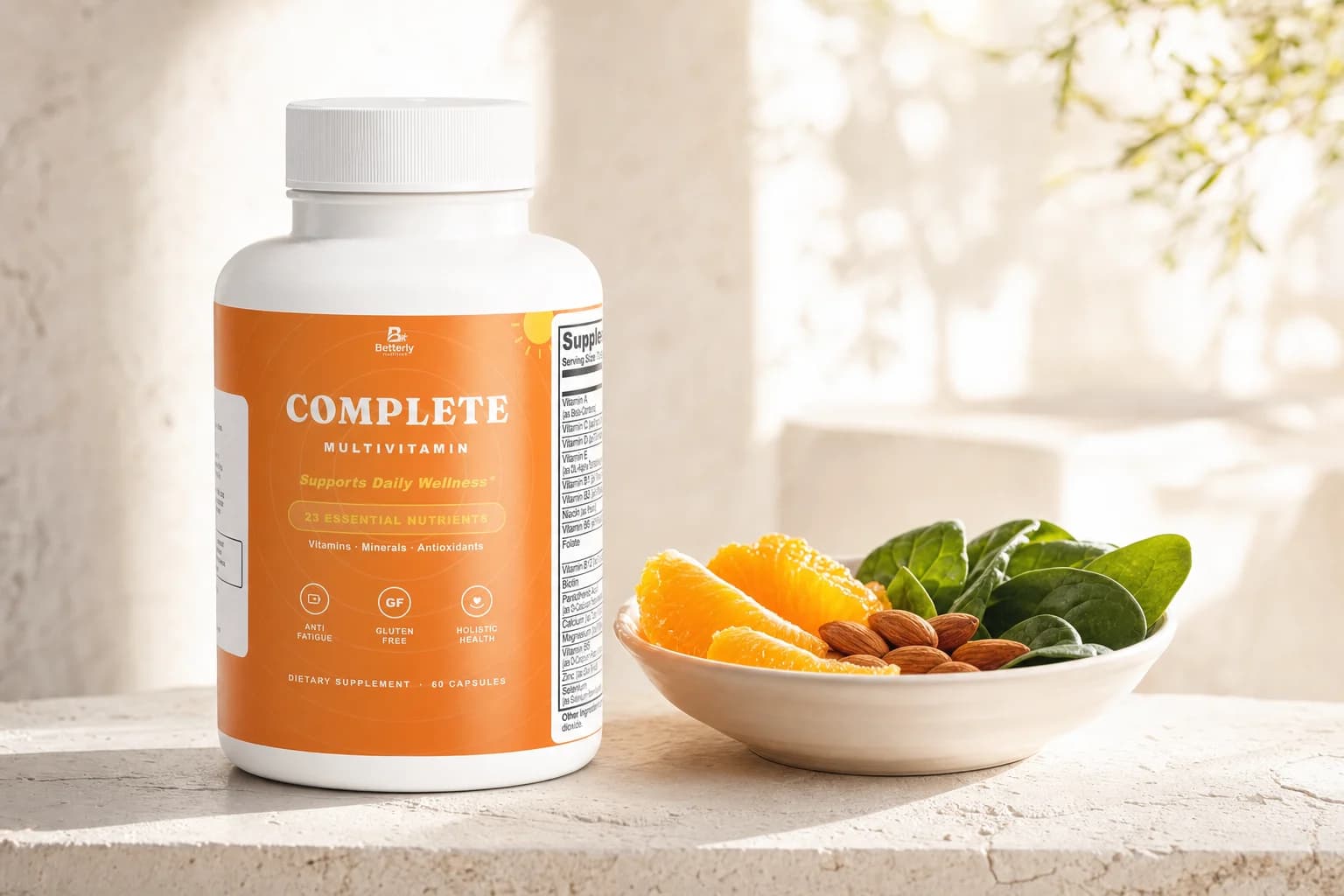
- Are you doubling up? Many multivitamins already include biotin, zinc, and vitamins A, C, and E. Stacking several products can quietly push you past what you need.
Keeping expectations realistic
Skin, hair, and nails renew slowly, and there's no set timeline for any supplement. If you change one thing in your routine, keep the rest of your habits steady. Check with your healthcare provider before starting a new supplement if you're pregnant or nursing, under 18, taking any medication, or managing a medical condition. According to the NIH Office of Dietary Supplements, biotin above recommended amounts may cause false results in some lab tests, so tell your healthcare provider about any supplements you take, especially before lab work.
Key takeaways
- Skin, hair, and nails share the same building blocks — keratin, collagen, and a core set of vitamins and minerals — which is why they share a supplement shelf.
- Collagen, biotin, vitamin C, zinc, vitamins A and E, and omega-3s each play a supporting role; none works alone.
- Food first: a varied, protein-rich diet delivers most of these nutrients, and supplements fill the gaps.
- Sleep, hydration, sun sense, and stress management shape how your skin, hair, and nails look just as much as anything in a capsule.
- There's no set timeline for any supplement, so keep your expectations honest and your other habits steady.
A gentle note to end on
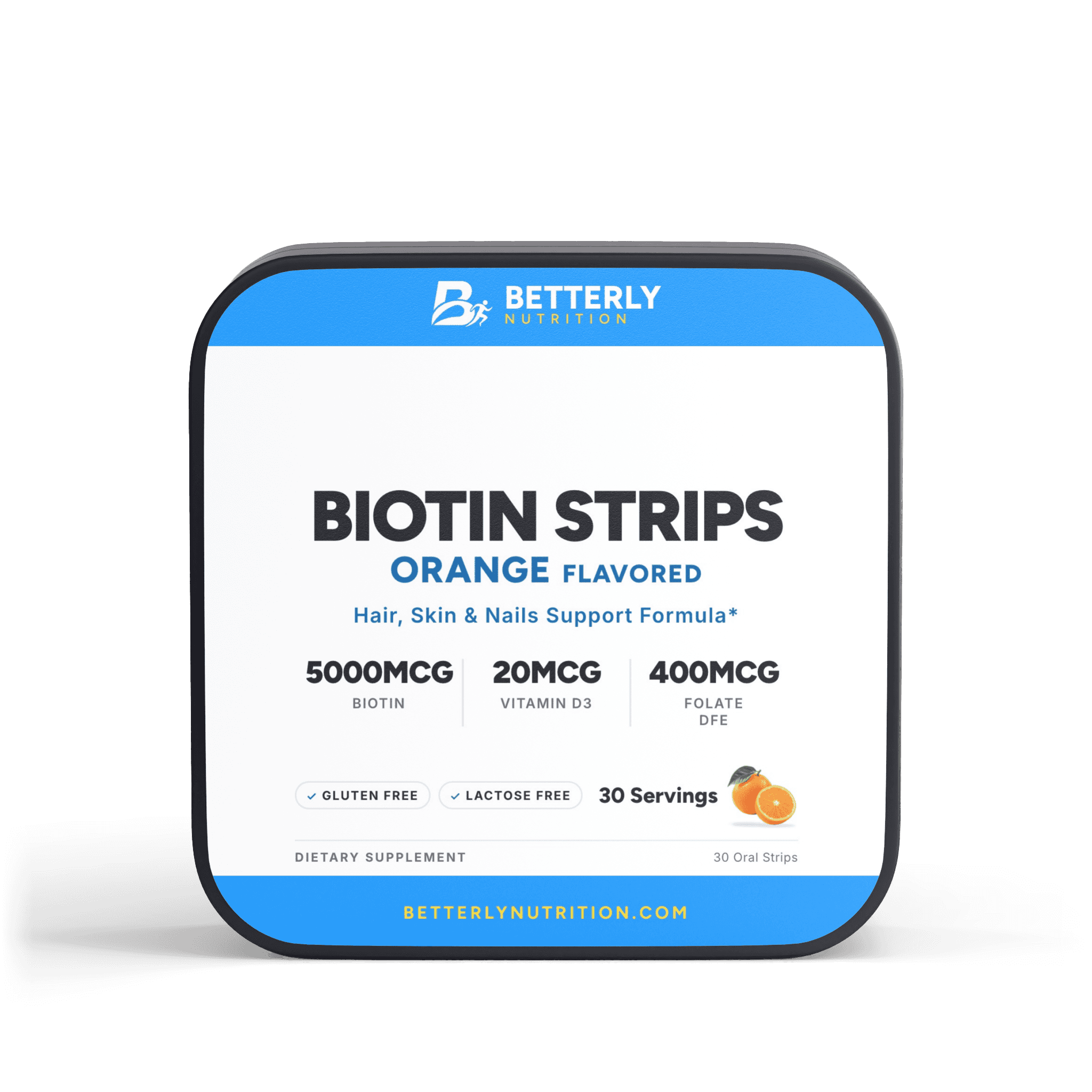
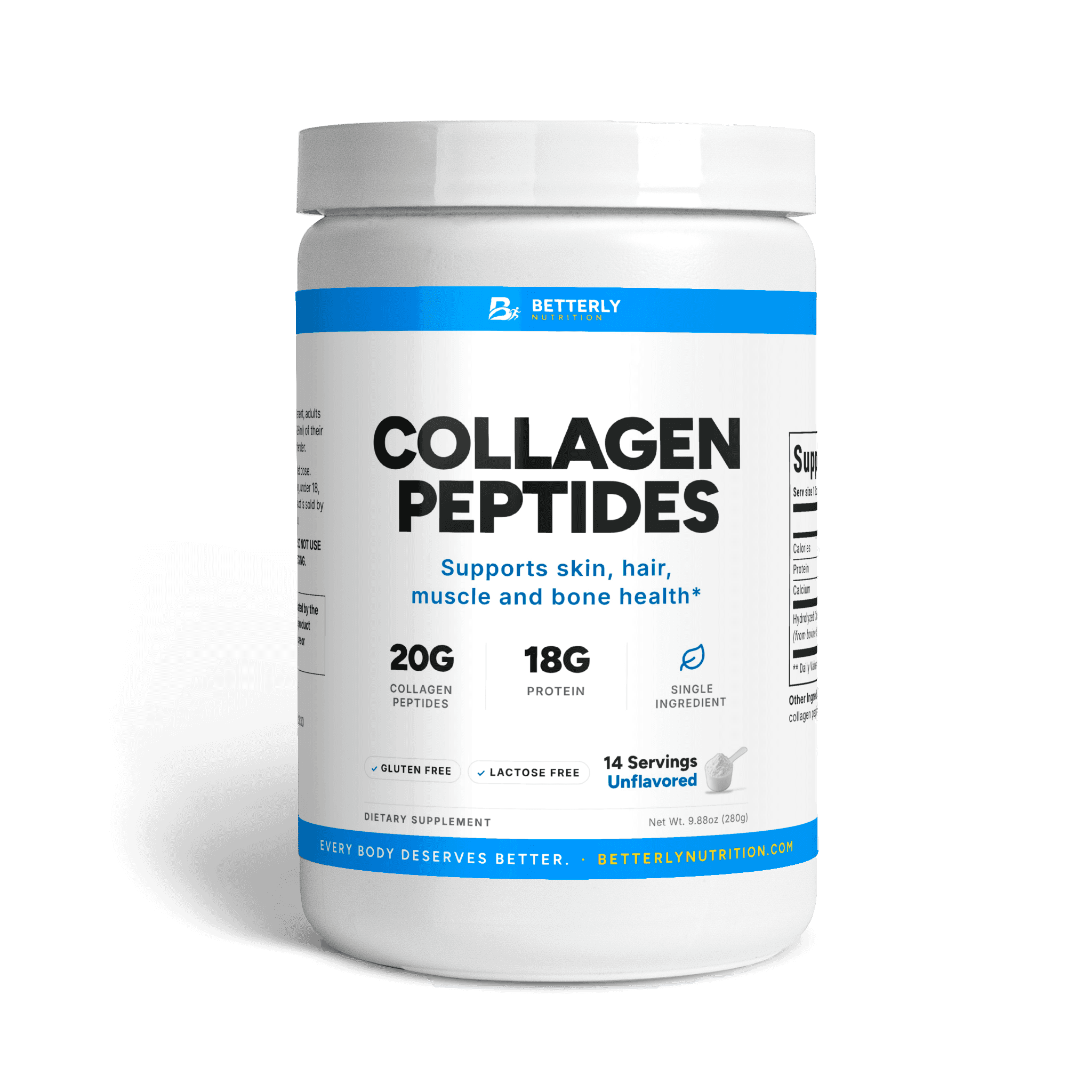
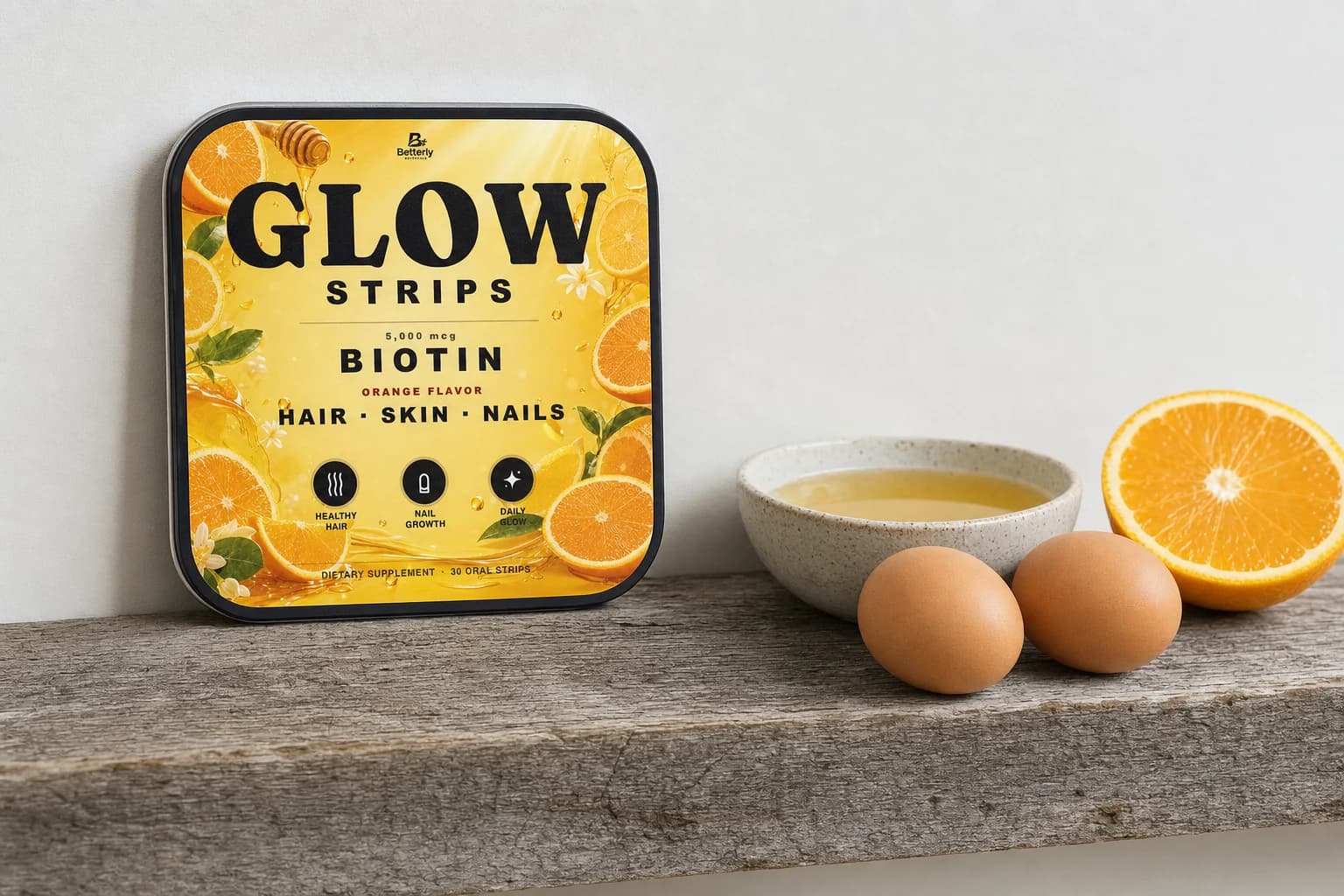
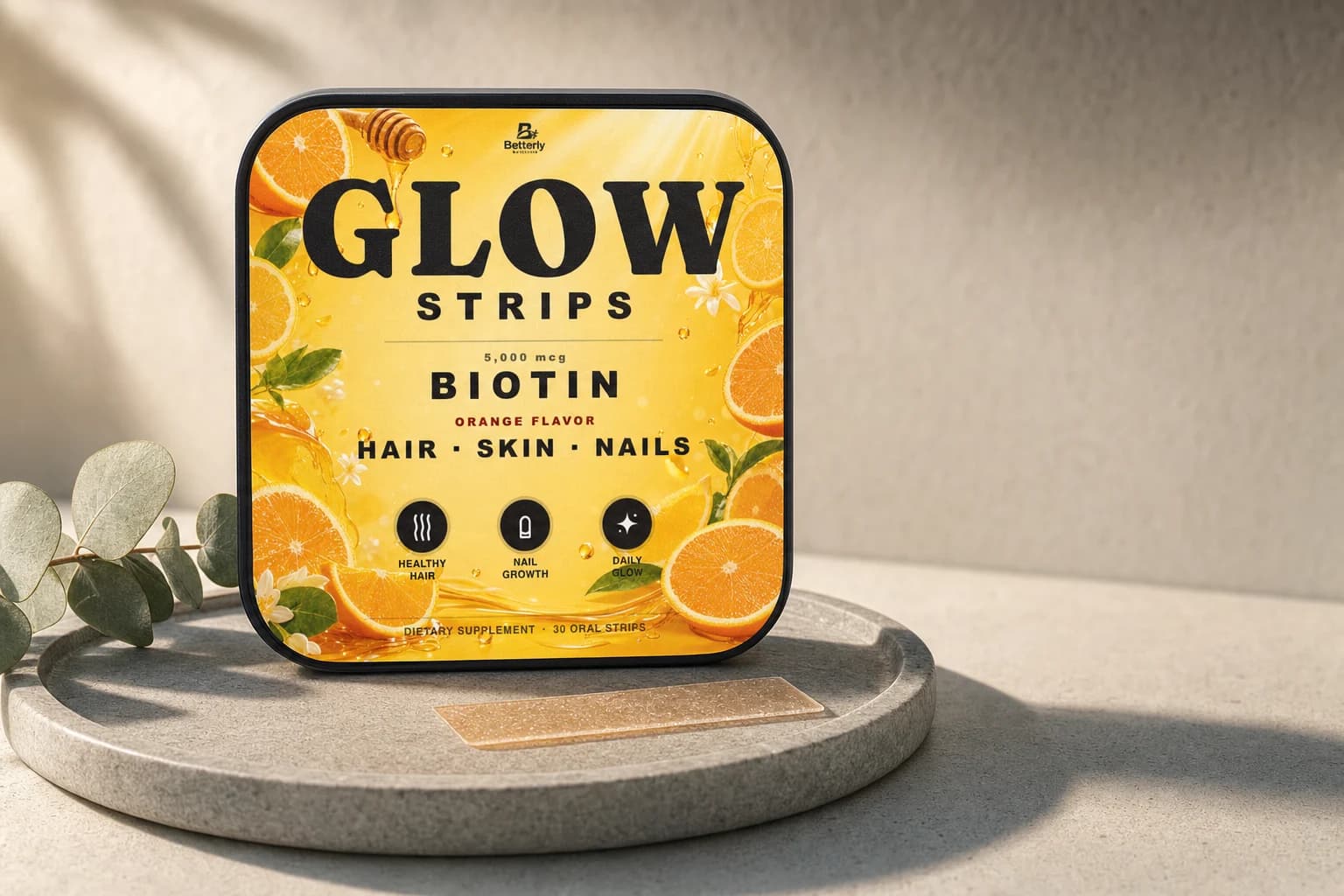
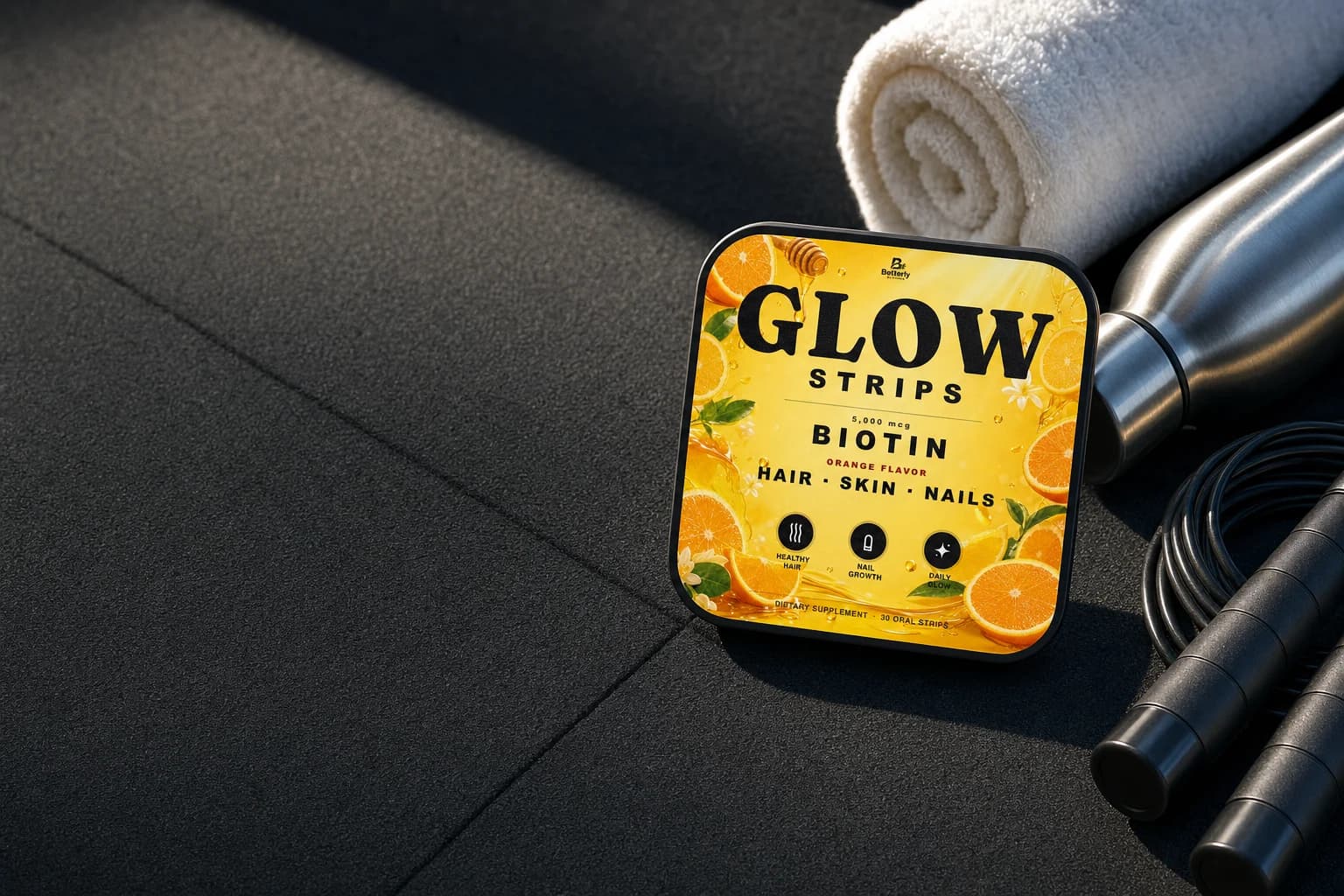
If you're ready to add one simple, focused step to a routine you already care for, pick the nutrient first: our 5,000mcg Biotin Strips are an easy, no-fuss way to work biotin into your day (5,000 mcg per 1-strip serving), and our Collagen Peptides Powder (Unflavored) does the same for collagen with 20 g of hydrolyzed collagen peptides per 1-scoop (20 g) serving. Think of it as one small piece of the bigger picture — right alongside good food, decent sleep, and a little consistency. We're not here to sell you a miracle; we're here to help better feel doable.
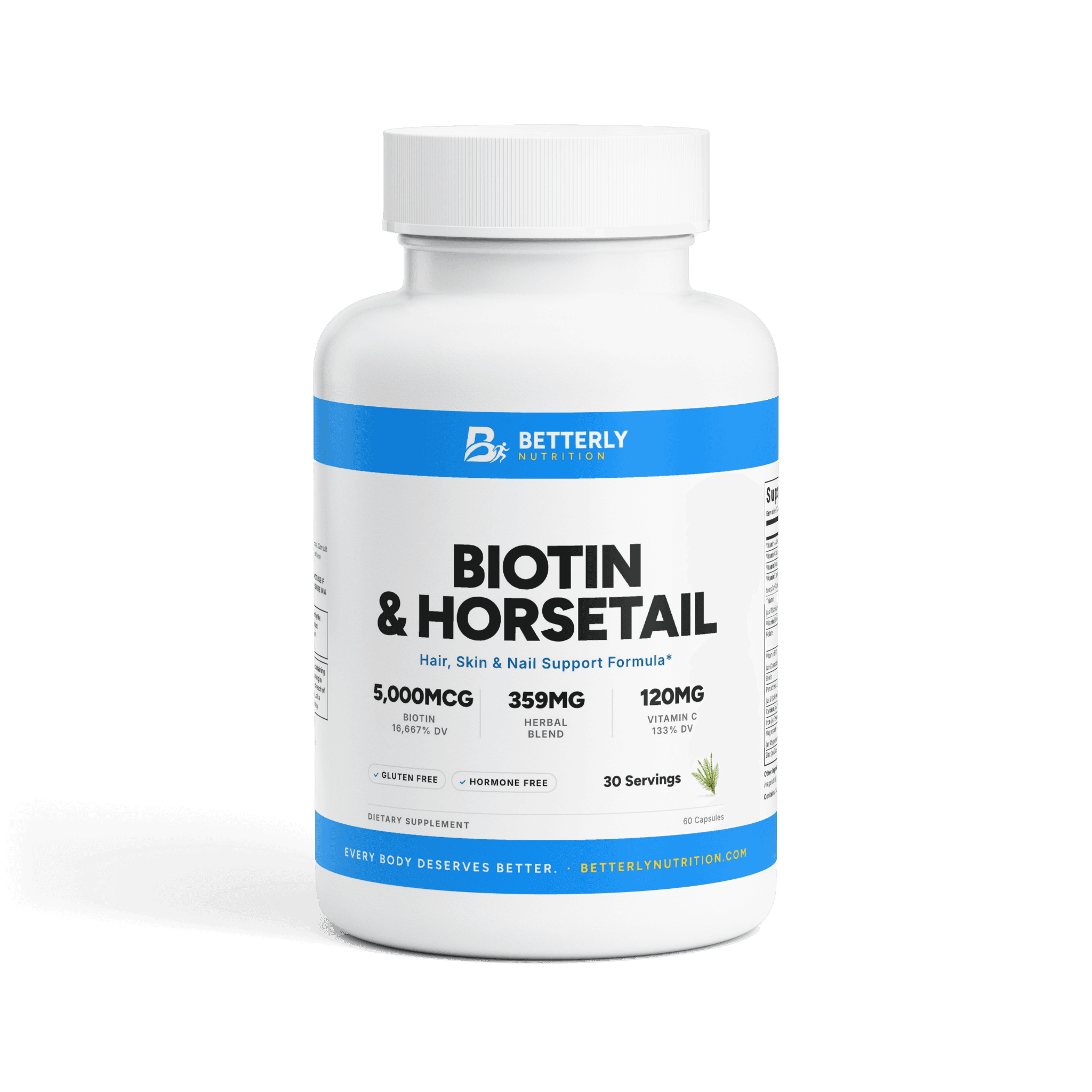
If this left you looking for somewhere to start, read biotin and horsetail capsules with vitamin C and zinc — its amounts per serving are listed on the page. For the practical questions this raises, how dosing, sourcing and subscriptions work is answered in one place.