
Shop Bone & Joint
6 products
Sort: Featured

The short version
Glucosamine, turmeric or the bone basics: where to start
This collection does two jobs under one name. Joints are where the moving happens, cushioned by cartilage and surrounded by tendon and ligament; bones are the mineral frame underneath; and both are kept up mostly by meals, movement and sleep, with a capsule or a scoop filling in around them. Two federal sources put the basics plainly. The NIH Office of Dietary Supplements explains that the body uses vitamin D to absorb calcium, one of the main building blocks of bone, and the National Center for Complementary and Integrative Health calls glucosamine a building block for glycosaminoglycans, molecules that are part of the structure of cartilage. That same center is candid about the limits: it describes the research on glucosamine as inconsistent and the research on MSM as too small to draw conclusions from, and we would rather repeat that than paper over it. So the shelf is stocked in two halves, both taken to support normal joint and bone health: two joint formulas built around glucosamine, and the bone basics of vitamin D3 and collagen peptides.
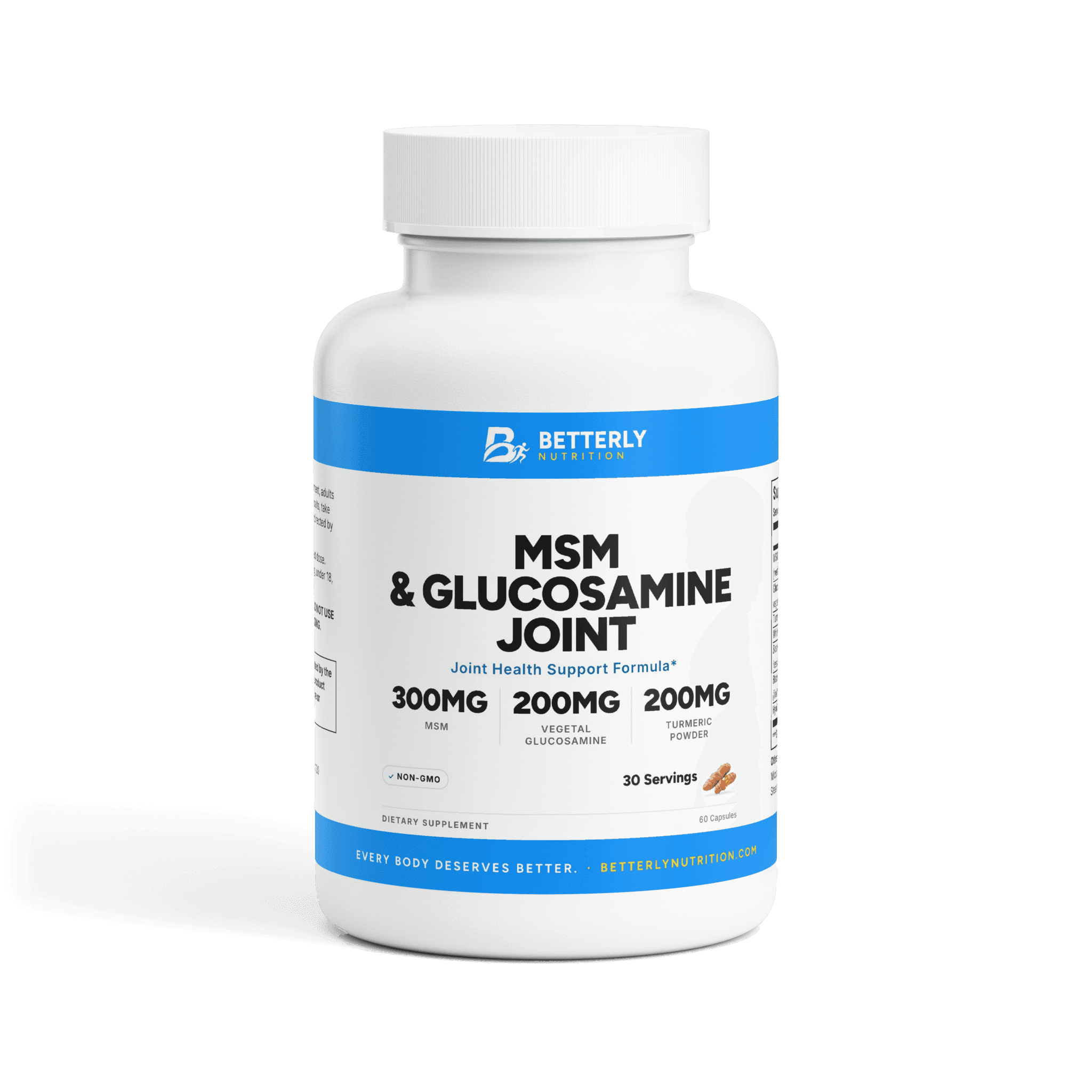
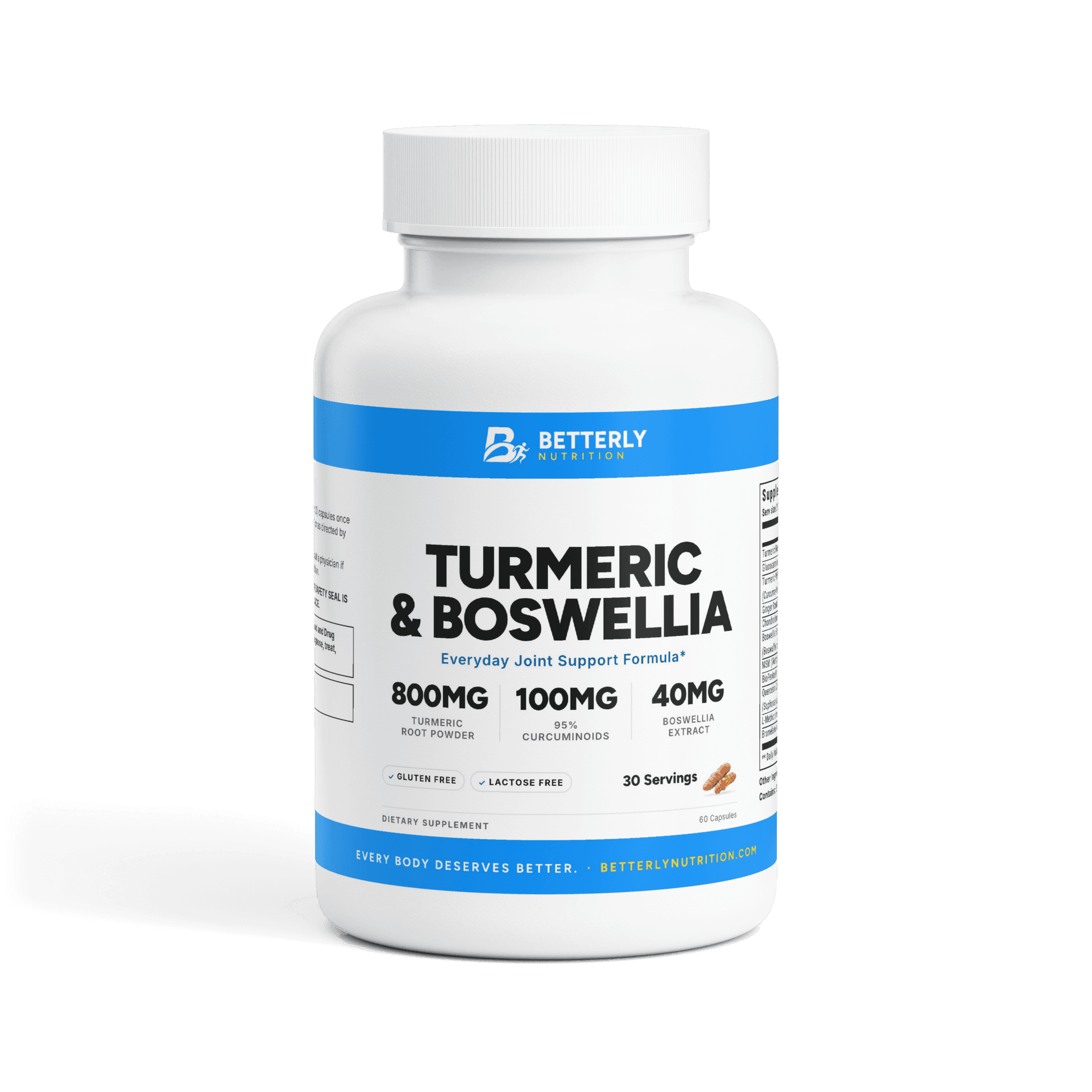
Start with the joint pair, because they overlap more than their names suggest. MSM & Glucosamine Joint Capsules lead with 300 mg of MSM and 200 mg of GlucosaGreen® vegetal glucosamine HCl, then add 200 mg of turmeric root powder, 150 mg of white willow bark extract, 100 mg of boswellia standardized to 65% boswellic acids, 10 mg of black pepper extract and 10 mg of hyaluronic acid: seven rows, each with its own milligram figure. Turmeric Curcumin & Boswellia Capsules turn the emphasis around, with 800 mg of turmeric root powder plus a separate 100 mg extract standardized to 95% curcuminoids, then 200 mg of glucosamine sulfate 2KCl, 50 mg of chondroitin sulfate, ginger, boswellia and five smaller rows, eleven ingredients in all. Two details decide more than the headline does: the glucosamine salt, worked through in the questions below, and the capsule, a gelatin shell on the first and a vegetable capsule on the second, whose label declares shellfish.
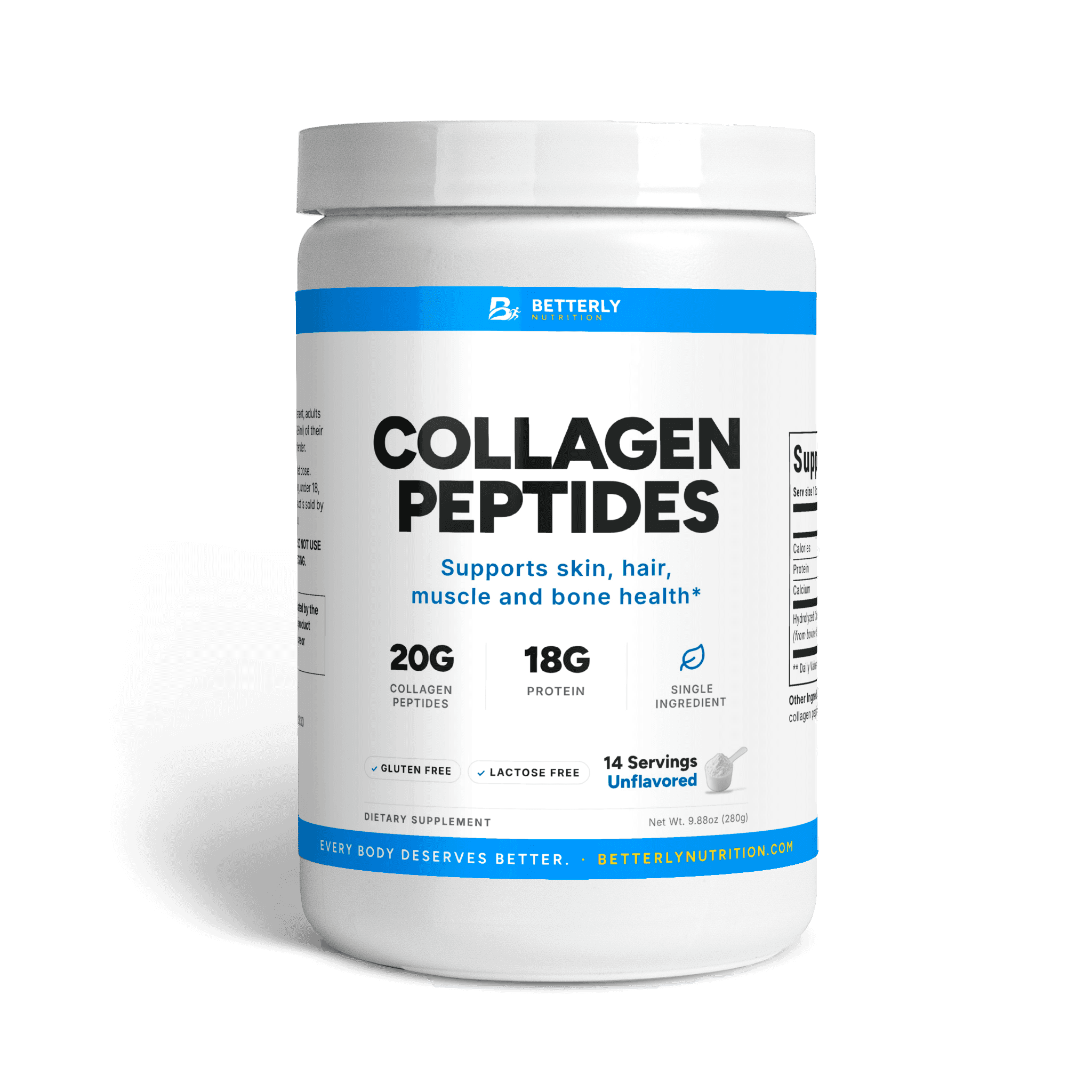
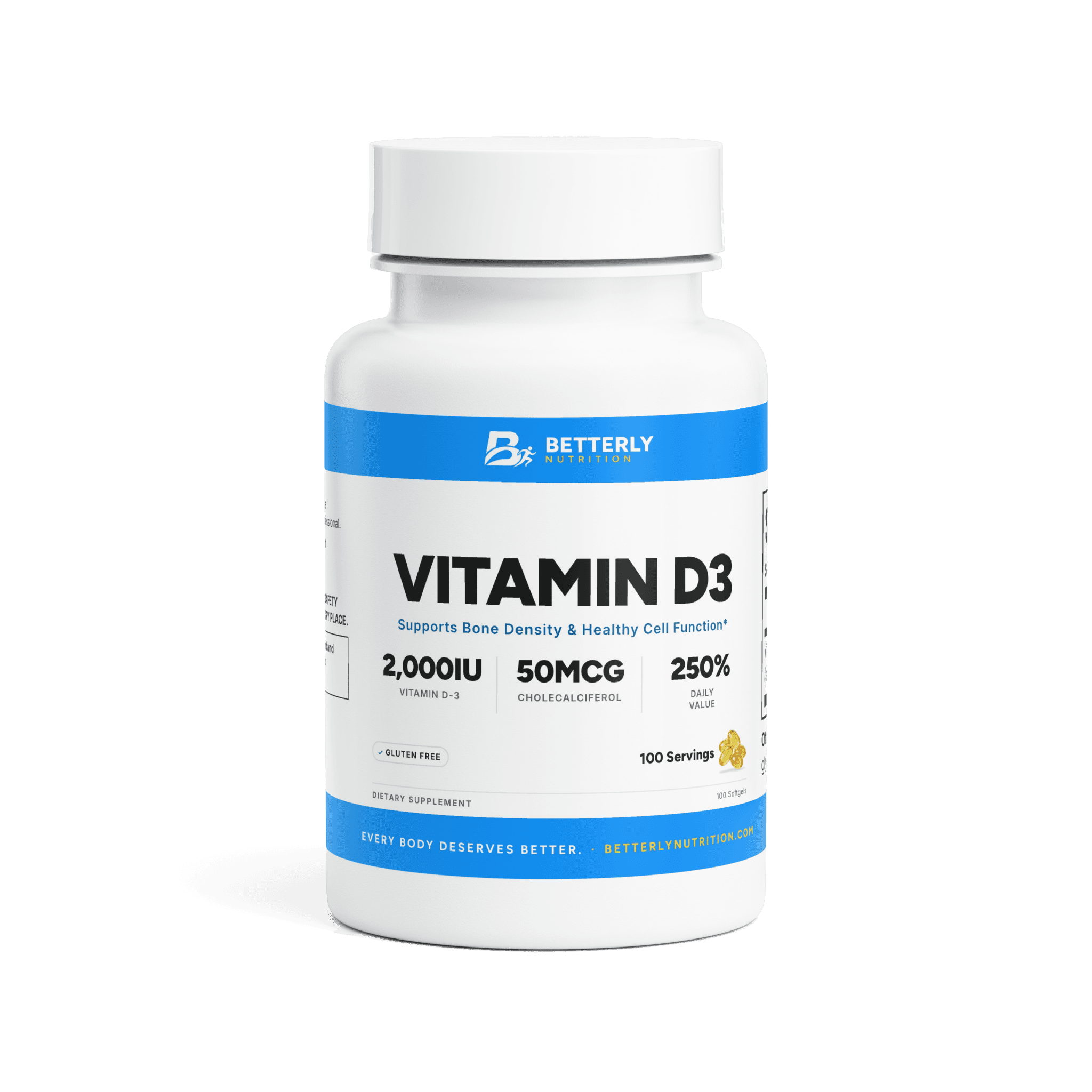
The bone side is shorter. Vitamin D3 Softgels are one row and nothing more, 2,000 IU (50 mcg) of D3 as cholecalciferol. 2,000 IU Vitamin D3 & K2 Strips match that D3 figure and put 120 mcg of menaquinone, the K2 form, beside it on a film that melts on the tongue instead of going down with water. And Collagen Peptides Powder is 20 g of hydrolyzed collagen peptides from bovine hide and 18 g of protein per serving, as a single-ingredient unflavored tub or a stevia-sweetened chocolate one.
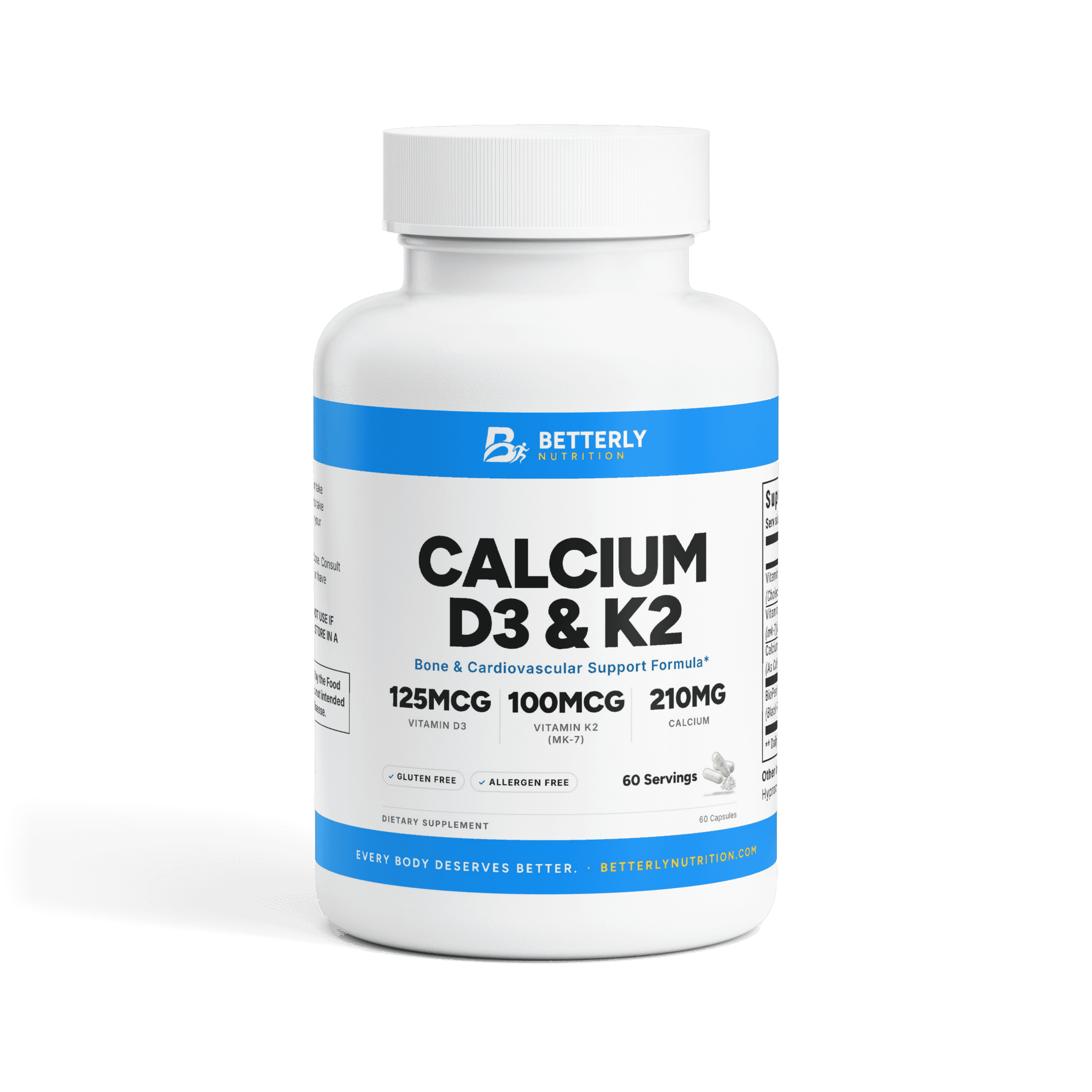
Then pick one of each kind rather than the whole shelf. The two joint formulas share glucosamine, MSM, turmeric and boswellia, so running both mostly repeats the same rows: choose the panel you prefer, take it as its label directs (two capsules daily with 6 to 8 ounces of water for the MSM formula, two capsules 20 to 30 minutes before a meal for the turmeric one), and give it several consistent weeks before you decide whether it has earned the slot. On the vitamin D side, do the arithmetic first. The NIH Office of Dietary Supplements lists the adult upper limit as 4,000 IU (100 mcg) a day, counting food, drinks and every supplement toward it; a softgel or a strip is 2,000 IU, so one of them uses half that allowance and a second would use up the rest before a single meal is counted. The same arithmetic is why one product on this shelf is not one we point anyone toward: Calcium, Vitamin D3 & K2 Capsules print 125 mcg (5,000 IU) of vitamin D in each capsule and direct two a day, 10,000 IU in all, so even one capsule is over the limit, and its label belongs in front of a healthcare provider before anyone considers it.
Collagen is the easy fit, a scoop stirred into a drink you already have. If you are pregnant, nursing, taking a prescription or managing a health condition, clear any of this with your healthcare provider before you start, and let Subscribe & Save take 10% off; you can cancel it from your account anytime. The two D3 products also sit on the everyday vitamin and mineral shelf, and each panel figure on this page is the manufacturer's own number, the standard behind every listing we carry.
Read first
Guides for Bone & Joint
The first thing to settle on this shelf is the glucosamine itself: glucosamine HCl versus sulfate sets our two joint panels side by side, salt, source and allergen line included, and shows the arithmetic behind the milligrams.
Is Glucosamine Made From Shellfish?
Is glucosamine made from shellfish? Often, not always. See how to spot the source on a label with two of ours: one vegetal, one listing crab and lobster.
Turmeric vs Curcumin: Which to Choose
Turmeric vs curcumin on a real label: 800 mg of root powder and 100 mg of a 95% curcuminoid extract per 2 capsules, and which one fits you.
MSM Supplement Benefits and Side Effects
NCCIH says research is too thin to judge MSM supplement benefits for joints. Here are the side effects it lists and the sulfur in a 300 mg serving.
Collagen 101: Benefits & Uses
Collagen types, real benefits, and how to actually use it — an honest, plain-English guide to fitting collagen into a healthy everyday routine.
Do I Need a Calcium Supplement? Food First
Do I need a calcium supplement? Tally your meals first: four sample food days, from dairy-heavy to no dairy and nothing fortified, show where a gap opens.
Vitamin D units, K2 forms and the rest of the ingredient-by-ingredient reading sit with every guide we have published.
Before you buy
Bone & Joint questions, answered
- Glucosamine HCl or glucosamine sulfate: what is the difference?
- Only the salt carrying the glucosamine, but it changes the arithmetic. MSM & Glucosamine Joint Capsules use glucosamine HCl, while Turmeric Curcumin & Boswellia Capsules use glucosamine sulfate 2KCl, where sulfate and potassium chloride take up part of the weight, so by molecular weight 200 mg of the first holds roughly 166 mg of glucosamine and 200 mg of the second roughly 118 mg. The salt says nothing about the source. The sulfate formula's label declares shellfish (crab, lobster and crawfish), and its warning tells people allergic to shellfish not to consume it; the HCl formula names its glucosamine as vegetal but prints no allergen statement either way, so anyone with a shellfish allergy should ask a physician before taking that one too.
- Can I take both joint formulas together?
- We would not. Glucosamine, MSM, turmeric and boswellia appear on both panels, each beside a black pepper extract (listed as BioPerine® on the turmeric one), so a second bottle mostly repeats the first rather than adding to it. Choose the MSM-led formula or the turmeric-led one with chondroitin and ginger, and follow its label. Glucosamine carries a medication note too: the NIH's National Center for Complementary and Integrative Health says glucosamine and chondroitin may interact with the blood thinner warfarin, and vitamin K matters to anyone on that medicine as well, so if you take it, or any prescription medicine, talk to your healthcare provider before starting either formula or the K2 strips. Both joint labels add pregnancy, nursing and being under 18 to that list.
- Do I need to take calcium alongside vitamin D?
- Not necessarily from a capsule. Vitamin D and calcium work as a pair, but they do not have to arrive in the same serving: the NIH Office of Dietary Supplements lists 1,000 to 1,200 mg of calcium a day for most adults, an amount many people reach through dairy and fortified foods, and the calcium guide above walks through a food-first day. Vitamin D3 Softgels carry no calcium, and neither do the strips, which leaves that side to your plate. The one calcium capsule in this collection pairs 210 mg of calcium with 125 mcg (5,000 IU) of vitamin D3 per capsule, already over the adult vitamin D limit on its own, so it is one to discuss with a healthcare provider first, not one to add on your own.
- Is collagen peptides powder a joint supplement?
- It is a protein first. Collagen is one of the main structural proteins in cartilage, tendon, ligament and bone, and hydrolyzed peptides are collagen cut into short fragments so they stir into a drink instead of setting like gelatin; once swallowed, they are digested like any other dietary protein. A serving of Collagen Peptides Powder is 20 g of bovine collagen peptides with 18 g of protein, one scoop of the unflavored or two of the chocolate. Two things to know before you count on it: collagen carries no tryptophan, so it is not a complete protein and does not replace the protein in your meals, and its source is cattle hide, which rules it out for vegans and vegetarians.
Shop by goal
The rest of the range
Joints and bones carry every other goal on this list, from tomorrow's training to tonight's wind-down. The rest of the range, one page per goal:
Prefer to see everything at once? Browse all 104 Betterly supplements and filter by format, price or dietary preference.
Ordering
Shipping, returns and support
Five of these ship as a bottle or a strip pack and one as a powder tub, and USPS postage is charged at cost by the weight of whatever is in the box. The details before you order:
- Shipping rates and tracking
Weight-based USPS rates, charged at cost with no markup — powders weigh more than capsules, so they cost a little more to send. Follow any order at /track. Lower 48 only.
- Our 30-day delivery guarantee
Damaged, wrong, or never arrived? Tell us within 30 days for a refund or replacement — nothing to ship back.
- Answers to the questions we get most
Subscribe & Save, pricing (no separate handling fee), ingredients and label questions — all in one place.
- Track an order without an account
Your order reference and the email you ordered with is all it takes. No account needed.
- Contact the Betterly support team
Ingredient questions and order changes go straight to our support team.