
Shop Heart & Circulation
6 products
Sort: Featured
The short version
Fish oil, CoQ10 or nitrate: sorting the heart shelf
Your heart is a muscle that never gets a rest day, and the circulation it drives is how oxygen and nutrients reach every other part of you. Supplements play a small part in that system, and this collection is written at that scale: six products gathered around heart and circulation, each described by what its own panel prints, all meant to sit beside the habits that carry most of the load — moving most days, eating fish and plenty of plants, and sleeping enough. The shelf follows three routes. Fish oil supplies EPA and DHA, long-chain omega-3 fats the NIH Office of Dietary Supplements identifies as parts of the membrane around every cell, with work to do in the heart and blood vessels among other places.
CoQ10 is a compound the body makes for itself, and the National Center for Complementary and Integrative Health notes that the heart holds some of the highest levels of it in the body. The third route runs through nitric oxide, a molecule the body uses to widen blood vessels and increase blood flow. The same NIH office counts beets among the richest food sources of nitrate, part of which the body turns into nitric oxide, and notes that the body makes arginine from citrulline and converts some of that arginine into nitric oxide too.
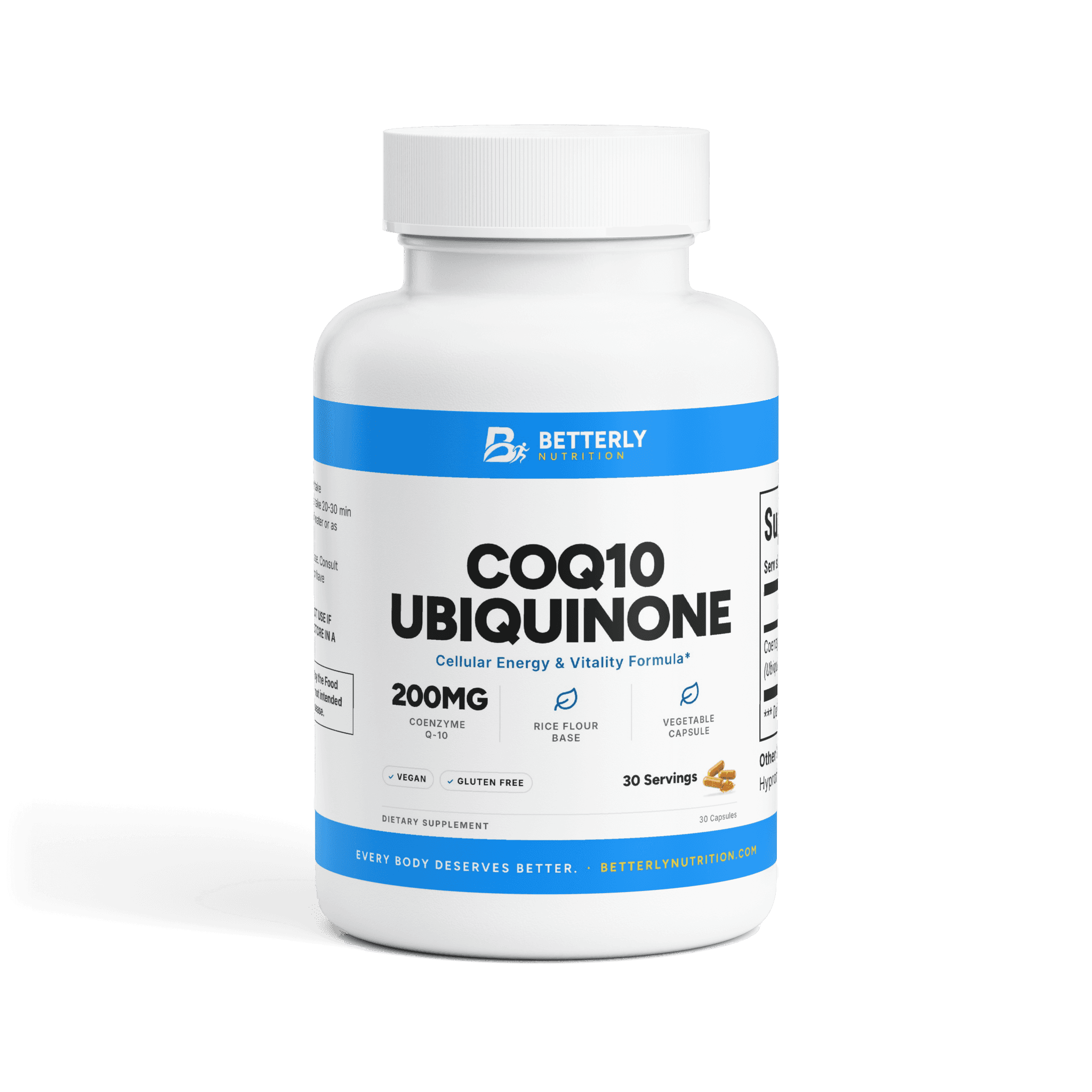
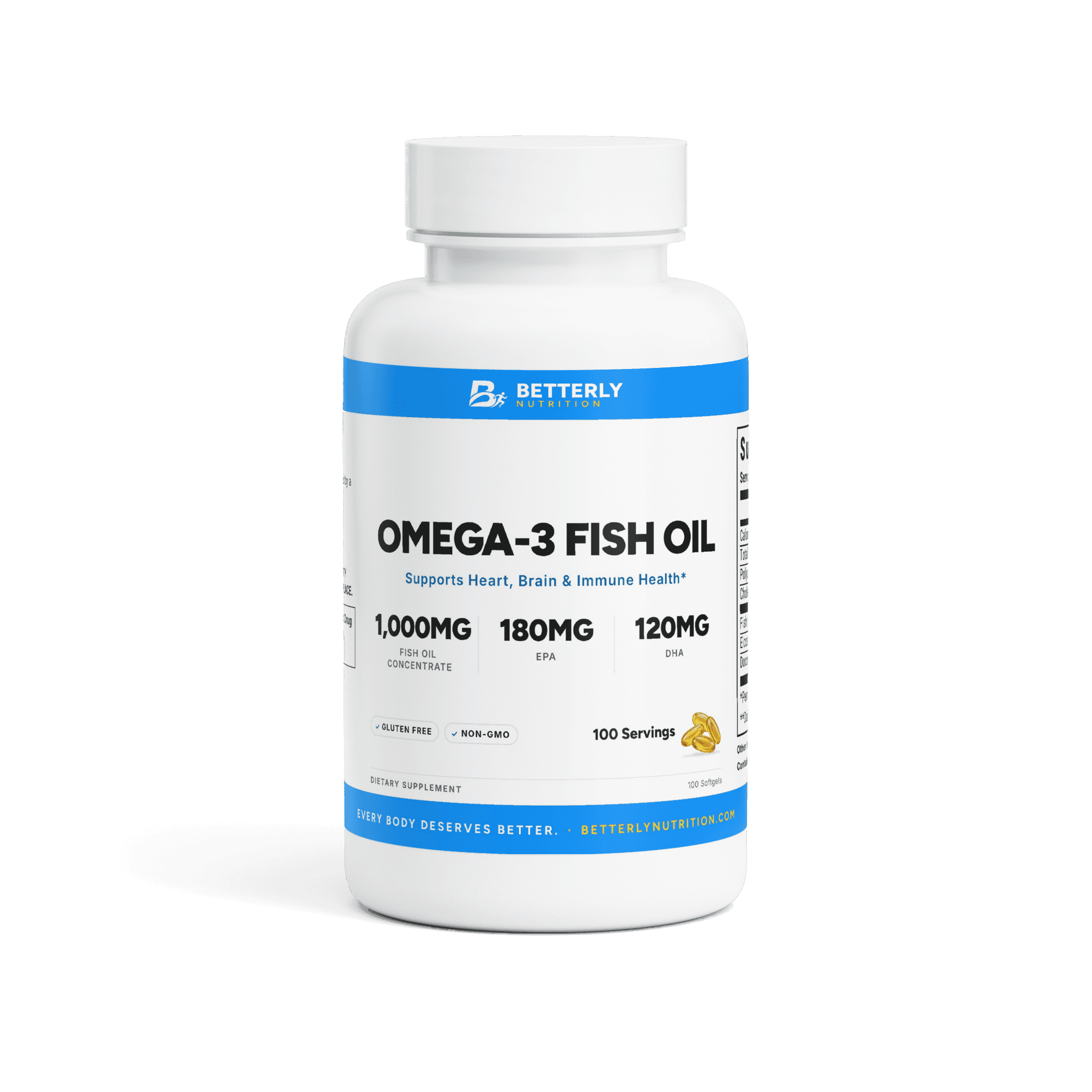
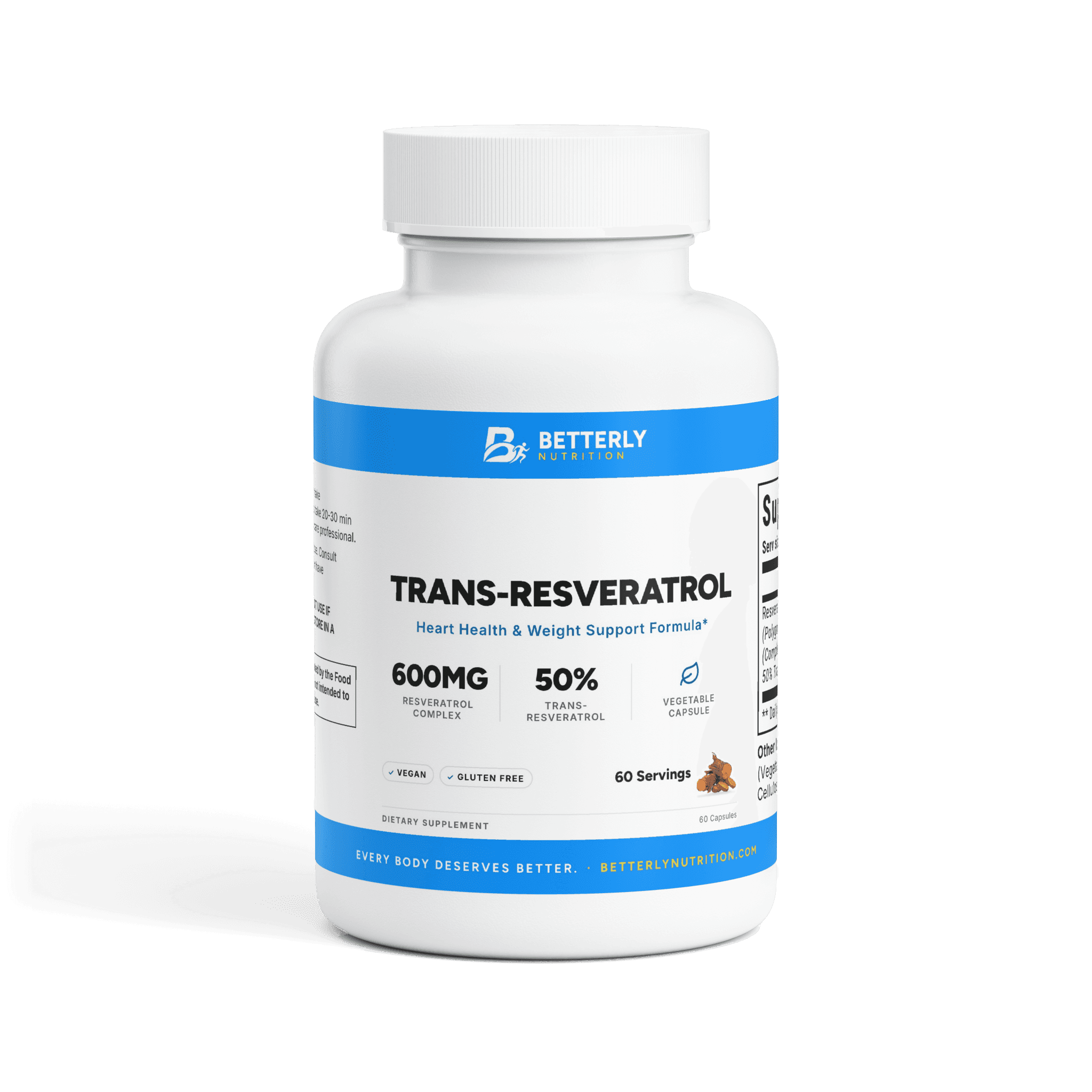
Read this shelf the way you would read its labels, because the number that matters is rarely the biggest one on the bottle. Omega-3 Fish Oil Softgels say 1,000 mg, and that is the weight of the whole oil concentrate; the rows worth counting sit underneath it, 180 mg of EPA and 120 mg of DHA per softgel, with sardines and anchovies named in the allergen line. CoQ10 Ubiquinone Capsules put the form inside the row, 200 mg of coenzyme Q-10 as ubiquinone in one vegetable capsule, with rice flour the only other thing inside the shell. Trans-Resveratrol Capsules print a 600 mg resveratrol complex from Japanese knotweed root that is 50% trans-resveratrol, which works out to 300 mg of the trans form per capsule. It is also the ingredient here with the most open questions: a National Institute on Aging research summary notes that the benefits reported for resveratrol so far come mostly from animal studies, and that more research is needed to know whether it has benefits in people, so this page describes its panel and makes no claim past it.
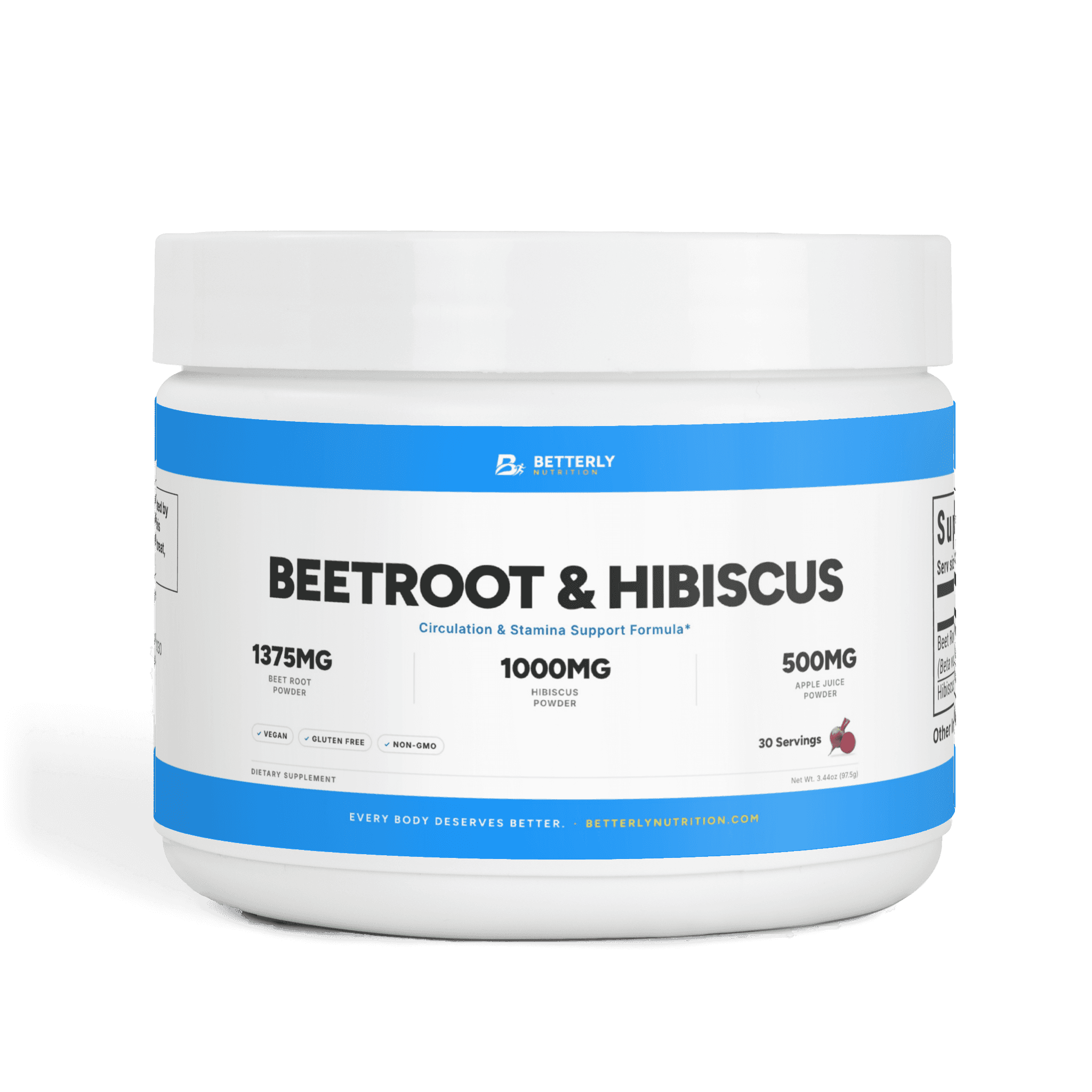
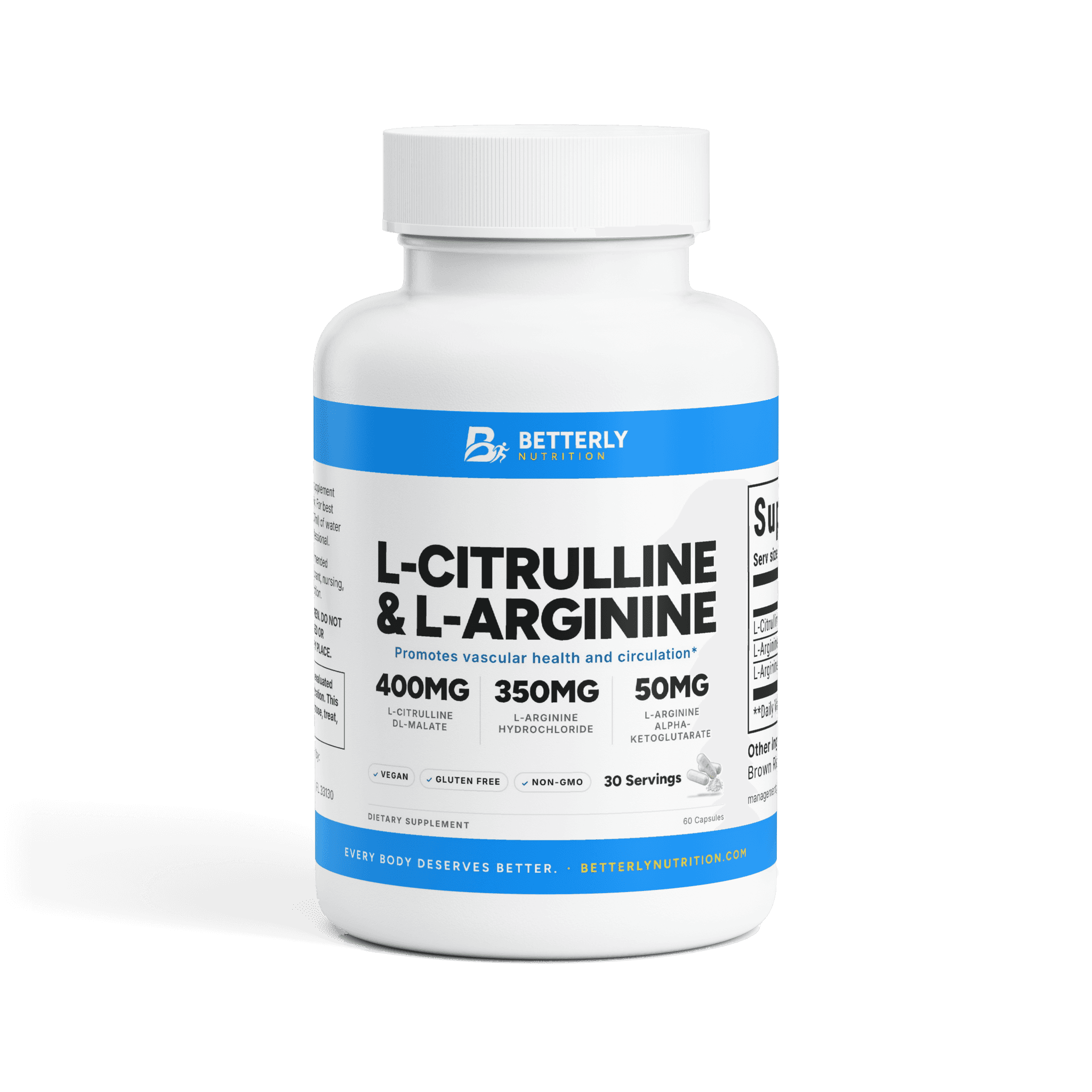
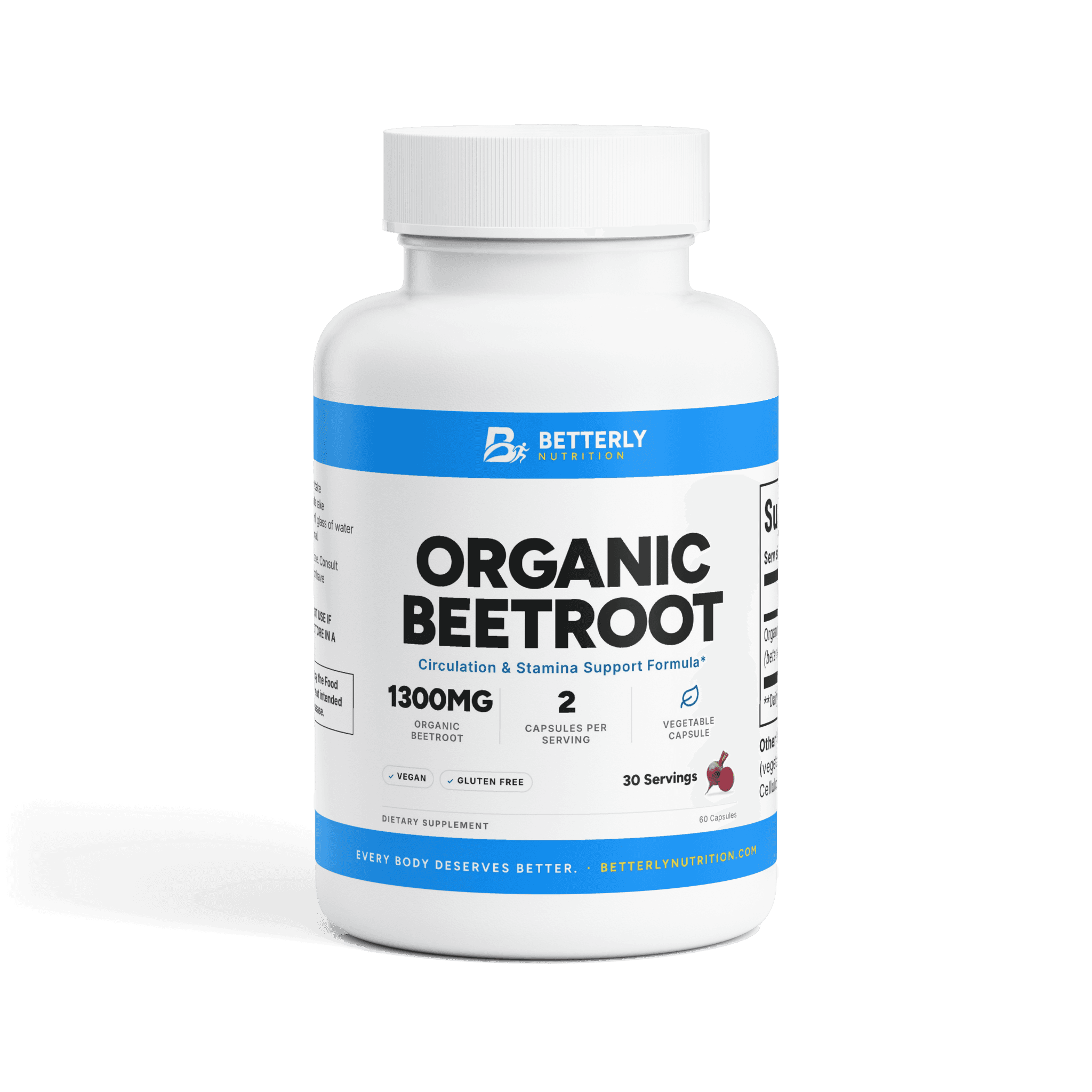
On the blood-flow side, L-Citrulline & L-Arginine Capsules keep three amino-acid forms on three rows — 400 mg of L-citrulline DL-malate, 350 mg of L-arginine hydrochloride and 50 mg of L-arginine alpha-ketoglutarate in two capsules — and Organic Beetroot Capsules hold 1,300 mg of organic beetroot powder on a one-row panel. The one figure neither beet product here prints, the capsules or the Beetroot & Hibiscus Powder, is nitrate, and we will not estimate a number a label does not carry.
Then pick one route rather than all three. Fish oil suits people who rarely eat oily fish; CoQ10 or resveratrol suits someone who wants a single ingredient they can read in one line; citrulline or beetroot fits a routine built around active days. Take it the way its label says, because the labels here disagree on timing: the fish oil is one softgel twice a day with meals, the CoQ10, resveratrol and beetroot capsules go 20 to 30 minutes before a meal, the citrulline capsules ask only for a glass of water, and the beet powder is one scoop in cold water, drunk within ten minutes of mixing. At those directions the fish oil supplies 600 mg of EPA and DHA a day, well under the FDA’s 5 g figure for supplements covered in the questions below.
If you take a blood thinner or any prescription, read the medication answer there before you start. Give whichever you choose several steady weeks, and let Subscribe & Save keep it stocked at 10% off; you can cancel from your account anytime. CoQ10 and resveratrol also sit in the NAD+ and longevity collection, beside NAD+ and NMN, if the cellular-energy side of their story is the one you are shopping for. Every figure above is read straight off a panel you can check on its product page, and why this page stops at “support” and never says more explains the line we hold.
Read first
Guides for Heart & Circulation
The biggest number on a fish oil bottle is usually the wrong one to compare — how much omega-3 is really in 1,000 mg of fish oil works the EPA-and-DHA arithmetic on our own label and shows you how to repeat it on anyone else’s.
EPA vs DHA: What Each Omega-3 Does
EPA vs DHA, side by side: why DHA stands out in the brain and retina, how ALA compares, and what a 180 mg EPA to 120 mg DHA split means.
Ubiquinol vs Ubiquinone: Which CoQ10 Form?
Ubiquinol vs ubiquinone, explained: two states of CoQ10, what ubidecarenone means on a label, and what our 200 mg ubiquinone panel shows.
Trans-Resveratrol vs Resveratrol, Decoded
Trans-resveratrol vs resveratrol comes down to molecular shape and label wording. See why a 600mg complex at 50% works out to 300 mg of trans per capsule.
Beet Powder vs Beet Juice vs Capsules
Beet powder vs beet juice, by weight: our scoop has 1,375 mg of beet, the solids of about 11 g of raw beet. Juice in the studies takes a pound or more.
Beetroot and Citrulline Together: The Math
Beet nitrate and citrulline take separate routes to nitric oxide. We check the label math on beetroot and citrulline together against two small trials.
Timing guides for fish oil, CoQ10 and beetroot, and every other explainer we have written, sit in the full Betterly reading list.
Before you buy
Heart & Circulation questions, answered
- Is 1,000 mg of fish oil the same as 1,000 mg of omega-3?
- No. On our label, the 1,000 mg measures the fish oil concentrate in one softgel, and the omega-3 you can count is the EPA and DHA printed beneath it: 180 mg and 120 mg, or 300 mg together, 30% of the oil. Omega-3 Fish Oil Softgels direct one softgel twice a day with meals, which comes to 600 mg of EPA and DHA daily. The NIH Office of Dietary Supplements reports the FDA’s advice to take no more than 5 g a day of the two combined from supplements, so the label amount sits well under it; count any other omega-3 product you take toward the same total.
- Ubiquinone or ubiquinol: which form of CoQ10 is this?
- Ubiquinone, named in the panel row itself. CoQ10 exists in two forms the body converts back and forth: ubiquinone is the oxidized one, and ubiquinol is the reduced one, carrying two extra hydrogens. None of the federal health pages behind the CoQ10 form guide above ranks one form over the other, so the fair comparison is the named form, the milligrams and the price. CoQ10 Ubiquinone Capsules hold 200 mg per capsule, taken once a day 20 to 30 minutes before a meal with an 8 oz glass of water.
- Beetroot capsules or beetroot and hibiscus powder: which should I choose?
- Choose by format and by what else you want in the glass. Organic Beetroot Capsules have one active ingredient, 1,300 mg of organic beetroot powder in two capsules, with no taste to live with. Beetroot & Hibiscus Powder is a 3.25 g scoop of 1,375 mg beet root powder, 1,000 mg hibiscus flower powder and 500 mg apple juice powder, with maltodextrin and stevia the only other ingredients, stirred into cold water once a day. Neither panel prints a nitrate figure. The NIH Office of Dietary Supplements notes that nitrate varies considerably between beet products, and that studies have not assessed whether beetroot powder supplements can stand in for the juice most of the research used, so choose on taste and routine, not on an expected effect.
- Can I take these alongside a blood thinner or other medication?
- Ask your prescriber first. The NIH Office of Dietary Supplements warns that high doses of omega-3s may cause bleeding problems when taken with warfarin or other anticoagulant medicines, and the National Center for Complementary and Integrative Health notes that CoQ10 may interact with warfarin and with insulin. For Trans-Resveratrol Capsules, the citrulline capsules and both beet products, take the label to your pharmacist before pairing them with any prescription. Every label in this collection also says to consult a physician if you are pregnant, nursing, under 18 or have a medical condition.
Shop by goal
The rest of the range
Circulation runs underneath every other goal here, from a hard training session to a quiet evening. The rest of the range, goal by goal:
Prefer to see everything at once? Browse all 104 Betterly supplements and filter by format, price or dietary preference.
Ordering
Shipping, returns and support
At two softgels a day, a 100-count bottle of fish oil lasts fifty days, not a hundred, while every other product here runs about a month. How delivery works:
- What shipping costs and where we ship
Weight-based USPS rates, charged at cost with no markup — powders weigh more than capsules, so they cost a little more to send. Follow any order at /track. Lower 48 only.
- Start a refund or replacement
Damaged, wrong, or never arrived? Tell us within 30 days for a refund or replacement — nothing to ship back.
- Common questions about labels and delivery
Subscribe & Save, pricing (no separate handling fee), ingredients and label questions — all in one place.
- Order status and tracking
Your order reference and the email you ordered with is all it takes. No account needed.
- Email us about an order or an ingredient
Ingredient questions and order changes go straight to our support team.