On this page
- Biotin and collagen aren't rivals — they're different things entirely
- What biotin brings to the table
- What collagen brings to the table
- What the research honestly suggests
- Collagen or biotin for hair: how to choose if you only want one
- Can you take biotin and collagen together?
- Who should check with a healthcare provider first
- Gummies, strips, powder — or a serum: choosing your format
- Key takeaways
- FAQ: biotin vs collagen, answered
- Sources
Type "biotin vs collagen for hair" into a search bar and you'll find a dozen articles promising to crown a winner — most of which quietly admit, somewhere around paragraph nine, that it depends. Here's the honest version up front: biotin and collagen are entirely different things that do different jobs, and most people never actually have to choose between them. This guide walks through what each one really is, what research genuinely suggests about both, and how to decide whether you want one, the other, or the two together.
Biotin and collagen aren't rivals — they're different things entirely
The comparison itself is a little misleading, so let's clear that up first, because it makes every decision downstream easier.
Biotin is a vitamin. Specifically, it's vitamin B7, a water-soluble B vitamin your body uses in tiny amounts — micrograms — as a helper molecule in everyday metabolism. Among the processes it supports is the cellular work that goes into producing keratin, the tough protein your hair (and your nails, and the outer layer of your skin) is actually made of. Biotin doesn't become hair; it helps the machinery that makes hair run normally.
Collagen is a protein. It's the most abundant structural protein in your body — the scaffolding in skin, joints, connective tissue, and the tissue that surrounds and anchors each hair follicle. As a supplement it's usually "hydrolyzed," meaning broken down into small peptides your body can absorb and use as raw material: amino acids like glycine and proline. Collagen doesn't become hair either — hair is keratin, not collagen — but building keratin takes a steady supply of amino acids, and collagen delivers those in bulk.
That's the real difference between biotin and collagen: it isn't a matter of strength or quality. One is a micronutrient measured in micrograms; the other is building material measured in grams. Asking which is "better" is a bit like asking whether a site manager or a truckload of lumber is better for building a house. Different jobs. Both useful. So when people weigh biotin vs collagen for hair, they're usually comparing two things that were never in competition.
What biotin brings to the table
Biotin earned its beauty-aisle reputation honestly: when someone is genuinely low in biotin, changes in hair and nails are among the classic signs, and restoring normal levels tends to restore normal function. That's the clearest thing anyone can say about biotin, and it's worth saying plainly.
According to the NIH Office of Dietary Supplements, most people get enough biotin from the foods they eat, including eggs, nuts, seeds, fish and sweet potatoes, and a true biotin shortfall is very rare in the United States. ODS also notes that pregnancy and breastfeeding, and long-term use of certain medications, can affect biotin needs or levels.
Where biotin tends to be the natural first pick:
- Brittle, splitting, or peeling nails. According to the NIH Office of Dietary Supplements, a few small studies found that some people with thin, brittle nails who took high doses of biotin had harder nails, though more research is needed.
- Hair that feels dry and fragile alongside a diet you already suspect is patchy.
- You want something small and simple. Biotin works in micrograms, so it fits into nearly any format — including a strip that dissolves on your tongue.
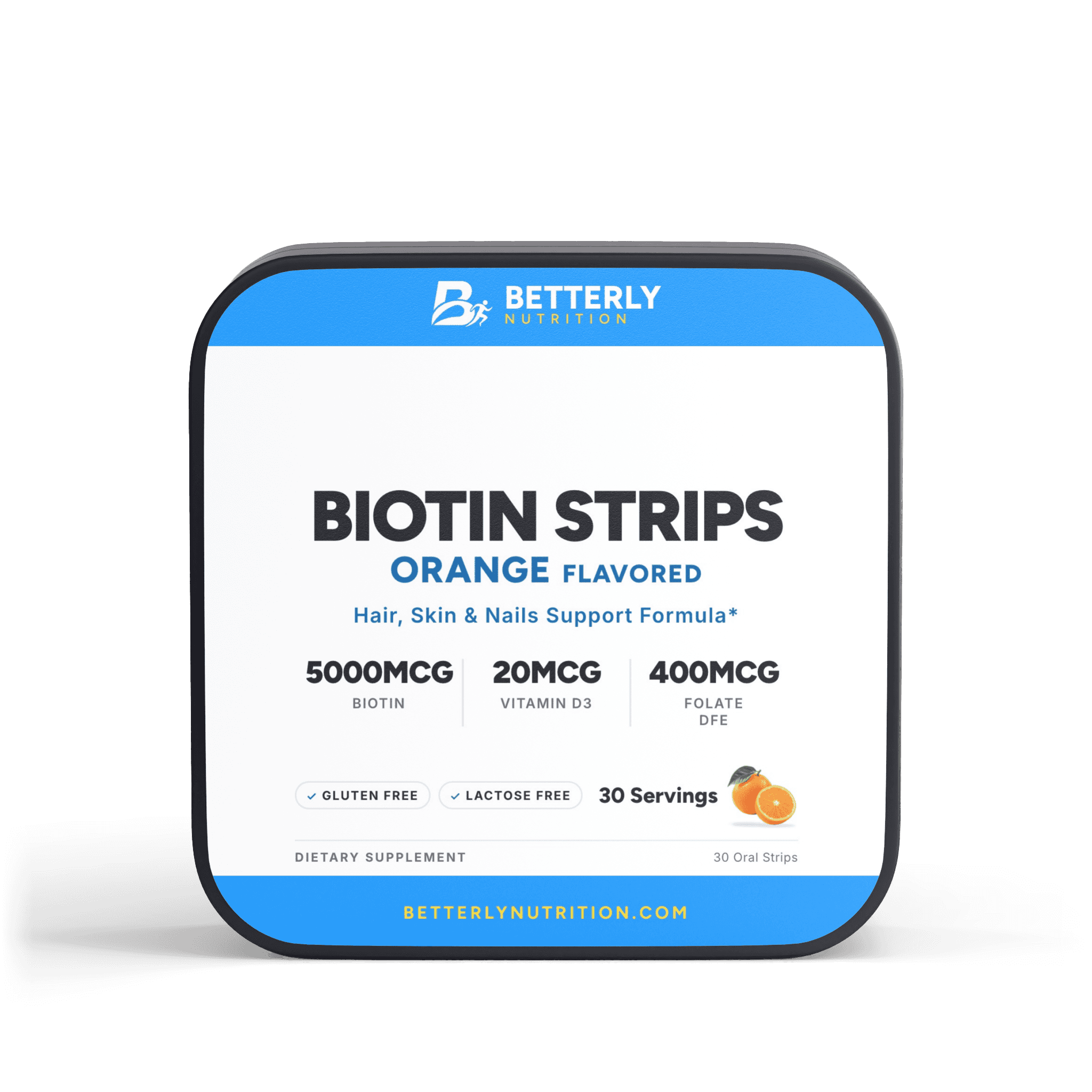
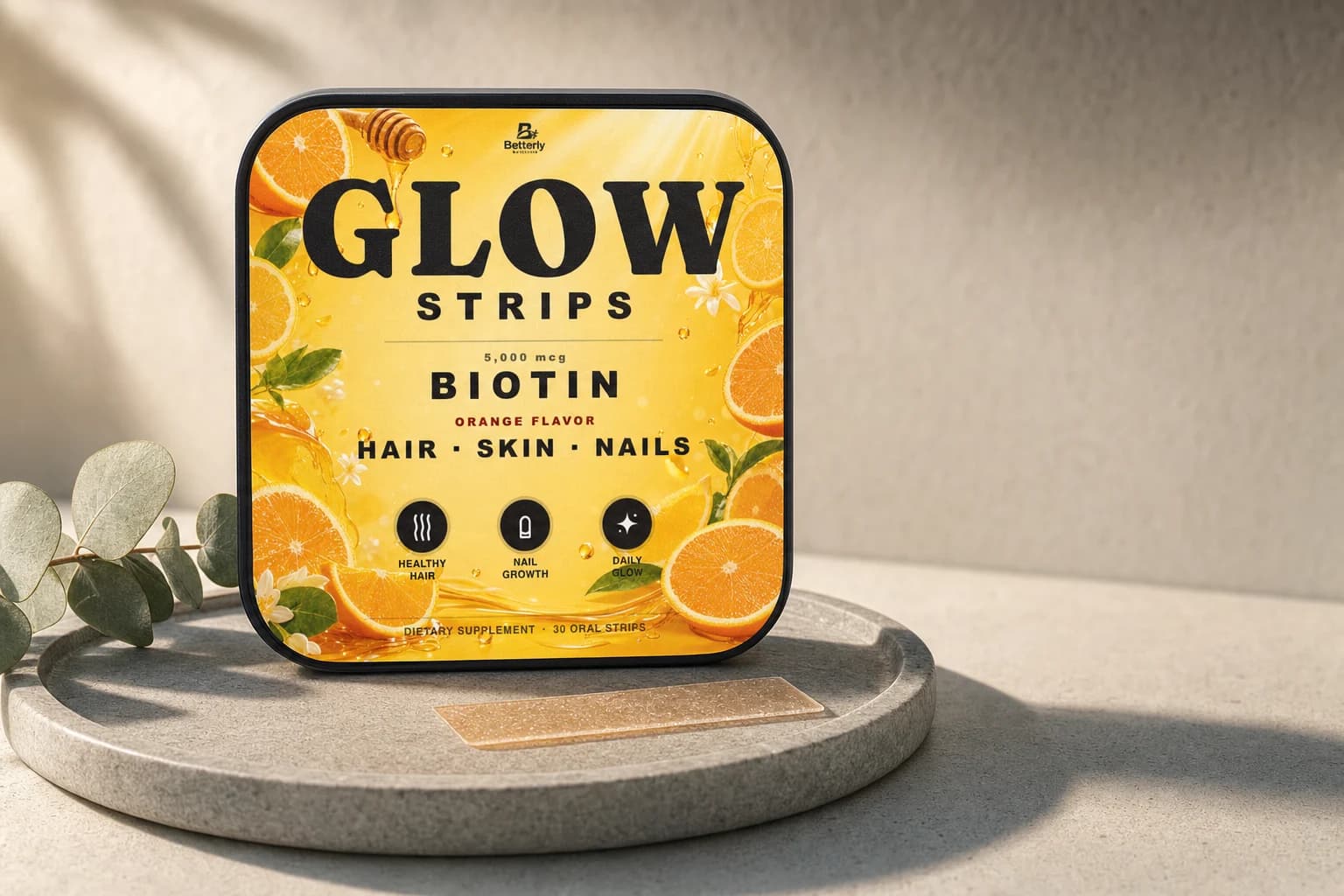
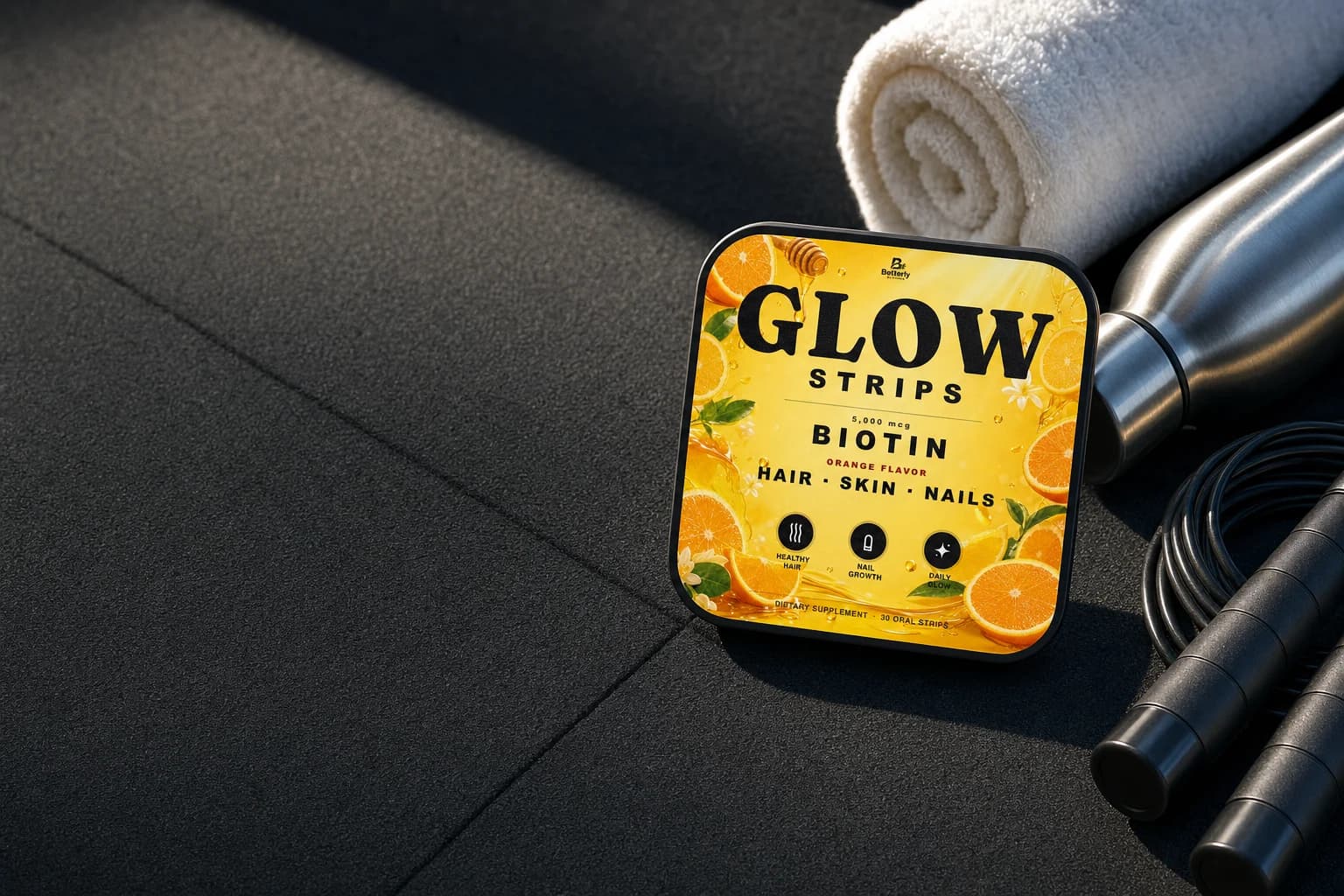
If that's the direction you lean, our 5,000mcg Biotin Strips deliver 5,000 mcg of biotin in a dissolvable strip — 30 to a pack, no water, no swallowing. And if you're wondering why 5,000 mcg shows up on so many labels in the first place, our companion guide Is 5,000 mcg of Biotin Too Much? What the Dose Really Means unpacks that number in plain language.
What collagen brings to the table
Collagen's pitch is completely different. Instead of supporting the machinery, it supplies material. Hydrolyzed collagen peptides are, at heart, a convenient source of specific amino acids — especially glycine and proline — that your body uses to build and maintain connective tissue, including the skin of your scalp and the structures each follicle sits in.
Two things make collagen genuinely interesting for hair:
- Keratin is built from amino acids. Your hair doesn't contain much collagen, but the keratin it does contain has to be assembled from parts — and proline, one of keratin's significant components, is exactly what collagen peptides are rich in.
- Your own supply slows with age. Your body's collagen production gradually slows as you get older.
Collagen tends to be the natural pick if you're thinking about skin and hair together, if you've noticed age-related changes in texture, or if your overall protein intake is on the modest side. For the fuller story — where it comes from, the different types, and how to use it — see our guide Collagen 101: Benefits & Uses.
What the research honestly suggests
This is where most comparison articles get cagey, because the honest summary doesn't flatter either ingredient unconditionally. We'd rather be straightforward.
On biotin: biotin clearly matters when someone is genuinely low, and is much less exciting when they aren't. According to the NIH Office of Dietary Supplements, biotin supplements are often promoted for hair, skin and nails, but there is little scientific evidence to support these claims, and most people get enough biotin from food. If your levels are already normal, extra biotin appears to mostly pass through (it's water-soluble, so your body excretes what it doesn't use). That doesn't make biotin useless — it makes it situational.
On collagen: the evidence is limited. A handful of small studies have looked at collagen peptides and hair or nail measures, but not all of them used a placebo group and some were paid for by ingredient makers, so treat them as early signals, not settled fact.
On everything else: no supplement outruns the basics. Hair reflects your overall protein intake, iron status, sleep, stress, and how gently you physically handle it — tight styles and hot tools do real mechanical damage that no capsule addresses. If your routine ignores those, start there. Our broader hair, skin and nails supplement guide walks through the full picture, foundations included.
Collagen or biotin for hair: how to choose if you only want one
If you'd rather keep things to a single supplement, this simple framework covers most situations:
- Your nails are the main complaint — splitting, peeling, breaking: biotin is the more common pick.
- You're thinking about hair and skin together: collagen makes more sense, since it supplies material your body genuinely makes less of with age.
- You eat a limited or restrictive diet: either could fill a gap — but be honest about which gap. Low protein overall points to collagen; a very narrow food list is worth raising with your healthcare provider.
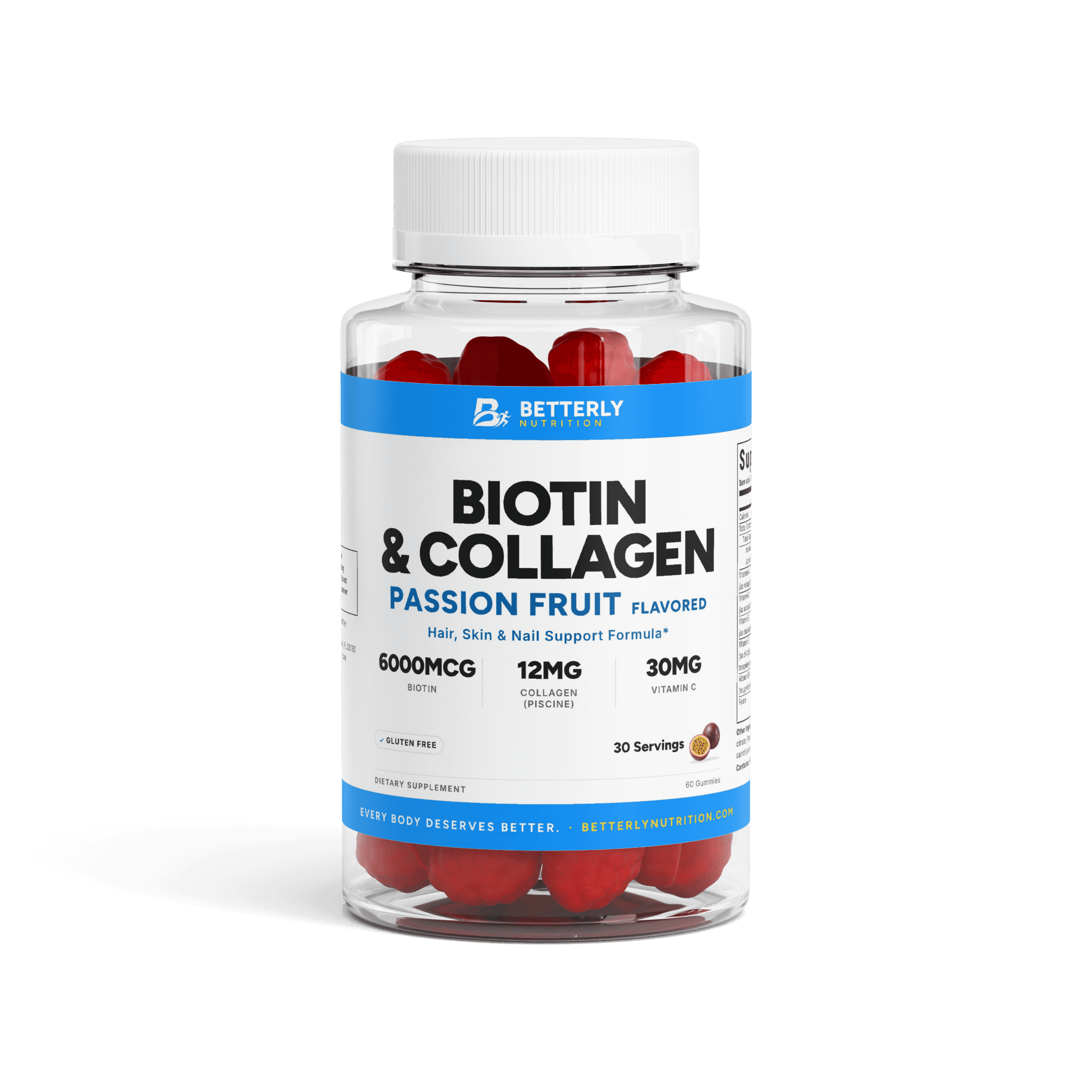
- You're fully plant-based: collagen is an animal-derived protein, full stop. Biotin can be sourced vegan-friendly, so it's usually the workable choice. None of our biotin products carries a vegan claim, and our Biotin & Collagen Gummies contain fish-derived collagen, so check any label for a vegan mark before you buy.
- You genuinely can't decide: that's not a character flaw — it's the most common position of all, which brings us to the next question.
Can you take biotin and collagen together?
Yes. There's no known interaction between biotin and collagen — one is a water-soluble vitamin, the other is a protein, and your body absorbs and uses them through entirely different routes. This is exactly why the "hair, skin and nails" category so often combines them: they're complementary, not redundant. One supports the keratin-building machinery; the other stocks the shelves with raw material.
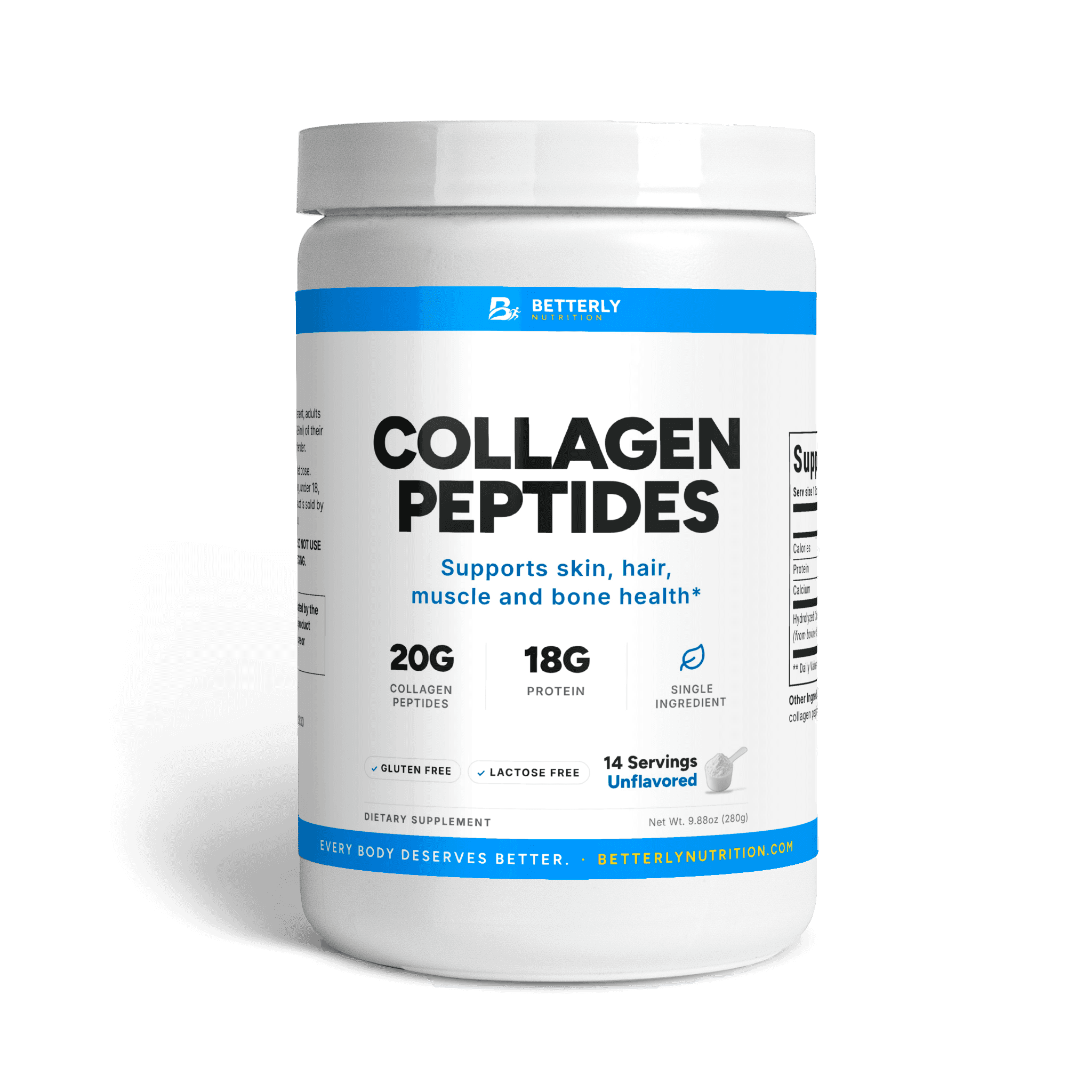
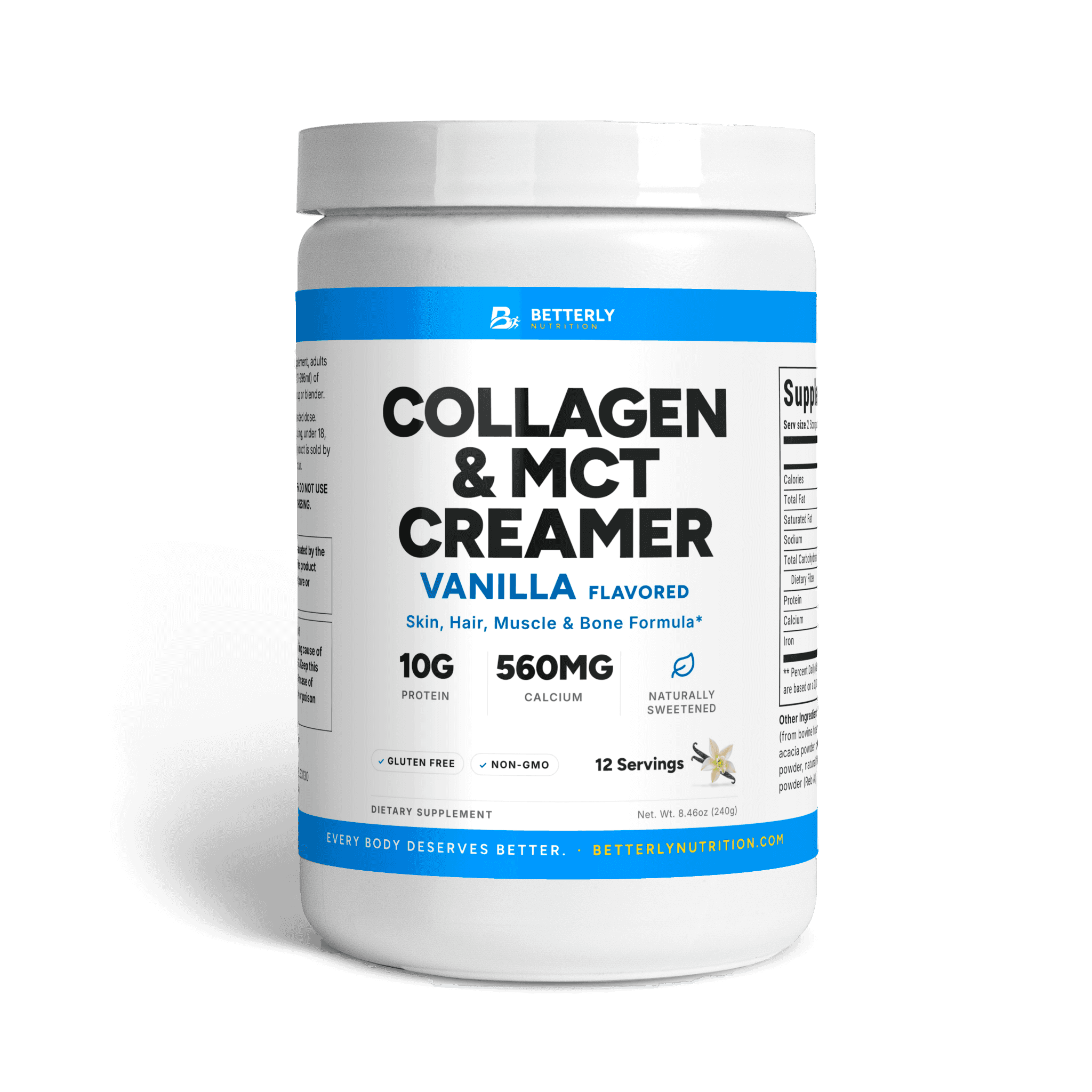
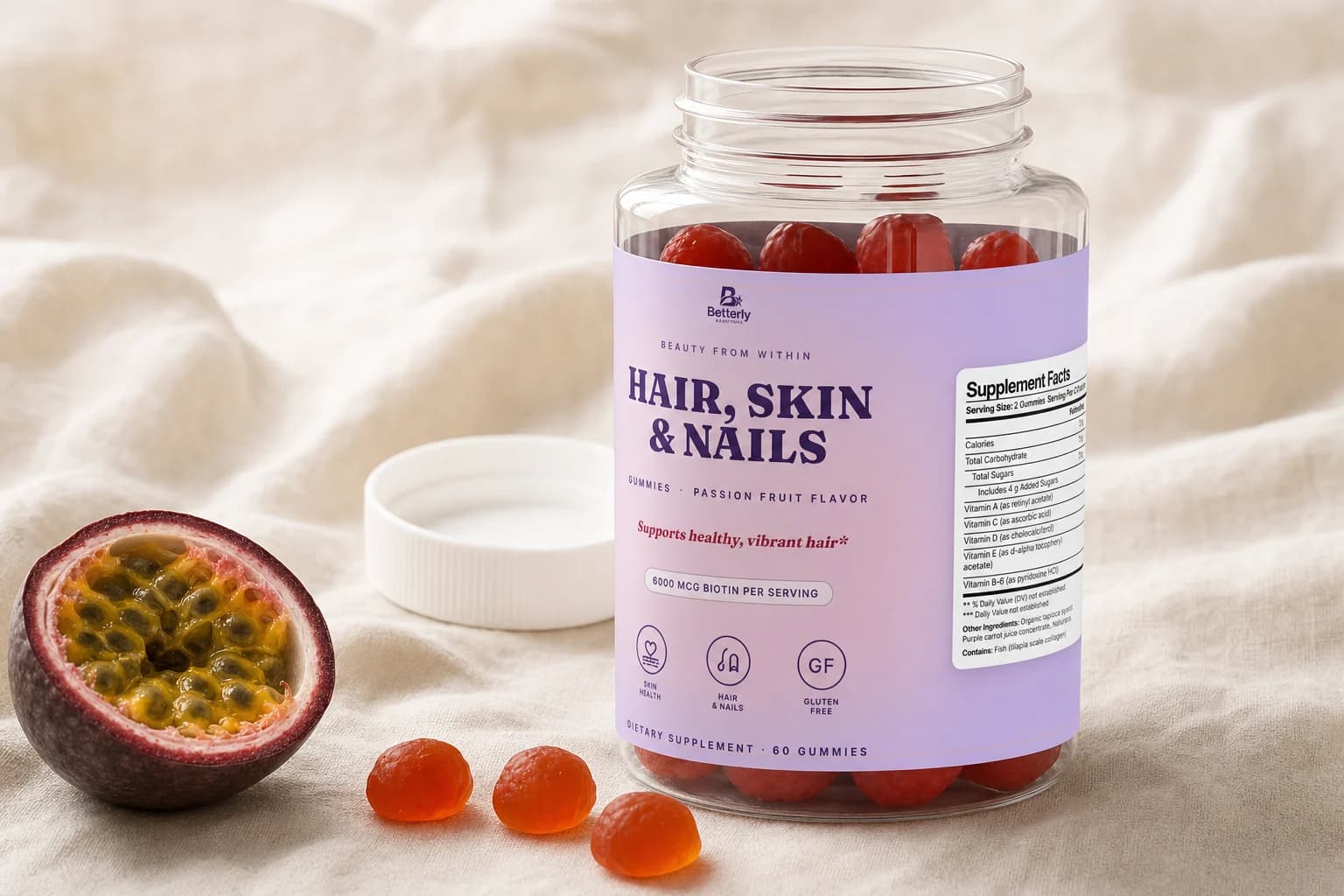
We'll be transparent about our stake here: our Biotin & Collagen Gummies put both ingredients in one passion-fruit gummy, 60 to a jar, but the label is mostly a biotin story. Per 2-gummy serving you get 6,000 mcg of biotin and just 12 mg of collagen, a tiny fraction of the gram-level amounts collagen research uses. If you want a real collagen dose next to your biotin, our Collagen Peptides Powder (Unflavored) has 20 g of hydrolyzed collagen peptides per 1-scoop (20 g) serving. You still don't have to choose; you may just need two products to get meaningful amounts of both.
One practical note if you take biotin in any form: at higher doses it can interfere with how certain blood tests are read. It doesn't change what's happening in your body — it changes the measurement. More on that in the FAQ below, because it's genuinely worth knowing.
Who should check with a healthcare provider first
Each of the three labels in this guide carries the same caution: "Do not exceed recommended dose. Consult a physician if pregnant, nursing, under 18, or have a medical condition." Check with your healthcare provider first if any of that applies to you, if you take prescription medication, if you have surgery scheduled, or if you have lab work coming up, since biotin can affect some lab test results.
Gummies, strips, powder — or a serum: choosing your format
Once you know what you're taking, the format question is mostly about what you'll actually stick with.
- Gummies are the easy-to-remember option, and the natural home for a biotin-plus-collagen combination in a single bite.
- Dissolvable strips win on portability — no water, no swallowing, a printed dose that dissolves on your tongue. Our biotin strips take this route.
- Powders make sense when you want collagen at the gram-level doses used in studies; most people stir them into coffee or a smoothie. (Biotin never needs a powder — its doses are far too small.)
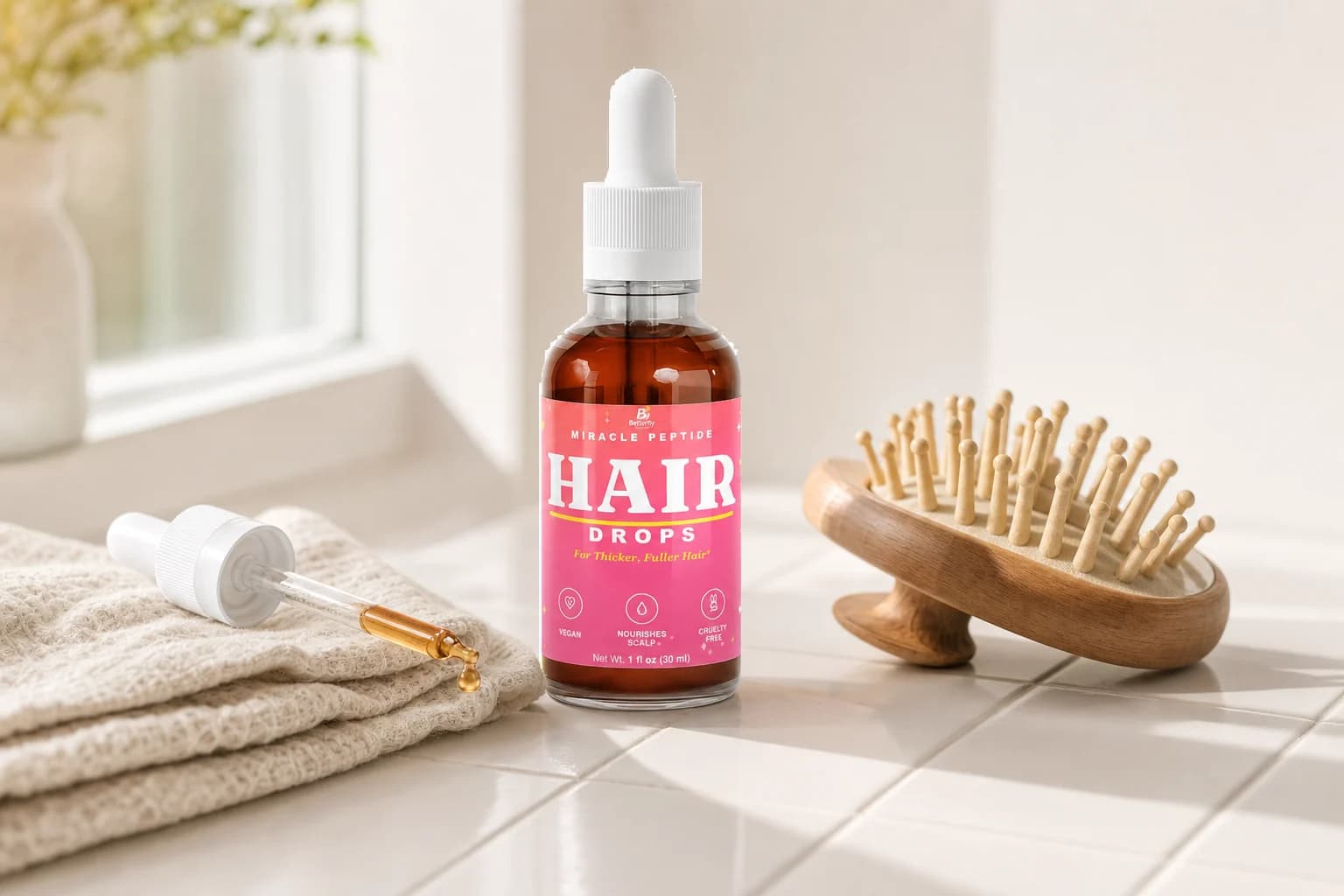
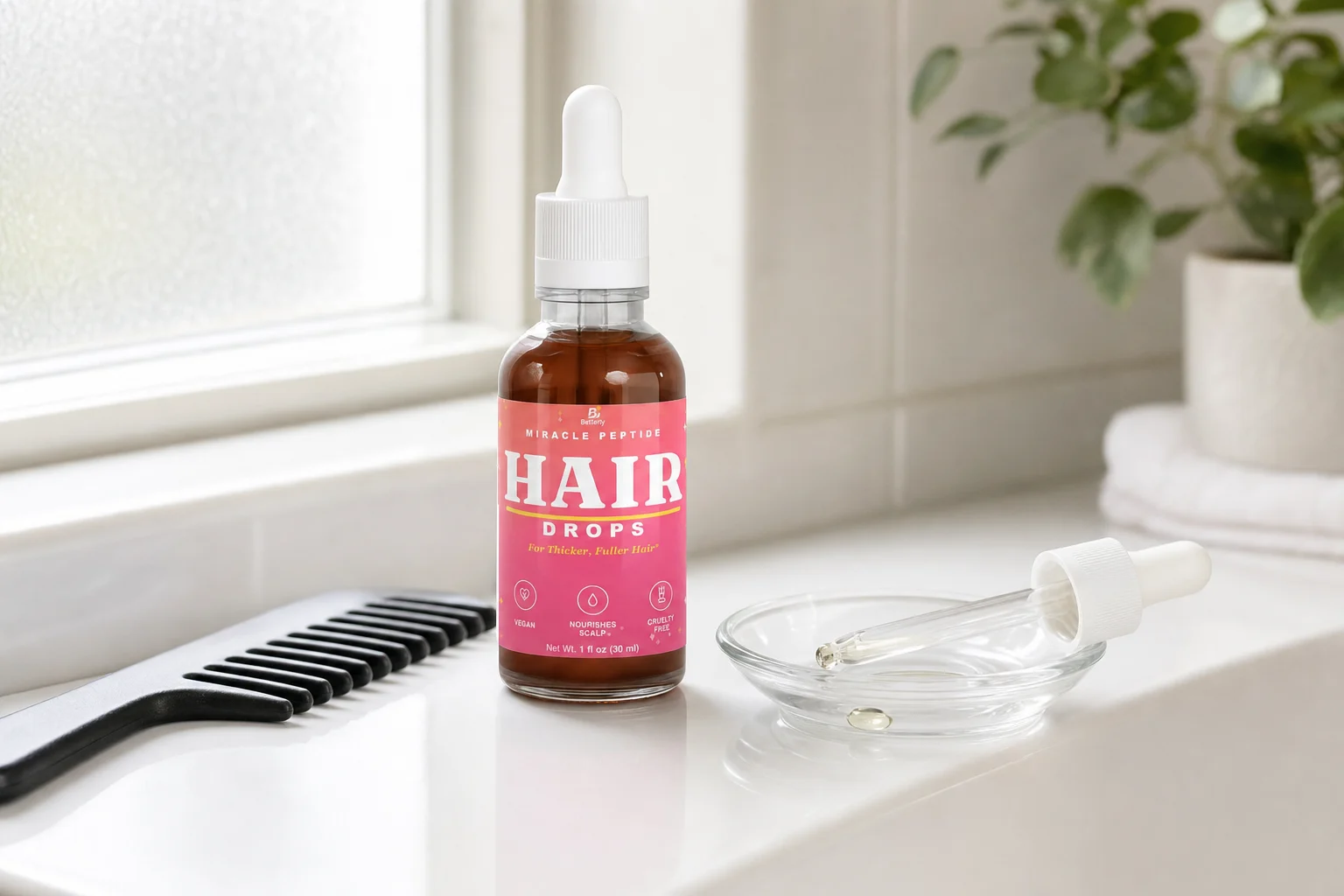
- Serums work from the outside instead. A scalp serum is a different strategy from any swallowed supplement: it's applied exactly where you want it rather than digested. We don't currently sell one. If the topical route interests you, our Peptide Hair Serum Buying Guide explains what actually matters on those labels — and what's decoration.
Whatever you pick, consistency beats format every time. Hair grows slowly, so a routine you can keep up day after day matters more than finding the "perfect" product. Our short guide to building a simple daily supplement routine has practical ways to make sticking with it easier — and you can browse everything in this lane in one place in our Hair, Skin & Nails collection.
Key takeaways
- Biotin is a vitamin; collagen is a protein. They do different jobs, which is why the biotin vs collagen for hair debate is mostly the wrong question.
- Biotin shines when there's a gap to fill, which is rare, and is less impressive when levels are already normal.
- Collagen research on hair and nails is small and early, and it supplies raw material your body makes less of with age.
- Taking both is common. They do different jobs, so check each label's caution before you combine them.
- Format is about honesty with yourself — pick whichever one you'll actually keep taking.
FAQ: biotin vs collagen, answered
Is biotin or collagen better for nails?
Biotin has the longer track record for brittle, splitting nails specifically. Collagen's nail research is smaller and newer. If nails are your only concern, biotin is the more common pick; if you want both nutrients at meaningful amounts, pair biotin with a gram-level collagen powder.
How long should I take biotin or collagen?
There's no set timeline for biotin or collagen. Both are daily-habit supplements, not quick fixes, and no one can promise when or whether you'll notice a change. Follow each label's suggested use, never take more to speed things up, and talk with your healthcare provider if changes in your hair or nails concern you.
Can biotin really affect blood test results?
Yes, biotin can affect some blood test results. According to the NIH Office of Dietary Supplements, biotin supplements above recommended amounts may cause false results in some lab tests, including those that measure thyroid hormone. If you have blood work scheduled, tell your provider you take biotin and follow their instructions.
Can I just get biotin and collagen from food?
Biotin: for most people, yes — eggs, nuts, seeds, salmon, and sweet potatoes cover the bases. Collagen is trickier: it lives in the foods most of us stopped eating, like bone broth, slow-cooked tough cuts, and skin-on fish, while modern diets skew heavily toward collagen-poor muscle meat. A supplement is a convenience for that gap, not magic.
What happens if I stop taking them?
Nothing dramatic — no rebound, no crash. New hair simply grows under whatever conditions your diet provides from then on, so any benefit fades gradually as that new growth comes in. It's also why consistency matters more than heroic doses: hair reflects months of inputs, not days.
Sources
- Biotin: Fact Sheet for Consumers, NIH Office of Dietary Supplements
If this left you looking for somewhere to start, read a 20 g scoop of hydrolyzed collagen peptides — its amounts per serving are listed on the page. For the practical questions this raises, how dosing, sourcing and subscriptions work is answered in one place.