On this page
A supplement routine works best when it's simple enough to actually follow. If you've ever bought a bottle with good intentions, only to find it half-full and forgotten in a cabinet months later, you're in good company. This guide walks through how to build a supplement routine that fits your real life — one that supports the healthy habits you already have, rather than trying to replace them.
First, a quick reality check
Supplements are called supplements for a reason: they're meant to fill in around a solid foundation, not carry it. Sleep, the food on your plate, movement, and how you handle stress will always do more heavy lifting than any capsule. We're not here to sell you a miracle — we're here to make better feel doable.
So the goal of a good routine isn't to take as much as possible. It's to cover a few genuine gaps, consistently, so your body has what it needs to keep doing what it already does well. A short routine you follow every day beats an elaborate one you abandon by Thursday.
If you're still deciding whether you need anything at all, our guide on Do You Actually Need a Multivitamin? is an honest place to start.
How to build a supplement routine, step by step
You don't need a spreadsheet or a shelf full of bottles. Here's a simple, repeatable way to put a routine together.
Step 1: Start with a foundation
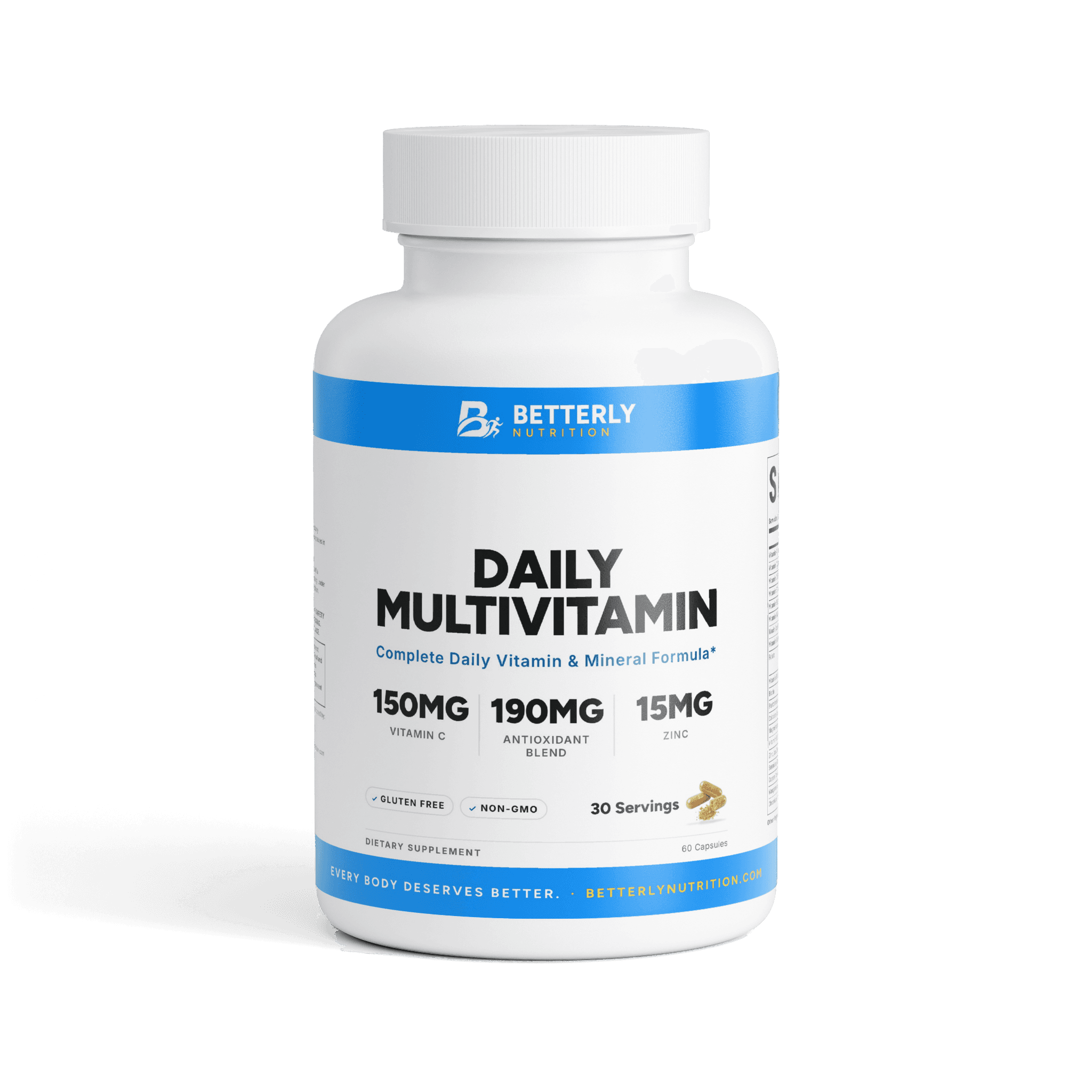
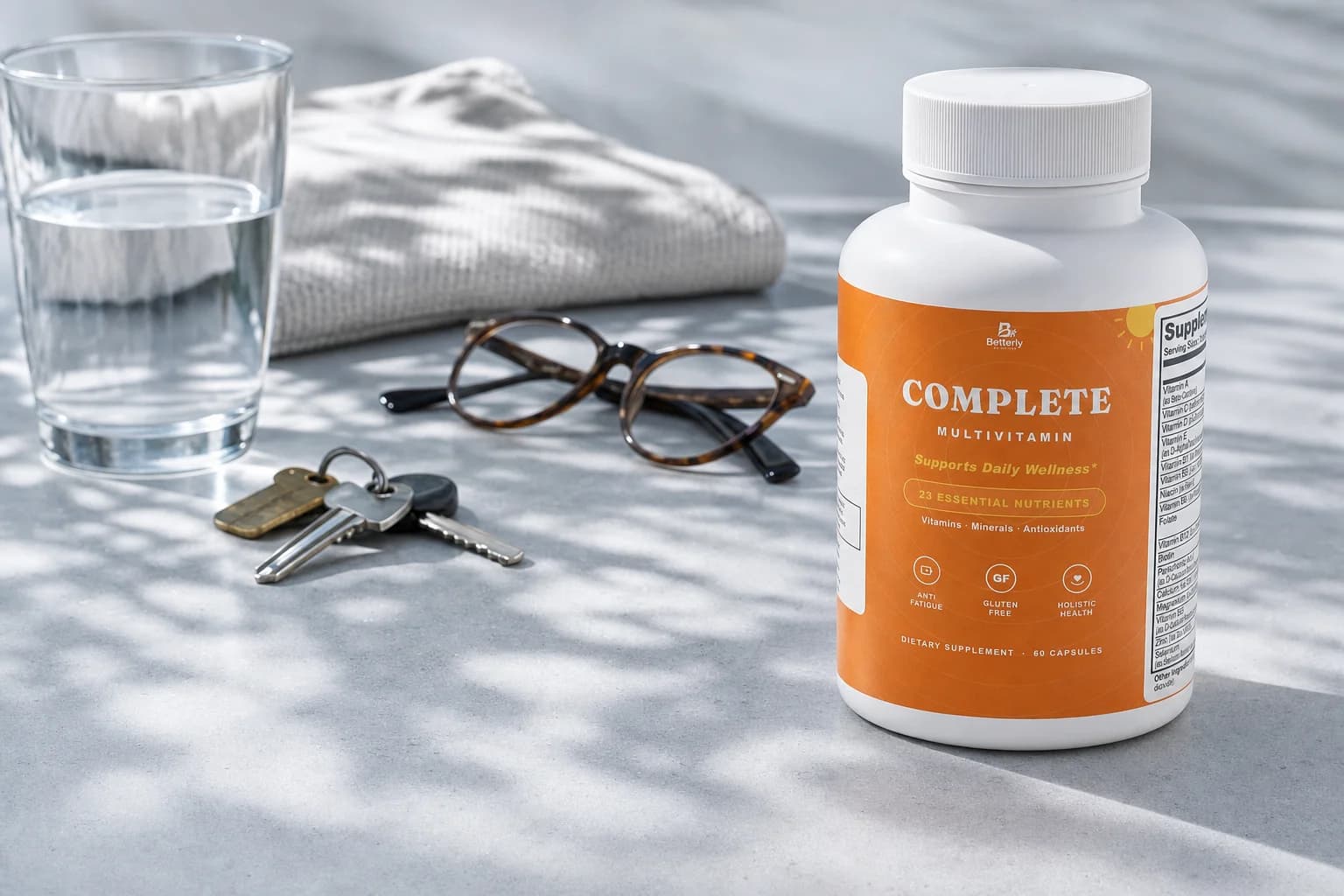
For many people, especially when food alone regularly falls short, a single well-formulated multivitamin covers a lot of ground. It's an easy way to help fill the small nutrient gaps that even a balanced diet can leave, without juggling a dozen separate products. Daily Multivitamin Capsules makes a sensible anchor because it covers a broad range of vitamins and minerals, plus three ingredient blends, in one 2-capsule serving, which means fewer decisions to make and fewer things to forget.
Think of this as your base layer. If you never add anything else, a good multivitamin and a plate that leans toward whole foods will serve you well.
Step 2: Add for your specific goals or gaps
Once you have a foundation, look at where your particular diet and lifestyle might leave you short. A few common examples:
- Vitamin D if you spend most of your daylight hours indoors — it helps support bone health and normal immune function.
- Omega-3s if you rarely eat fatty fish — they support heart and brain health as part of a balanced diet.
- Magnesium if you want something that supports normal muscle and nerve function.
- A probiotic if you're looking to support digestive health.
You almost certainly don't need all of these. Pick the one or two that match your actual situation and skip the rest. Adding for the sake of adding just makes the routine harder to keep up.
Step 3: Anchor it to a habit you already have
This is the step most people skip, and it's the one that makes a routine stick. Instead of relying on willpower, tie your supplements to something you already do every single day — your morning coffee, brushing your teeth, or sitting down to breakfast. When the new habit rides along with an old one, remembering takes care of itself.
Keep the bottles somewhere you'll see them at that moment. Out of sight really is out of mind.
Step 4: Keep the list short
Fewer, better products almost always win. A tidy routine is easier to remember, easier on your budget, and easier to actually evaluate — because when everything is simple, you can tell what's working for you. If your lineup is creeping past three or four items, it's worth asking whether each one is earning its place.
Does timing matter?
A little, but less than consistency. Within each label's directions, the best time is the one you'll remember. The label's suggested use for Daily Multivitamin Capsules, for example, is two capsules in the morning with a meal.
Fat-soluble vitamins
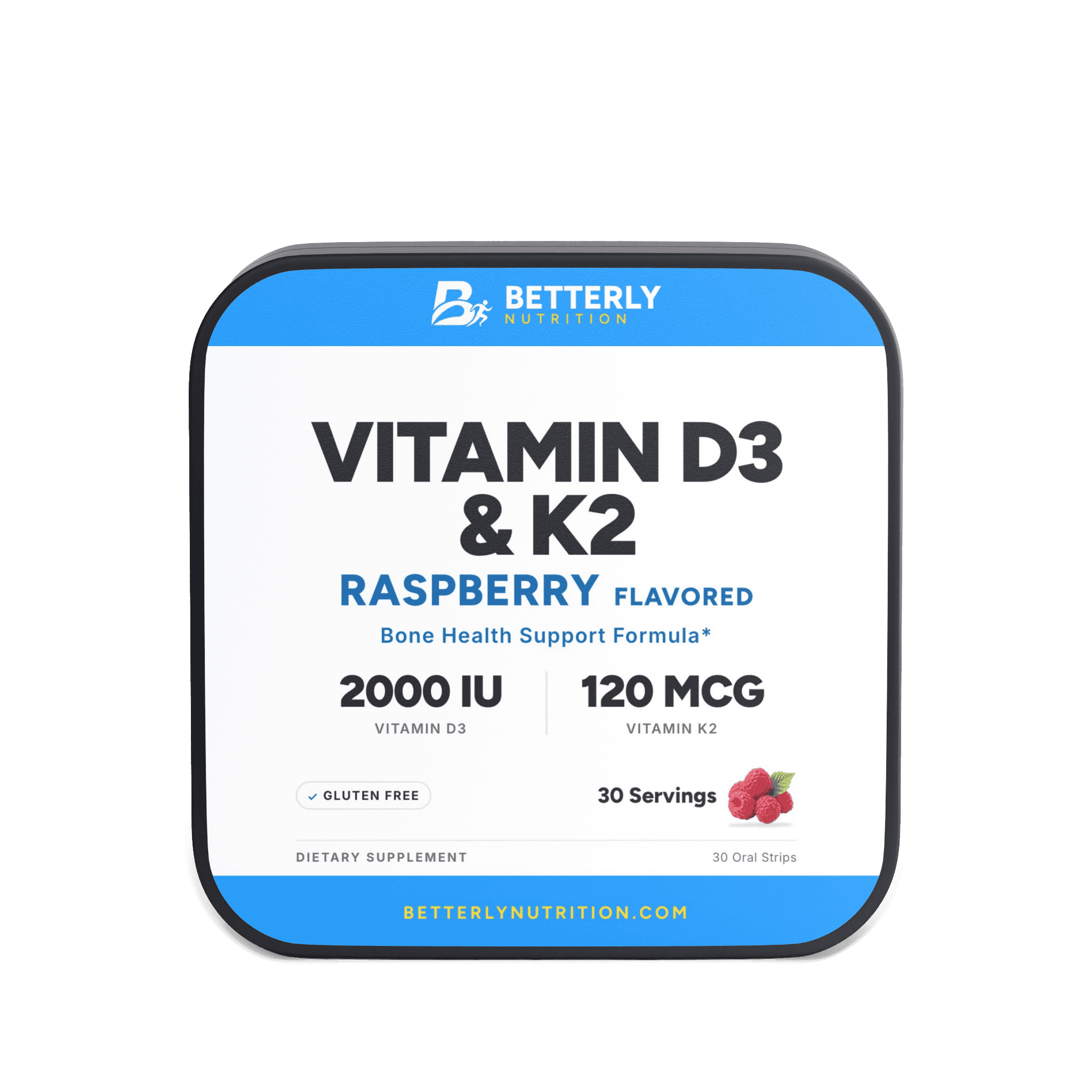
Vitamins A, D, E, and K, plus omega-3s, are absorbed better alongside a meal that contains some fat. Taking them with breakfast or dinner is an easy default — and pairing them with food often sits more comfortably in your stomach, too. If you're weighing a D3 and K2 combination, our guide to taking K2 with D3 covers when that pairing makes sense.
Water-soluble vitamins and everything else
B vitamins and vitamin C don't require food, though many people find taking them with a meal gentler. Some prefer to take magnesium in the evening as part of a wind-down routine. Within what each label says, the right time is whichever one fits your day well enough that you'll stick with it.
Making it stick
Even the best-planned routine only helps if you follow it. A few small things make consistency far easier:
- Use a simple weekly pill organizer so you can see at a glance whether you've taken today's.
- Keep your bottles visible — on the counter, not buried in a cupboard.
- Set a gentle phone reminder for the first couple of weeks, until the habit anchors on its own.
- Reorder before you run out, so a gap of a few empty days doesn't quietly become a few empty months.
If you want a straightforward starting point, our Immune Support collection keeps Daily Multivitamin Capsules alongside the other everyday vitamin, mineral and botanical basics we carry, so you're not piecing it together from scratch.
When to reassess
Your needs shift with the seasons, your diet, and your stage of life, so it's worth revisiting your routine every few months. If something no longer feels relevant, let it go. If your diet has changed, adjust.
And a genuine note: some supplements can interact with medications, and supplements aren't right for every situation. It's always a good idea to check with your doctor or pharmacist before starting something new — especially if you're pregnant, nursing, managing a health condition, or taking prescription medication. A quick conversation can save you guesswork.
Key takeaways
- Build on a foundation, not instead of one. Sleep, food, movement, and stress management come first; supplements fill in around them.
- Start simple. A single daily multivitamin covers a lot of ground for many people, especially when food alone falls short.
- Add only what fits your gaps. Choose one or two extras based on your real diet and lifestyle, not a long wish list.
- Anchor the habit. Tie your routine to something you already do daily, and keep the bottles in sight.
- Consistency beats complexity. A short routine you follow every day does more than an elaborate one you forget.
- Check in periodically. Reassess every few months, and loop in a healthcare professional when in doubt.
A gentle place to start
Building a routine doesn't have to be complicated — it just has to be yours. If you'd like a simple foundation to build from, a morning multivitamin is a calm, no-pressure starting point, and you can always add or subtract as your needs change. Start small, stay consistent, and let the routine do quiet work in the background while the rest of your healthy habits carry the day.
If this left you looking for somewhere to start, read a morning multivitamin to build a routine around — its amounts per serving are listed on the page. For the practical questions this raises, how dosing, sourcing and subscriptions work is answered in one place.