On this page
If you've ever lain awake watching the clock tick past midnight, you know good sleep isn't something you can force. The good news: a handful of popular supplements can gently support a body that's already trying to wind down. This beginner's guide walks through the best supplements for sleep, what each one actually does, and how to fit them into a routine that helps better sleep feel doable.
A quick, honest note before we start: supplements are one piece of the puzzle, not a magic switch. They work best alongside the basics — a consistent bedtime, less screen light in the evening, movement during the day, and a way to manage stress. Think of them as a nudge, not a rescue.
First, the foundation (this part matters most)
No capsule outperforms a solid sleep routine. Before reaching for anything, it's worth giving these a real try:
- Keep a consistent schedule. Going to bed and waking around the same time trains your internal clock.
- Dim the evening. Bright light — especially from phones and screens — tells your brain it's still daytime.
- Watch late caffeine and alcohol. Both can quietly fragment your sleep even when you fall asleep fine.
- Move your body. Regular daytime activity supports deeper, more restful nights.
- Give stress somewhere to go. A short wind-down ritual, breathing, or journaling can help your nervous system shift out of "on."
Supplements enter the picture as support for these habits — not a substitute. If you only change one thing this week, make it your wind-down routine.
The best supplements for sleep, explained
Here are the most common options, what they're generally understood to do, and who tends to reach for them.
Magnesium
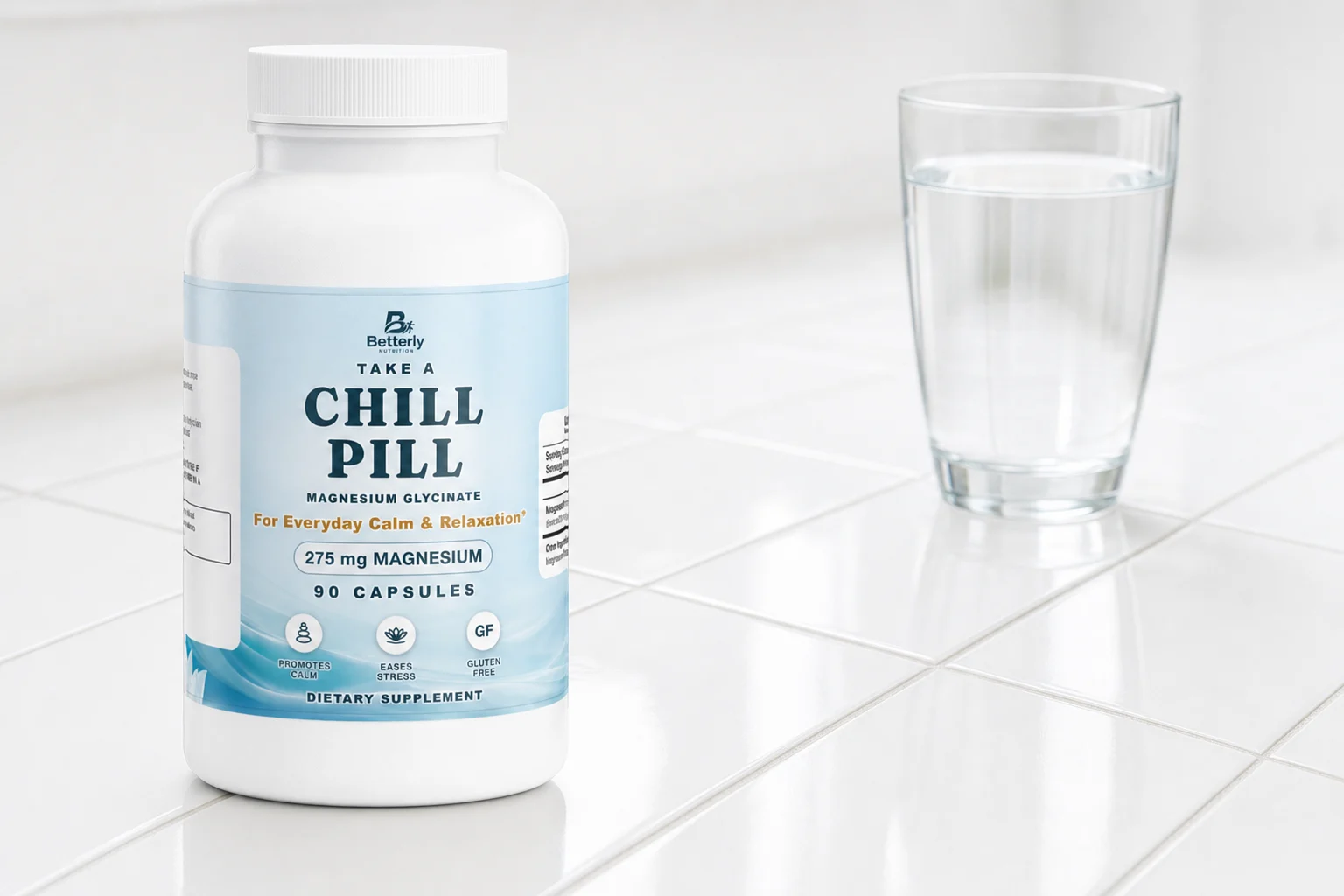
Magnesium is one of the most popular minerals for evening routines, and for good reason: it plays a role in hundreds of processes in the body, including those involved in relaxation and normal muscle and nervous system function. Many people simply don't get enough through food alone.
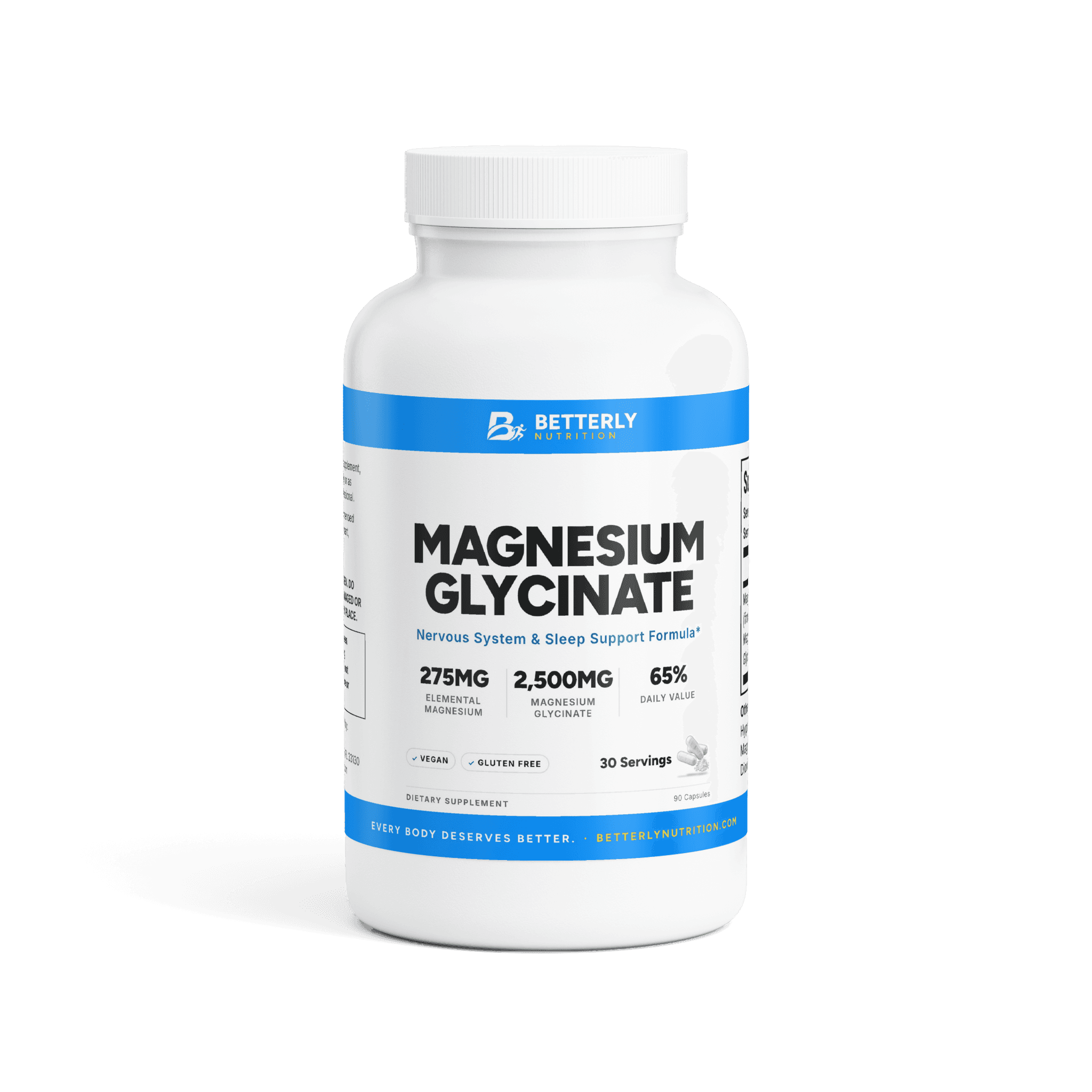
Not all magnesium is created equal, though. The form matters for how gentle it feels on your stomach and how your body absorbs it. Magnesium glycinate is a common evening choice because it's well-tolerated, while citrate is often chosen for different reasons. If you're deciding between them, our companion piece Magnesium Glycinate vs Citrate: Which Should You Choose? breaks down the differences in plain language.
Melatonin
Melatonin is a hormone your body makes naturally as it gets dark; it helps signal that it's time to wind down. As a supplement, it's most useful for occasional timing issues — think jet lag or a shifted schedule — rather than as a nightly crutch.
A little goes a long way. Many people do well with a low dose taken a short while before bed, and more isn't necessarily better. Because melatonin works on your body's timing, consistency and low doses tend to matter more than quantity. If you're pregnant, nursing, or giving it to a child, talk to a healthcare provider first.
L-theanine
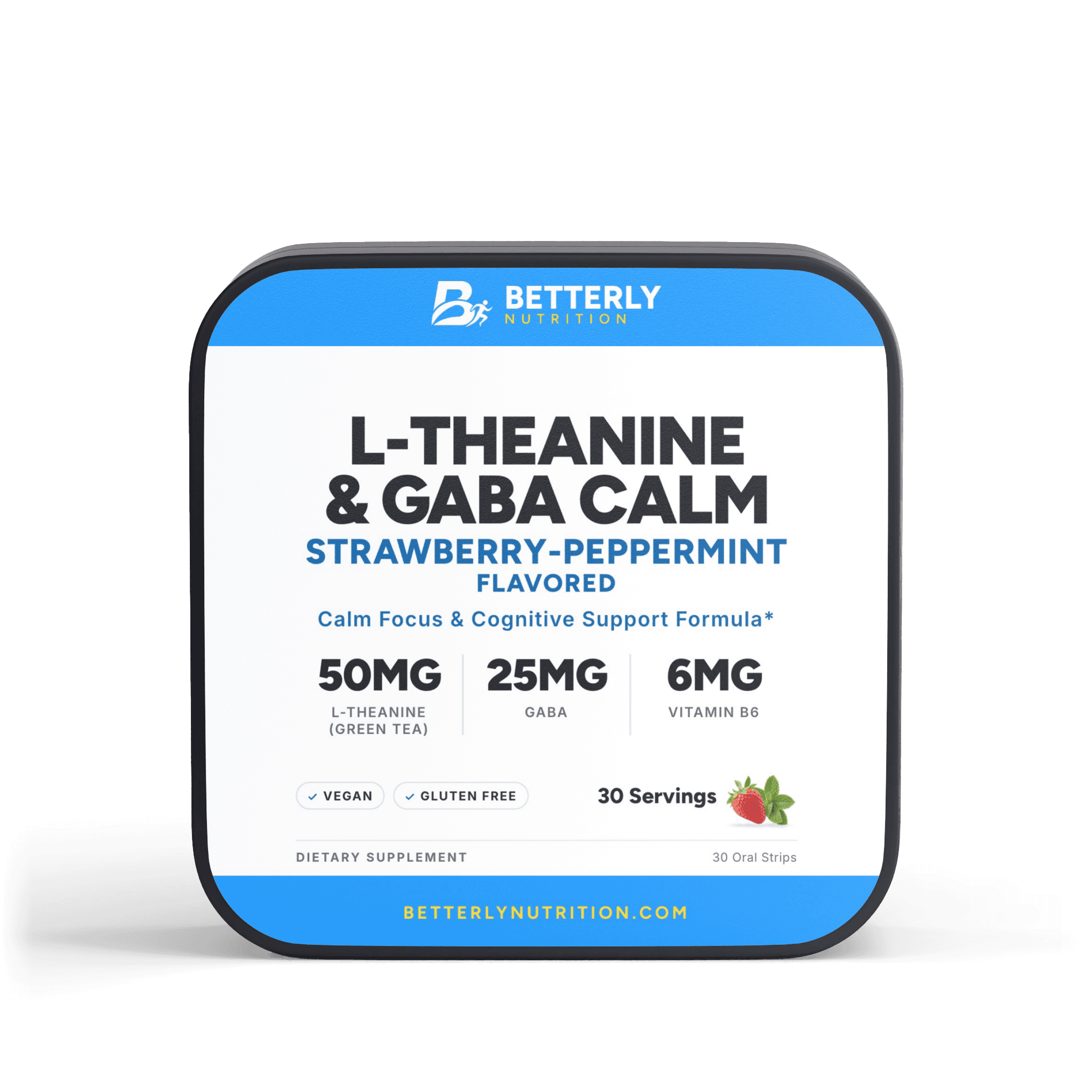
L-theanine is an amino acid found naturally in tea leaves. It's associated with a calm, settled feeling without heavy sedation, which is why it shows up in a lot of evening and "unwind" formulas. Some people pair it with magnesium as part of a relaxing pre-bed routine.
Glycine
Glycine is an amino acid that some people take in the evening to support a sense of relaxation before bed. It's less famous than melatonin or magnesium, so if it interests you, ask your healthcare provider whether it fits your routine.
Herbal options: chamomile, valerian, and passionflower
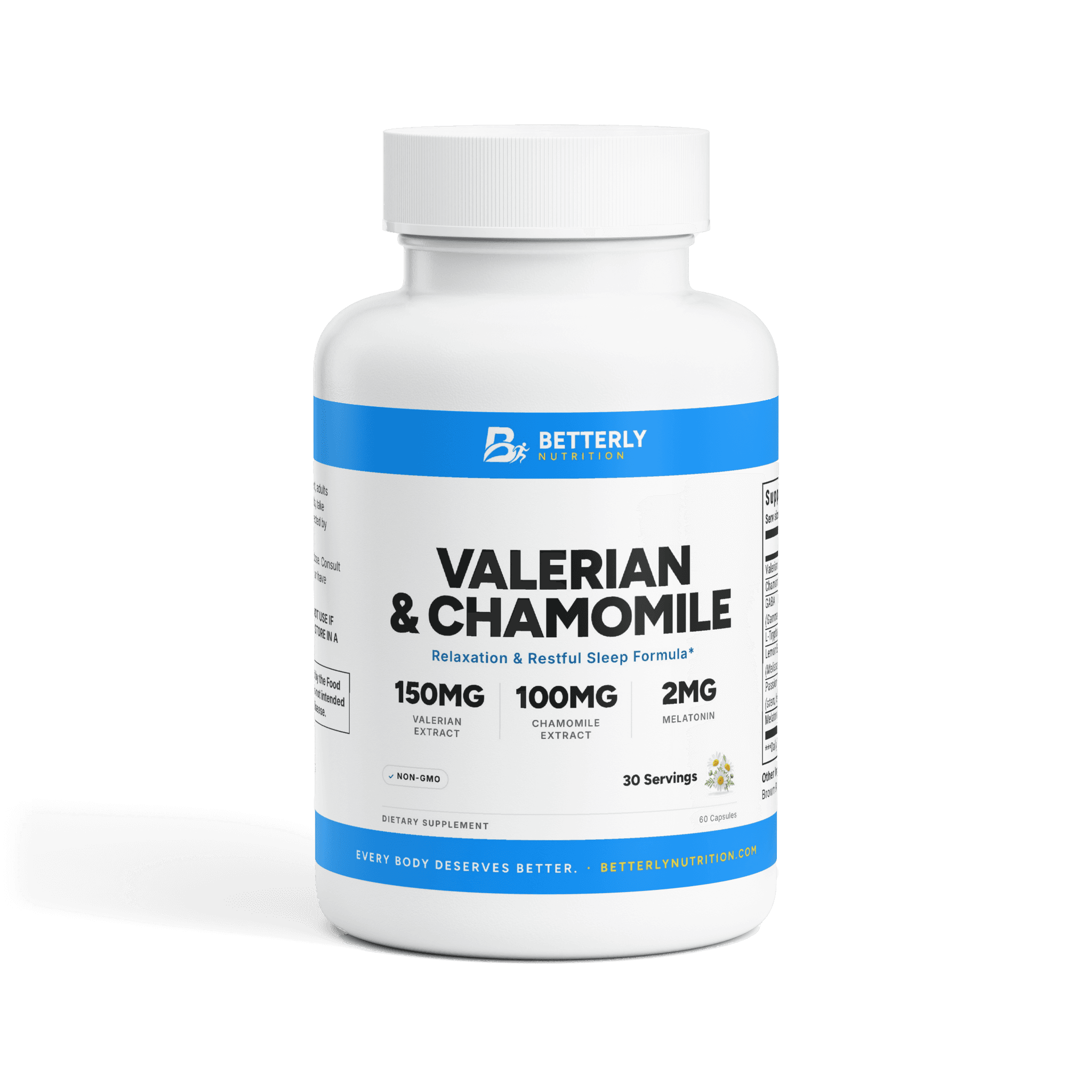
Traditional calming herbs like chamomile, valerian root, and passionflower have long histories in evening teas and tinctures. Evidence varies from herb to herb, and effects tend to be subtle, but many people enjoy them as part of a soothing bedtime ritual. As with anything herbal, check for interactions if you take medications.
How to choose what's right for you
With so many options, it helps to narrow things down honestly:
- Trouble winding down mentally? Calming ingredients like L-theanine or magnesium are common starting points.
- Schedule thrown off by travel? According to NCCIH, melatonin may help with jet lag, while studies in shift workers have been generally small or inconclusive.
- Want a simple, everyday foundation? Magnesium is a sensible, gentle place to begin.
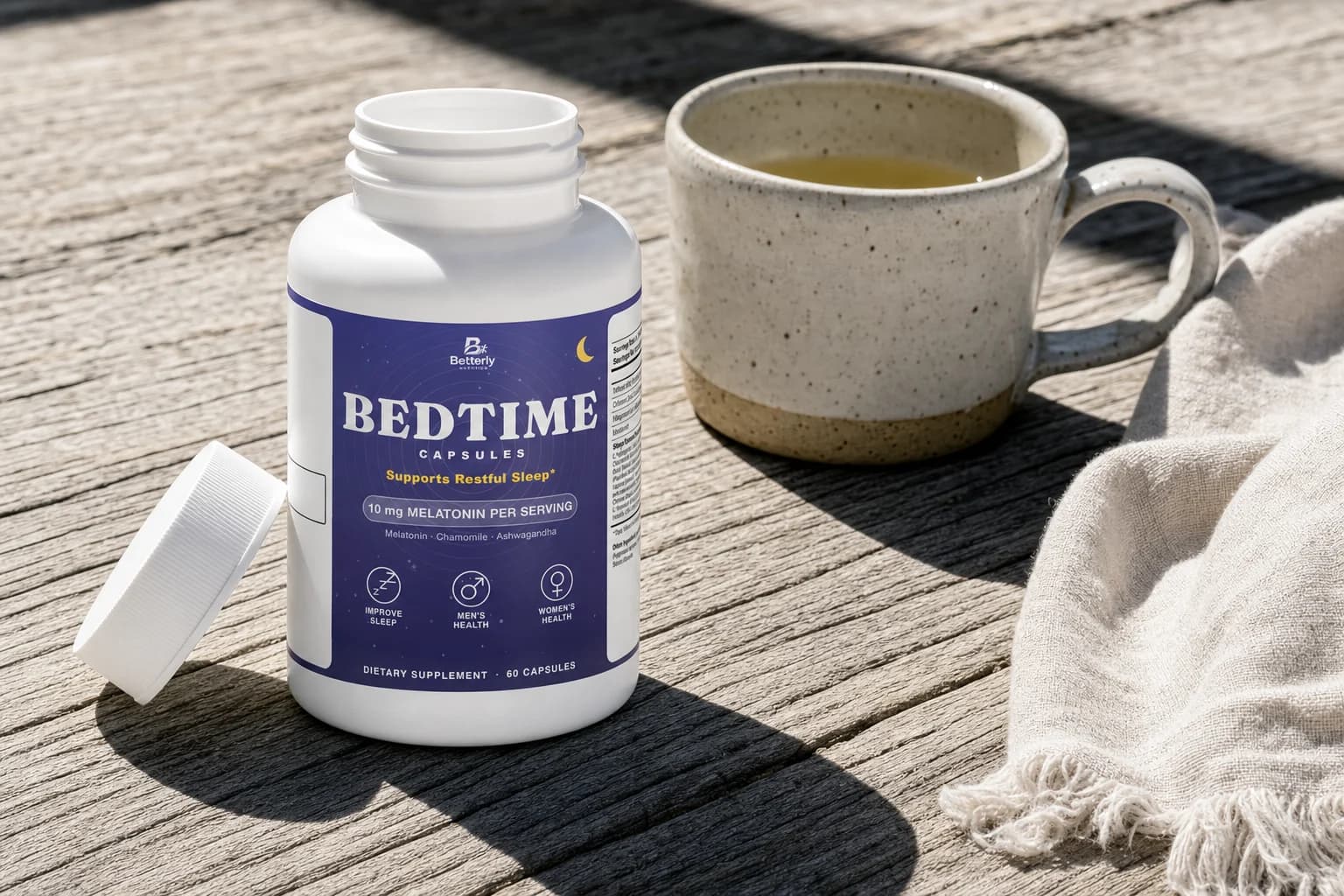
You'll find melatonin alongside L-theanine and calming botanicals in our 10mg Melatonin Sleep Capsules (10 mg of melatonin per 2-capsule serving, which is on the high side, plus only a token 13 mg of magnesium), or you can browse individual options in the Sleep & Stress Relief collection and build a routine that fits you.
The capsules' 905 mg blend (per 2-capsule serving) also includes St. John's Wort, 5-HTP and L-tryptophan. According to NCCIH, St. John's wort can weaken the effects of many medicines, including birth control pills, so check with your healthcare provider first if you take any medication. The label also says to consult a physician if you're pregnant, nursing, under 18, or have a medical condition.
How to use sleep supplements well
A few plain-English pointers to get the most out of whatever you choose:
- Start low and single. Try one thing at a time so you can tell what's actually helping.
- Be consistent. Take it as the label directs, and check in with your healthcare provider if you're unsure whether it suits you.
- Timing counts. Follow the timing printed on your label; our 10mg Melatonin Sleep Capsules, for example, say to take them 20-30 min before bedtime.
- Pair with the basics. A supplement plus a dark, consistent, screen-light evening beats either one alone.
- Loop in your provider. If you're pregnant, nursing, take medication, or have an ongoing health concern, check with a healthcare professional before starting anything new.
Key takeaways
- Habits first. A consistent schedule, a dim evening, daytime movement, and managed stress do the heavy lifting; supplements are support, not a substitute.
- Magnesium is a gentle, everyday foundation — and the form matters.
- Melatonin shines for timing issues like jet lag, in low doses, rather than as a nightly default.
- L-theanine and glycine are calming amino acids many people enjoy as part of a wind-down.
- Herbs like chamomile and valerian make for a soothing ritual, with subtler, more variable effects.
- Start simple, follow the label, and check with your provider if you have any health considerations.
A gentle next step
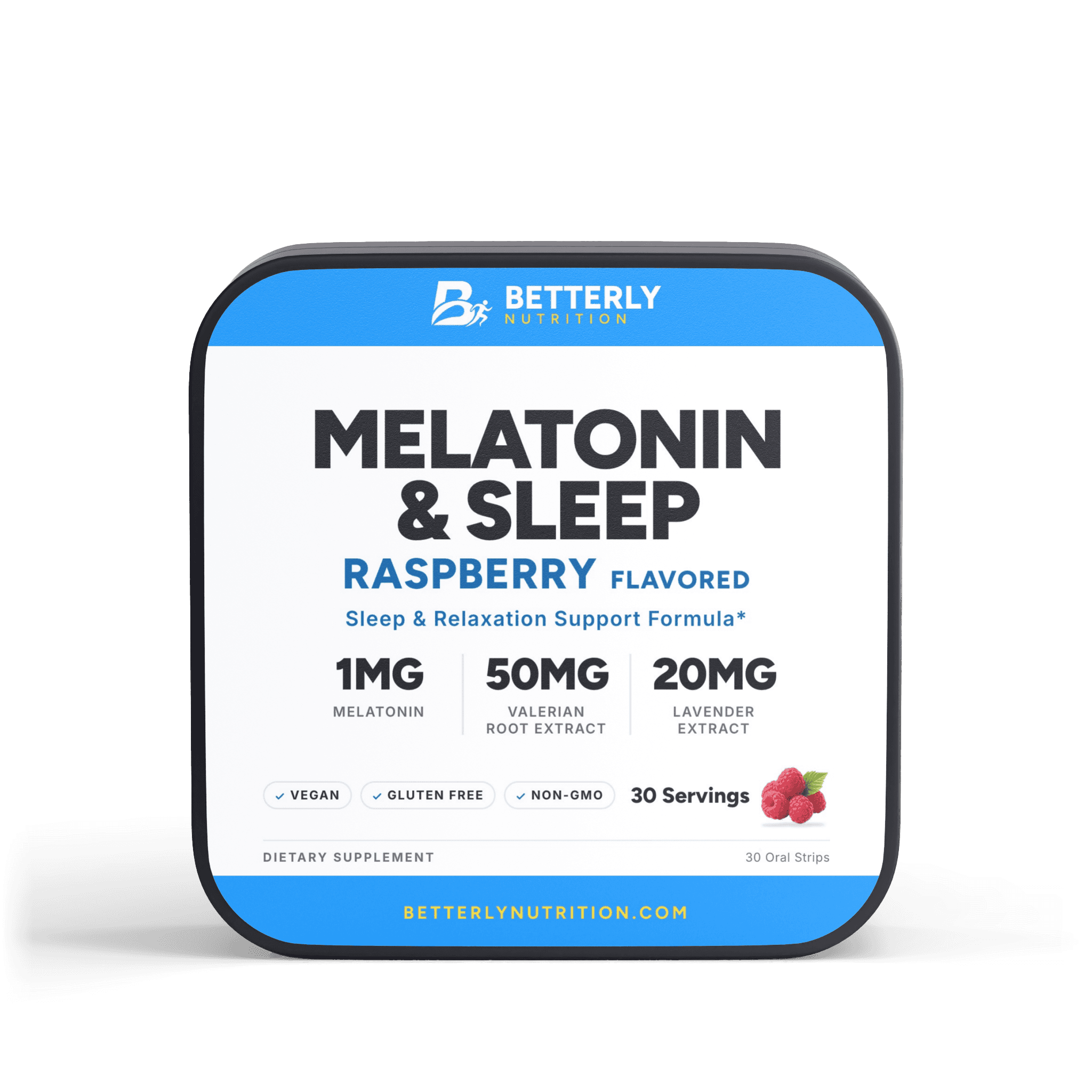
Better sleep is usually the sum of small, repeatable choices — and a supplement can be a helpful part of that picture when it fits your routine. If you'd like to start simple, our Magnesium Glycinate Capsules (275 mg of magnesium per 3-capsule serving) match the one-thing-at-a-time approach above, and our 1mg Melatonin Sleep Strips keep melatonin to 1 mg per 1-strip serving. You can also explore the full Sleep & Stress Relief range. No miracles promised — just thoughtfully made options to help better sleep feel a little more doable, one night at a time.
Sources
If this left you looking for somewhere to start, read magnesium glycinate for winding down — its amounts per serving are listed on the page. For the practical questions this raises, how dosing, sourcing and subscriptions work is answered in one place.