On this page
If you've spent any time looking at magnesium supplements, you've probably noticed there isn't just one. Two of the most common forms you'll see are glycinate and citrate, and the magnesium glycinate vs citrate question comes up a lot because they can feel and behave a little differently. Here's an honest, plain-English look at how they compare so you can choose the one that fits your goals.
First, why magnesium at all?
Magnesium is a mineral your body uses in hundreds of everyday processes, from muscle and nerve function to energy metabolism. Most of it should come from food, whole grains, leafy greens, nuts, seeds, beans, but plenty of people find their diet runs a little light. That's where a supplement can help fill the gap and support your body's normal magnesium levels.
The catch is that magnesium is almost never sold on its own. It's bonded to another molecule to make it stable and easier to absorb, and that partner molecule, glycine, citric acid, and so on, is what changes how a given form tends to behave. So the real question isn't "is magnesium good," it's "which form suits what I'm after."
Magnesium glycinate vs citrate: the short version
If you want the quick answer before the details:
- Glycinate is magnesium bonded to glycine, an amino acid with a calming reputation. It's gentle on the stomach and often chosen by people looking to support relaxation and restful sleep.
- Citrate is magnesium bonded to citric acid. It's well absorbed and draws water into the intestines, which is why it's a popular pick for people focused on supporting digestive regularity.
Neither is "better" in a universal sense. They're just tuned for slightly different priorities. Let's look closer.
A closer look at magnesium glycinate
Glycinate is the form we tend to reach for when the goal is calm. Because it's paired with glycine, an amino acid the body uses in its own right, it's generally easy on the digestive system, which matters if other supplements have left your stomach unhappy in the past.
People often take magnesium glycinate in the evening as part of a wind-down routine, and it's a common ingredient in blends aimed at relaxation. To be clear about what that means: magnesium supports normal muscle and nervous-system function and helps maintain the body's healthy magnesium levels, which is part of what a settled, ready-for-bed feeling is built on. It isn't a sedative and it won't knock you out, so think of it as one supportive piece rather than a switch.
If sleep is your main reason for looking at magnesium, it's worth reading our beginner's guide to the best supplements for better sleep alongside this, since magnesium is only one of several things that can help.
A closer look at magnesium citrate
Citrate is a well-absorbed workhorse. The NIH Office of Dietary Supplements lists magnesium citrate among the forms the body absorbs more easily. Because it bonds magnesium to citric acid, it's highly soluble and your body takes it up readily, which makes it a solid everyday choice if your goal is simply topping up your intake.
The thing citrate is best known for is its effect on digestion. It has an osmotic action, meaning it pulls water into the intestines, and that's why many people choose it to support comfortable, regular bathroom habits. The flip side of that same property is that larger doses can loosen things more than you'd like. If you have a sensitive stomach or you're prone to loose stools, that's worth keeping in mind.
How to choose, based on your goals
The most useful way to decide is to start with what you actually want magnesium to do, not with which label looks nicest.
If your focus is relaxation and sleep
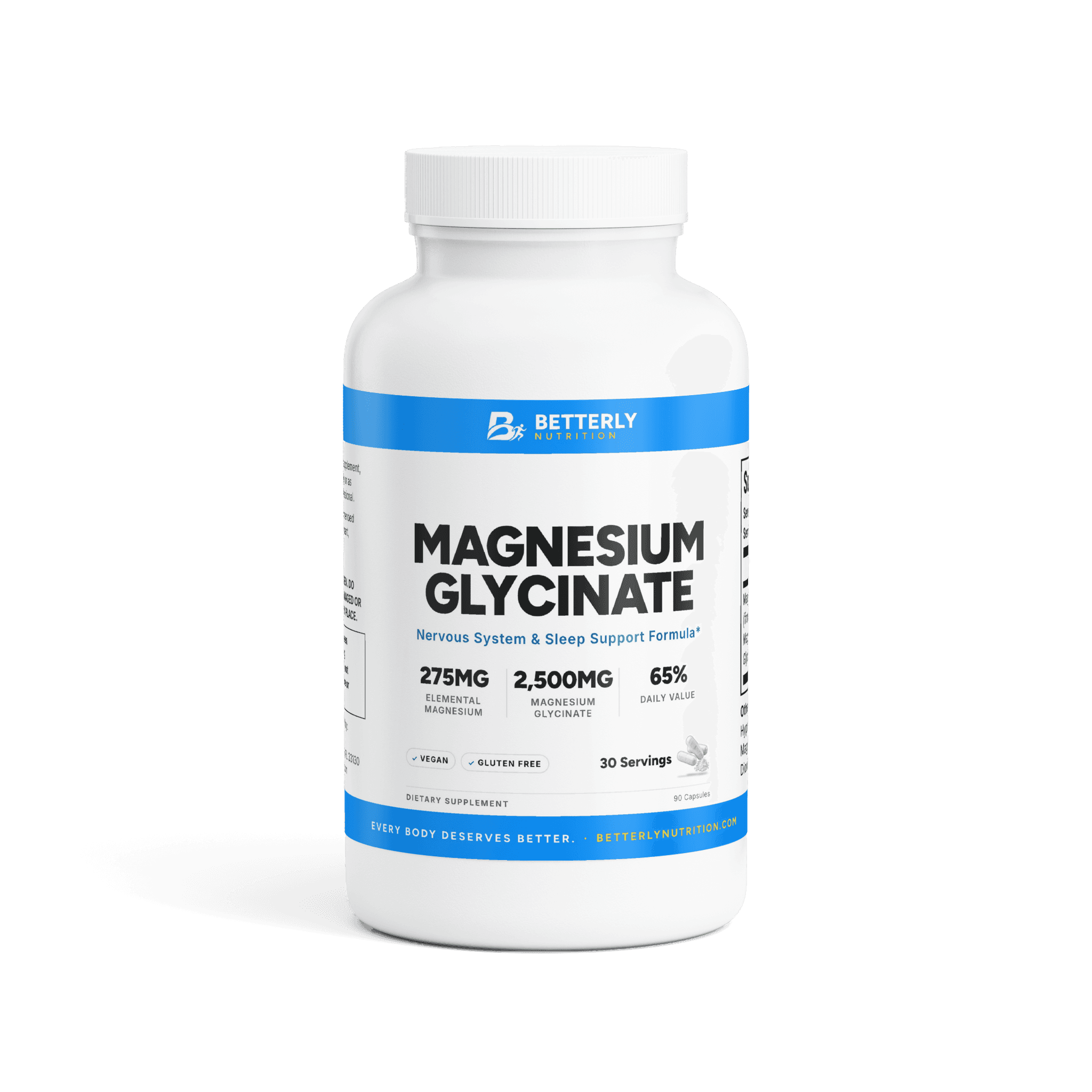
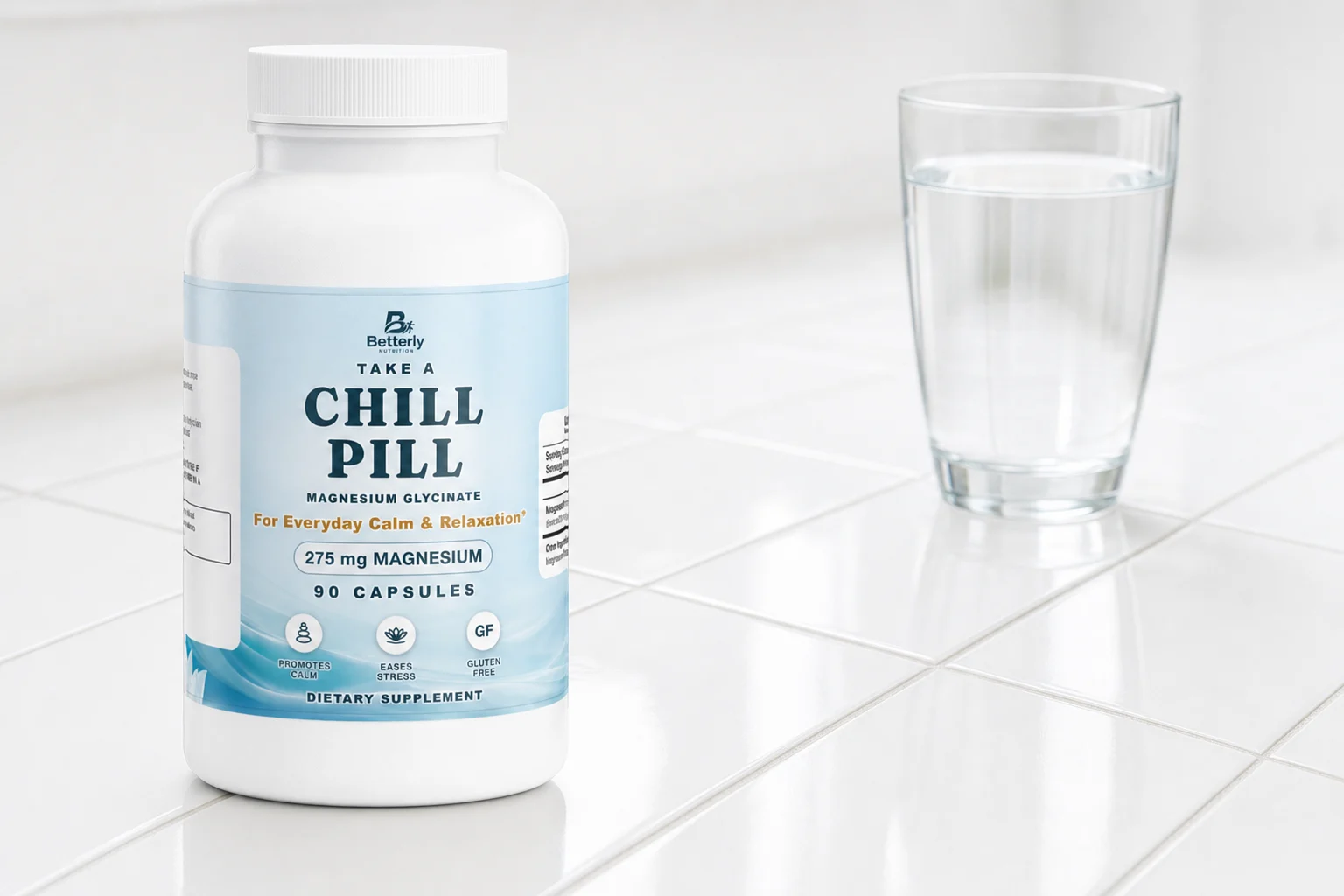
Glycinate is usually the friendlier fit. It's gentle, it pairs magnesium with a calming amino acid, and it slots naturally into an evening routine. Our Magnesium Glycinate Capsules are formulated with exactly this kind of wind-down use in mind, and you'll find them in our Sleep & Stress Relief collection alongside other supplements meant to support rest.
If your focus is regularity
Citrate tends to make more sense here, thanks to that water-drawing, digestion-supporting property. Start low, see how your body responds, and stay within the label's suggested use. The NIH Office of Dietary Supplements sets the adult upper limit for magnesium from supplements and medications at 350 mg a day.
If you have a sensitive stomach
Lean toward glycinate. It's generally easy on the digestive system, while citrate's water-drawing effect is the one to watch if your stomach is sensitive. Take it once daily, as the label directs.
If you just want to fill a gap
Either works. Citrate is well absorbed and easy to find; glycinate is gentle and pleasant. Pick the one whose secondary effect, calm versus regularity, you'd welcome rather than merely tolerate.
Dosage, timing, and getting the most from it
A few honest, general pointers:
- Follow the label. Product strengths differ, so go by the suggested use on your bottle and don't go past it. The label's suggested use for our Magnesium Glycinate Capsules is three capsules once daily, which provides 275 mg of magnesium (65% DV) per 3-capsule serving, and the label says not to exceed the recommended dose. The NIH Office of Dietary Supplements puts the adult upper limit for magnesium from supplements and medications at 350 mg a day, unless a health care provider recommends more.
- Start on the lower end. This is especially true with citrate, since it's easy to nudge digestion further than you meant to.
- Timing is flexible. Many people like glycinate in the evening and citrate whenever it fits their day, but there's no magic hour.
- Consistency beats intensity. Magnesium works best as a steady habit, not an occasional big dose.
And the important part: if you're pregnant or nursing, take medication, are managing a medical condition, or your doctor is managing your kidney health, talk with your healthcare provider before starting magnesium. This article is education, not a substitute for personal medical advice.
Magnesium is one piece of the puzzle
It's tempting to hope a single capsule will fix how you feel, and we'd rather be straight with you: it won't, on its own. Magnesium tends to do its quiet best when the rest of your routine is pulling in the same direction, reasonably consistent sleep, meals with real food, some movement in your day, and a little breathing room for stress. A supplement is there to support that foundation, not replace it.
Key takeaways
- Glycinate is gentle and calming-leaning, a common choice for supporting relaxation and sleep.
- Citrate is well absorbed and digestion-supporting, a common choice for regularity.
- Neither is universally "best," pick based on the secondary effect you actually want.
- Start low, stay consistent, and follow the label.
- Magnesium works alongside sleep, food, movement, and stress management, not instead of them.
If, after all that, glycinate sounds like your speed, you can read the full details on our magnesium glycinate page or browse the whole Sleep & Stress Relief collection to see how it fits with the rest of your routine. No pressure, just the honest information to help you choose what's right for you.
If this left you looking for somewhere to start, read our chelated magnesium glycinate capsules — its amounts per serving are listed on the page. For the practical questions this raises, how dosing, sourcing and subscriptions work is answered in one place.