On this page
- What magnesium actually does for sleep
- The label skill to learn first: elemental magnesium
- Which form: glycinate, citrate, or oxide
- How much, and when to take it
- Magnesium vs melatonin: different tools for different problems
- Building it into a wind-down that actually works
- What we sell, plainly
- FAQ: magnesium for sleep
- Sources
Search for sleep supplements and magnesium comes up more than almost anything else — usually with bigger promises attached than the mineral has ever made for itself. Here's the honest version: magnesium is involved in hundreds of processes in the body, including several that matter to how you wind down, and for people whose diets run short of it, topping up is one of the quieter, better-tolerated ways to support a good night. It is not a sedative, it will not knock you out, and if your magnesium status is already fine, adding more probably won't transform anything.
This guide walks through what the research actually suggests, the one label-reading skill that saves you from the most common magnesium mistake, which form to choose, and how to run a fair trial without fooling yourself.
What magnesium actually does for sleep
Magnesium participates in the systems your body uses to settle down: according to the NIH Office of Dietary Supplements, it helps regulate normal muscle and nerve function. That's the mechanistic story, and it's real, but mechanisms are cheap in the supplement world; what matters is what happens when people take it.
The human research is modest and worth stating plainly. According to the National Center for Complementary and Integrative Health (NCCIH), a 2021 review of 3 studies (151 participants) suggested magnesium may help older adults fall asleep faster, but the reviewers said those studies were low quality. A 2022 review of 9 studies found conflicting results for sleep quality.
Our own read of that evidence: magnesium supports sleep the way a filled nutritional gap supports anything, quietly, and it makes sense that people whose diets run short stand to gain the most. The NIH Office of Dietary Supplements notes that many people in the US get less than the recommended amount from their diets, so the gap is common. But if you eat plenty of leafy greens, nuts, seeds, beans and whole grains, you may not be the person this mineral helps most.
The label skill to learn first: elemental magnesium
Here is the single most useful thing to know before buying any magnesium product, ours included.
Magnesium can't be bottled alone — it's always bound to something else, and the compound's name (glycinate, citrate, oxide) tells you the carrier. The number that matters is the elemental magnesium: how much actual magnesium the serving delivers once you set the carrier aside. A label that says "2,500 mg magnesium glycinate" is describing the whole compound; the magnesium inside that serving is a fraction of it.
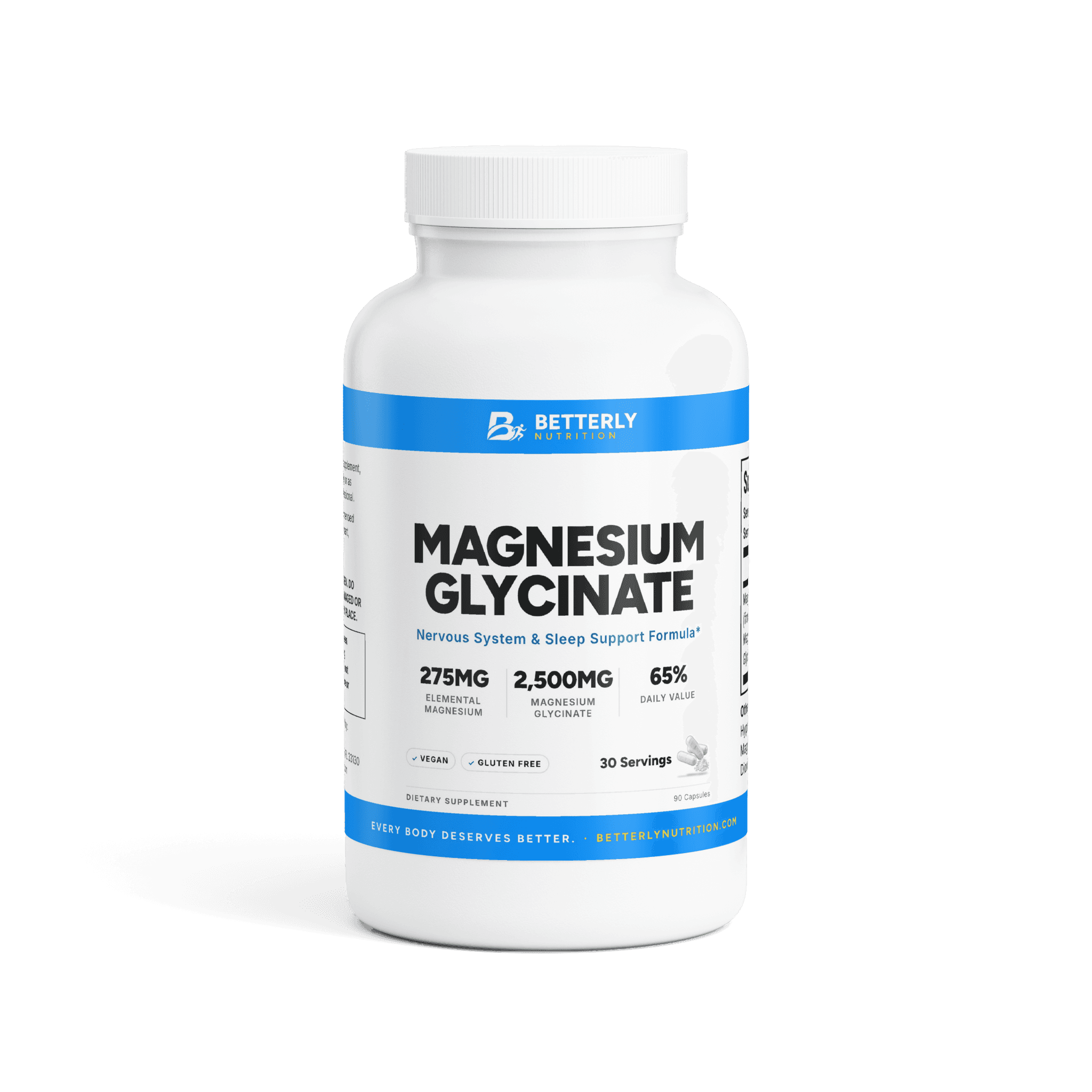
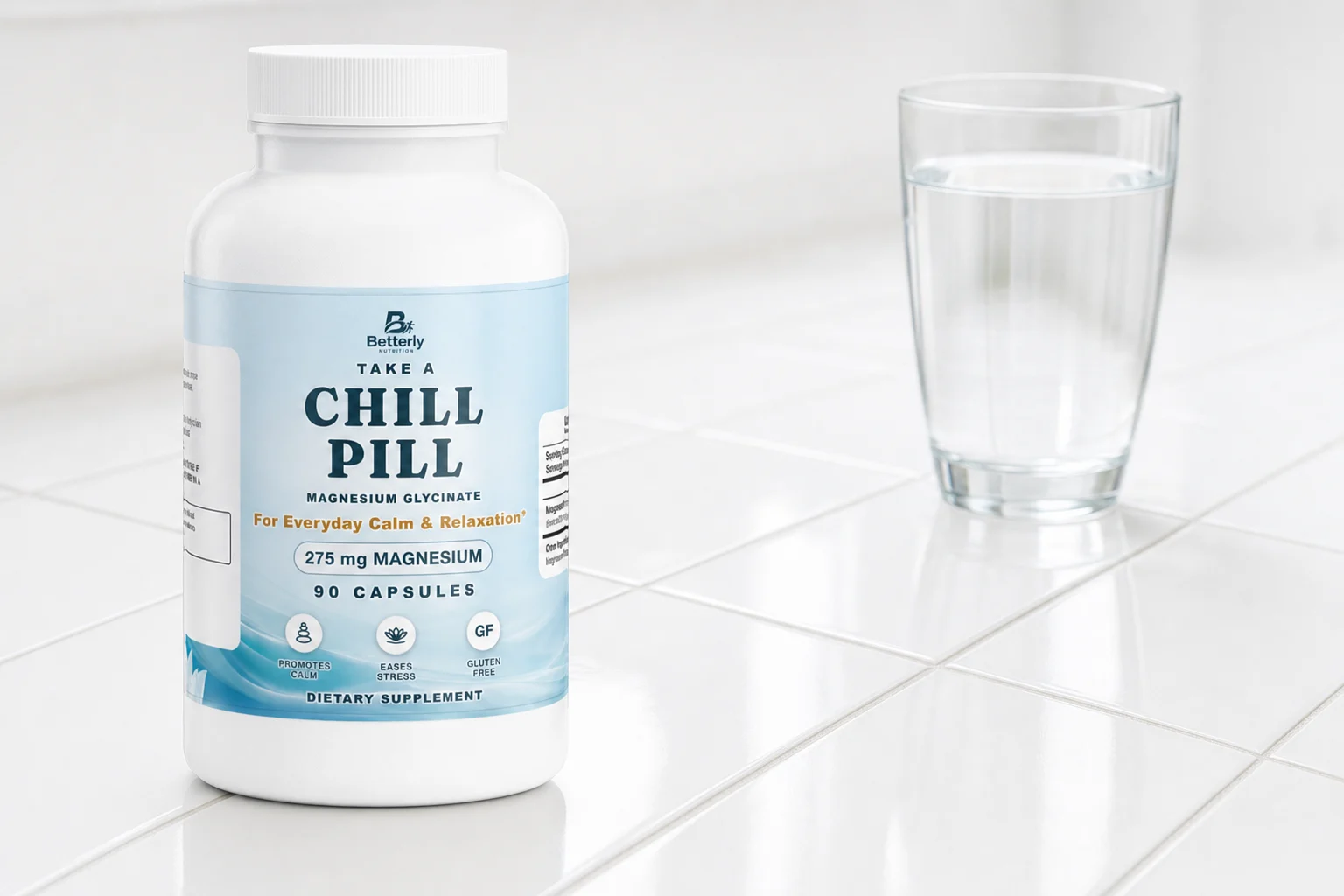
Our own label is a clean example of how this should be disclosed: Magnesium Glycinate Capsules deliver 275 mg of magnesium (from 2,500 mg of magnesium glycinate) per three-capsule serving. The big number is the compound; the 275 mg is the magnesium you're actually getting — 65% of the Daily Value. When a brand prints only the big number without saying which one it is, you can't compare it to anything, and that's worth walking away from.
Which form: glycinate, citrate, or oxide
The carrier changes how the same mineral behaves, which is why "which magnesium for sleep?" is a genuinely good question.
- Magnesium glycinate binds magnesium to glycine, an amino acid. It's a common choice for evening routines. Like any magnesium supplement, it can upset your stomach at high intakes, so stay within the label's suggested use. If sleep is the goal, it's a sensible default.
- Magnesium citrate is well absorbed, but it draws water into the bowel — which is why it moonlights in occasional-regularity products. Taken for sleep, that side effect is a feature nobody asked for.
- Magnesium oxide is the cheap, dense form that makes label numbers look impressive. It's poorly absorbed relative to the others, and much of it passes through — you're often paying for a number, not for magnesium your body keeps.
We compare the first two head-to-head in Magnesium Glycinate vs Citrate if you want the fuller version of this decision.
How much, and when to take it
For supplemental magnesium, the practical ceiling to know is 350 mg per day — that's the tolerable upper intake level health authorities set for magnesium from supplements (food magnesium doesn't count toward it because, in healthy people, the kidneys clear any excess from food). A serving of ours sits at 275 mg, under that line by design. More is not better here; past your body's needs, extra magnesium mostly buys you digestive complaints.
Timing matters less than the internet suggests. Our label's suggested use is three capsules once daily, or as directed by your healthcare professional, with no set hour. If you'd like magnesium in your wind-down, taking it with your evening routine makes it easy to remember.
A few sensible cautions. If your doctor is managing your kidney health, check with them before supplementing magnesium at all, since the kidneys are how your body clears extra magnesium. And magnesium can interact with some medicines, including certain antibiotics and bisphosphonates (where the timing between doses matters), diuretics and long-term acid-reducing prescriptions. If you take any prescription, ask your pharmacist how to fit magnesium in.
The label on our Magnesium Glycinate Capsules also says not to exceed the recommended dose, and to check with a physician first if you're pregnant, nursing, under 18 or managing a medical condition.
Magnesium vs melatonin: different tools for different problems
These two get shopped side by side, and they shouldn't be treated as interchangeable. Melatonin is a timing signal — it tells your body clock that night has arrived, which is why it shines for jet lag and schedule shifts. Magnesium is a status mineral — it supports the systems that let a normal night happen, which is why it suits the slow, unglamorous project of better routine sleep.
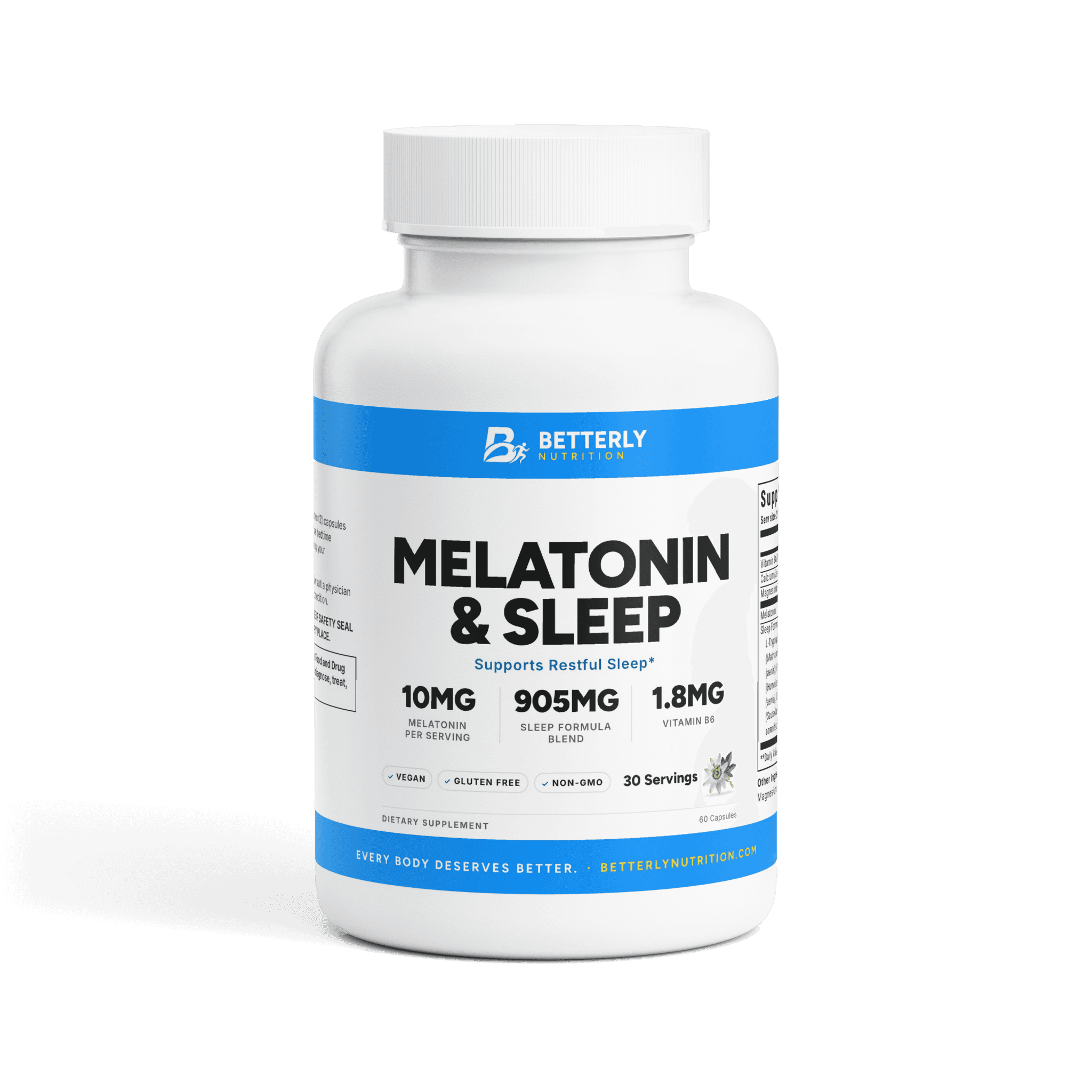
We wrote a full comparison in Magnesium vs Melatonin: Which Should You Take for Sleep? If you land on melatonin instead, our 10mg Melatonin Sleep Capsules combine it with chamomile and ashwagandha — a different tool than plain magnesium, built for nights when the timing signal itself is the problem. And if you'd rather keep melatonin out of the routine entirely, our melatonin-free sleep aid guide covers that whole shelf.
Building it into a wind-down that actually works
No mineral outperforms a bad evening. Magnesium does its quiet work best inside a routine that gives your brain a fair chance: a consistent lights-out window, screens dimmed in the last hour, and something that empties your head before it hits the pillow — we walk through a realistic version in How to Stop Racing Thoughts at Night.
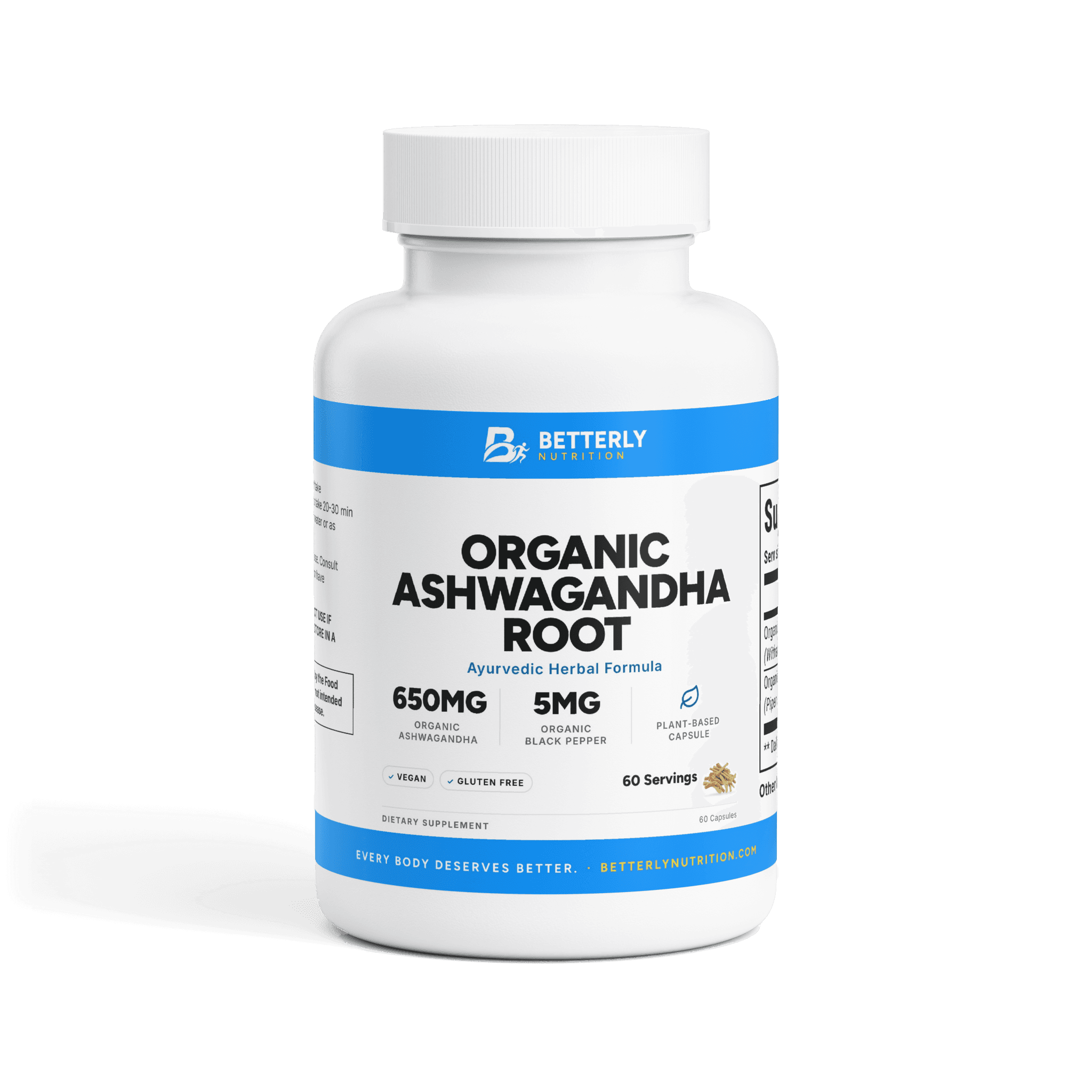
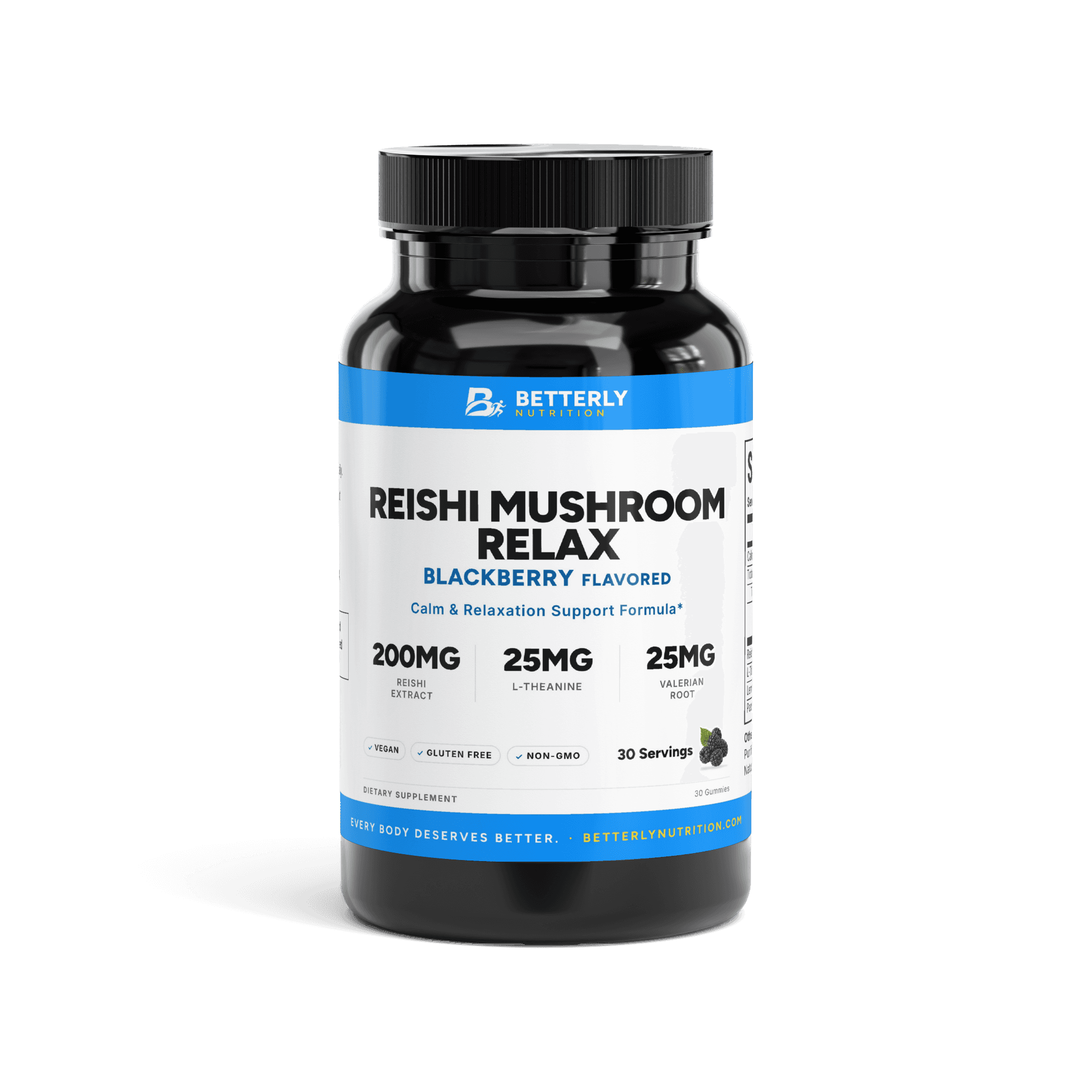
If you're building an evening stack, magnesium pairs sensibly with ashwagandha (an adaptogen traditionally used for everyday stress support — see our ashwagandha guide) or reishi (the calm-evening mushroom, available as Reishi Mushroom Relax Gummies). Add one thing at a time, though — a stack you assembled in one enthusiastic evening is a stack you can't troubleshoot.
What we sell, plainly
Our Magnesium Glycinate Capsules use the chelated, sleep-friendly form: 275 mg of elemental magnesium (from 2,500 mg of magnesium glycinate) per three-capsule serving — 65% of the Daily Value — 90 capsules to a bottle, a 30-day supply. The full supplement facts are printed on the capsules' product page, elemental number first, so you can compare it against anything else on your shortlist before you buy.
FAQ: magnesium for sleep
Does magnesium actually help you sleep?
Magnesium may help a little, but the evidence is limited. According to NCCIH, a 2021 review of 3 studies suggested magnesium may help older adults fall asleep faster, though the reviewers said the studies were low quality, and a 2022 review of 9 studies found mixed results for sleep quality. Magnesium supports normal sleep; it doesn't sedate you.
What's the best magnesium for sleep?
Magnesium glycinate is a common choice for sleep routines. It's magnesium bound to the amino acid glycine, and it isn't the form known for occasional-regularity products the way citrate is. Whatever the form, stay within the label's suggested use, because the NIH Office of Dietary Supplements notes that high supplement intakes can cause digestive upset.
How long before bed should I take magnesium?
Magnesium doesn't need a precise pre-bed window. The suggested use on our Magnesium Glycinate Capsules label is three capsules once daily, or as directed by your healthcare professional, with no set time of day. If you'd like it in your wind-down, taking it with your evening routine makes it easy to remember. Consistency matters more than the exact hour.
Can I take magnesium and melatonin together?
They're commonly combined — they do different jobs, so they don't step on each other. Our melatonin sleep capsules list both, but with 10 mg of melatonin and only 13 mg of magnesium per 2-capsule serving, they're a melatonin product first, not a magnesium source. If you take medications or are pregnant or nursing, check with your healthcare provider first.
How do I know if magnesium is right for me?
Judge magnesium on the overall trend while you take it consistently as the label directs, not on any single night. A simple sleep log makes that trend easier to see. If steady use changes nothing and your evenings are otherwise in order, magnesium may simply not be your bottleneck. That's useful information, not failure.
Sources
- Sleep and Complementary Health Approaches: Usefulness and Safety (NCCIH)
- Magnesium: Fact Sheet for Consumers (NIH Office of Dietary Supplements)
If this left you looking for somewhere to start, read our chelated magnesium glycinate — 275 mg of magnesium per serving — its amounts per serving are listed on the page. For the practical questions this raises, how dosing, sourcing and subscriptions work is answered in one place.