On this page
- Why skip melatonin in the first place?
- When melatonin still makes sense
- How to read a melatonin-free label
- Magnesium glycinate for sleep: the gentle foundation
- Ashwagandha: for evenings when the day follows you to bed
- Reishi: the calming mushroom for a wind-down ritual
- Other ingredients you'll meet: L-theanine, GABA, glycine, and the classic herbs
- How to choose: match the supplement to your kind of night
- FAQ: melatonin-free sleep supplements
If you've decided melatonin isn't for you, you're not out of options — far from it. Melatonin-free sleep supplements are one of the fastest-growing corners of the sleep aisle, driven by people who wake up foggy after a dose or simply don't want to take a hormone every night. This guide maps that quieter side of the shelf: what's actually in these products, what research honestly suggests about each ingredient, and how to match one to the way your nights really go.
One thing up front: we sell melatonin products too, so we have nothing to force here. This isn't a takedown of melatonin — it's an honest look at the alternatives, for the growing number of people who'd rather wind down without it.
Why skip melatonin in the first place?
Melatonin is a hormone your body already makes as the evening gets dark. It works as a timing signal — a message that night has arrived — more than a knockout switch. For certain situations it's genuinely useful. So why do so many people specifically search for sleep supplements without melatonin?
A few honest reasons come up again and again:
- Next-morning grogginess. People clear melatonin at very different speeds. Research suggests slower metabolizers can still have meaningful amounts circulating eight to ten hours after a dose — which can feel like starting the day underwater.
- Store doses run high. Your body's own nightly output is tiny — a fraction of a milligram, by most estimates — while many products contain 5 or 10 mg. In studies, low doses appear to work about as well as high ones for nudging the body clock, with less lingering drowsiness, but high-dose bottles still dominate shelves.
- It doesn't quiet a busy mind. Melatonin adjusts your internal clock. It does very little for the racing-mind, replaying-the-day kind of wakefulness — which is what actually keeps a lot of people staring at the ceiling.
- Preference, plain and simple. Some people are fine taking a hormone occasionally but don't want it as a nightly default. That's a reasonable choice, not a verdict on melatonin.
When melatonin still makes sense
Honesty cuts both ways. If your real problem is timing — jet lag, a new work shift, a body clock that has drifted later and later — melatonin was practically designed for that job, and skipping it on principle may just make your week harder. Our guide to the best supplements for sleep covers how to use it well, and if you're weighing the two approaches head to head, Magnesium vs Melatonin: Which Should You Take for Sleep? walks through that exact decision.
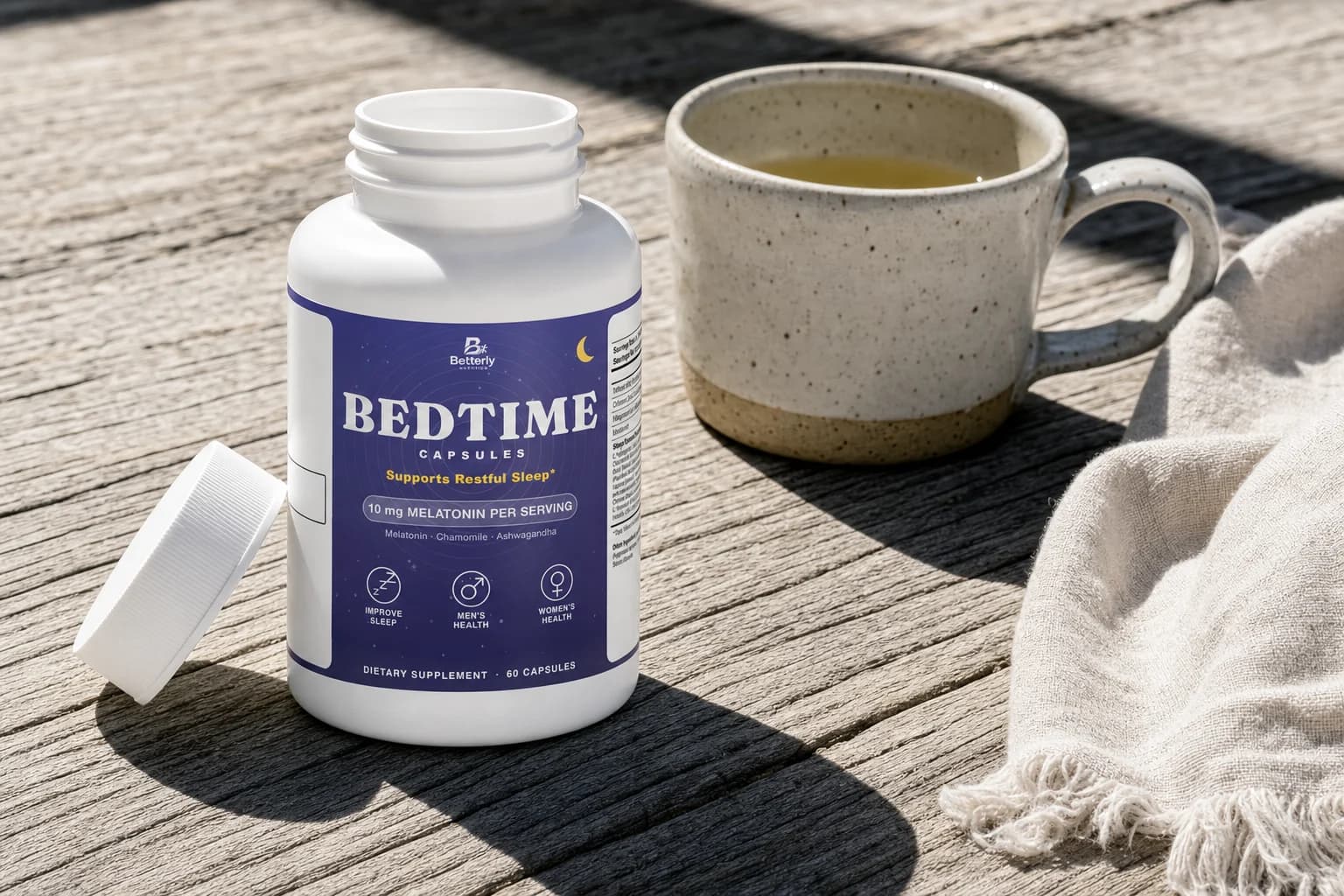
For timing situations, our 1mg Melatonin Sleep Strips carry 1 mg of melatonin per 1-strip serving, alongside 50 mg of valerian root extract and smaller amounts of lavender, chamomile and hibiscus extracts. Our 10mg Melatonin Sleep Capsules carry 10 mg of melatonin per 2-capsule serving plus a 905 mg blend that includes St. John's wort and 5-HTP. The NIH's National Center for Complementary and Integrative Health notes that St. John's wort can interact with many medicines, so check with your healthcare provider first if you take any medication. Everything else in this guide stays melatonin-free.
How to read a melatonin-free label
Once melatonin is off the table, the non-melatonin sleep support shelf gets more varied — and a little more confusing. A few things worth checking before you buy:
- The actual amounts. A label that says "proprietary calming blend" without milligrams tells you nothing. Look for products that print every dose. (Where one of ours uses a blend, such as the Sleep Formula Proprietary Blend in our 10mg Melatonin Sleep Capsules, the label prints only the 905 mg blend total.)
- The form of each ingredient. This matters most with magnesium: glycinate and citrate behave differently from cheaper forms like oxide, and the differences are practical, not marketing.
- Single ingredient vs blend. Single-ingredient products make it easier to tell what's working. Blends are convenient once you know what agrees with you — but starting with a five-ingredient formula means you'll never know which one earned its spot.
- A format you'll actually use. Capsules, gummies, powders, dissolvable strips — the right format is whichever one you'll reliably take at 9:30 pm, not the one that looks most serious.
Magnesium glycinate for sleep: the gentle foundation
If there's a default starting point among supplements for winding down at night, this is it. Magnesium plays a role in hundreds of processes in the body, including ones involved in normal muscle relaxation and nervous system function — and plenty of people don't get quite enough from food alone.
The honest read on the research: modest, real, not miraculous. In one randomized trial of about 155 adults reporting poor sleep, magnesium bisglycinate produced a small improvement — with most of the benefit showing up in people whose diets were low in magnesium to begin with. A pooled analysis of small studies in older adults suggested magnesium helped people fall asleep roughly 17 minutes faster on average, though the underlying trials were small and imperfect. In other words: research suggests a gentle nudge, especially if your intake is low — not a switch that turns off the lights.
The glycinate form is the evening favorite for practical reasons. It's magnesium bound to glycine — an amino acid with its own small, encouraging body of sleep research — and it tends to be gentle on the stomach where other forms aren't. If you're choosing between forms, Magnesium Glycinate vs Citrate breaks the decision down in plain language.
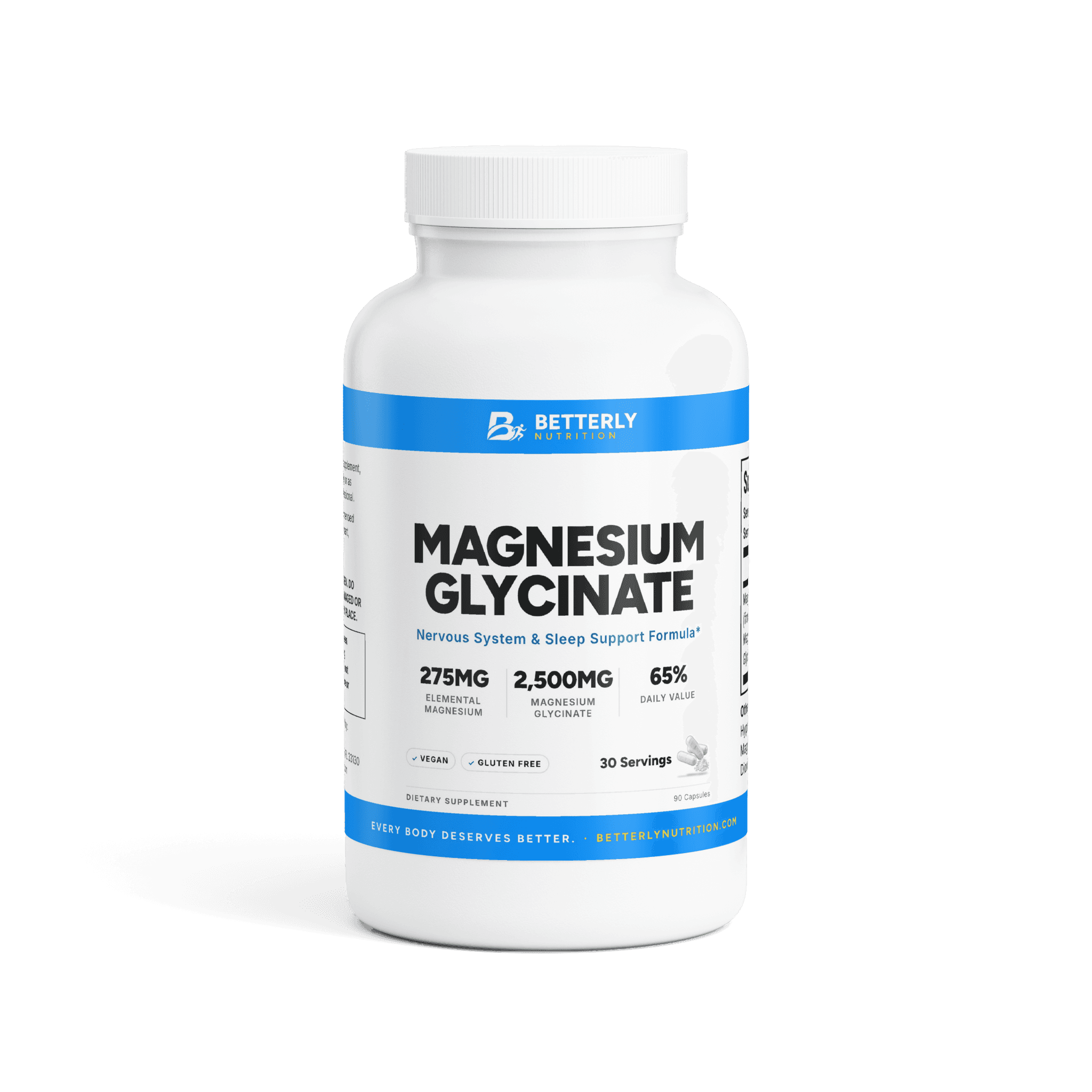
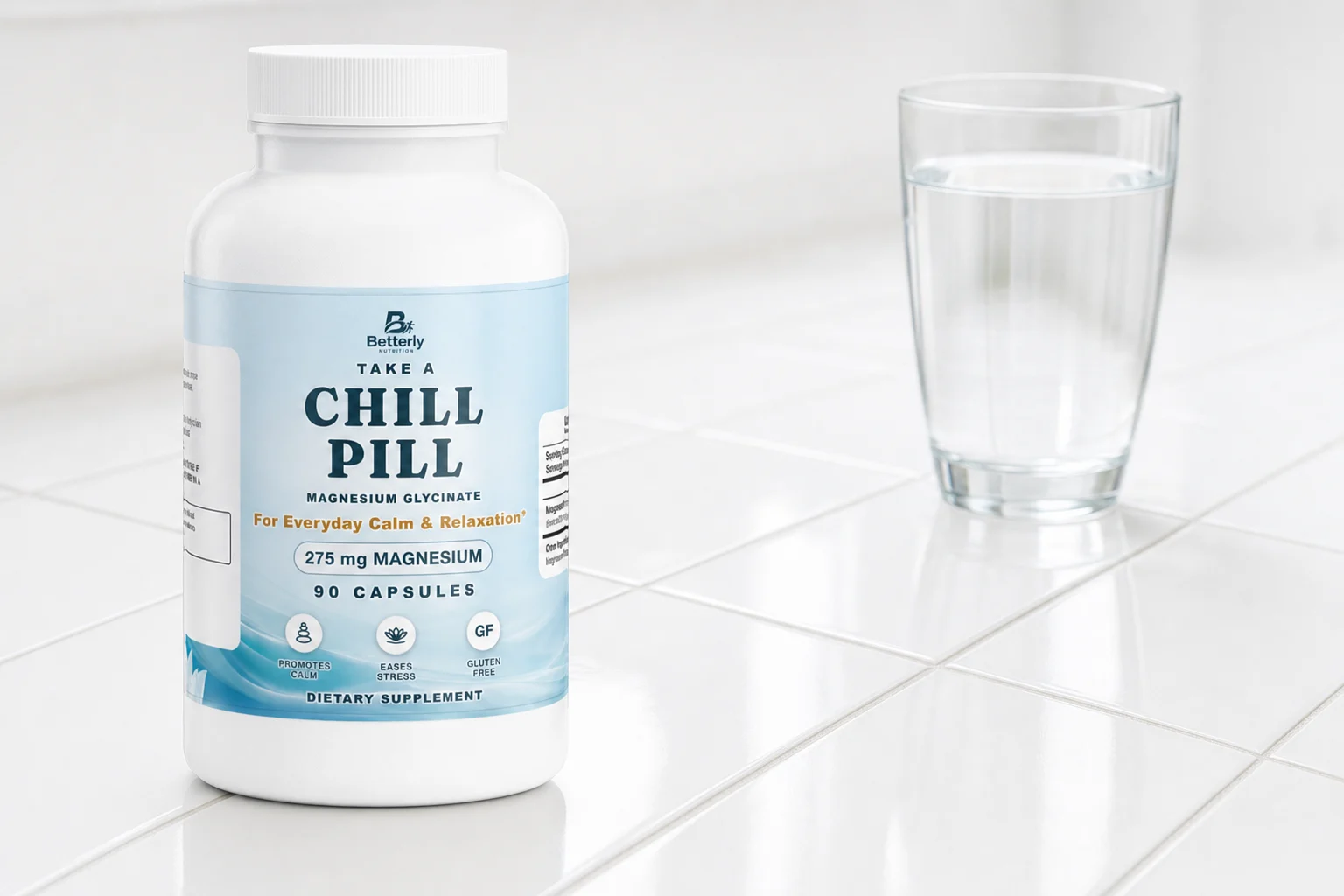
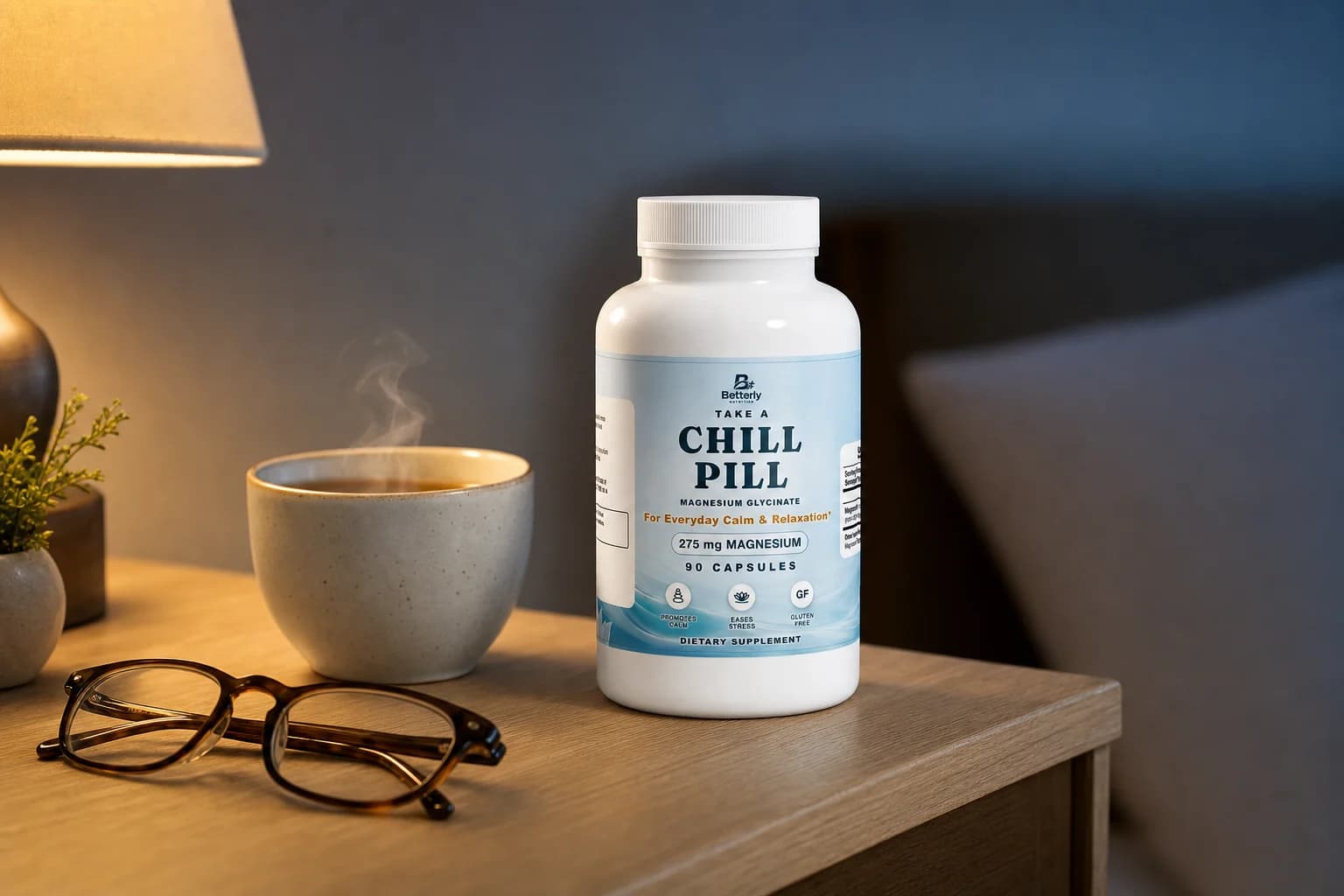
Our Magnesium Glycinate Capsules deliver 275 mg of magnesium (65% DV, from 2,500 mg of magnesium glycinate) per 3-capsule serving, with 90 capsules (30 servings) to a bottle. The label's suggested use is three capsules once daily.
Ashwagandha: for evenings when the day follows you to bed
Some nights the problem isn't your body — it's that your brain is still at the meeting. Ashwagandha, an herb with centuries of use in Ayurvedic tradition, is what people reach for when everyday stress is what stands between them and sleep.
The research here is genuinely interesting. In small studies running 6 to 12 weeks, people taking ashwagandha root extract (about 250 to 600 mg a day in most of them) reported falling asleep faster and rated their sleep quality higher, though the NIH Office of Dietary Supplements describes the overall effect as small. Some of those studies also measured lower levels of cortisol, a stress hormone. As always: small studies, promising signal, not a guarantee.
Two practical notes. First, ashwagandha is a daily-practice herb, not a night-of rescue — the studies that show benefits involve consistent daily use over weeks, so consistency matters more than timing. Second, it pairs naturally with magnesium, since the two work along different paths; many evening routines include both.
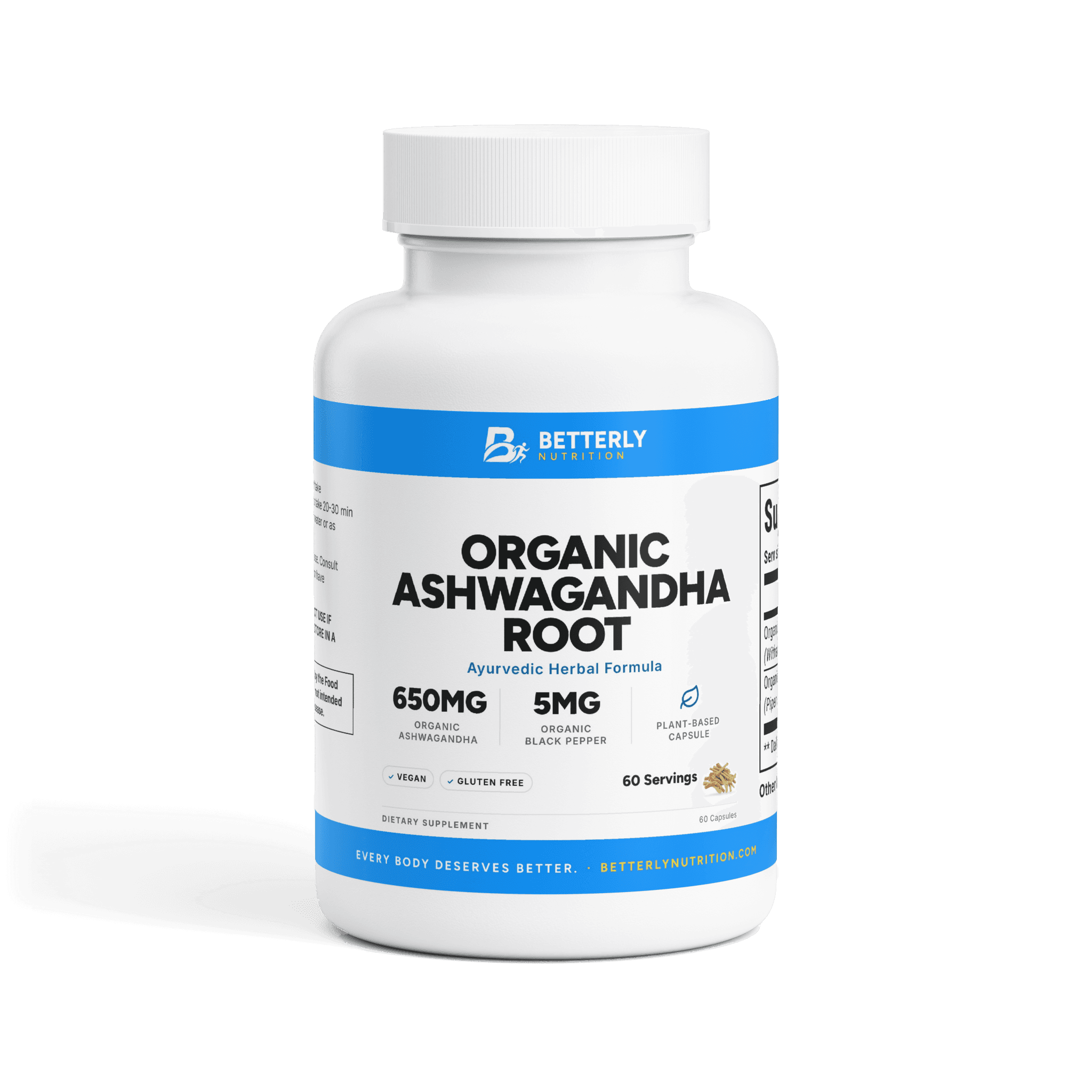
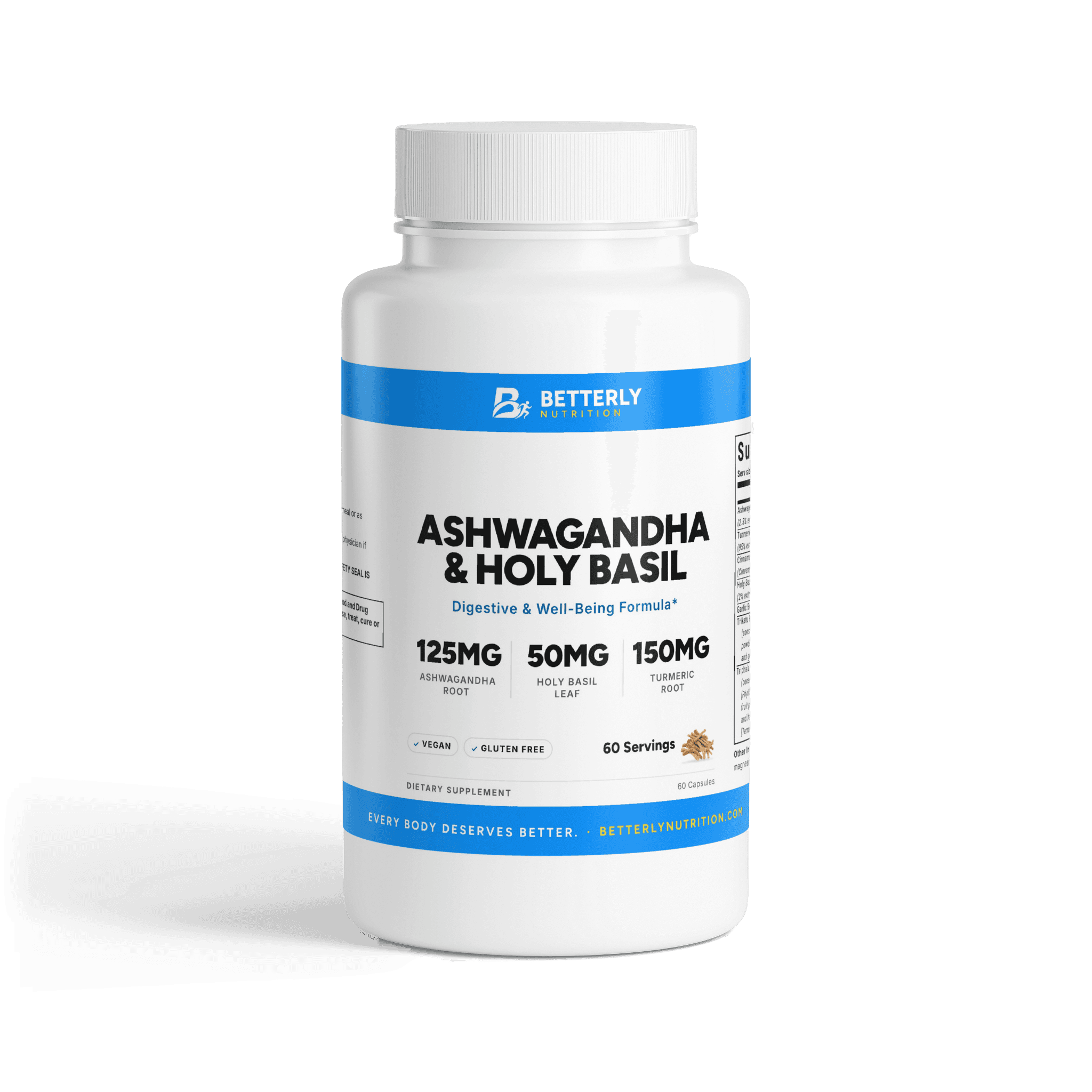
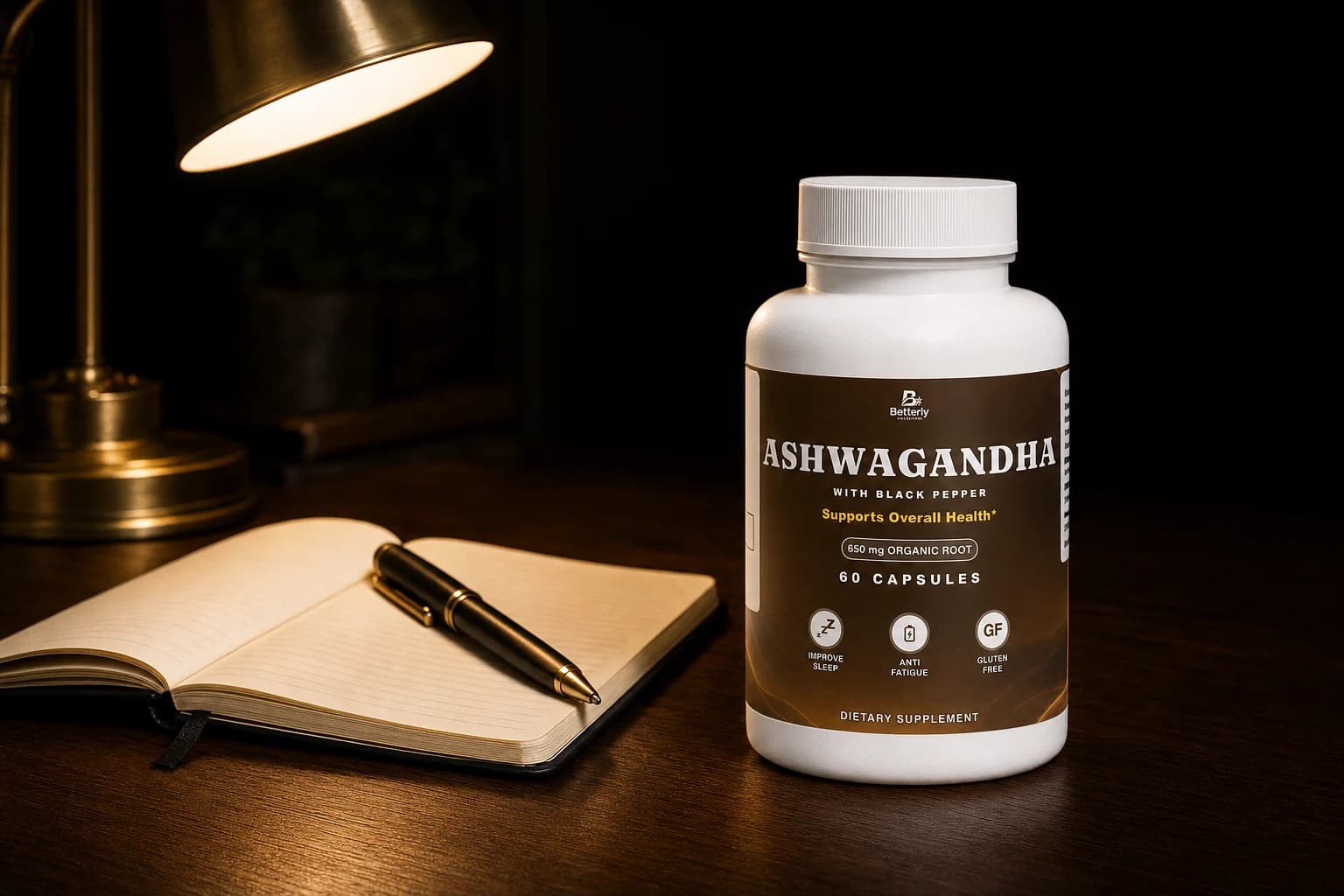
Our Organic Ashwagandha Root Capsules carry 650 mg of organic ashwagandha root with 5 mg of organic black pepper per 1-capsule serving, 60 vegan capsules per bottle; the label's suggested use is one capsule twice a day. The label lists ashwagandha root, not the standardized extracts used in most of the studies above. For a deeper look at the herb itself, read Ashwagandha Benefits and How to Take It, or zoom out with Adaptogens 101 if the whole category is new to you.
Reishi: the calming mushroom for a wind-down ritual
Reishi is a mushroom with a long history in traditional herbal practice, where it picked up nicknames like "the mushroom of calm." It isn't a knockout pill and won't flatten you — which is exactly why some people like it.
The evidence is early but worth knowing about. Animal studies suggest reishi extracts can lengthen sleep time and increase non-REM sleep. Human data are thinner: one recent 8-week trial, presented at the SLEEP 2026 meeting, reported improved self-rated sleep scores with a concentrated reishi extract taken at 980 mg a night, several times the 200 mg in one of our gummies. One trial doesn't settle anything, but it's an encouraging sign for a mushroom people have brewed for centuries.
Where reishi really shines is as a ritual. A gummy or a warm drink at the same time every evening becomes a cue — a repeated signal to your nervous system that the day is over. That cue may be doing as much work as the mushroom itself, and honestly, that's fine. Rituals are underrated.
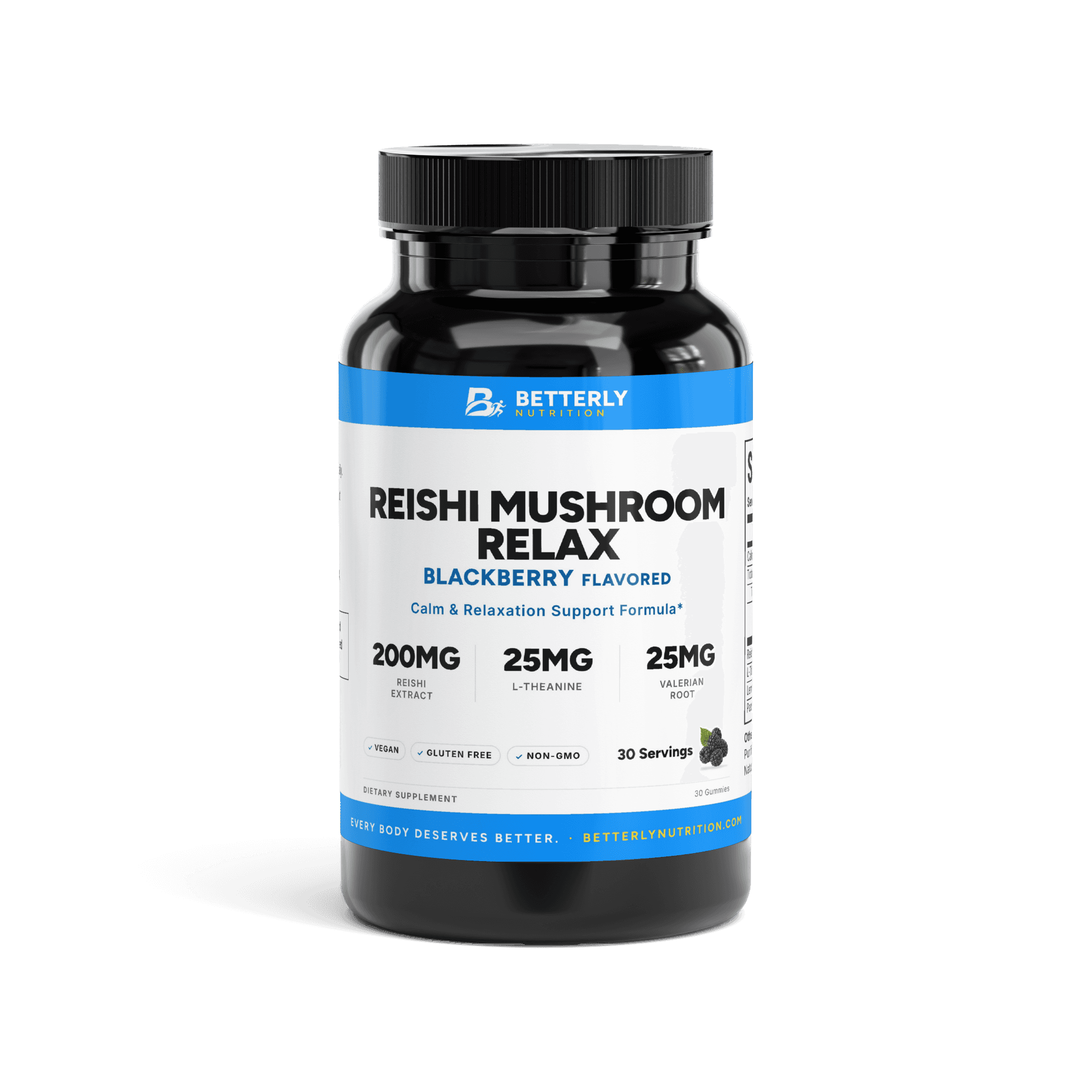
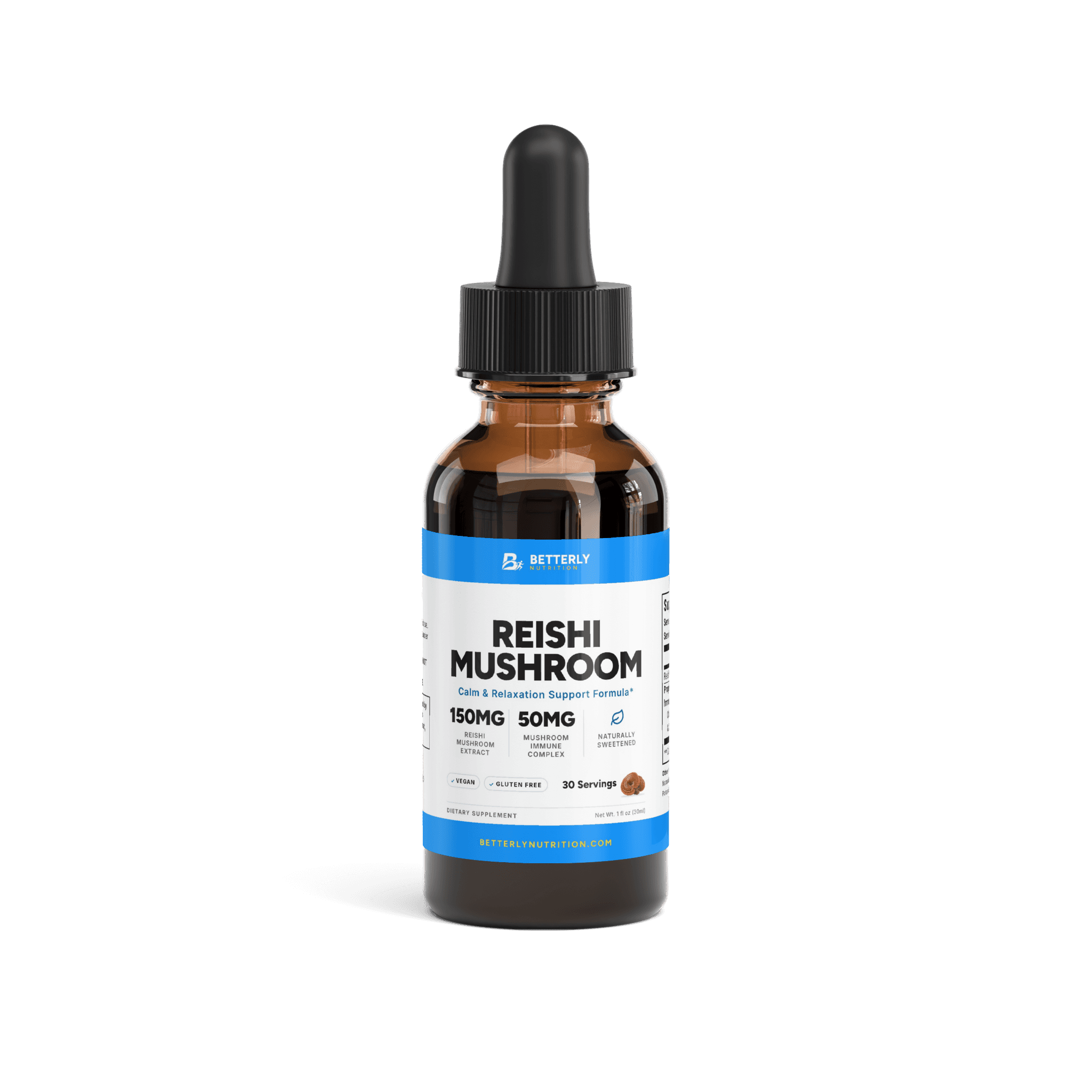
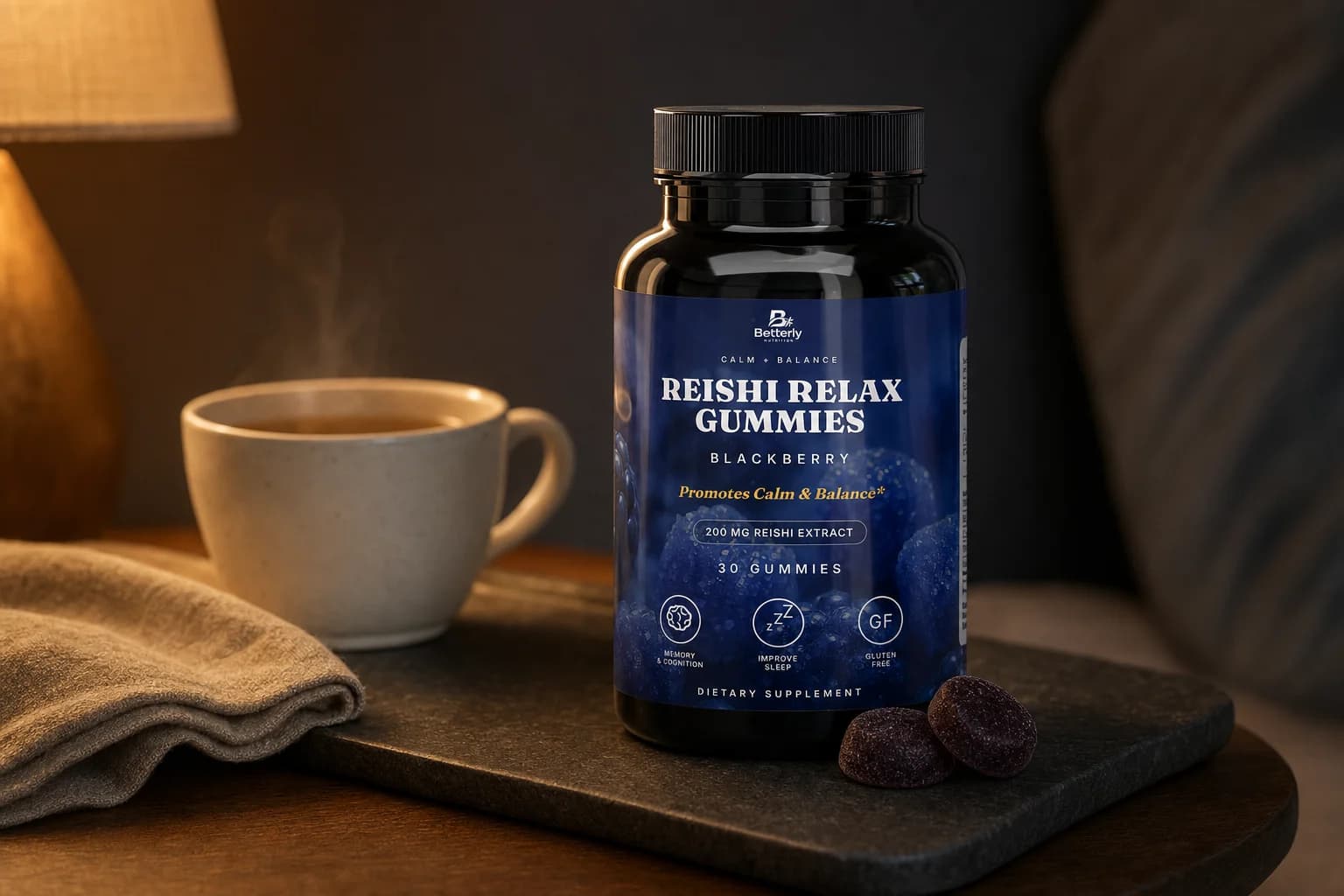
Our Reishi Mushroom Relax Gummies carry 200 mg of reishi extract per 1-gummy serving, plus 25 mg each of L-theanine, lemon balm, passion flower and valerian root, in a blackberry gummy, 30 gummies per bottle. Because they include valerian, the valerian note below applies to them too. If the mushroom intrigues you, our companion deep dive Reishi Mushroom for Sleep & Relaxation covers it in full.
Other ingredients you'll meet: L-theanine, GABA, glycine, and the classic herbs
The rest of the melatonin-free shelf is mostly built from these:
- L-theanine. An amino acid found in tea leaves, associated with a settled, calm-but-clear feeling rather than heavy sleepiness. In studies using roughly 200 to 400 mg a day, people reported relaxing more easily and sleeping better, without next-day drowsiness. It's the classic pick for the wound-up-but-tired crowd.
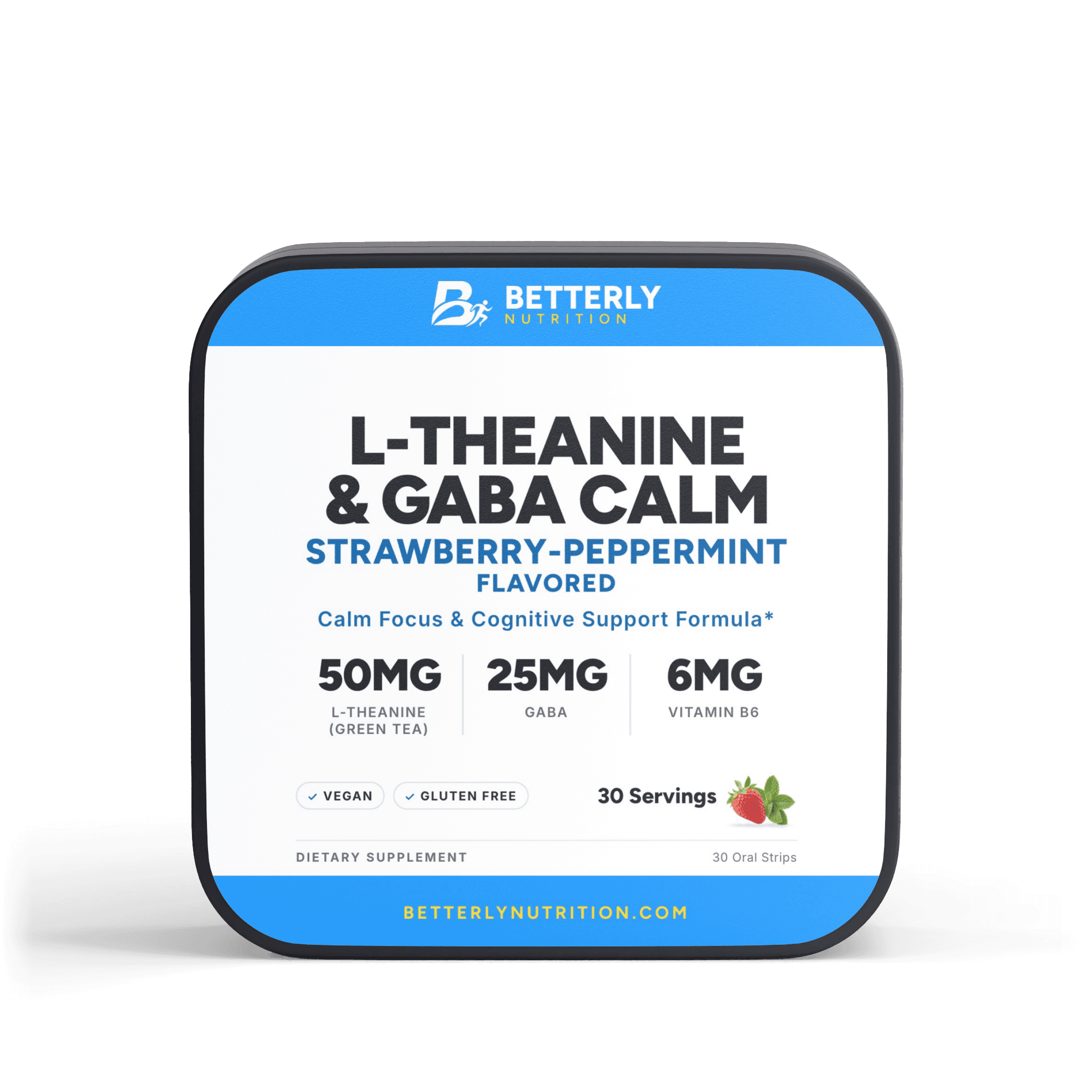
- GABA. A calming messenger your nervous system uses naturally. As a supplement the evidence is mixed. The finding that GABA and L-theanine together shortened time to fall asleep more than either one alone comes from a study in mice and rats; human research on the pair is limited to small, early studies without single-ingredient comparisons. Our L-Theanine & GABA Calm Strips put 50 mg of L-theanine and 25 mg of GABA in each 1-strip serving, 30 strips per pack, a low-commitment way to try the pairing, though well below the 200 to 400 mg of L-theanine used in the studies above.
- Glycine. A humble amino acid with a small, surprisingly consistent body of research: in studies, a few grams before bed was associated with better subjective sleep quality, possibly related to how it influences core body temperature. It's also the "gly" in magnesium glycinate.
- Valerian root. An old-school herb with genuinely mixed research — some studies suggest people fall asleep a little faster; others find no difference. It can also interact with alcohol and some medications, so check with your provider before adding it.
- Chamomile. Gentle, well-loved, and more ritual than pharmacology. The evidence is modest, but a warm cup as part of a wind-down routine costs you nothing and signals plenty.
How to choose: match the supplement to your kind of night
Skip the "best overall" framing — the right melatonin alternative for sleep depends on what your nights actually look like:
- You fall asleep okay, but sleep feels light or broken. Magnesium glycinate is the gentle, foundational choice. Take it daily as the label directs and judge it over a consistent stretch, not a single night.
- Stress follows you to bed. Ashwagandha, taken daily, has research on both occasional stress and sleep quality.
- You want a wind-down ritual you'll enjoy. Reishi gummies or a cup of chamomile turn the routine into something to look forward to.
- Your mind revs up the moment the lights go off. L-theanine — alone or with GABA — is the usual starting point for a racing mind.
- Your schedule is the problem. Travel, shift work, a drifted body clock — that's melatonin's territory; see the section above.
Start with one option, not three. Give it a fair, consistent trial and change one variable at a time so you can tell what's actually helping. You can browse everything, melatonin-free and otherwise, in our Sleep & Stress Relief collection.
And keep the honest hierarchy in mind: no supplement outruns a consistent bedtime, a dim evening, and daytime movement. These are nudges for a body that's already trying to wind down — support, not a substitute.
FAQ: melatonin-free sleep supplements
Do melatonin-free sleep supplements actually work?
Modestly, for the right person — that's the honest answer. Research suggests magnesium helps most when your intake is low and L-theanine helps most with a busy mind, while ashwagandha has research on both occasional stress and sleep quality. None of them feel as blunt as a knockout pill, and none of them fix a chaotic sleep schedule. Match the ingredient to your situation and take it consistently.
What's the best melatonin alternative for sleep?
There's no single winner. Magnesium glycinate is the most common starting point because it's gentle and broadly useful. If stress is your main obstacle, ashwagandha has the more relevant research. Many people eventually land on a simple pairing — magnesium nightly, plus a calming option like L-theanine or reishi as part of the wind-down.
Can I take magnesium and ashwagandha together?
The two are commonly paired — they work along different pathways, and plenty of evening routines include both. We wrote a full guide on it: Magnesium and Ashwagandha Together?. As with any combination, loop in your healthcare provider if you take medications.
How do I know if a melatonin-free sleep supplement is working for me?
Judge a melatonin-free sleep supplement by consistent use, not a single night. Take one option at the same time each day as its label directs, change one thing at a time, and keep simple notes on how you sleep and how you feel in the morning. If you notice no difference after a fair, consistent trial, it's reasonable to try a different option or ask your healthcare provider.
Are melatonin-free sleep supplements safe to take every night?
Ingredients like magnesium, L-theanine, and glycine are generally considered gentle at label doses, but "melatonin-free" doesn't automatically mean "no considerations" — valerian, for instance, can interact with alcohol and certain medications. According to the NIH Office of Dietary Supplements, ashwagandha might interact with sedatives and thyroid hormone medication, and there are a few reports of effects on liver function. If you're pregnant, nursing, take medication, or have an ongoing health concern, check with a healthcare professional before making anything a nightly habit.
Will these make me groggy the next morning?
That's much less likely than with a high-dose melatonin product — next-day fog is the main complaint this whole category exists to avoid. L-theanine in particular is associated with calm without heaviness. Everyone's different, though: start at the label dose, take it at a consistent time, and pay as much attention to your mornings as your nights.
If this left you looking for somewhere to start, read magnesium glycinate for sleep — its amounts per serving are listed on the page. For the practical questions this raises, how dosing, sourcing and subscriptions work is answered in one place.