On this page
- Two different tools, not two rivals
- What magnesium does in the evening
- What melatonin does — and where it genuinely shines
- Head to head: magnesium vs melatonin on the nights that matter
- Can you take magnesium and melatonin together?
- How to decide: match the tool to your kind of night
- Dosing and timing basics
- FAQ: magnesium vs melatonin
- Sources
Type "magnesium vs melatonin" into a search bar and you'll find a pile of articles trying to crown a winner. Here's the honest answer up front: there isn't one, because these aren't two versions of the same thing. Magnesium is a mineral your body needs every single day; melatonin is a timing signal your body already makes on its own — and the right pick depends entirely on why your nights are rough.
This guide walks through what each one actually does, what research genuinely suggests (spoiler: the effects are real but modest — anyone promising miracles is selling something), and how to match the tool to your kind of night.
Two different tools, not two rivals
The quickest way to understand the difference between magnesium and melatonin is to notice that they belong to completely different categories:
- Magnesium is a mineral. Your body uses it in hundreds of everyday processes, including ones involved in normal muscle and nervous system function. You're supposed to get it from food, and many people fall short. Taking it in the evening is less "sleeping pill" and more "topping up something your body runs on."
- Melatonin is a hormone. Your brain makes it naturally as light fades, and it works like a dimmer switch — a signal that night has arrived. As a supplement, it doesn't knock you out; it nudges your internal clock.
A useful analogy: magnesium is engine maintenance, and melatonin is setting the clock on the dashboard. If the ride feels rough every night, maintenance is the move. If the clock is set to the wrong time zone, no amount of maintenance fixes that.
Keep that frame in mind and the rest of the comparison mostly makes itself.
What magnesium does in the evening
Magnesium's connection to rest is indirect but real. It plays a role in the systems your body uses to downshift — the ones involved in muscle relaxation and a settled nervous system. That's why an evening magnesium habit is less about feeling drowsy and more about feeling less wound up.
What does the research actually say? Honestly: not much yet. According to NCCIH, a 2021 review of three small studies suggested magnesium may help older adults who had trouble sleeping fall asleep faster, but the reviewers judged the studies low quality and not enough to base decisions on. What we can say with more confidence is simpler: magnesium is a nutrient many diets under-deliver, and an evening dose is a gentle, low-drama way to close the gap.
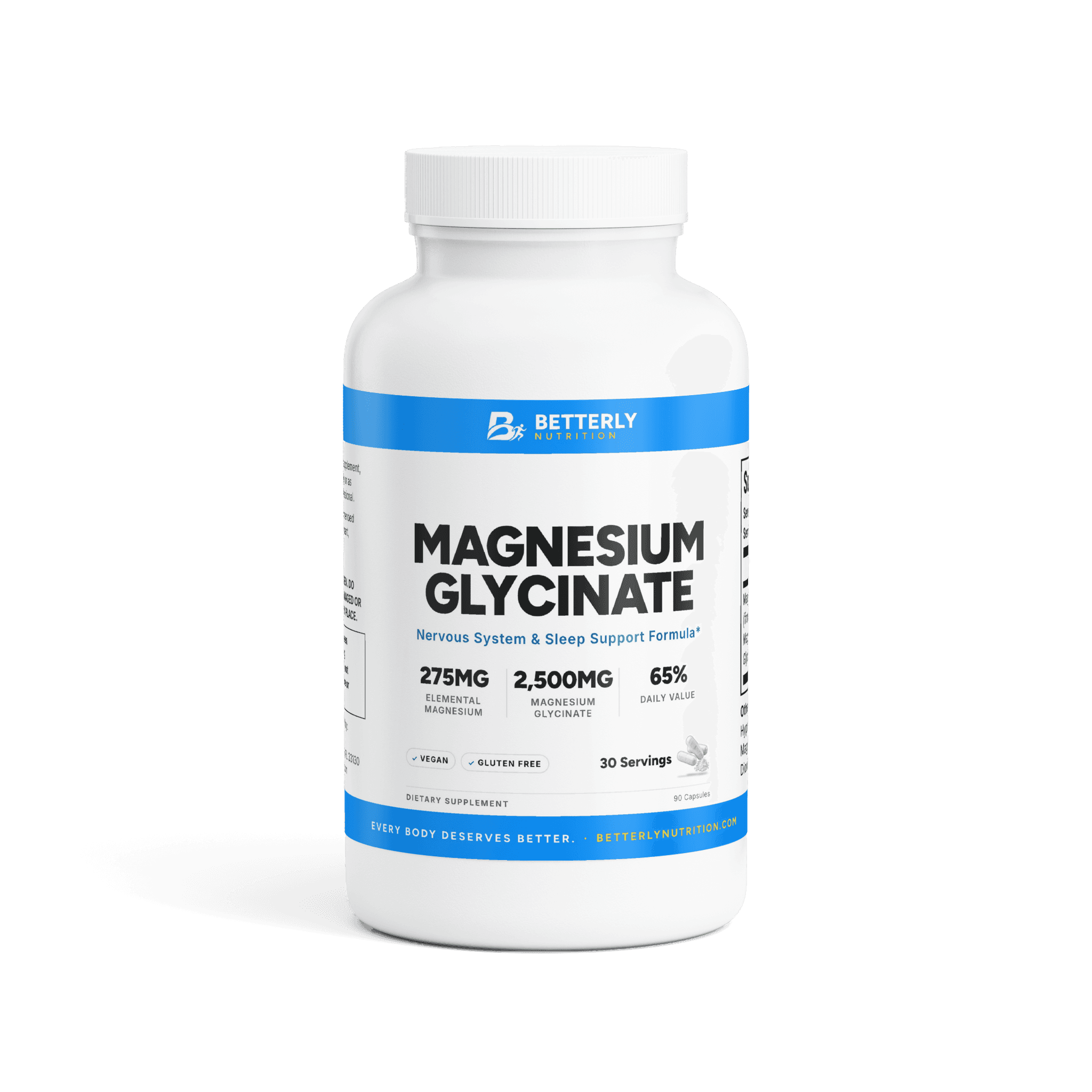
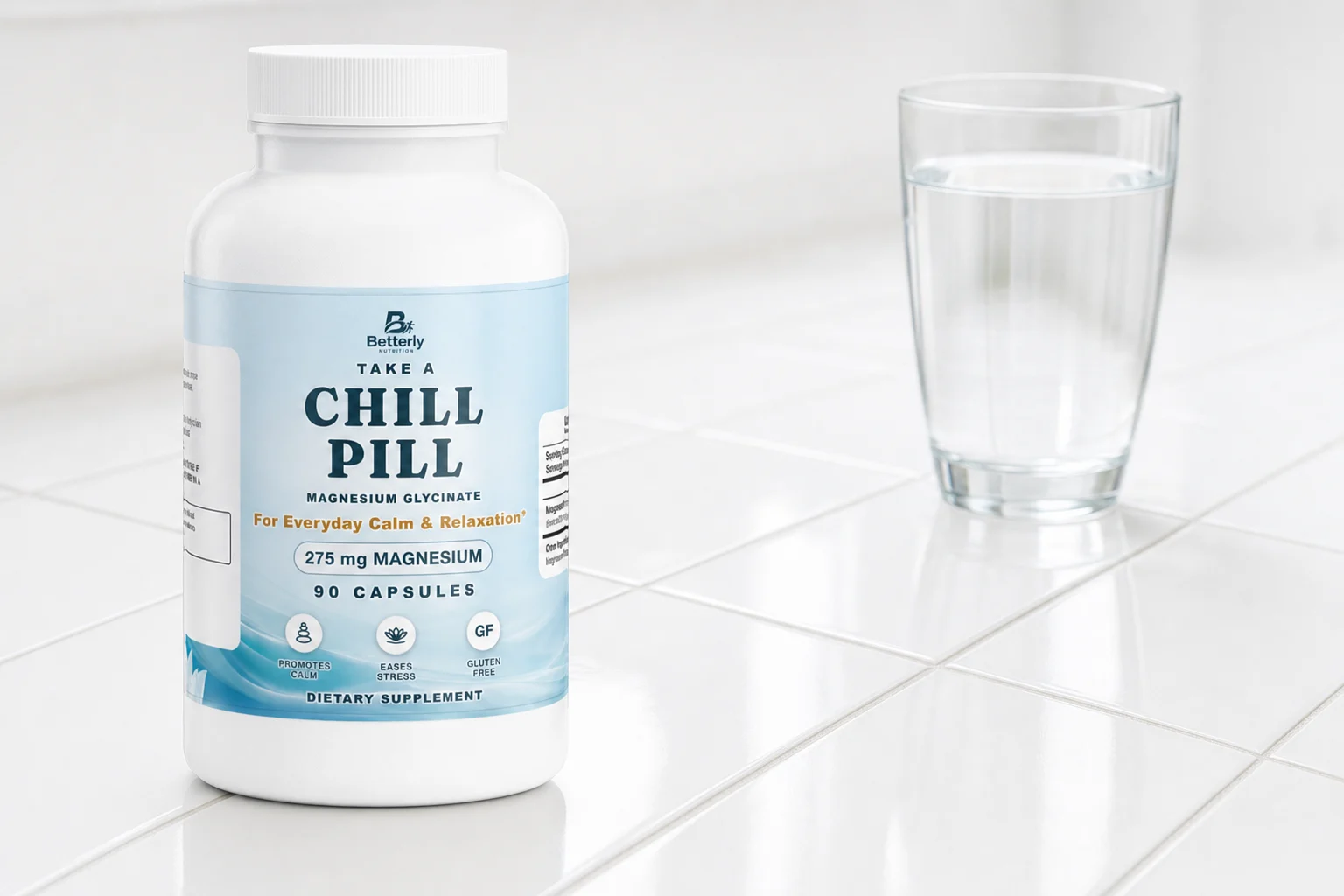
Form matters more than most people realize. Magnesium glycinate — the form in our Magnesium Glycinate Capsules, which deliver 275 mg of magnesium per 3-capsule serving across 90 capsules — is a popular evening pick because it tends to sit gently in the stomach. If you're weighing your options, our guide to magnesium glycinate vs citrate breaks down the forms in plain language.
The practical takeaway: magnesium suits people whose sleep trouble feels like tension — a body that won't settle, shoulders that live near your ears, an evening that never quite winds down. It's a daily foundation, not a switch you flip.
What melatonin does — and where it genuinely shines
Melatonin's whole job is timing. As daylight fades, your brain releases it to tell the rest of you that night has begun. Bright evenings — especially screen-lit ones — mute that signal, which is one reason modern bedtimes drift.
Supplemental melatonin is most useful when the clock itself is the problem:
- Jet lag. Taking melatonin for jet lag is its best-known everyday use, because crossing time zones is a pure timing problem — exactly the thing melatonin addresses.
- Shift work and schedule swings. If your work hours force your body to sleep at odd times, a timing signal can help mark "night" when the sun disagrees.
- A drifted bedtime. If weeks of late nights have pushed your internal clock later than you'd like, melatonin can help nudge it back while you rebuild the habit.
Now the honest research picture: according to NCCIH, a 2022 review found melatonin helped people who had trouble sleeping fall asleep faster, but it didn't improve overall sleep quality or time awake during the night. That's a modest effect — which is why melatonin tends to disappoint people who expect a knockout pill and quietly satisfy people using it for timing situations like travel.
One more thing worth knowing: more isn't better here. NCCIH notes there isn't enough information yet about side effects at doses higher than what the body normally makes, so stay within the label's suggested use.
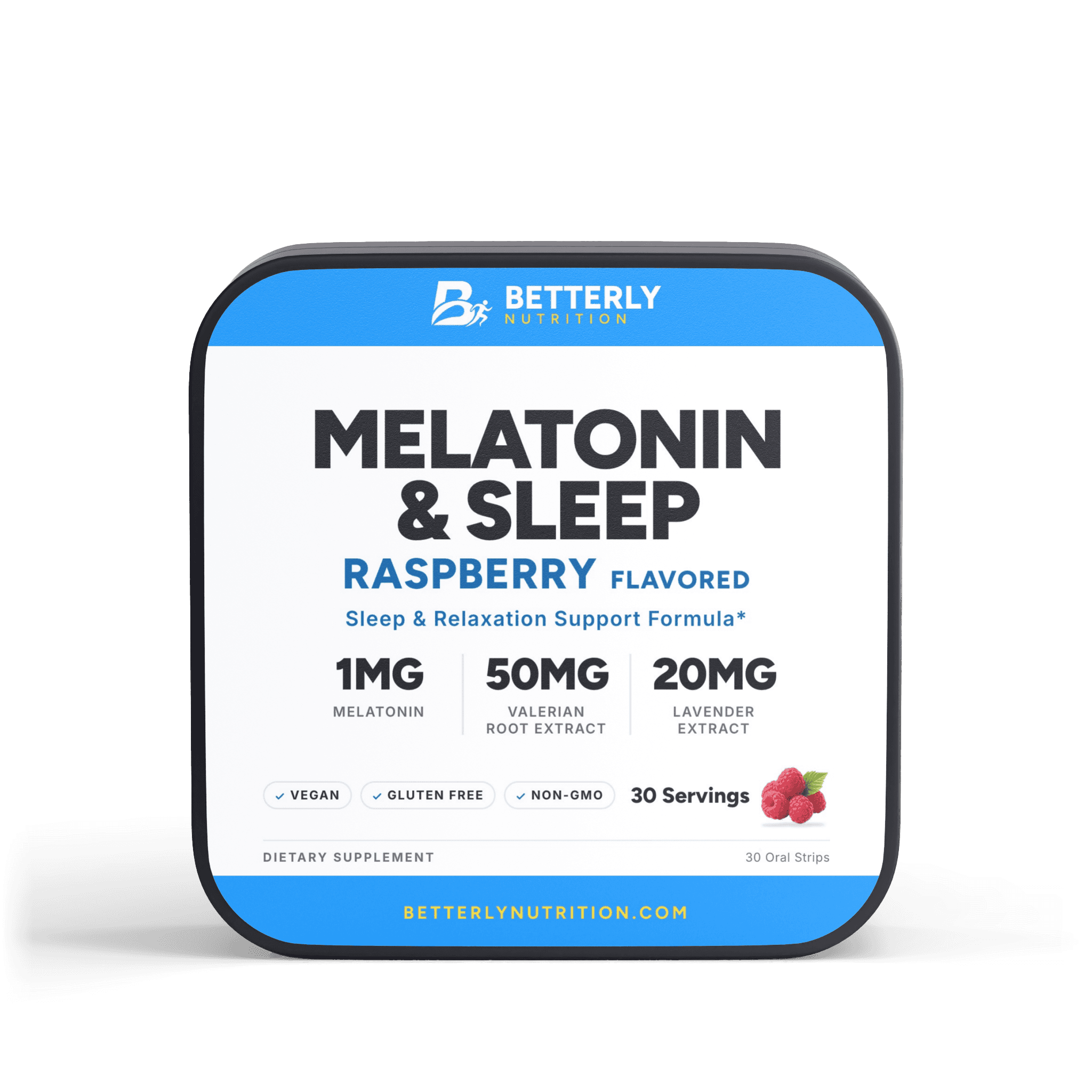
If a low-key format appeals, our 1mg Melatonin Sleep Strips pair 1 mg of melatonin with valerian root, lavender, chamomile and hibiscus extracts per 1-strip serving, in 30 dissolving oral strips — nothing to swallow, nothing to mix, easy to use at an airport gate.
Head to head: magnesium vs melatonin on the nights that matter
Here's how the two compare on the questions people actually ask:
| Magnesium | Melatonin | |
|---|---|---|
| What it is | An essential daily mineral | A hormone your body already makes |
| Best suited for | Tension, trouble winding down | Jet lag, shifted schedules |
| Falling asleep | May help modestly (early research) | Modest effect (2022 review) |
| How it feels | Less wound up, not drowsy | A "night has started" nudge |
| Nightly use | Built for a daily routine | Best kept for timing situations |
| Next morning | Typically nothing to notice | Possible grogginess, especially in older people |
A few of those rows deserve a sentence more:
Falling asleep faster. Both show modest effects at best, and the reviewers NCCIH cites judged the magnesium studies low quality. If someone tells you either one will drop you like a tranquilizer dart, be skeptical.
Staying asleep. Neither has strong evidence for keeping you asleep all night. Middle-of-the-night wake-ups are more often about stress, late caffeine, alcohol, or light — worth addressing directly before blaming your supplement.
The next morning. Magnesium is usually a non-event by morning. Melatonin can leave some people groggy, and NCCIH notes it may stay active longer in older people; staying within the label's suggested use is the sensible default.
Every night, forever? Magnesium is a nutrient, so a daily habit makes sense on its face. Melatonin is a hormone, and research on taking it nightly for the long haul is limited — which is why many careful users reserve it for genuine timing situations rather than making it a permanent default.
Can you take magnesium and melatonin together?
For most healthy adults, yes — this is a common pairing, and the two play different roles: magnesium is the everyday mineral, melatonin the timing signal. Research on taking the two together is thin, though, so we'd call the pairing reasonable rather than established, and anyone taking medication should check with a provider first.
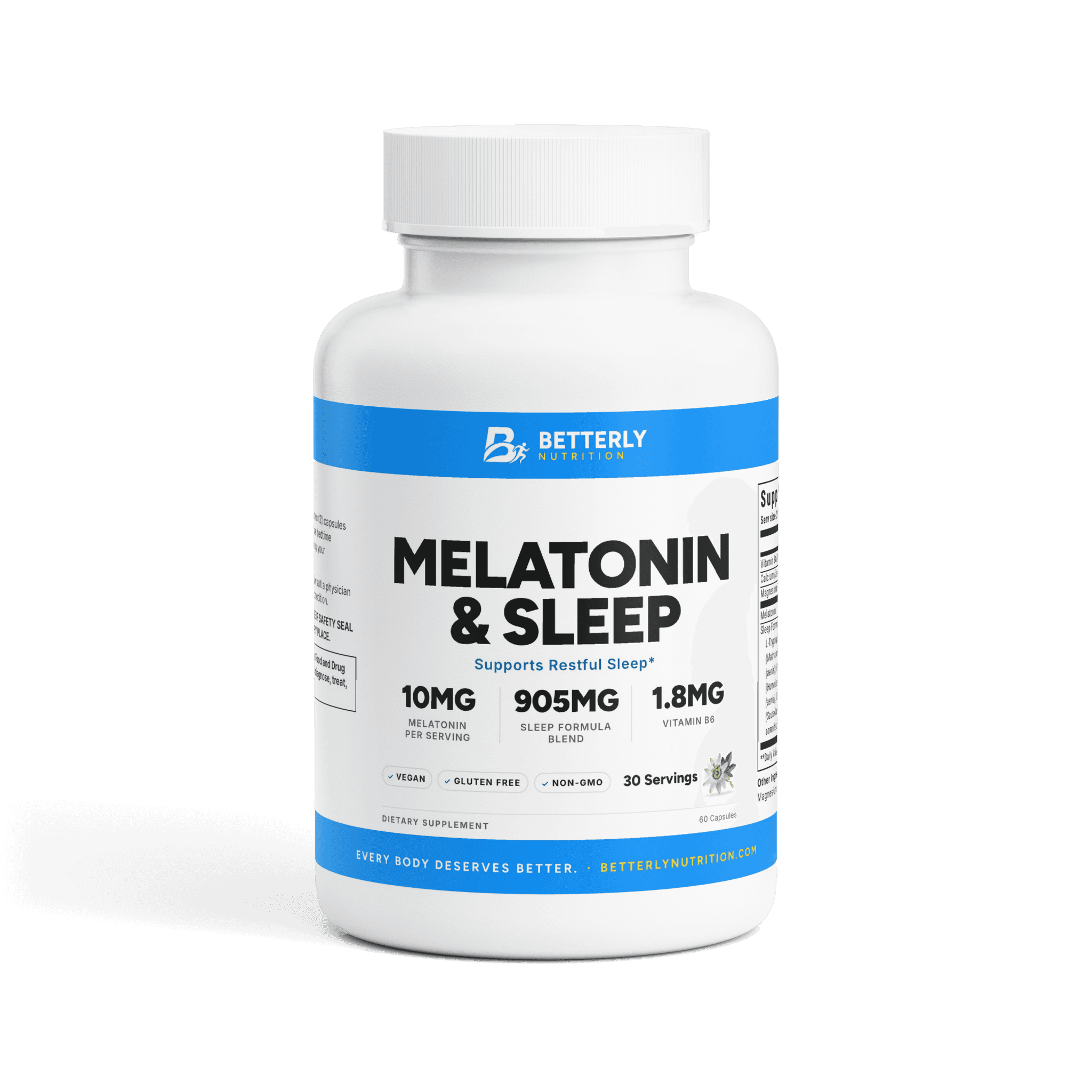
Our 10mg Melatonin Sleep Capsules do list both, but read the panel honestly: per 2-capsule serving it's 10 mg of melatonin and just 13 mg of magnesium (as magnesium citrate), plus a 905 mg proprietary blend. That makes it a melatonin product, not one product covering both tools, so if tension and timing are both in play, the magnesium half still needs its own source.
Our 10mg Melatonin Sleep Capsules' proprietary blend includes St. John's wort, which NCCIH warns can interact in dangerous ways with many medicines, so if you take any medication, check with your healthcare provider before using these capsules. Also note that 10 mg is 10 times the melatonin in our 1mg Melatonin Sleep Strips, which have 1 mg per 1-strip serving, so the strips are the lower-dose option if you'd rather keep it low. Either way, don't go past the label's suggested use.
Two honest caveats. First, if you're new to both, consider starting with one at a time so you can tell what's actually helping. Second, if you're under 18, take medications, are pregnant or nursing, or have an ongoing health condition, run any combination past a healthcare provider first. And if calming stacks interest you generally, we've also written about taking magnesium and ashwagandha together.
How to decide: match the tool to your kind of night
Skip the "which is better" framing and ask what your bad nights actually look like:
- Your body feels wired or tense at bedtime. Start with magnesium. It's the daily-foundation play, and the gentlest place to begin.
- Your mind races while your body is exhausted. Magnesium can be part of the answer, but routine matters more — we walk through a realistic evening reset in how to calm a racing mind at night.
- Your schedule is the problem — travel, shift changes, a bedtime that has drifted late. That's melatonin territory. Use it purposefully for the transition, then let your habits hold the new schedule.
- It's honestly both. Plan on two separate products: none of ours covers both at meaningful amounts (our 10mg Melatonin Sleep Capsules carry just 13 mg of magnesium per 2-capsule serving), so read the pairing notes above first.
- You'd rather skip melatonin entirely. Plenty of people prefer to, and there are solid options — we cover them in our honest guide to melatonin-free sleep supplements.
Still not sure? Default to magnesium. It's the lower-stakes choice — a nutrient you need anyway — and you can add melatonin later if a genuine timing situation shows up. You can browse everything we sell for evenings in the Sleep & Stress Relief collection.
Dosing and timing basics
For magnesium: take it in the evening (with food if your stomach is sensitive), and take it consistently as the label directs (three capsules once daily for our Magnesium Glycinate Capsules) — it's a foundation, not a light switch. More isn't better: according to the NIH Office of Dietary Supplements, adults shouldn't take more than 350 mg of magnesium a day from supplements and medications unless a healthcare provider advises it (our capsules provide 275 mg per 3-capsule serving), and high intakes can cause diarrhea, nausea and abdominal cramping.
For melatonin: less is more. Don't go past the label's suggested use, and let the label set the timing: for our 10mg Melatonin Sleep Capsules, that's two capsules once a day, 20-30 minutes before bedtime. Keep it for timing situations and keep the dose low.
For both: they support a sleep routine; they don't replace one. A consistent schedule, a dim evening, and daytime movement still do the heavy lifting — our full guide to the best supplements for better sleep puts all of this in one place.
FAQ: magnesium vs melatonin
What's the main difference between magnesium and melatonin?
Magnesium is an essential mineral involved in everyday muscle and nervous system function; you're meant to get it daily from food. Melatonin is a hormone your brain makes as light fades — a timing signal, not a nutrient. One is a daily foundation, the other is an occasional clock-adjuster.
Is magnesium or melatonin better for falling asleep faster?
In studies, both show modest effects at best. NCCIH describes the magnesium research as low quality and says melatonin mainly helped people fall asleep faster. Neither is dramatic. Choose based on the cause: tension points to magnesium, a shifted schedule points to melatonin.
Can I take magnesium and melatonin on the same night?
Many adults do. The two play different roles and are commonly combined, though there's little research on the pair. Just don't count on a combo label for the magnesium: our 10mg Melatonin Sleep Capsules list only 13 mg of it per 2-capsule serving. If you take medications or have a health condition, check with a provider first.
How should I use melatonin for jet lag?
Use it purposefully around the trip: a low dose taken before your destination bedtime helps signal "night" to a body still on home time. Keep the dose small — stay within the label's suggested use — and drop it once your schedule settles.
Will melatonin make me groggy the next morning?
It can. NCCIH notes that melatonin may stay active longer in older people and cause daytime drowsiness. Stick to the label's suggested use and timing (for our 10mg Melatonin Sleep Capsules, 20-30 minutes before bedtime) rather than taking more, and talk to a provider if grogginess continues.
Is it OK to take magnesium every night?
For most people, a nightly magnesium habit at label doses is a reasonable long-term routine, since it's a nutrient your body uses daily. Very high amounts can upset digestion, so resist the more-is-better instinct — and loop in your provider if you have kidney concerns or take medications.
Sources
- Sleep and Complementary Health Approaches (NCCIH)
- Melatonin: What You Need To Know (NCCIH)
- St. John's Wort: Usefulness and Safety (NCCIH)
- Magnesium: Fact Sheet for Consumers (NIH Office of Dietary Supplements)
If this left you looking for somewhere to start, read magnesium glycinate for a melatonin-free wind-down — its amounts per serving are listed on the page. For the practical questions this raises, how dosing, sourcing and subscriptions work is answered in one place.