On this page
Stress is part of being human, and no herb is going to make deadlines, sleepless nights, or a busy life disappear. But a group of plants called adaptogens has earned a lot of curiosity for a simple reason: they may help support your body's own ability to stay balanced when life gets demanding. Here's an honest, plain-English look at what adaptogens are, how they're thought to work, and how to think about them as one small piece of a healthy routine.
What are adaptogens?
The word "adaptogens" describes a category of herbs and mushrooms traditionally used to help the body adapt to physical, mental, and environmental stress. Many of these plants have been used for centuries in traditions like Ayurveda and Traditional Chinese Medicine.
To be considered an adaptogen, a plant is generally expected to do three things: be non-toxic in normal amounts, help the body resist a wide range of stressors, and support a return to balance rather than pushing it in one extreme direction. That last idea is what makes adaptogens interesting. Instead of acting like a stimulant or a sedative, they're thought to be more like a thermostat, nudging the body back toward its normal, steady state.
It's worth being clear-eyed here. Adaptogens are an area of ongoing research, and the science is still developing. They aren't a cure for anything, and they won't fix stress at its source. What they may do is support your body's natural stress response so you feel a little more equipped to handle everyday pressure.
How adaptogens are thought to work
Most of the interest in adaptogens centers on a system called the HPA axis (short for hypothalamic-pituitary-adrenal axis). That's the network your body uses to manage its stress hormones, including cortisol. When you're under pressure, this system ramps up. When things settle, it's supposed to ramp back down.
The general idea is that adaptogens may help support a more balanced stress response within this system, so the ups and downs feel a little smoother. Keep in mind this is a broad, still-evolving picture rather than a precise switch you can flip. Different herbs seem to interact with the body in different ways, and researchers are still working out the details.
Common adaptogens worth knowing
There's no single "best" adaptogen, and each has its own personality. Here are a few of the most talked-about.
Ashwagandha
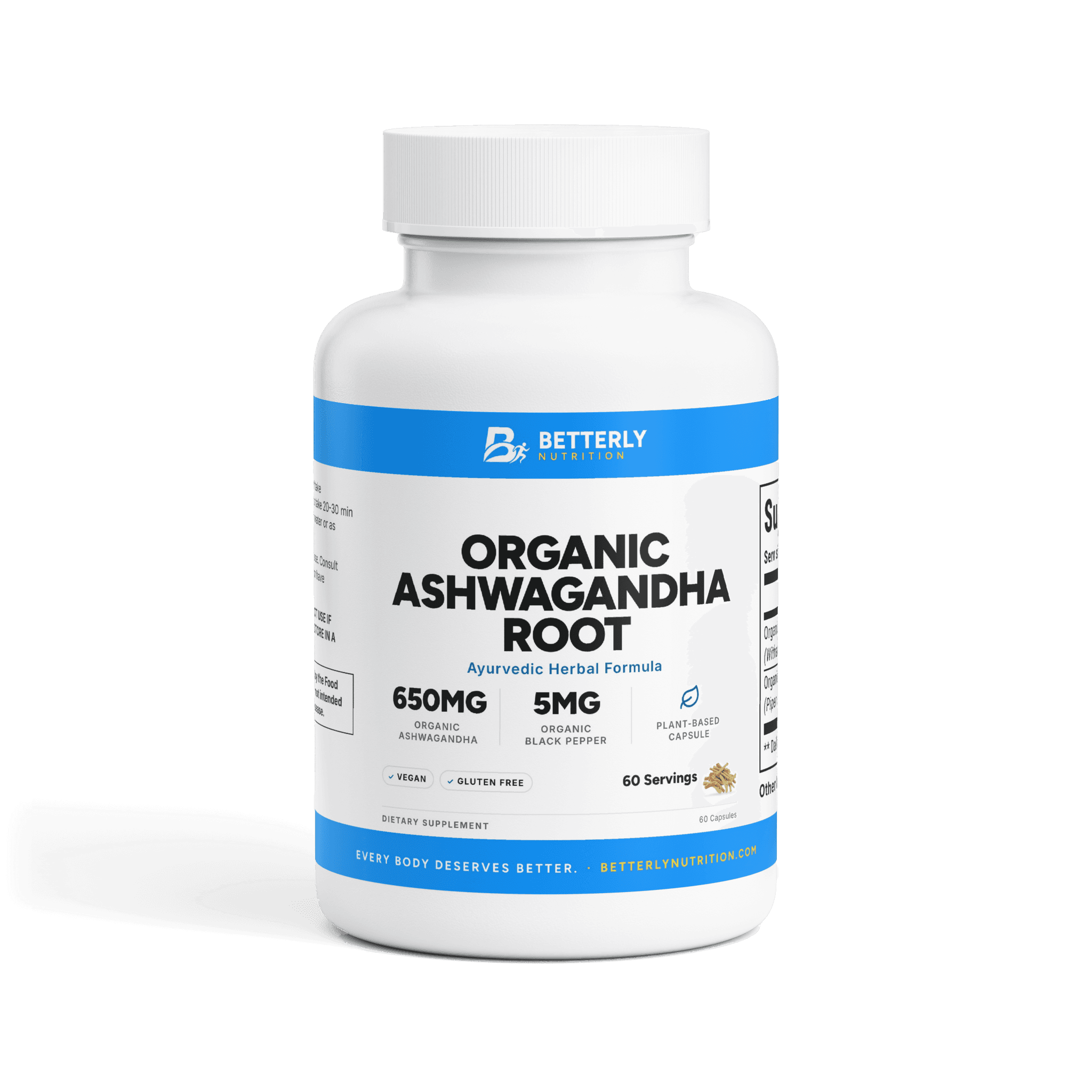
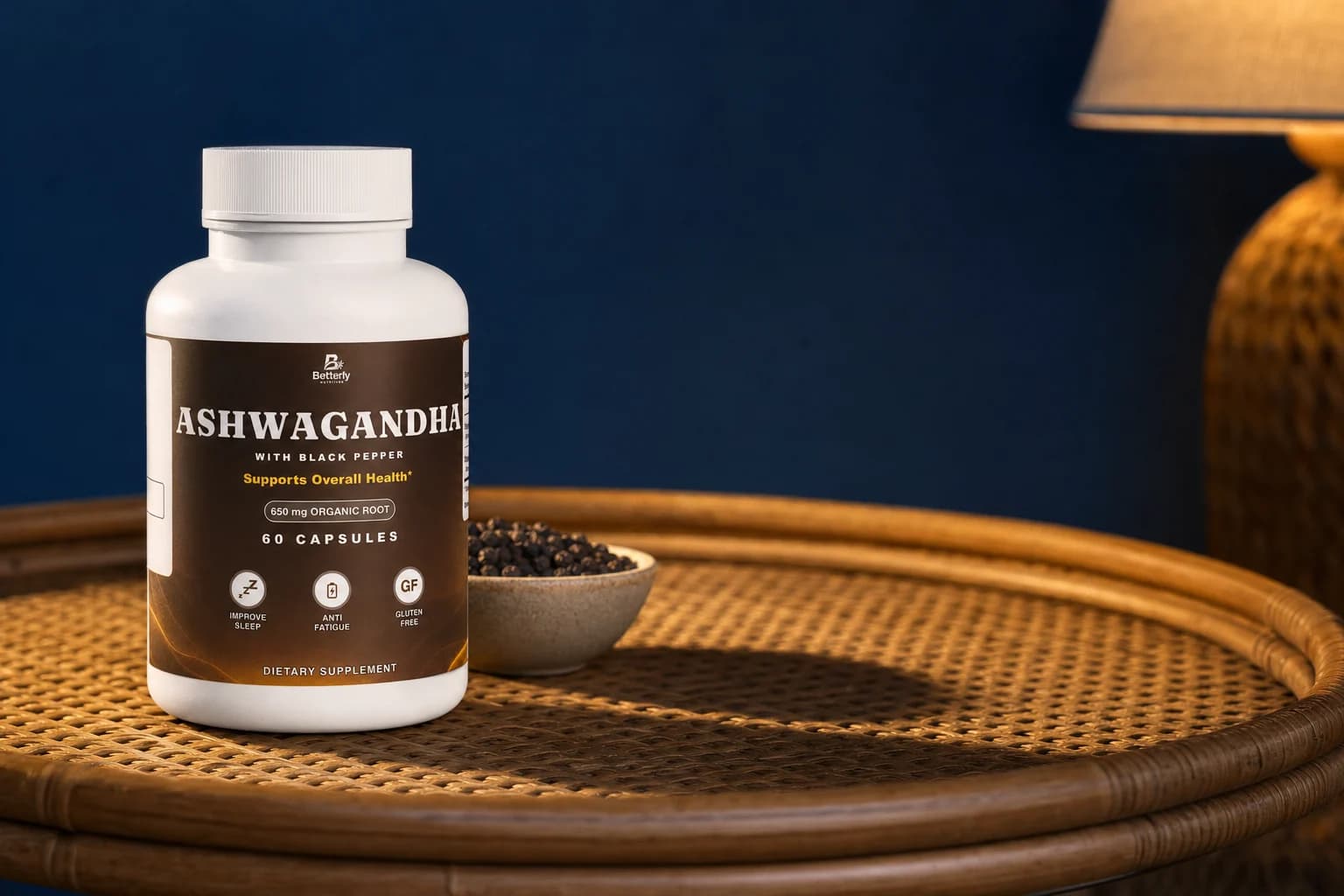
Ashwagandha is probably the most well-known adaptogen today. A staple of Ayurvedic tradition, it's commonly used to help support the body's response to everyday stress and promote a sense of calm. If you want to go deeper, we wrote a full guide on ashwagandha benefits and how to take it, and you can also see our own Organic Ashwagandha Root Capsules.
Rhodiola
Rhodiola rosea grows in cold, high-altitude regions. According to NCCIH, rhodiola has a long history of use in Russia, Scandinavia, and other parts of Europe. It's often used to help support stamina and mental focus during demanding stretches.
Holy basil (tulsi)
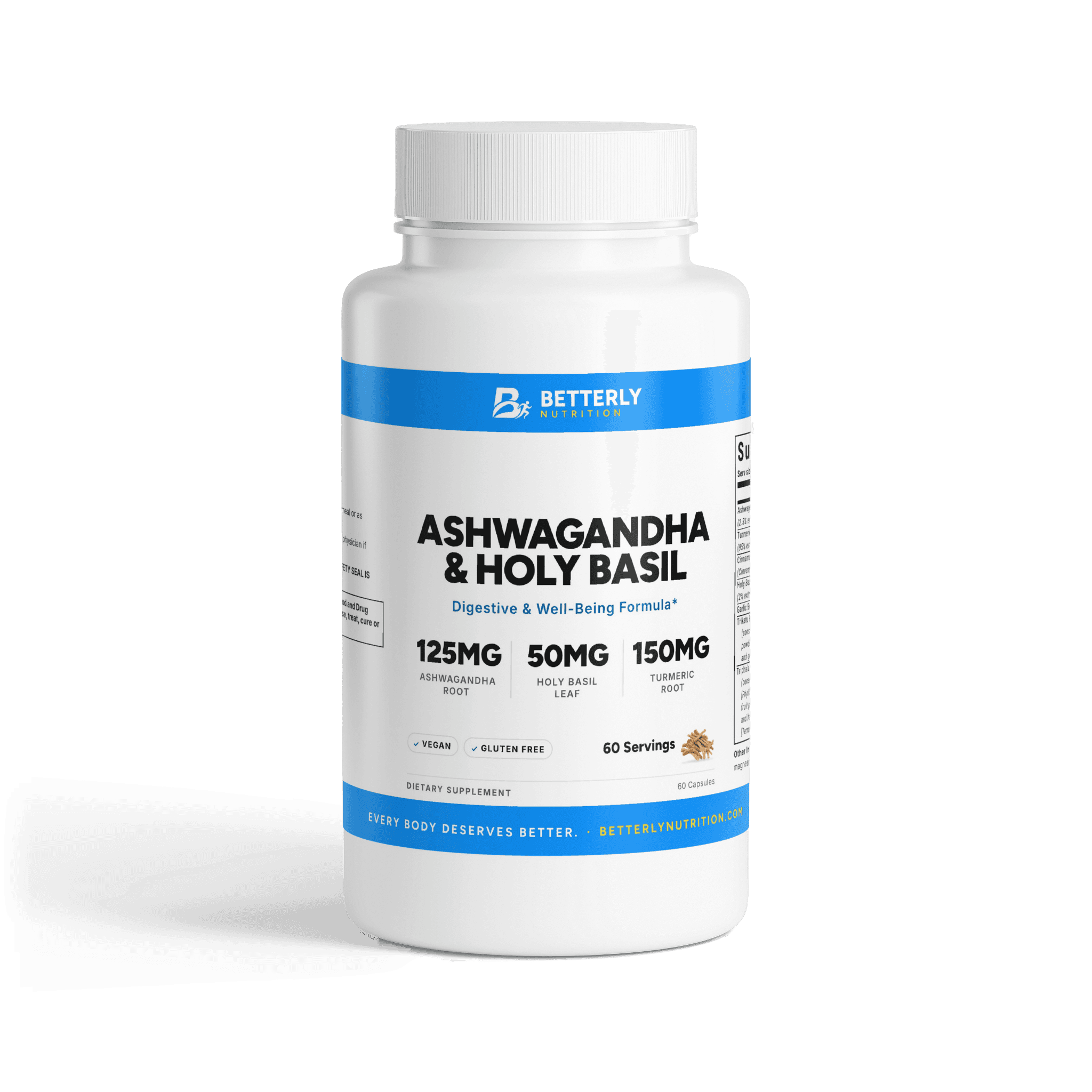
Holy basil, or tulsi, is revered in Ayurveda and is frequently used to help support a calm, balanced feeling. It's popular as a tea, which makes it an easy, low-effort way to build a small ritual into your afternoon.
Eleuthero
Sometimes called Siberian ginseng (though it isn't a true ginseng), eleuthero has traditionally been used to help support the body's endurance and resilience during periods of stress.
Functional mushrooms
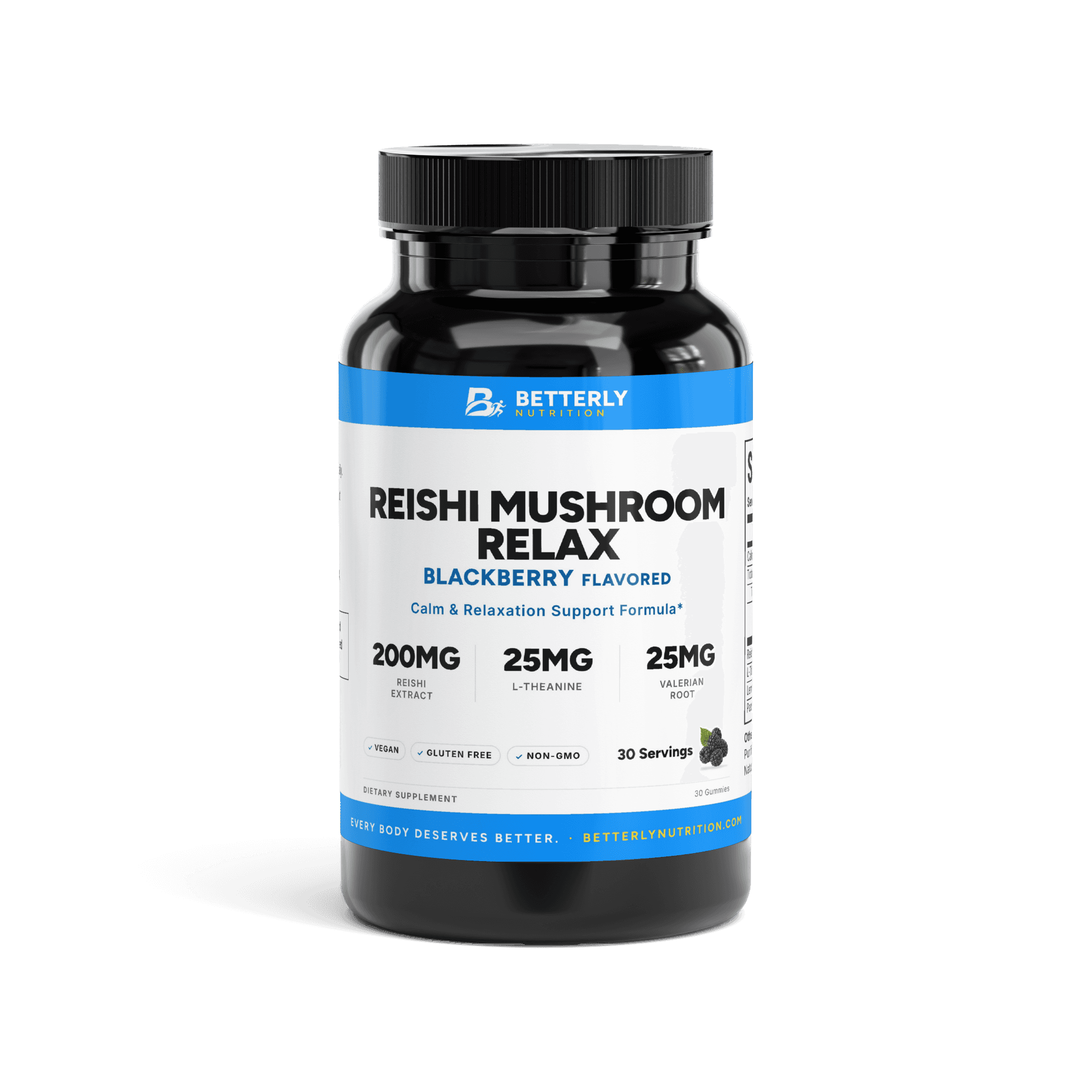
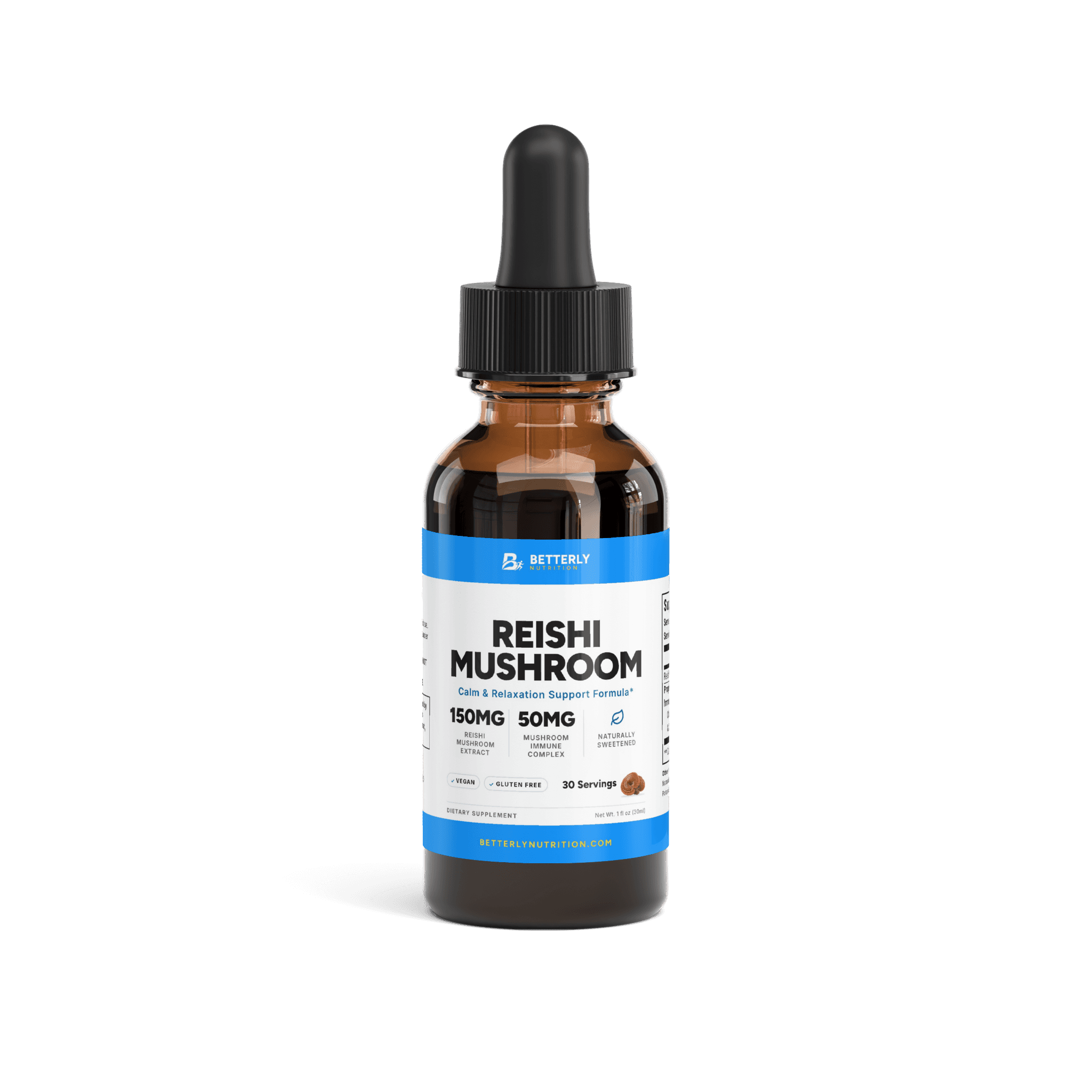
Certain mushrooms, like reishi and cordyceps, are sometimes grouped with adaptogens. Reishi is traditionally used to help support relaxation, while cordyceps is more often associated with supporting energy and stamina.
Do adaptogens actually help with stress?
Here's our honest take. According to the NIH Office of Dietary Supplements, several small clinical trials have looked at how ashwagandha may support the body's response to occasional stress, but the studies used different preparations and doses. Results also vary a lot from person to person, the studies differ in quality, and no supplement works the same way for everyone.
Adaptogens also aren't fast-acting in the way a cup of coffee is. They're generally taken as a daily routine, not once for an instant effect. If you try one, take it as its label directs and pay attention to how you actually feel rather than expecting a dramatic shift.
Most importantly, adaptogens work best as a supporting player, not the star. They can complement the fundamentals of managing stress but they can't replace them.
Fitting adaptogens into a healthy routine
If you're curious about trying an adaptogen, think of it as one small addition to a bigger picture. The foundations still do the heavy lifting:
- Sleep. Consistent, quality rest is one of the most powerful tools for handling stress. If sleep is your weak spot, our Sleep & Stress Relief collection is a good place to start.
- Food. Regular, balanced meals help keep your energy and mood steadier through the day.
- Movement. Even a short daily walk can take the edge off tension.
- Stress habits. Breathing exercises, time outside, and real breaks add up more than any single supplement.
Layer an adaptogen on top of those habits and you give it the best chance to be useful. Skip the foundations and no herb will carry the load on its own.
How to choose and use adaptogens wisely
A few practical pointers:
- Start simple. Try one adaptogen at a time so you can tell what's actually doing something.
- Look for clear labels. Choose products that state the specific herb, the form, and the amount per serving.
- Be consistent. Adaptogens aren't a one-dose, instant-effect ingredient, so take one as its label directs and check in with how you feel.
- Follow the label on timing. Take any adaptogen when and how its label directs. For our Organic Ashwagandha Root Capsules, the label's suggested use is one capsule twice a day, 20-30 minutes before a meal.
- Talk to a professional. Check with your healthcare provider first if you're pregnant, nursing, under 18, taking any prescription medication, scheduled for surgery, or managing a medical condition. According to the National Center for Complementary and Integrative Health, ashwagandha should be avoided during pregnancy and breastfeeding, has been linked to rare cases of liver injury, and may be safe in the short term (up to 3 months).
Key takeaways
- Adaptogens are herbs and mushrooms traditionally used to help the body adapt to stress and stay in balance.
- They're thought to support the body's stress-response system, but the science is still developing and they aren't a cure for anything.
- Popular options include ashwagandha, rhodiola, holy basil, and eleuthero, each with its own traditional uses.
- They're meant for steady daily use, not a single dose.
- They're a supporting player, most helpful alongside good sleep, balanced food, movement, and healthy stress habits.
If a straightforward place to start sounds right, our Organic Ashwagandha Root Capsules provide 650 mg of organic ashwagandha root and 5 mg of organic black pepper per 1-capsule serving, and the label's suggested use is one capsule twice a day, 20-30 minutes before a meal. You can browse the full Sleep & Stress Relief collection whenever you're ready. No miracles promised. Just one small, doable step toward feeling a little more balanced.
Sources
- Ashwagandha: Usefulness and Safety (NCCIH)
- Rhodiola: Usefulness and Safety (NCCIH)
- Ashwagandha Fact Sheet for Health Professionals (NIH Office of Dietary Supplements)
If this left you looking for somewhere to start, read ashwagandha for everyday stress support — its amounts per serving are listed on the page. For the practical questions this raises, how dosing, sourcing and subscriptions work is answered in one place.