On this page
If you've spent any time in the wellness corner of the internet, you've probably seen the word "nootropics" thrown around — usually right next to some big promise about laser focus or genius-level productivity. So what are nootropics, really, and are they worth your attention? Let's cut through the hype and walk through what these ingredients actually are, in plain English.
What are nootropics?
"Nootropic" is an umbrella term for substances people use to support aspects of everyday mental performance — things like focus, memory, and clarity. The word was coined back in the 1970s by a Romanian psychologist named Corneliu Giurgea, and it's grown into a catch-all category ever since.
Here's the honest part: the label covers a huge range of things. Some are as familiar as your morning coffee. Others are botanicals and nutrients you might recognize from a supplement aisle. What they have in common is that people take them hoping to support how their brain feels and functions during a normal day.
One thing nootropics are not: magic pills. They won't rewrite your abilities or turn a rough night's sleep into a sharp morning. At their best, certain ingredients may help support the mental performance you already have — especially when the rest of your routine is reasonably solid.
The main types you'll come across
Nootropics aren't one single thing, so it helps to sort them into a few loose groups.
Everyday nootropics you already know
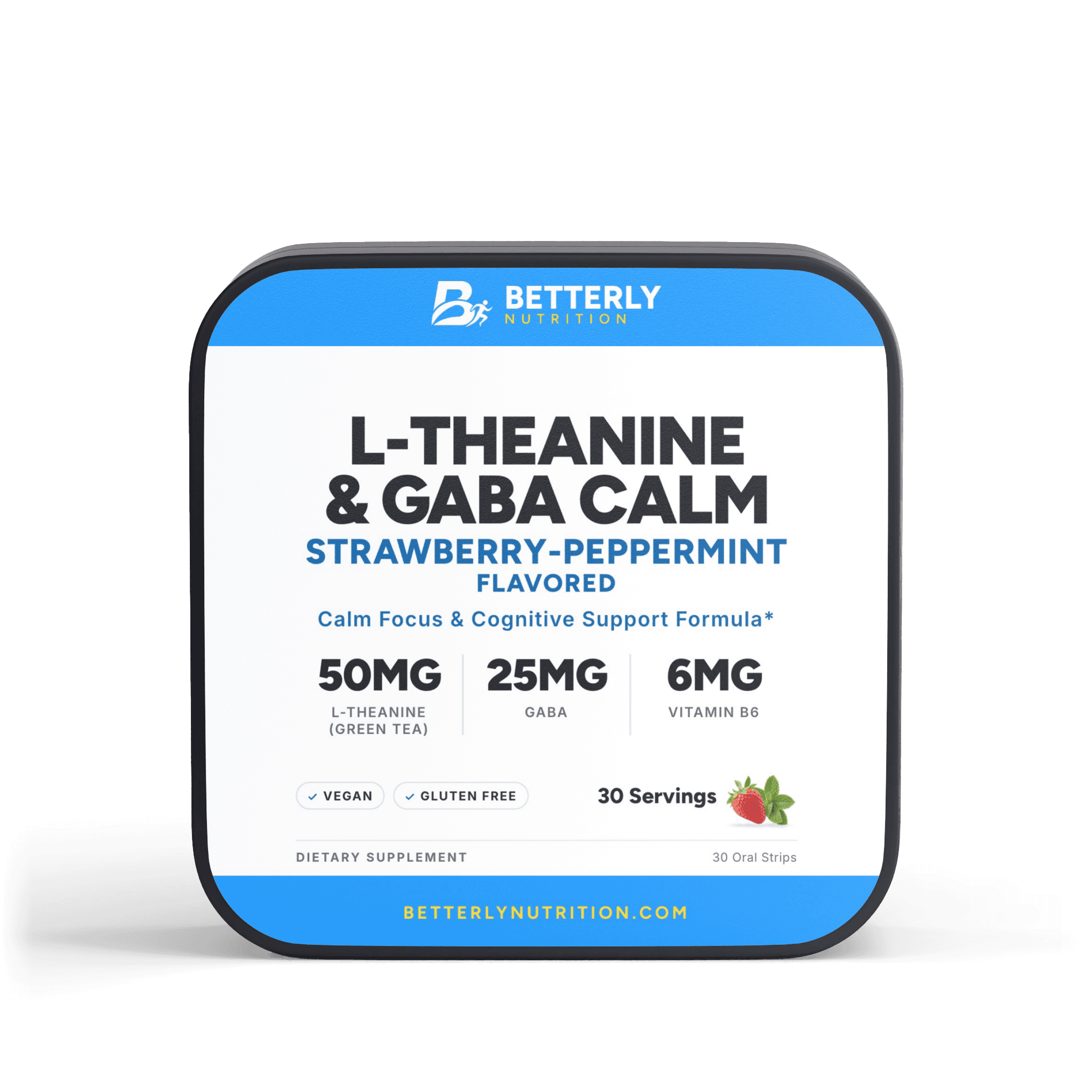
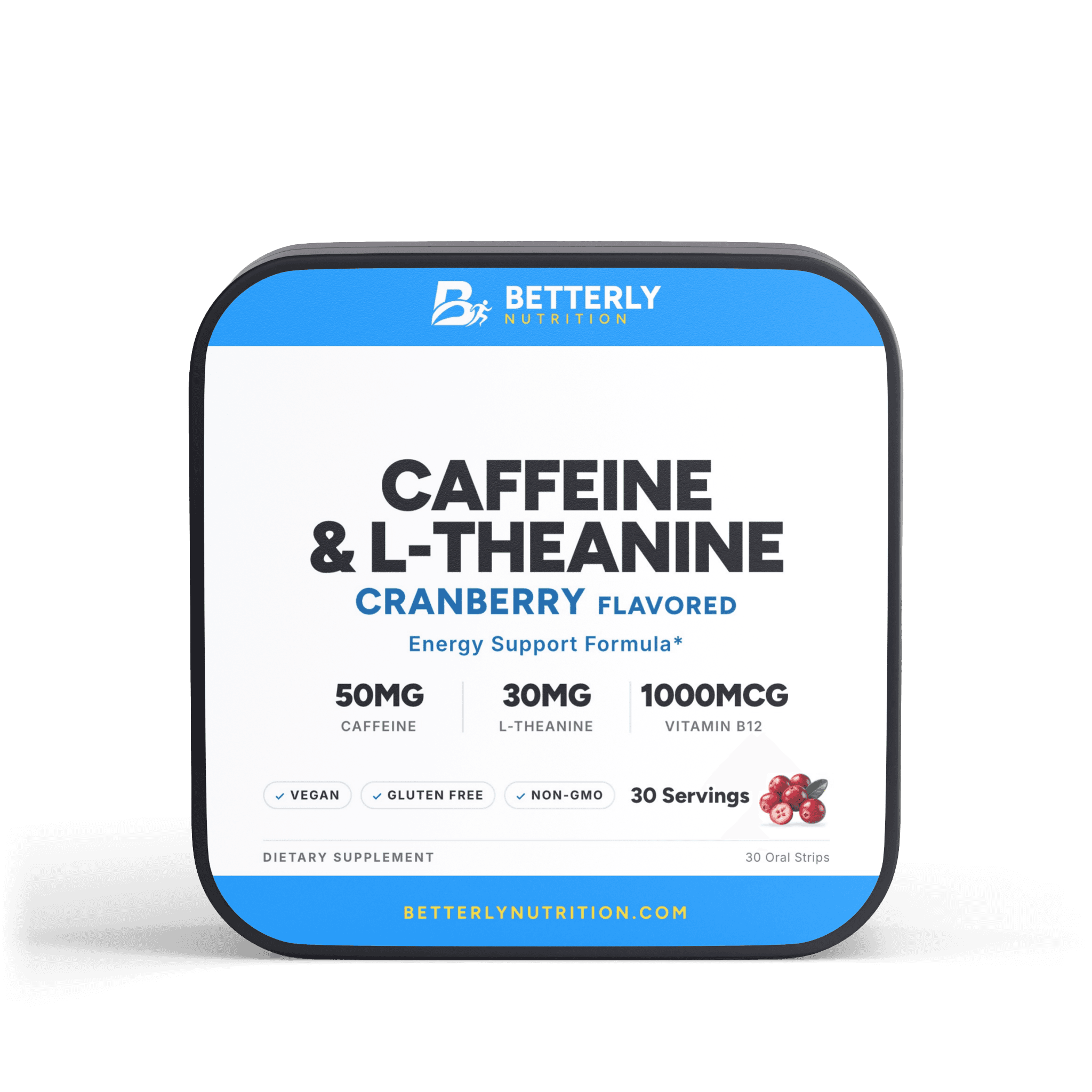
You've almost certainly used one of these. Caffeine is the most common — it's associated with feeling more alert and awake. L-theanine, an amino acid found in green tea, is often paired with caffeine because many people find the combination feels a little smoother than caffeine alone. These aren't exotic; they're just familiar ingredients that happen to fit the category.
Botanicals and adaptogens
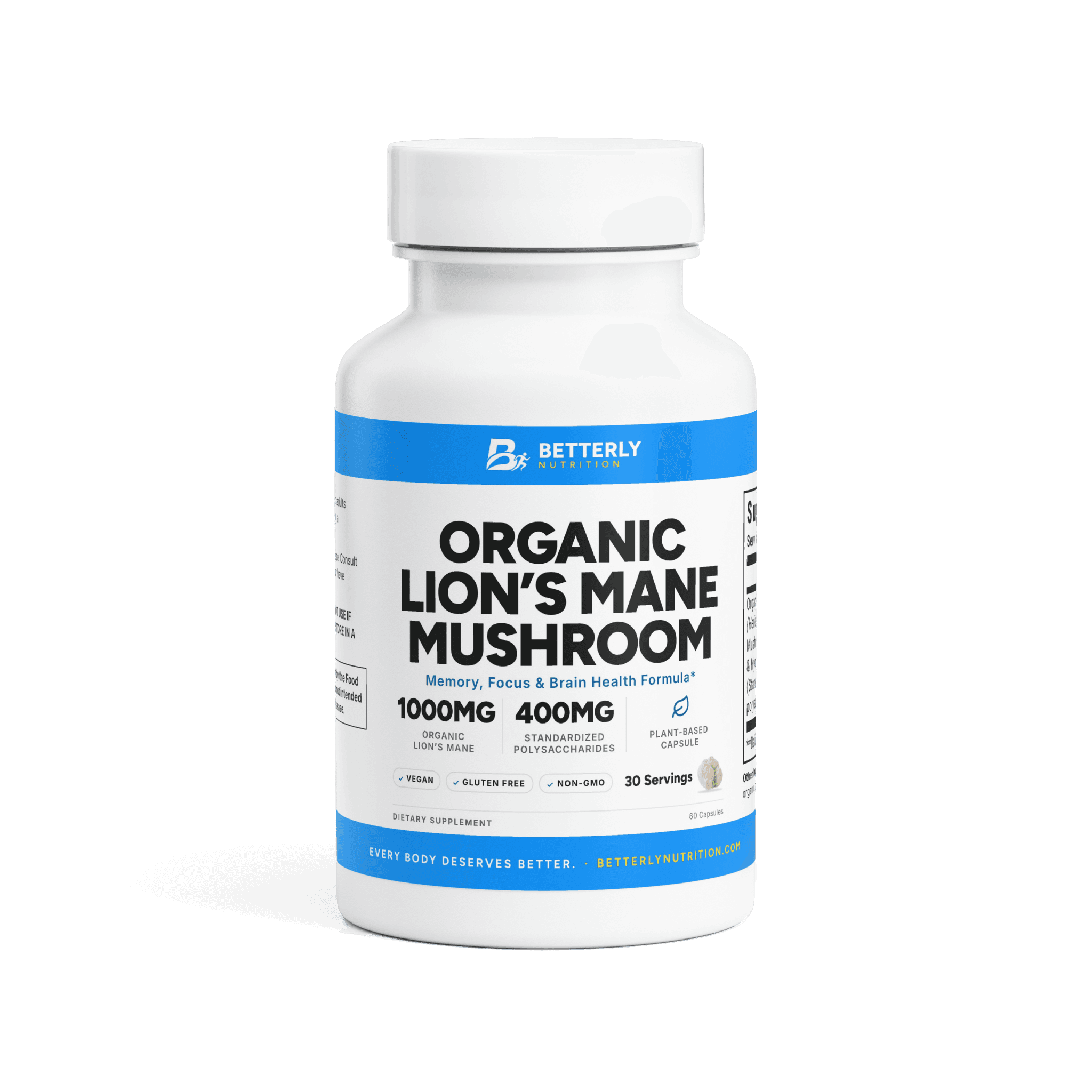
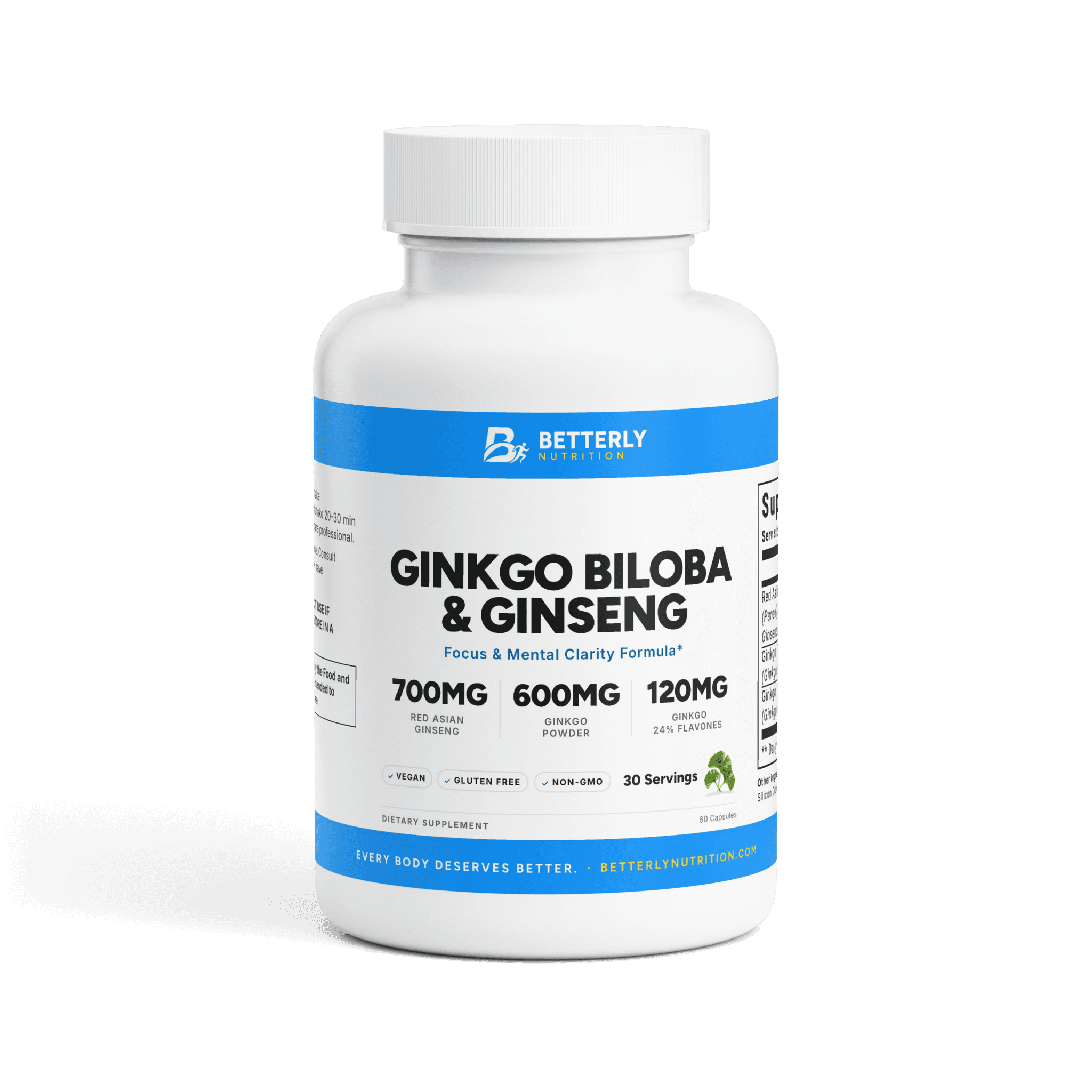
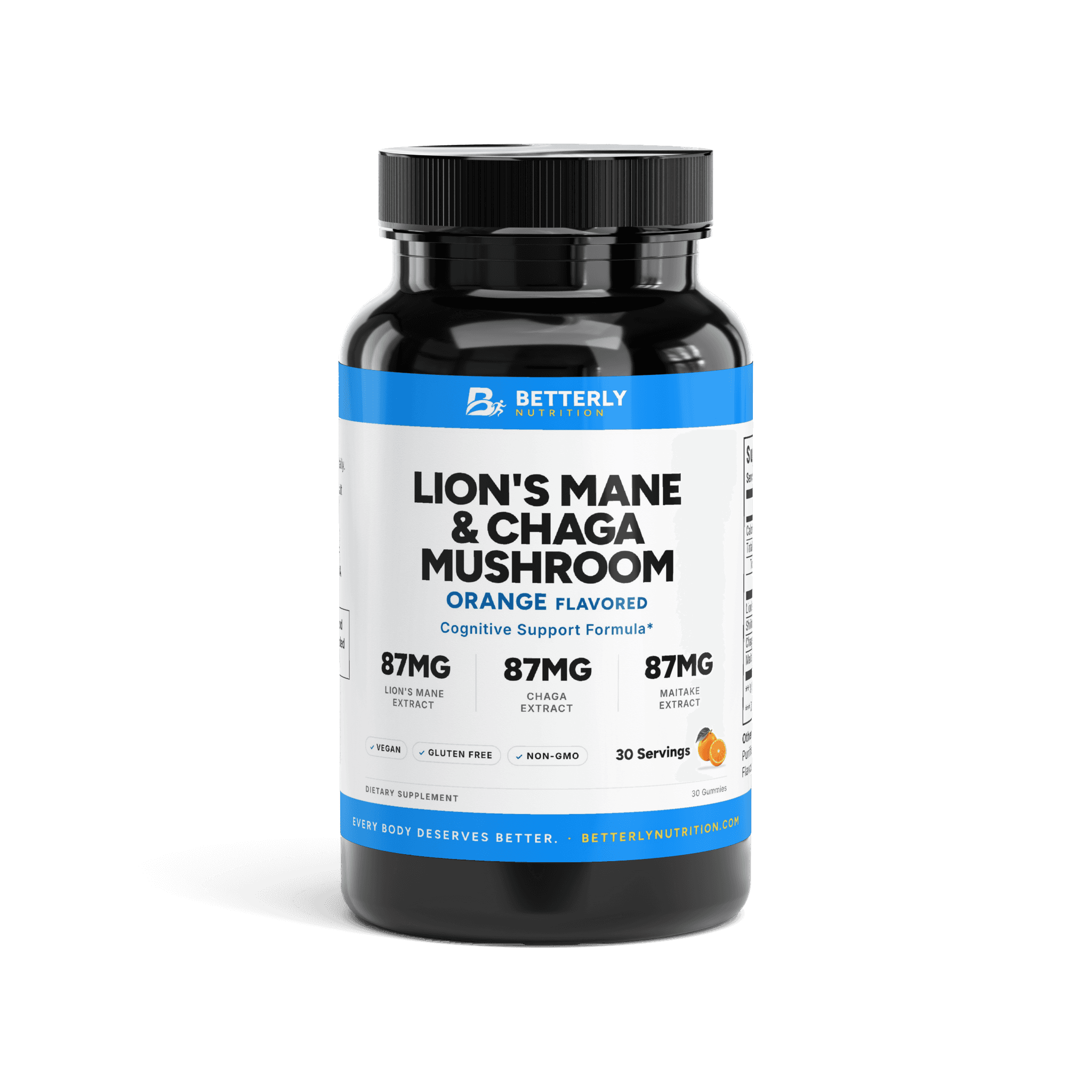
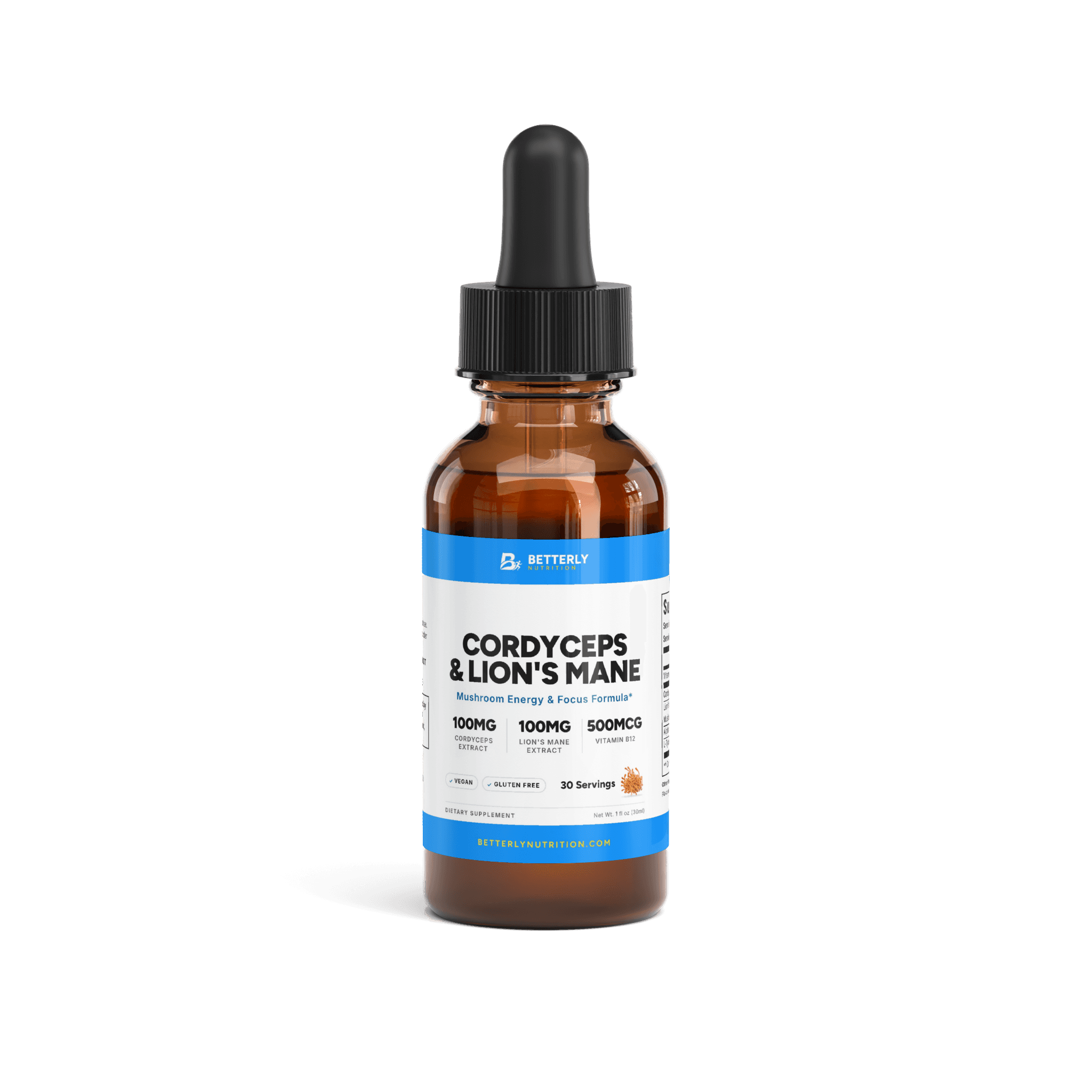
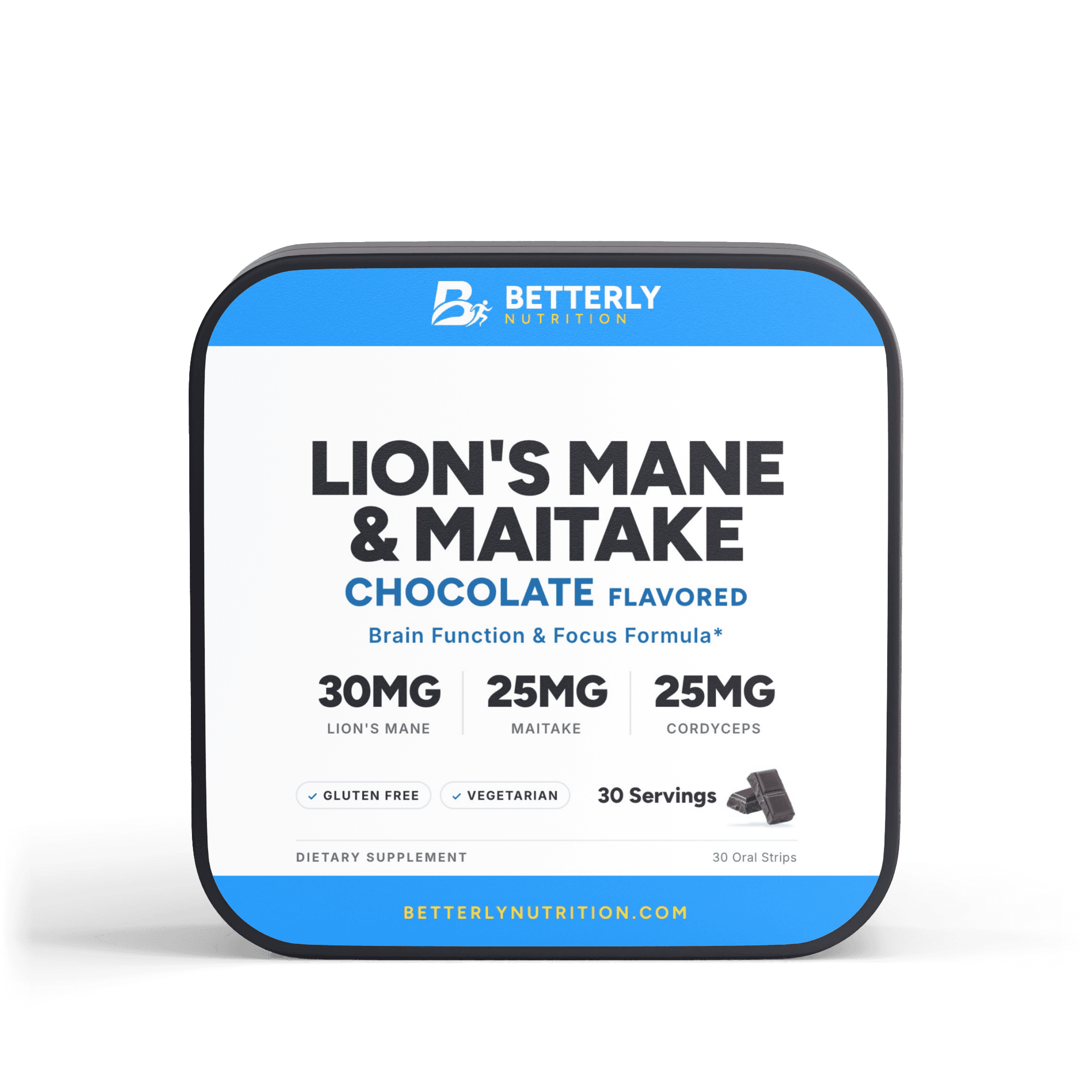
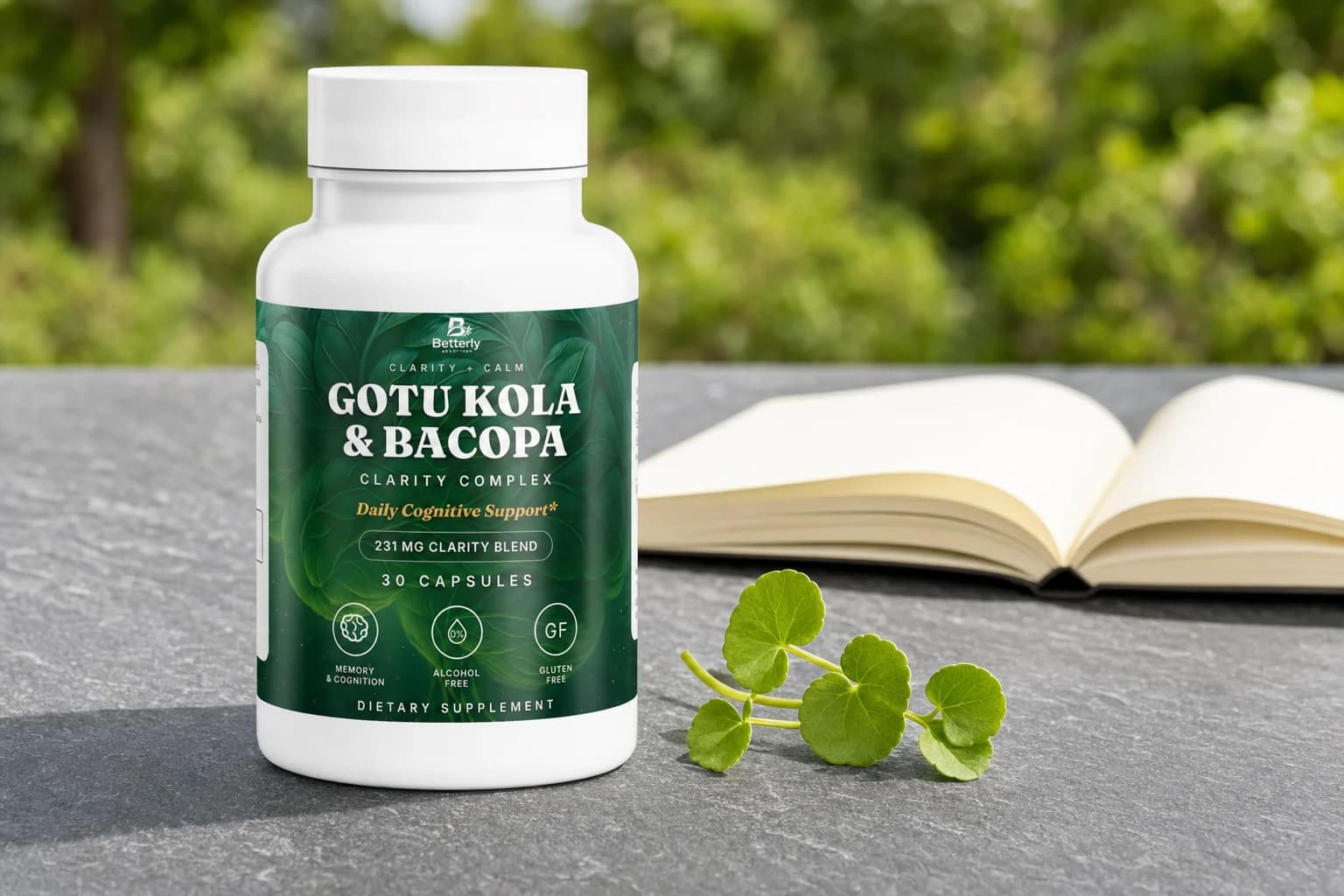
This group includes plant-based ingredients that have long traditions of use. You'll see names like bacopa, ginkgo, rhodiola, and lion's mane mushroom. Adaptogens in particular are talked about in the context of helping the body cope with everyday stress — and since stress and focus are closely linked, they often land in the "nootropic" conversation.
Vitamins and nutrients
Some of the most under-appreciated brain supporters are simply nutrients your body already relies on. B vitamins play a role in normal energy metabolism and nervous system function. Omega-3 fatty acids (the kind found in fish oil) help support normal brain function. Choline is another nutrient people associate with cognition. None of these are flashy, but they're foundational.
What nootropics can — and can't — do
This is where it's worth being really clear, because the marketing around nootropics can get carried away.
Depending on the ingredient, nootropics may help support normal cognitive function, help you maintain focus during a busy stretch, or support the feeling of mental clarity. That's the honest, realistic frame.
What they can't do is fix an underlying problem, replace sleep, or override a routine that isn't serving you. If you're consistently foggy, exhausted, or struggling to concentrate, no capsule is the answer on its own — and that's a conversation worth having with a healthcare professional rather than a supplement label.
Do nootropics actually work?
The honest answer: it depends on the ingredient, the person, and the expectations.
The research is genuinely mixed. Some ingredients have more evidence behind them than others, and even the well-studied ones tend to produce modest, gradual effects rather than dramatic ones. Individual response varies a lot, too — what someone swears by might do very little for you, and vice versa.
That's not a reason to write nootropics off. It's a reason to keep your expectations grounded. If you go in expecting a subtle, supportive nudge rather than a transformation, you're far more likely to feel good about the experience — and far less likely to overspend chasing a promise that was never realistic in the first place.
Nootropics are one piece of a much bigger puzzle
Here's the thing we'll always come back to at Betterly: a supplement is a supporting player, not the whole team.
The everyday habits that shape how your brain feels are the unglamorous ones. Sleep is probably the single biggest lever — it's hard to overstate how much a consistent night's rest supports focus and memory. What you eat matters, especially steady meals and enough water. Movement supports healthy blood flow and mood. And managing stress, even in small ways, frees up mental bandwidth that stress quietly eats away.
If your focus has been slipping, it's genuinely worth starting there before reaching for anything in a bottle. We wrote a whole practical guide on this — Natural Ways to Support Focus — and it's a good companion to this article. Think of nootropics as something that may complement those foundations, not stand in for them.
How to get started thoughtfully
If you're curious and want to explore, a slow and simple approach tends to serve people best.
- Start with the basics. Shore up sleep, food, and movement first, so you can actually tell whether a supplement is adding anything.
- Introduce one thing at a time. If you stack five ingredients at once, you'll never know what's doing what.
- Read the label. Look for clear ingredient amounts and avoid products leaning on vague, over-the-top promises.
- Be consistent. Take it as the label's suggested use describes, rather than judging an ingredient in a single afternoon.
- Loop in a professional. If you take medication, are pregnant or nursing, or have a health condition, check with your doctor or pharmacist before adding anything new.
Key takeaways
- Nootropics are an umbrella term for ingredients people use to support focus, memory, and clarity — from caffeine to botanicals to everyday nutrients.
- They may help support normal cognitive function, but they don't replace sleep, food, movement, or stress management.
- Effects tend to be subtle and gradual, and they vary from person to person.
- The smartest approach is to build a solid routine first, then add one thing at a time and give it a fair chance.
A gentle next step
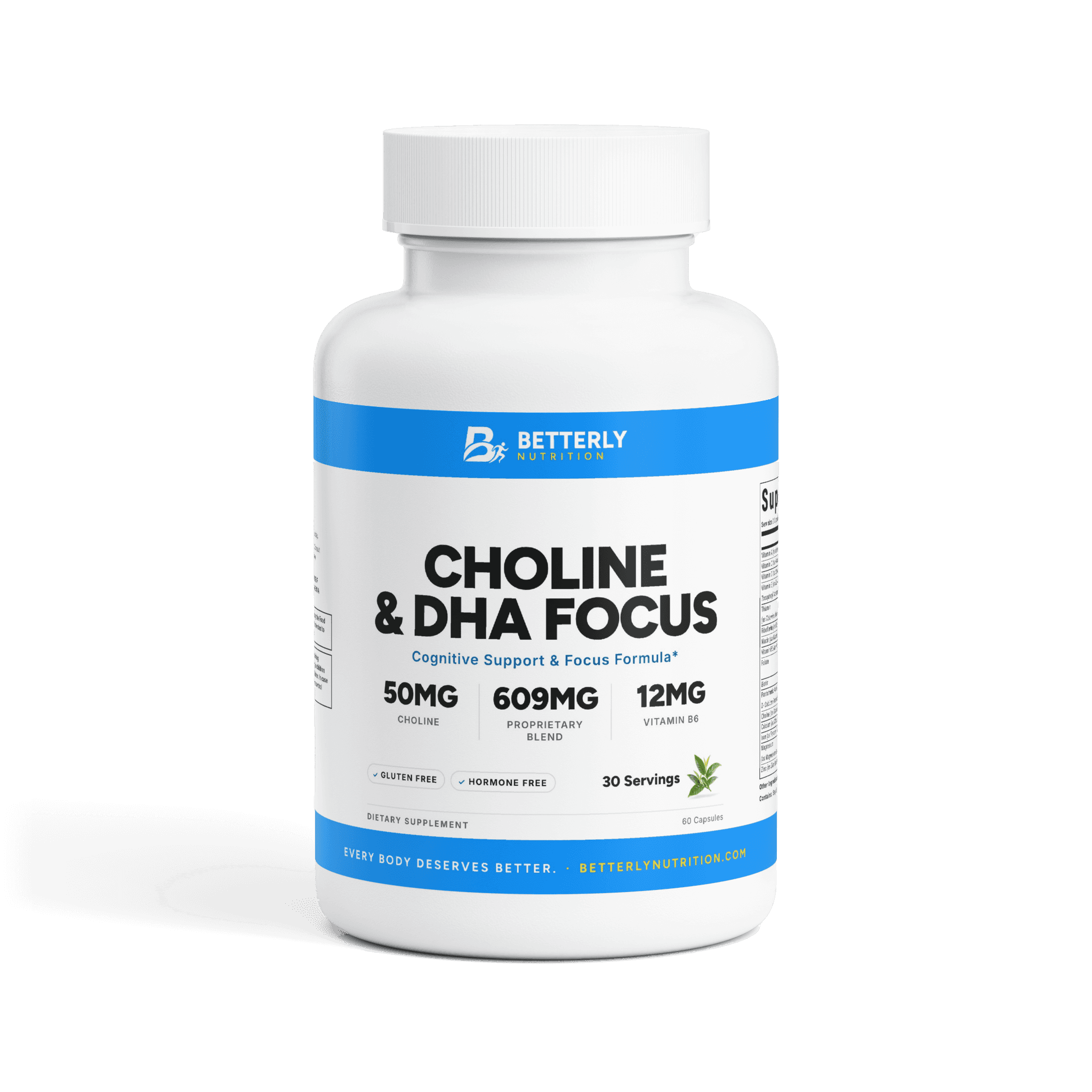
If you'd like to explore supplements made to support focus and clarity as part of a healthy routine, you're welcome to browse our Nootropics & Focus collection or take a closer look at our Choline & DHA Focus Capsules. No pressure, no miracle claims — just thoughtfully made options for when you're ready. Better feel, made a little more doable.
If this left you looking for somewhere to start, read a starter focus blend with choline, B vitamins and bacopa — its amounts per serving are listed on the page. For the practical questions this raises, how dosing, sourcing and subscriptions work is answered in one place.