On this page
Bacopa monnieri is a small, creeping herb that grows in the wetlands of India, and it has one of the longest track records of any botanical taken for the mind — centuries of use in Ayurveda, where it's known as brahmi. The most talked-about bacopa monnieri benefits center on memory and focus, and the research behind them comes with a twist most supplement marketing skips right past: bacopa appears to be a slow herb. In studies, the interesting results show up after weeks of consistent use, not the same afternoon.
That's not a footnote — it's the whole personality of this plant. If you buy bacopa expecting an espresso-style jolt, it isn't that kind of herb. The studies gave it daily for about 12 weeks, and that's the context for everything they reported. This guide walks through what bacopa is, how it's thought to work, what research genuinely suggests, and how to choose a supplement worth your patience.
What is bacopa monnieri?
Bacopa monnieri is a low-growing plant with small, fleshy leaves and white flowers. It thrives in marshes, muddy shorelines, and shallow water — you'll sometimes see it sold as an aquarium plant under the name "water hyssop." It's humble-looking. Nothing about it suggests it would become one of the most-studied herbs in the focus category.
In Ayurveda, the traditional herbal system of India, bacopa is called brahmi — a name that traces back to Brahma, the creator deity — and it's classed among the "medhya rasayana," herbs traditionally associated with the mind and intellect. Stories describe scholars using it while committing long texts to memory. That's tradition, not evidence, but it explains why modern researchers picked this particular plant out of thousands to study.
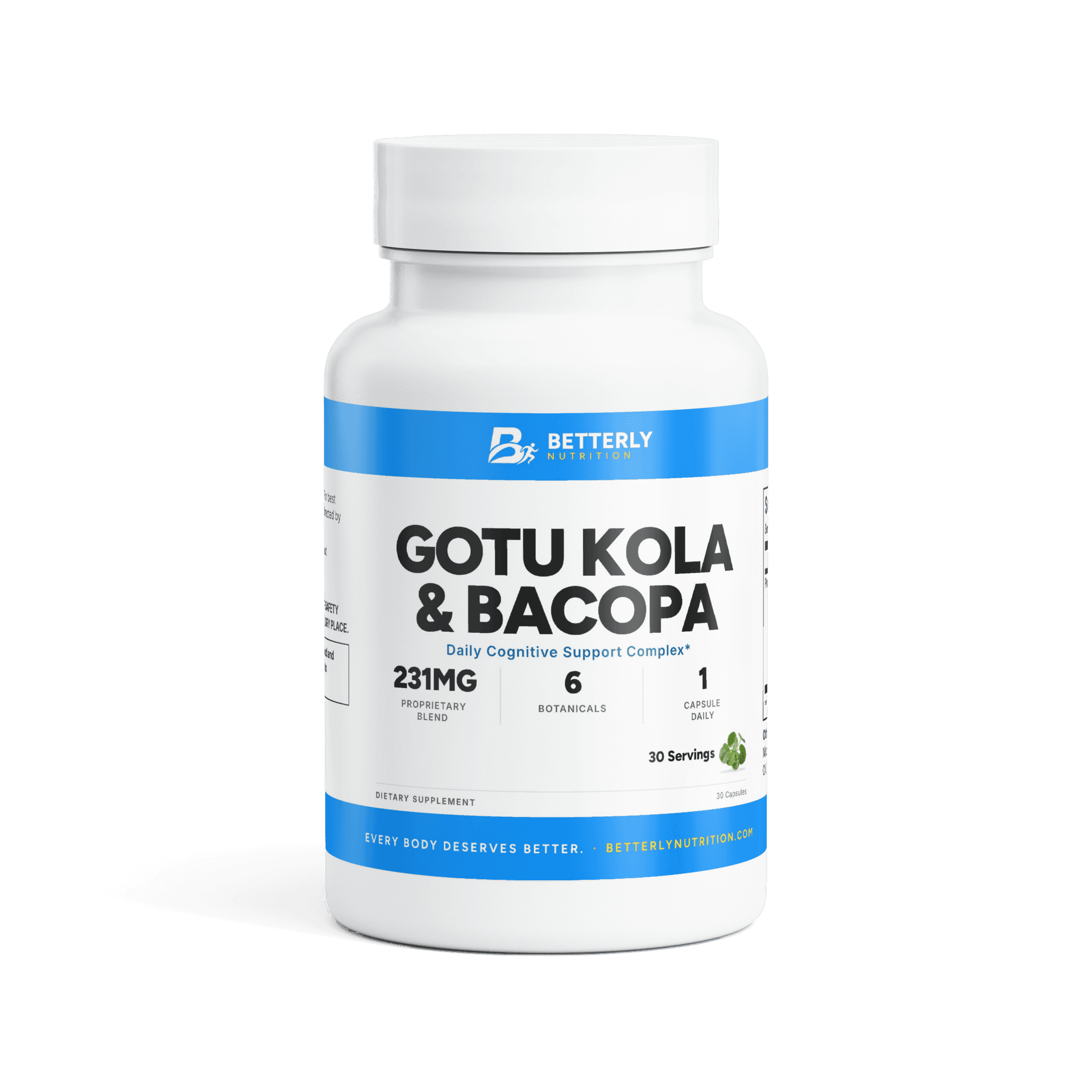
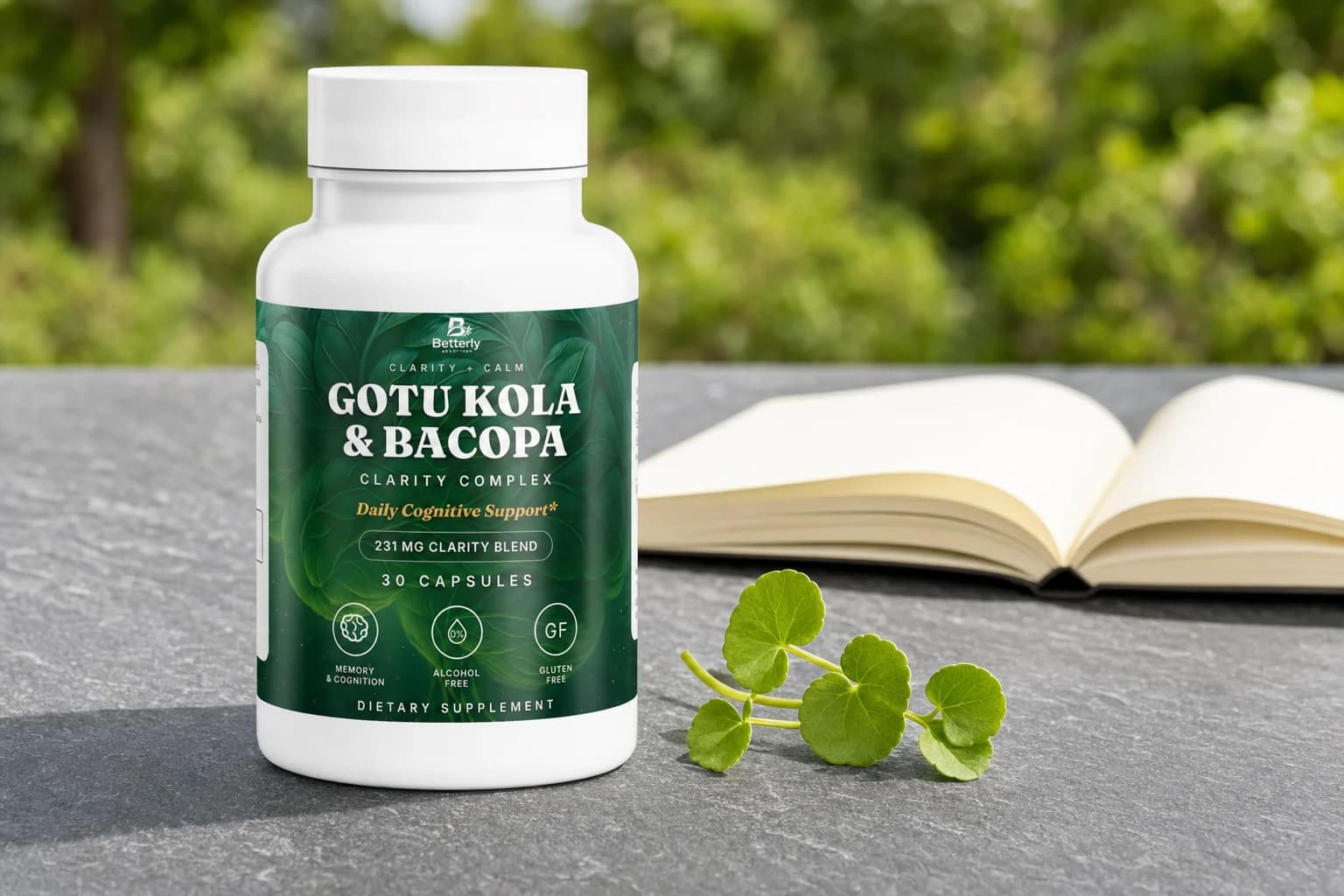
One naming wrinkle worth knowing: in some regions of India, "brahmi" can also refer to a completely different plant — gotu kola. The two herbs are separate species with separate research, but they've been traditional companions for centuries, which is why you'll sometimes find them formulated together (our Gotu Kola & Bacopa Capsules pair them deliberately, alongside four other botanicals). If you're buying a brahmi supplement, check the label for the Latin name so you know which plant you're actually getting.
Meet the bacosides: how bacopa is thought to work
The compounds researchers care about in bacopa are called bacosides — a family of saponins, with bacoside A and bacoside B getting most of the attention. When you see a bacopa extract standardized to "50% bacosides," these are the molecules being measured.
How do they work? Honestly, nobody can give you a complete answer yet. Lab and animal research suggests bacosides may play a role in how brain cells communicate with each other, and bacopa shows antioxidant activity in those same models. Some researchers think the herb supports the housekeeping side of the brain's work — the slow, structural stuff — rather than flipping any switches.
That hypothesis matches what people report: bacopa doesn't feel like a stimulant, because it isn't one. There's no caffeine in the herb and no acute buzz. Whatever it does, it seems to do quietly and gradually — which brings us to the research.
What research suggests about bacopa for focus and memory
Bacopa has something many botanicals don't: a stack of randomized, placebo-controlled human studies. Most followed a similar recipe — roughly 300 mg per day of an extract standardized to around 50–55% bacosides, taken daily for 8 to 12 weeks.
Across several of these studies, the bacopa groups scored better than placebo on specific memory tasks: verbal learning (how well you pick up new word lists), memory consolidation (how much sticks around later), and the speed of processing newly learned information. A number of the studies were run in healthy older adults; others looked at healthy younger adults with broadly similar patterns.
Now the honest part, because a supplement company telling you only the good half isn't doing you any favors:
- The studies are small. Most enrolled somewhere between 40 and 100 people. Encouraging, not conclusive.
- Results are mixed. Some trials found differences on several measures; others found differences on only a few, or none. That's normal for nutrition research and worth keeping in mind.
- The wins are lab tasks. "Recalled more words from a list" is a real, measurable outcome — but it's not the same as "aced the presentation." Translate expectations accordingly.
- Effects were gradual. Studies measuring at multiple points generally found the differences at the later checkpoints, not the early ones.
So the fair summary is this: research suggests bacopa may support memory and the way you process new information, with the most consistent signals showing up after two to three months of daily use. That's a genuinely interesting profile. It's just not a dramatic one — and anyone who tells you otherwise is selling harder than the data allows.
Why were bacopa studies 12 weeks long?
Bacopa is studied as a daily, long-term herb, so it helps to know how the research was set up.
In the main trials, memory was tested at the start and again at about 12 weeks, and one also checked at week 5; in that trial, the differences were largest at 12 weeks. These long-term studies weren't designed to look for same-day effects.
In practice, that makes bacopa a daily-habit herb rather than a same-day one. Take any product as its label directs, and talk with your healthcare provider about whether it suits you.
Forms of bacopa and how to choose one
Walk into the bacopa aisle (or scroll it) and you'll meet three main formats. Here's how to think about them.
Whole-herb powder. Dried, ground bacopa leaf — closest to the traditional preparation. The catch: the bacoside content of raw herb varies a lot depending on where and how it was grown, so two scoops from two brands can be very different things. Fine for tradition-minded users; hard to dose consistently.
Standardized extract. The herb is concentrated so that a stated percentage of the material is bacosides — commonly somewhere between 20% and 55%. This is the format used in most of the human research, and it's the one to prefer if you care about matching the studies. The label should state both the extract amount and the standardization percentage. If a product just says "bacopa blend, 500 mg" with no percentage, you have no idea how much of the active material you're getting.
Blends. Bacopa formulated alongside complementary ingredients. This is a sensible route if you want one capsule instead of five — just apply the same rule: the label should tell you exactly what's inside. (Our own bacopa formulas use proprietary blends, which list every ingredient but not each one's individual amount. More on that below.)
Within our own Nootropics & Focus collection, bacopa shows up three ways, which maps neatly onto three kinds of users:
- Gotu Kola & Bacopa Capsules — a 231 mg six-botanical proprietary blend per 1-capsule serving, 30 capsules per bottle, pairing the two "brahmi" herbs the traditional way.
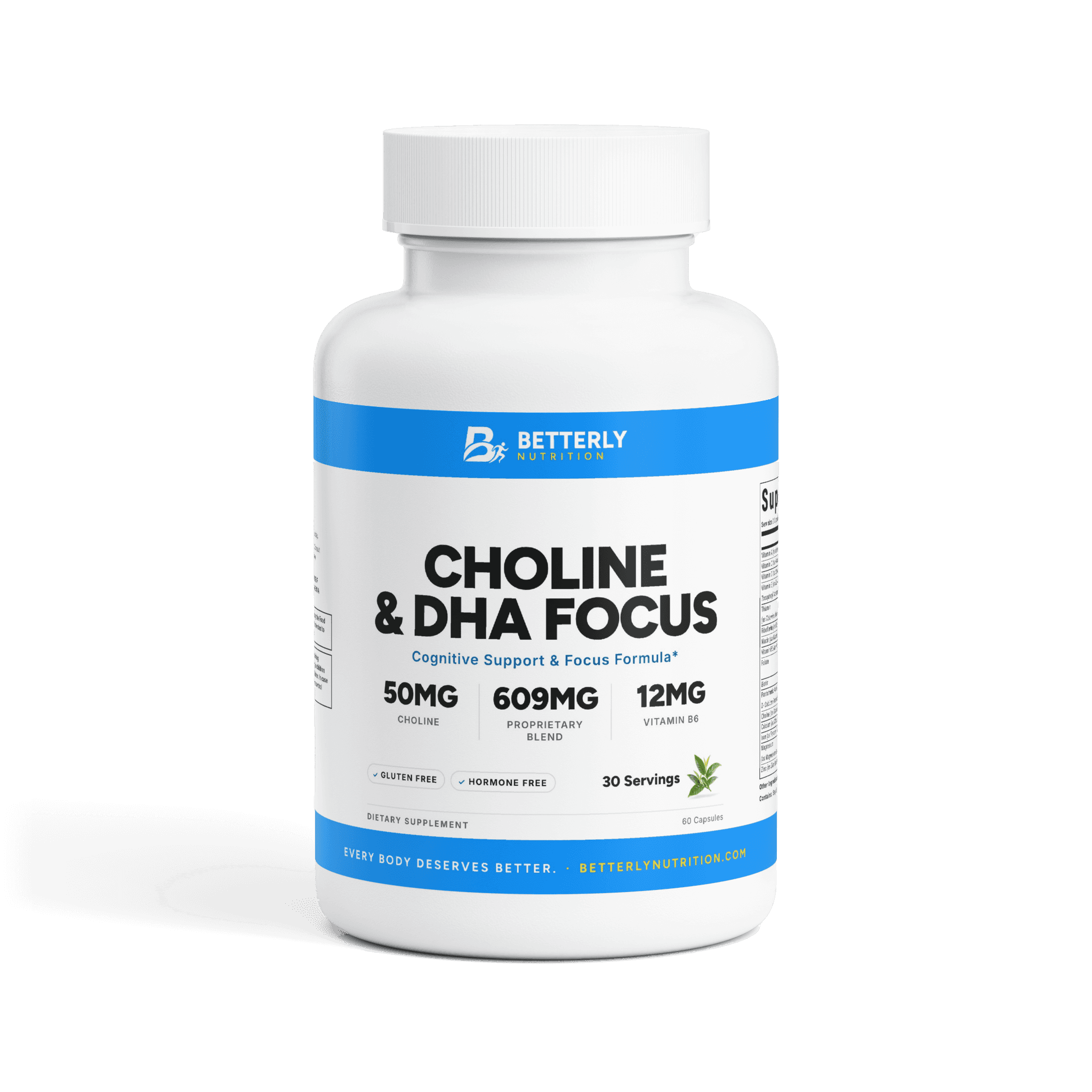
- Choline & DHA Focus Capsules — bacopa alongside choline and DHA in 60 capsules, for people who want bacopa inside a broader multi-ingredient formula. It isn't labeled caffeine-free: the blend includes green tea extract, and the label doesn't say whether it's decaffeinated.
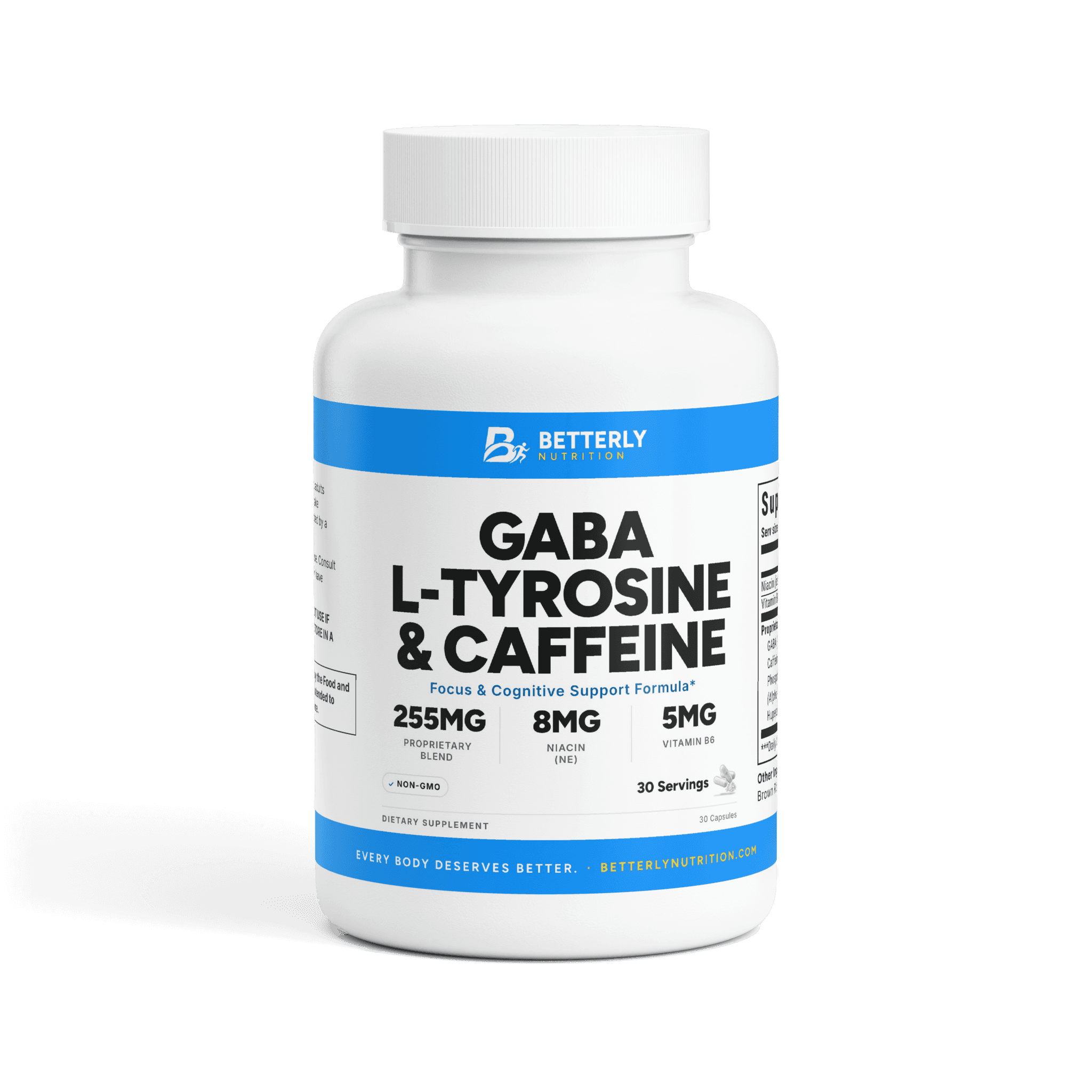
- GABA, L-Tyrosine & Caffeine Capsules — bacopa with Alpha GPC plus caffeine in 30 capsules, for people who want bacopa and caffeine in one capsule. The caffeine amount isn't listed separately, because it sits inside the 255 mg proprietary blend per 1-capsule serving.
The honest limit, stated once: all three list bacopa inside a proprietary blend, so their labels don't give the bacopa amount or a bacoside percentage, and the Gotu Kola & Bacopa Capsules use whole-herb bacopa powder rather than an extract. The whole blend is 231 mg per 1-capsule serving in the Gotu Kola & Bacopa Capsules and 255 mg per 1-capsule serving in the GABA, L-Tyrosine & Caffeine Capsules, so neither can contain the roughly 300 mg of standardized extract most studies used. If matching the research matters most to you, a single-ingredient extract that states its bacoside percentage is the closer fit.
If caffeine isn't your thing, our guide to caffeine-free focus supplements compares the gentler end of the spectrum in more depth.
How to take bacopa well
A few practical notes that make a real difference:
- Follow the label. Take bacopa as your product's suggested use directs; for our Gotu Kola & Bacopa Capsules, the label's suggested use is one capsule daily with 6-8 oz of water.
- Watch how your stomach feels. The side effects most often reported in bacopa trials were digestive, such as nausea, cramps and more frequent stools. Some people find supplements sit better with a meal; if bacopa doesn't agree with you, stop and check with your healthcare provider.
- Pick a consistent time. Morning is the default. Some people find bacopa more settling than energizing and prefer it in the evening — either is fine; consistency matters more than the clock.
- Be consistent. The studies gave bacopa daily; follow your product's suggested use.
- Loop in your provider. If you take any medication (including thyroid medication), are pregnant or nursing, are under 18, or have a medical condition, check with a healthcare professional before starting bacopa or any new supplement. Our bacopa labels say: "Do not exceed recommended dose. Consult a physician if pregnant, nursing, under 18, or have a medical condition." Herbs are gentle, not inert.
Where bacopa fits in a focus routine
Bacopa is a background player, and it works best in a routine built the same way — foundations first, supplements as support.
The foundations are the boring, load-bearing stuff: consistent sleep, daytime movement, fewer tabs open (in the browser and in your head). Our guide to natural ways to support focus covers those first principles, and if you're new to this whole category, nootropics explained for beginners is the sane on-ramp.
On top of that base, bacopa slots in as the long-game ingredient — the one you take daily as its label directs. It pairs sensibly with:
- A same-day option for contrast. L-theanine with your morning coffee is the classic quick-acting pairing — our guide to L-theanine and coffee for calm focus covers the how and why.
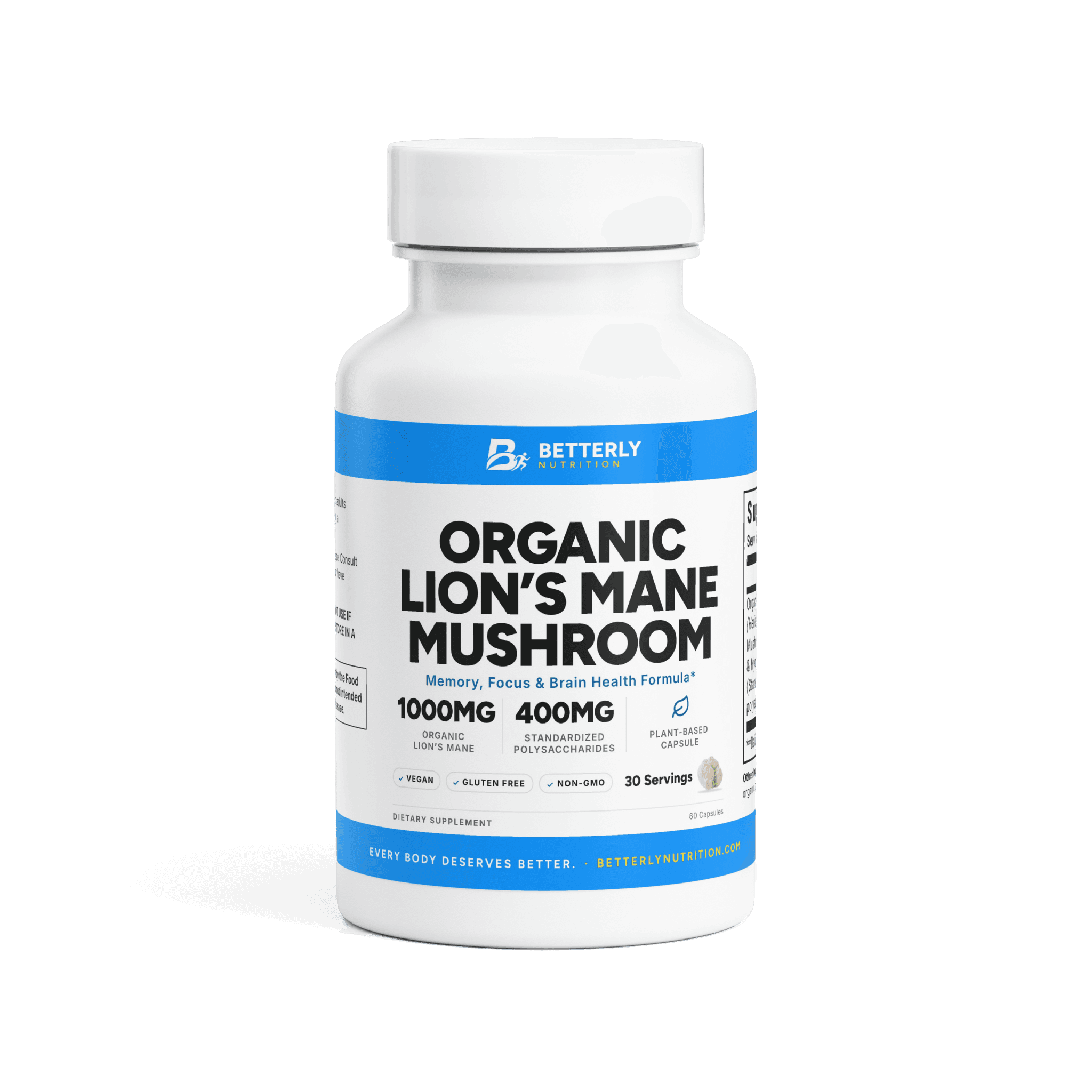
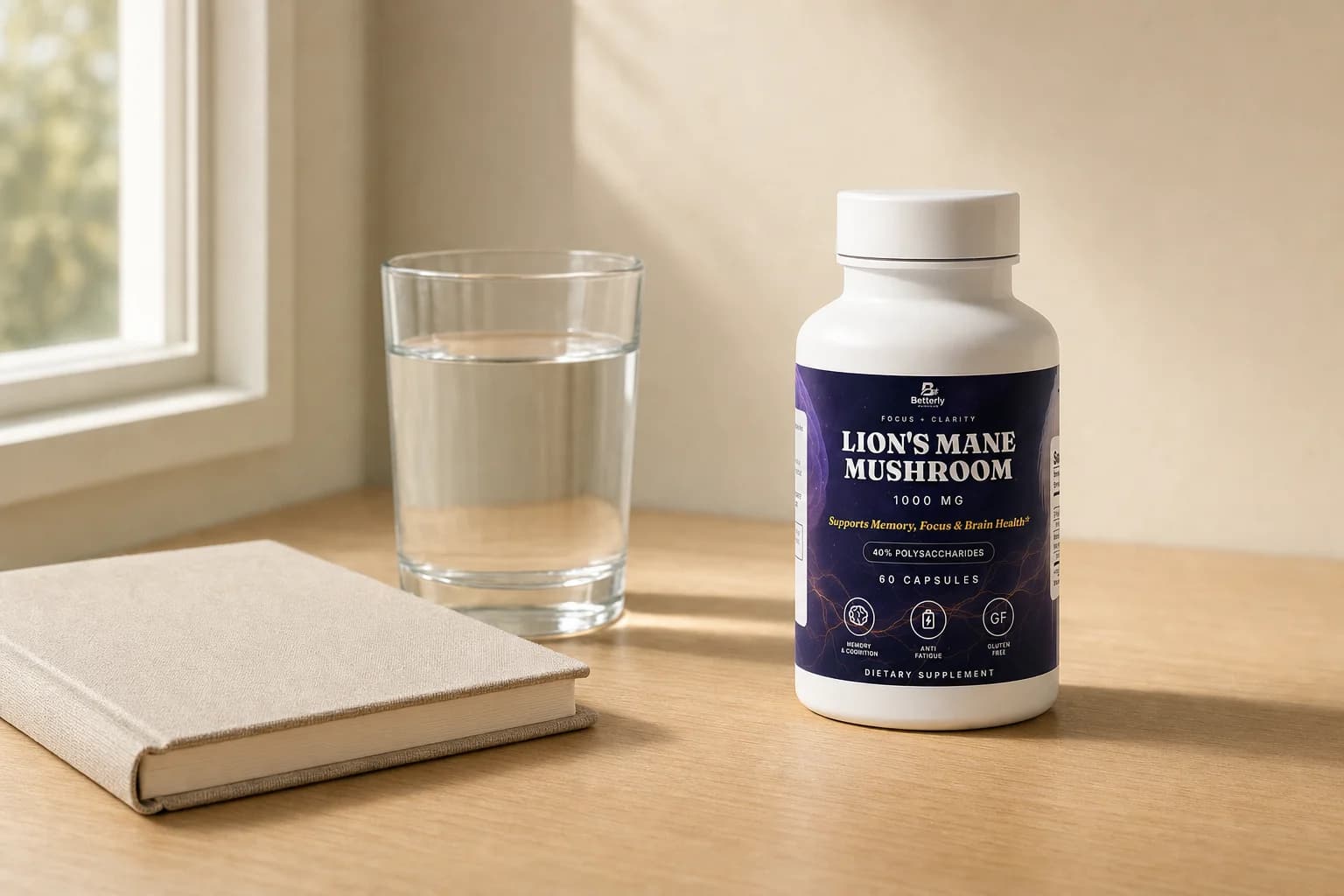
- A second daily ingredient. Organic Lion's Mane Mushroom Capsules — 1,000 mg per 2-capsule serving, standardized to 40% polysaccharides (400 mg) — is another ingredient people take daily alongside bacopa.
- Stress support. Bacopa is sometimes grouped with the adaptogens, herbs traditionally used to help the body handle occasional stress. If that whole family interests you, Adaptogens 101 maps it out.
One good rule regardless of what you stack: add one new supplement at a time, so if something doesn't agree with you, you'll know which one it was.
Key takeaways
- Bacopa monnieri is an Ayurvedic wetland herb — known as brahmi — with centuries of traditional use for the mind and a real body of modern research behind it.
- Bacosides are the active compounds. Look for a standardized extract that states its bacoside percentage; proprietary blends, ours included, list bacopa without its own amount.
- Research suggests support for memory and processing of new information — in small studies, at roughly 300 mg of standardized extract daily, over 8–12 weeks. Results are encouraging and modest, not miraculous.
- Bacopa isn't a stimulant. Most memory studies gave it daily for about 12 weeks and tested at the start and the end.
- The side effects most often reported in bacopa trials were digestive, such as nausea and cramps, so follow the label and check with your provider if it doesn't sit well.
- Talk to your provider first if you take medication, are pregnant or nursing, are under 18, or have a medical condition.
FAQ: bacopa monnieri
Is bacopa monnieri the same as brahmi?
Mostly, yes — "brahmi" is the traditional Ayurvedic name for bacopa monnieri. But in some regions the same name refers to gotu kola, a different plant entirely. Check the Latin name on any brahmi supplement so you know which herb you're buying. Some formulas, like our Gotu Kola & Bacopa Capsules, include both on purpose.
How long were bacopa monnieri studies?
Most bacopa monnieri memory studies lasted about 12 weeks. Participants took roughly 300 mg of a standardized extract every day, and memory was tested at the start and again at the end; in the trial that also checked at week 5, the differences were largest at 12 weeks. These studies weren't designed to look for same-day effects, so follow your product's suggested use and talk with your provider about whether bacopa suits you.
What is a typical bacopa monnieri dosage?
Most human studies used around 300 mg per day of an extract standardized to roughly 50–55% bacosides, with some using up to 600 mg. Follow the label on whatever product you choose, since extracts and blends are concentrated differently.
Should I take bacopa with food?
You don't have to take bacopa with food unless your product's label says to, and none of our bacopa labels does. The side effects most often reported in bacopa trials were digestive, such as nausea, cramps and more frequent stools. Some people find supplements easier on the stomach with a meal, and if bacopa doesn't sit well, stop and check with your healthcare provider.
Is bacopa a stimulant?
No. Bacopa contains no caffeine and doesn't produce a same-day lift; many people find it more settling than energizing. If you want bacopa and caffeine together, blends like our GABA, L-Tyrosine & Caffeine Capsules combine them in one capsule, or you can keep bacopa caffeine-free and have your coffee separately.
Can I take bacopa every day?
Daily use is exactly how the research studied it, and consistency is the whole point with this herb. That said, if you take any medication or have an ongoing health concern, check with a healthcare professional before making bacopa a daily habit.
If this left you looking for somewhere to start, read gotu kola and bacopa blend for focus and clarity — its amounts per serving are listed on the page. For the practical questions this raises, how dosing, sourcing and subscriptions work is answered in one place.