On this page
- Key takeaways
- What are the most common gotu kola side effects?
- Can gotu kola hurt your liver?
- Does gotu kola make you sleepy or tired?
- When should you take gotu kola, morning or night?
- Is gotu kola safe during pregnancy or breastfeeding?
- What else in our capsule carries its own cautions?
- How do you take our Gotu Kola & Bacopa Capsules?
- When don't you need gotu kola at all?
- Who should check with a healthcare provider before taking gotu kola?
- FAQ: gotu kola safety
- Sources
The short answer: Gotu kola side effects in small human trials were mostly mild and brief: headache, dizziness, bloating, diarrhea and nausea, often no more common than with a placebo, according to NIH's LiverTox database. The rare serious one is liver injury, found in only a handful of published cases. No federal source we read shows gotu kola is safe in pregnancy. Our capsule's label says one a day and names no time.
Key takeaways
- NIH's LiverTox database describes the side effects reported for gotu kola as mild, short-lived and nonspecific, and often as common among people taking a placebo.
- LiverTox ties gotu kola to liver injury only rarely, through a few published cases, and every one of those people recovered within 1 to 2 months of stopping.
- No federal source we read has established gotu kola's safety in pregnancy or breastfeeding, and two other herbs in our blend carry federal pregnancy cautions of their own.
- The directions on our Gotu Kola & Bacopa Capsules call for a single daily capsule and 6-8 oz of water. They leave the hour to you, morning or evening.
A note before you read on: we sell the gotu kola capsule on this page, so hold us to our sources. Each safety point below links to the federal page it came from.
What are the most common gotu kola side effects?
The most common gotu kola side effects reported in small trials are headache, dizziness, bloating, diarrhea and nausea, which NIH's LiverTox database calls mild and transient.
LiverTox, NIH's catalog of liver harm linked to drugs, herbs and supplements, sums up side effects in its entry for Centella asiatica, gotu kola's botanical name. Those complaints, it says, "often have been similar in frequency" among people given a placebo, a dummy pill with nothing active in it.
If people on a dummy pill report headaches just as often, the trials couldn't pin them on the herb, though some people may still react.
A 2010 review in LiverTox's reading list adds skin allergy and drowsiness to the possible but rare effects, particularly at high doses.
LiverTox also notes rare allergic reactions, mainly when gotu kola was applied to the skin rather than swallowed. A rash, or a stomach that stays upset once you begin, is your cue to stop and let your provider know.
Can gotu kola hurt your liver?
Gotu kola can, but only rarely: NIH's LiverTox database rates it a probable but rare cause of liver injury, resting on a few published case reports.
LiverTox describes three women seen at one referral center in Argentina, plus a single case report published in 2011. Symptoms began 3 to 8 weeks after they started gotu kola. Every case cleared completely within 1 to 2 months of stopping, and LiverTox calls this kind of injury generally self-limited and mild to moderate.
The first woman recovered, restarted gotu kola 7 months later, and got sick again within 2 weeks. That's why LiverTox advises against retrying gotu kola after a liver reaction.
The caveats point both ways:
- The products are uncertain. LiverTox says contamination wasn't ruled out, and the first case's product name, label and centella content were never reported.
- Big databases found nothing new. LiverTox's reading list cites a US network's study of 899 liver injury cases that linked 145 to herbal and dietary supplements and none to gotu kola, and LiverTox found no further cases in other large registries.
- The reaction is unpredictable. LiverTox calls the injury idiosyncratic, meaning it seems to strike a rare, susceptible person, possibly through the immune system. A small serving doesn't guarantee you're in the clear.
In the case LiverTox lays out step by step, belly pain and weakness came first, then dark urine and yellowing skin, about a month after she began the tablets. Signs like those mean stop now and call your provider.
Does gotu kola make you sleepy or tired?
Gotu kola may cause drowsiness, especially at high doses, according to a 2010 review that NIH's LiverTox database summarizes, though LiverTox's own list of trial complaints leaves it out.
Neither the review nor LiverTox says where "high" begins. LiverTox does list typical oral amounts: 60 to 120 mg daily for purified extracts, and 600 to 1,800 mg daily for dried-leaf capsules or powders. No source ties drowsiness to any point on that scale.
The Panax ginseng in our capsule pulls the other way. Trouble sleeping tops the list of Asian ginseng's side effects, says the National Center for Complementary and Integrative Health (NCCIH). LiverTox's bacopa entry lists trouble sleeping among bacopa's minor, short-lived side effects, too.
So one herb in the blend is linked to drowsiness and two are linked to trouble sleeping. Nobody can predict which, if either, you'll notice, so jot down when you took the capsule and how you slept. Skip driving after any dose that leaves you drowsy.
When should you take gotu kola, morning or night?
Gotu kola has no set time of day on our label, which says only one capsule daily with water, so morning or night is your choice.
The directions also specify 6-8 oz (177-237 ml) of water and leave room for a healthcare professional's own instructions. They say nothing about meals, so with or without food both follow the label.
Can you take gotu kola at night? Yes, as far as the label goes. Then let your own response steer the slot:
| If you notice this | Try this slot | Why |
|---|---|---|
| Nothing at all | Whatever time you'll remember | The label sets no time |
| Drowsiness after a dose | Evening | A 2010 review lists drowsiness |
| Trouble sleeping since starting | Morning | NCCIH lists it for Asian ginseng |
| Both, or either won't ease | Neither: stop and call | A side effect that sticks around needs a provider |
Pick the slot by how you react. Switching from morning to night never means two capsules in one day.
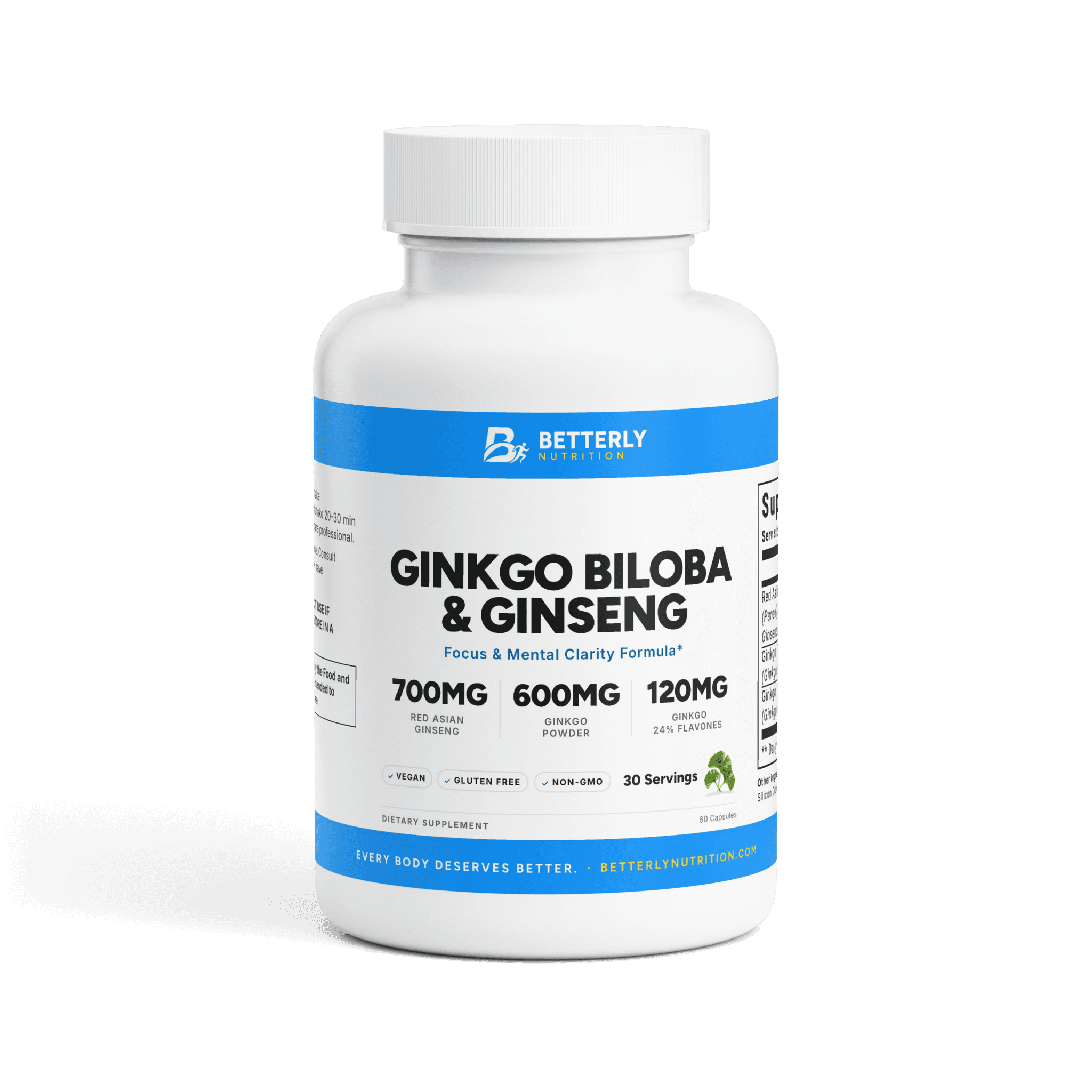
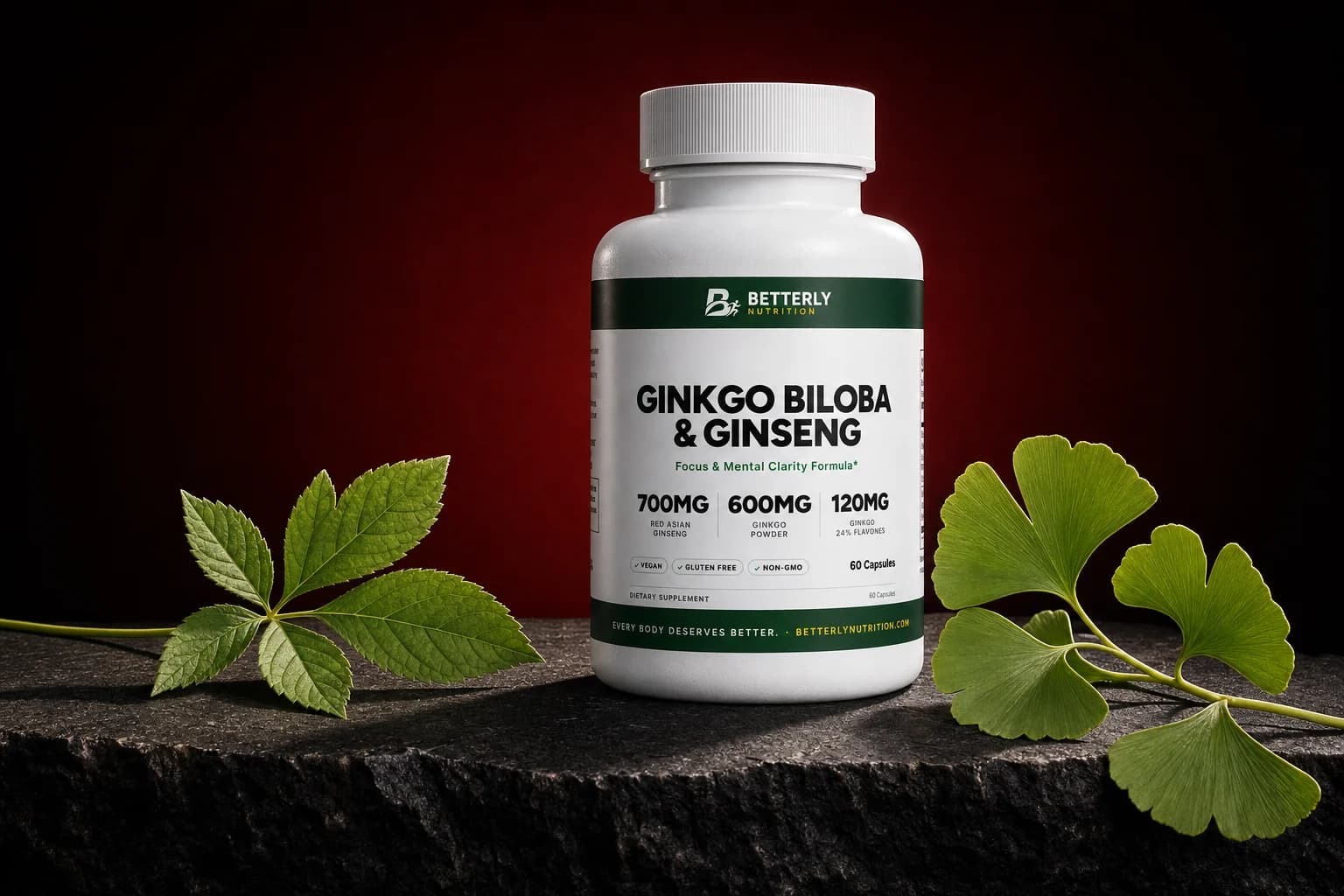
Listed last, the ginseng in this blend can't top 38.5 mg per capsule, while the 2-capsule serving of our Ginkgo Biloba & Ginseng Capsules carries 700 mg of red Asian ginseng extract. Our guide to ginseng timing, morning or night explains why that one belongs earlier in the day. NCCIH's sleep note names no amount, though, so watch your sleep with this blend too.
Is gotu kola safe during pregnancy or breastfeeding?
Gotu kola has no established safety record for pregnancy or breastfeeding in the federal sources we read, and our own label points anyone expecting or nursing to a physician.
The LiverTox overview for gotu kola never mentions pregnancy or nursing, so it offers no reassurance either way.
Two other herbs in our capsule make the answer clearer. According to NCCIH, some studies point to Asian ginseng being unsafe when swallowed during pregnancy, and some experts advise pregnant and breastfeeding women not to use it. NCCIH's astragalus page adds that astragalus's safety in pregnancy and breastfeeding is largely unknown, and that some animal research suggests it can harm a developing fetus.
We'd leave our capsule on the shelf through pregnancy and breastfeeding unless a provider who has read the full panel says otherwise.
What else in our capsule carries its own cautions?
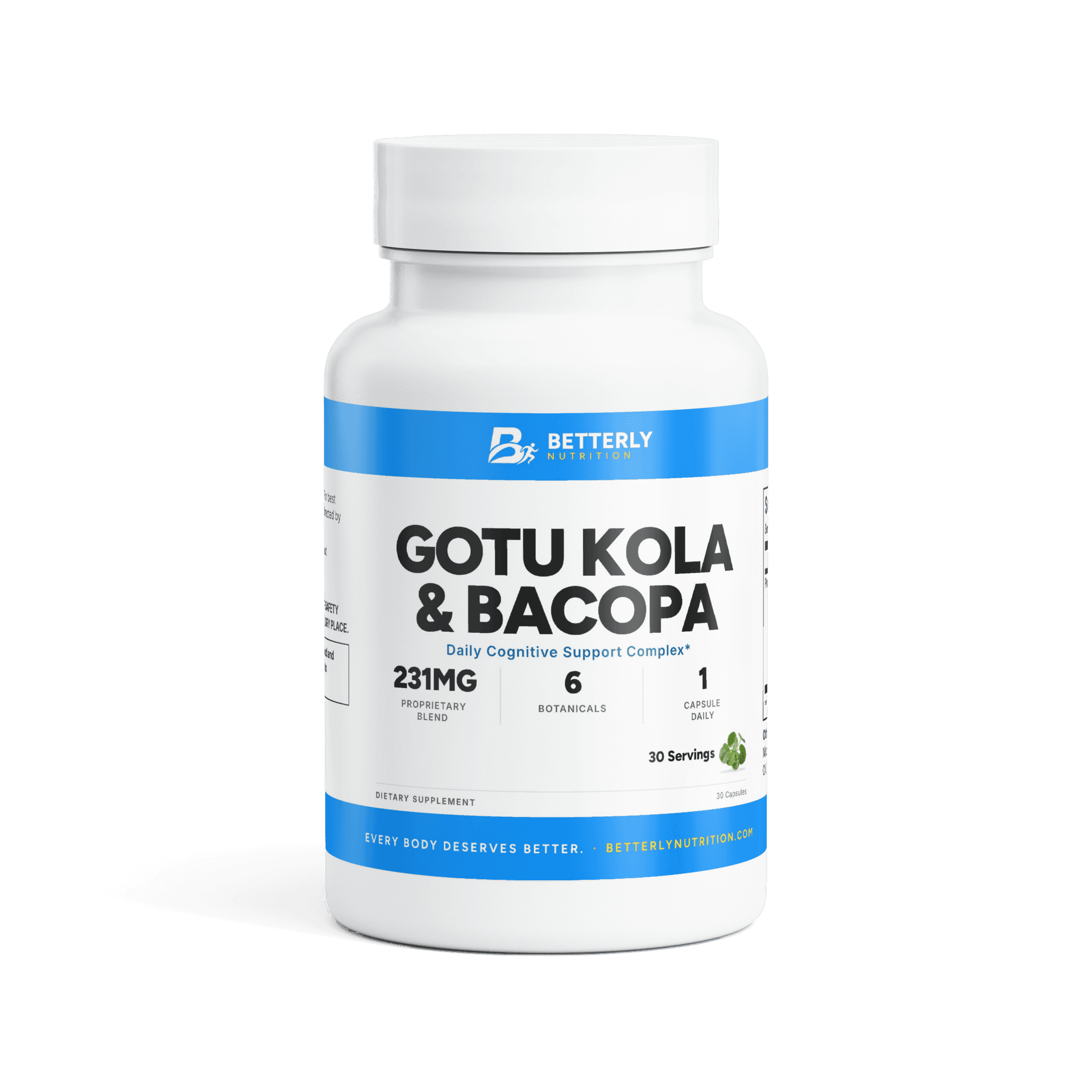
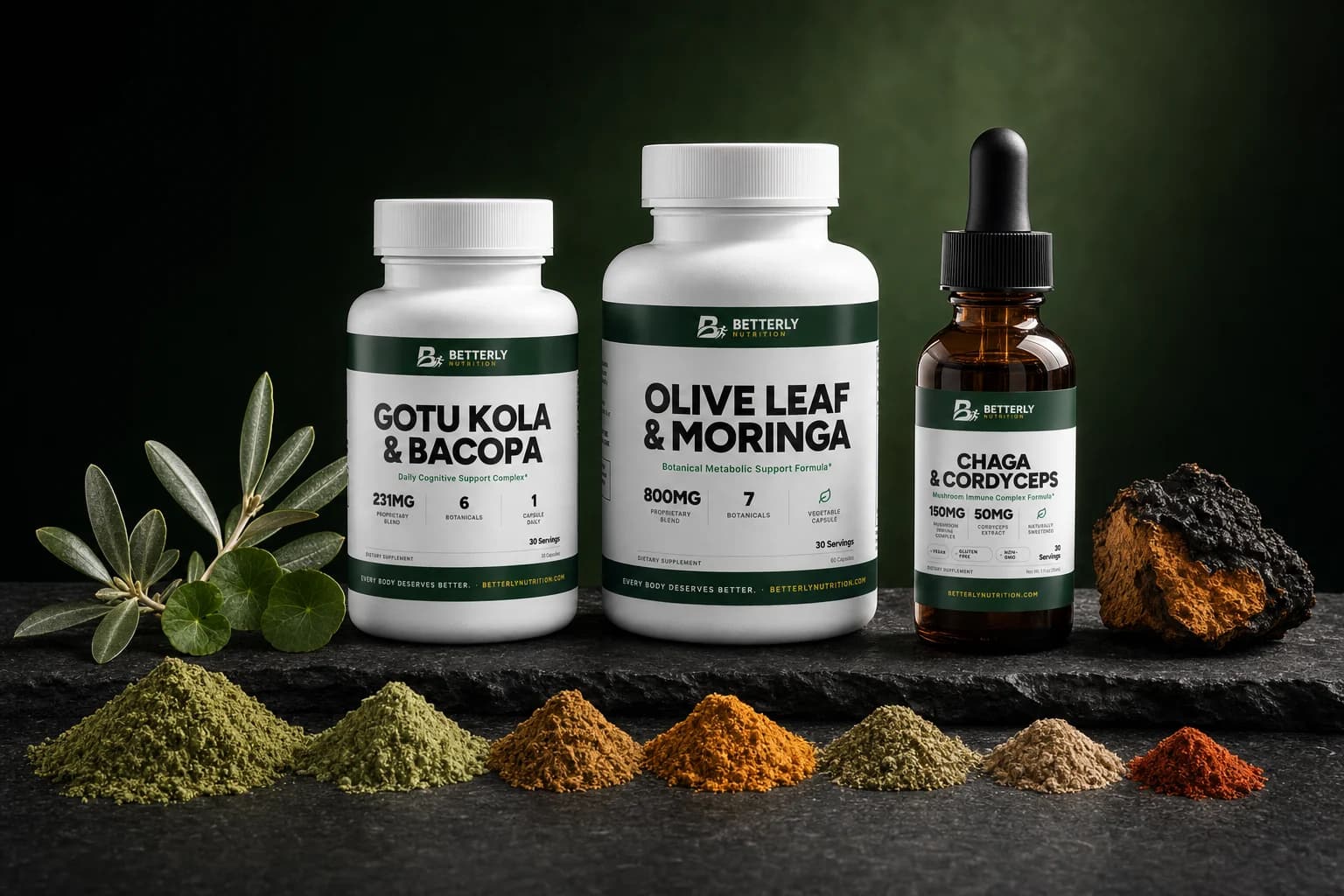
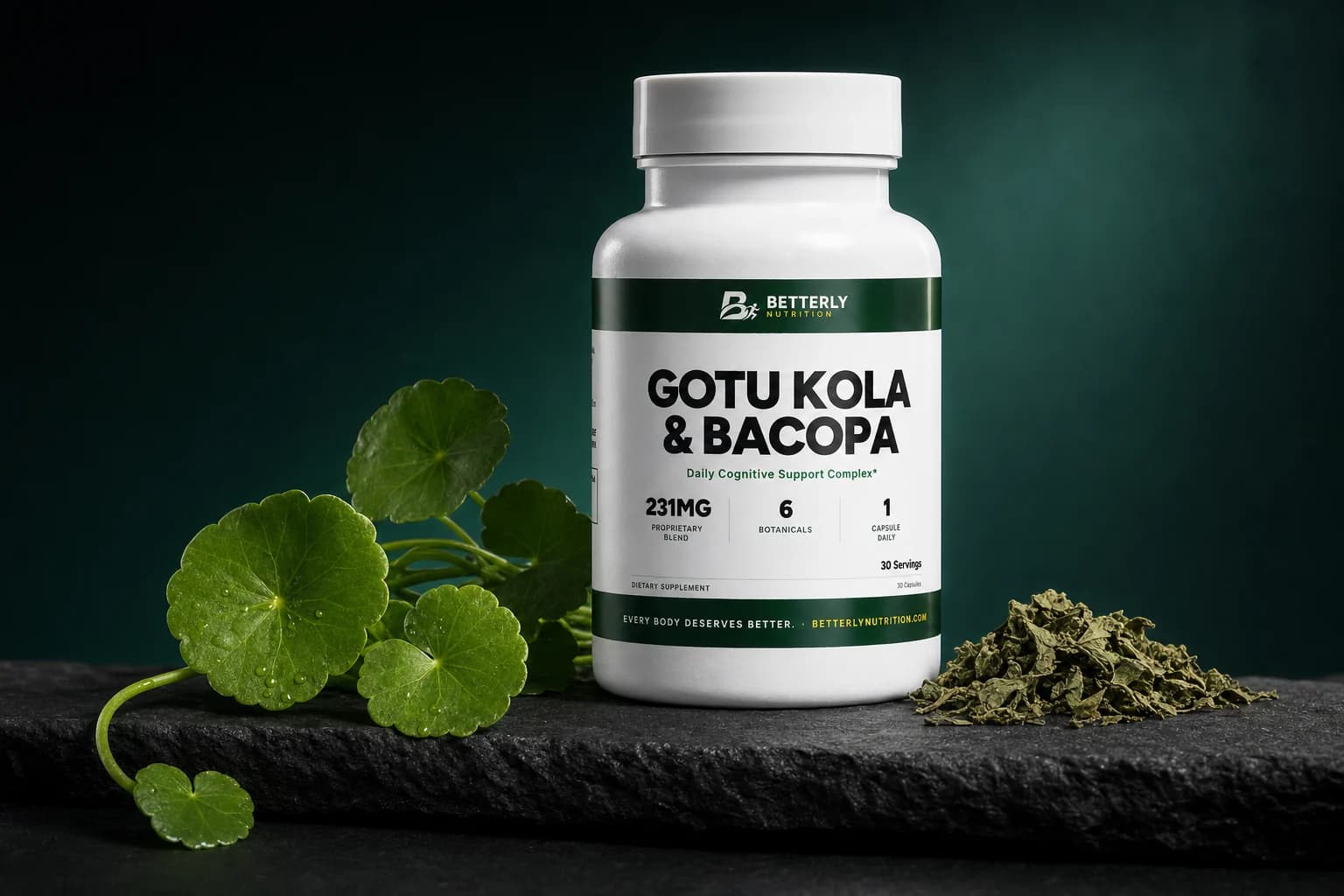
Our Gotu Kola & Bacopa Capsules pack five other botanicals into one 231 mg blend per 1-capsule serving, several with side-effect notes of their own.
The table follows the panel's order. Blends rank their herbs by weight, biggest first, but print only one total for the lot; our proprietary blend guide explains that ranking.
| Botanical (label order) | Federal page we read | What it flags |
|---|---|---|
| Gotu kola (whole herb) | LiverTox | Mild gut and head complaints; rare allergy, mostly on skin; rare liver cases |
| Astragalus (root extract) | NCCIH | Pregnancy unknowns; may interact with immune-suppressing medicines; to be avoided with some immune-related conditions |
| Bacopa monnieri (whole herb) | LiverTox | Minor gut upset, dry mouth, headache, trouble sleeping; no liver cases linked |
| Cistanche (stem extract) | None we cite | Ask your provider |
| Maritime pine bark (extract) | None we cite | Ask your provider |
| Panax ginseng (root) | NCCIH | Trouble sleeping; uncommon severe rash, liver damage or allergic reactions; may affect blood clotting and some immune-related conditions; may interact with some medicines; pregnancy concerns |
Most flags in the last column have more than one owner. Gut upset and headache come from gotu kola and bacopa, trouble sleeping from bacopa and ginseng, and pregnancy notes and medicine interactions from ginseng and astragalus. Liver reports sit with gotu kola and, as an uncommon event, ginseng, while the clotting note is ginseng's alone. Ask about cistanche and pine bark by name, since the pages we cite don't cover them.
From our shop: Gotu Kola & Bacopa Capsules — 30 one-capsule servings per bottle, each with 231 mg of six botanicals and gotu kola whole-herb powder listed first.
How do you take our Gotu Kola & Bacopa Capsules?
The label for our Gotu Kola & Bacopa Capsules allows one capsule a day with a 6-8 oz glass of water and warns against ever going over that dose.
Four steps keep a new symptom easy to trace:
- Keep to the one daily capsule. At that pace the 30-capsule bottle runs 30 days, so a bottle that empties early means extra doses crept in.
- Start it on its own, without any other new supplement, so a fresh headache or queasy stomach points to one product.
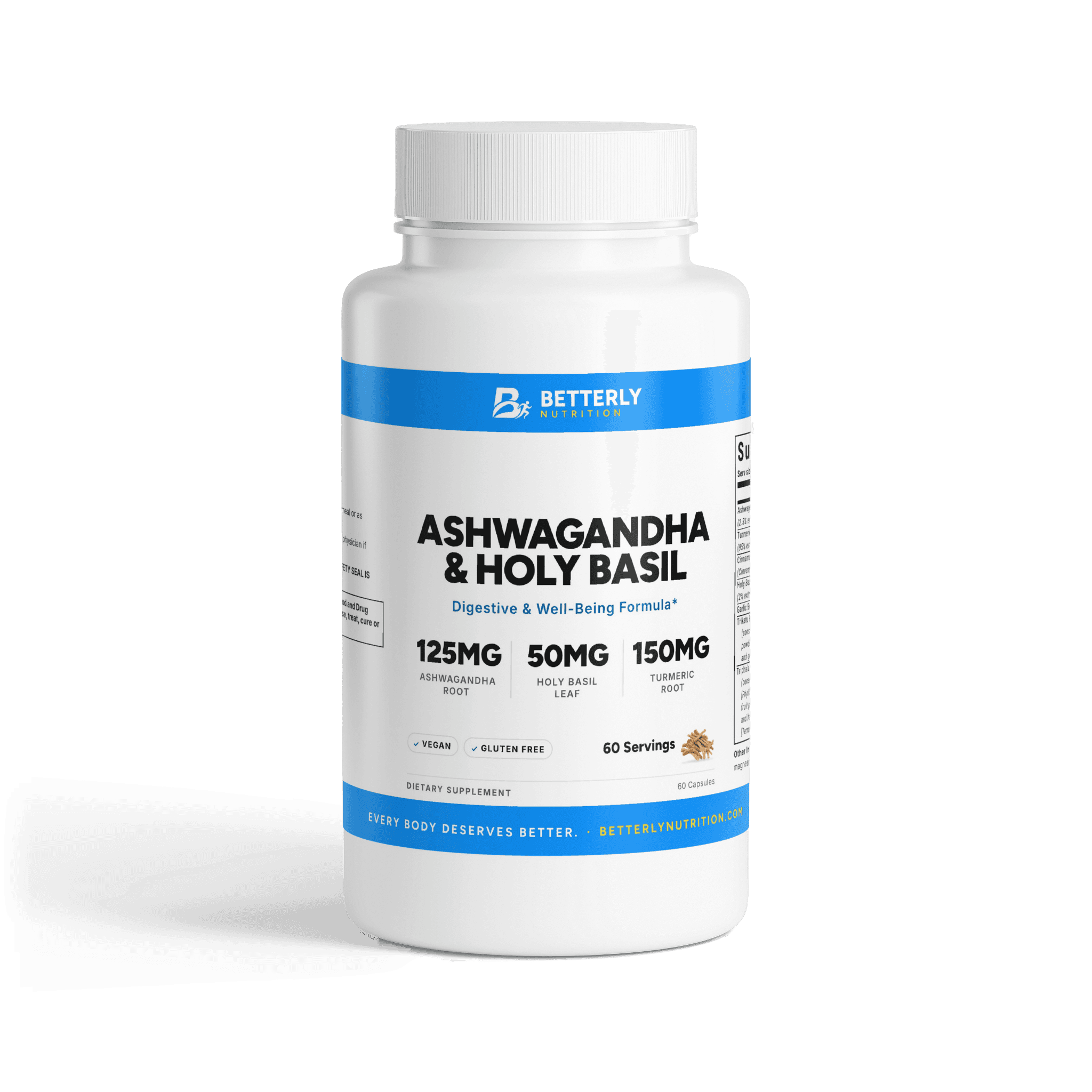
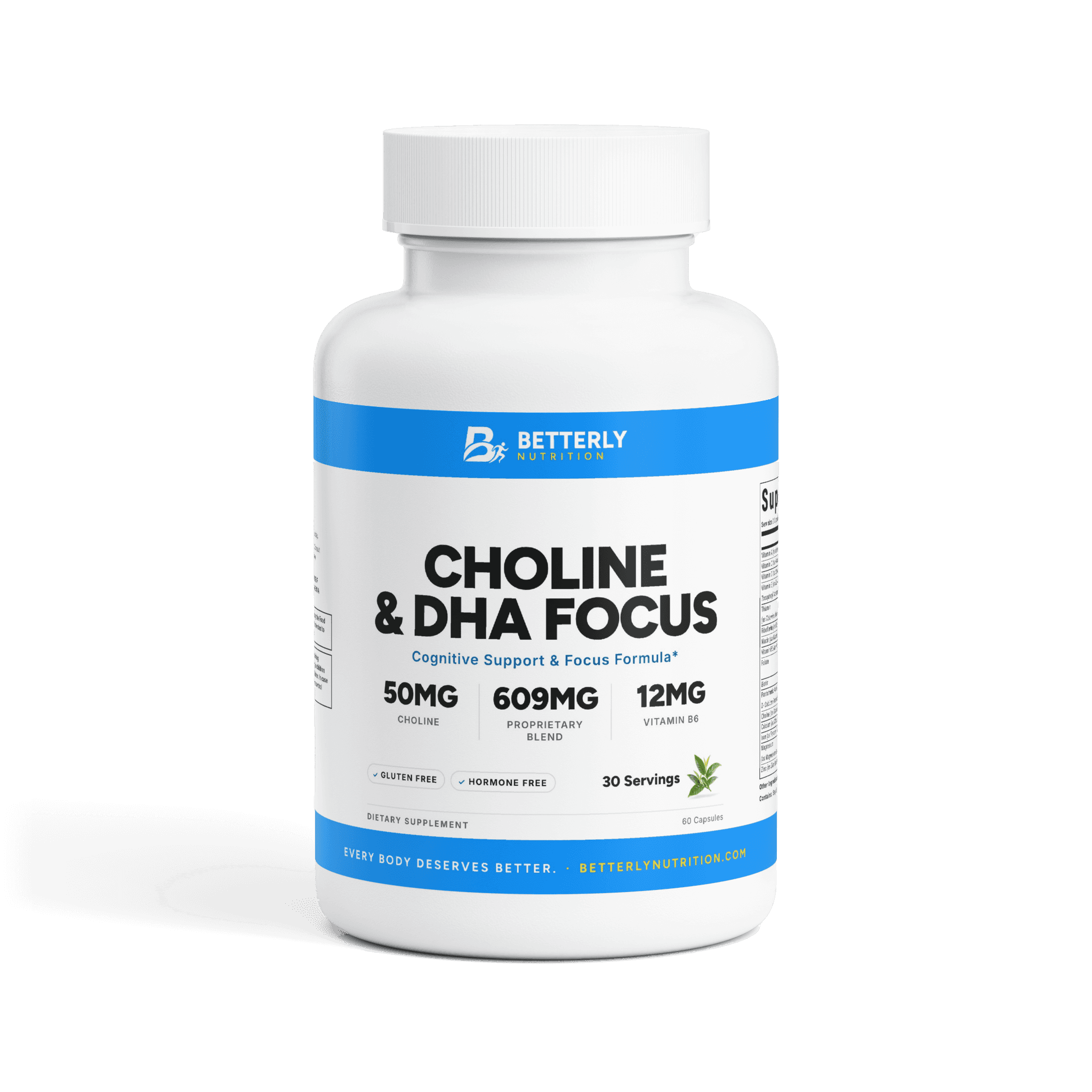
- Check every other blend you take, ours included, for gotu kola (Centella asiatica), bacopa, brahmi, Panax or Asian ginseng, and astragalus. On our shelf, for example, the Ginkgo Biloba & Ginseng Capsules list ginseng, while bacopa appears in the Choline & DHA Focus Capsules and the Ashwagandha & Holy Basil Ayurvedic Capsules. Several formulas in our adaptogens collection, and two of our greens powders, list ginseng or astragalus.
- Avoid animal products? This capsule's Other Ingredients line opens with "Gelatin (capsule)," so it won't suit you.
LiverTox lists "brahmi" as a name for both bacopa and gotu kola, so if a label says only brahmi, see how gotu kola and bacopa differ before you pair them.
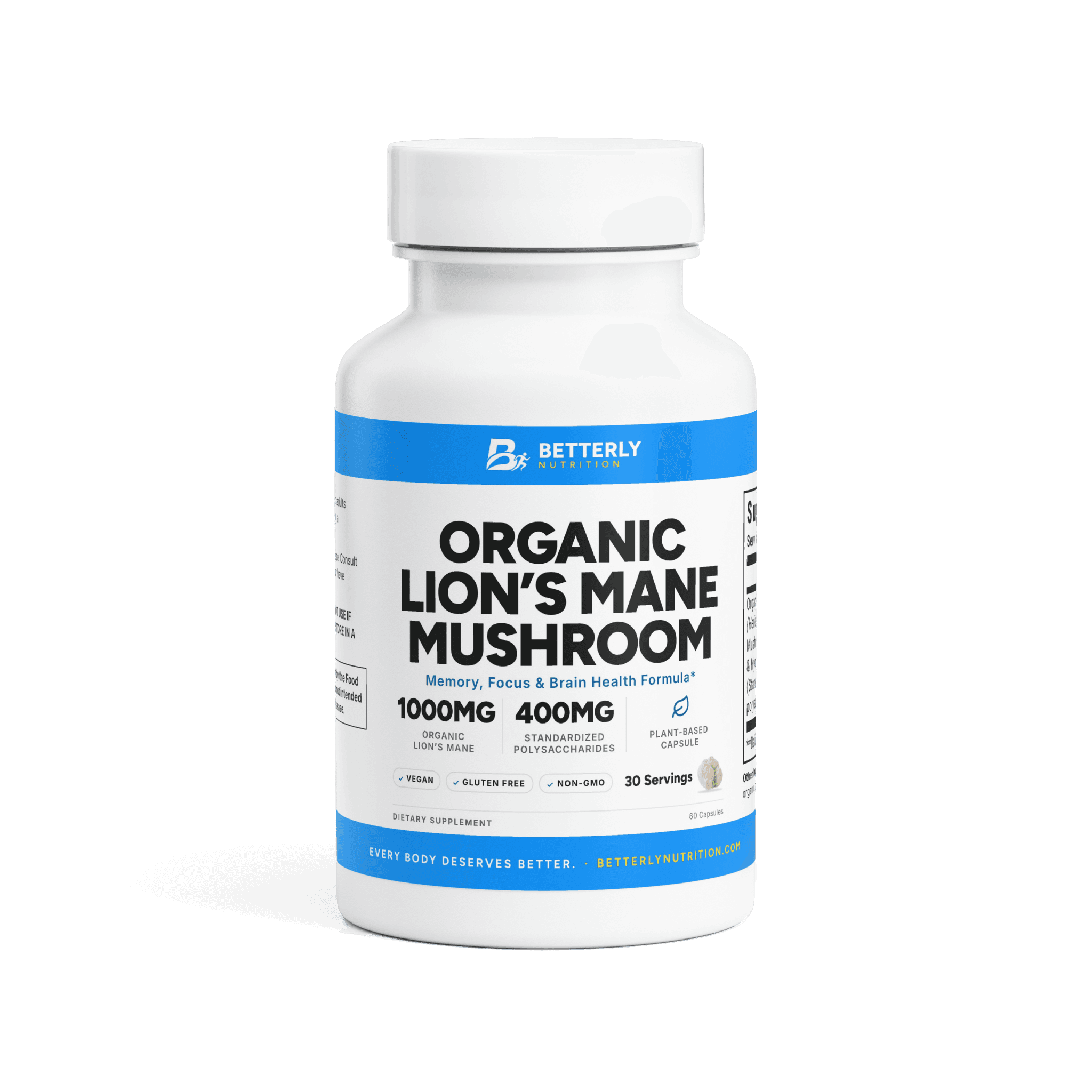
From our shop: Organic Lion's Mane Mushroom Capsules — a one-ingredient panel listing 1,000 mg of organic lion's mane in each 2-capsule serving, with the same pregnant, nursing and under-18 caution as the gotu kola label.
When don't you need gotu kola at all?
You don't need gotu kola if you've had a reaction to it, want printed amounts for each herb, or are pregnant or nursing without a provider's approval.
Other good reasons to pass:
- You've had a liver reaction to any gotu kola product. LiverTox says re-exposure should be avoided, full stop.
- You want exact numbers. Our panel prints one total for six herbs, so you can't know your gotu kola intake to the milligram.
- You already take ginseng, bacopa or astragalus. Adding our blend stacks a second source.
- You want a proven effect. LiverTox says none of gotu kola's claimed properties has been proven in controlled human trials.
Who should check with a healthcare provider before taking gotu kola?
Gotu kola deserves a talk with your provider first if you're expecting, breastfeeding or under 18, take medication, or manage a health condition; our label flags all but medication.
Here's the bottle's caution word for word: "Do not exceed recommended dose. Consult a physician if pregnant, nursing, under 18, or have a medical condition." Medicines aren't on that list, so here's what we'd add:
- Medicines of any kind, prescription or over the counter. According to NCCIH, Asian ginseng might interact with certain medications, and astragalus may interact with medicines that suppress the immune system.
- An immune-related health condition. NCCIH says people with certain immune-related conditions should avoid astragalus, and that Asian ginseng may make some of them worse.
- Past liver trouble. With rare liver cases on record for gotu kola, raise that history before your first capsule.
- Planned surgery. NCCIH says Asian ginseng might affect how your blood clots, so give your surgeon a heads-up about this capsule well before the date.
Snap a photo of the back label for that visit. Your provider needs the names of all six herbs, not just the two on the front.
FAQ: gotu kola safety
Is gotu kola safe for your kidneys?
Gotu kola has no kidney side effect in the NIH LiverTox entry we read. Its reported complaints involve the gut, the head, the skin and, rarely, the liver. That's an absence of reports, not proof of safety, since LiverTox notes few human studies reported lab results. If you manage any kidney-related health issue, our label's caution applies: consult a physician first.
Is gotu kola safe to eat as a food?
Mostly yes: gotu kola is eaten as a vegetable and in salads, and LiverTox describes it as broadly considered safe, though the same entry links the herb to rare liver cases involving products taken as remedies. A supplement is a separate product with its own directions, and our capsule's label says one a day. If you already eat the leaves often, mention that to your provider before adding a capsule.
What if you think gotu kola is causing a side effect?
Stop taking gotu kola and call your healthcare provider, since LiverTox says a liver reaction during use should lead to prompt withdrawal. Before the call, write down the day you started, the day symptoms began and what they were. Watch for dark urine or yellowing of the skin or eyes, the signs in the case LiverTox details. If your provider suspects a liver reaction, don't restart: LiverTox says re-exposure should be avoided, and that woman's symptoms returned when she did. For any other side effect, restart only with your provider's go-ahead.
Does gotu kola interact with medications?
Gotu kola has no drug interactions named in its LiverTox entry, but a blank list doesn't rule them out, and two other herbs in our blend carry the NCCIH interaction notes covered in the provider section above. Also ask about anything you take that already makes you drowsy, since drowsiness is on the 2010 review's list. Give your pharmacist all six herb names before your first capsule.
How long can you take gotu kola?
A 30-capsule bottle of our Gotu Kola & Bacopa Capsules lasts 30 days, and the label names no stopping point. LiverTox says the published liver cases began 3 to 8 weeks in, a window the first bottle already reaches. And a 2010 review it summarizes advised against going past 6 weeks, a line a second bottle would cross around day 42. Talk that second bottle over with your provider.
Sources
- Centella asiatica, LiverTox (NCBI Bookshelf), National Institutes of Health
- Bacopa monnieri, LiverTox (NCBI Bookshelf), National Institutes of Health
- Asian Ginseng: Usefulness and Safety, National Center for Complementary and Integrative Health
- Astragalus: Usefulness and Safety, National Center for Complementary and Integrative Health
If this left you looking for somewhere to start, read gotu kola and bacopa capsules — its amounts per serving are listed on the page. For the practical questions this raises, how dosing, sourcing and subscriptions work is answered in one place.