On this page
Focus is not a switch you flip. It is more like a signal that gets clearer or noisier depending on how you sleep, eat, move, and manage stress. If you have been wondering how to improve focus naturally, the honest answer is that it usually comes down to a handful of everyday habits working together, with the right nutrients playing a supporting role. Here is a plain-English guide to what actually helps.
Why focus feels harder some days
Your ability to concentrate depends on a lot of moving parts: how rested your brain is, how steady your energy is, whether you are dehydrated, how much you are juggling at once, and how wired or frazzled you feel. On a rough day, several of these are usually off at the same time. That is good news, because it means you have more than one lever to pull. You do not need a perfect routine to feel a difference, just a few small changes that stack up.
It also helps to reset your expectations. Sustained attention naturally comes in waves. Most people can concentrate deeply for a stretch, then need a genuine break before the next one. Fighting that rhythm tends to backfire. Working with it is one of the simplest ways to get more done without white-knuckling through the afternoon.
The foundation: sleep, food, movement, and stress
If you only change one thing, make it sleep. A tired brain struggles to filter distractions, hold information, and stay motivated. Aim for a consistent schedule, a dark and cool room, and a wind-down routine that does not involve a bright screen inches from your face. Even shifting your bedtime by 30 minutes can help.
Food matters more than people expect. Big blood-sugar swings can leave you foggy and restless, so steady meals with protein, fiber, and healthy fats tend to support more even energy than a pastry-and-coffee start. And do not overlook water. Even mild dehydration can make concentration feel like wading through mud, so keep a glass nearby.
Movement is one of the most underrated focus tools there is. A brisk walk increases blood flow and is a simple, caffeine-free way to shake off mental fog. You do not need a workout. Two or three short movement breaks across the day can reset your attention and lift your mood.
Finally, stress. A certain amount sharpens you, but chronic stress keeps your mind busy with background noise that crowds out the task in front of you. Simple practices like a few slow breaths, a short walk outside, or a five-minute pause between meetings help your nervous system settle so your attention has somewhere to land.
Everyday habits that sharpen attention
Once the foundation is in place, a few practical tweaks go a long way:
- Single-task on purpose. Multitasking feels productive but usually means doing several things poorly. Pick one, and give it a defined block of time.
- Tame your inputs. Silence non-urgent notifications and keep your phone out of arm's reach. Every ping is an invitation to lose your place.
- Use short, honest breaks. A common rhythm is a focused stretch followed by a few minutes away from the screen. Stand up, look out a window, stretch.
- Get some daylight early. Morning light helps set your body clock, which supports better sleep and steadier daytime alertness.
- Be thoughtful with caffeine. It can genuinely help attention, but late-day cups can quietly undercut the sleep you need for tomorrow's focus. Many people do best keeping it to the morning.
None of this is glamorous, but these habits are the real engine behind clear-headed days.
Where nutrients and supplements fit in
Supplements are not a substitute for the basics, and anyone who tells you otherwise is overselling. Think of them as one part of a healthy routine that already includes decent sleep, real food, movement, and some breathing room. With that framing, certain nutrients are worth knowing about.
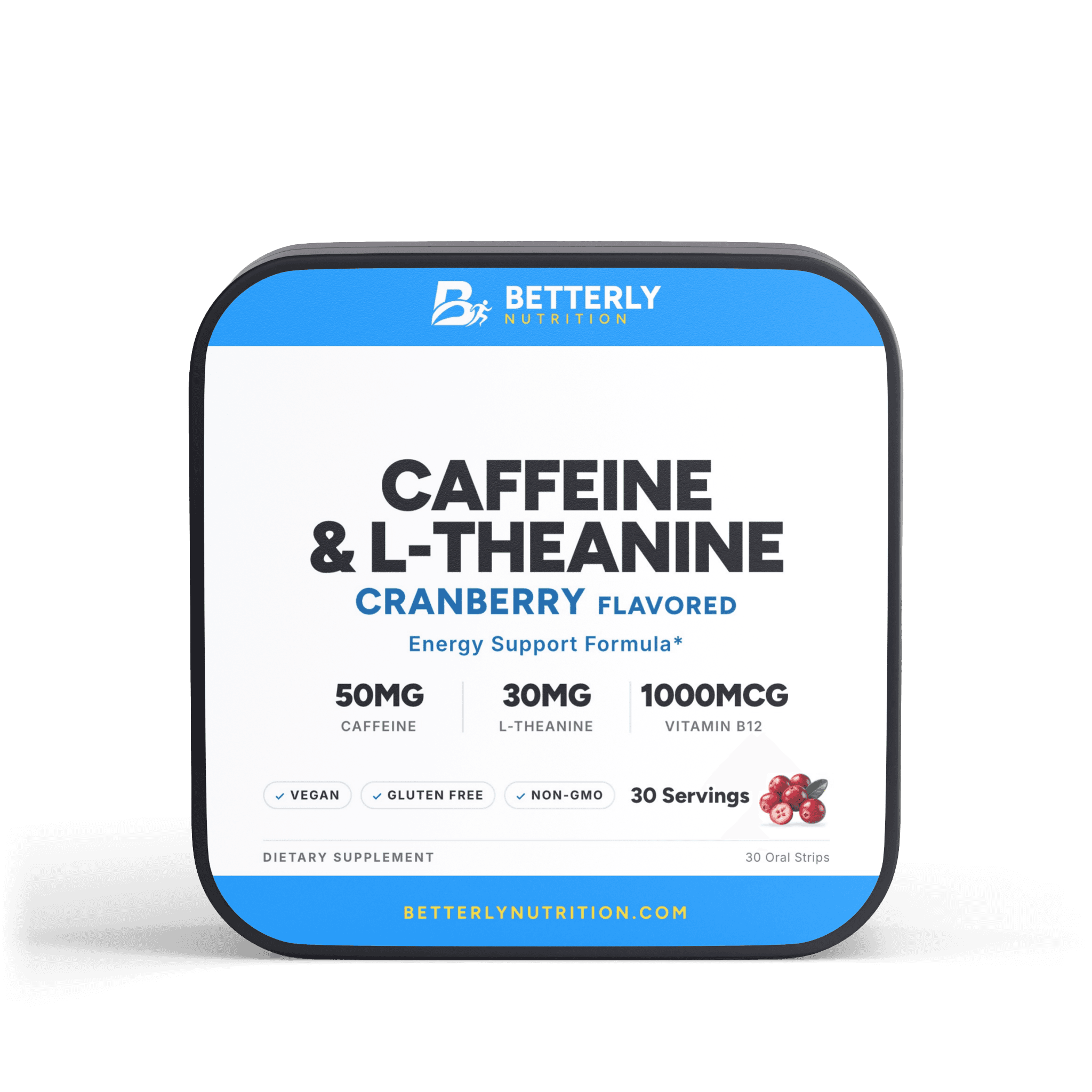
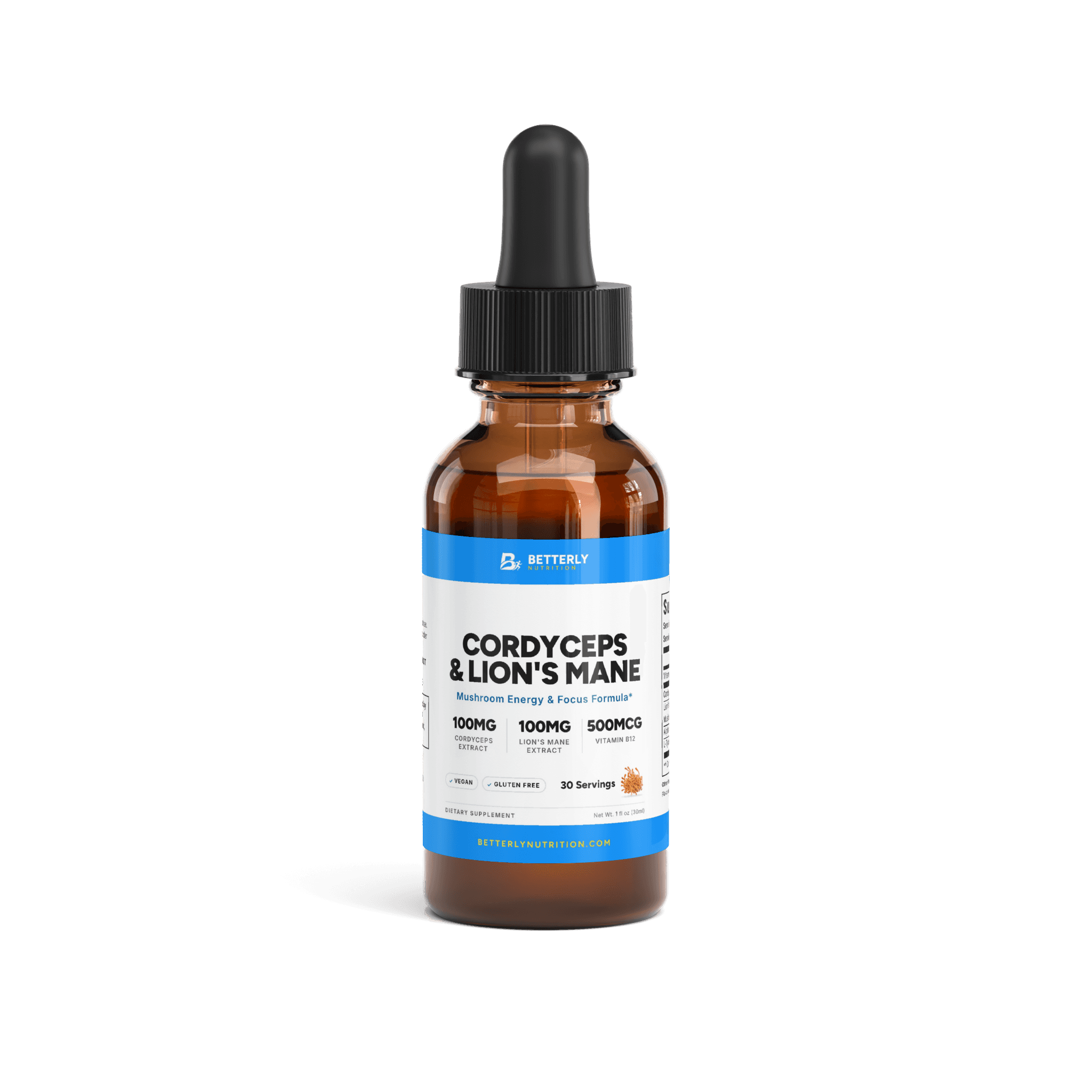
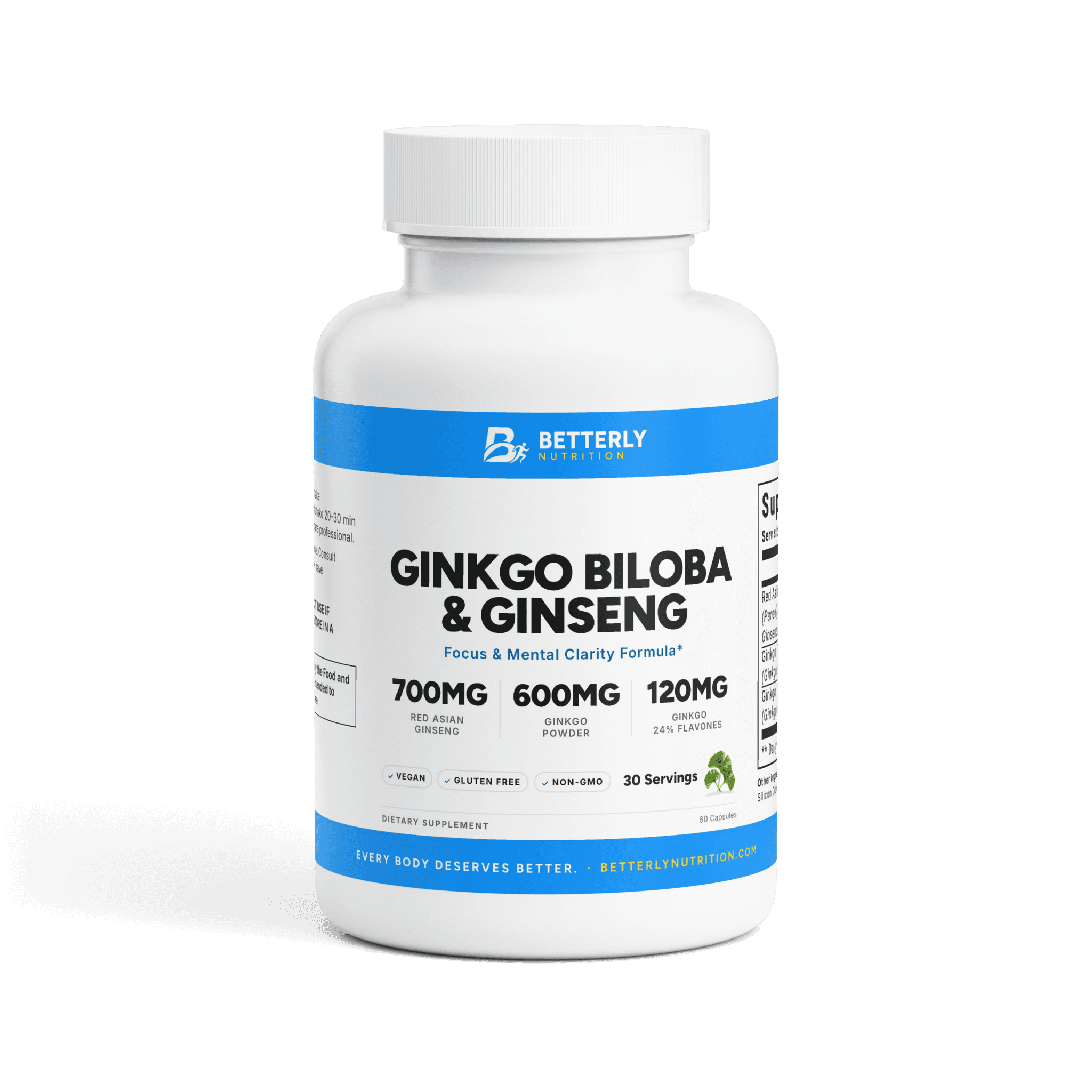
A few ingredients are traditionally associated with mental performance. Caffeine paired with L-theanine is a well-known combination that many people find supports steady, calm alertness. B vitamins play a role in normal energy metabolism in the body, which is part of why a shortfall can leave you dragging. Botanicals like certain adaptogens are used to support the body's response to everyday stress. If you are new to this whole category and want a grounded overview of what these ingredients are and are not, our guide Nootropics Explained for Beginners is a good starting point.
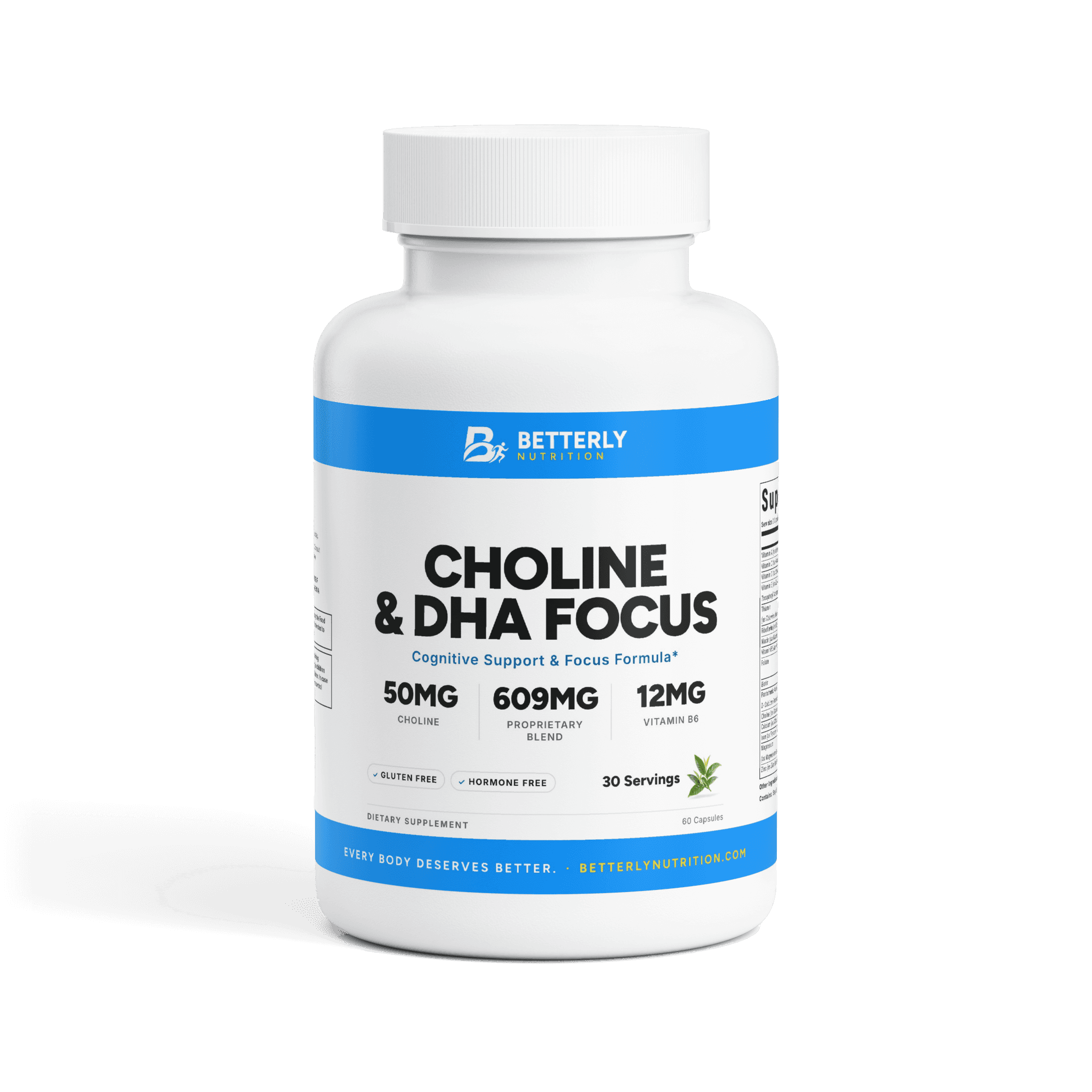
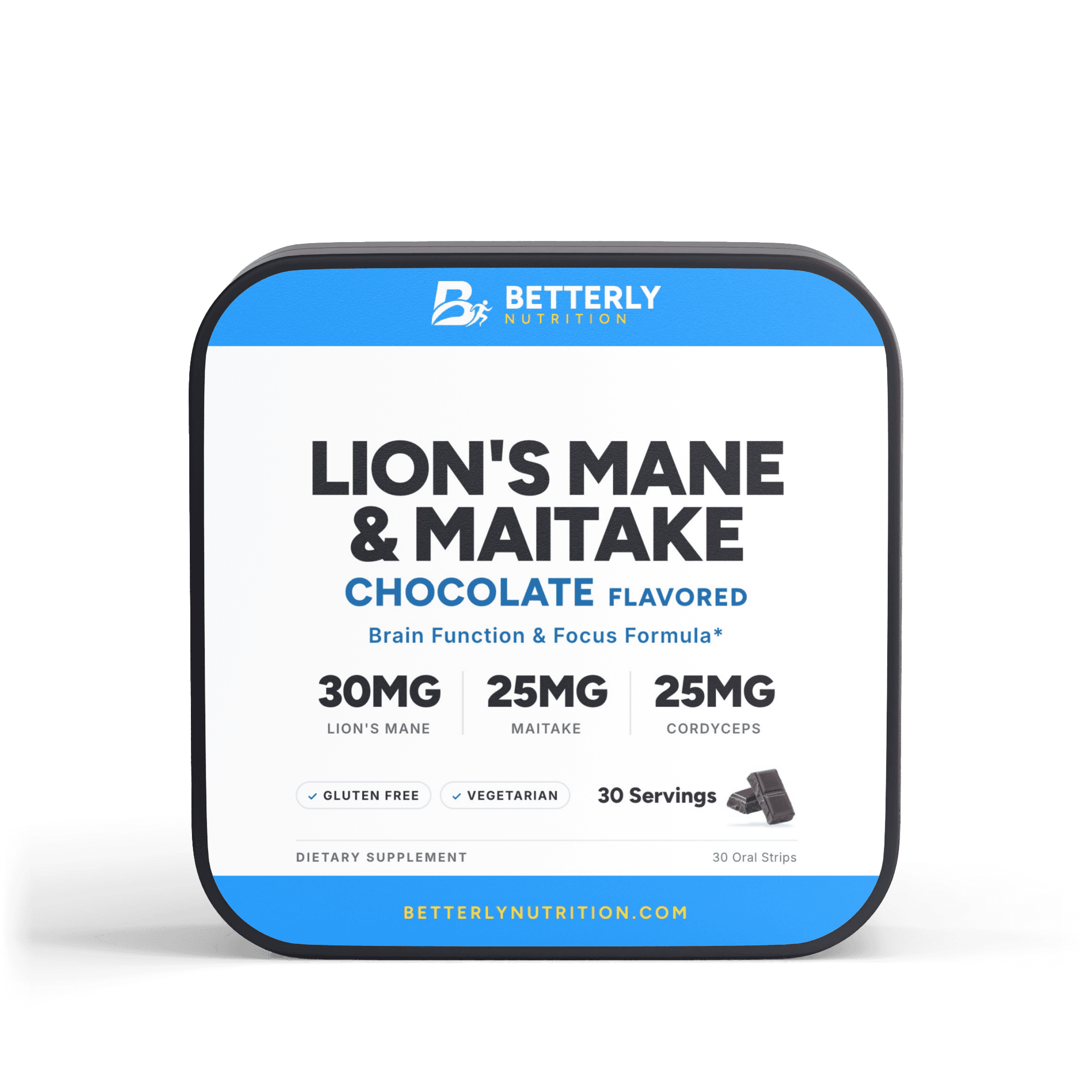
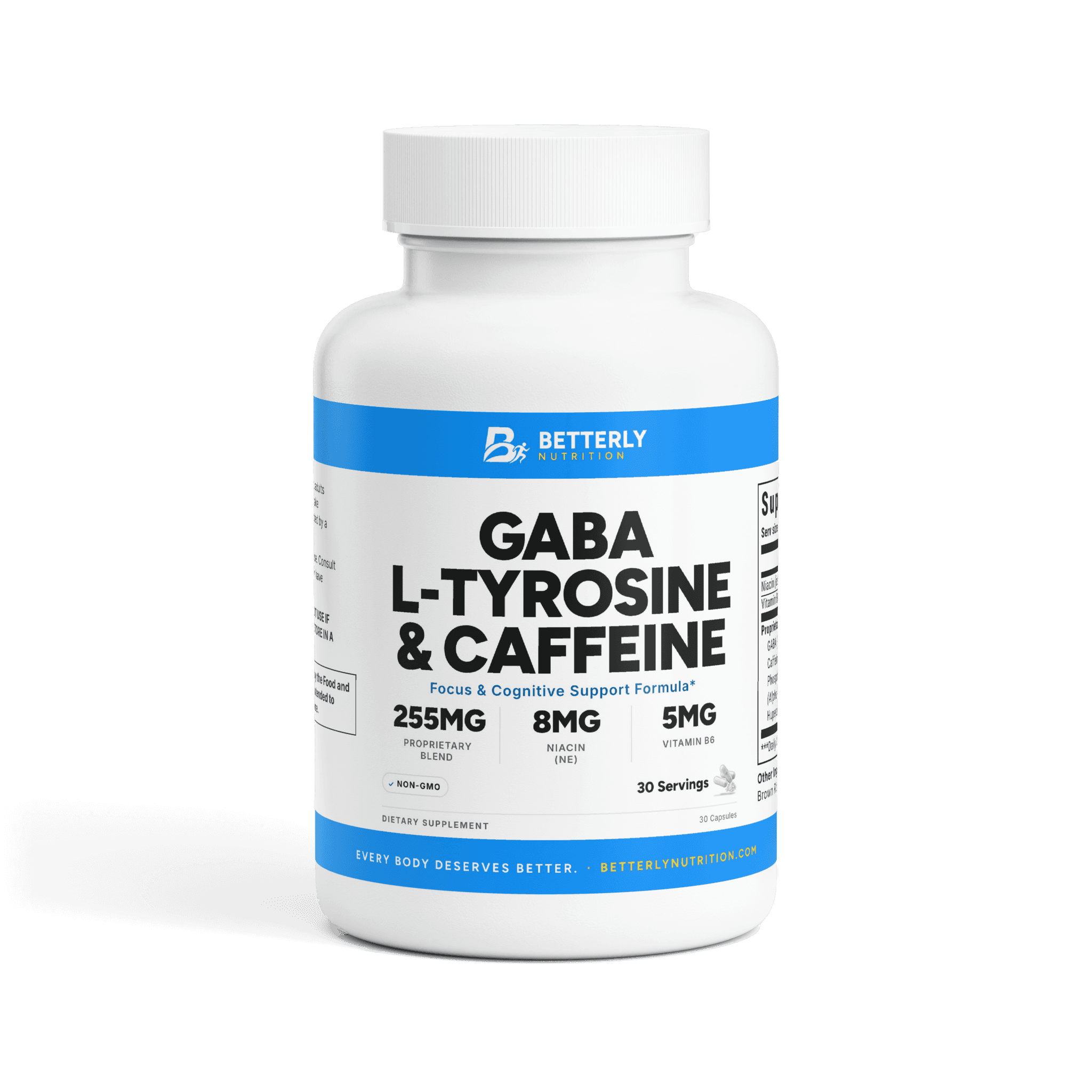
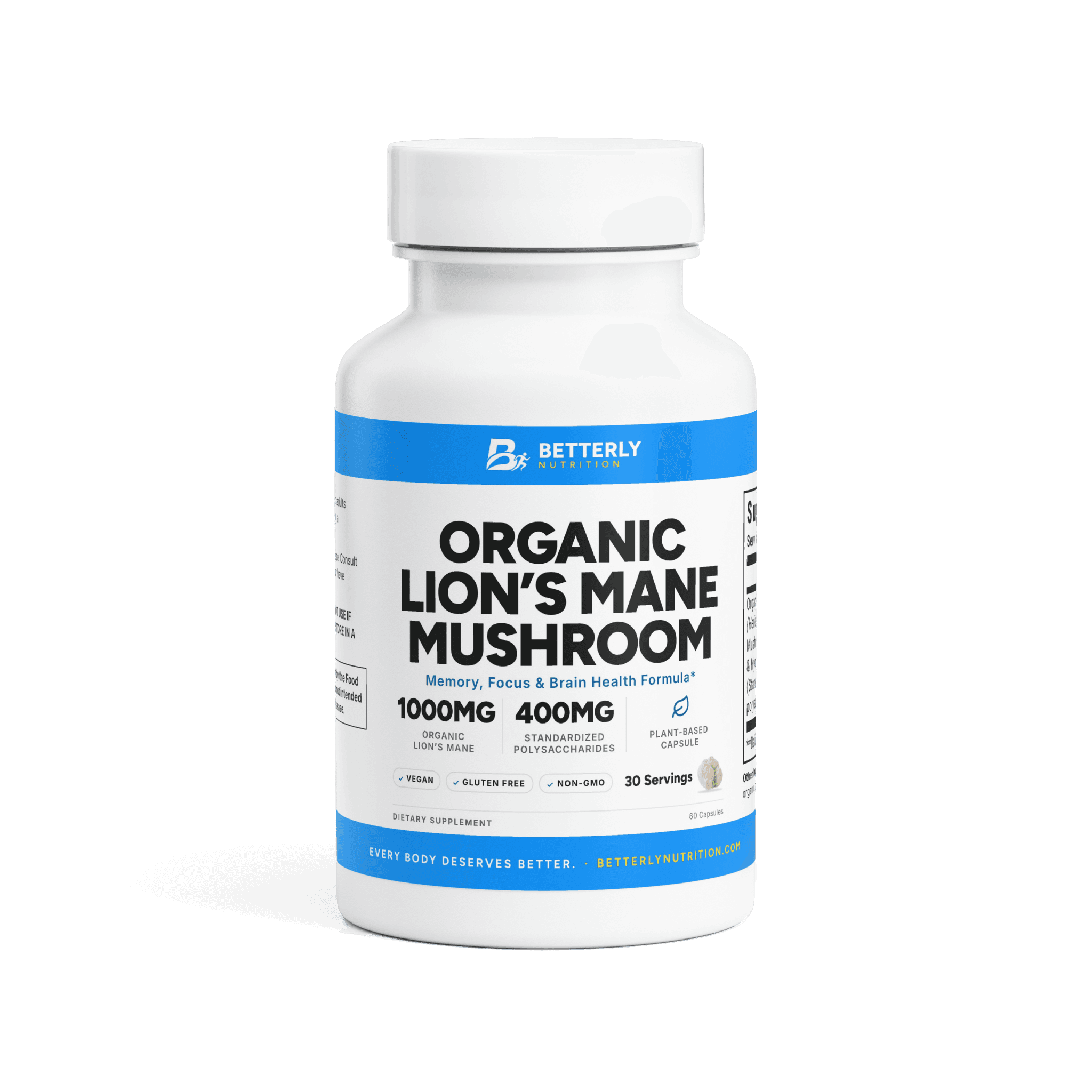
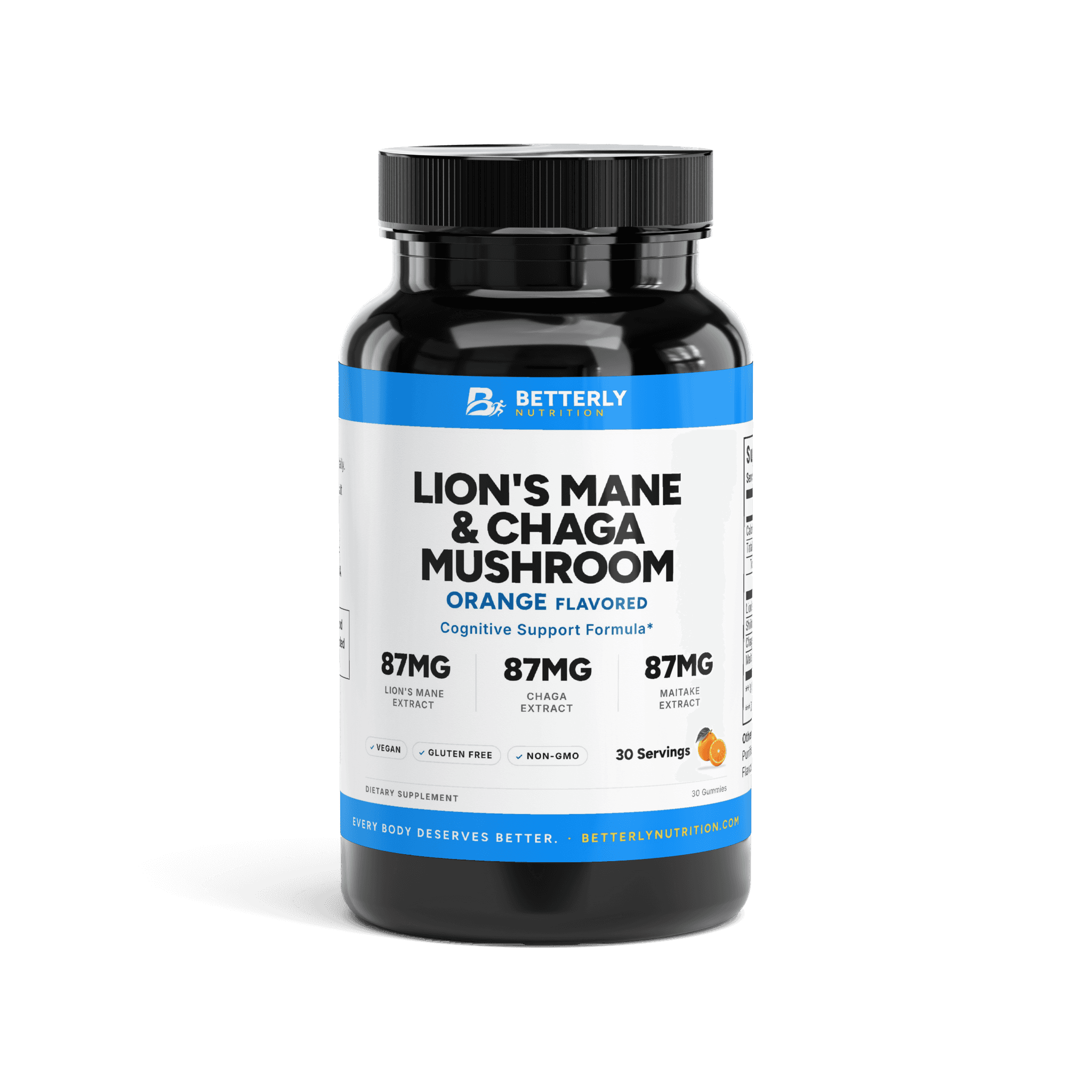
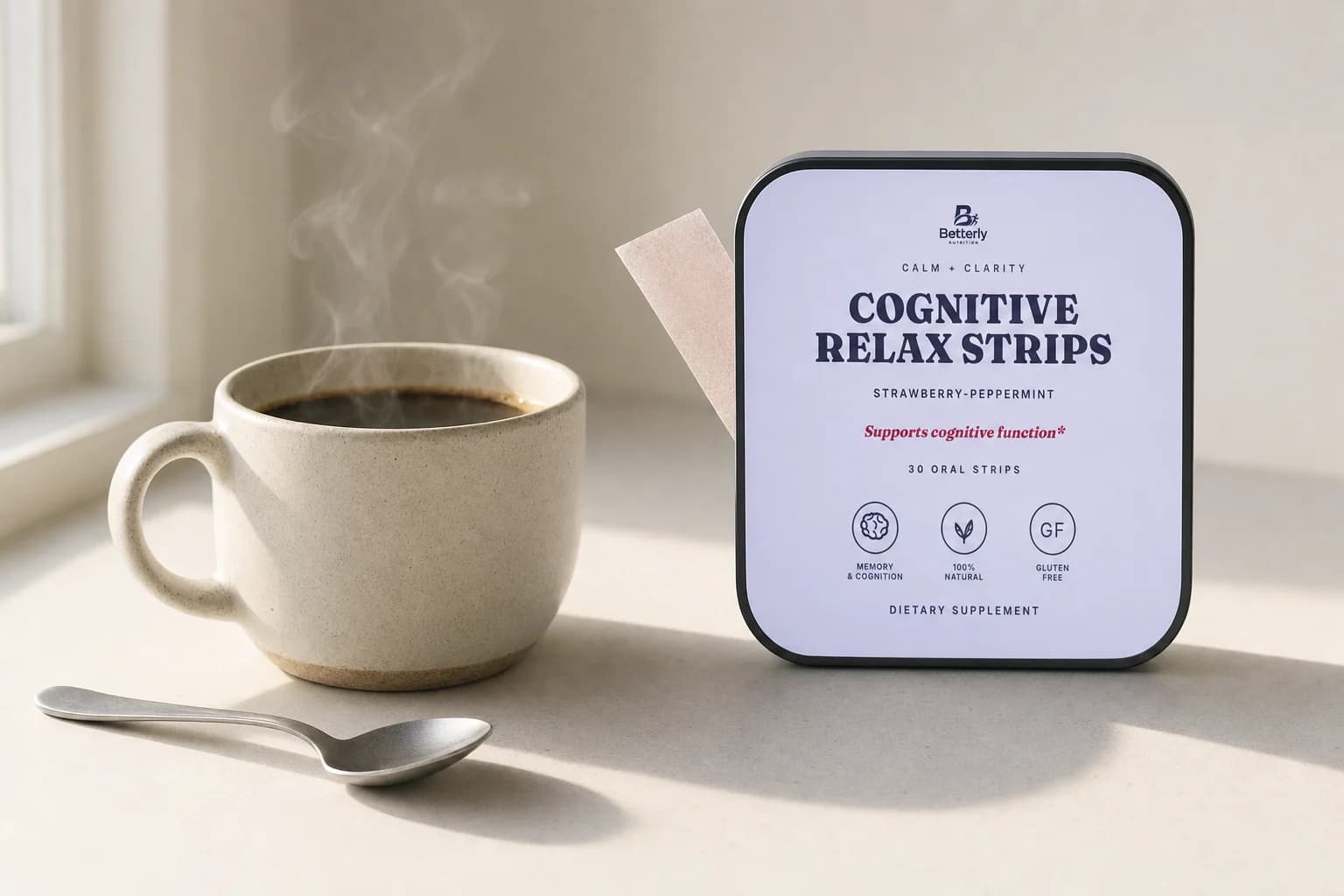
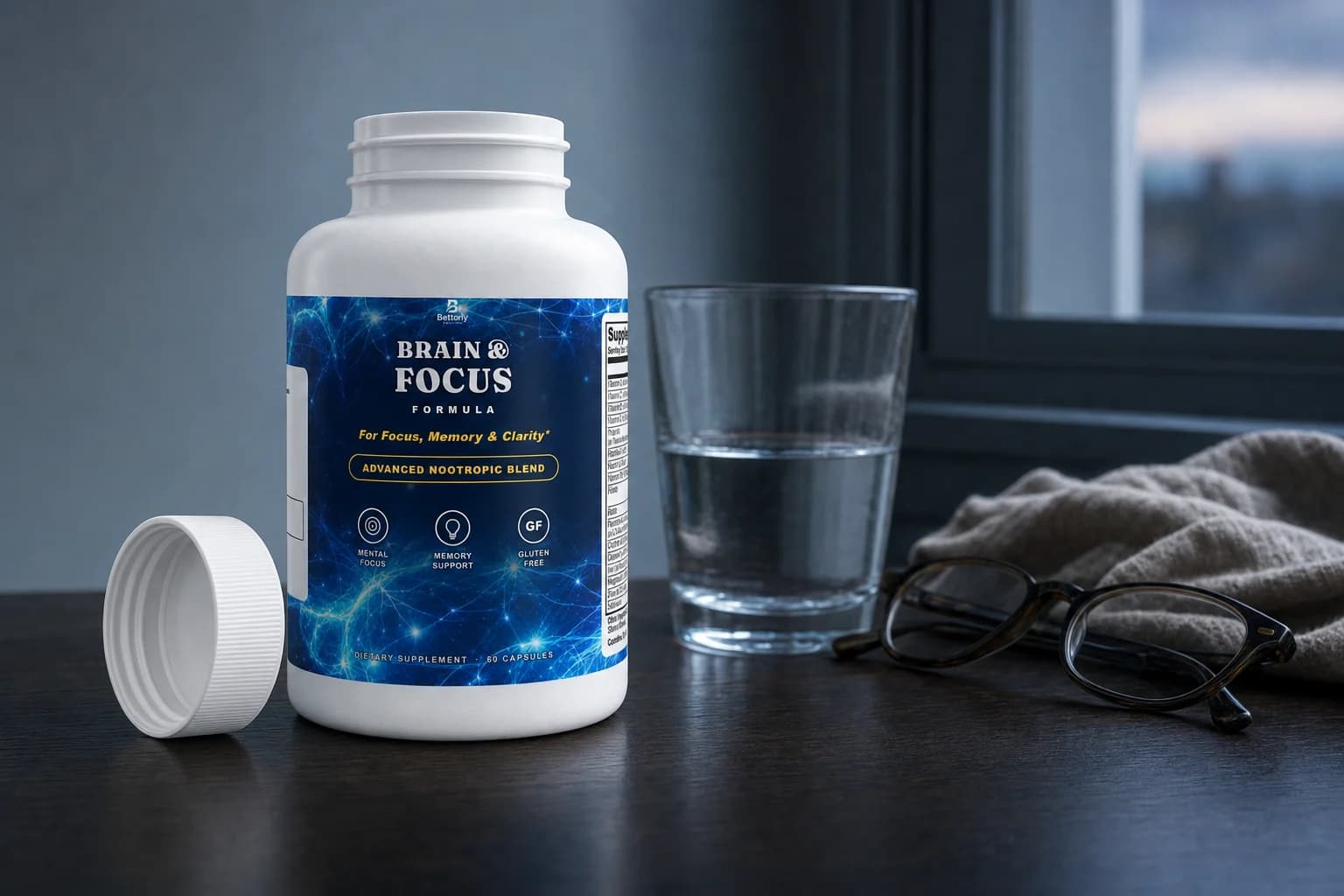
If you would rather not assemble a shelf of single ingredients, a thoughtfully formulated blend can be simpler. Our Choline & DHA Focus Capsules are designed to support focus and mental clarity as part of a balanced routine, and you can see how they fit alongside our other options in the Nootropics & Focus collection. As with anything new, start low, pay attention to how you feel, and check with your healthcare provider if you take medications or have a health condition.
A realistic day, put together
Picture it in practice. You wake at a consistent time and step outside for a few minutes of morning light. Breakfast has some protein so your energy holds. You batch your hardest task into a focused block before lunch, phone in another room. Midday, you take a real walk instead of doom-scrolling. Your afternoon coffee, if you have one, comes early. You wind down without a bright screen and protect your sleep. A supportive supplement, if you use one, is a small piece of that picture, not the whole thing. Do this most days, not every day, and clearer focus tends to follow.
Key takeaways
- Sleep is the foundation. Nothing sharpens focus like a well-rested brain.
- Steady energy helps. Balanced meals, water, and daylight keep you from crashing.
- Move and breathe. Short walks and slow breaths reset attention better than force.
- Protect your attention. Single-task, silence notifications, and take honest breaks.
- Supplements support, not replace. They are one part of an already-healthy routine.
Focus is buildable. Start with sleep and one small habit this week, add another next week, and let the changes compound. If a targeted nutrient blend sounds like a helpful addition to the basics you are already working on, take a look at our nootropics and focus supplements and choose what fits your routine. No miracle promised, just a little more clarity to work with.
If this left you looking for somewhere to start, read what goes into our Choline & DHA Focus Capsules — its amounts per serving are listed on the page. For the practical questions this raises, how dosing, sourcing and subscriptions work is answered in one place.