On this page
Most of us don't want more energy in some abstract sense — we want to feel steady from the first meeting of the day to the last load of laundry, without the familiar mid-afternoon slump. The honest truth is that learning how to boost energy naturally is less about one clever trick and more about a handful of everyday habits working together. This guide walks through what actually shapes your energy across a day, and where a thoughtful supplement routine can support the foundation you're already building.
What "energy" really means in your body
When people say they want more energy, they're usually describing a mix of things: mental clarity, physical stamina, steady mood, and the absence of that heavy, foggy feeling. Underneath all of it is a quieter process happening in your cells. Your body constantly converts the food you eat into a usable form of fuel, and the steadiness of that process has a lot to do with how you feel hour to hour.
That's why energy isn't something you can force with a single strong jolt. A big hit of caffeine or sugar can feel great for a little while and then leave you flatter than before. Lasting energy comes from giving your body consistent inputs — sleep, food, movement, and calm — so the underlying systems have what they need to keep humming.
Start with the foundation
No supplement, drink, or routine replaces the basics. If you get these four things reasonably right most days, you've done the majority of the work.
Sleep is the real energy drink
It sounds almost too simple, but sleep is the single biggest lever most people have. Even one short night nudges you toward more caffeine, more snacking, and lower patience the next day. You don't need perfection — aim for a consistent bedtime and wake time, dim the lights in the last hour, and keep your room cool and dark. A steady sleep schedule tends to do more for daytime energy than any morning fix.
Food that keeps you steady
The goal with food isn't restriction — it's steadiness. Meals built around protein, fiber, and some healthy fat tend to release energy more gradually than a plate of fast carbs on their own. That usually means fewer sharp peaks and the crashes that follow. Practical version: pair your toast with eggs, add nuts to your fruit, and don't skip breakfast if skipping it leaves you ravenous by ten. Hydration matters too; mild dehydration often masquerades as fatigue.
Movement makes more energy than it spends
It feels backwards, but moving your body is one of the most reliable ways to feel more energized. A brisk ten-minute walk, especially after a meal or during that afternoon dip, can do more than a coffee. You don't need a punishing workout — consistent, moderate movement supports circulation, mood, and sleep quality, which all feed back into how you feel the next day.
Stress and your nervous system
Chronic, low-grade stress is exhausting in a way that's easy to underestimate. When your system stays in a keyed-up state for hours, it burns through your reserves and makes rest harder to come by. Small resets help: a few slow breaths before a hard task, a real break at lunch away from screens, or a short walk outside. Managing stress isn't a luxury add-on to your energy plan — it's part of the plan.
Where supplements can support your routine
Once the foundation is in place, supplements can play a supporting role — not as a replacement for sleep or food, but as one more input that works alongside your healthy habits. Think of them as complementary, not corrective.
NAD+ and cellular energy
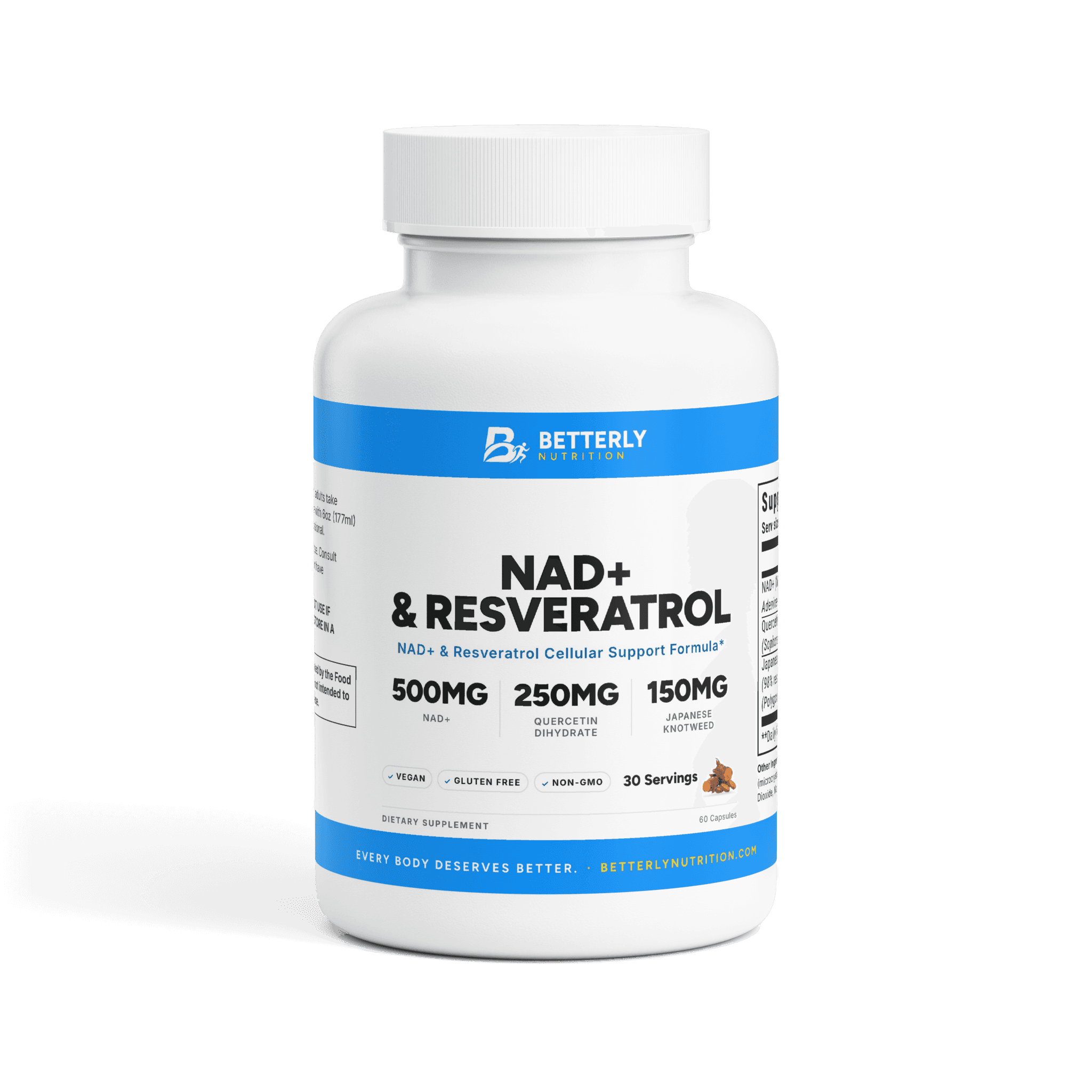
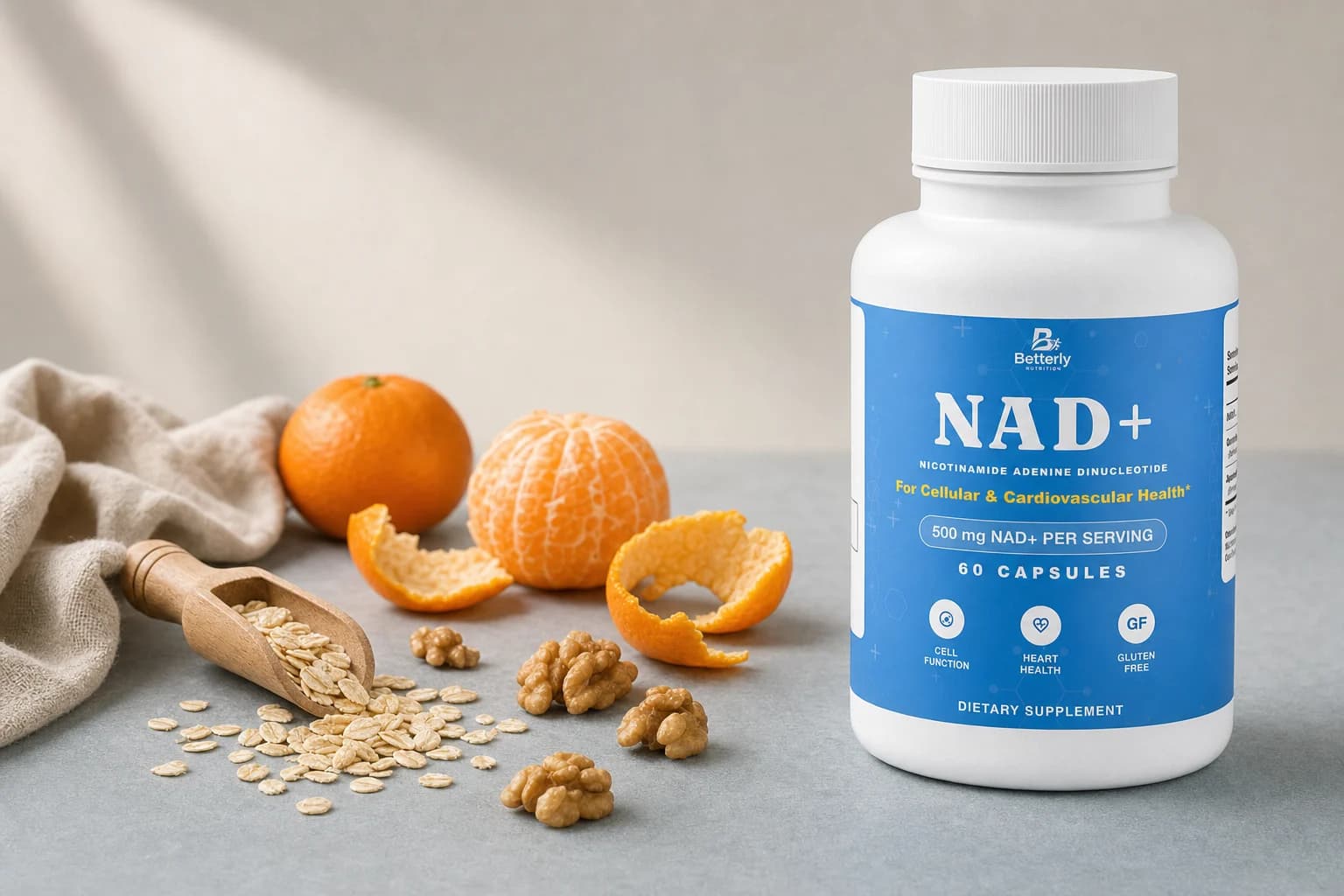
NAD+ is a coenzyme your cells rely on as part of how they turn nutrients into usable energy. Levels naturally shift over time, which is part of why this molecule has drawn so much interest. Our 500mg NAD+ & Resveratrol Capsules are designed to support the body's normal cellular energy production as one piece of a broader routine. If you want the deeper science in plain English, we walk through it in NAD+ and Cellular Energy, Explained.
B vitamins, magnesium, and the everyday helpers
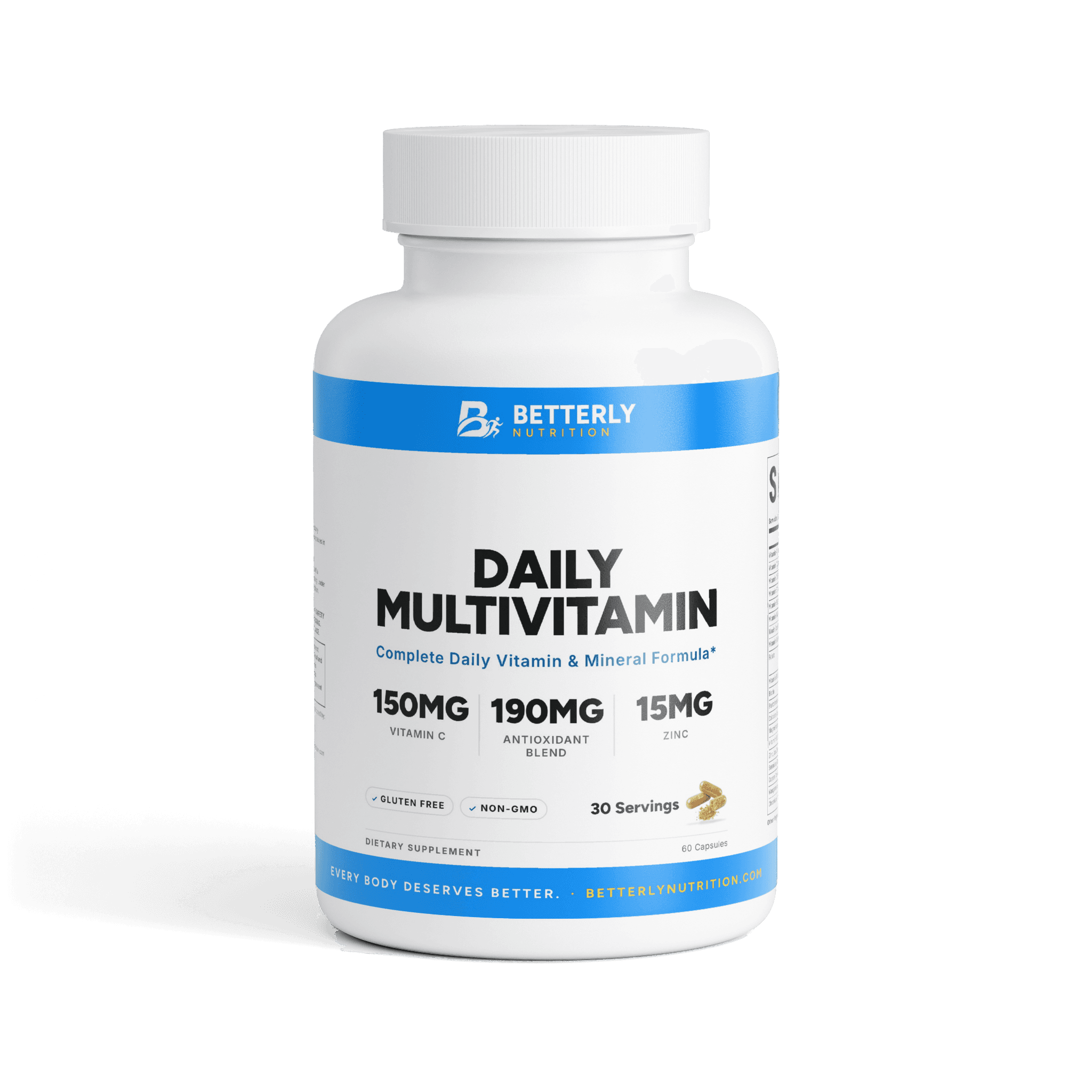
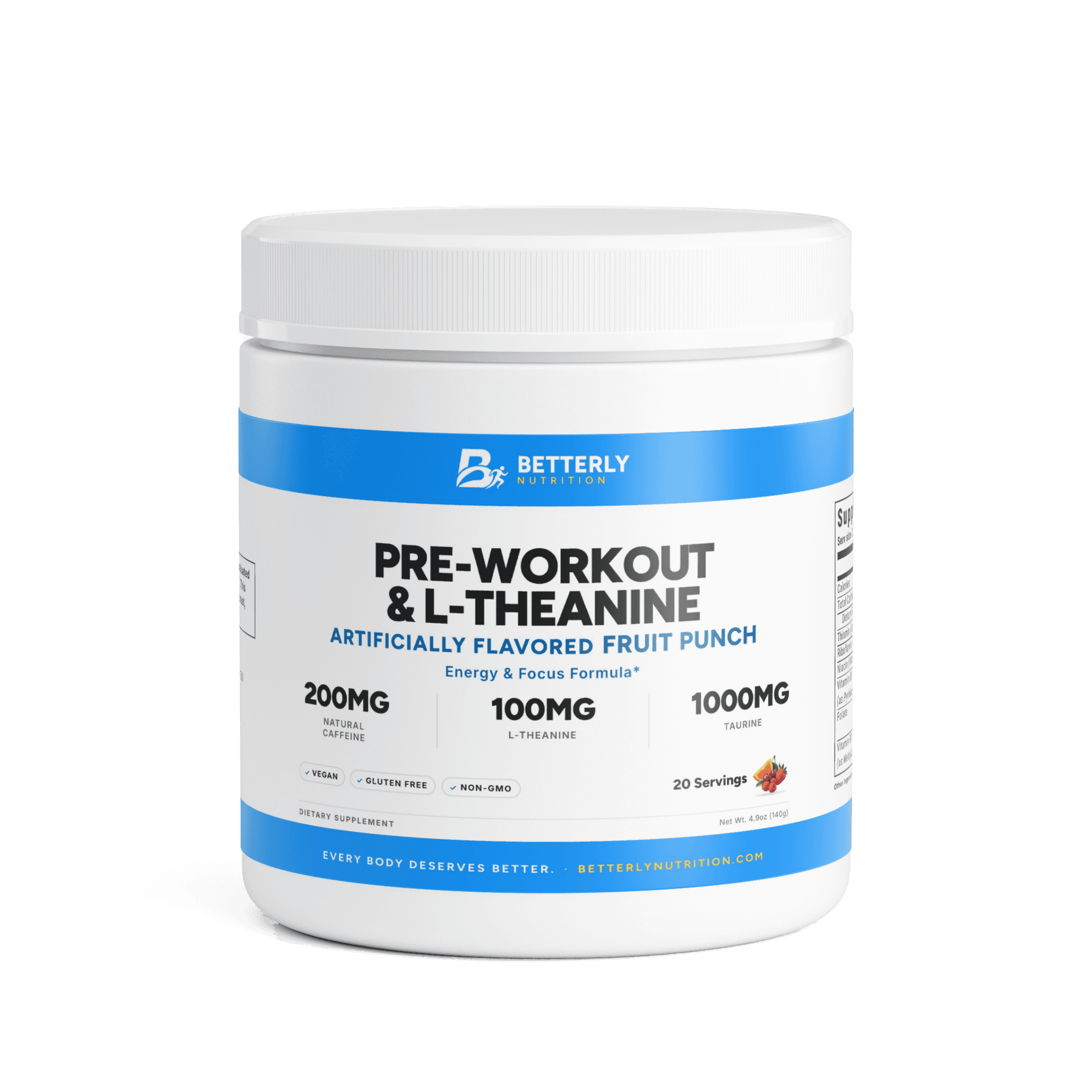
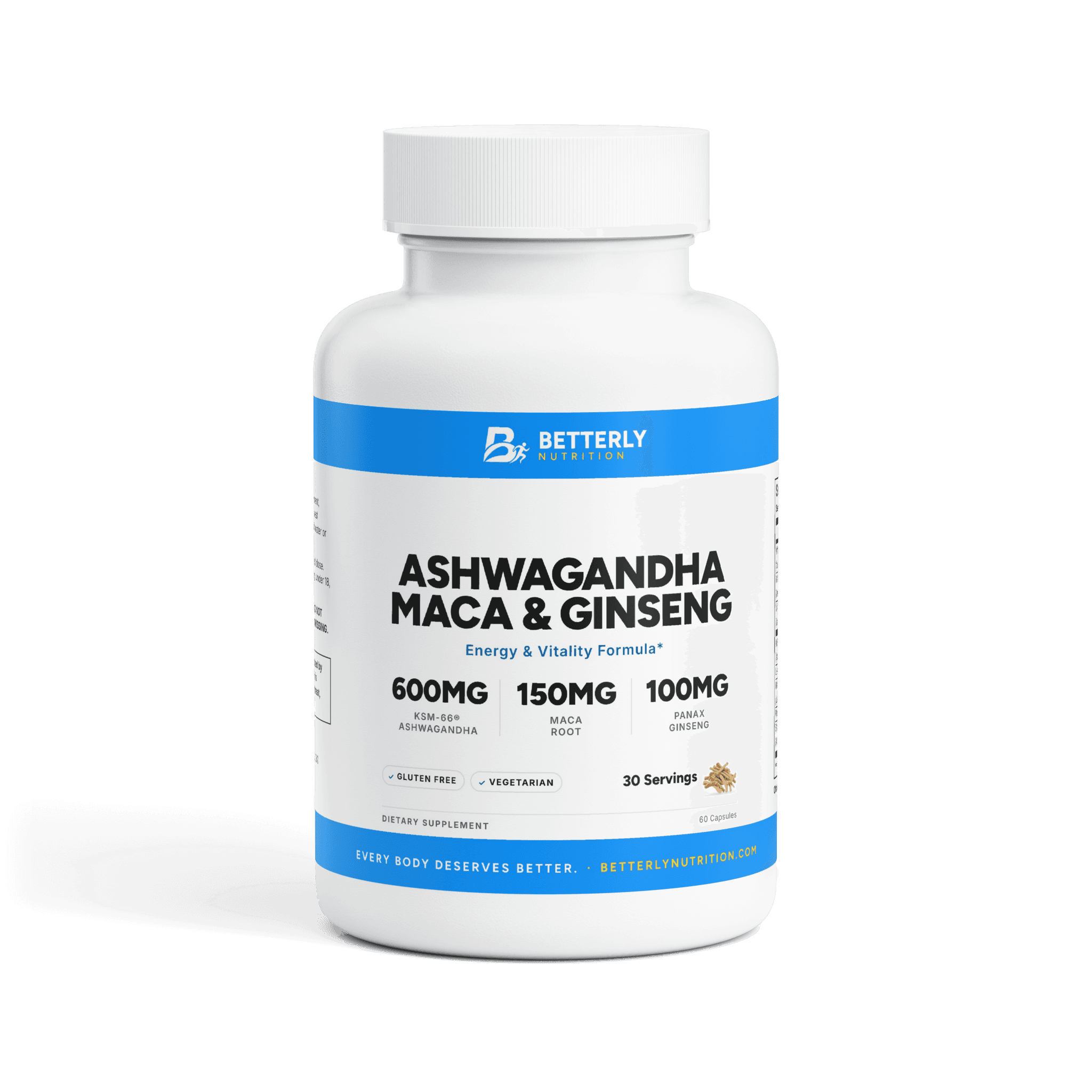
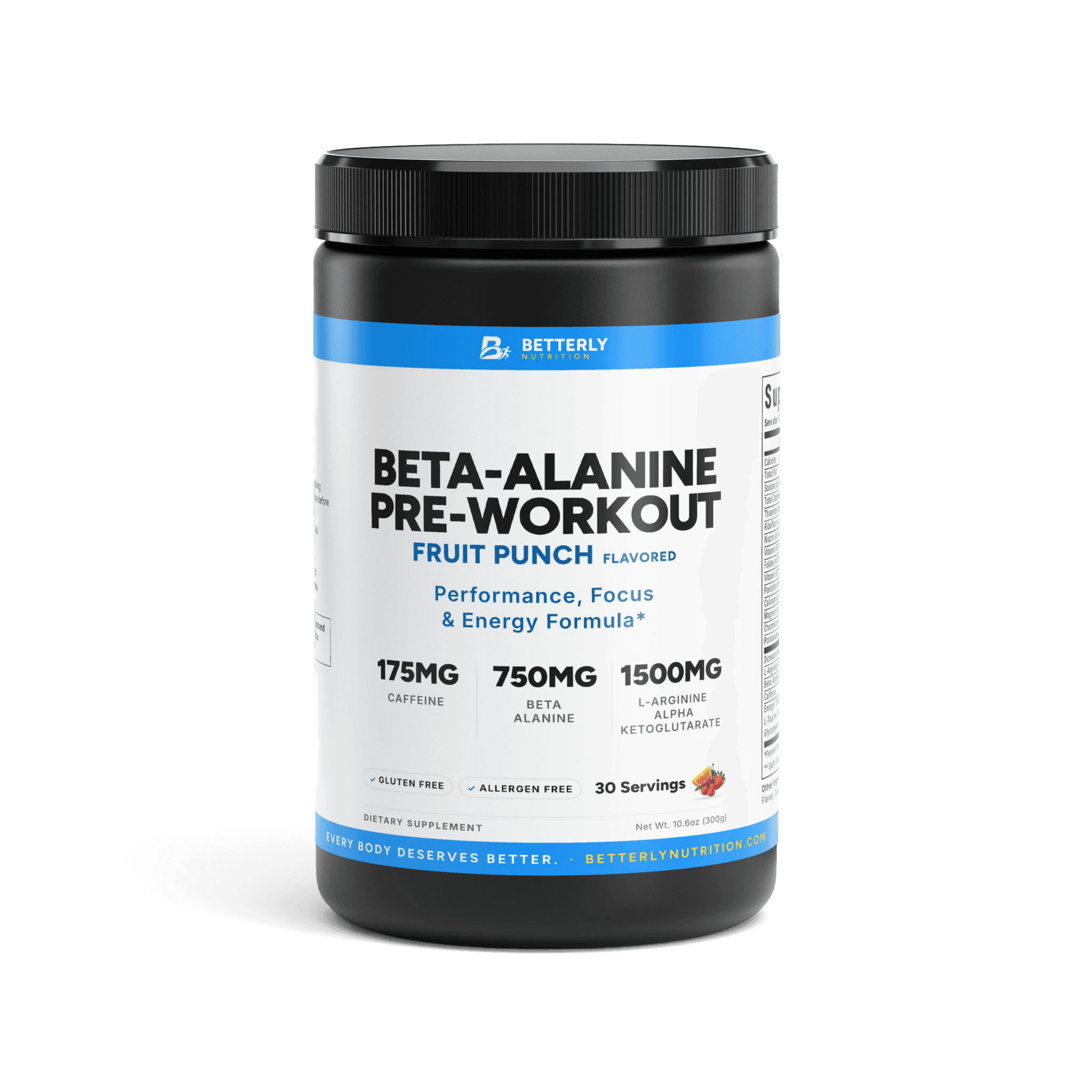
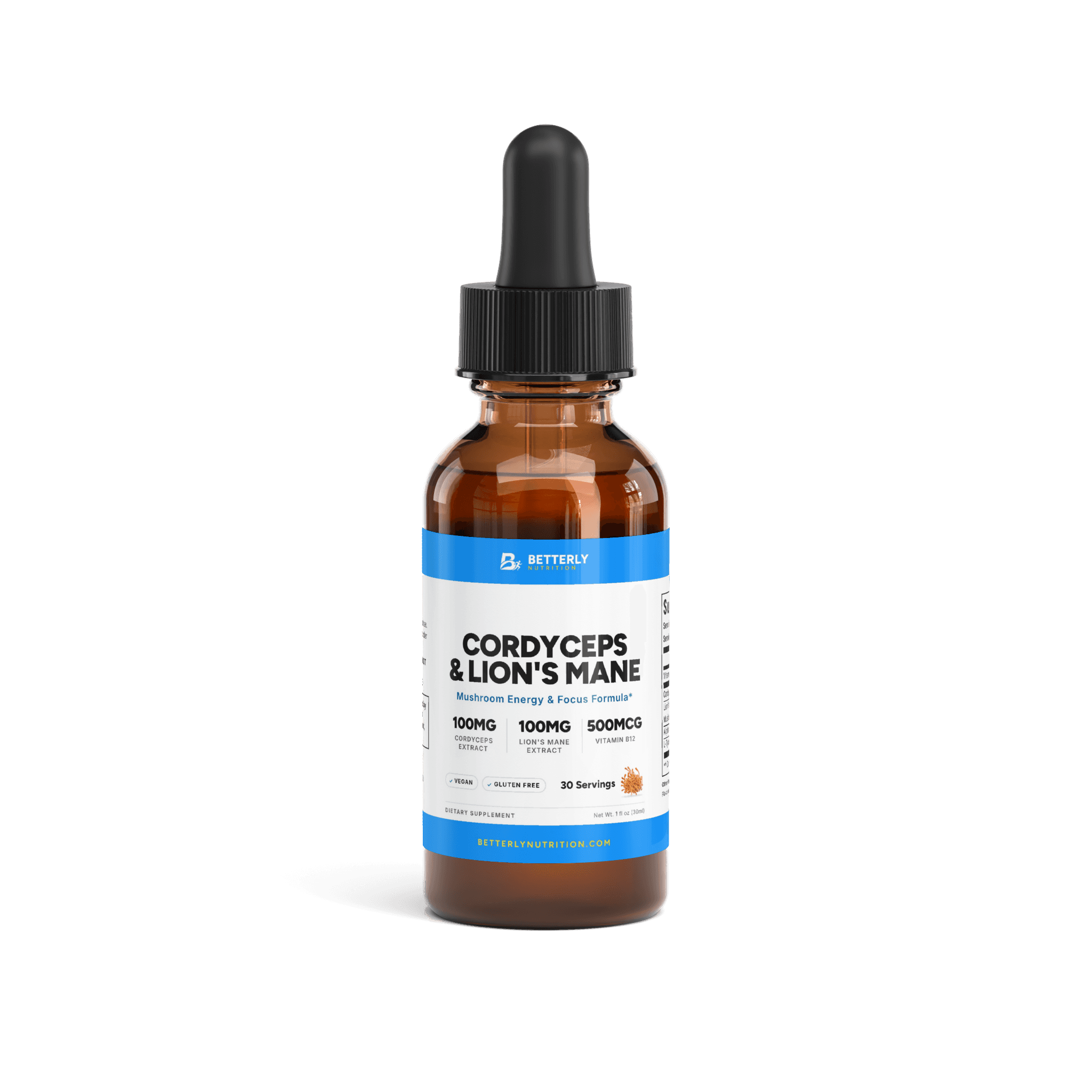
Several common nutrients play ordinary but important roles in normal energy metabolism. B vitamins help your body use the fuel from food, and magnesium supports normal muscle and nervous-system function. The point isn't to stack a dozen bottles — it's to fill genuine gaps that your diet and lifestyle don't fully cover. You'll find our full lineup of energy-supporting options in the Energy Support collection.
An honest word on caffeine
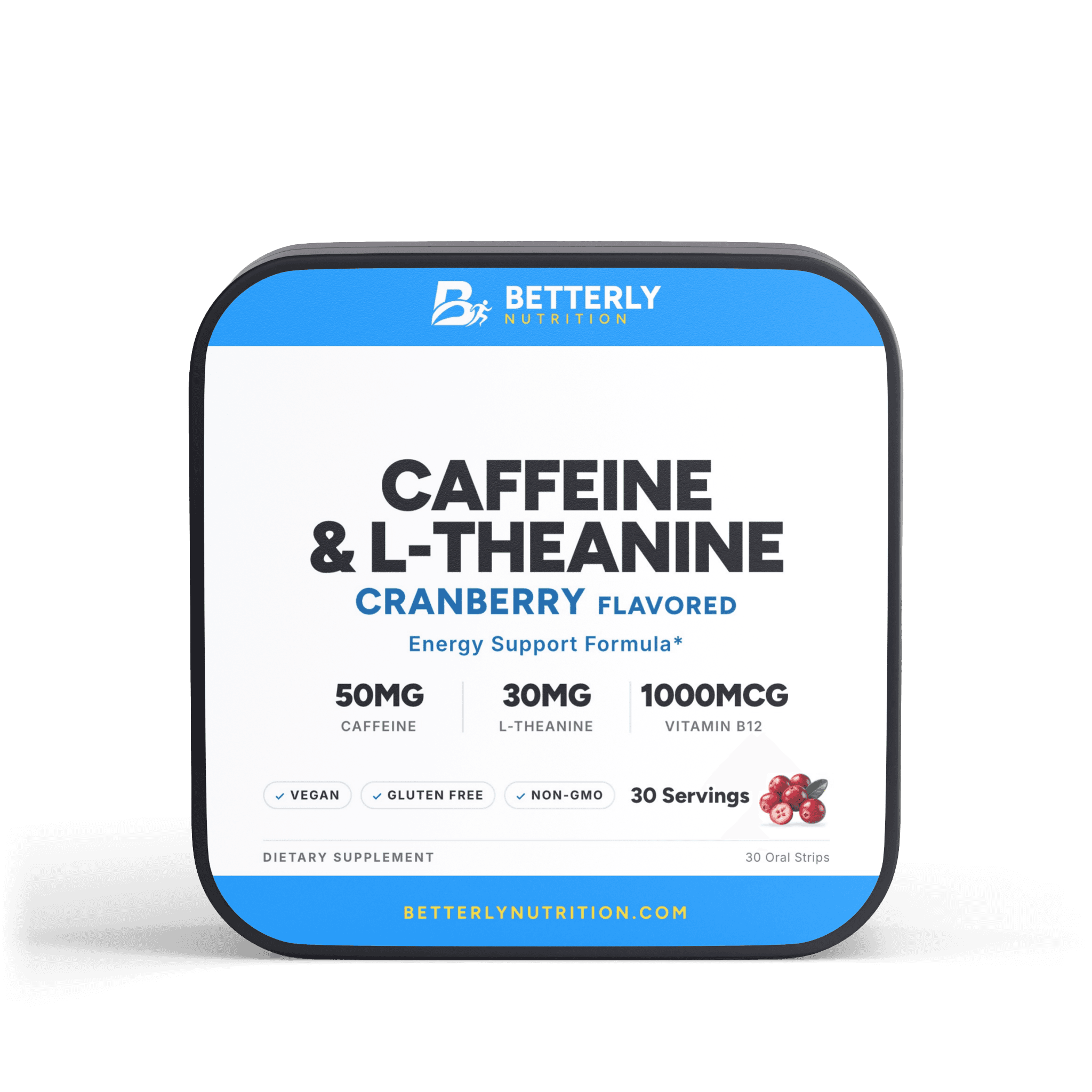
Caffeine can be useful for many adults, though MedlinePlus notes that some people are more sensitive to its effects than others. Just treat it as a tool, not a foundation. Keeping it earlier in the day, and not using it to paper over short sleep, helps you avoid the cycle where you're tired because of the very thing you reached for to feel less tired.
How to boost energy naturally across a day
Here's what pulling it together can look like in practice:
- Morning: Get some daylight early, eat a protein-forward breakfast, and take any supplements you use the way each label directs.
- Midday: Move for ten minutes after lunch instead of pushing straight into the afternoon.
- Afternoon: When the dip hits, try water and a short walk before more caffeine.
- Evening: Wind down with dimmer light and a consistent bedtime so tomorrow starts from a full tank.
None of these steps is dramatic on its own. Stacked together, day after day, they're what steady energy actually looks like.
Key takeaways
- Lasting energy comes from a system of habits, not a single fix.
- Sleep, steady meals, regular movement, and stress management are the foundation — protect them first.
- Supplements like our 500mg NAD+ & Resveratrol Capsules can support your body's normal energy production as one part of that routine, not a replacement for it.
- Treat caffeine as a helper, not a crutch.
- Consistency beats intensity: small, repeatable habits win over time.
A few common questions
How long should I give a new routine? There's no set timeline. How quickly anyone notices a change varies from person to person, so give any new routine, including better sleep and steadier meals, an honest, consistent run before judging it. Changing one habit at a time makes it easier to see what fits your day.
Do I need supplements to have good energy? No. They're meant to complement solid habits, not stand in for them. Start with the basics and add support where it makes sense for you. If you're pregnant or nursing, under 18, taking a prescription medication, or managing a medical condition, check with a healthcare provider before starting a new supplement.
Is it normal to have an afternoon dip? A gentle midday lull is completely normal. Light, movement, water, and a balanced lunch usually soften it more than another coffee.
If you'd like a simple place to start, our Energy Support collection gathers the options we'd point a friend toward — no hype, just clean formulas designed to support the healthy routine you're already building. Take your time, pick what fits, and let it work alongside the habits that matter most.
Sources
If this left you looking for somewhere to start, read NAD+ and resveratrol capsules for cellular energy — its amounts per serving are listed on the page. For the practical questions this raises, how dosing, sourcing and subscriptions work is answered in one place.