On this page
If you have spent any time in the wellness corner of the internet lately, you have probably seen three letters pop up again and again: NAD+. So what is NAD+, and why does it get so much attention? In plain English, it is a molecule your cells rely on to turn the food you eat into usable energy — and understanding it makes the whole idea of "cellular energy" a lot less mysterious.
What is NAD+, exactly?
NAD+ stands for nicotinamide adenine dinucleotide — a mouthful, which is why almost everyone just says NAD+. It is a coenzyme, which is a friendly way of saying "a helper molecule." Every cell in your body carries it, from your brain to your muscles to your skin, and it shows up in some of the most fundamental chemistry that keeps you running.
The easiest way to picture NAD+ is as a tiny shuttle. It picks up and drops off electrons during the reactions that convert food into energy your cells can actually spend. When plenty of these shuttles are running back and forth, that handoff is smooth. It is one of those behind-the-scenes players you never notice when things are working well — and that is exactly the point.
What NAD+ does for cellular energy
Here is the part that connects NAD+ to how you feel day to day. Inside nearly every cell are mitochondria, often nicknamed the cell's "power plants." Their job is to take the fuel from your food and turn it into ATP, the molecule your body spends on basically everything: thinking, moving, healing, even reading this sentence.
NAD+ is a key ingredient in that process. During energy production it flips back and forth between two forms — NAD+ and NADH — carrying electrons through the steps that ultimately produce ATP. In short, it helps support the normal metabolism that keeps your cellular engines humming.
Beyond energy, NAD+ is also involved in other everyday cellular housekeeping — the ordinary maintenance and repair work that helps cells respond to normal wear and tear. We will keep this honest: researchers are still mapping the full picture, and NAD+ is not a magic switch. But its role in energy metabolism is well established and genuinely fascinating.
Does NAD+ change as we age?
One reason NAD+ gets so much buzz is the popular idea that its levels drop steadily as we get older — a question that is far from settled in people. Everyday factors — things like short sleep, ongoing stress, and a mostly sedentary routine — are also part of the conversation around how efficiently our bodies make and use it.
This is where it is easy to get oversold. You will see NAD+ framed as the secret to turning back the clock. We would rather be straight with you: NAD+ is one important piece of a very complex system, not a fountain of youth. The useful takeaway is not panic — it is that the same steady, doable habits that support the rest of your health also support your cellular energy machinery.
Everyday habits that support steady energy
Before you reach for anything on a shelf, the foundation matters most. Supplements work best layered on top of a solid routine — never in place of one. A few things that genuinely support healthy energy day to day:
- Sleep. This is the big one. Consistent, quality sleep is when a lot of your body's repair and reset work happens, and it does more for your energy than almost anything you can buy.
- Movement. Regular activity — even walking — gives your mitochondria a reason to stay efficient. You do not need to train like an athlete; you need to move often.
- Food. Whole foods with enough protein, fiber, and a range of colorful plants give your cells the raw materials they use to make energy in the first place. Certain B vitamins are part of that picture.
- Stress and daylight. Chronic stress quietly taxes your energy. Getting morning light, taking real breaks, and giving your nervous system time to downshift all count more than they get credit for.
If you want a deeper, practical playbook for this, we wrote one here: How to Support All-Day Natural Energy. It pairs nicely with everything in this article.
Where NAD+ supplements fit in
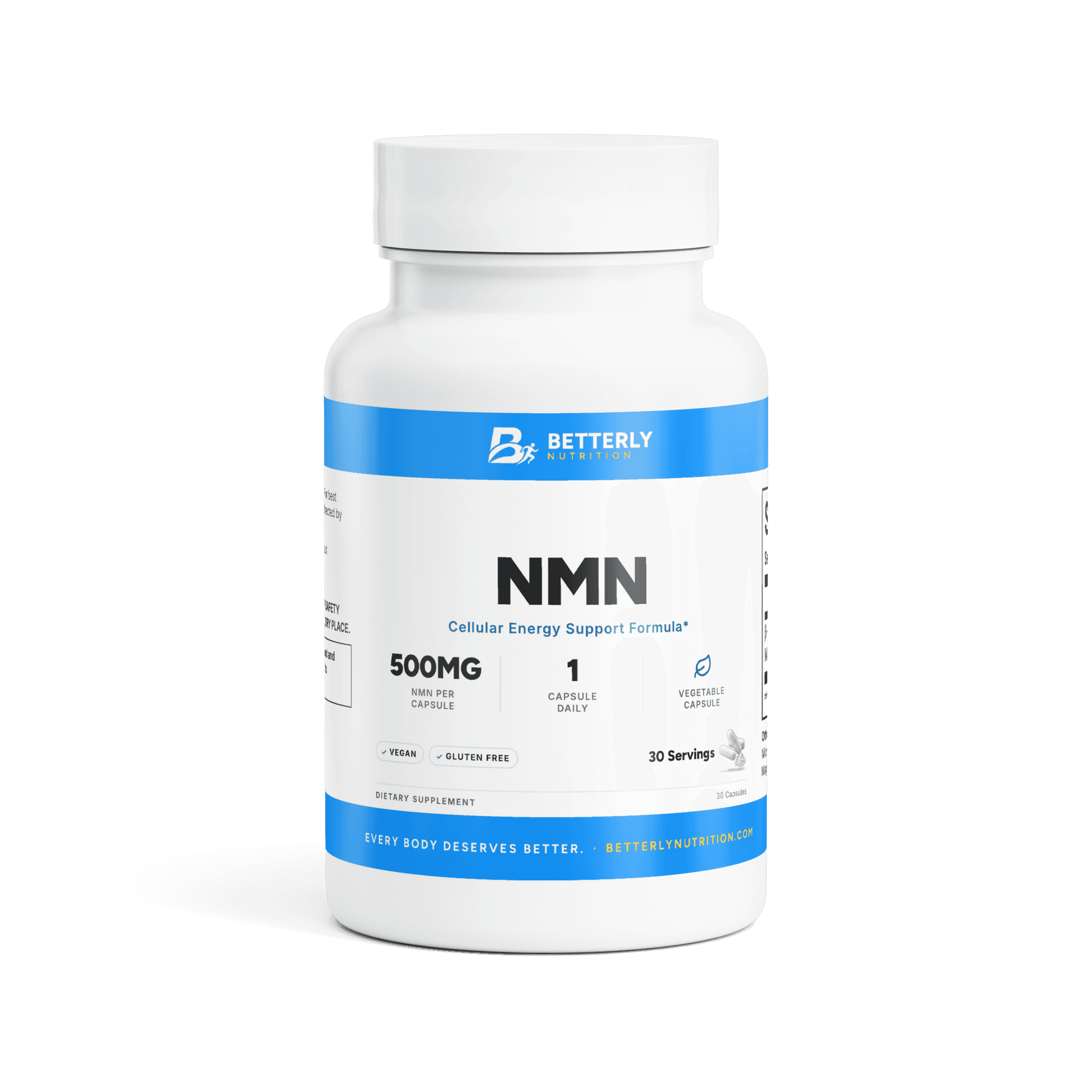
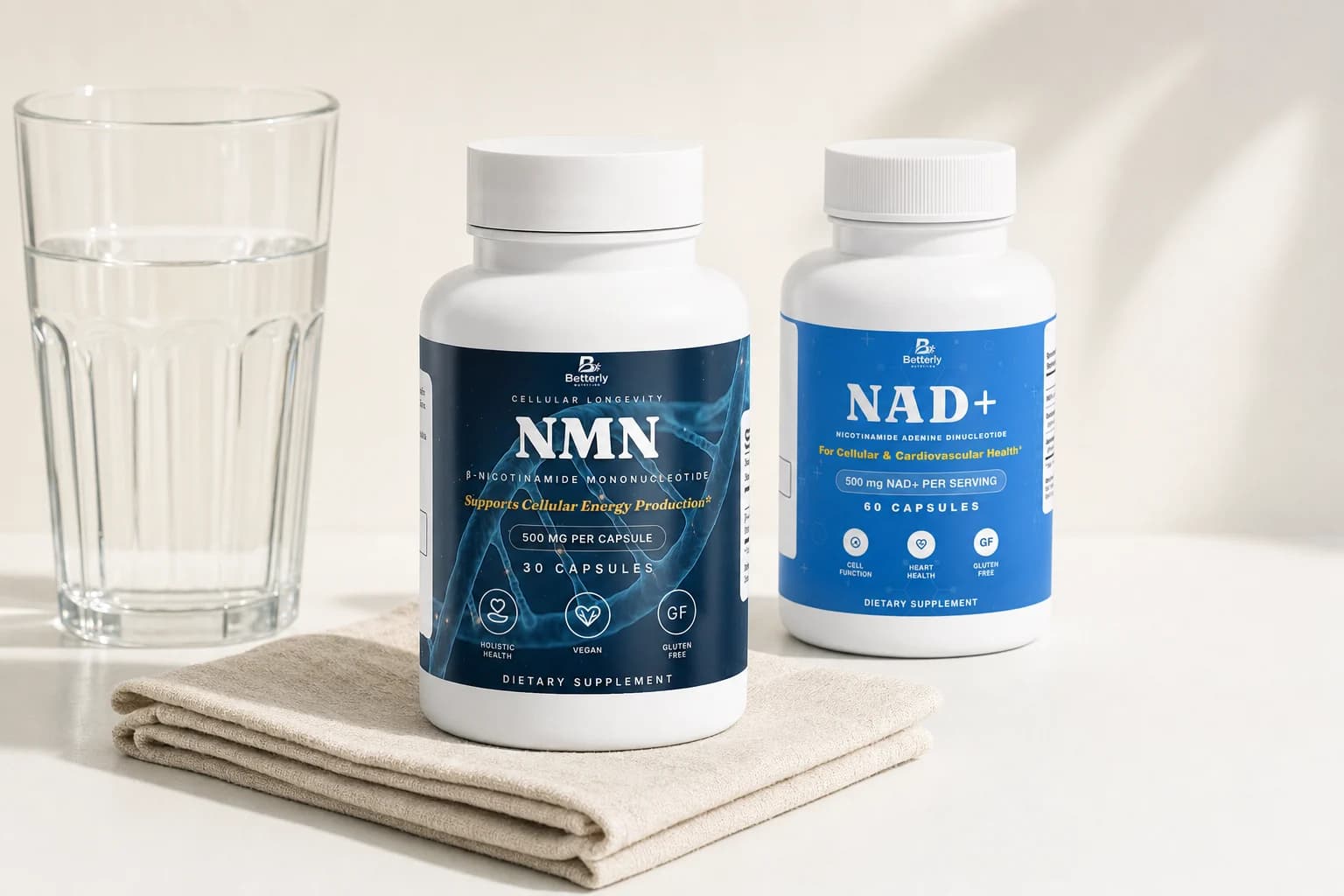
Your body builds NAD+ from smaller molecules called precursors, which it converts into NAD+ as needed. Some of these come from your diet — certain forms of vitamin B3, for example. Some supplements supply NAD+ itself, while others supply a precursor such as NMN, like our 500mg NMN Capsules.
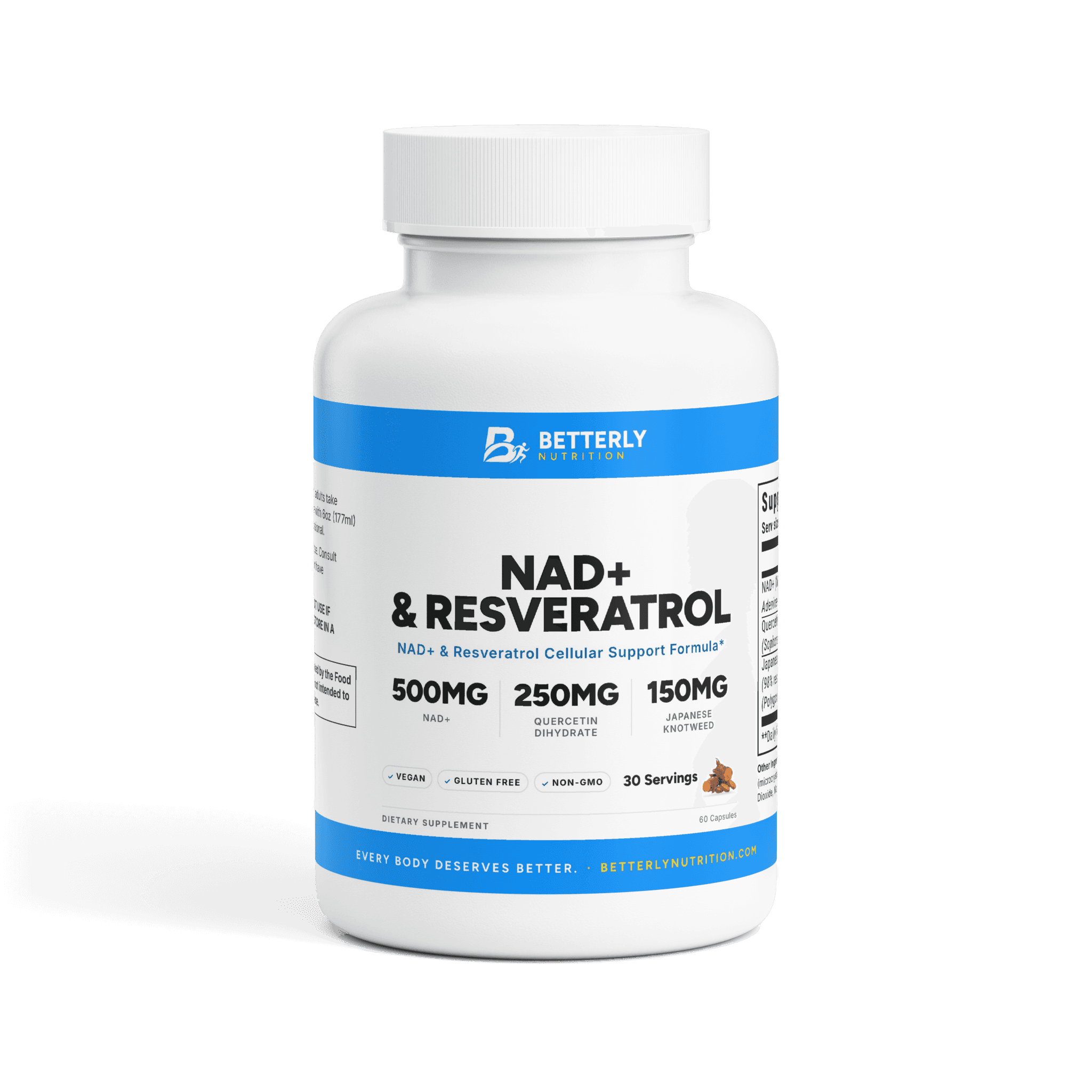
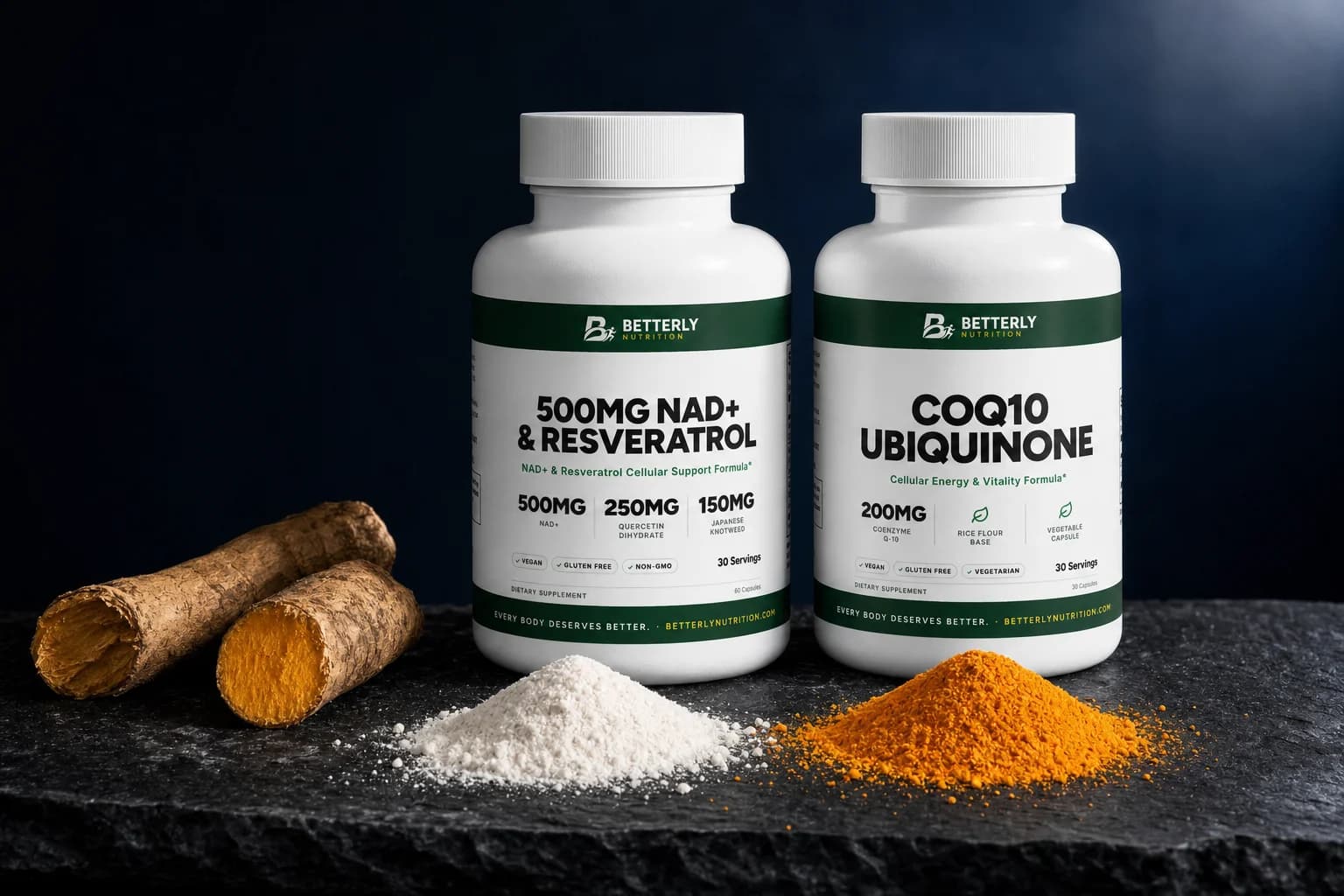
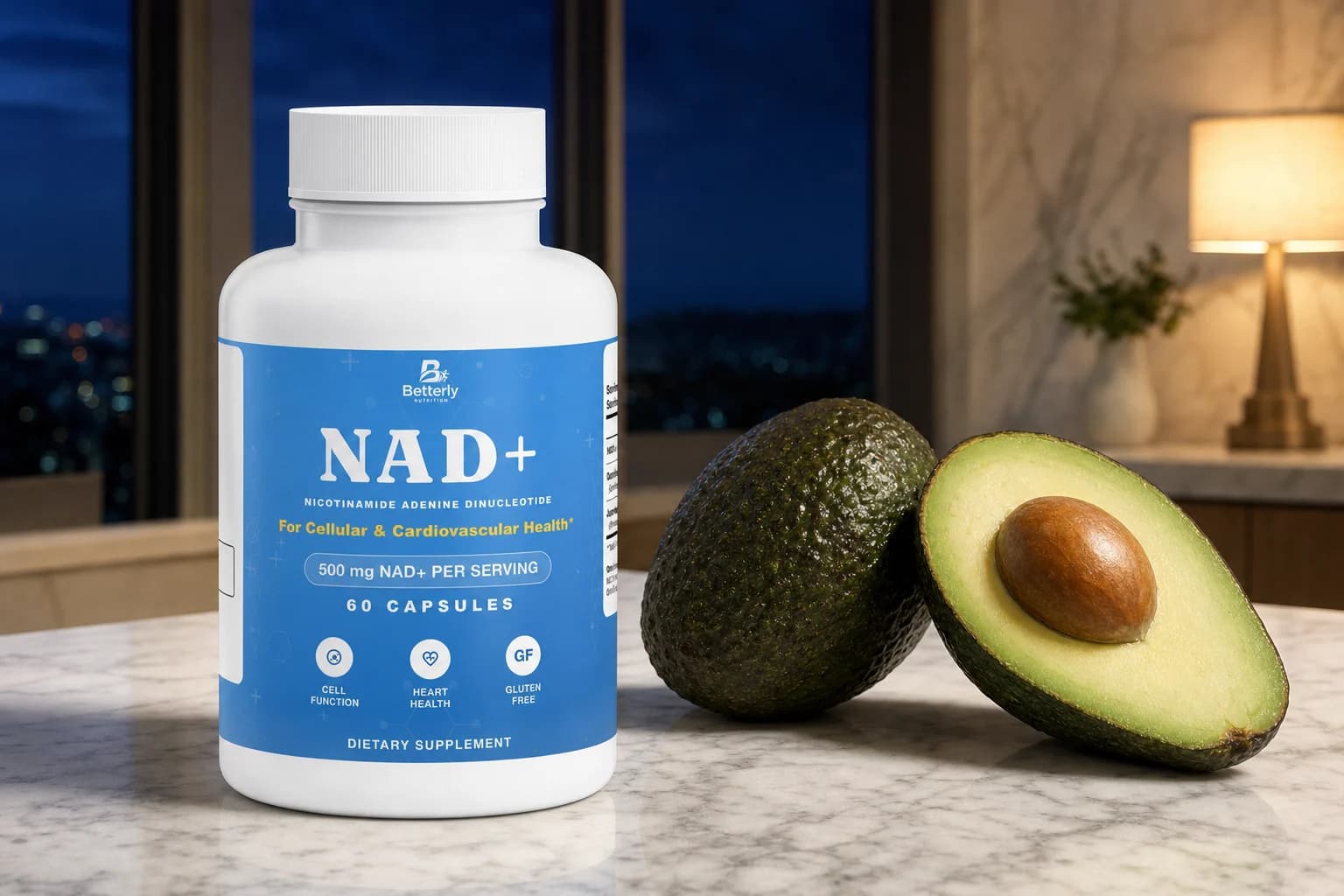
Here is the honest framing: a NAD+ supplement is a way to support your body's own energy metabolism as one part of a healthy routine. It is not a stand-in for sleep, food, or movement, and it will not undo a schedule that is running you into the ground. If you are curious to try one, our 500mg NAD+ & Resveratrol Capsules provide 500mg of NAD+ per 2-capsule serving, alongside 250mg of Quercetin Dihydrate Extract and 150mg of Japanese Knotweed Extract (98% resveratrol), and they live in our NAD+ & Longevity collection.
Two common-sense notes: the label's suggested use is two (2) capsules daily for adults, and the label advises not exceeding that dose. And check with your healthcare provider before starting something new — the label's caution asks anyone who is pregnant, nursing, under 18, or managing a medical condition to consult a physician first, and the same goes if you take any prescription medication.
Key takeaways
- What is NAD+? A coenzyme found in every cell that helps convert food into usable energy.
- Its main job: supporting the cellular energy metabolism that powers everything you do.
- Still being studied: how NAD+ levels change with age in people is not settled, and headlines often overstate it.
- Foundation first: sleep, food, movement, and stress management do the heavy lifting.
- Supplements are support: NAD+ supplements, and precursors such as NMN, can complement a healthy routine — not replace it.
If better energy is something you are working toward, the most reliable moves are the everyday ones, and a thoughtful supplement can be a small, supportive add-on. When you are ready, you are welcome to take a closer look at our 500mg NAD+ & Resveratrol Capsules, or, for everyday energy basics, browse our Energy Support collection. No miracles promised — just a little extra support for the routine you are already building.
If this left you looking for somewhere to start, read NAD+ capsules with quercetin and resveratrol — its amounts per serving are listed on the page. For the practical questions this raises, how dosing, sourcing and subscriptions work is answered in one place.