On this page
- NAD+ in sixty seconds: why everyone's talking about it
- What NMN is, and how it relates to NAD+
- The absorption question: precursor vs. taking NAD+ directly
- What the research suggests for each
- How to decide: NMN or NAD+?
- Dosing, timing, and what to realistically expect
- Can you take NMN and NAD+ together?
- Where NAD+ support fits in the bigger energy picture
- Key takeaways
- FAQ: NMN vs NAD+
Type "NMN vs NAD" into a search bar and you'll get a wall of brands, each making the case for the molecule it sells. We sell both an NMN and an NAD+ capsule, so we have a stake either way — here's how to judge any brand's, ours included. That means laying out what actually separates NMN from an NAD+ supplement — how each one works, what research suggests about the absorption question at the center of the debate, and a plain framework for deciding, including an honest answer to "can I just take both?"
One promise before we start: no miracle language. This is slow, cellular-level territory, and the science is younger than the marketing implies.
NAD+ in sixty seconds: why everyone's talking about it
NAD+ — nicotinamide adenine dinucleotide, and you can see why everyone abbreviates — is a coenzyme found in every living cell. It has two headline jobs. First, it helps convert the food you eat into the cellular energy your body actually runs on. Second, it's a required ingredient for a family of enzymes that handle everyday cellular upkeep, including the sirtuins you may have seen name-dropped in healthy-aging articles.
The reason NAD+ became famous is a simple, well-replicated observation: research suggests NAD+ levels tend to decline as we get older. Pair that with a large stack of animal studies on what happens when you top NAD+ back up, and you get the current wave of interest. Whether raising NAD+ does for humans what it appears to do for mice is still an open question — and worth keeping in mind whenever the marketing gets breathless.
We've written a full explainer on the molecule itself — NAD+ and cellular energy, explained — so this post can stay focused on the supplement decision.
What NMN is, and how it relates to NAD+
NMN (nicotinamide mononucleotide) is what researchers call a precursor: a raw material your body uses to build NAD+. It isn't a rival molecule or a competing philosophy. In the body's main NAD+ production line — a recycling loop scientists call the salvage pathway — nicotinamide (a form of vitamin B3) gets converted into NMN, and NMN gets converted into NAD+. NMN sits exactly one step before the finish line.
So the difference between NMN and NAD+ as supplements isn't about the destination. Both aim at the same thing: more NAD+ available to your cells. A NAD precursor supplement like NMN hands your cells the second-to-last puzzle piece and lets them finish the job; an NAD+ capsule tries to deliver the finished puzzle.
Which raises the actual question — what survives the trip through your digestive system?
The absorption question: precursor vs. taking NAD+ directly
Here's the honest center of the debate.
NAD+ taken orally has a rough journey. NAD+ is a relatively large, charged molecule. Research suggests digestion breaks much of it down into smaller pieces — including the same precursor building blocks your body already uses — before it reaches your bloodstream, and cells generally can't pull intact NAD+ across their membranes anyway. So an oral NAD+ capsule most likely works, to whatever extent it works, indirectly: your body salvages the parts and reassembles them. That isn't nothing. It's just not the direct top-up the name might imply. (It's also why most direct-NAD+ research you'll see cited involves IV administration in clinics — a different product and a different conversation.)
NMN has a more interesting absorption story — with an asterisk. In 2019, researchers identified a dedicated transporter in the small intestine of mice that appears to move NMN directly into cells, which suggested a built-in doorway for oral NMN. Later work complicated the picture: studies using traceable NMN molecules suggest gut bacteria break down a meaningful share of an oral dose before it's absorbed. Meanwhile, small human studies have found that oral NMN raises NAD+ levels measured in blood — which tells us something useful is getting through, even if scientists are still mapping exactly how much, and by which route.
If you were hoping one of these had a clean, settled absorption story: neither does. But as of today, NMN has the stronger case for the oral route, and that's the honest core of most "NMN vs NAD" verdicts you'll read — including ours.
What the research suggests for each
For NMN: the human evidence is real but young. Several reviews published in 2024 pooled the small human trials — roughly 8 to 12 studies and a few hundred participants each time. Where blood NAD+ was measured, oral NMN raised it, and it was generally well tolerated at the doses studied. Most measures of physical performance and metabolic markers didn't differ meaningfully from placebo, and one review cautioned that NMN's benefits may be overstated. Notice the texture of those findings: small, short trials and changes measured in bloodwork, not transformations people necessarily felt.
For NAD+ taken orally: there's far less direct human research on swallowing NAD+ itself. Because the molecule is broken down in digestion, researchers have mostly studied its precursors instead. That doesn't mean an oral NAD+ capsule does nothing — as covered above, its breakdown products are usable raw material. It means that if you want the format with more published human data behind it, that's NMN right now.
For both: the gap between mouse results and human results is the whole story of this category. In animals, raising NAD+ has produced striking findings. In humans, so far, the findings are measured and modest. No capsule has been shown to turn back the clock, and if a brand quotes mouse studies at you as though they were human outcomes, that tells you something about the brand.
How to decide: NMN or NAD+?
If you're stuck on "should I take NMN or NAD+?", here's the short version.
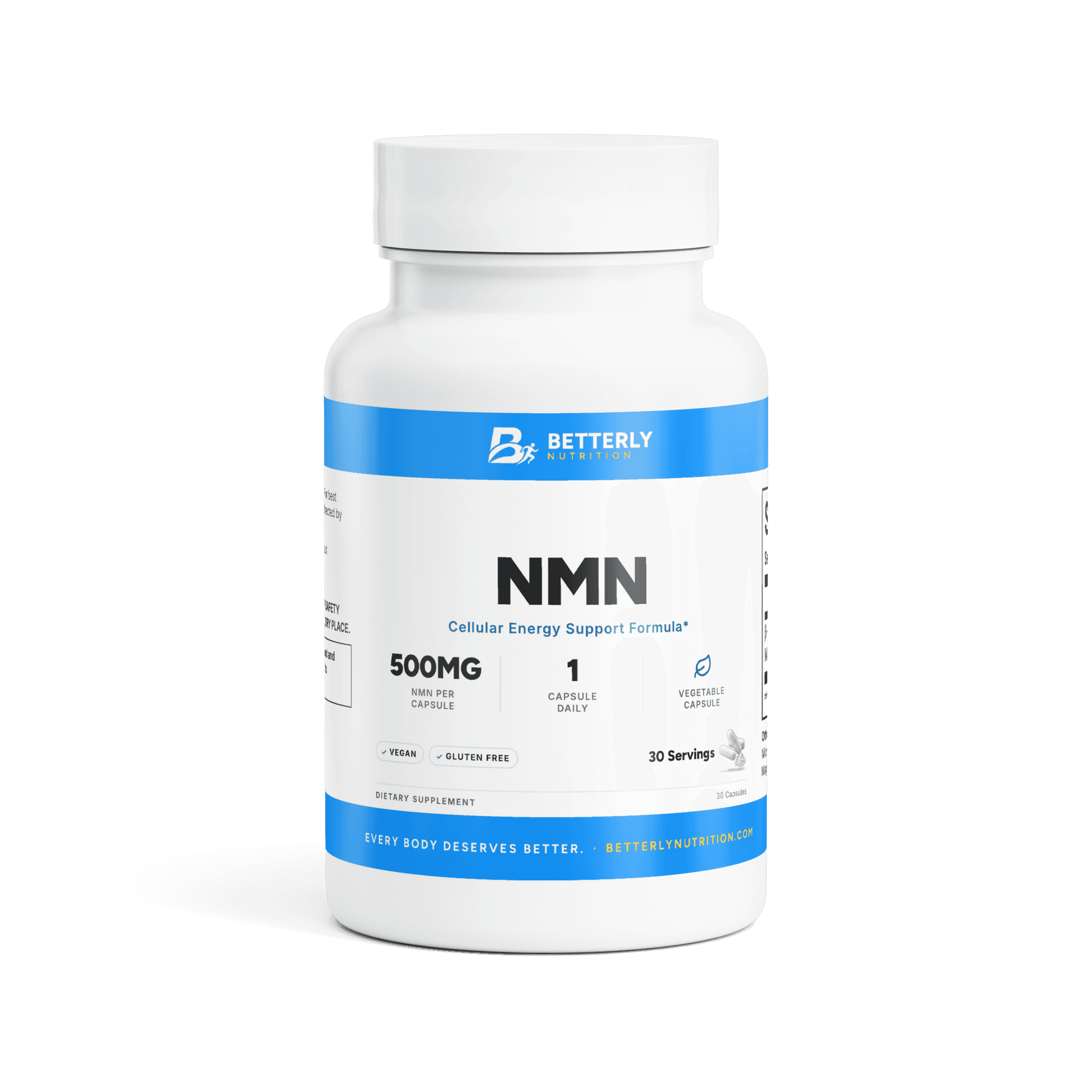
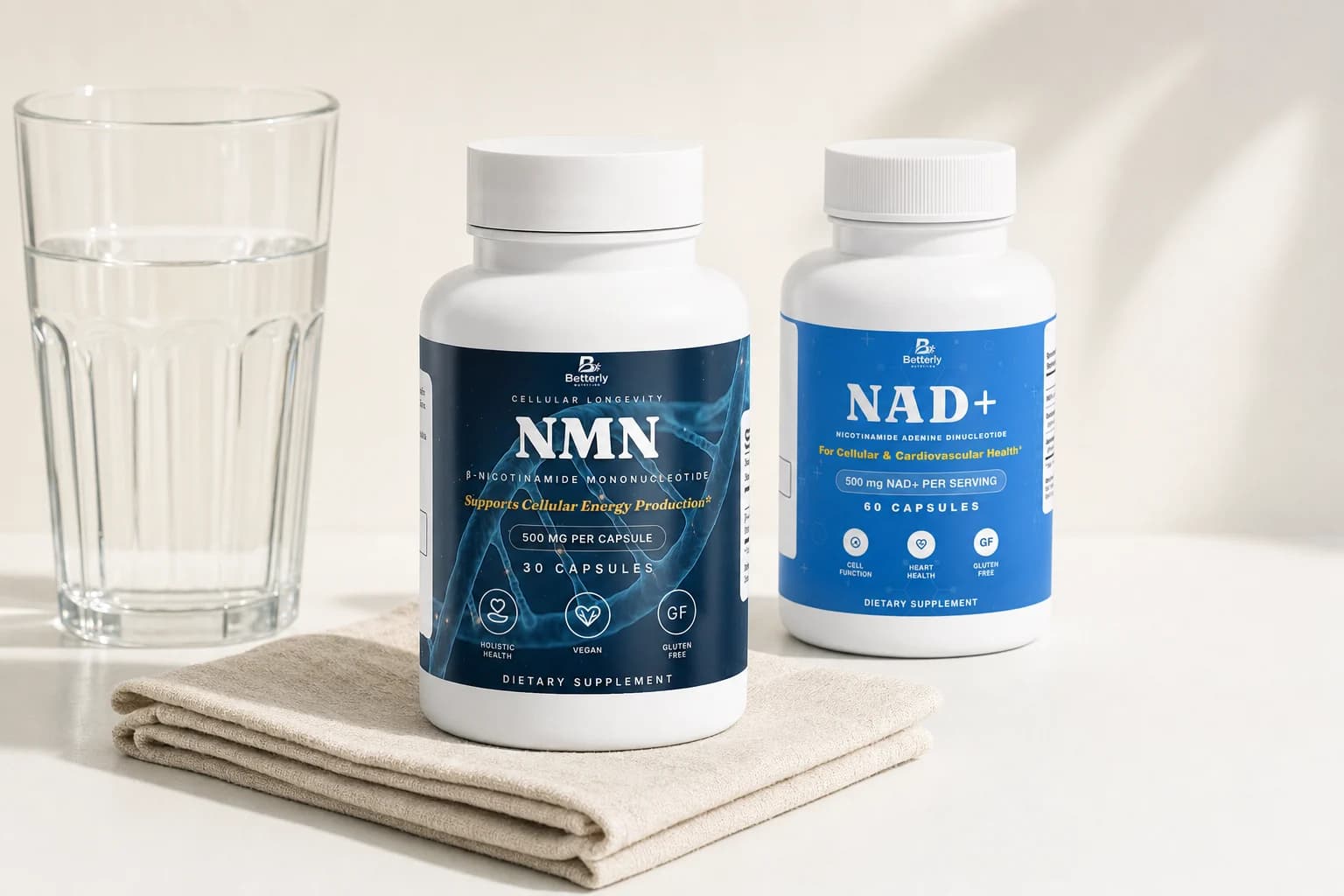
Choose NMN if you want to follow the weight of the oral research. It's one step from NAD+, it has the more plausible absorption route, and it's where most of the recent human studies have focused. Our 500mg NMN Capsules provide 500 mg of β-nicotinamide mononucleotide in each one-capsule serving, 30 capsules to a bottle, and that amount is printed right on the Supplement Facts panel.
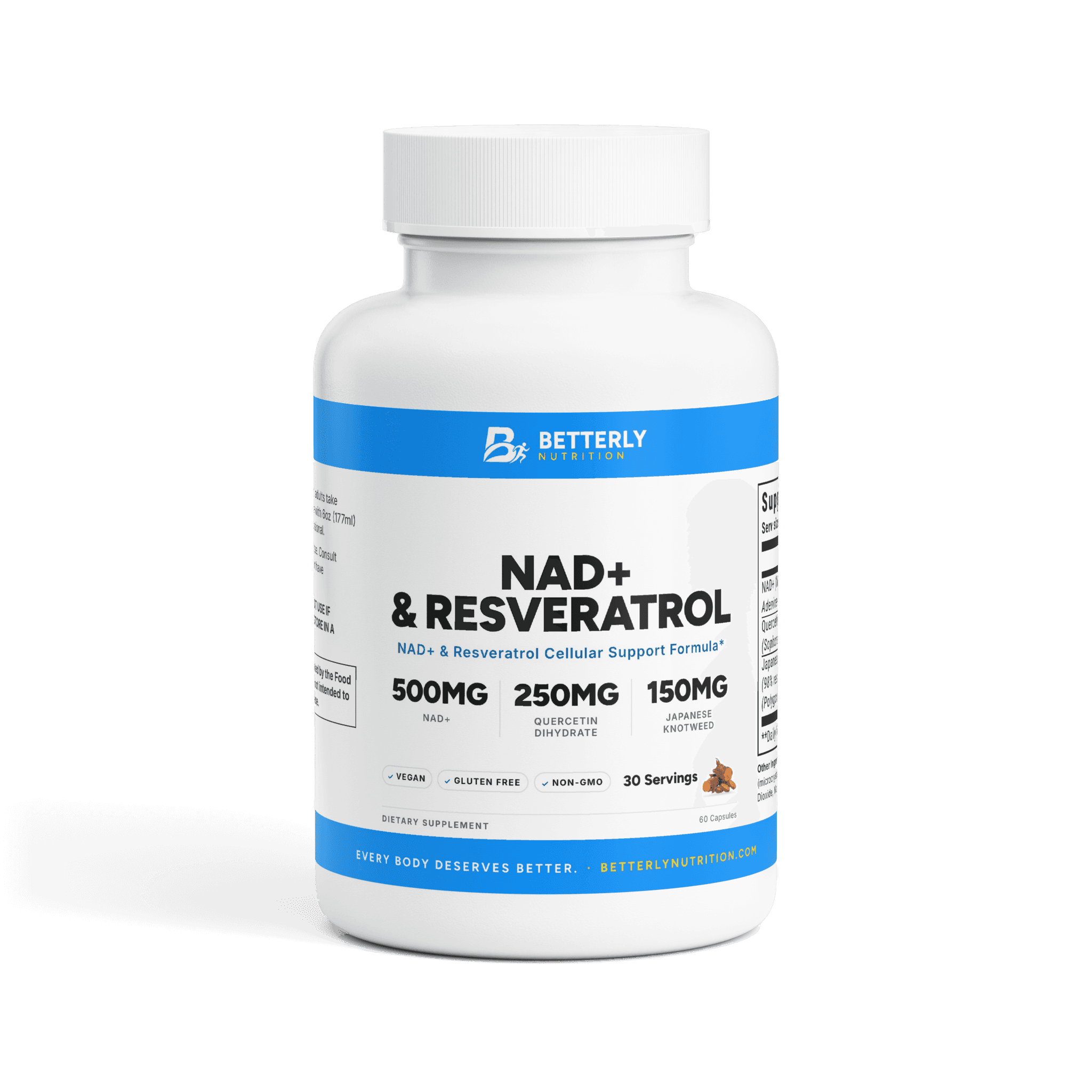
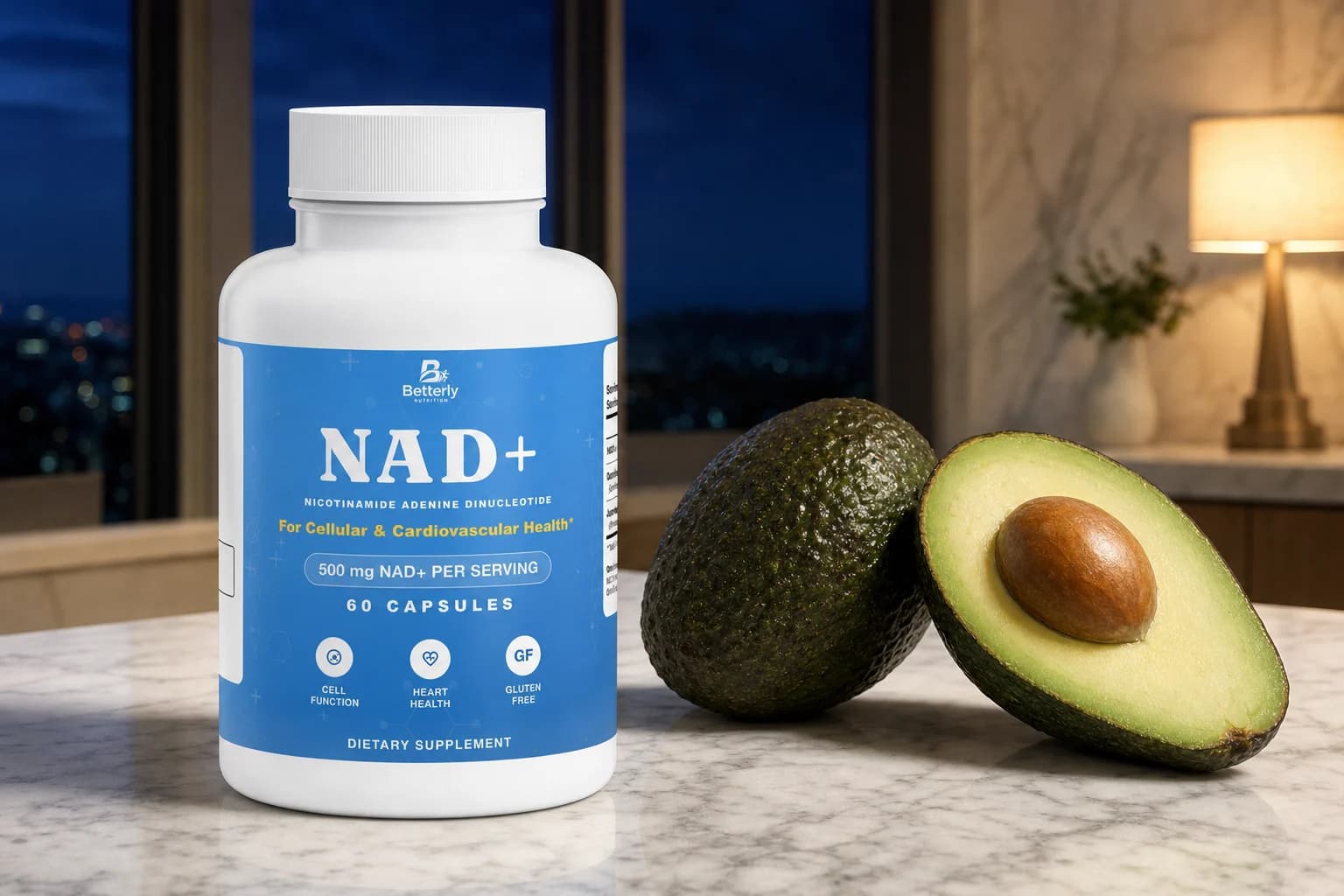
Choose NAD+ if you'd rather supply the end molecule itself. Some people prefer taking the thing itself and letting digestion do what it does; the break-down-and-reassemble route is indirect, not imaginary. Our 500mg NAD+ & Resveratrol Capsules provide 500 mg of NAD+ per two-capsule serving, alongside 250 mg of quercetin dihydrate extract and 150 mg of Japanese knotweed extract (98% resveratrol) — 60 capsules, a 30-day supply, the same duration as the NMN bottle.
Choose neither — for now — if your basics aren't in place. No precursor can out-argue a five-hour sleep schedule, a sedentary week, or stress with nowhere to go. Cellular energy support is a garnish on those fundamentals, not a substitute. Our guide to supporting all-day natural energy covers the foundation that makes everything else worth trying.
Dosing, timing, and what to realistically expect
Dose. The label's suggested use for our 500mg NMN Capsules is one capsule (500 mg) daily. The trials pooled in the 2024 reviews used a wide range of daily amounts, and more has not clearly meant better in the research so far.
Timing. The label doesn't specify a time of day, and there's no strong evidence that timing matters much — consistency matters more. Pick a time you'll actually remember, and keep it.
Expectations. This is the part most brands soft-pedal, so we'll say it plainly: don't expect a jolt. NAD+ support is background, cellular-level work, not a lightning bolt. The studies measured changes in blood NAD+ levels, not how people felt, so there's no reliable answer to when — or whether — you'll notice a difference. If you're pregnant, nursing, under 18, taking medication, or managing an ongoing health concern, talk with your healthcare provider before starting anything new.
Can you take NMN and NAD+ together?
You can — they feed the same pathway — but there's little research on taking them together, and our 500mg NAD+ & Resveratrol Capsules contain quercetin and resveratrol as well as NAD+, so check with your healthcare provider before doubling up. Some people layer them on the theory that two routes to the same destination beat one.
Our honest take: for most people, taking both mostly doubles the cost, not the evidence. The research on combining them is thinner than the research on either alone, so the sensible sequence is to pick one, take it consistently, and only then decide whether adding the second earns its place. If you're working out how any of this should fit alongside a multivitamin, magnesium, or whatever else is on your counter, our guide to building a simple daily supplement routine is the framework we'd hand a friend.
Where NAD+ support fits in the bigger energy picture
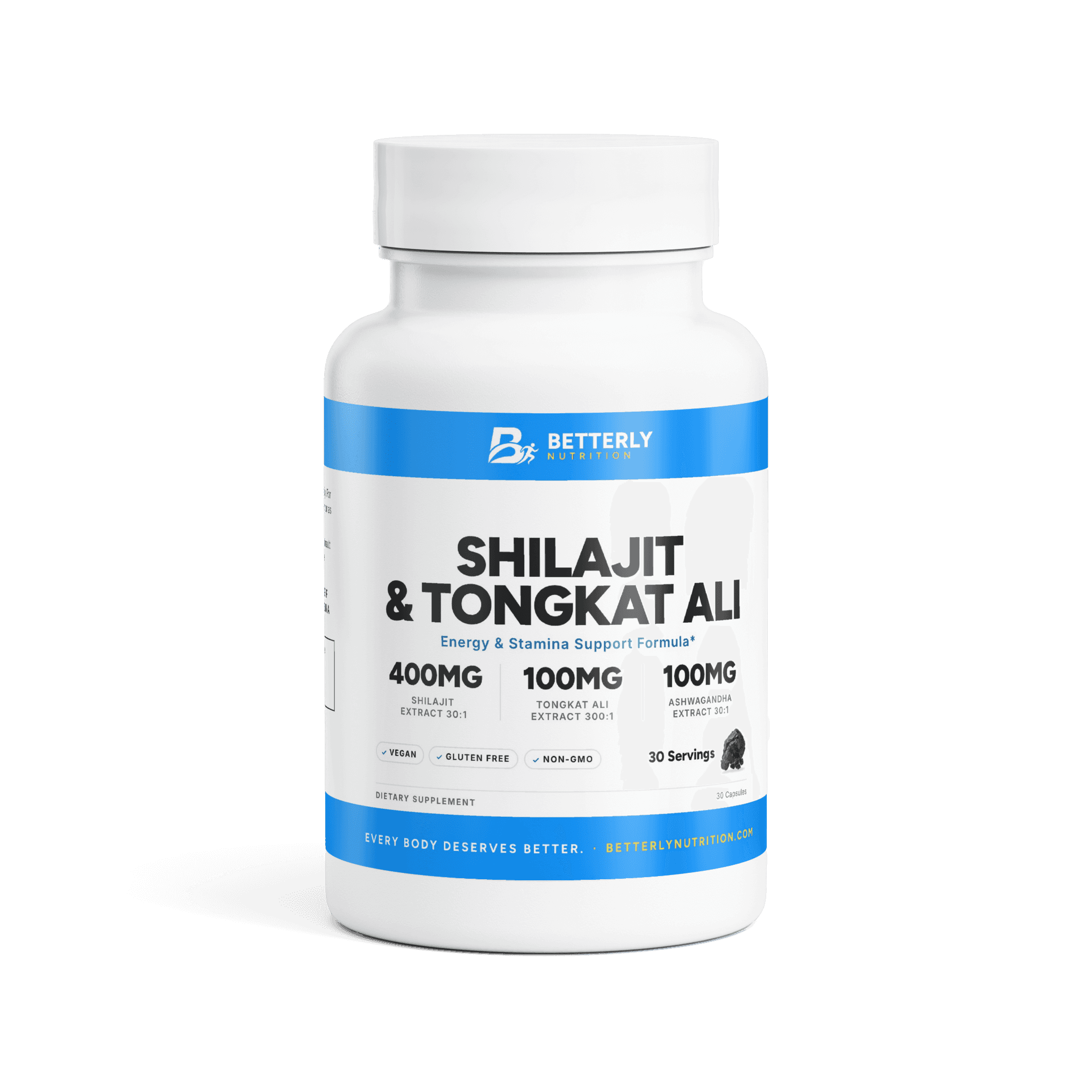
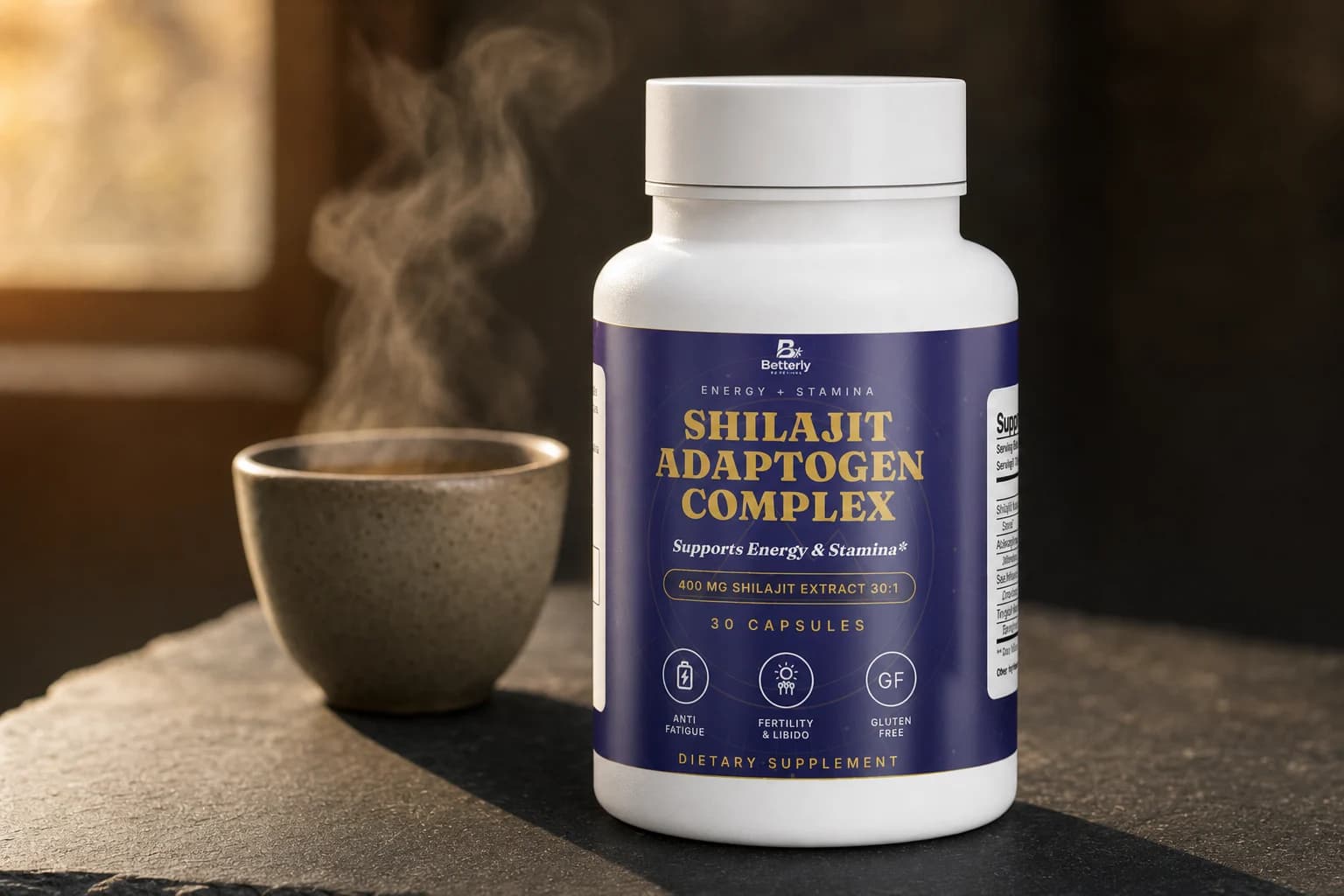
It's worth being clear about where this falls in the bigger energy picture. NMN and NAD+ sit at the quiet, cellular-level end of it. If you're looking for a different kind of energy support, that's a separate conversation — think matcha, cordyceps, and adaptogens, which we walk through honestly in our guide to caffeine-free energy supplements. Our Shilajit & Tongkat Ali Capsules sit in that group, pairing 400 mg of shilajit extract with ashwagandha, sea moss and tongkat ali in each one-capsule daily serving — we've covered what shilajit is and how to take it separately.
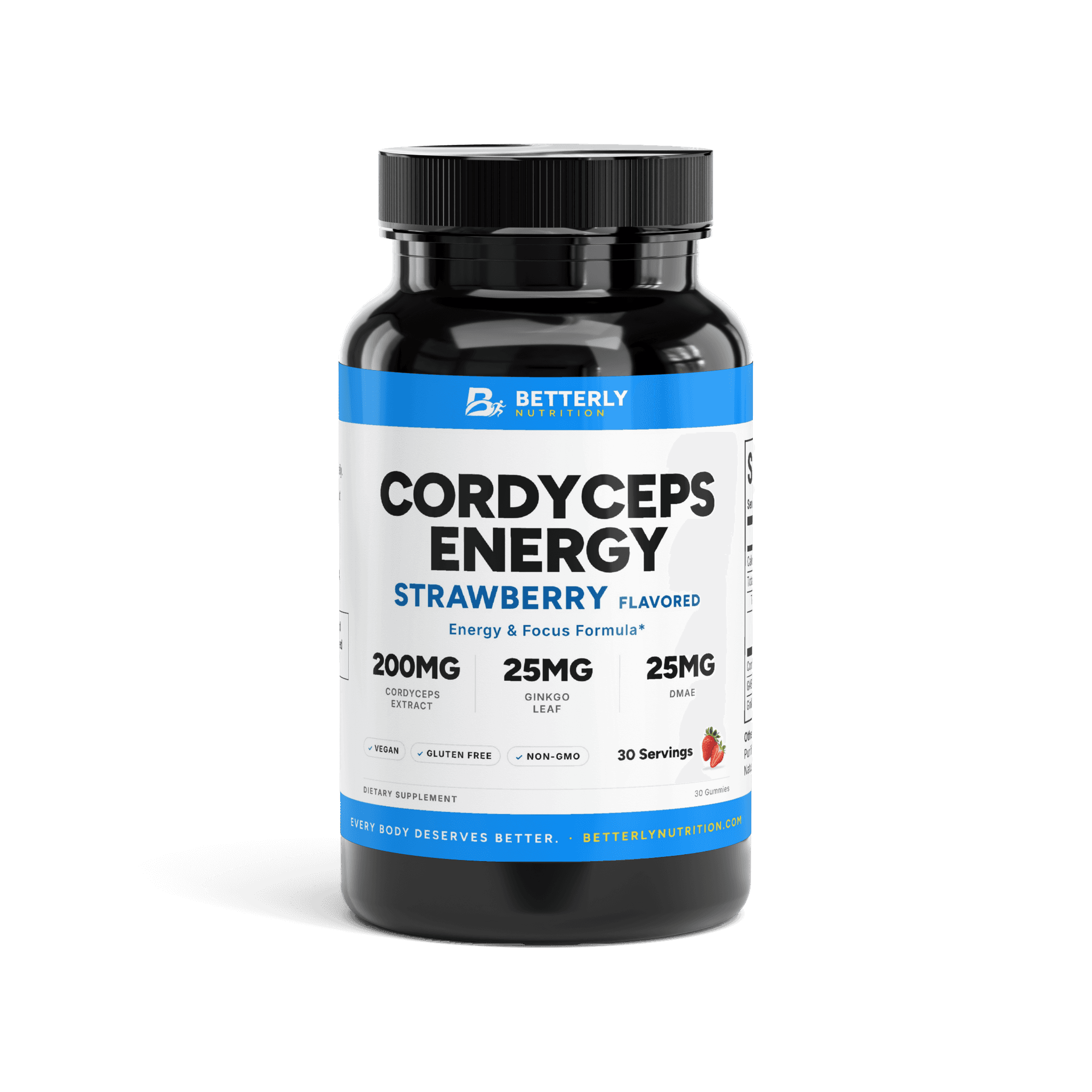
Our 500mg NMN Capsules and 500mg NAD+ & Resveratrol Capsules live in the NAD+ & Longevity collection, and the cordyceps, shilajit and caffeine options sit in Energy Support — compare the Supplement Facts panels before you choose.
Key takeaways
- NMN is a precursor; NAD+ is the finished molecule. They aim at the same target — NMN just arrives one step early and lets your cells finish the job.
- The real debate is absorption. Research suggests oral NAD+ is largely broken down in digestion, while NMN has a more plausible direct route — with open questions on both sides.
- Human evidence is early and modest. Small studies suggest oral NMN raises blood NAD+ levels; the dramatic findings are still mostly in mice.
- If you take one, the oral research points to NMN. Choose NAD+ if you'd rather supply the end molecule itself.
- Taking both is rarely necessary. Start with one and stay consistent.
- Habits first. Sleep, movement, and somewhere for stress to go do the heavy lifting; this category is support, not rescue.
FAQ: NMN vs NAD+
Is NMN the same as NAD+?
No. NMN is a precursor — a raw material your body converts into NAD+ through one enzymatic step. An NAD+ supplement contains the finished molecule itself. Both aim to support the same thing: NAD+ available to your cells.
Which is better to take, NMN or NAD+?
For an oral capsule, NMN currently has the stronger case: a more plausible absorption route and more published human studies behind it. NAD+ taken orally likely works indirectly, through its breakdown products. Neither has been shown to produce dramatic results in humans, so keep expectations honest either way.
Can you take NMN and NAD+ together?
Yes — they feed the same pathway and some people combine them. But the evidence for combining is thinner than for either alone, and our 500mg NAD+ & Resveratrol Capsules contain quercetin and resveratrol as well as NAD+, so check with your healthcare provider before taking both, and start with one before deciding whether to add the second.
When should I take NMN?
The label's suggested use for our 500mg NMN Capsules is one capsule daily, and it doesn't set a time of day. There's no strong evidence that timing matters much — consistency matters more than clock time. Take it whenever you'll reliably remember it, and keep that time steady.
What should I realistically expect from NMN?
Keep expectations grounded: the human studies measured changes in blood NAD+ levels, not how people felt, so there's no reliable answer to when — or whether — you'll notice a difference. The label's suggested use for our 500mg NMN Capsules is one capsule daily; stick with that and take it consistently.
Is NMN safe to take?
In published human studies at commonly used doses, NMN was generally well tolerated. The long-term picture is still being studied, though — so check with your healthcare provider first, especially if you're pregnant, nursing, under 18, taking medication, or managing an ongoing health concern.
If this left you looking for somewhere to start, read 500 mg NMN capsules — its amounts per serving are listed on the page. For the practical questions this raises, how dosing, sourcing and subscriptions work is answered in one place.