On this page
- First, an honest word about caffeine
- What "caffeine-free energy" actually means
- The best caffeine-free energy supplements, explained
- How to choose: afternoon slump, workouts, or all-day support
- What about matcha? The low-caffeine middle ground
- Habits that make any of these work better
- Key takeaways
- FAQ: caffeine-free energy supplements
- Sources
Somewhere around 3 p.m., most days get heavy. The usual fix is another coffee — which works, right up until it's 11 p.m. and your mind won't settle. If you've gone looking for caffeine-free energy supplements instead, you're really asking a smarter question: not "what will jolt me awake right now," but "what helps my body make and use energy on its own."
This guide walks through the options with the most interesting research behind them — what each one actually is, what studies suggest (and don't), and who tends to reach for each. One disclosure up front: we also sell a lower-caffeine energy strip, and we'll tell you honestly where it fits instead of pretending it doesn't exist.
First, an honest word about caffeine
Caffeine doesn't create energy. It blocks adenosine, the brain chemical that builds up through the day and signals that you're getting tired. The tiredness is still there — you've just muted the messenger. When the caffeine wears off, all that accumulated adenosine lands at once. That's the crash.
None of this makes coffee a villain. For plenty of people it's a genuinely pleasant, workable habit. But caffeine sticks around longer than it feels like it does — a meaningful portion of a 2 p.m. cup is still circulating at bedtime — and it's easy to slide into a loop: caffeine fragments your sleep, thin sleep makes you tired, tiredness calls for more caffeine. You end up borrowing tomorrow's energy to pay for today.
If you're sensitive to stimulants, cutting back on purpose, or simply tired of the loop, the caffeine-free route is worth understanding on its own terms. If you're pregnant or nursing, every label in this guide says to consult a physician first.
What "caffeine-free energy" actually means
Here's the expectation-setting most product pages skip: nothing on this list will hit like an espresso, because nothing on this list is a stimulant.
Natural energy supplements without caffeine work on slower levers — the processes your cells use to produce energy, the blood flow that delivers oxygen to working muscles, your hydration status, and how your body handles everyday stress. The effect people describe is less "surge" and more "the afternoon didn't fall off a cliff." Non-stimulant energy support is about raising the floor, not spiking the ceiling.
That also means patience. Most of the research on these ingredients ran for weeks, not hours. If a caffeine-free product promises to hit in fifteen minutes, be suspicious of it — including ours, if we ever said that. We won't.
The best caffeine-free energy supplements, explained
Five options, in rough order of how directly you'll notice them.
Cordyceps
Cordyceps is a functional mushroom with a long history in traditional practices and a modern following among people who want cordyceps for energy without the stimulant baggage. The research interest centers on exercise capacity: in small studies running several weeks, cordyceps supplementation was associated with improvements in aerobic performance and time to exhaustion, possibly through its role in the body's own energy-production pathways. Reviewers are candid about the limits — the trials are few, small, and not entirely consistent. "Promising" is the honest word, not "proven." None of those studies tested our gummy, so they can't tell you what it, or any other single product, will do.
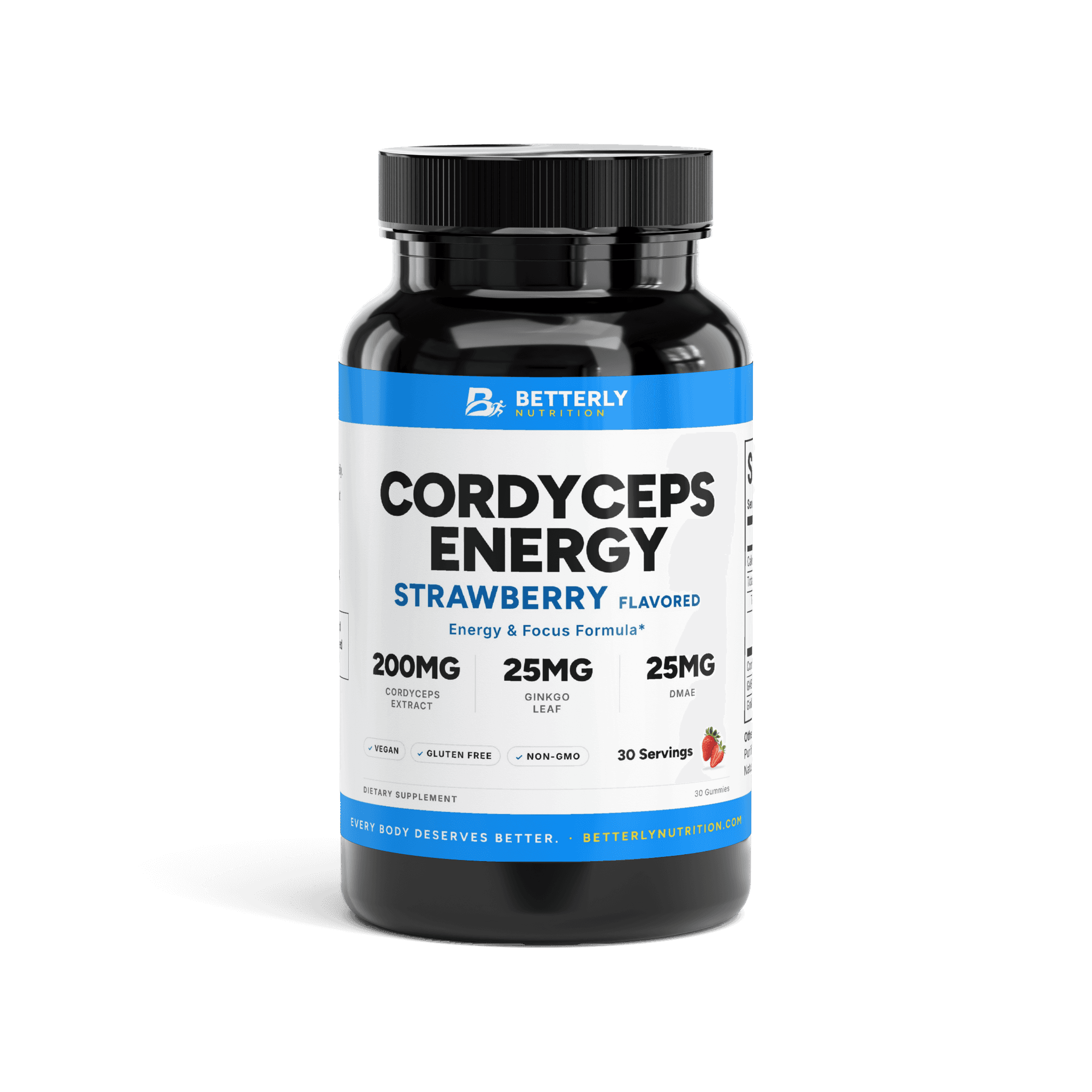
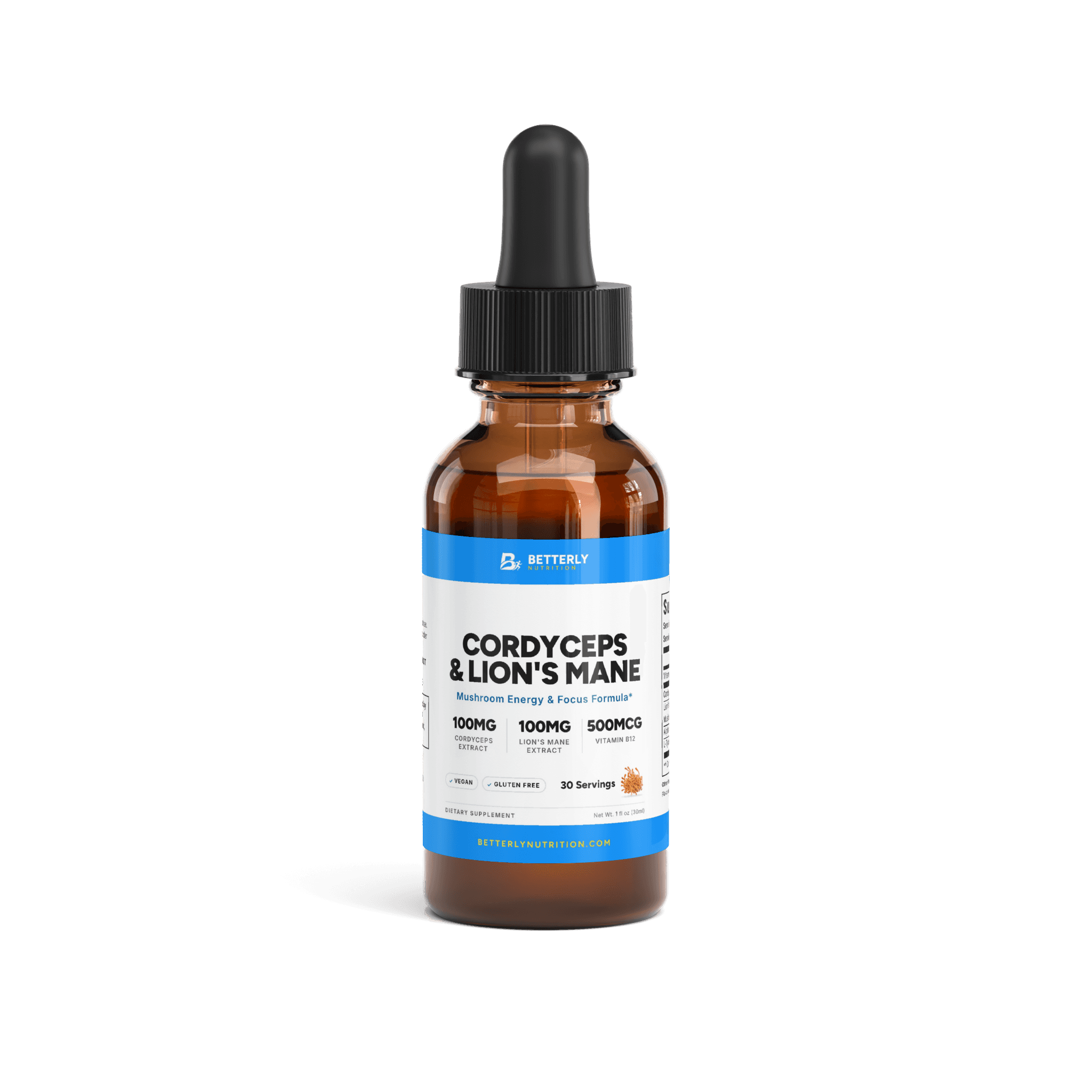
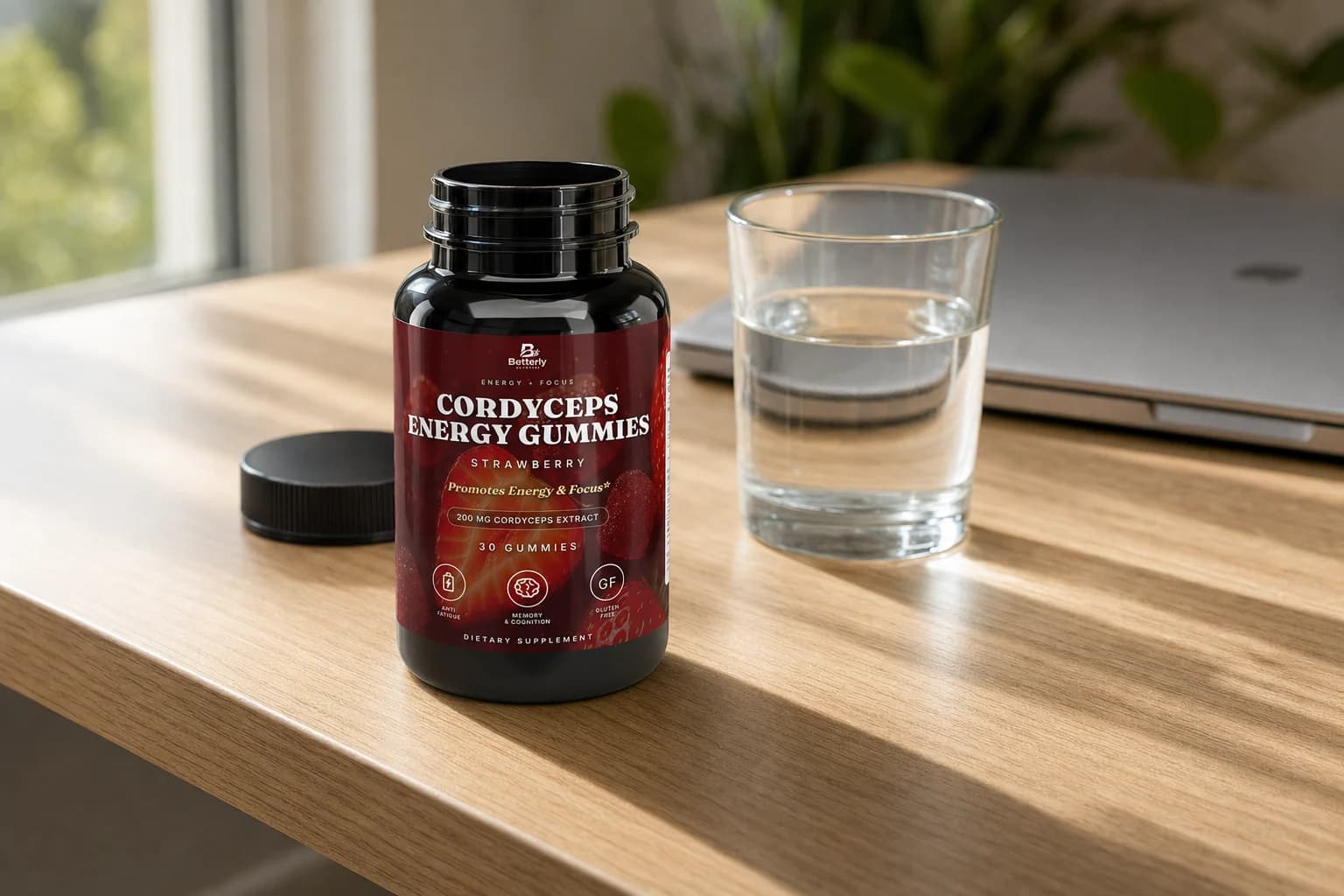
What makes cordyceps appealing in practice is the use case: something to take before a walk, a workout, or the long back half of a workday. Our Cordyceps Mushroom Energy Gummies provide 200 mg of cordyceps extract per 1-gummy serving, 30 gummies to a bottle, with no caffeine on the label — easy to keep in a desk drawer for exactly that 3 p.m. moment.
Shilajit
Shilajit is a mineral-rich resin that seeps from high-mountain rock, used for centuries in Ayurvedic tradition and having a genuine moment right now. The modern research is early but interesting: in small studies, daily shilajit supplementation was associated with better retention of muscular strength through fatiguing exercise, and some participants reported feeling more energetic day to day. Same caveat as cordyceps — small samples, short trials, more research needed before anyone should talk in certainties.
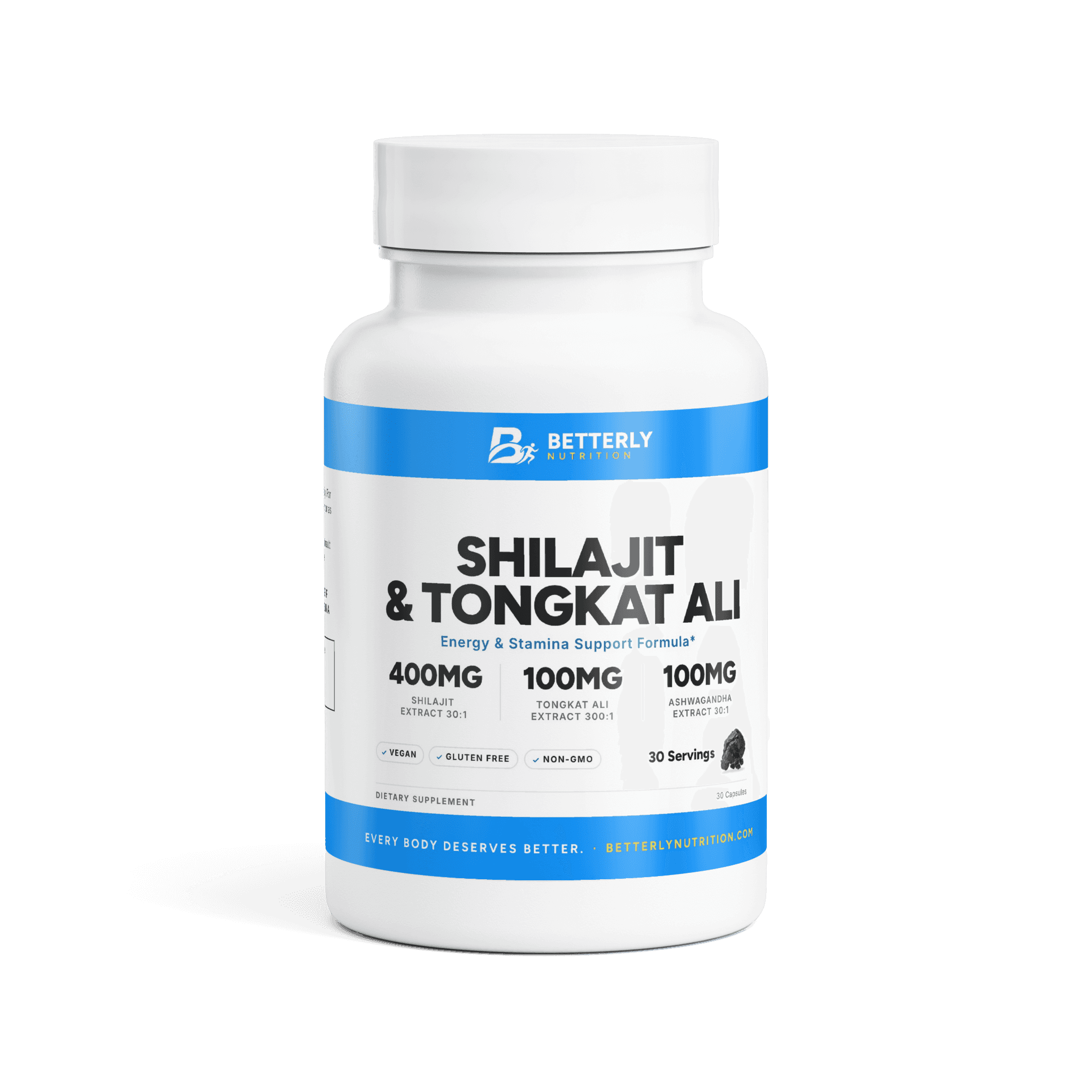
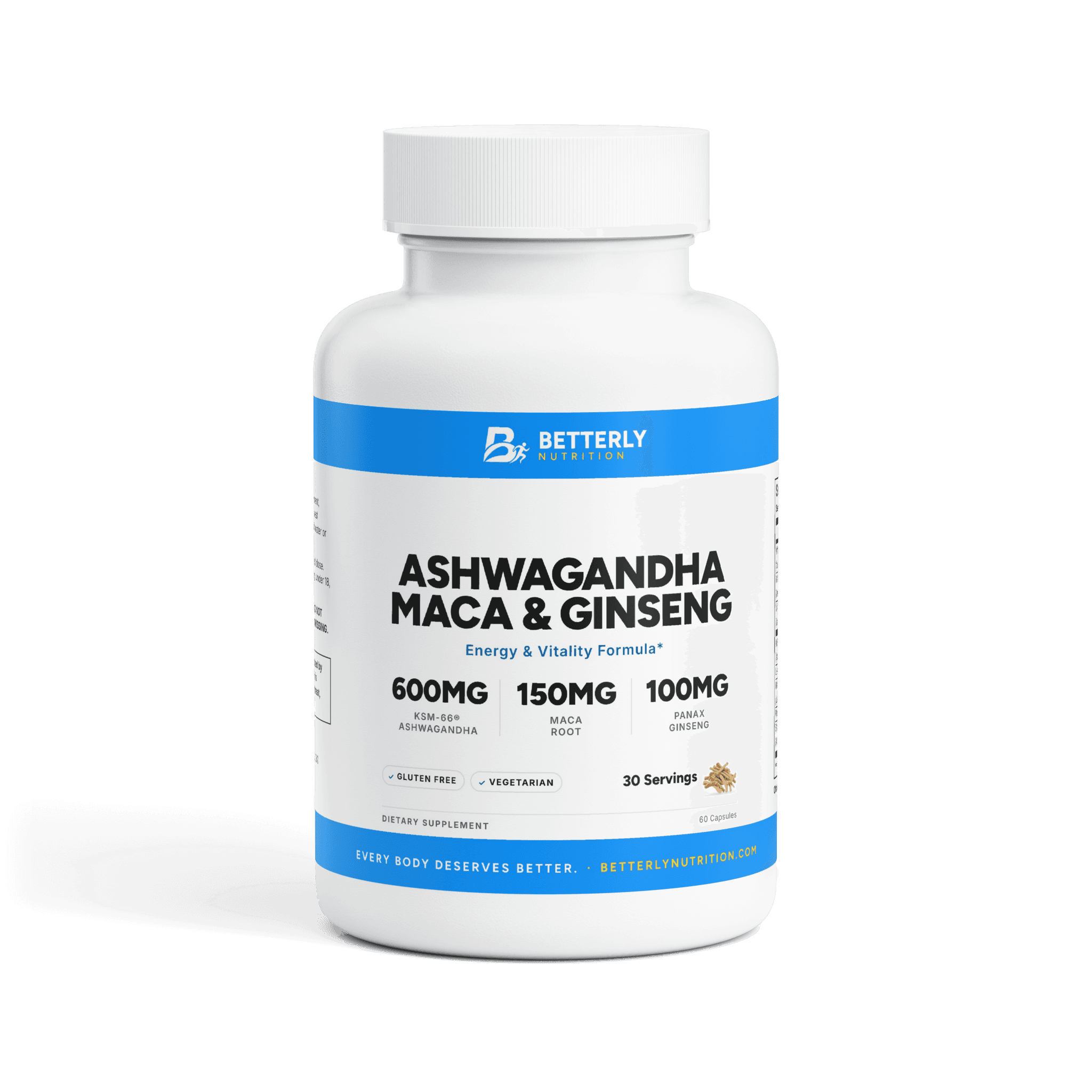
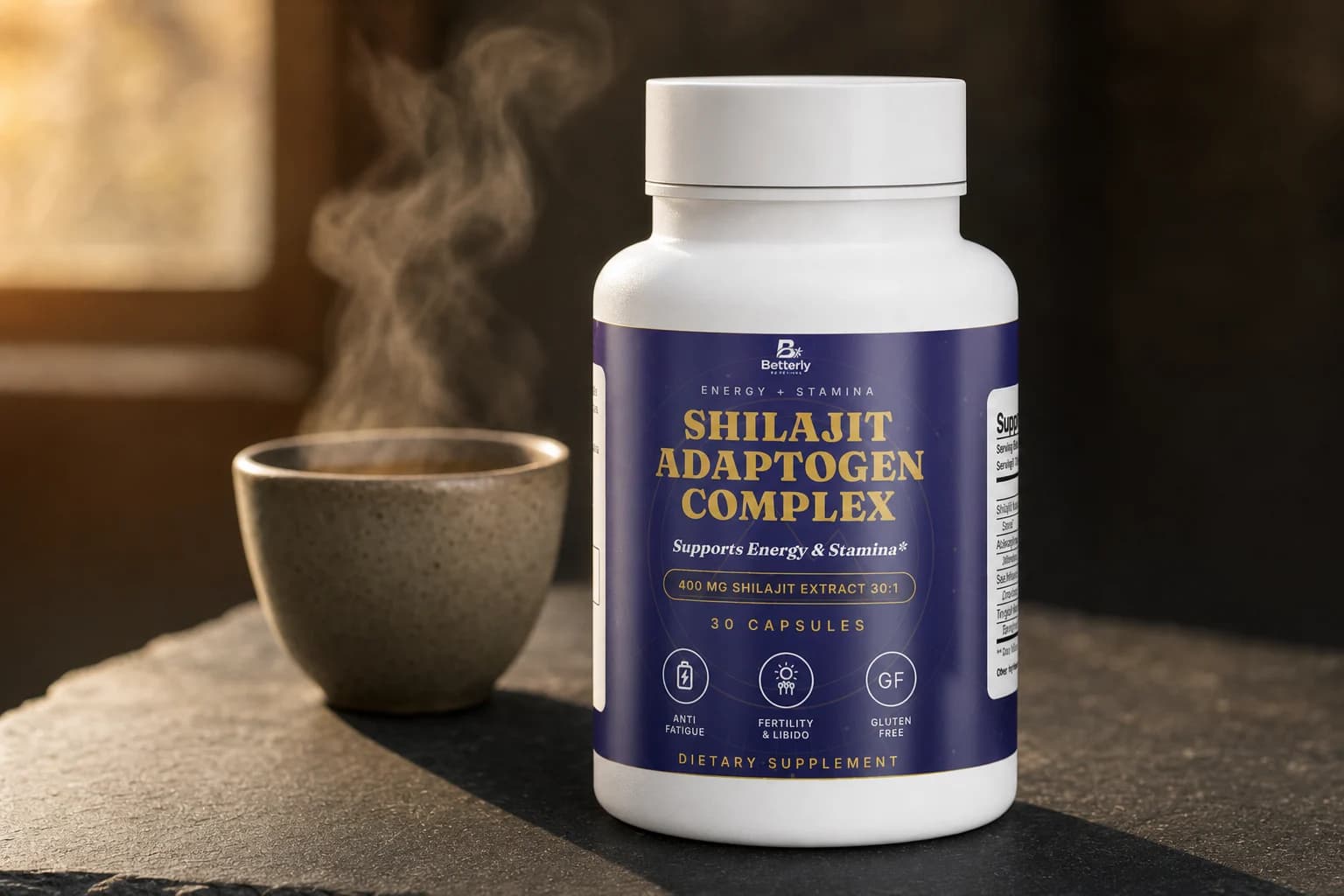
Shilajit rarely travels alone in formulas, and ours doesn't either: the Shilajit & Tongkat Ali Capsules pair 400 mg of shilajit extract per 1-capsule serving with 100 mg each of tongkat ali, ashwagandha and sea moss extracts. If you want the full picture — resin versus capsules, what's actually in the stuff, how people take it — we wrote a complete guide in Shilajit Benefits, Forms, and How to Take It. And if "adaptogen" is a new word for you, Adaptogens 101 covers the whole category in plain language.
NAD+ (and its cousin, NMN)
NAD+ is a coenzyme found in every cell of your body — a critical middleman in converting the food you eat into ATP, the molecule your body actually spends as energy. Levels are understood to decline with age, which is why NAD+ has become one of the most talked-about ingredients in energy and healthy-aging circles.
Our honest read: the mechanism is real, textbook biology, but evidence that swallowing a capsule translates into feeling more energetic is still limited and mixed. Some small studies report improvements in self-reported energy and well-being; others found no meaningful change. This is a long-game, go-in-curious supplement, not a felt-by-Friday one. We lay out what's known and what isn't in NAD+ and Cellular Energy, Explained.
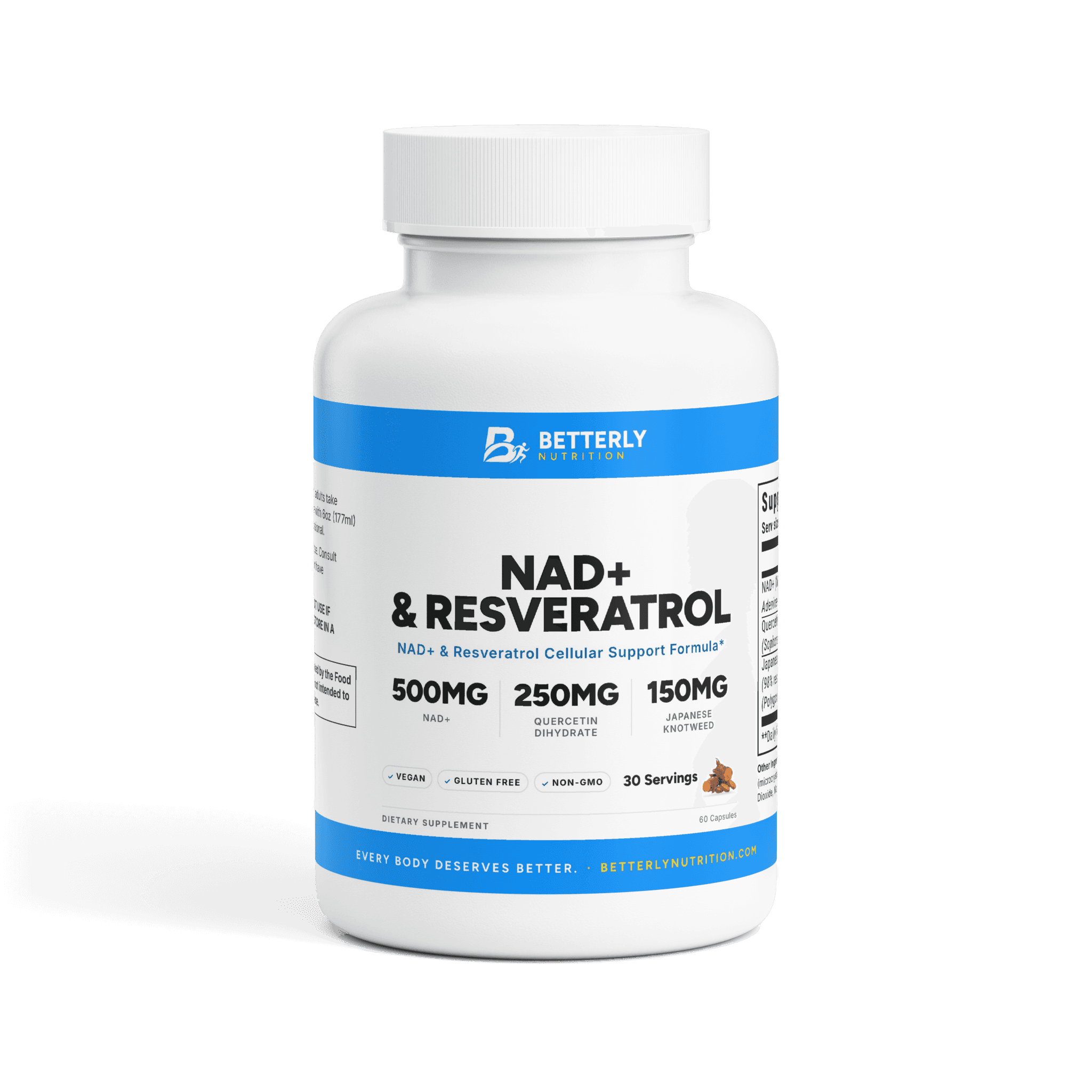
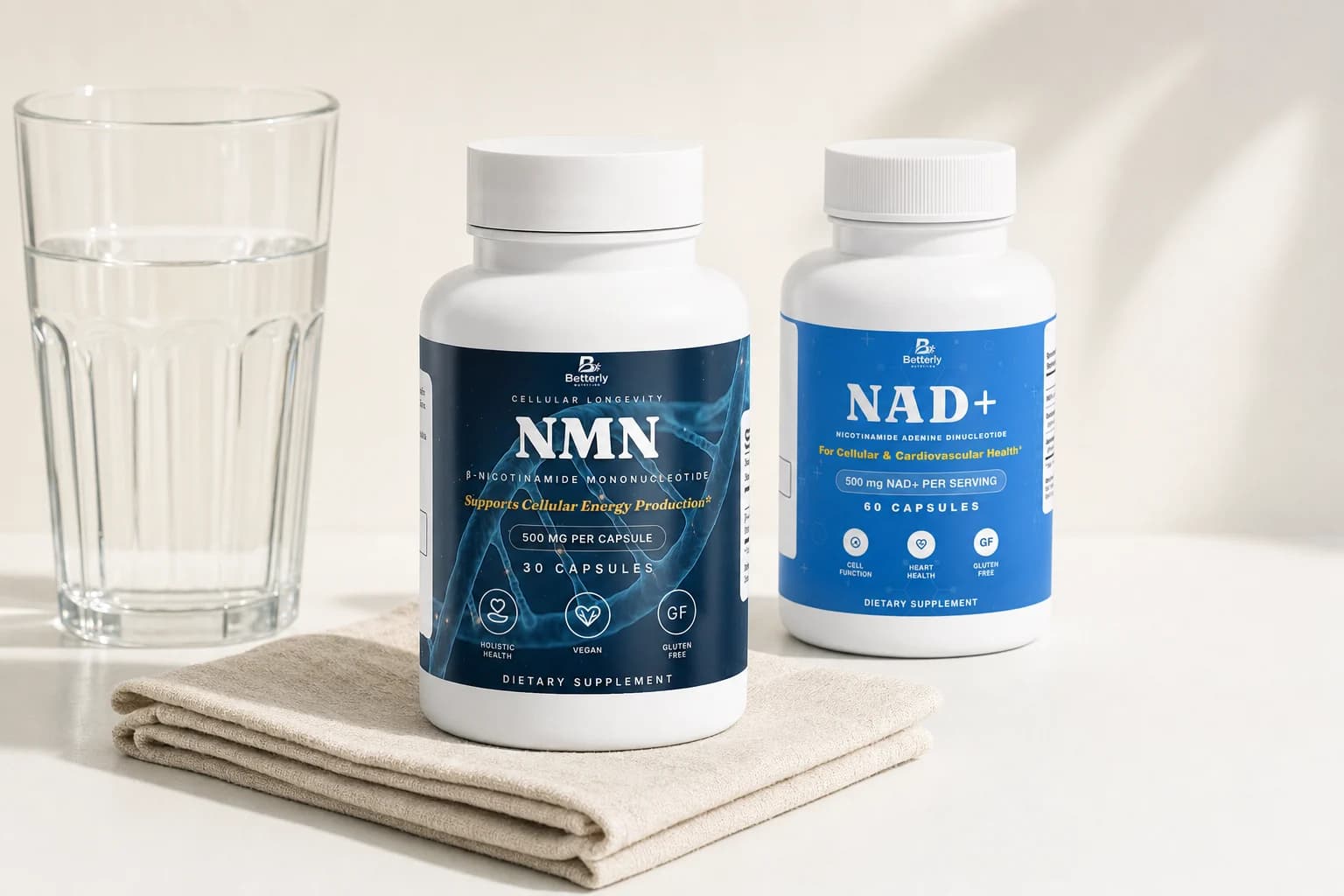
If you decide to run the experiment, our 500mg NAD+ & Resveratrol Capsules contain 500 mg of NAD+ per 2-capsule serving, alongside quercetin and Japanese knotweed extract, 60 capsules to a bottle. And if you've seen NMN marketed right next to it and wondered which one makes more sense, we compare them directly in NMN vs NAD+: Which Supplement Should You Take?
Beetroot
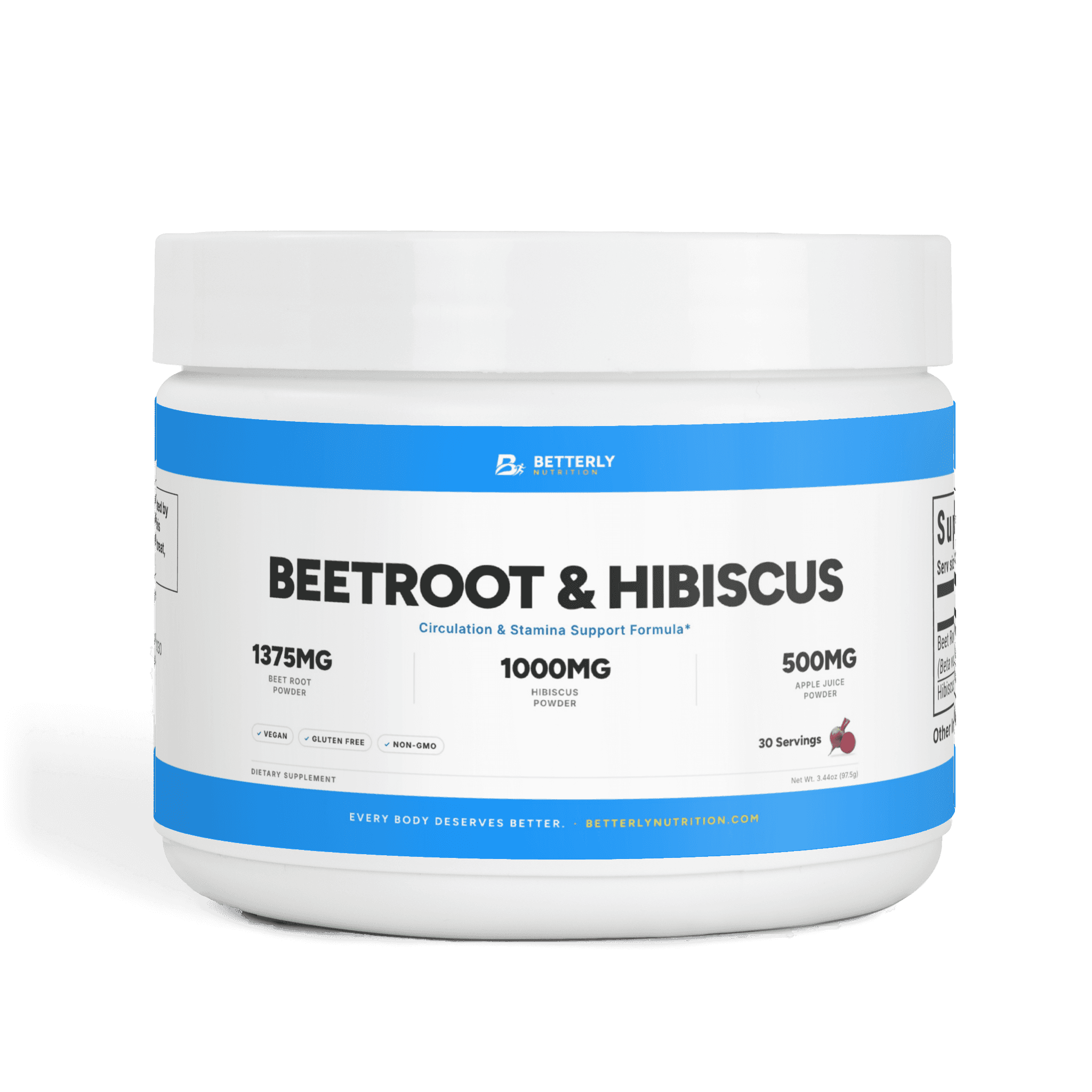
Beetroot is the least mystical thing on this list — and it has some of the most consistent research. Beets are naturally rich in dietary nitrates, which your body converts into nitric oxide, a molecule involved in normal blood flow and oxygen delivery. In studies of recreationally active people, nitrate supplementation has been associated with better oxygen efficiency during endurance exercise — the same work at a lower oxygen cost. Findings in elite athletes are more mixed, likely because their systems are already well-tuned, but for regular people who move regularly, the signal is encouraging.
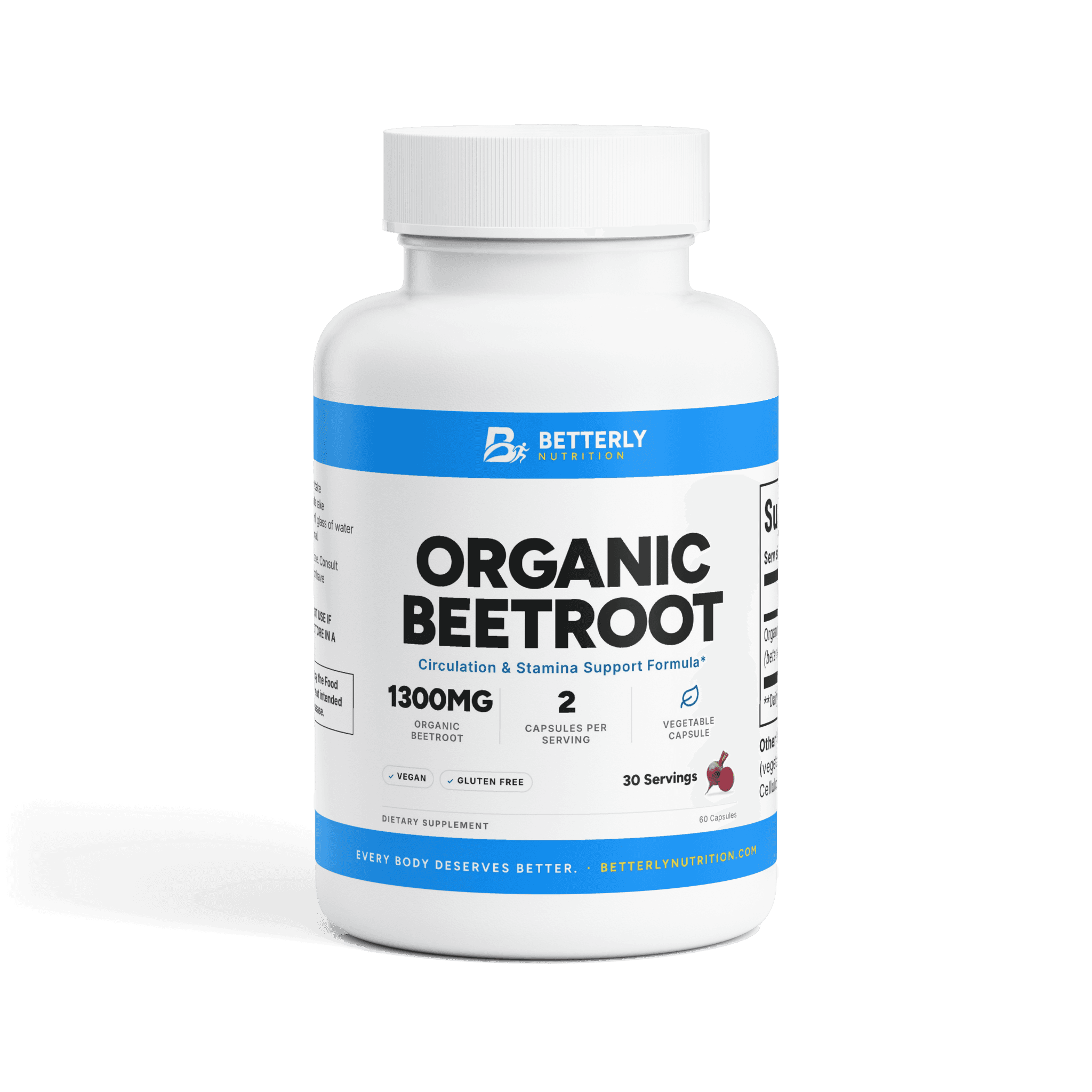
One caveat from the NIH Office of Dietary Supplements: studies usually had people drink beet juice, and whether beetroot powder supplements have the same effects isn't known. If you'd like beetroot in capsule form, our Organic Beetroot Capsules provide 1,300 mg of organic beetroot powder per 2-capsule serving, 60 vegetable capsules to a bottle.
The unglamorous one: hydration and B vitamins
Nobody wants the answer to "why am I so tired" to be "you're a bit dehydrated" — but it can be. According to MedlinePlus, feeling tired is one of the signs of dehydration in adults, alongside thirst and dry mouth. B vitamins, meanwhile, play well-established roles in the body's process of turning food into usable energy.
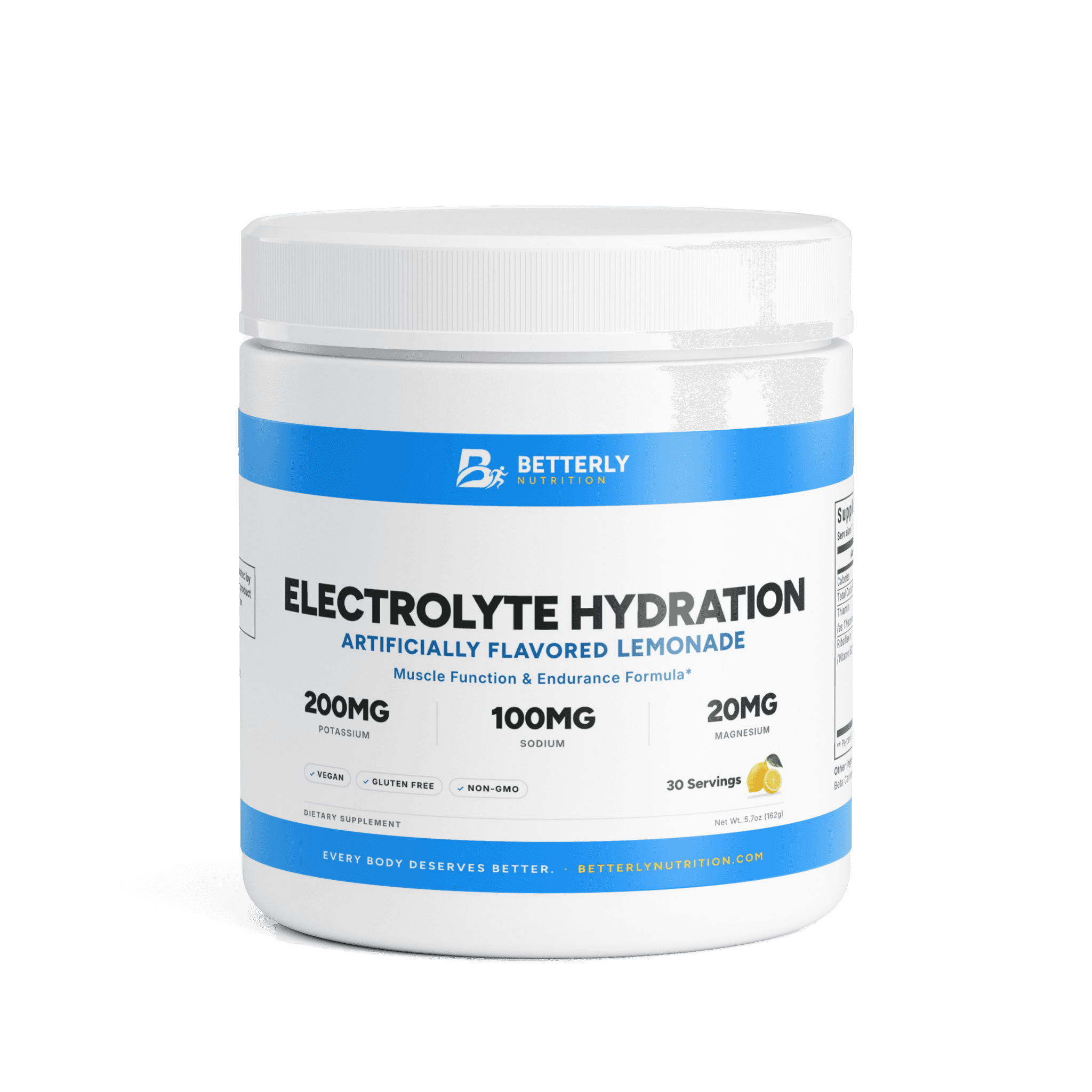
Our Electrolyte Hydration Powder (Lemonade) combines 200 mg potassium, 100 mg sodium and 20 mg magnesium with seven B vitamins per 1-scoop (5.4 g) serving, and has no caffeine. But honestly, start with a large glass of plain water and see how you feel twenty minutes later. That experiment is free. For when electrolytes genuinely earn their place and when water alone is enough, Electrolytes 101 is the no-hype version.
How to choose: afternoon slump, workouts, or all-day support
The honest way to shop for supplements for the afternoon slump — or any energy dip — is to match the tool to the actual problem:
- The 3 p.m. slump. Rule out the basics first: water, a ten-minute walk, some daylight. If you've done those and still want help, cordyceps is the natural fit, as a gummy with no caffeine on its label.
- Workouts and endurance. Beetroot and shilajit, each taken as its label directs (beetroot: two capsules once a day, 20-30 minutes before a meal; shilajit: one capsule daily). Both have their most interesting research in exactly this context.
- The long game. NAD+ is less about today's slump and more about supporting cellular energy as a standing daily routine. Go in curious.
- Tired for no clear reason at all. Persistent, unexplained tiredness can come from a nutrient gap — iron, B12, vitamin D — that only bloodwork can confirm. That's a conversation with your healthcare provider, not a supplement-aisle decision, and it's worth having before you spend money guessing.
The cordyceps, shilajit and beetroot picks above live in our Energy Support collection, and every product page lists the amounts per serving from its label.
What about matcha? The low-caffeine middle ground
A caffeine-free guide still owes you a straight answer on this one, so here it is: matcha contains caffeine. Meaningfully less than a typical coffee, but it's there, and we're not going to footnote our way around that.
So why mention it? Because for many people the real goal isn't zero caffeine — it's less caffeine with a gentler ride. Matcha delivers its caffeine alongside L-theanine, an amino acid associated with a calm, settled kind of focus, and people commonly describe the combination as smoother and slower than coffee: energy that ramps rather than spikes. We don't sell matcha, but if that step-down appeals to you, our Caffeine & L-Theanine Energy Strips take the same idea in strip form: 50 mg of caffeine with 30 mg of L-theanine per 1-strip serving, a smaller dose than a typical cup of coffee.
If you're cutting caffeine entirely, skip this section without guilt. If you're just trying to break up with your third cup, matcha is a reasonable half-step.
Habits that make any of these work better
Supplements are the smallest lever on this page. The bigger ones:
- Protect your sleep. Nothing you can swallow at 3 p.m. outruns a bad night. A consistent bedtime is the highest-yield energy habit that exists.
- Get daylight early. Morning light anchors your body clock, and a well-anchored clock dips less dramatically in the afternoon.
- Rethink lunch. Heavy, refined-carb lunches are a classic slump trigger. Protein, fiber, and vegetables hold steadier through the afternoon.
- Move at the dip. A ten-minute walk when the slump hits is genuinely effective, costs nothing, and stacks with everything else here.
- Hydrate before you supplement. It's the cheapest experiment in this whole article.
We wrote a full habits-first companion to this piece — How to Support All-Day Natural Energy — and if you'd rather change routines before buying anything, start there. Genuinely.
Key takeaways
- Caffeine masks tiredness rather than creating energy; caffeine-free energy supplements aim to support your body's own energy production — slower, subtler, and with no crash to pay back.
- Cordyceps and shilajit have small but genuinely interesting research behind them.
- Beet juice has encouraging findings for aerobic exercise in recreationally active people, though whether beetroot powder does the same isn't known.
- NAD+ is real biology with still-maturing human evidence — a long-game experiment, not a quick fix.
- Hydration is the unglamorous first step, and the cheapest one to check.
- Habits carry the day. Sleep, daylight, lunch, and movement do the heavy lifting; supplements support the effort, they don't replace it.
FAQ: caffeine-free energy supplements
Do caffeine-free energy supplements actually work?
It depends what "work" means. If you're expecting a coffee-like jolt, no — none of these are stimulants, and anyone promising that feeling without caffeine is overselling. If you mean gradual support, the evidence is early. According to the NIH Office of Dietary Supplements, beet juice might improve aerobic exercise performance in recreationally active people. Cordyceps and shilajit have only small studies behind them. Habits and hydration still do most of the work.
What helps the afternoon slump besides coffee?
Some of the slump is simply built in — your body clock naturally dips in the early afternoon. Water, a short walk, and daylight are the fastest levers, and a lighter, protein-forward lunch keeps the dip shallower. If you want a supplement in the mix, an early-afternoon cordyceps gummy is an option with no caffeine on its label.
How long does cordyceps take to work?
The studies that found effects generally ran several weeks to a few months of consistent daily use. The label's suggested use is one to two gummies daily. There's no set point at which any one person should expect to notice a difference, so change only one thing at a time to tell what's actually helping.
Can I take these alongside my morning coffee?
Generally, yes for the caffeine-free options, since they aren't stimulants. The exception is the Caffeine & L-Theanine Energy Strips, with 50 mg of caffeine per 1-strip serving, so count that toward your daily total. According to MedlinePlus, up to 400 mg of caffeine a day isn't harmful for most people. Many people keep their morning coffee and use the caffeine-free options to stop leaning on the afternoon cups. As always, if you take medications or are pregnant or nursing, run any new supplement past your healthcare provider first.
Are energy supplements without caffeine safe to take every day?
The ingredients in this guide were generally well tolerated in the studies behind them at common daily amounts, and each label gives a suggested use. One ingredient note: according to the NIH Office of Dietary Supplements, ashwagandha (in our Shilajit & Tongkat Ali Capsules) appears well tolerated for up to about 3 months, but its long-term safety isn't known. That said, "generally well tolerated in studies" is not personal medical advice — check with your provider, especially if you're managing an ongoing health concern.
Why do I still crash at 3 p.m. even after quitting caffeine?
Because the dip isn't caused by caffeine — it's your circadian rhythm, which naturally eases off in the early afternoon. Short sleep, dehydration, and a heavy lunch each make the dip deeper. Fix those first; then supplements have something worth supporting.
Sources
- Dietary Supplements for Exercise and Athletic Performance (NIH Office of Dietary Supplements)
- Ashwagandha Fact Sheet for Health Professionals (NIH Office of Dietary Supplements)
- Caffeine (MedlinePlus)
- Dehydration (MedlinePlus)
If this left you looking for somewhere to start, read caffeine-free cordyceps gummies for afternoon energy — its amounts per serving are listed on the page. For the practical questions this raises, how dosing, sourcing and subscriptions work is answered in one place.