On this page
- Key takeaways
- What are electrolytes, exactly?
- When is plain water enough — and when does a mix earn its place?
- Electrolytes with or without creatine: which fits you?
- What should you look for in an electrolyte powder?
- How do you use them — how much, and when?
- Who are electrolyte powders for — and who should skip them?
- Frequently asked questions
The short answer: Electrolytes are minerals, including sodium, potassium, chloride, magnesium and calcium, that your body uses to hold onto fluid and keep muscles and nerves working normally. On an ordinary desk day, plain water and regular meals cover you completely. An electrolyte mix earns its place when sweat enters the picture — hard training, long sessions, hot weather — or when a low-carb eating pattern has you replacing more minerals than usual.
Key takeaways
- Electrolytes are charged minerals, including sodium, potassium, chloride, magnesium and calcium, that support healthy fluid balance and normal muscle and nerve function.
- Most desk days need zero powder. Water and regular meals replace what an ordinary day takes out of you.
- A mix earns its place around real sweat: long or intense training, heat and humidity, physically demanding work — and sometimes low-carb eating.
- You lose electrolytes when you sweat, according to MedlinePlus. Sodium is the line worth checking first on any electrolyte label.
- We sell two: Electrolyte Hydration Powder (Lemonade) for caffeine-free, any-time sipping, and 5g Creatine & Electrolyte Powder for people who train.
What are electrolytes, exactly?
"Electrolytes" is one of those words sports marketing has worn thin, so here's the plain version: they're minerals that carry a small electric charge once they're dissolved in your body's fluids. Your body uses that charge constantly — sending nerve signals, contracting muscles, deciding where water should go. That's the whole story. No glow, no buzz, just quiet electrical housekeeping.
Four show up on nearly every label:
- Sodium is one of the electrolytes you lose in sweat (MedlinePlus), and your body needs it for muscles and nerves to work properly (MedlinePlus). It's also the one modern diets rarely run short on — until heavy sweating changes the math.
- Potassium works alongside sodium to support normal muscle function. Your body needs it for muscle contraction and nerve transmission, and it's plentiful in everyday foods, fruits and vegetables especially — the NIH fact sheet has a good plain-English rundown.
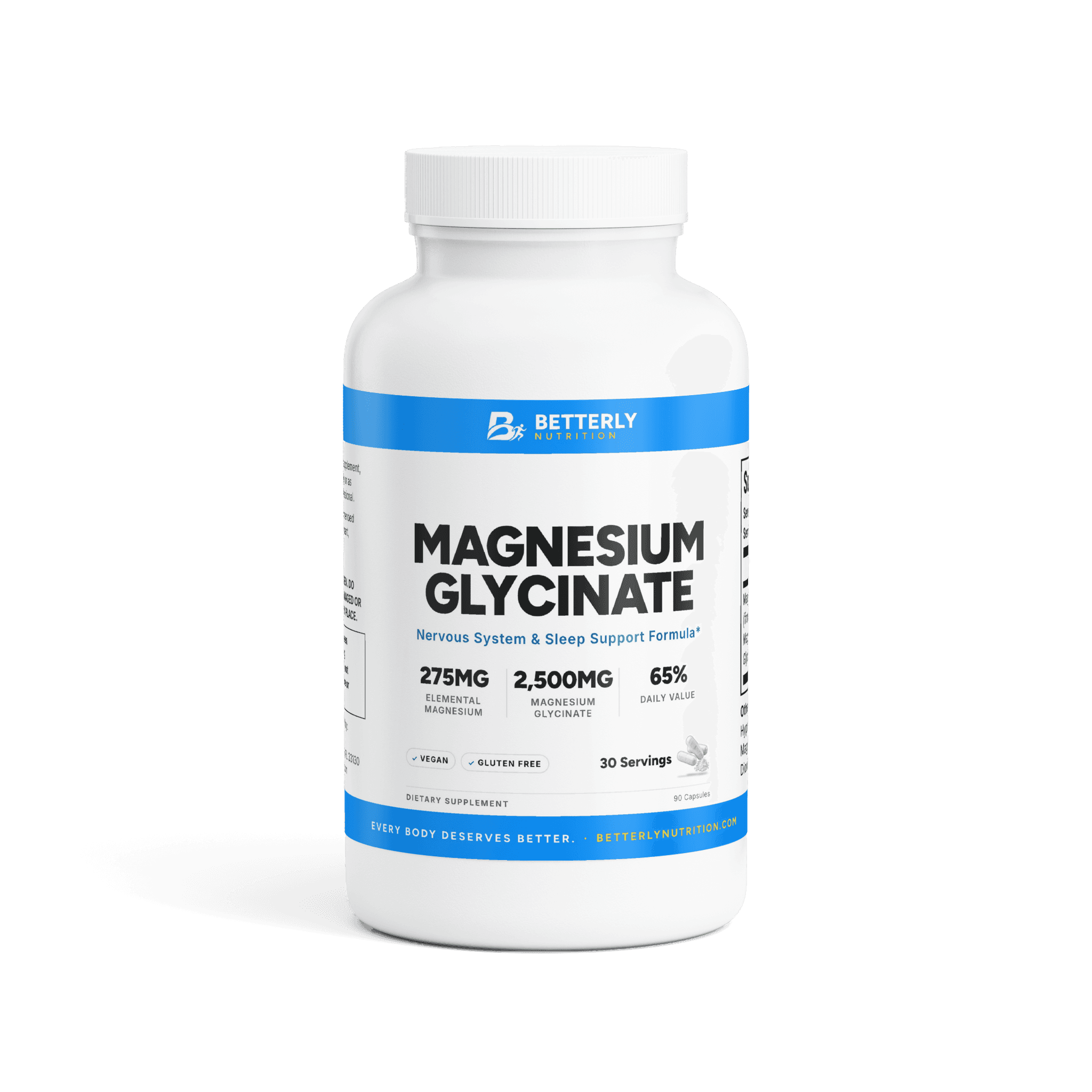
- Magnesium plays a part in regulating muscle and nerve function and turns up naturally in leafy greens, nuts, seeds and whole grains (NIH fact sheet). If magnesium on its own is what you're actually after — say, as part of an evening wind-down — a dedicated capsule like our Magnesium Glycinate Capsules makes more sense than a hydration mix; our magnesium glycinate vs citrate guide explains the forms.
- Calcium is an essential mineral that supports normal muscle function, alongside the bone role it's better known for.
Notice what's missing from that list: anything exotic. Food covers these bases most of the time, and that's not a disclaimer — it's the honest baseline any hydration product should be judged against.
When is plain water enough — and when does a mix earn its place?
More often than the ads suggest, water is enough. Sweat is the main way you lose electrolytes in amounts worth thinking about, so if a day doesn't involve much of it — desk work, errands, a thirty-minute walk, even a typical hour at the gym with normal meals around it — plain water does the job. We sell electrolyte powder, so read this for what it is: most people scrolling at a desk don't need a scoop of anything. They need the glass of water sitting next to them.
A mix starts earning its place when the sweat is real:
- Long or intense training. Sessions that run long, soak your shirt, or stack up day after day pull sodium and other minerals out with the sweat. This is exactly what electrolyte blends are for — helping replace key minerals lost through sweat and supporting healthy fluid balance during hard training.
- Heat and humidity. Summer runs, July yard work, a hot job site. More sweat, more loss.
- Catching up on fluids. Travel days, long hot afternoons, evenings when you realize you've barely touched water. A light flavor makes it easier to actually finish the glass — which is half the battle.
- Low-carb eating patterns. When you eat fewer carbs, your body stores less glycogen, and glycogen holds water. Many low-carb eaters find they need to be more deliberate about fluids and minerals, sodium in particular — one reason keto-friendly electrolyte mixes exist at all.
None of this makes a powder mandatory even then; salty food and water carry plenty of people through. A mix is a convenience — a tidy, measured way to be deliberate about it.
Electrolytes with or without creatine: which fits you?
We sell two electrolyte products, built for different moments: 5g Creatine & Electrolyte Powder, and an electrolyte mix sold in four flavors with the same Supplement Facts panel: Electrolyte Hydration Powder (Lemonade), Electrolyte Hydration Powder (Lychee), Electrolyte Hydration Powder (Passion Fruit) and Electrolyte Hydration Powder (Peach Mango).
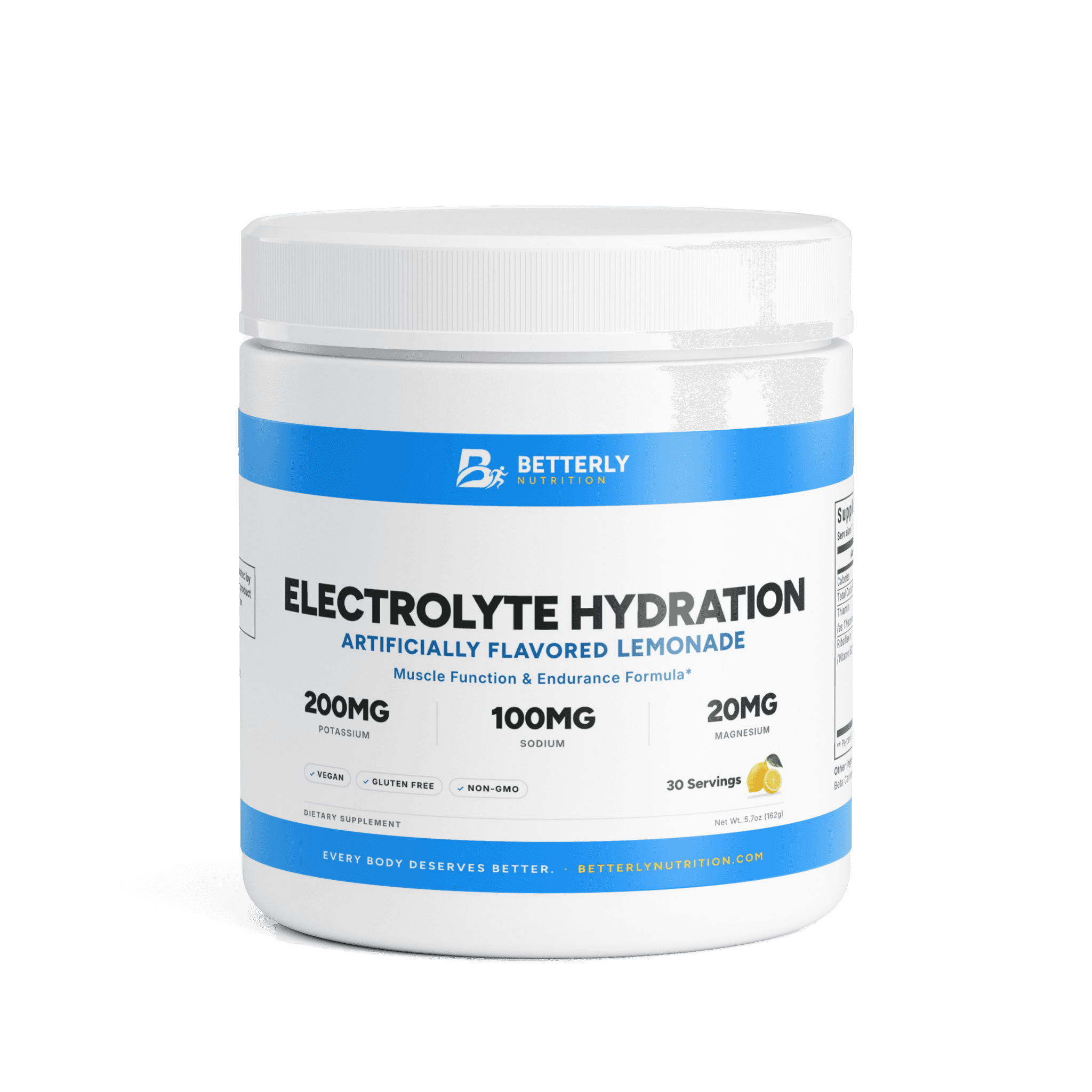
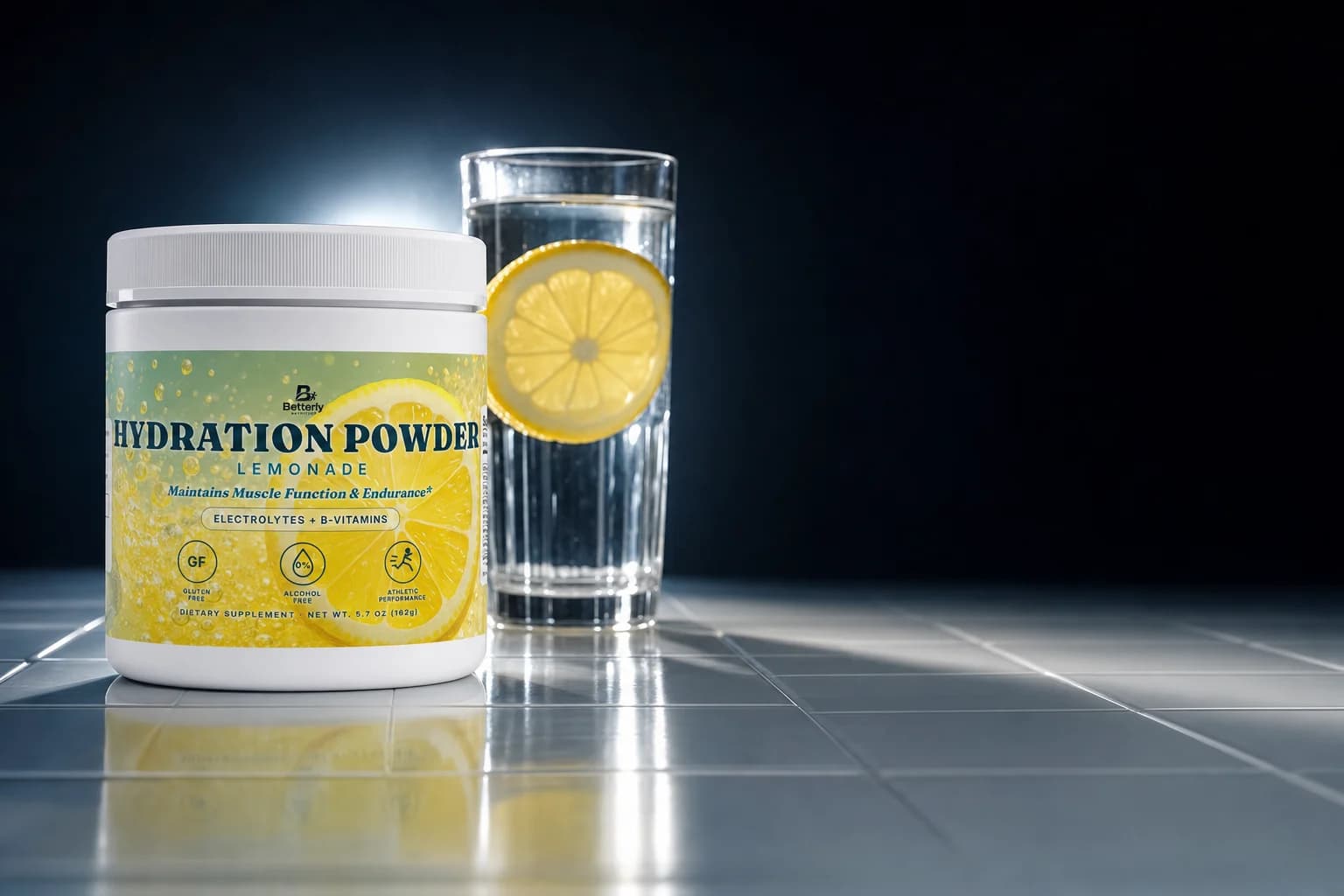
Electrolyte Hydration Powder (Lemonade) is the generalist: sodium, potassium, magnesium and calcium — each in its citrate form — plus seven B vitamins that support normal energy metabolism. Those seven are thiamin, riboflavin, niacin, vitamin B6, folate, vitamin B12 and pantothenic acid, each at 33% of the Daily Value per 1-scoop (5.4 g) serving. No caffeine, and 10 calories per serving, so it works mid-workout, on a hot afternoon, or at 9 p.m. without a second thought.
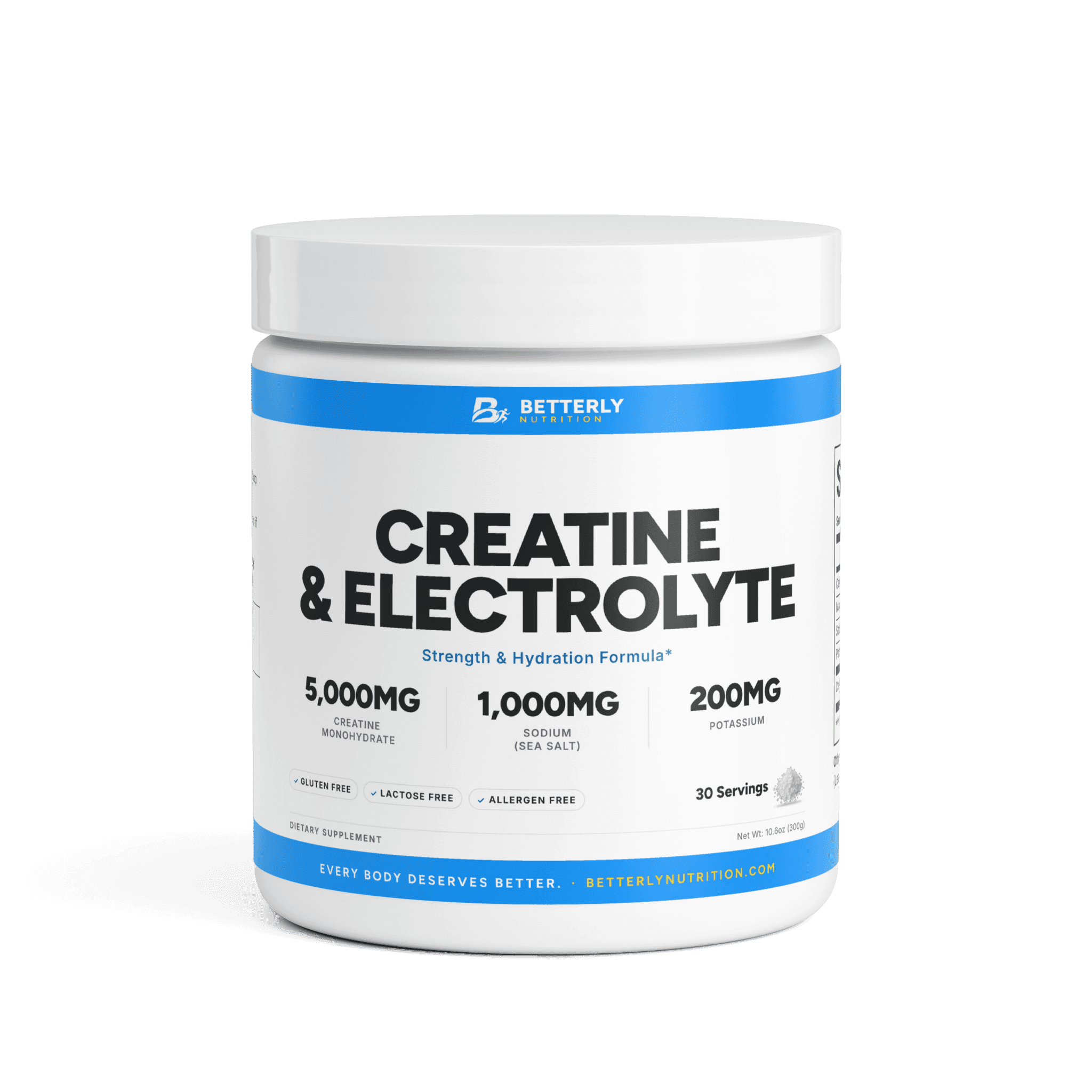
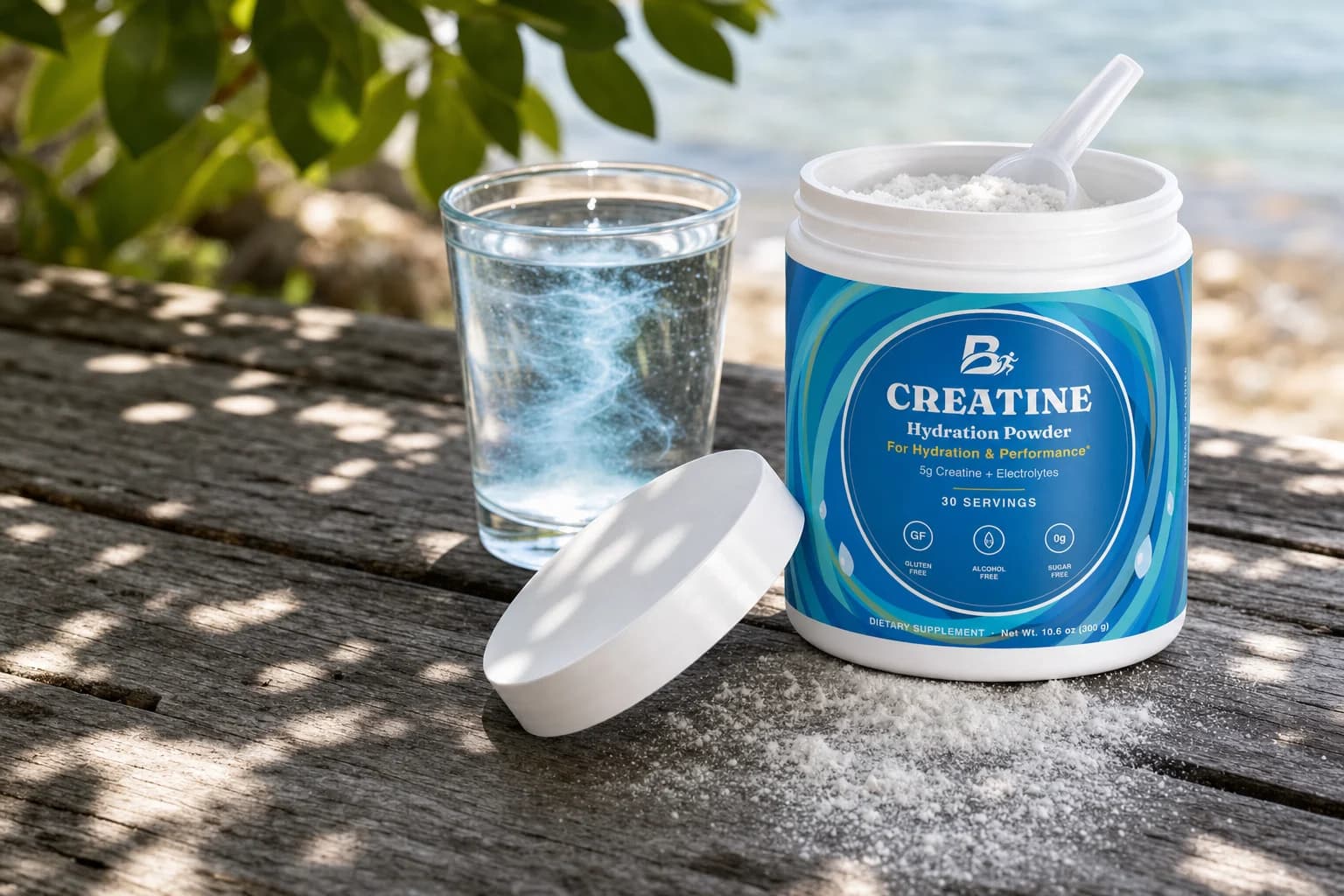
5g Creatine & Electrolyte Powder is the training specialist. Each 1-scoop (10 g) serving pairs 5,000 mg (5 g) of creatine monohydrate with three electrolytes — 1,000 mg of sodium from sea salt, 200 mg of potassium, and 60 mg of magnesium as magnesium malate. Creatine supports your muscles' natural ATP energy cycle for the short bursts of power behind sprints and lifts, while the electrolytes help replace what you lose through sweat. If creatine is new to you, our creatine for beginners guide covers it without the hype.
| If this is you | Reach for | Why |
|---|---|---|
| Hot days, travel, evenings, everyday sipping | Electrolyte Hydration Powder (Lemonade) | Caffeine-free, four electrolytes plus B vitamins — works at any hour |
| Lifting, sprints, high-intensity training | 5g Creatine & Electrolyte Powder | 5,000 mg of creatine monohydrate plus three electrolytes in one scoop |
| Keto or carb-conscious eating | The lemonade mix | 10 calories and 2 g total carbohydrates per 1-scoop (5.4 g) serving, sweetened with sucralose |
| Already taking creatine separately | The lemonade mix | Pure hydration — no creatine to double up on |
| One scoop to cover training basics | The creatine powder | Creatine and electrolytes together, no loading phase to track |
The verdict, split by use case: if you train hard most days and want creatine anyway, 5g Creatine & Electrolyte Powder does double duty. For everyone else — and for every hour that isn't a workout — caffeine-free Electrolyte Hydration Powder (Lemonade) is the one to keep on the counter. Plenty of people who train keep both and use each in its lane.
From our shop: Electrolyte Hydration Powder (Lemonade): a caffeine-free mix with 100 mg sodium, 200 mg potassium, 20 mg magnesium and 40 mg calcium (all as citrates) plus seven B vitamins per 1-scoop (5.4 g) serving.
What should you look for in an electrolyte powder?
This is where a little skepticism pays for itself. Our checklist works on anyone's product, including ours:
- Named minerals in named forms. The label should say which electrolytes are inside and in what form — sodium citrate, potassium chloride, magnesium malate. Vague "hydration matrix" language is a red flag.
- Sodium first. Sweat takes electrolytes with it, and sodium is the number to check first for sweaty use. A powder that's all flavor and trace minerals isn't doing the main job.
- Know your sweetener — including ours. Electrolyte Hydration Powder (Lemonade) is sweetened with sucralose and lists beta carotene for color; 5g Creatine & Electrolyte Powder uses stevia leaf extract. Neither hides it, and if sucralose isn't your thing, we'd rather you know before you buy.
- Caffeine should be a choice, not a surprise. Plenty of hydration mixes add stimulants. Our lemonade mix is caffeine-free by design, and the creatine powder's ingredient list contains no caffeine either — worth checking on any label before an evening scoop.
- Skip the miracle language. Electrolytes do quiet, boring, useful work. Any tub promising transformation is selling the story, not the minerals.
And in the spirit of that checklist: we reproduce the manufacturer's ingredient lists exactly, so what you read is what's in the scoop. You can see how we apply that across our Performance Essentials collection.
How do you use them — how much, and when?
Straight from the labels:
Electrolyte Hydration Powder (Lemonade): using the scoop inside the jar, mix one scoop to taste into 14–20 oz of water — or two scoops into a 28–40 oz bottle. Sip during activity or any time you're catching up on fluids. Mix it stronger or lighter to taste, and since there's no caffeine, evening use is fine. The label says not to exceed 5 scoops daily.
5g Creatine & Electrolyte Powder: the label's suggested use is one scoop (10 g) in 6–8 oz of water or your favorite beverage daily; it doesn't specify a time of day. There's no loading phase to track; consistent daily use is what lets creatine do its job of supporting muscular energy over time. Don't exceed the recommended dose.
Either way, think of a powder as one piece of a routine that mostly runs on unglamorous things: water through the day, meals with real food in them, and consistency. Alongside a balanced diet, that's the whole system.
Who are electrolyte powders for — and who should skip them?
They fit adults whose days include real sweat or real gaps in fluid intake: people who train hard, work outdoors, live somewhere hot, follow low-carb eating patterns, or simply won't finish plain water but will finish lemonade.
Some people should skip them or check first:
- Under 18. The 5g Creatine & Electrolyte Powder label says to consult a physician first if you're under 18, and we'd suggest the same before anyone under 18 uses Electrolyte Hydration Powder (Lemonade).
- Pregnant or nursing. Both the 5g Creatine & Electrolyte Powder and Electrolyte Hydration Powder (Lemonade) labels say to consult a physician first if you're pregnant or nursing.
- On medication or managing a known medical condition. Talk with your physician before adding either powder — or any supplement.
And a powder never replaces the basics. If the water isn't happening at all, start there; the minerals are the supporting cast.
From our shop: 5g Creatine & Electrolyte Powder: 5,000 mg creatine monohydrate plus 1,000 mg sodium, 200 mg potassium and 60 mg magnesium per 1-scoop (10 g) serving.
Frequently asked questions
Do I need an electrolyte powder every day?
No — and we'd rather say so than sell you an extra jar. Daily use makes sense during stretches when the triggers are daily: a hot summer, a heavy training block, outdoor work. In an ordinary desk week, water and regular meals cover you.
Will electrolytes give me an energy boost?
Not the caffeine kind — there's no jolt in a mineral. Electrolytes support healthy fluid balance and normal muscle and nerve function, and the seven B vitamins in Electrolyte Hydration Powder (Lemonade) support normal energy metabolism — steady-state support rather than a spike. If all-day energy is the real question, start with our guide to supporting natural energy.
Does either powder contain caffeine or sugar?
Electrolyte Hydration Powder (Lemonade) has no caffeine; it's sweetened with sucralose and has 10 calories and 2 g total carbohydrates per 1-scoop (5.4 g) serving. 5g Creatine & Electrolyte Powder is sweetened with stevia leaf extract, and its ingredient list contains no caffeine either.
Can I use both powders?
They're built for different lanes: the creatine scoop once a day, as its label suggests, and the lemonade mix any time you're catching up on fluids. If you take medication or have a known medical condition, run the combination — like any supplement stack — past your physician first.
Is Electrolyte Hydration Powder (Lemonade) vegan and gluten-free?
Yes. The Electrolyte Hydration Powder (Lemonade) label lists vegan, gluten-free and non-GMO. Its other ingredients are polydextrose, citric acid, natural and artificial flavors, sucralose, calcium silicate and beta carotene, which the label lists for color. If you avoid sucralose or artificial flavors, that list is the place to check.
Do I need a loading phase with 5g Creatine & Electrolyte Powder?
No. The 5g Creatine & Electrolyte Powder label's suggested use is simply one scoop (10 g) in 6–8 oz of water or your favorite beverage daily, and consistent daily use is what lets creatine support muscular energy over time. The label doesn't specify a time of day.
If this left you looking for somewhere to start, read caffeine-free electrolyte powder — its amounts per serving are listed on the page. For the practical questions this raises, how dosing, sourcing and subscriptions work is answered in one place.