On this page
- Key takeaways
- What is creatine, and what does it actually do?
- Do I need a loading phase?
- How much creatine should I take, and when?
- Why does creatine pair so well with electrolytes?
- Will creatine make me bulky or bloated?
- Is creatine just for guys who lift heavy?
- What should I look for when buying creatine?
- Who is creatine for, and who should ask a physician first?
- FAQ: creatine for beginners
- Sources
The short answer: Creatine is simpler than the internet makes it look. Take 5g of creatine monohydrate daily — with plenty of water — and stay consistent. No loading phase, no cycling schedule, no perfect timing window. Creatine supports your muscles' natural ATP energy cycle, the system behind short bursts like sprints and heavy lifts, and it does its best work as a steady daily habit measured in weeks, not hours.
Key takeaways
- Creatine supports the ATP energy cycle your muscles rely on for short bursts of power — sprints, heavy lifts, hard intervals.
- Creatine monohydrate is the most widely studied form, and it's the sensible one to buy as a beginner.
- The routine is simple: 5g daily, training day or not. You can skip the loading phase entirely.
- Creatine and hydration go together, which is why it makes sense to take your scoop with water and electrolytes.
- It's for healthy, active adults. Under 18, pregnant or nursing, or taking medication? Talk to your physician first.
What is creatine, and what does it actually do?
Creatine is a compound your body already makes and stores, mostly in muscle tissue. You also get small amounts from foods like meat and fish. It isn't a stimulant, it isn't a hormone, and it isn't protein. The closest everyday comparison is a backup battery for your muscles' fastest energy system.
Here's the plain-English version of how that works. When you do something short and intense — a sprint, a heavy set of squats, the last hard interval of a spin class — your muscles burn through a molecule called ATP, their immediate energy currency. Creatine's job is to help regenerate that ATP quickly so the next burst is there when you ask for it. That's why a daily scoop of creatine supports strength and short-burst power rather than, say, a caffeine-style jolt you feel twenty minutes later.
It's also among the most-researched sports supplements you can buy. The NIH Office of Dietary Supplements describes creatine monohydrate as "the most widely used and studied form of creatine in supplements" in its fact sheet on exercise supplements. For a category full of exotic-sounding powders, creatine is unusually boring — in the best possible way.
One honest expectation to set early: you probably won't feel creatine the way you feel coffee. It works quietly, in the background, as your muscle stores build up over weeks of daily use. That's normal, and it's exactly how it's supposed to go.
Do I need a loading phase?
You've probably seen the advice: take a big pile of creatine every day for the first week to "load" your muscles, then drop to a maintenance amount. That routine comes from older protocols designed to fill muscle stores as fast as possible, and it's where a lot of beginner confusion comes from.
Here's the honest version: you don't need it. Taking a normal daily amount gets your muscle stores to the same place — it just takes a few weeks instead of a few days. Since creatine is a long-game supplement either way, there's very little reason for a beginner to bother with loading. Our 5g Creatine & Electrolyte Powder is built on exactly that thinking: one scoop daily, no loading routine to track.
Consistency is the entire strategy. If you're the kind of person who likes systems, this pairs nicely with the advice in our guide to building a simple daily supplement routine — anchor the scoop to something you already do every day, like your post-workout water or your morning glass before breakfast.
How much creatine should I take, and when?
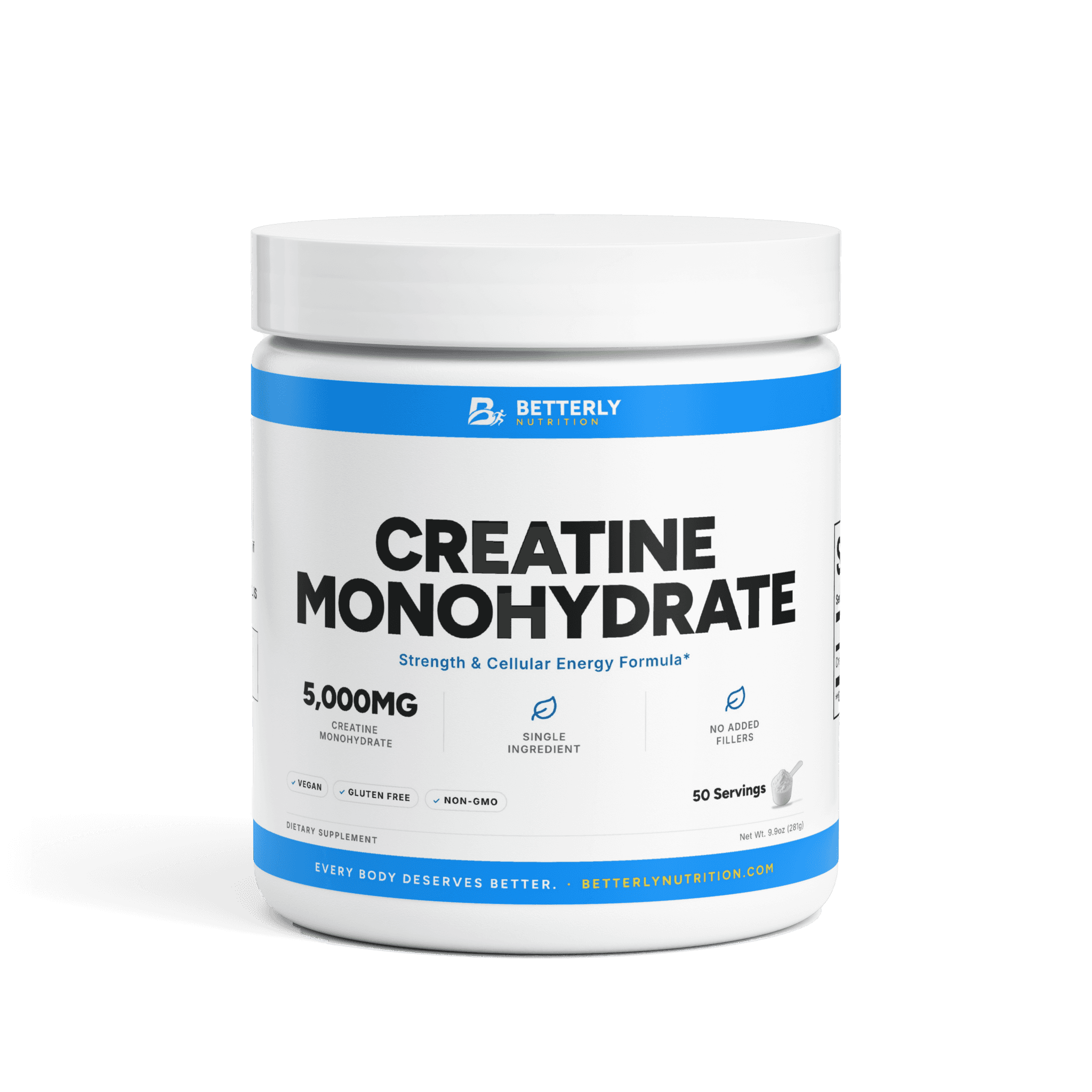
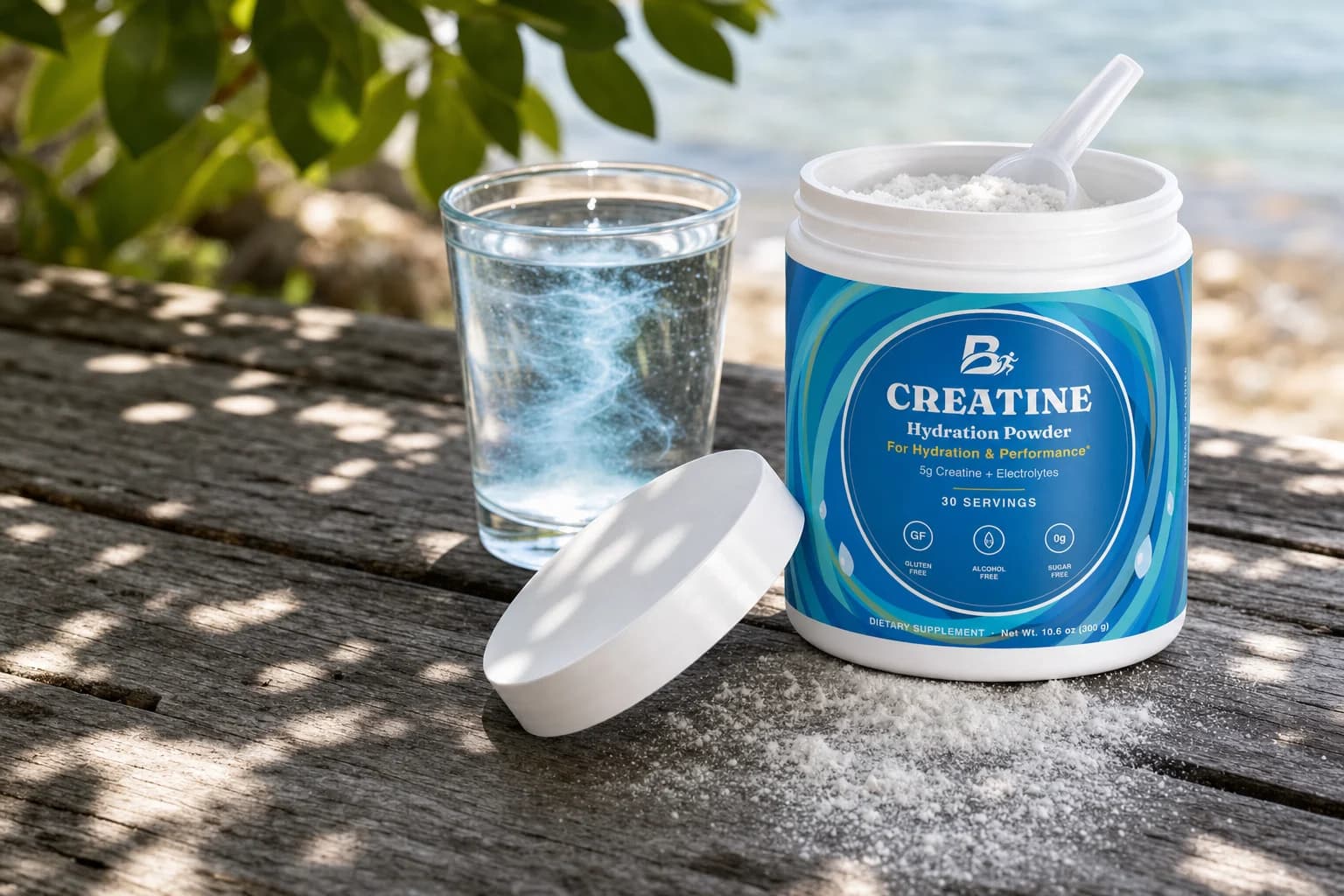
With our powder, the answer is one scoop. Each 10g scoop delivers 5,000 mg (5g) of creatine monohydrate, and the suggested use is simple: mix one scoop into 6–8 oz of water or your favorite beverage daily. It works before or after training — either is fine. Don't exceed the recommended dose; more isn't better here.
Timing gets talked about far more than it deserves. Pre-workout, post-workout, with breakfast — pick whichever slot you'll actually remember, because the daily habit matters far more than the hour. Creatine isn't something you time around a workout the way you might a cup of coffee. It builds. If a pre-session lift is what you're really after, that's a caffeine question, and our guide to pre-workout vs an energy drink sorts out which one fits.
Two beginner questions worth answering directly:
- Rest days? Yes, take it. The point is keeping your muscle stores steadily topped up, and that doesn't pause on Sundays.
- Empty stomach or with food? Either. If plain water gets boring, mix it into whatever you're already drinking.
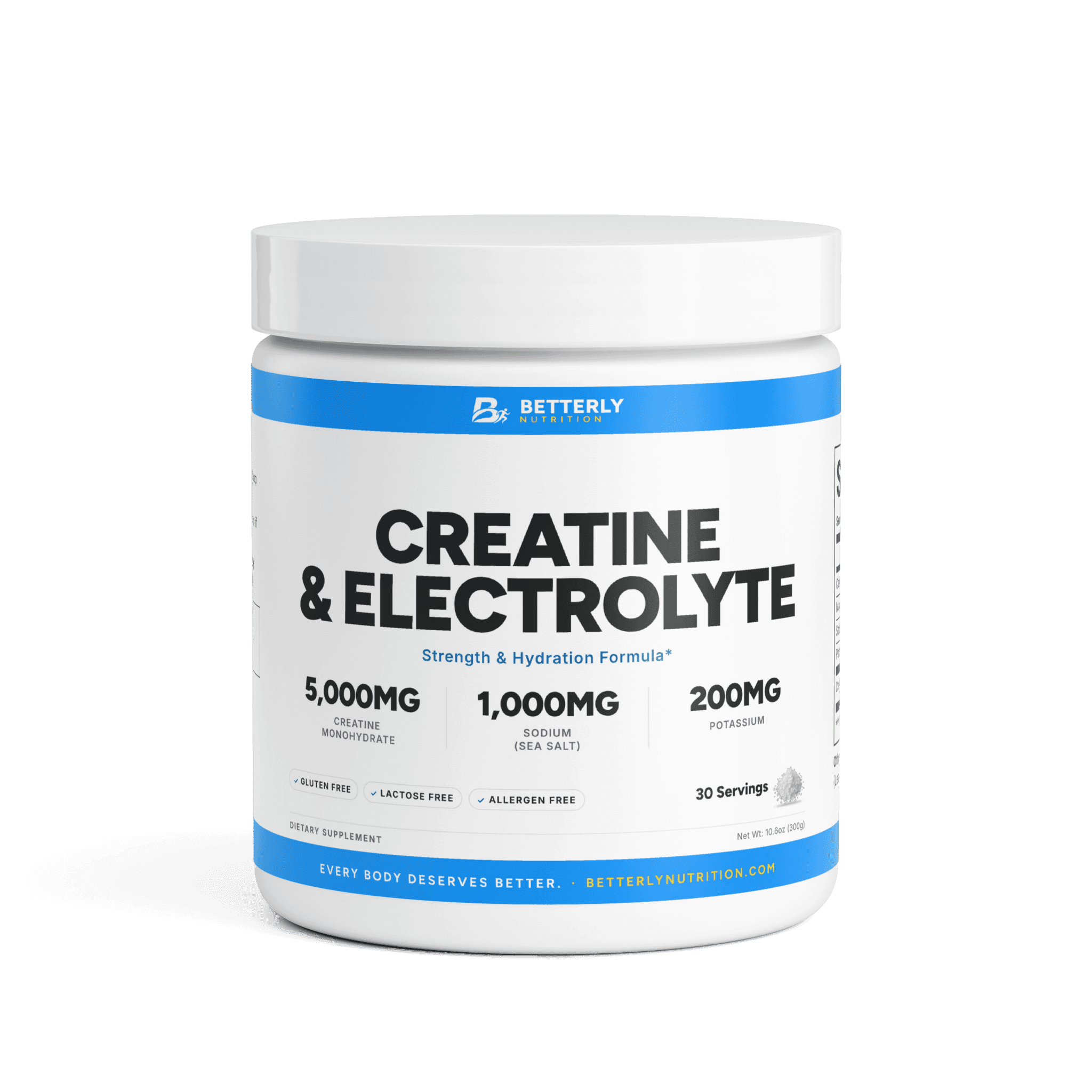
From our shop: 5g Creatine & Electrolyte Powder — 5,000 mg of creatine monohydrate plus sodium, potassium and magnesium per 1 scoop (10 g) serving.
Why does creatine pair so well with electrolytes?
Creatine pairs well with electrolytes because hydration matters while you take it: the NIH Office of Dietary Supplements notes that adequate hydration while taking creatine might minimize its uncommon side effects. Add a sweaty training session, and you're losing fluid and minerals through sweat at the same time, so hydration stops being an afterthought.
That's the thinking behind bundling the two. Each scoop of our 5g Creatine & Electrolyte Powder pairs the 5,000 mg of creatine with three electrolytes: 1,000 mg of sodium (as sea salt), 200 mg of potassium and 60 mg of magnesium (as magnesium malate). The sodium and potassium help replace what you lose through sweat and support healthy fluid balance, while the magnesium supports normal muscle and nerve function. If you want the full picture of what each mineral does, our Electrolytes 101 guide breaks it down without the sports-drink marketing.
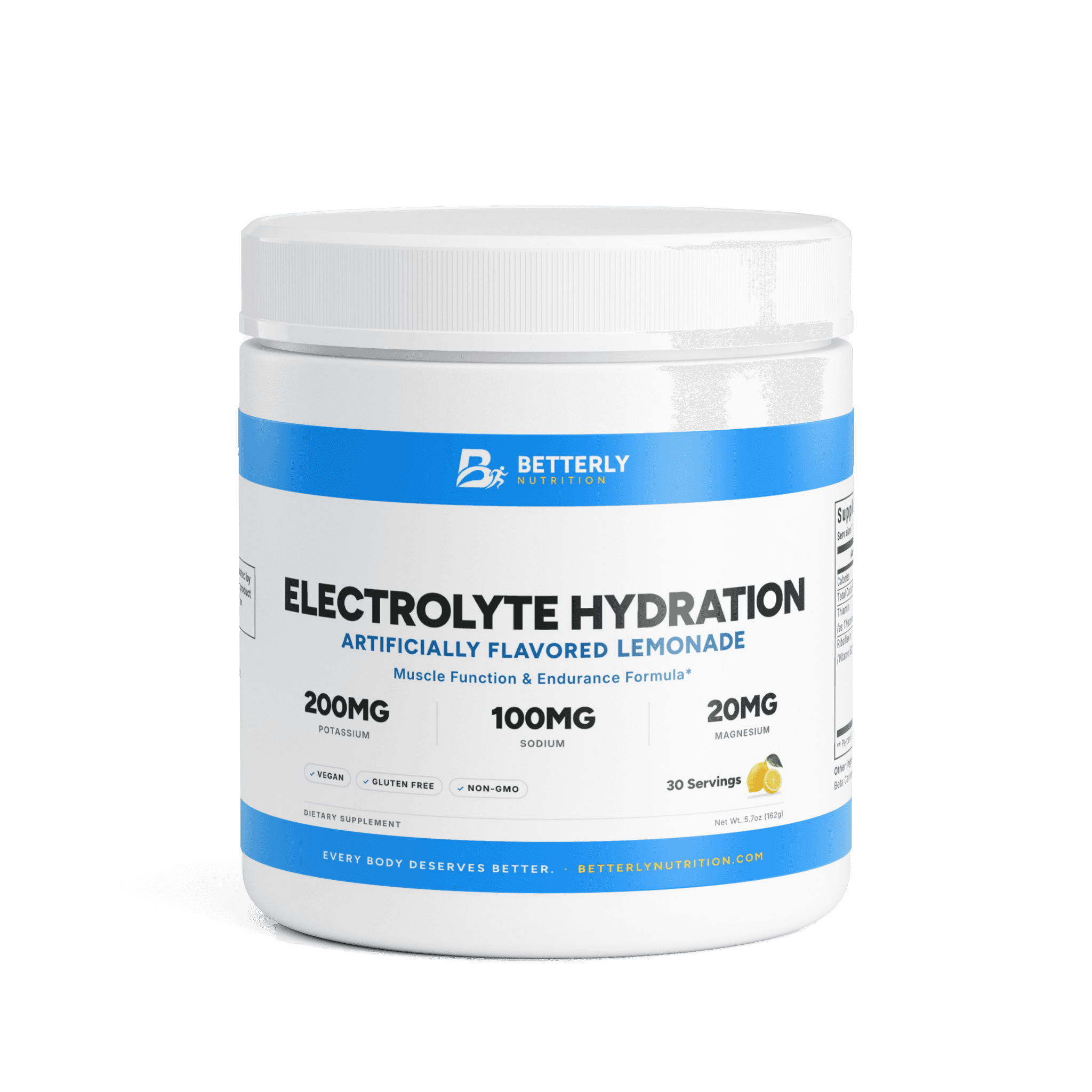
And if you want electrolytes on days you're not reaching for creatine — hot afternoons, travel, an evening walk in July — our caffeine-free Electrolyte Hydration Powder (Lemonade) covers pure hydration with no creatine in it. Both live in our Performance Essentials collection, and they're built to slot into the same simple routine.
Will creatine make me bulky or bloated?
This is the question that keeps more beginners away from creatine than any other, so let's take it seriously.
On the scale: according to the NIH Office of Dietary Supplements, creatine usually causes some weight gain because it increases water retention. It's a known, expected effect, so it's worth knowing about before you start.
On "bulky": muscle is built by months of progressive training and eating enough to support it. A scoop of creatine supports the short-burst energy that lets you train hard; it doesn't build muscle on your behalf, and it certainly can't make you bulky by accident. Nobody has ever gotten big from a powder while sitting on the couch.
On the stomach: according to the NIH Office of Dietary Supplements, GI distress is among the rare individual reactions to creatine. The label's suggested use is one scoop mixed with 6-8 oz of water or your favorite beverage daily.
Is creatine just for guys who lift heavy?
No — and this myth deserves a proper burial.
The ATP energy system creatine supports isn't gendered. It's the same cellular machinery whether you're a 22-year-old powerlifter or a 45-year-old who just started strength training because carrying groceries up the stairs shouldn't feel like an event. The NIH Office of Dietary Supplements describes the same typical creatine protocol for adults regardless of sex, and our label's suggested use doesn't change: one scoop (5,000 mg of creatine) daily. There's no special "women's formula" you need to wait for; a creatine marketed to women is still creatine, so compare the grams per serving on the label.
If your training includes anything short and hard — strength work, sprint intervals, a spin class, rec-league soccer, hiking a steep trail — creatine supports the muscular energy behind those efforts, whoever you are. The barrier was never biology; it was decades of marketing that only pictured one kind of customer.
What should I look for when buying creatine?
This is where a little honesty saves you money. Creatine is a mature, well-understood ingredient, which means the differences between products are smaller than the marketing suggests. Here's what actually matters:
- Monohydrate, not mystery forms. Newer creatine variants come with bigger claims and bigger prices, but monohydrate is the most widely used and studied form, according to the NIH Office of Dietary Supplements. As a beginner, it's the obvious choice.
- A clear dose on the label. You want the grams per serving stated plainly — ours reads 5,000 mg (5g) of creatine monohydrate per scoop, right on the panel. Walk away from proprietary blends that hide the amount.
- A short, readable ingredient list. Our scoop is creatine monohydrate, three electrolytes, natural flavors, stevia extract (leaf) and silicon dioxide (an anti-caking agent), and stevia is the only sweetener on the list. If a tub carries a paragraph of extras, it's fair to ask what each one is doing there.
- Honest framing over hype. We'll hold ourselves to this one too: Betterly is a curation and branding company, our products come from our U.S. fulfillment partner's contract manufacturers, and every figure we publish comes from the manufacturer's specification, unchanged. That's the level of plain dealing you should expect from anyone selling you creatine.
- Sane pricing. Plain creatine is not an expensive ingredient. When you pay more, you should be able to point at why — flavor, mixability, bundled electrolytes — not just a louder tub.
Who is creatine for, and who should ask a physician first?
Creatine suits healthy, active adults: lifters, sprinters, team-sport players, and anyone adding strength work to their week who wants to support strength, short-burst power and hydration during training. You don't need to be an athlete — you need a reason to care about short bursts of effort, and most active lives have plenty.
A few groups should check in with a physician first:
- Under 18: the label says to consult a physician before using it.
- Pregnant or nursing: the label says to consult a physician first.
- Taking medication or managing a known medical condition: creatine and electrolytes are widely used, but talk with your physician before starting this or any supplement. That's not legal boilerplate; your doctor knows your situation and a blog post doesn't.
And for everyone: stick to the recommended dose, and drink your water. Creatine rewards the boring virtues.
From our shop: 5g Creatine & Electrolyte Powder — 5,000 mg of creatine monohydrate and three electrolytes per 1 scoop (10 g) serving, taken once daily with no loading routine to track.
FAQ: creatine for beginners
How long does creatine take to work?
Creatine builds up gradually rather than working in hours. According to the NIH Office of Dietary Supplements, use of creatine supplements for several weeks or months can help with training, so consistency matters more than timing. You may never "feel" creatine the way you feel caffeine, and that's normal; the label's suggested use is simply one scoop daily.
Do I need to cycle on and off creatine?
There's no cycling schedule to manage with our powder — the suggested use is simply one scoop daily. If you have questions about long-term use in your specific situation, that's a good conversation to have with your physician.
Can I take creatine with protein or other supplements?
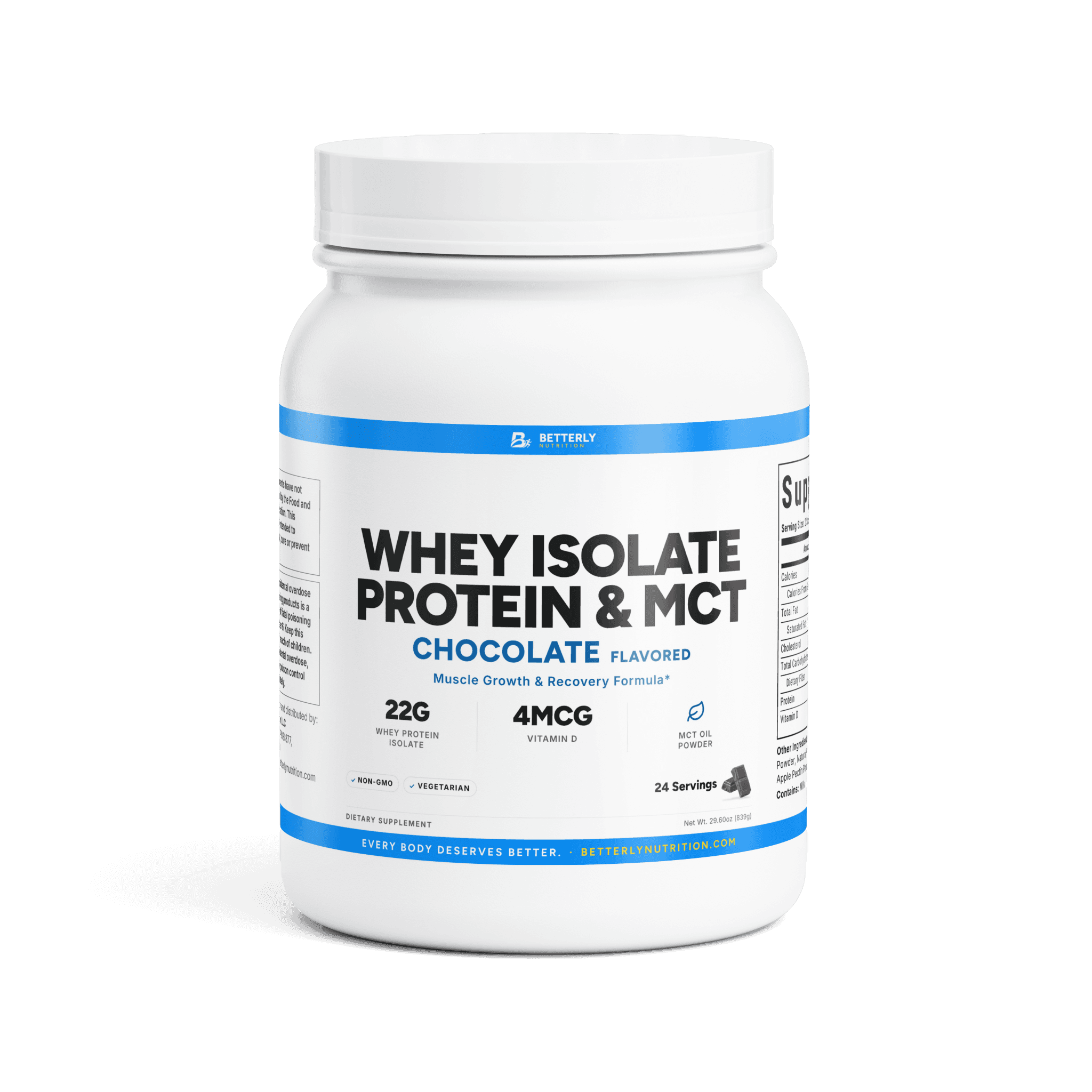
They're commonly used together — many people mix their creatine into water around training and have a protein shake like our Whey Protein Isolate & MCT Powder (Vanilla) afterward. If you're still choosing a protein, our guide comparing whey protein blend and isolate is a good starting point. As always, if you take medication or have a known medical condition, check with your physician before adding anything new.
What happens if I miss a day?
Nothing dramatic. Creatine is a steady daily habit rather than a one-day event, so a single missed scoop is simply a missed scoop. The label's suggested use is one scoop daily. Just take your normal scoop the next day — don't double up, and don't exceed the recommended dose.
Does 5g Creatine & Electrolyte Powder contain caffeine?
No, there's no caffeine on the 5g Creatine & Electrolyte Powder label. The ingredient list is creatine monohydrate, the three electrolytes, natural flavors, stevia extract (leaf) and silicon dioxide, so an evening scoop won't keep you wired. The label's suggested use is one scoop mixed with 6-8 oz of water or your favorite beverage daily.
Is it safe to take creatine every day?
Creatine and electrolytes are widely used daily by active adults, and daily use is exactly how this product is designed to work. Stick to one scoop, don't exceed the recommended dose, and if you're pregnant or nursing, under 18, on medication, or managing a known medical condition, talk with your physician first.
Sources
- Dietary Supplements for Exercise and Athletic Performance: Fact Sheet for Consumers (NIH Office of Dietary Supplements)
- Dietary Supplements for Exercise and Athletic Performance: Fact Sheet for Health Professionals (NIH Office of Dietary Supplements)
If this left you looking for somewhere to start, read plain creatine monohydrate, 5 g per scoop — its amounts per serving are listed on the page. For the practical questions this raises, how dosing, sourcing and subscriptions work is answered in one place.