On this page
- What your body actually needs after a workout
- Step 1: Rehydrate — it's more than water
- Step 2: Protein — how much, which kind, and when
- Where BCAAs and L-glutamine fit in
- Creatine: the take-it-anytime recovery staple
- What you can probably skip
- A simple post-workout routine you can copy
- Key takeaways
- FAQ: post-workout recovery
- Sources
Ask five people at the gym what to take after a workout and you'll get five different stacks, most of them expensive. The honest answer is shorter: your body mostly wants fluid, some sodium, a solid dose of protein, and rest — in roughly that order. This guide walks through each step, what the research actually supports, and ends with a simple post-workout recovery routine you can copy without buying a shelf of products.
One thing up front: supplements are the convenient version of things food and water already do. A glass of milk and a real meal cover a lot of this. Powders earn their place when you're short on time, appetite, or the will to cook at 7 a.m.
What your body actually needs after a workout
Strip away the marketing and post-workout recovery comes down to three jobs:
- Replace what you sweated out. That's water plus electrolytes — mostly sodium, with potassium and magnesium in supporting roles.
- Give your muscles raw material. Training creates small amounts of wear in muscle tissue, and amino acids from protein are what your body uses to rebuild.
- Refill the tank. Hard sessions draw down glycogen, your muscles' stored carbohydrate. Normal meals handle this — you rarely need a product for it.
What about the famous 30-minute "anabolic window"? It's more of a garage door. The NIH Office of Dietary Supplements (ODS) sums up the sports-science advice as high-quality protein every 3 to 5 hours through the day, including within 2 hours after exercising — a daily rhythm, not a stopwatch. If you ate a protein-containing meal an hour or two before training, there's no need to sprint to the shaker.
So the order below is about convenience and comfort, not panic. Fluids come first because thirst is immediate. Protein comes soon after because it's easy to forget later. Everything else is a daily habit, not a post-gym emergency.
Step 1: Rehydrate — it's more than water
If you finish a session with a damp shirt, you didn't just lose water. Sweat carries sodium and other electrolytes out with it, and sodium helps your body hold on to what you drink instead of passing it straight through.
According to MedlinePlus, for every pound you lose while exercising, drink 16–24 ounces of fluid within the next 6 hours. After a lighter session, normal drinking through the rest of the day is enough.
When is plain water enough? Short or easy sessions, cool rooms, light sweat. When do electrolytes earn their place? Long workouts, hot conditions, heavy sweaters, or two-a-days — the situations where you finish with salt lines on your hat.
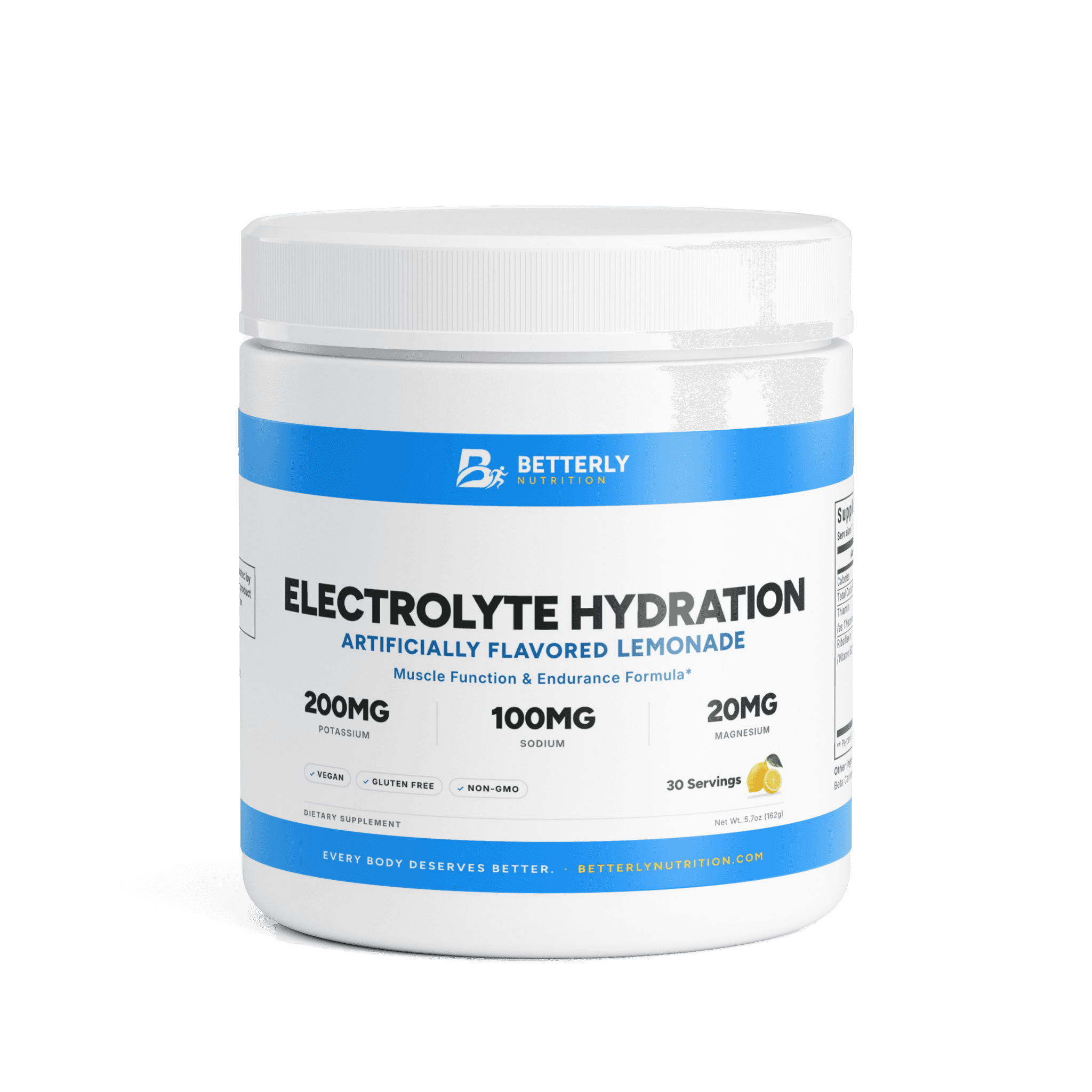
If you want a clean option, our Electrolyte Hydration Powder (Lemonade) is electrolytes plus B vitamins, sweetened with sucralose and with no caffeine — which also means it works after an evening session without borrowing against your night. Each 1-scoop (5.4g) serving has 200 mg of potassium, 100 mg of sodium and 20 mg of magnesium. That's a modest amount of sodium, so after a very salty session a salted meal helps too. (If the no-caffeine angle interests you beyond the gym, we wrote an honest guide to caffeine-free energy supplements.) And for the deeper explanation of when electrolytes matter and when they're overkill, Electrolytes 101 covers it in plain language.
Step 2: Protein — how much, which kind, and when
This is the part most worth getting right, because it's the one thing your body genuinely asks for after training.
How much: ODS puts that at about 0.14 grams of high-quality protein per pound of body weight each time (about 20 grams for a 150-pound person). High intakes seem to be quite safe, ODS adds, but there's no benefit to going past recommended amounts.
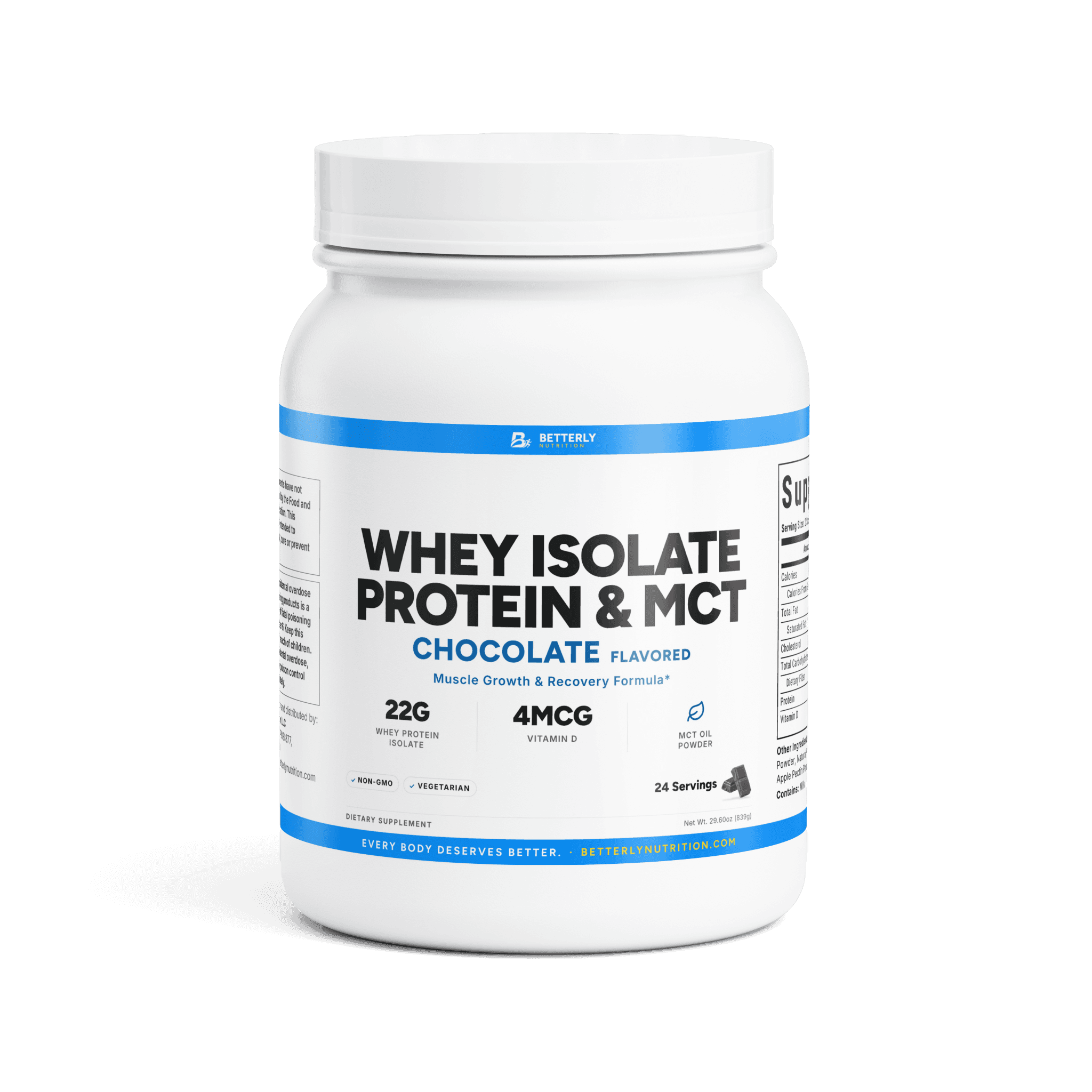
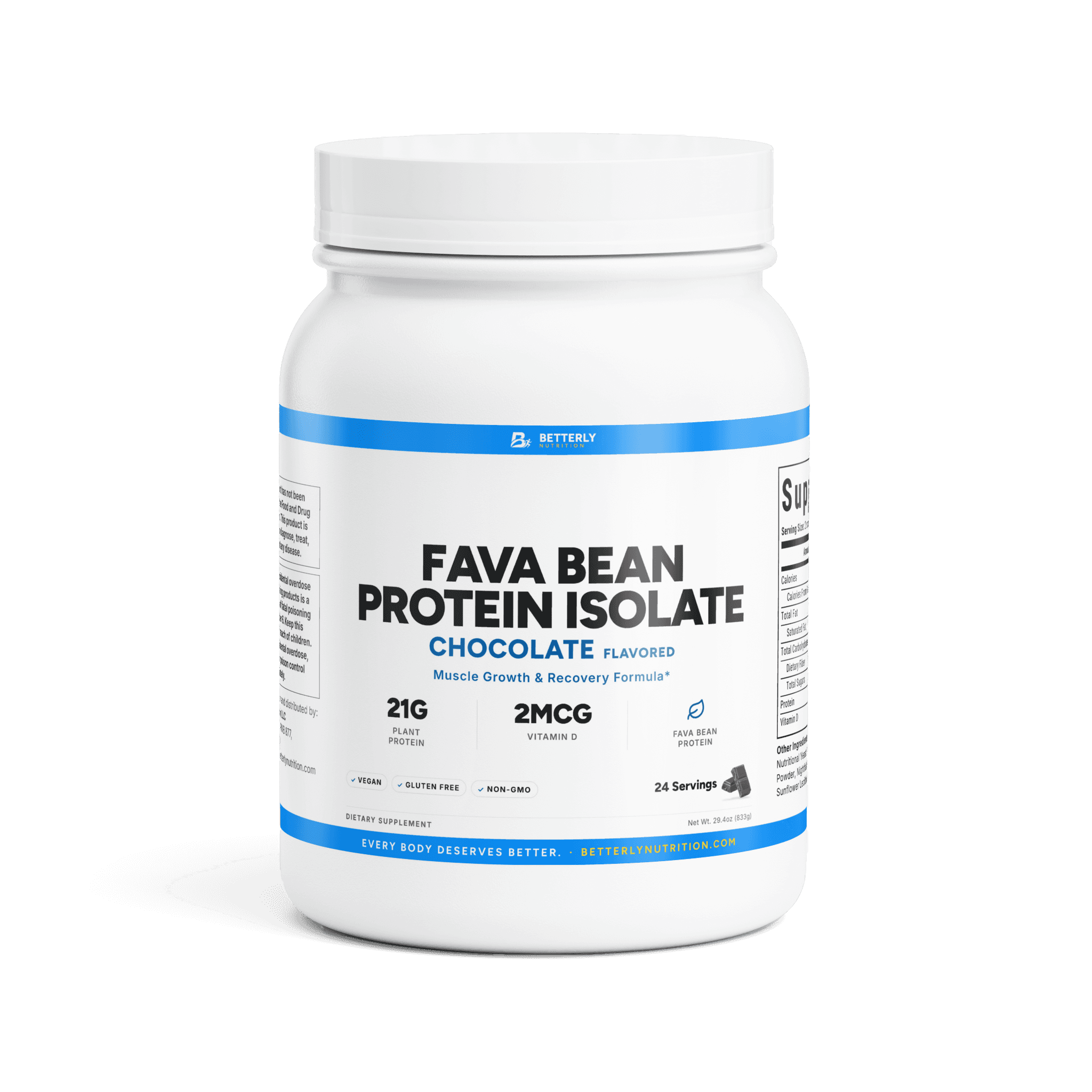
Which kind: whey isolate is the popular post-workout choice because it digests quickly and it's hard to get wrong — our Whey Protein Isolate & MCT Powder (Vanilla) delivers 22 g of protein per 2-scoop (34g) serving and is sweetened with stevia leaf extract. If dairy isn't your thing, plant protein does the same job when the serving is substantial — our Fava Bean Protein Isolate Powder (Chocolate) has 21 g of protein per 2-scoop (34.7g) serving and is labeled vegan.
When: sometime in the couple of hours after training is plenty. A shake is a convenience tool — if a real meal with protein is happening inside that window, the meal wins. Chicken and rice never needed a rebrand.
Where BCAAs and L-glutamine fit in
Here's the honest version.
BCAAs after a workout — the branched-chain amino acids leucine, isoleucine, and valine — are already inside any complete protein you drink or eat. If you're getting a proper protein dose, a separate BCAA scoop is mostly redundant. That's not an opinion; it's how the amino acid math works.
So when does a BCAA product make sense? A few honest cases: you train fasted and want something light before real food arrives; a full shake sits heavy after hard conditioning; or you simply want a flavored reason to keep drinking fluids. On the research side, ODS finds not much scientific evidence that BCAA supplements improve performance, build muscle, or help tired and sore muscles recover after exercise.
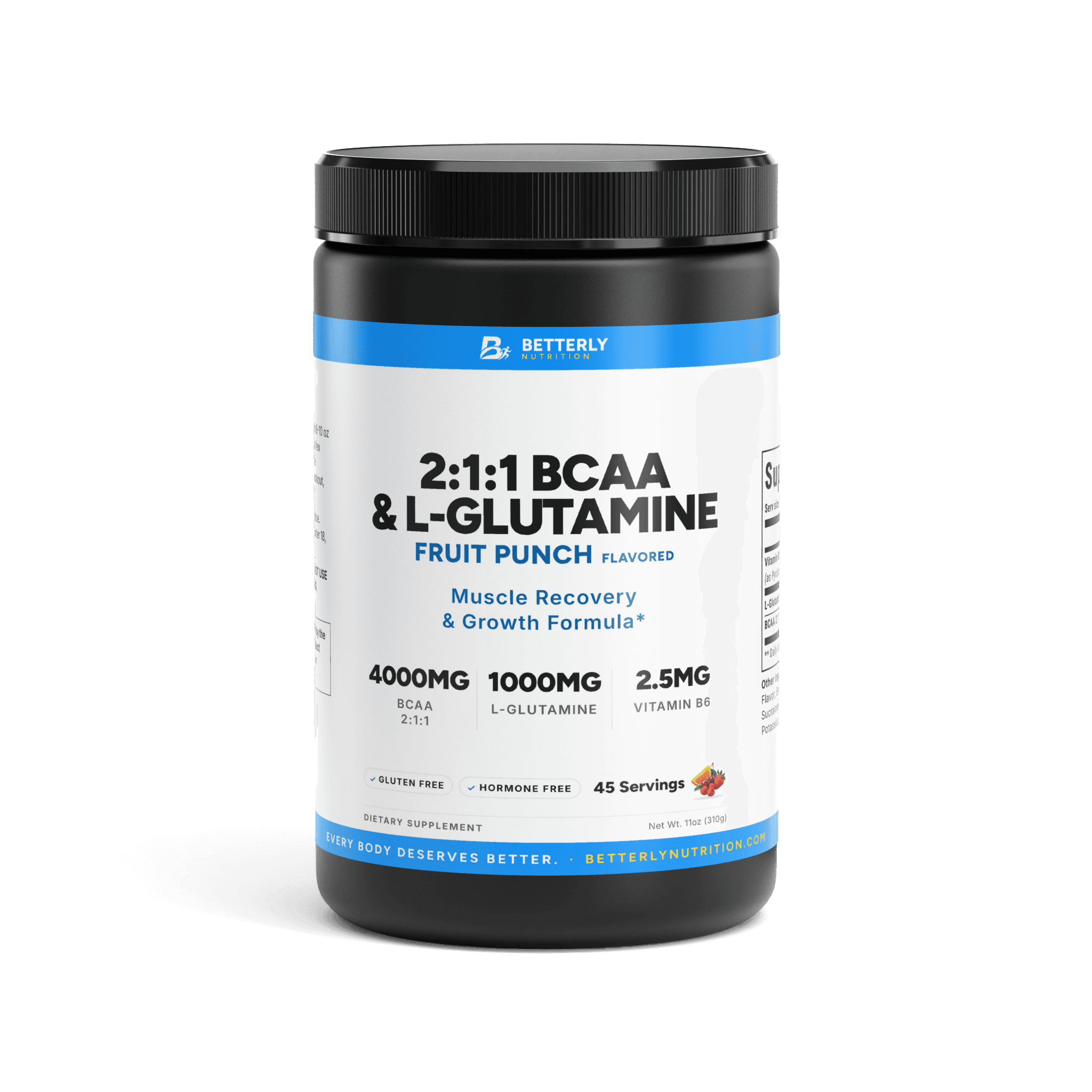
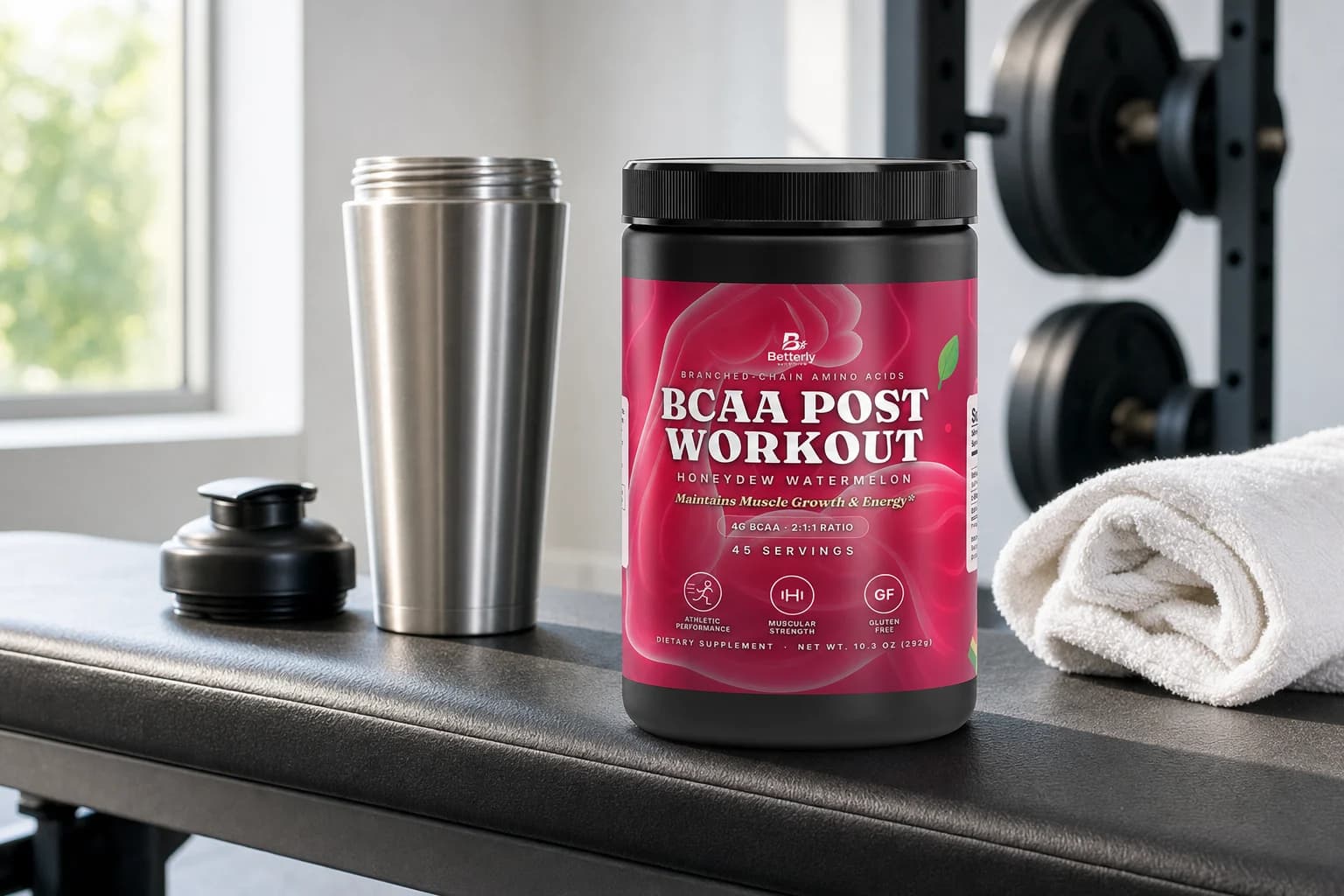
Our 2:1:1 BCAA & L-Glutamine Powder (Honeydew Watermelon) is built for exactly those cases: 4000 mg of BCAAs in a 2:1:1 ratio plus 1000 mg of L-glutamine per 1/2-scoop (6.5 g) serving (half a scoop, not a full one), in a flavor that makes post-gym fluids easier to finish.
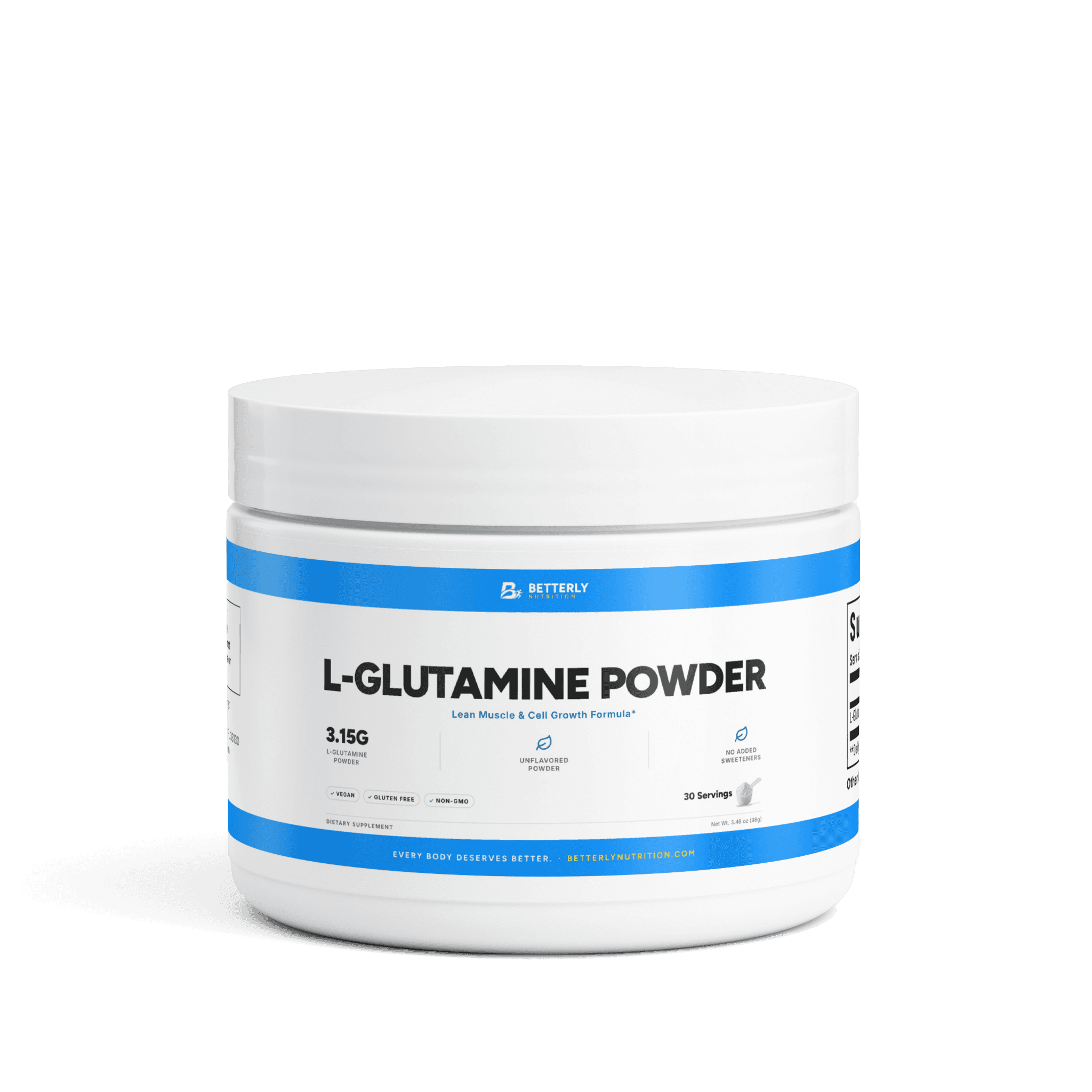
L-glutamine is the most abundant amino acid in your muscle tissue, and it pulls double duty — it shows up in exercise-recovery research and in gut-support routines. The exercise evidence is genuinely modest: according to ODS, only a few studies have looked at glutamine for recovering from strength and muscle-building workouts (for example, by reducing muscle soreness), and it had either no effect or only a small benefit. If you want to try it for yourself, our L-Glutamine Powder gives you 3.15 g of L-glutamine per 1-scoop (3.3 g) serving, unflavored, with silicon dioxide as its only other ingredient — which makes it easy to tell whether it's earning its spot.
Creatine: the take-it-anytime recovery staple
Creatine is the rare supplement where the research is deep, consistent, and boring — in a good way. It supports strength and exercise performance, and it works through saturation: your muscles gradually top up their creatine stores over a few weeks of daily use.
That mechanism has a liberating consequence: the creatine protocols ODS describes are set by the day, not by the clock. In the studies ODS summarizes, people often took 3–5 grams a day after a 5- to 7-day loading phase.
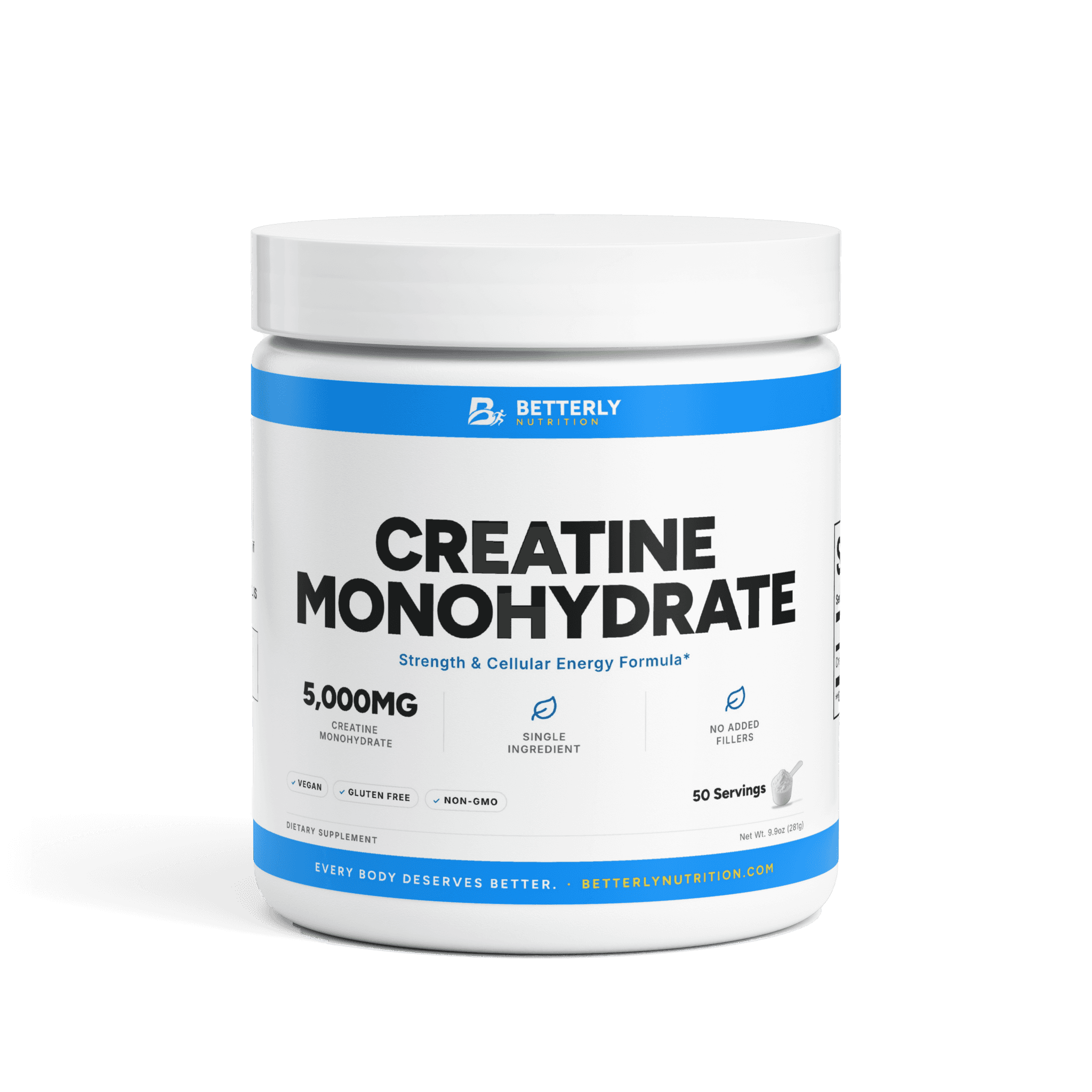
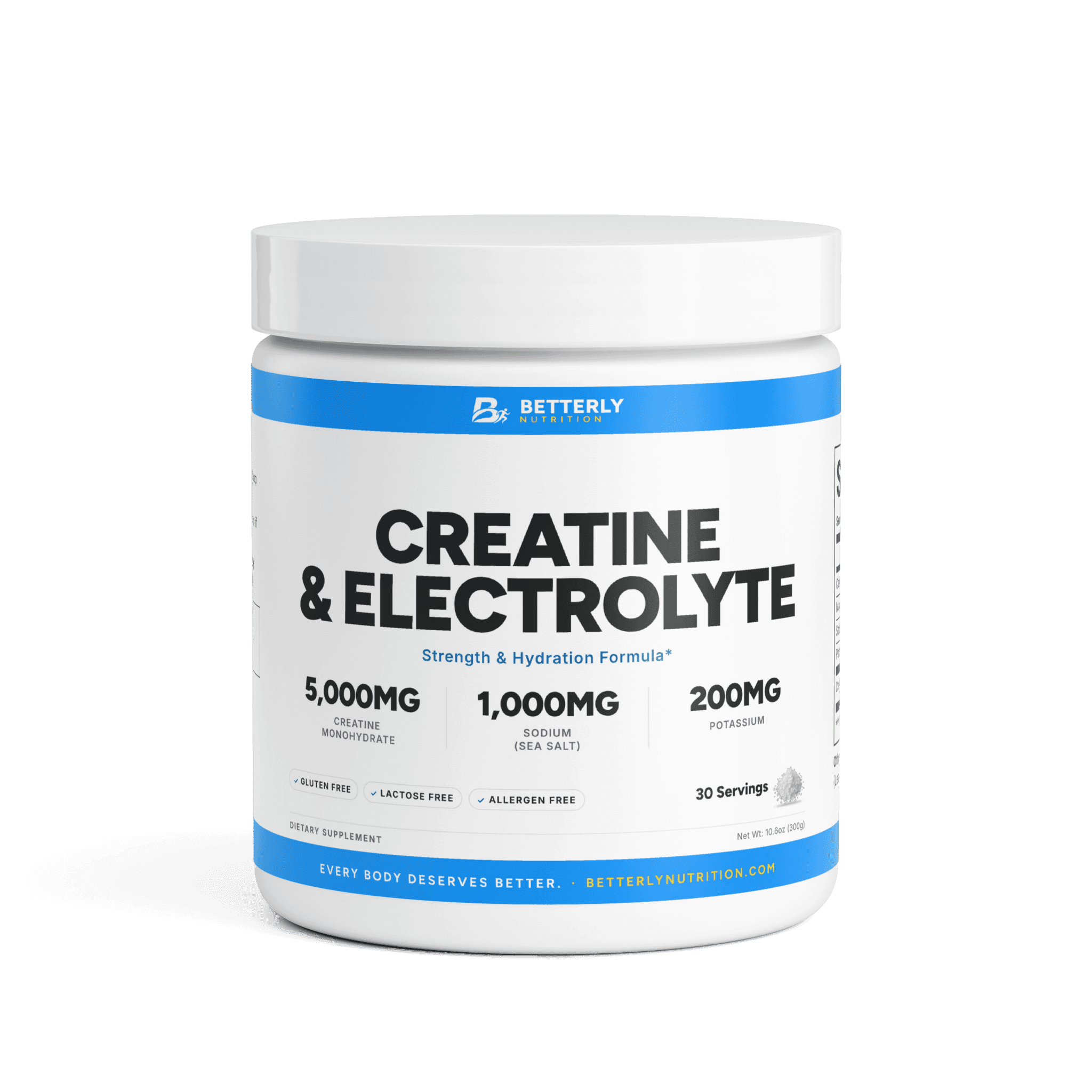
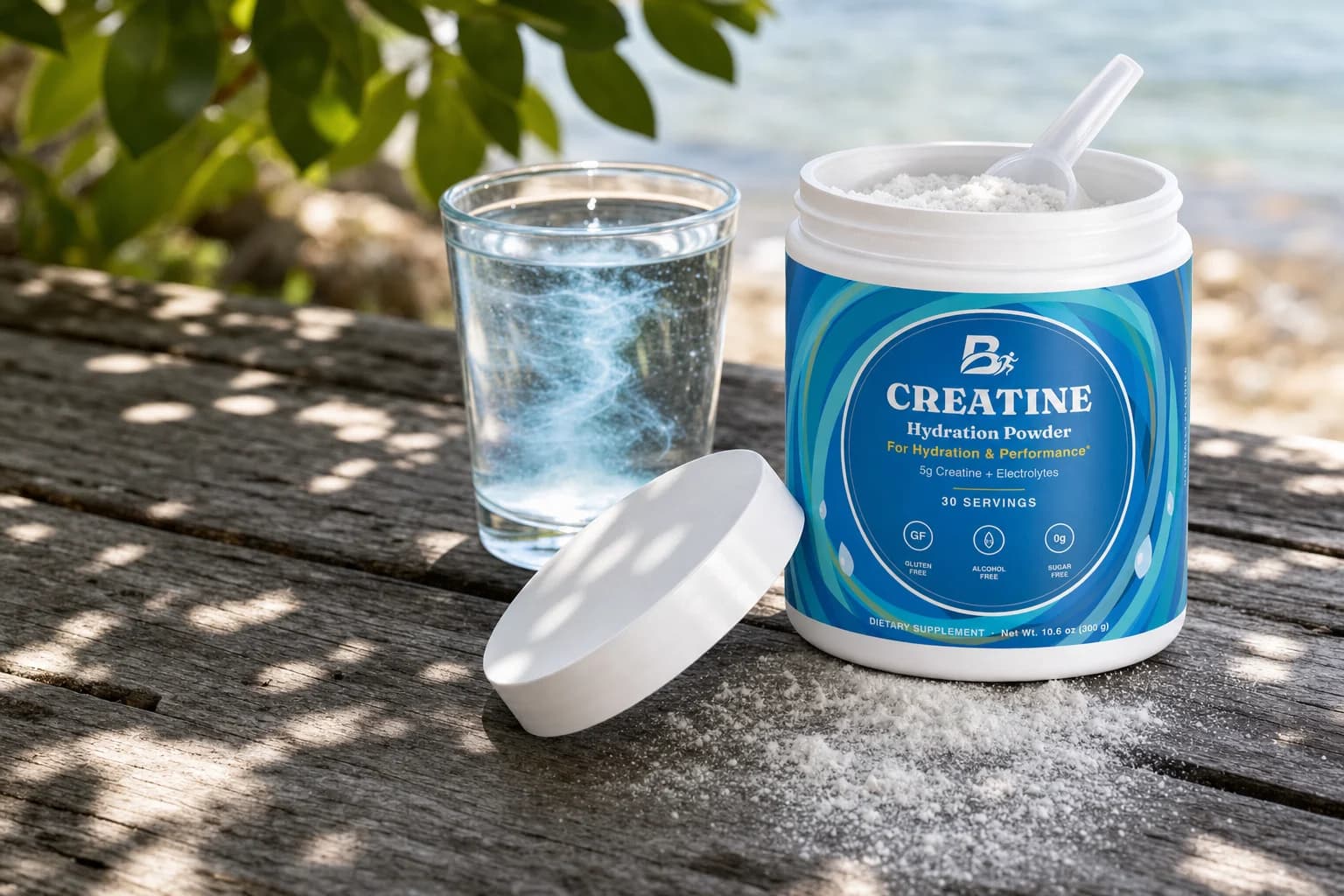
Plenty of people drop it in their post-workout shake anyway — not because the window matters, but because an existing habit is the best reminder ever invented. Our Creatine Monohydrate Powder is unflavored and single-ingredient, so it disappears into whatever you're already drinking. New to it? Creatine for Beginners answers the loading, bloating, and rest-day questions.
What you can probably skip
The muscle recovery supplements aisle is mostly rearrangements of the same few ingredients, so here's a short anti-shopping list:
- A separate BCAA scoop on top of a full protein shake. You already drank those aminos.
- Anything with caffeine after a late session. Recovery runs on sleep; don't borrow from it.
- A 15-product stack. If you can't say what job each product does, it doesn't have one.
- Waiting for magic. No powder outworks a boring week of enough protein, enough water, and enough sleep.
Daily energy tools like adaptogens are a different conversation for a different time of day — if that thread interests you, our guide to shilajit is a fair place to start.
A simple post-workout routine you can copy
Here's the honest answer to what to take after a workout, compressed into a checklist:
- Right away: drink. Start sipping fluid as soon as you finish; after a heavy sweat, aim for 16–24 ounces for every pound you lost, within the next 6 hours. Add electrolytes if the session was long, hot, or genuinely sweaty; plain water is fine otherwise.
- Within about two hours: protein. About 20 g or more from a shake, a real meal, or both. One 2-scoop serving of the Whey Protein Isolate & MCT Powder (Vanilla) or Fava Bean Protein Isolate Powder (Chocolate) above gives 22 g or 21 g of protein, so top up with food rather than a second serving.
- Any time today: creatine. 3–5g, every day, including rest days.
- Optional, for fasted or double sessions: sip a BCAA-and-glutamine drink after training, then eat properly when you can.
- Tonight: sleep. The actual recovery step. Everything above just sets the table.
That's it. Two habits and a daily scoop cover most people. Everything mentioned here lives in our Performance Essentials and Protein collections, and if you're working out how a post-workout routine fits alongside a multivitamin, magnesium, or anything else you take, Building a Simple Daily Supplement Routine shows how to stack habits without stacking clutter.
Key takeaways
- The old 30-minute panic window is oversold — ODS sums up the expert advice as protein every 3 to 5 hours, including within 2 hours after exercise.
- Rehydrate first: fluid plus electrolytes after long, hot, or sweaty sessions; plain water after easy ones.
- Protein is the main event: about 20 g or more within a couple of hours, whey or plant, shake or meal.
- BCAAs and L-glutamine are situational extras, not requirements — most useful for fasted training and light-stomach days.
- Creatine is a daily habit, not a post-workout ritual: 3–5g whenever you'll remember it.
- Sleep and food still do the heavy lifting. Post workout supplements set the table; they don't cook the meal.
FAQ: post-workout recovery
How soon after a workout do I need protein?
Sooner is convenient, not critical. The NIH Office of Dietary Supplements sums up the sports-science advice as high-quality protein every 3 to 5 hours through the day, including within 2 hours after exercising, at about 20 grams for a 150-pound person. A practical habit: get about 20 g or more within a couple of hours, from a shake, a meal, or both.
What should I drink after a workout — water or an electrolyte drink?
Match the drink to the session. Plain water covers short, easy workouts. After long, hot, or heavy-sweat sessions, a drink with electrolytes helps your body hold on to the fluid you're replacing, which is the honest case for keeping a hydration powder around.
Are BCAAs worth it if I already drink a protein shake?
Mostly no — a complete protein already contains the branched-chain aminos. BCAAs after a workout earn their place in specific situations: fasted training, a stomach that isn't ready for a full shake, or flavored motivation to keep drinking. If next-day soreness is the goal, note that the NIH Office of Dietary Supplements finds not much scientific evidence that BCAA supplements help sore muscles recover.
Should I take creatine before or after my workout?
Whichever you'll actually remember. The creatine protocols the NIH Office of Dietary Supplements describes are set by the day (3–5 grams daily after a short loading phase), not by the clock; daily consistency is what fills your muscles' creatine stores over a few weeks. Post-workout is a fine habit anchor, not a requirement.
What should I take after a workout if I train fasted?
Fluids first, then don't wait too long on protein — you started the session without much fuel in circulation. A light BCAA drink can bridge the gap until a real meal, but the meal is still the main event.
Do I need to take anything on rest days?
Creatine, yes — saturation depends on daily intake, not gym attendance. Protein targets still apply, because rebuilding continues between sessions. Electrolytes and BCAAs can stay in the cupboard until the next long, sweaty day.
Sources
- Dietary Supplements for Exercise and Athletic Performance: Fact Sheet for Consumers (NIH Office of Dietary Supplements)
- Dietary Supplements for Exercise and Athletic Performance: Fact Sheet for Health Professionals (NIH Office of Dietary Supplements)
- Nutrition and athletic performance (MedlinePlus Medical Encyclopedia)
If this left you looking for somewhere to start, read whey isolate and MCT powder with 22 g of protein per serving — its amounts per serving are listed on the page. For the practical questions this raises, how dosing, sourcing and subscriptions work is answered in one place.