On this page
- Key takeaways
- Is a protein shake in the morning better than at night?
- What does the label actually say about timing?
- Can you drink a protein shake on an empty stomach?
- Should a protein shake replace breakfast?
- Is a morning shake worth it if you don't work out?
- Which Betterly chocolate powder suits a morning shake?
- How do you take a morning protein shake, going by the label?
- When can you skip a protein shake in the morning?
- Who should check with a healthcare provider first?
- FAQ: protein shake in the morning
- Sources
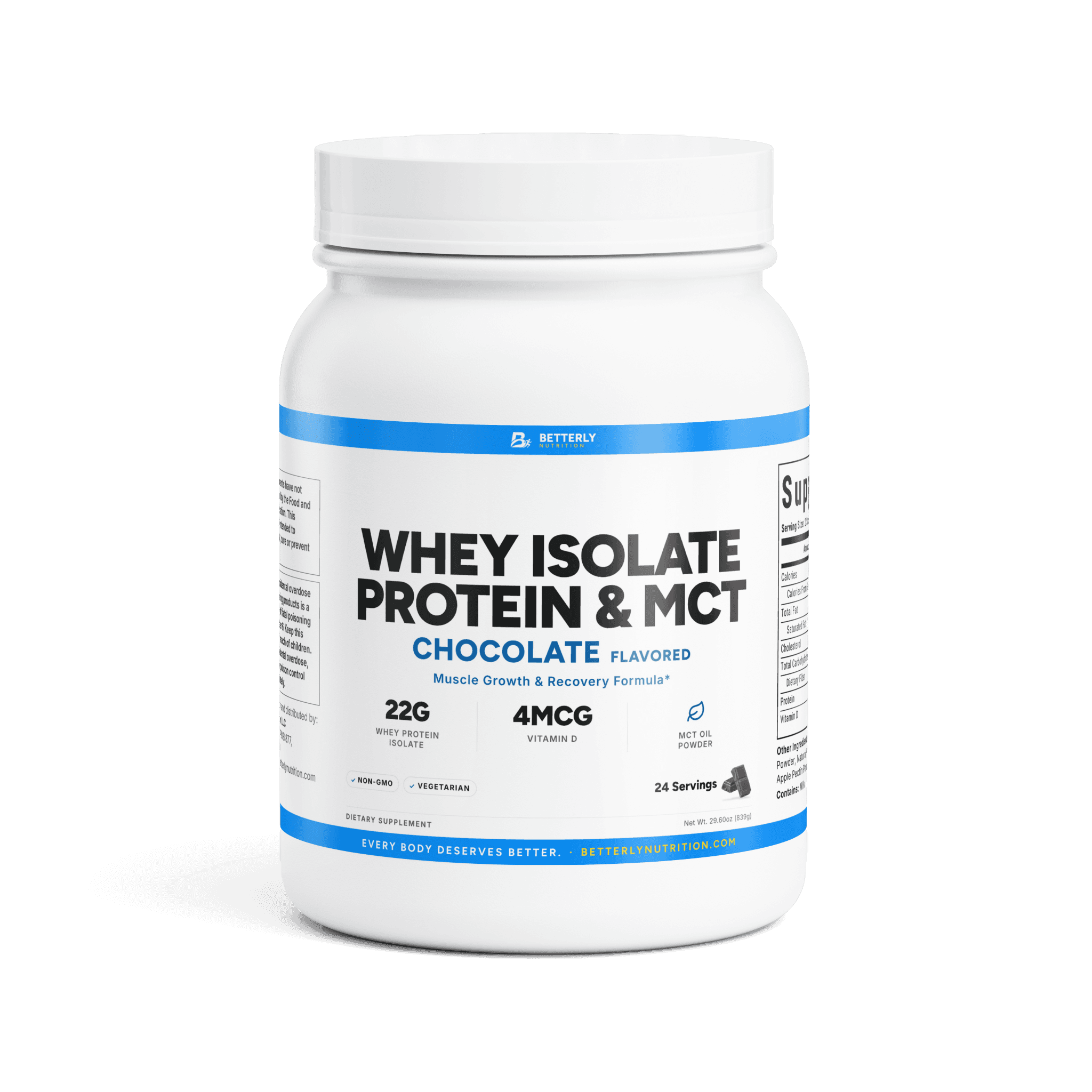
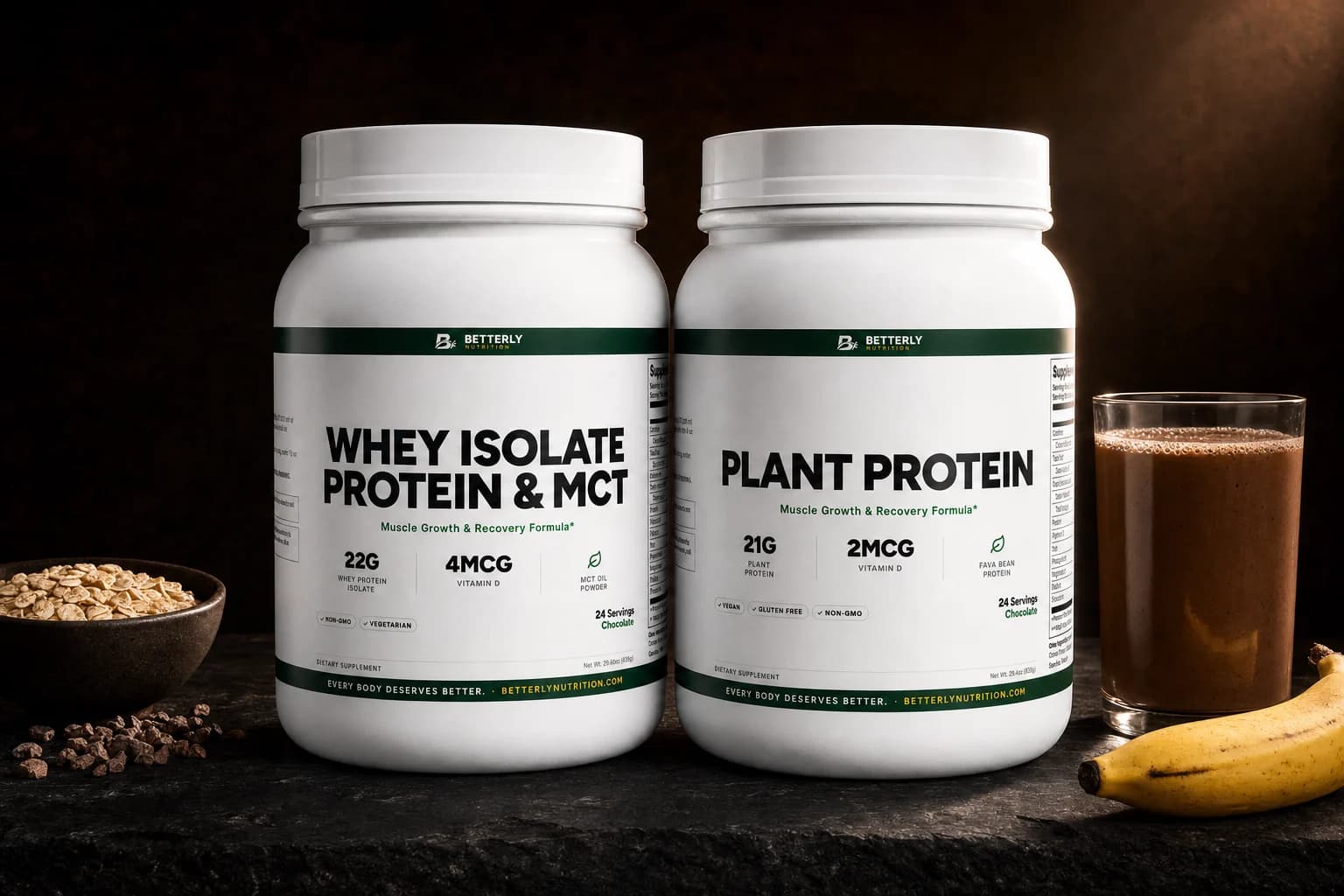
The short answer: A protein shake in the morning is a sensible choice, and so is one later in the day, because your daily protein total matters more than the hour. The one timing cue we'd follow is printed on our Whey Protein Isolate & MCT Powder (Chocolate) label: two scoops daily, ideally 20-30 minutes before a meal with 8 oz of water. A shake before breakfast fits that neatly, at 22 g of protein per 2 Scoops (35g) serving.
Key takeaways
- Neither MedlinePlus nor the NIH Office of Dietary Supplements (ODS) ranks a morning shake above a night one, and ODS athlete guidance spreads protein across the day, before sleep included.
- The chocolate whey isolate and plant protein tubs we sell each direct one serving daily, with a best-results window of 20-30 minutes before a meal that a pre-breakfast shake meets.
- A shake with 90 to 120 calories and little besides protein is a partner for breakfast, not a stand-in for it.
- Two of our chocolate tubs list iron and print a child-poisoning warning on the label, so they belong well out of small children's reach.
Betterly sells the three chocolate tubs in the comparison table, and a daily morning scoop would suit our business nicely. Each timing detail below is quoted from those tubs as printed, and we name the breakfasts that make a shake unnecessary.
Is a protein shake in the morning better than at night?
A protein shake in the morning isn't better than one at night by any rule we can find. What counts is your protein across the whole day.
MedlinePlus, from the U.S. National Library of Medicine, frames this around essential amino acids, the protein building blocks your body can't make. They have to come from food, but they don't need to show up at every meal. In its words, "The balance over the whole day is more important."
The NIH Office of Dietary Supplements (ODS) gets more specific, though only for athletes. According to its consumer sheet on exercise and athletic performance supplements, sports-science experts advise athletes to space high-quality protein 3 to 5 hours apart, at 0.14 g for each pound they weigh (near 20 g at 150 pounds). Two of those servings are named outright: one before sleep and one within 2 hours after exercise.
That schedule never puts morning ahead of night. It spreads protein across the day and gives bedtime its own slot, so an evening serving fits too.
The morning's case is practical. If dinner wraps up at 7 p.m. and nothing follows until 7 a.m., a shake can be your first protein in 12 hours. The bedtime slot gets its own treatment in our guide weighing whey isolate against casein.
What does the label actually say about timing?
The Whey Protein Isolate & MCT Powder (Chocolate) label says two scoops in 6-8 oz of liquid daily, and names 20-30 minutes before a meal as the best-results window.
Word for word, the tub says: "adults mix two (2) scoops with 6-8 oz (177-237 ml) of water or favorite beverage daily. For best results, take 20-30 minutes before a meal with 8 oz (237ml) of water or as directed by your healthcare professional."
That passage settles three things. The serving is once a day. The window sits before a meal, not after one. And a healthcare professional can overrule it.
What's missing matters too. The words morning, night, workout and empty stomach never appear. Our plain chocolate whey isolate and our chocolate plant powder carry the same wording, with one scoop on the plain isolate. The label doesn't explain why the window exists, and we won't invent a reason.
Not every tub names a time. The Whey Isolate & Concentrate Blend Powder (Chocolate) label only says to add 2 scoops to 8-12 oz of cold water and blend or shake. So "before breakfast" is our reading of those three labels, one of the meal slots they allow.
Can you drink a protein shake on an empty stomach?
Drinking a protein shake on an empty stomach is fine, and a shake taken 20-30 minutes before breakfast usually lands on one.
We found no federal source saying an empty stomach changes what protein does, so we won't claim an effect either way. Comfort is the real question, and it varies.
If a morning shake sits heavily, a few changes stay inside the label:
- Use the full 8 oz of liquid instead of 6 oz, which gives a thinner drink.
- Sip it over several minutes rather than all at once.
- Move it to breakfast itself. The "for best results" line is guidance; the core direction is one serving daily.
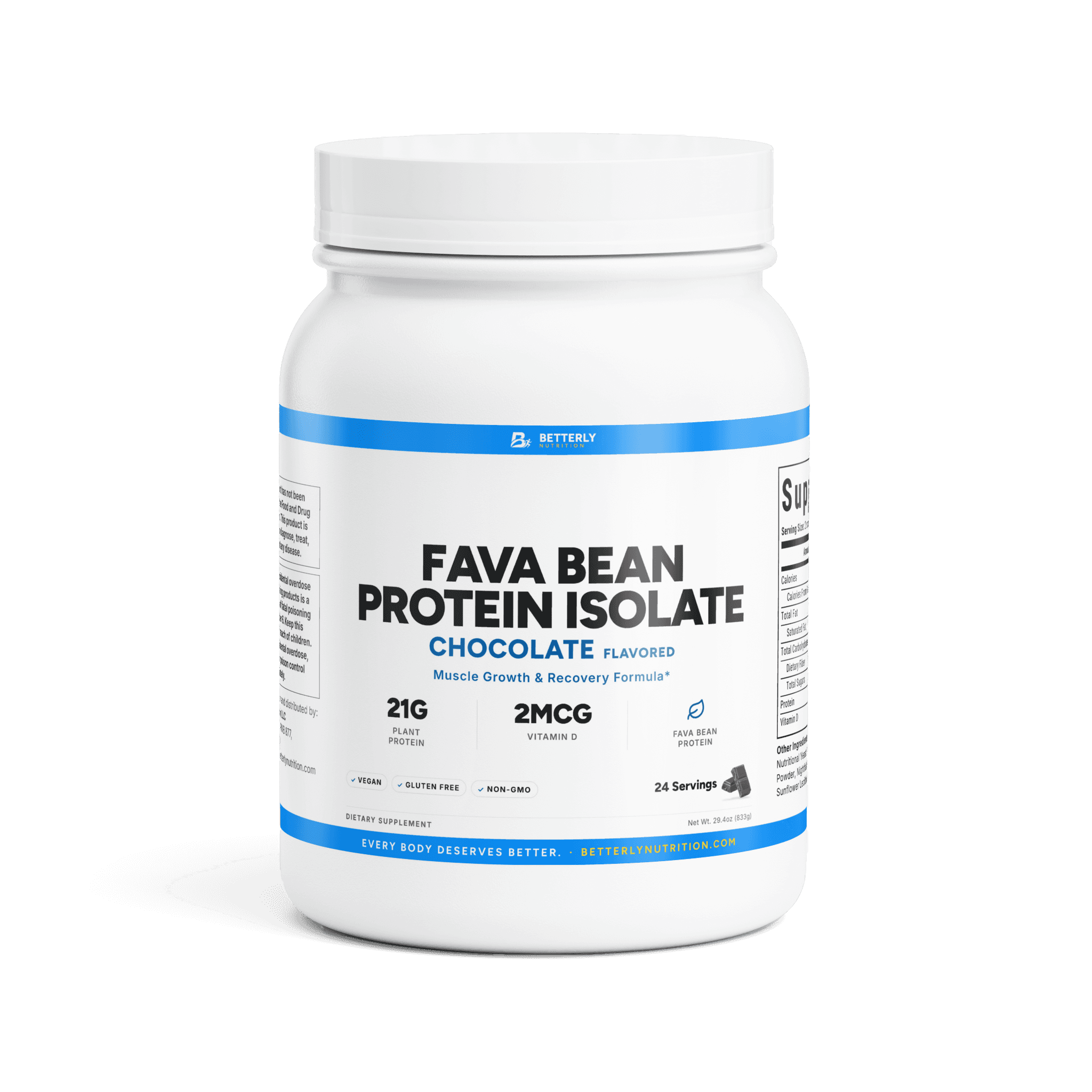
- If milk-based drinks don't agree with you, note that all three of our chocolate whey labels print "Contains: Milk." Our Fava Bean Protein Isolate Powder (Chocolate) carries a vegan claim, and milk appears nowhere in its ingredient list.
If discomfort keeps coming back, stop the shake and ask a pharmacist or doctor.
Should a protein shake replace breakfast?
A protein shake shouldn't replace breakfast, in our view, because the label pairs it with a meal and one serving brings mostly protein and little else.
Look at the Whey Protein Isolate & MCT Powder (Chocolate) panel. It shows 120 calories per 2 Scoops (35g) serving, along with 22 g of protein, 4 g of total carbohydrates, 1 g of dietary fiber and 1.5 g of total fat. It also carries some micronutrients: 4 mcg of vitamin D (18% DV), 109 mg of calcium and 250 mg of potassium.
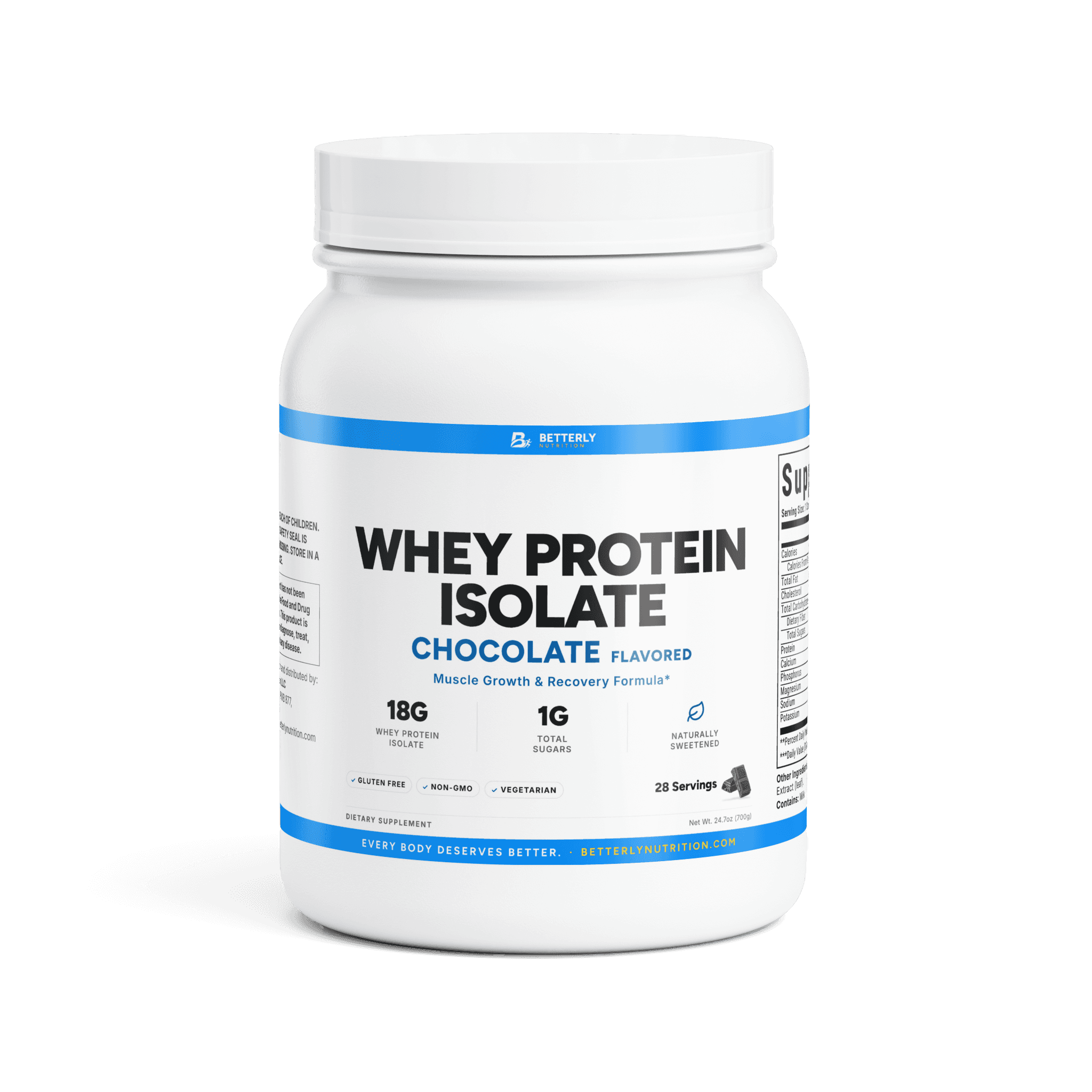
That's a useful top-up, but it isn't a plate of food. The plain Whey Protein Isolate Powder (Chocolate) is leaner still, at 90 calories and 18 g of protein per 1 Scoop (25g) serving.
The label's own wording assumes food is coming, since "before a meal" needs a meal. Think of the shake as the protein half of your morning and let breakfast bring the rest, such as oatmeal with fruit or whole-grain toast with peanut butter.
MedlinePlus counts eggs, low-fat dairy, tofu and cooked beans among everyday protein foods, so a scramble can carry breakfast on the mornings your tub stays shut.
Is a morning shake worth it if you don't work out?
A morning protein shake can still earn its place on rest days or with no training, because protein counts toward your daily total whether you lifted anything or not.
According to MedlinePlus, healthy adults should get 10% to 35% of their total calorie needs from protein each day. If your meals already land there, the shake is optional. If breakfast is usually a pastry and a latte, it can close part of the gap.
Evening training doesn't force you to move the morning shake either, since a dinner soon after an evening session can fill the ODS slot within 2 hours after exercise. Our post-workout recovery routine handles the after-training side.
| Your morning | Where the shake fits | Label basis |
|---|---|---|
| Breakfast at a set time | 20-30 minutes before it | "before a meal" |
| Protein-rich breakfast already | Another meal, or skip it | One serving daily |
| No food until lunch | 20-30 minutes before lunch | "before a meal" |
| You train after work | Keep it in the morning | No workout timing given |
| A shake already follows training | Skip the morning one | "Do not exceed recommended dose" |
The pattern in that table is simple: anchor the shake to a meal you reliably eat, and never let it become a second daily serving.
Which Betterly chocolate powder suits a morning shake?
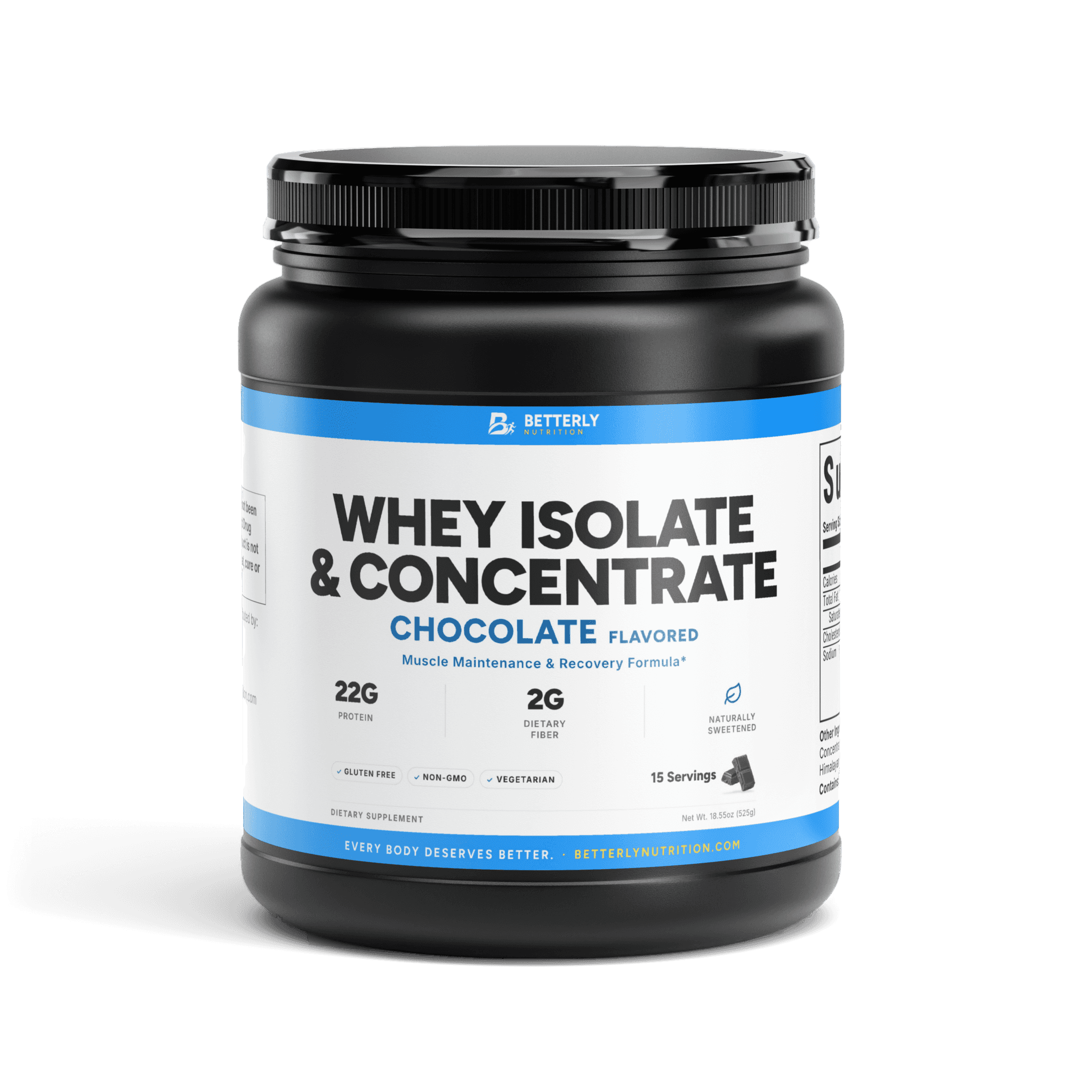
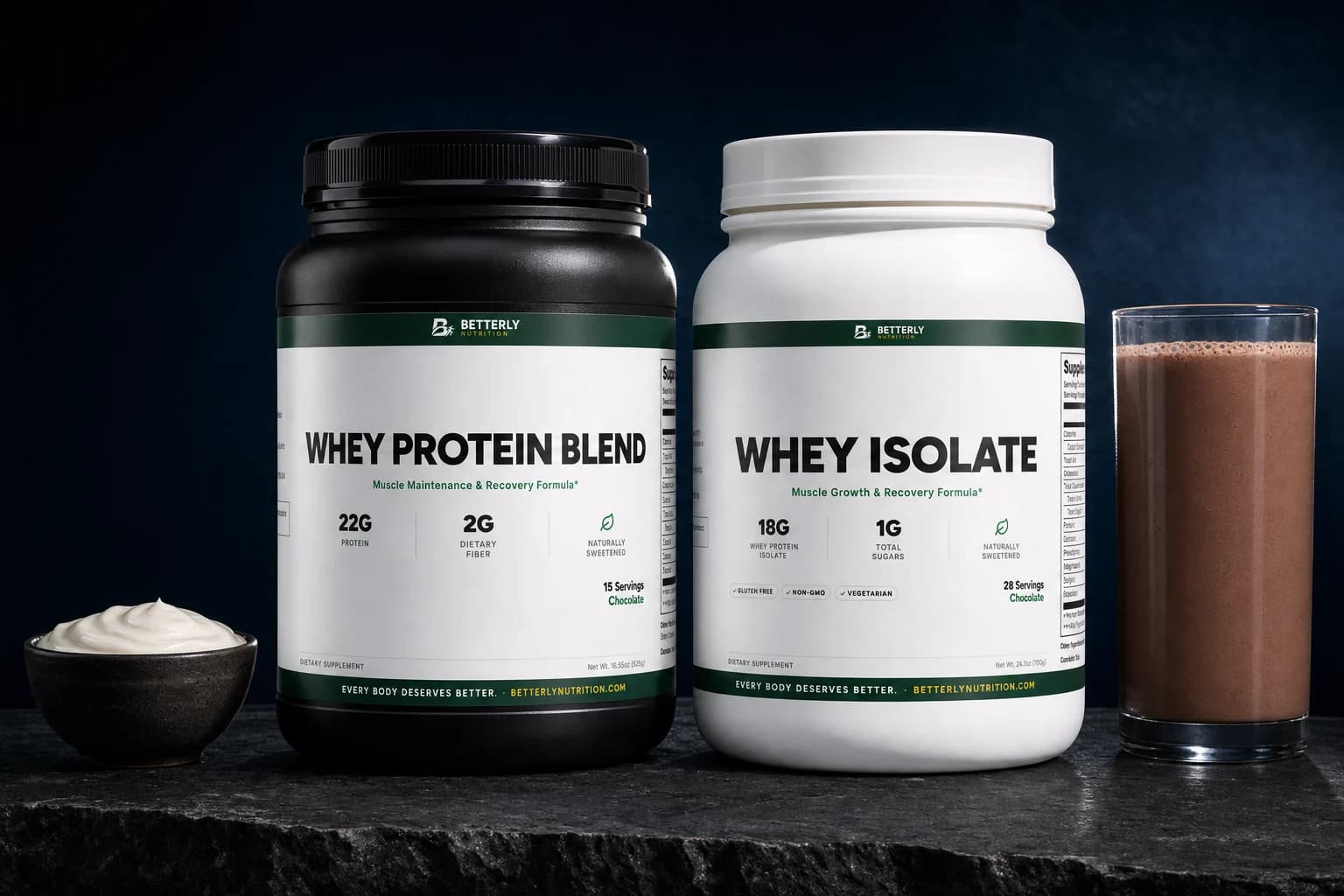
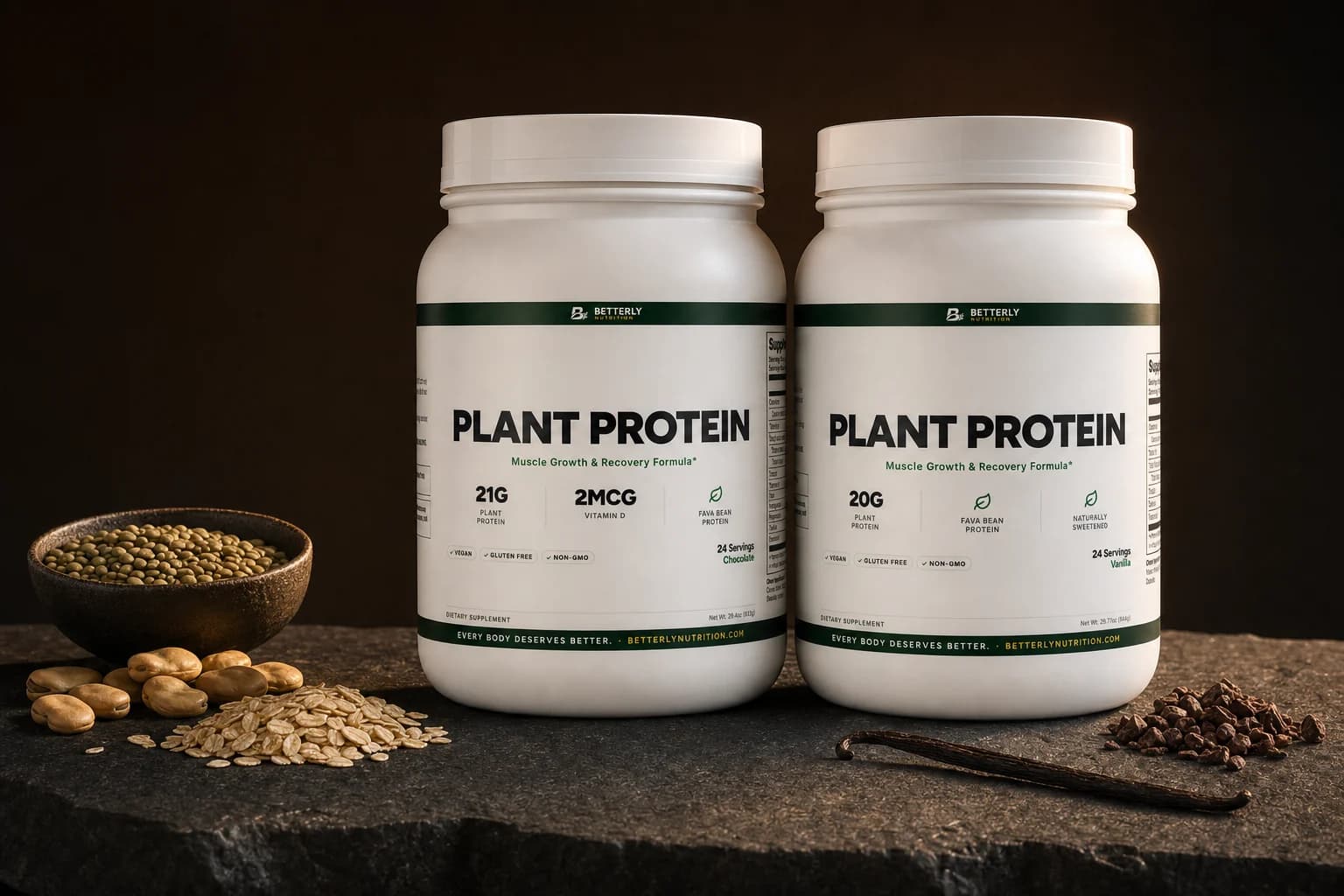
Betterly's three chocolate powders with the before-a-meal direction differ mainly in protein per serving, milk content and whether the panel lists iron.
| Powder | Serving and protein | Calories | Label notes |
|---|---|---|---|
| Whey Protein Isolate & MCT Powder (Chocolate) | 2 Scoops (35g), 22 g | 120 | Milk; 2 mg iron; iron warning |
| Whey Protein Isolate Powder (Chocolate) | 1 Scoop (25g), 18 g | 90 | Milk; no iron listed; gluten free |
| Fava Bean Protein Isolate Powder (Chocolate) | 2 scoops (34.7g), 21 g | 110 | Vegan; 1 mg iron; iron warning |
The MCT powder brings the most protein and more micronutrients. The plain isolate is the lightest serving, and its ingredient list stops at whey protein isolate, natural flavors and stevia extract. The plant powder is the pick if dairy is off your list, and its own timing questions are the subject of our planned plant protein timing guide.
The last column matters most in a busy family kitchen. Two of these panels list iron, and both labels print the warning that accidental overdose of iron-containing products is a leading cause of fatal poisoning in children under 6. The ODS iron fact sheet notes that iron supplements carry a label statement about keeping them away from children. On busy mornings, put the tub back up high as soon as you've scooped.
The plain isolate lists no iron and has no warning paragraph. Its label still says "KEEP OUT OF REACH OF CHILDREN," and all three directions are written for adults.
From our shop: Whey Protein Isolate & MCT Powder (Chocolate) — 22 g of protein per 2 Scoops (35g) serving, labeled for 6-8 oz of water or your favorite beverage, best 20-30 minutes before a meal.
How do you take a morning protein shake, going by the label?
Take a morning protein shake as the label reads: one serving in 6-8 oz of liquid, once daily, ideally 20-30 minutes before a meal such as breakfast.
- Measure one label serving: 2 Scoops (35g) of the MCT powder, 1 Scoop (25g) of the plain isolate, or 2 scoops (34.7g) of the plant powder.
- Shake it with 6-8 oz (177-237 ml) of water or your favorite beverage. Milk works too; just count whatever the carton's Nutrition Facts label adds.
- Drink it 20-30 minutes before you eat. The best-results line also mentions 8 oz of water but doesn't say whether that's the mixing liquid or a separate glass. Either one fits its wording.
- Stop at one serving. "Do not exceed recommended dose" is printed on each of these tubs, so a later shake the same day would be a second serving.
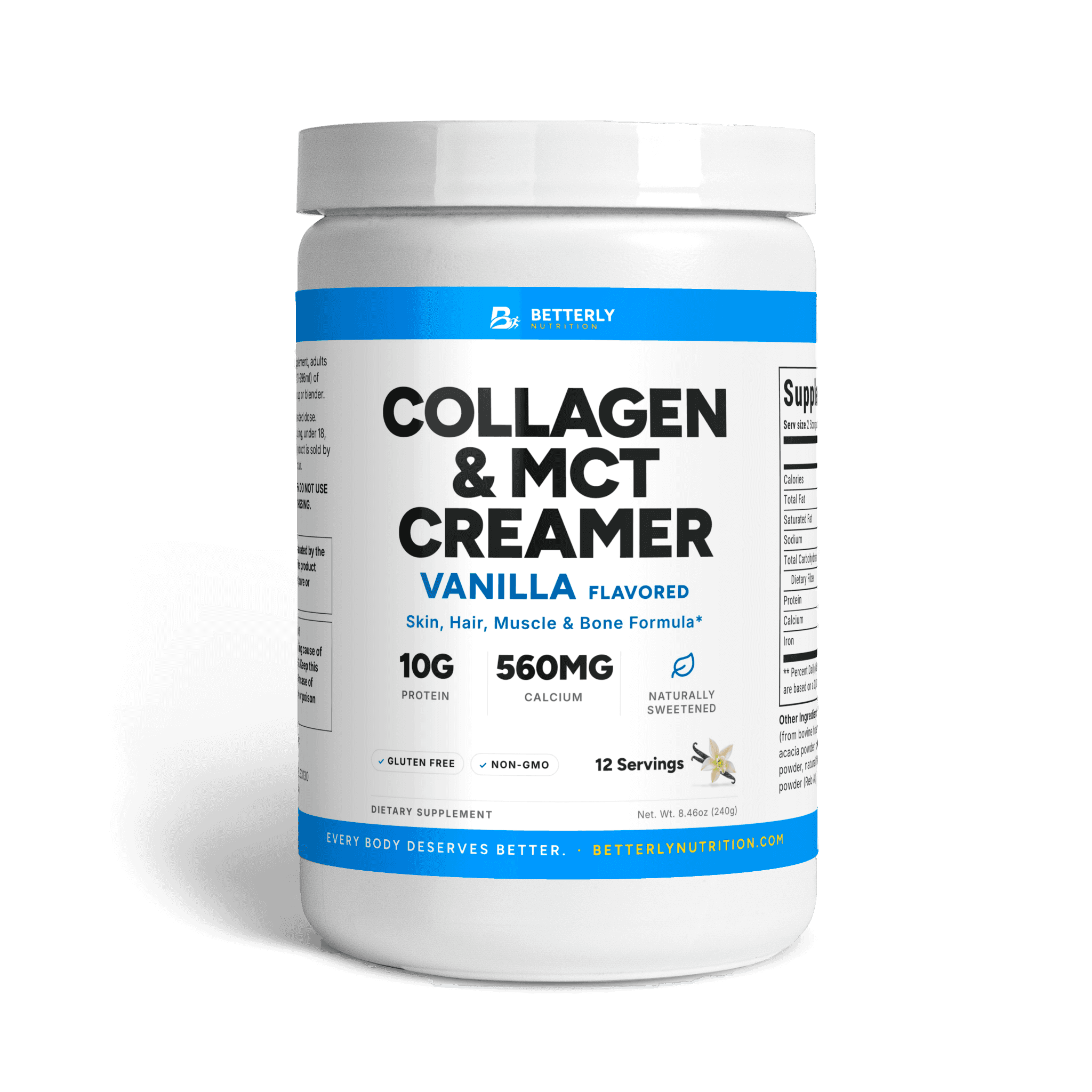
Prefer it in coffee? Keeping protein powder from clumping in coffee takes a little technique, and that guide covers it. All of these tubs, vanilla versions included, sit in our protein collection.
From our shop: Fava Bean Protein Isolate Powder (Chocolate) — 21 g of protein per 2 scoops (34.7g) serving from fava bean protein isolate and YESTEIN™ fermented nutritional yeast protein, labeled vegan and gluten free.
When can you skip a protein shake in the morning?
You can skip a protein shake in the morning if breakfast already brings solid protein, or if your meals cover your needs without one.
ODS's athlete guidance points the same way. Its protein entry says an athlete can probably meet protein needs with ordinary food, and that going beyond the recommended amount adds nothing. Skip the morning shake when:
- Breakfast is already eggs, Greek yogurt, cottage cheese or tofu.
- You already have your one daily serving after training or at lunch.
- You'd be using it as a reason to skip eating.
- Milk doesn't suit you and whey is the only tub in the cupboard.
Who should check with a healthcare provider first?
See a healthcare provider before a daily protein shake if you're under 18, pregnant or nursing, or if you use prescription drugs, have surgery planned or have a medical condition.
Four of those come straight from the label caution: "Consult a physician if pregnant, nursing, under 18, or have a medical condition." The National Center for Complementary and Integrative Health (NCCIH) urges you, in Using Dietary Supplements Wisely, to tell your health care providers about the complementary approaches you use and to list every supplement well before an operation.
Two details are worth raising at that visit. First, iron: if you take a multivitamin or a separate iron product, these powders add to your total, at 2 mg per 2 Scoops (35g) serving of the MCT powder or 1 mg per 2 scoops (34.7g) serving of the plant powder. For adults, ODS puts the daily iron ceiling at 45 mg, and that cap covers food, beverages and supplements together.
Second, any protein target or ceiling a provider gives you includes the shake, not just your meals.
FAQ: protein shake in the morning
Can you drink a protein shake in the morning and at night?
A protein shake in the morning and another at night is more than our labels direct, since each says one serving daily and "Do not exceed recommended dose." If you want protein at both ends of the day, let food handle one of them. A morning shake plus a dinner built around fish, beans or yogurt spreads your protein without doubling the scoop.
How long before breakfast should you drink a protein shake?
About 20-30 minutes is the best-results window printed on our chocolate whey isolate and plant protein tubs, measured before a meal and paired with 8 oz of water. For a morning shake, that meal is breakfast. If your morning runs late and the gap shrinks, the shake still counts as your daily serving. A healthcare professional's directions take priority over this window.
Is whey isolate good to drink in the morning?
Yes, whey isolate suits a morning shake if milk agrees with you. The Whey Protein Isolate Powder (Chocolate) panel shows 18 g of protein and 90 calories per 1 Scoop (25g) serving. The NIH Office of Dietary Supplements notes that whey, a milk protein, provides every essential amino acid. The label prints "Contains: Milk," so a plant powder is the better morning choice if you avoid dairy.
Can you drink a protein shake every morning?
Yes, a daily morning protein shake fits our labels: each calls for one serving "daily," and none sets a break period. Their caution still applies, so if you're pregnant, nursing, under 18 or have a medical condition, consult a physician first. If you also drink a shake after training, that one takes the day's serving instead.
Does it matter if you drink a protein shake before or after breakfast?
A protein shake before breakfast matches our label's best-results line, but one after breakfast still counts as your daily serving. MedlinePlus and ODS say nothing about the order changing how your body uses protein. If a shake on an empty stomach bothers you, drinking it with or after breakfast is a reasonable switch.
Sources
- Protein in diet, MedlinePlus Medical Encyclopedia, U.S. National Library of Medicine
- Dietary Supplements for Exercise and Athletic Performance: Fact Sheet for Consumers, NIH Office of Dietary Supplements
- Iron: Fact Sheet for Consumers, NIH Office of Dietary Supplements
- Using Dietary Supplements Wisely, National Center for Complementary and Integrative Health
If this left you looking for somewhere to start, read chocolate whey isolate with 22 g protein per serving — its amounts per serving are listed on the page. For the practical questions this raises, how dosing, sourcing and subscriptions work is answered in one place.