On this page
- Key takeaways
- Can you put protein powder in hot coffee?
- How do you keep protein powder from clumping in coffee?
- How much protein does a mug of protein coffee hold?
- Which protein powders suit coffee, and which don't?
- How do you make protein coffee the way the label directs?
- Can you use protein powder in coffee instead of creamer?
- Does protein powder in coffee have side effects?
- When is protein powder in coffee not worth it?
- Who should check with a healthcare provider first?
- FAQ: protein powder in coffee
- Sources
The short answer: To get protein powder in coffee without lumps, wet the powder before heat reaches it: stir it into 2 oz of cold milk or water first, froth it in, or give a fresh mug a few minutes to cool. Cold brew needs no tricks at all. Our Whey Protein Isolate & MCT Powder (Vanilla) adds 22 g of protein per 2 Scoops (34g) serving.
Key takeaways
- Whey protein can go into hot coffee, but very hot, slightly acidic coffee makes the powder set into rubbery specks before it dissolves.
- A cold slurry, a short cool-down, a frother or a cold brew base each gives you a smooth cup.
- The protein in your mug comes from the powder, as its label states, and any milk you add, not from the coffee.
- None of the vanilla powders or the creamer in this guide lists caffeine, so in those cups the caffeine comes from the coffee. A chocolate powder's cocoa can add a little.
We sell every powder named here, including one we'd keep out of your coffee, and you'll see why below. Each product number is copied from that product's Supplement Facts panel.
Can you put protein powder in hot coffee?
Yes, protein powder can go in hot coffee, but whey mixes best once the coffee has cooled a little or the powder is already wet when the heat reaches it.
The issue is texture. Whey protein comes from whey, the liquid left over when milk is made into cheese. Its proteins change shape when they're heated, which food scientists call denaturing. You've seen the same kind of change when a clear egg white turns solid in a pan.
Coffee adds a second push. Brewed coffee is naturally a little acidic, and heat plus acid is how ricotta gets made: cheesemakers let leftover whey sour, then heat it until its proteins gather into a fine curd. Your mug is a far gentler version of that pot, but it leans the same way. That's why a scoop dropped into a just-poured cup can turn speckled or stringy.
Those specks are still whey, just in a form nobody enjoys drinking. With whey, the real cost is waste: curds that set before they dissolve cling to the spoon and the cup wall, so part of the serving you measured never gets swallowed.
How do you keep protein powder from clumping in coffee?
Protein powder stays smooth in coffee when every grain is wet before it meets high heat, so mix it into something cool first or give the coffee a few minutes.
Clumps start at the surface. When hot liquid lands on a heap of powder, the outer layer turns sticky at once and seals dry powder inside, much like a flour lump in gravy. Stirring harder rarely breaks them open. Four approaches work around it:
| Method | Best for | What you need | Watch for |
|---|---|---|---|
| Cold slurry | Hot coffee, no gadgets | A spoon and 2 oz cold milk or water | Add the coffee slowly |
| Short cool-down | Hot coffee, no extra liquid | A few minutes of patience | The cup ends warm, not hot |
| Handheld frother | Hot or iced, with foam | A battery milk frother | Keep the whisk submerged |
| Shaker or blender | Iced coffee and cold brew | A sealed shaker or blender | Cold drinks only when sealed |
For a hot mug, the cold slurry is the most dependable choice, because the powder is fully wet before any heat touches it. Cold brew is the easiest base of all, since there's no heat to fight. Just keep hot coffee out of a sealed shaker, where steam has nowhere to go.
How much protein does a mug of protein coffee hold?
A mug of protein coffee holds the protein printed on the powder's label for one serving, plus whatever the milk you add brings.
Coffee is only the carrier. Here's what one label serving of each vanilla powder adds, straight from the panels:
| Powder | Label serving | Protein | Calories |
|---|---|---|---|
| Whey Protein Isolate & MCT Powder (Vanilla) | 2 Scoops (34g) | 22 g | 120 |
| Whey Protein Isolate Powder (Vanilla) | 1 Scoop (24.4g) | 19 g | 90 |
| Fava Bean Protein Isolate Powder (Vanilla) | 2 Scoops (35g) | 20 g | 110 |
| Collagen Peptides & MCT Creamer (Vanilla) | 2 Scoops (20 g) | 10 g | 70 |
The three protein powders land between 19 g and 22 g per serving, while the creamer adds about half that. If protein is your goal, the powders do more per serving.
Most of those calories are the protein itself. The MedlinePlus page on protein in your diet says one gram of protein supplies 4 calories. So 22 g of protein accounts for about 88 of the MCT powder's 120 calories, and 19 g covers about 76 of the plain isolate's 90. In the creamer, 10 g of protein is roughly 40 of its 70 calories, with fat and carbohydrate making up the rest.
Milk adds its own protein and calories, listed on the carton's Nutrition Facts label, and syrups add sugar the powder label doesn't show.
Which protein powders suit coffee, and which don't?
A protein powder suits coffee when its label directions allow "water or favorite beverage." A powder labeled for cold water alone belongs in a cold shake instead.
Here's how our four vanilla protein powders read:
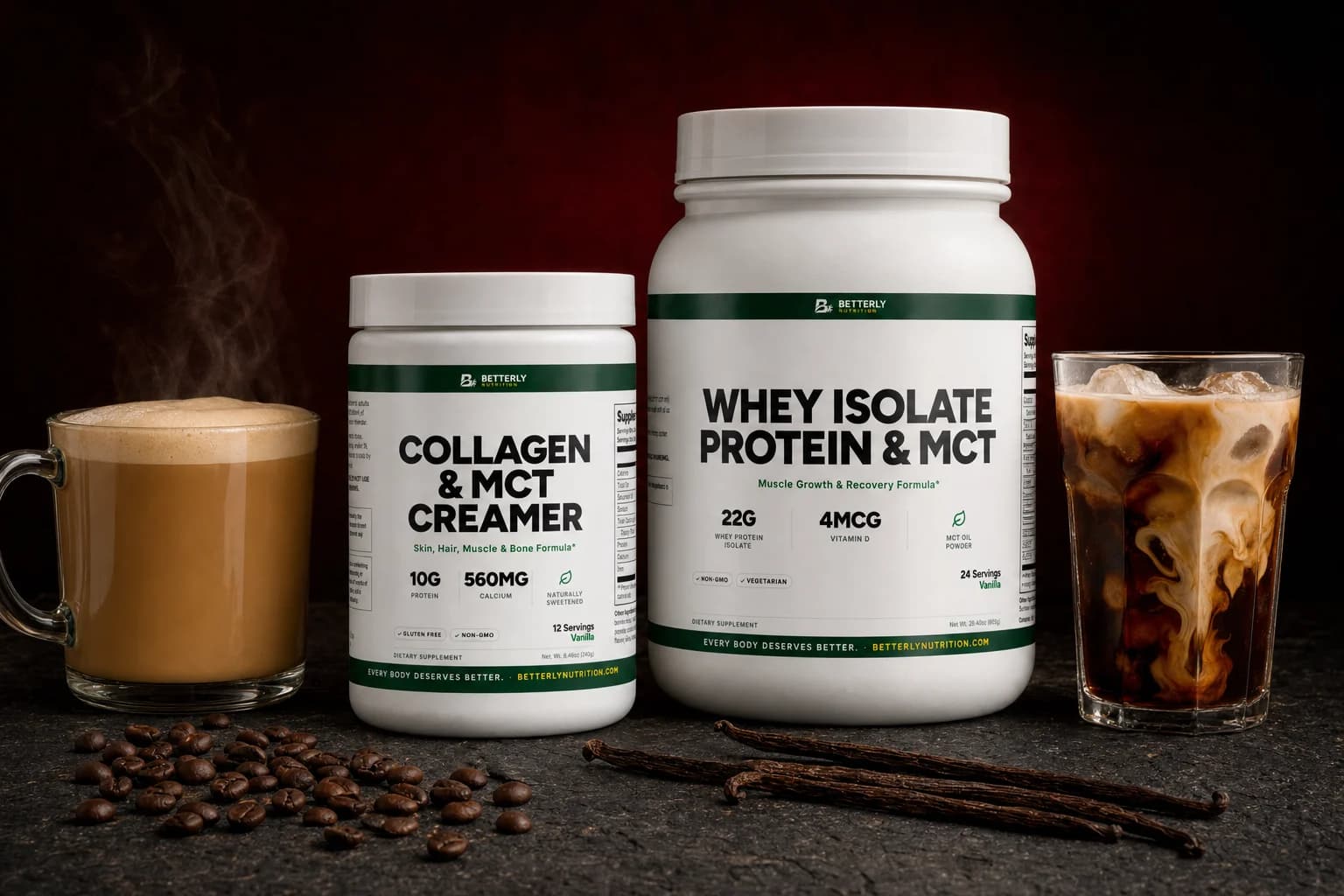
- The MCT isolate. The Whey Protein Isolate & MCT Powder (Vanilla) label says to mix two scoops "with 6-8 oz (177-237 ml) of water or favorite beverage daily." Coffee qualifies. Its list adds MCT oil powder, apple pectin powder and sunflower lecithin (a common emulsifier) to the whey, and it's labeled non-GMO and vegetarian.
- The plain isolate. Our Whey Protein Isolate Powder (Vanilla) carries the same "favorite beverage" wording for one scoop. Its list is short: whey protein isolate, natural flavors and stevia extract. It's labeled gluten free, non-GMO and vegetarian.
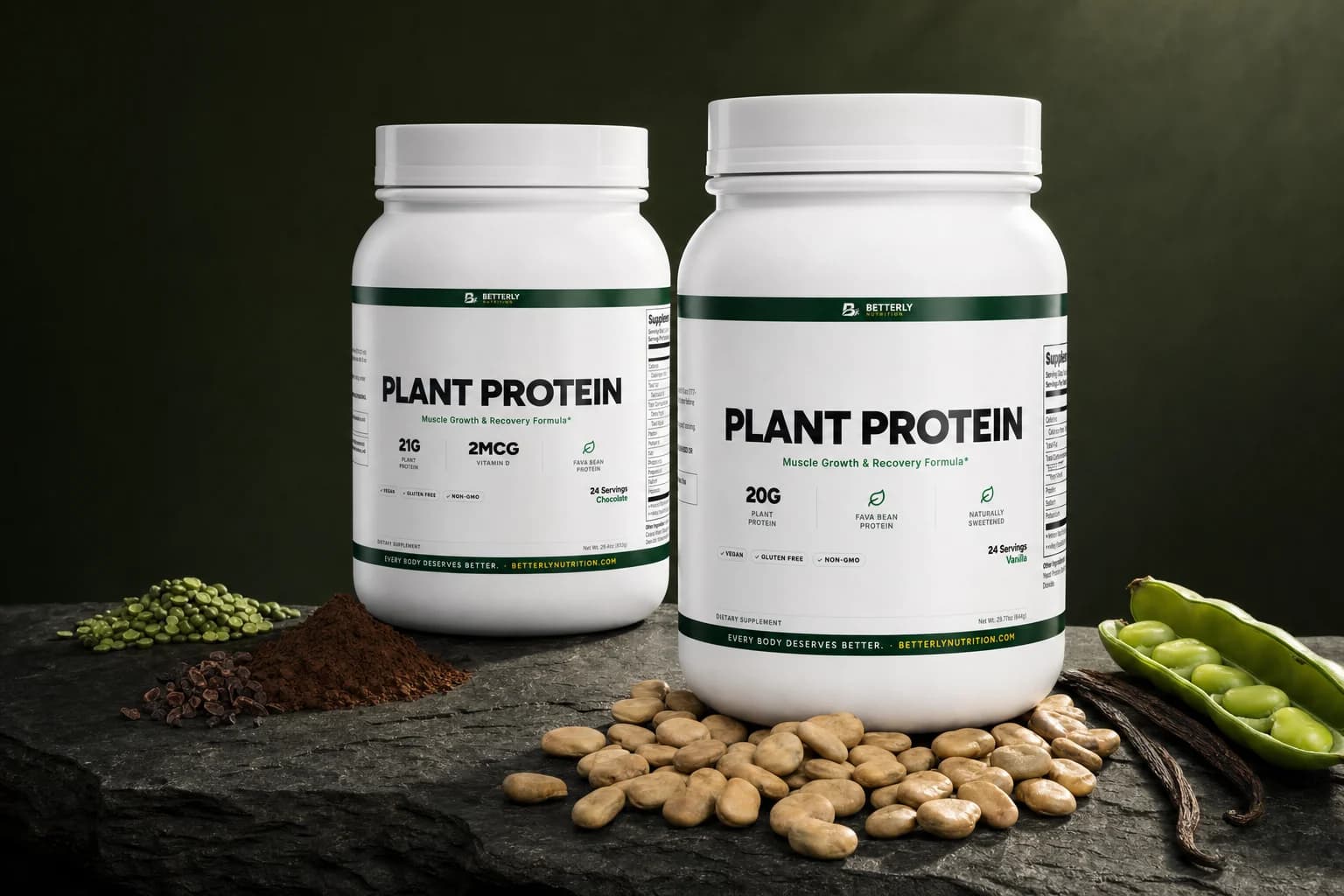
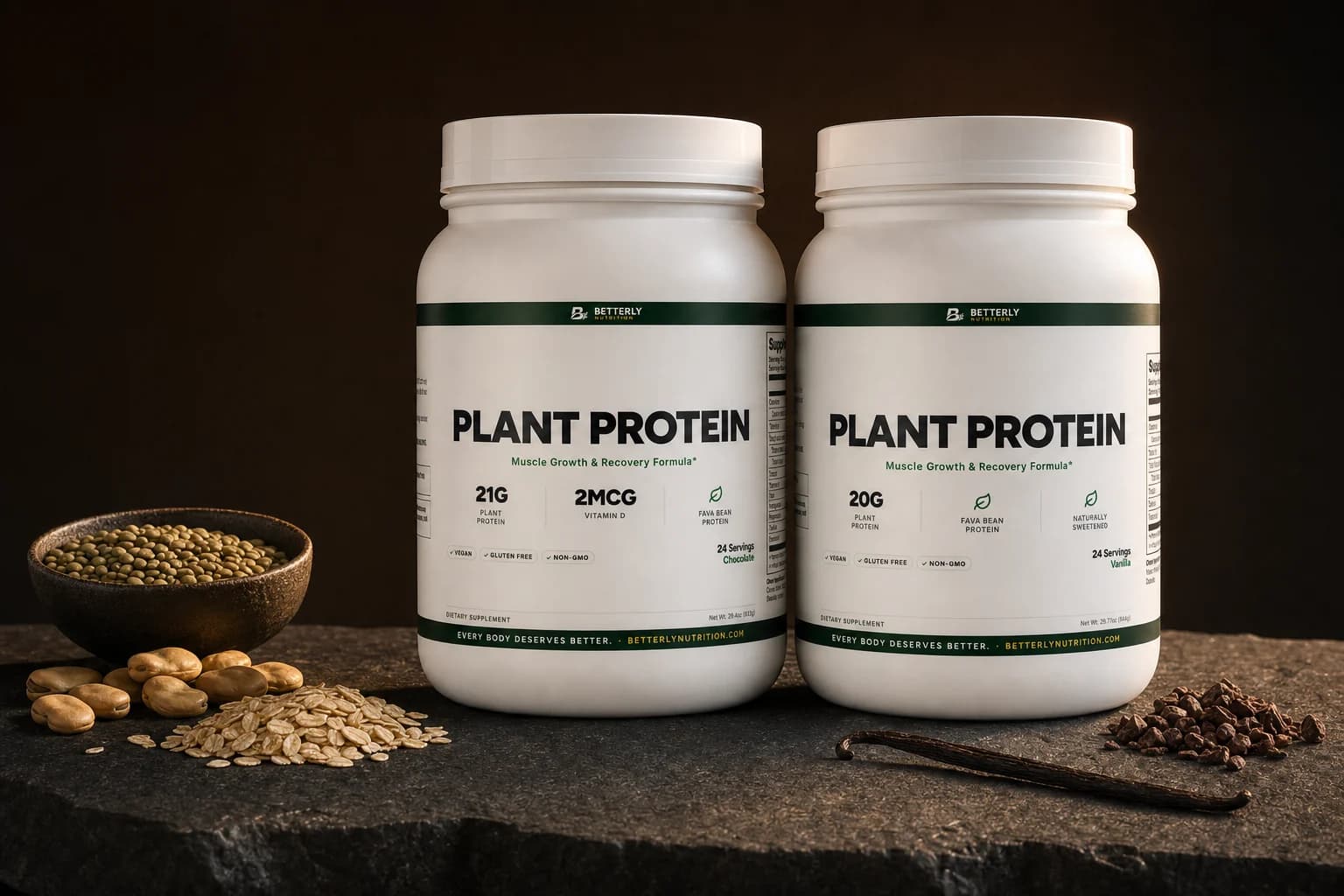
- The plant option. Fava Bean Protein Isolate Powder (Vanilla) is labeled vegan and also allows a favorite beverage. Its protein sources are fava bean protein isolate and YESTEIN™ fermented nutritional yeast protein, which our side-by-side of fava bean and pea protein unpacks.
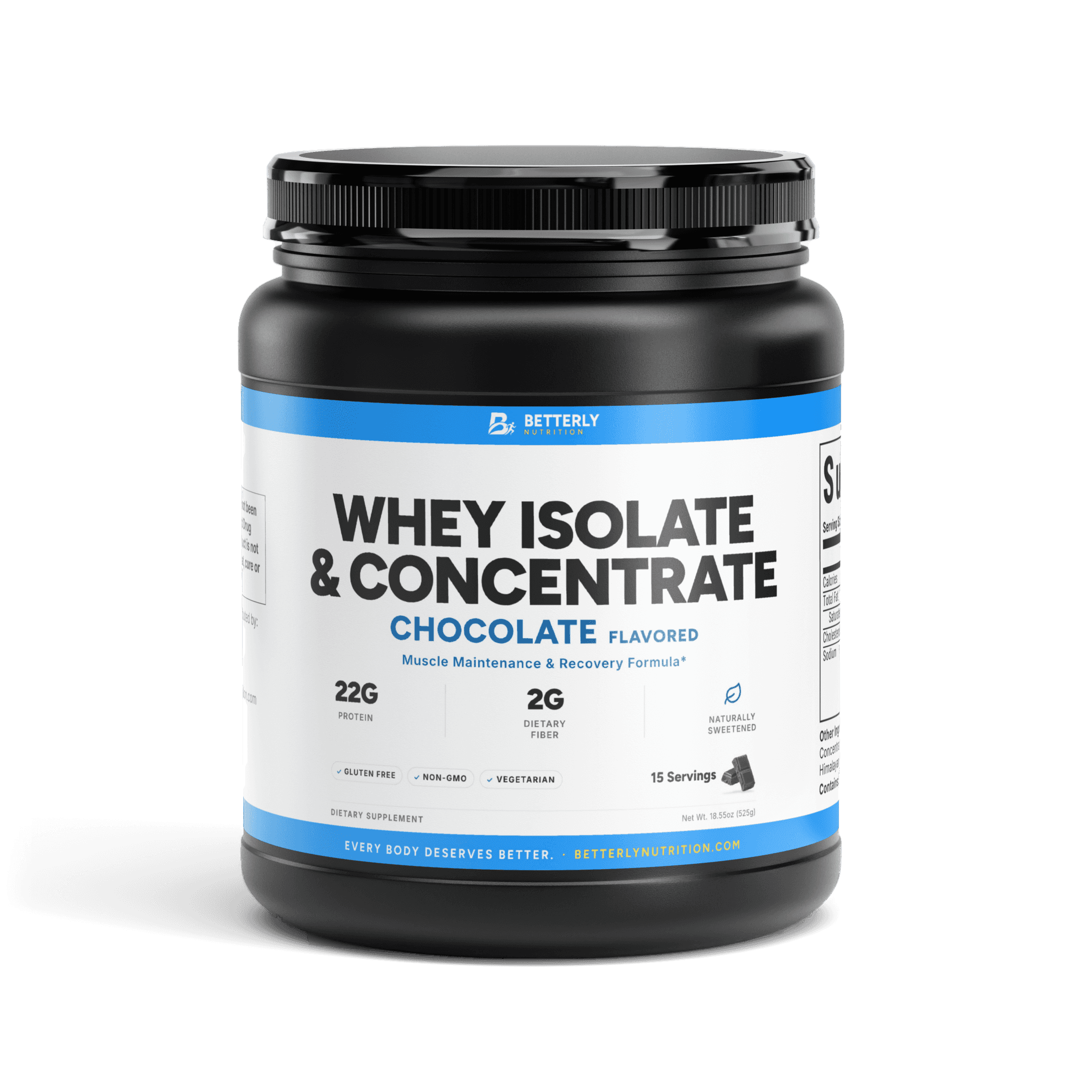
- The blend. Whey Isolate & Concentrate Blend Powder (Vanilla) is the one we'd leave out of your mug. Its label says to add one serving "to 8–12 oz (240–355 ml) of cold water and blend or shake thoroughly," and its list includes guar gum and xanthan gum, which thicken a drink. We'd follow that label and keep it for cold shakes.
One honest limit on the MCT isolate: MCT oil powder is in its ingredient list, but the panel shows just 1 g of total fat per serving. Don't expect it to make coffee taste like heavy cream. Our protein collection lists every tub, and each product page lists the amounts per serving from its label.
From our shop: Whey Protein Isolate & MCT Powder (Vanilla) — 22 g of protein per 2 Scoops (34g) serving, labeled for water or your favorite beverage, with MCT oil powder in the ingredient list.
How do you make protein coffee the way the label directs?
Make protein coffee with one label serving in 6-8 oz of total liquid, the range both of our vanilla whey isolate labels pair with a single serving.
The MCT isolate's suggested use reads: "adults mix two (2) scoops with 6-8 oz (177-237 ml) of water or favorite beverage daily." Its "for best results" line, 20-30 minutes before a meal with 8 oz of water, doesn't mention coffee, so think of protein coffee as the everyday "favorite beverage" option.
These two protein coffee recipes each come to 8 oz, the top of that range.
Hot vanilla protein coffee (8 oz)
- Brew 6 oz of coffee and set it aside for a few minutes.
- In a small glass, stir 2 scoops of the MCT isolate into 2 oz of cold milk until you can't see dry powder.
- Spoon that thick paste into the coffee a little at a time, stirring as you go, or buzz it smooth with a frother.
Iced protein cold brew (8 oz)
- Pour 6 oz of cold brew and 2 oz of milk into a shaker cup.
- Add 1 scoop of the plain vanilla isolate, seal it and shake until no powder shows.
- Pour it over a glass of ice.
Both whey isolate labels say "daily" and print "Do not exceed recommended dose," so one serving covers your day, not each cup.
From our shop: Whey Protein Isolate Powder (Vanilla) — 19 g of protein per 1 Scoop (24.4g) serving from three listed ingredients: whey protein isolate, natural flavors and stevia extract.
Can you use protein powder in coffee instead of creamer?
Yes, a vanilla protein powder can replace creamer, adding flavor, some sweetness and more protein than our creamer, though your coffee won't taste as rich.
Both of our vanilla whey isolates use stevia extract as their sweetener, with 2 g of total sugars per serving. Fat is where they fall short of creamer: 1 g per serving in the MCT isolate and 0.5 g in the plain one.
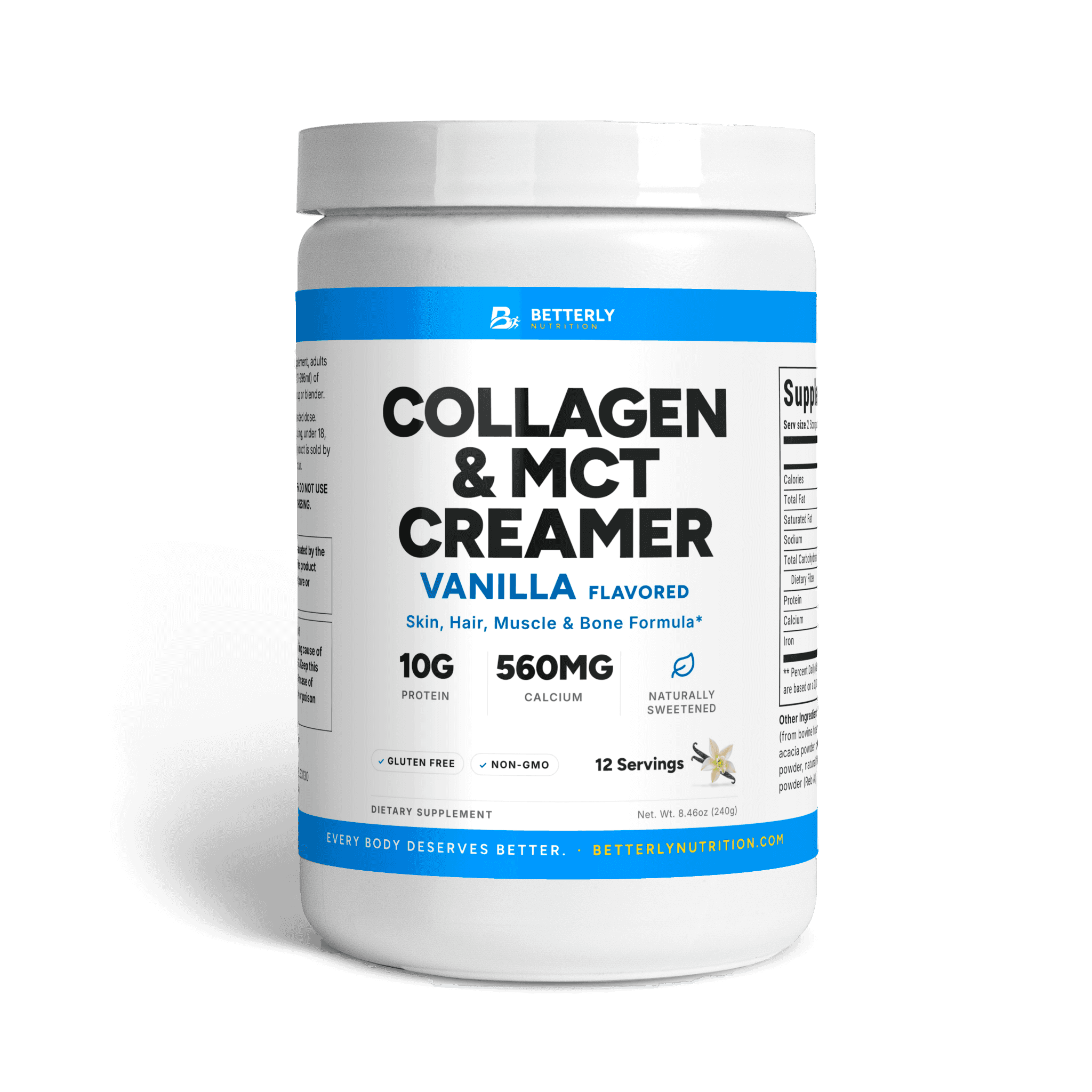
If a creamy cup matters more to you than protein, our Collagen Peptides & MCT Creamer (Vanilla) is the closer fit, though its 2 g of total fat per 2 Scoops (20 g) serving is still light next to cream. The same serving shows 70 calories and 10 g of protein. Its label pairs those 2 scoops with "8-10 oz (237-296ml) of their favorite beverage in a shaker cup or blender." With hot coffee, stir or froth the creamer in instead. Save the sealed shaker for iced coffee, and vent the lid if you blend.
Either whey isolate brings about twice the creamer's protein, while the creamer brings a little more fat. One more panel difference: the creamer lists iron and neither vanilla whey does, so its label carries an iron warning for households with children under 6. Our collagen coffee guide covers the rest of that tub.
Does protein powder in coffee have side effects?
Protein powder in coffee mostly brings the side effects of what's in the cup: milk in both whey isolates, caffeine from the coffee, and the calories of each serving.
Milk. Both whey isolate labels print "Contains: Milk." The FDA's page Food Allergies: What You Need to Know explains that the law requires labels to name milk and the other major food allergens. Neither label lists a lactose amount, so don't read "isolate" as dairy free.
Caffeine. For most adults, the FDA's caffeine update, Spilling the Beans: How Much Caffeine is Too Much?, says 400 mg a day is an amount it doesn't generally link to negative effects, which works out to two or three 12-fluid-ounce cups of coffee. Jitters, upset stomach, nausea and headache appear on that page's list of signs you've overdone it. Our vanilla powders and creamer list no caffeine, so with them your total depends on the brew. Our energy drink vs coffee comparison goes deeper on caffeine per cup.
Calories. A serving of the MCT isolate adds 120 calories before any milk, which adds up in a daily habit.
Anything unusual after you start is a reason to pause the powder and ask a pharmacist or doctor.
When is protein powder in coffee not worth it?
Protein powder in coffee isn't worth it when food already covers your protein, or when whey's milk content or thicker texture doesn't suit you.
MedlinePlus puts the recommended daily protein for healthy adults at 10% to 35% of total calorie needs. If your meals already get you there, a powder is a convenience, not a requirement. A few more reasons to skip it:
- You love black coffee. A shake made with water, as the label's best-results line describes, leaves your coffee alone.
- You avoid dairy. Both whey isolates contain milk, so choose the plant protein or skip powder.
- You're after richness. Cream or a creamer does that better than a whey isolate with 1 g of fat.
- Texture bothers you. Even a well-mixed cup has more body than plain coffee.
Who should check with a healthcare provider first?
Check with a healthcare provider before whey protein coffee becomes a daily habit if you're expecting or breastfeeding, under 18, on any prescription, facing surgery, or managing a medical condition.
Most of those groups come straight off our labels, which print: "Consult a physician if pregnant, nursing, under 18, or have a medical condition." Before surgery, tell your care team about every powder you take daily, protein included.
Whey adds two points worth raising at that visit. If you've been given a daily protein or calorie amount to hit or stay under, one 2 Scoops (34g) serving of the MCT isolate brings 22 g of protein and 120 calories before any milk. And both whey isolates print "Contains: Milk," so if you've been told to avoid milk, ask whether our vegan plant powder suits you instead.
FAQ: protein powder in coffee
Can you put protein powder in coffee with milk?
Yes, protein powder mixes well in coffee with milk, and cold milk is the most useful helper you have. Stir the powder into a few ounces of cold milk first, then add the coffee. Counting the milk, keep the drink within the 6-8 oz of liquid our whey isolate labels pair with one serving.
Does protein powder change the taste of coffee?
Yes, a vanilla protein powder makes coffee taste sweeter and closer to a vanilla latte, because both of our vanilla whey isolates list natural flavors and stevia extract. To keep the coffee flavor front and center, start with a strong brew, since a weak one lets the vanilla take over.
Is it okay to have protein coffee every day?
Yes, a daily protein coffee fits our whey isolate labels, which direct one serving "daily" and add "Do not exceed recommended dose." That makes one serving a day the limit, not one per cup. Keep your caffeine in view too, since the FDA's figure for most adults is 400 mg a day. Anyone pregnant, nursing, under 18 or managing a medical condition should ask a physician first.
Does chocolate protein powder work in coffee?
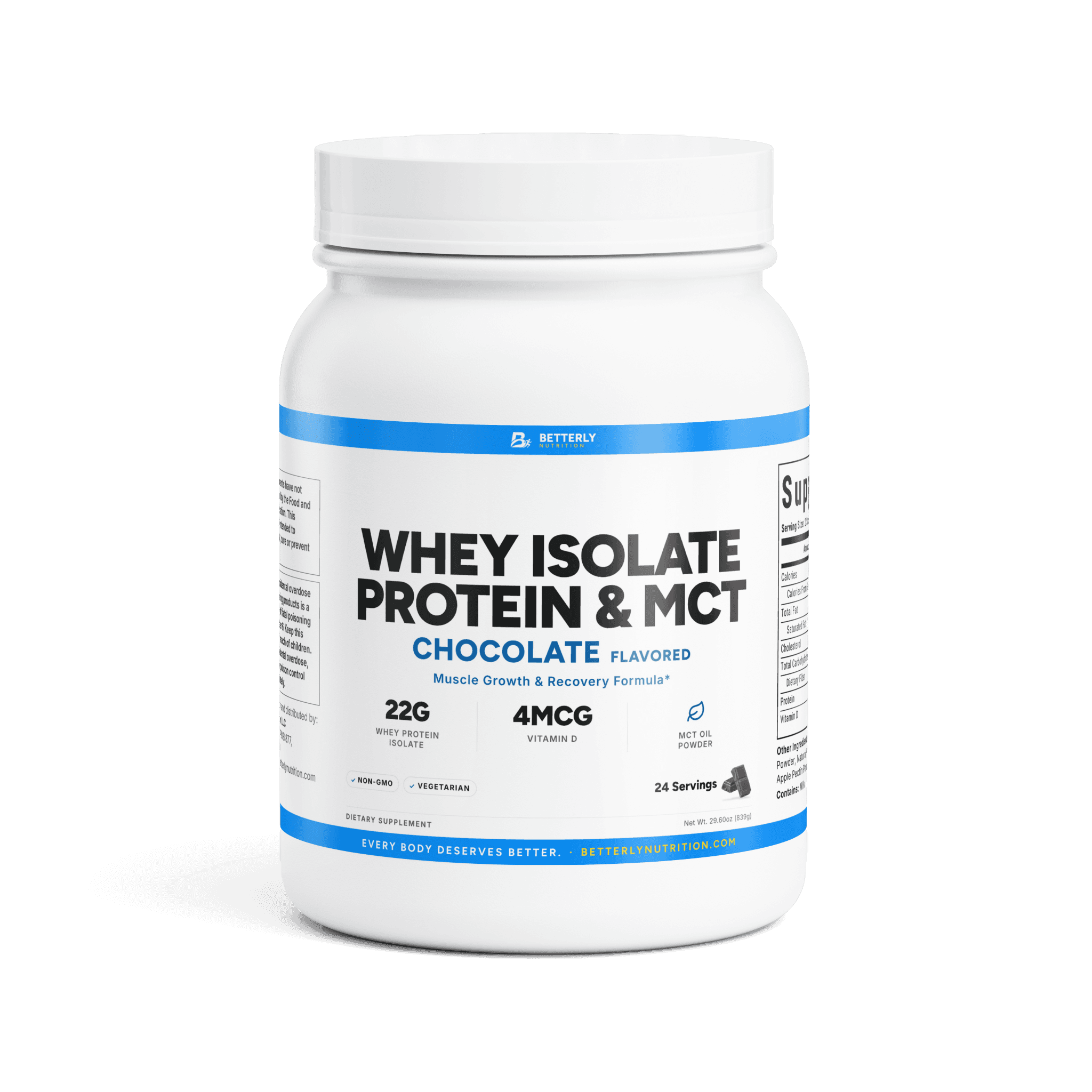
Yes, chocolate protein powder works in coffee and turns it into something close to a mocha. Our Whey Protein Isolate & MCT Powder (Chocolate) lists 22 g of protein per 2 Scoops (35g) serving, with two cocoa powders among its ingredients. Mix it the same way. Its panel lists no caffeine, but the FDA names chocolate as a caffeine source, so that cocoa can add a little. The panel also lists 2 mg of iron (9% DV) and 180 mg of sodium per serving, and like the creamer, its label carries an iron warning for households with children under 6.
Sources
- Protein in diet, MedlinePlus Medical Encyclopedia
- Food Allergies: What You Need to Know, U.S. Food and Drug Administration
- Spilling the Beans: How Much Caffeine is Too Much?, U.S. Food and Drug Administration
If this left you looking for somewhere to start, read vanilla whey isolate for protein coffee, 22 g per serving — its amounts per serving are listed on the page. For the practical questions this raises, how dosing, sourcing and subscriptions work is answered in one place.