On this page
- Key takeaways
- Can you have too many electrolytes from a powder?
- How does your body handle extra electrolytes?
- How many electrolytes a day do adults need?
- How many electrolytes a day is too much, scoop by scoop?
- What happens when you stack electrolyte products?
- What are the signs you've had too many electrolytes?
- How do you use Electrolyte Hydration Powder without overdoing it?
- When don't you need an electrolyte drink at all?
- Who should check with a healthcare provider first?
- FAQ: too many electrolytes
- Sources
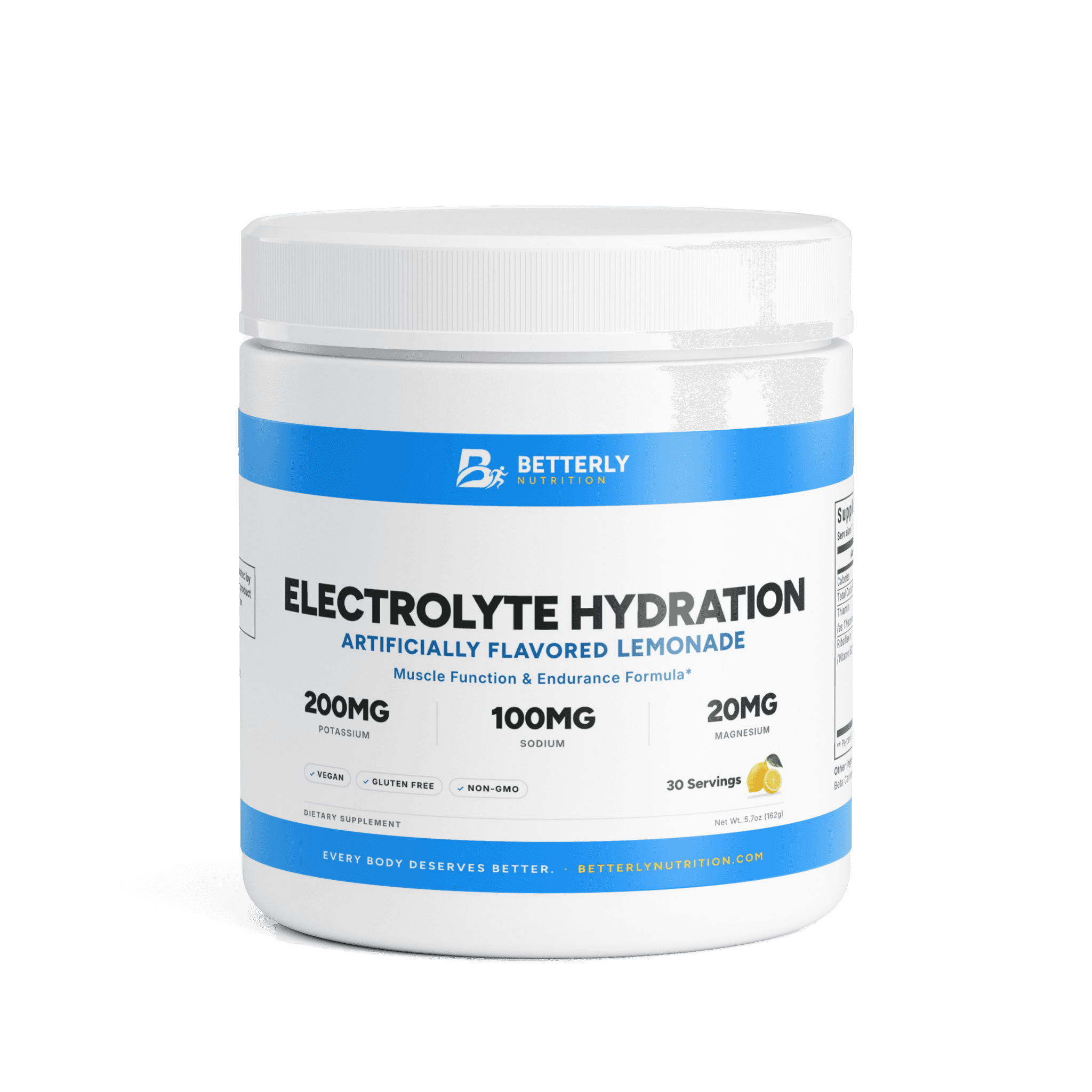
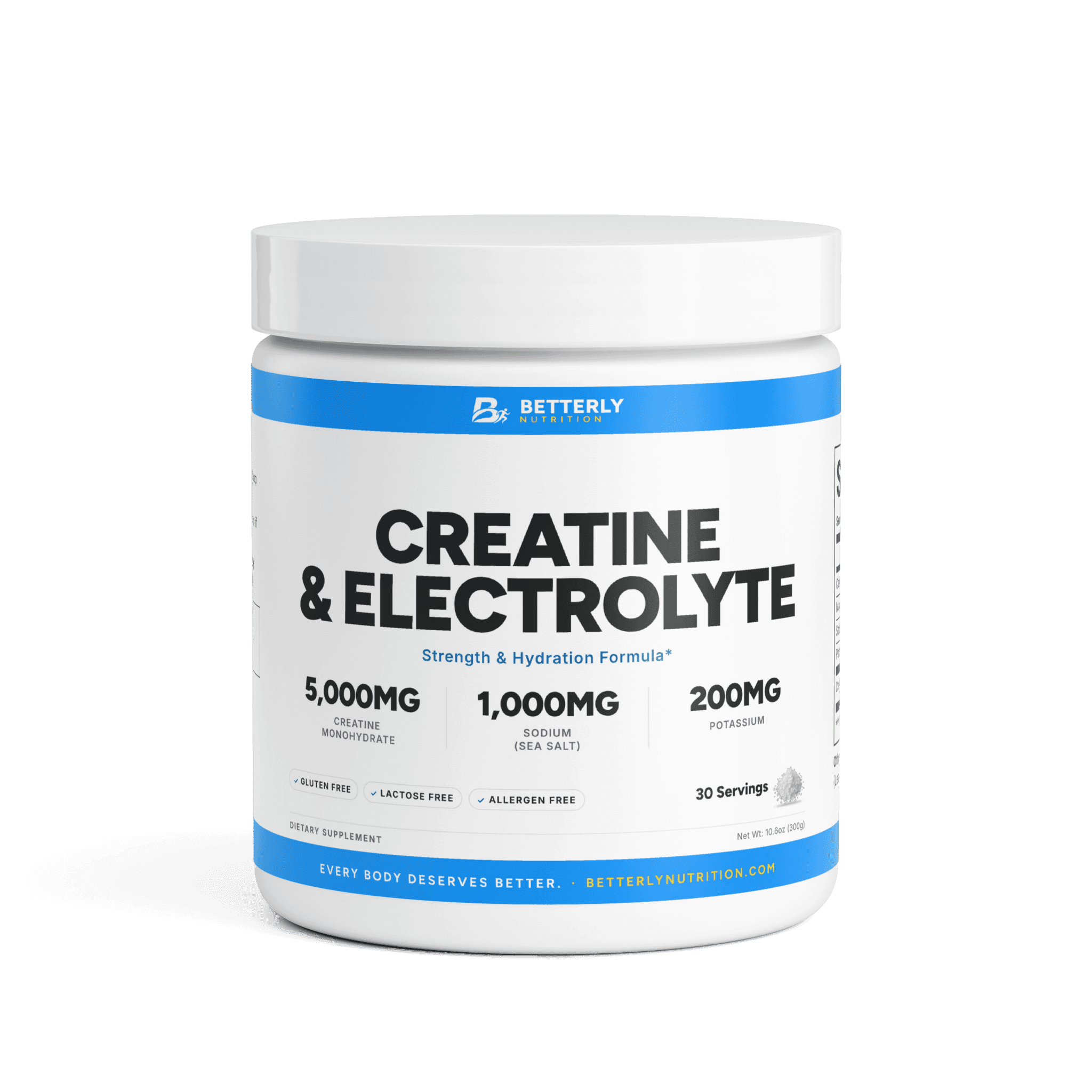
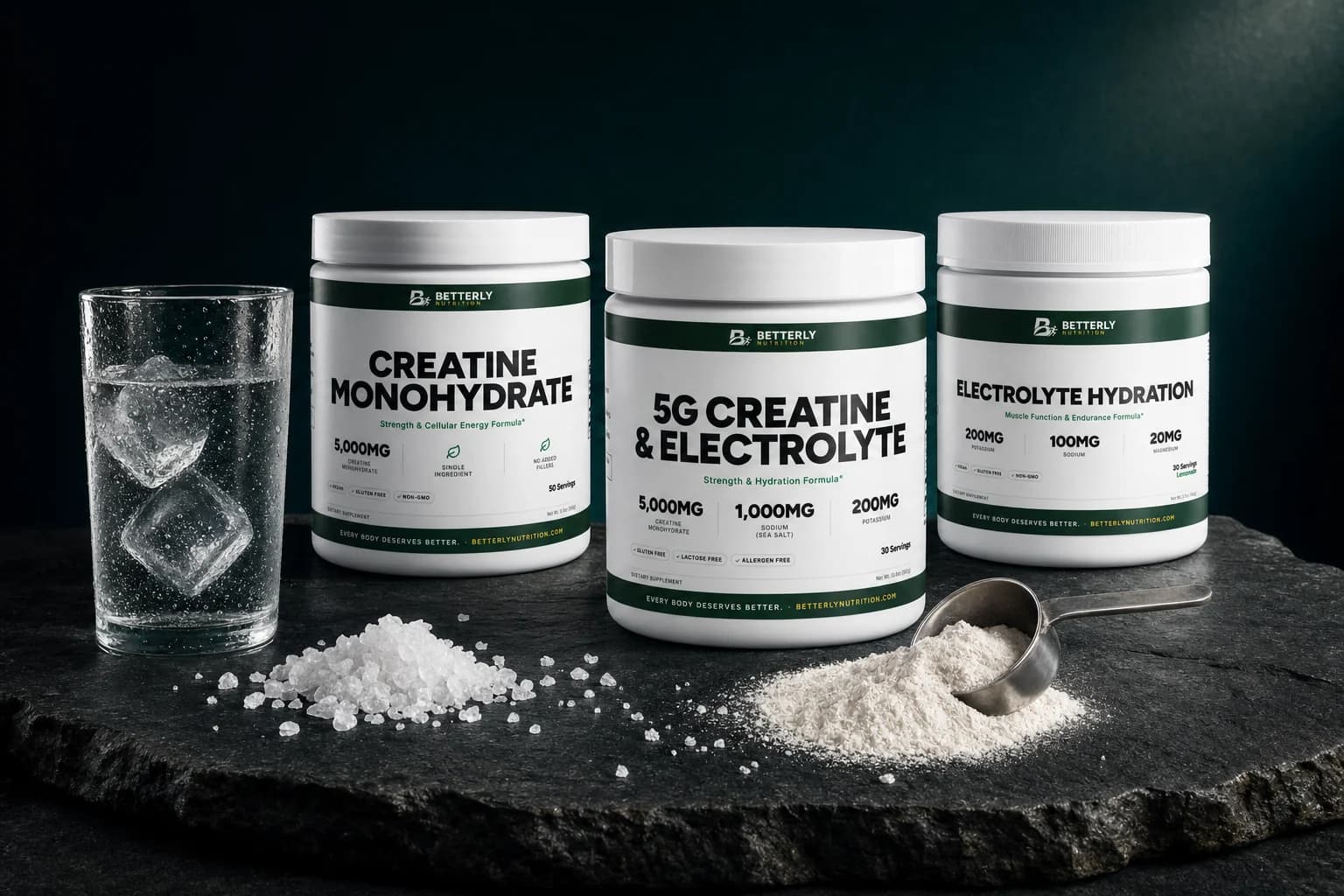
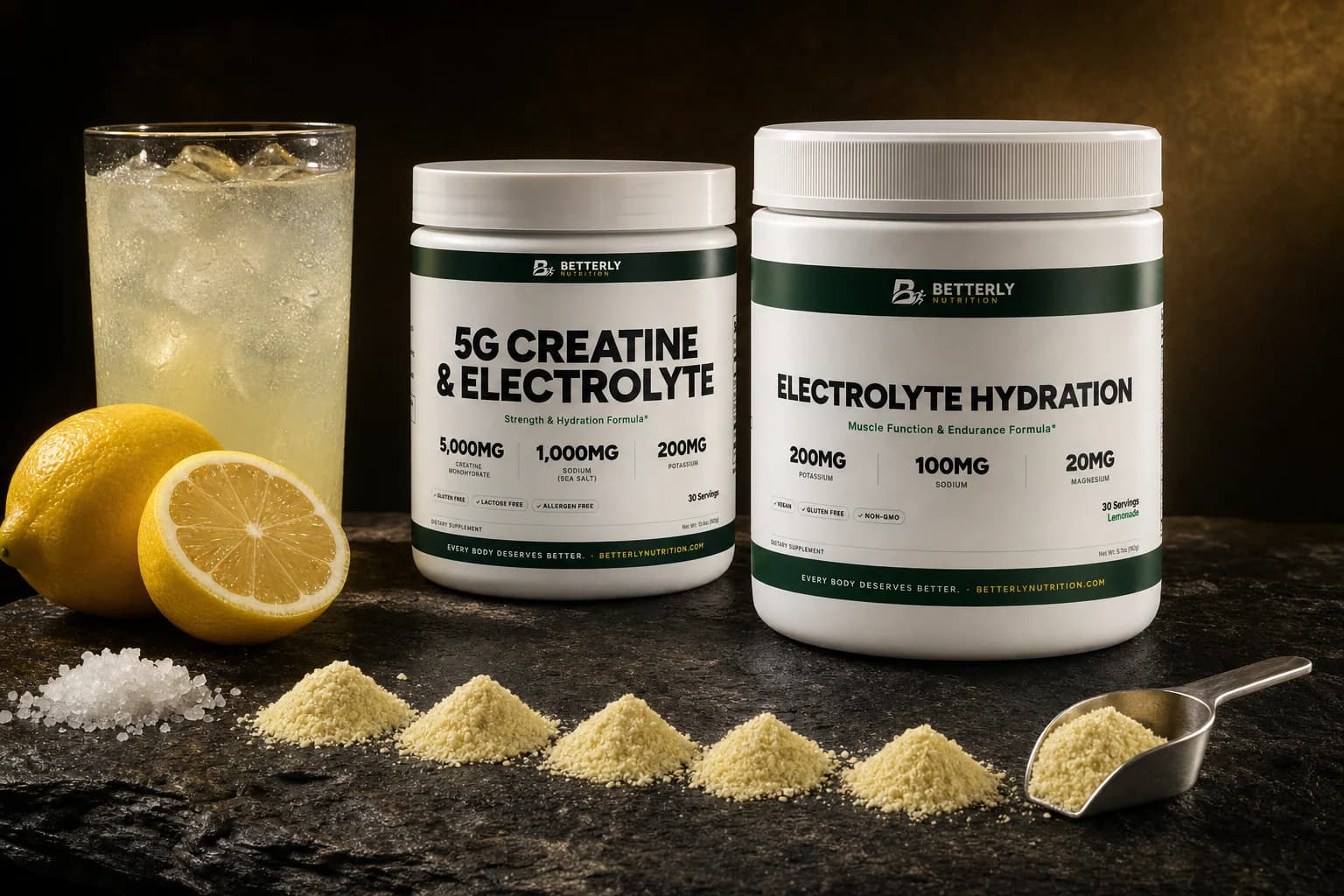
The short answer: Can you have too many electrolytes? Yes, but a powder used the way its label says rarely gets you there by itself. The usual culprit is stacking. Five scoops of our Electrolyte Hydration Powder (Lemonade), the daily maximum printed on its label, total 500 mg of sodium and 1,000 mg of potassium. A single scoop of our 5g Creatine & Electrolyte Powder brings 1,000 mg of sodium on its own.
Key takeaways
- "Too many electrolytes" really means too much of one mineral, most often sodium, potassium or magnesium, since each has its own daily number.
- At its 5-scoop daily cap, Electrolyte Hydration Powder (Lemonade) adds 500 mg of sodium, about 22% of the 2,300 mg limit the FDA cites for adults.
- The NIH's 350 mg upper limit for magnesium from supplements can be crossed by a magnesium capsule plus several scoops, even when each label is followed.
- If a clinician manages your sodium, potassium or fluids, ask for your number before mixing any electrolyte drink.
We sell both electrolyte powders in this guide, so read it as a seller's page and check our math. Our product figures are copied from each product's Supplement Facts panel, and each limit links to the federal page that sets it.
Can you have too many electrolytes from a powder?
Yes, you can have too many electrolytes from a powder, but with a 100 mg-sodium mix like Electrolyte Hydration Powder (Lemonade), it usually takes stacking rather than one bottle.
"Electrolytes" is a group name, and each mineral in it has its own target or ceiling. The useful question is which one, how much, across your whole day.
One scoop of the lemonade mix holds 100 mg of sodium, 200 mg of potassium, 20 mg of magnesium and 40 mg of calcium per 1 Scoop (5.4g) serving. The FDA says more than 70% of the sodium Americans eat comes from packaged and prepared foods, not the salt shaker.
The lemonade label draws its own line, too: "Do not exceed 5 scoops daily."
How does your body handle extra electrolytes?
In healthy people, extra potassium and magnesium leave the body in urine, which is why the NIH doesn't limit either mineral when it comes from food.
The NIH Office of Dietary Supplements says in its potassium fact sheet that potassium from food and drinks hasn't been shown to harm healthy people with normal kidney function. Its magnesium fact sheet says magnesium found naturally in food doesn't need to be limited at all.
Supplements are where the lines appear. The potassium sheet warns that even healthy people can get too much from supplements or salt substitutes if they take in more than their bodies can clear. The magnesium sheet sets an upper limit that covers supplements and medicines only.
That's also why "too much" differs by person: some prescription medicines and medical conditions change how much potassium your body lets go of.
How many electrolytes a day do adults need?
There's no single daily number for electrolytes as a group: sodium has a limit, potassium has a target to reach, and magnesium from supplements has its own ceiling.
| Nutrient | Adult number | What kind of number | Source |
|---|---|---|---|
| Sodium | Under 2,300 mg a day | A limit on total intake | FDA |
| Potassium | 2,600 mg (women), 3,400 mg (men) | An amount to reach | NIH ODS |
| Magnesium | 350 mg a day from supplements | An upper limit; food not counted | NIH ODS |
| Niacin (vitamin B3) | 35 mg a day from supplements | An upper limit | NIH ODS |
Read the table this way: most people already eat too much sodium and fall short on potassium.
According to the FDA's Sodium in Your Diet page, Americans average about 3,400 mg of sodium a day, well past the 2,300 mg limit. It adds that your body needs only a relatively small amount unless you're sweating a lot. The NIH potassium sheet points the other way, saying many people in the U.S. get less potassium than recommended.
That sheet gives potassium no upper limit. It names the people at real risk instead, and those are cases for a clinician. Niacin is in the table because our lemonade mix carries B vitamins.
How many electrolytes a day is too much, scoop by scoop?
For Electrolyte Hydration Powder (Lemonade), anything past 5 scoops a day is too much, because its label caps daily use there.
Here's how the main minerals build, with our creatine blend for scale.
| Scoops in a day | Sodium | Potassium | Magnesium |
|---|---|---|---|
| 1 lemonade | 100 mg | 200 mg | 20 mg |
| 2 lemonade | 200 mg | 400 mg | 40 mg |
| 3 lemonade | 300 mg | 600 mg | 60 mg |
| 5 lemonade (label cap) | 500 mg | 1,000 mg | 100 mg |
| 1 creatine blend | 1,000 mg | 200 mg | 60 mg |
Set against the adult numbers above, the cap row stays modest:
- Sodium: 500 mg is about 22% of the FDA's 2,300 mg limit.
- Potassium: 1,000 mg is about 29% of the 3,400 mg for men and about 38% of the 2,600 mg for women.
- Magnesium: 100 mg is under a third of the NIH's 350 mg supplement limit.
The B vitamins climb faster: each scoop prints 33% DV for seven of them, so five scoops add up to 165% DV of each. A Daily Value is a label yardstick, not a safety ceiling. The upper limit is what matters, and we check niacin below.
The bottom row is the one to watch. One scoop of our 5g Creatine & Electrolyte Powder puts 1,000 mg of sodium in a single glass, more than a full 5-scoop day of lemonade.
From our shop: Electrolyte Hydration Powder (Lemonade) — an everyday mix with 100 mg of sodium and 200 mg of potassium per 1 Scoop (5.4g) serving, and a printed cap of 5 scoops a day.
What happens when you stack electrolyte products?
Stacking electrolyte products is the easiest way to overshoot, because each label is written as if it's the only thing you take that day.
None of these three stacks breaks a single product's directions.
Lemonade scoops plus the creatine blend
Five lemonade scoops and one creatine-blend scoop come to 1,500 mg of sodium from drinks alone, about 65% of the FDA's limit. Add the 3,400 mg the FDA says Americans average from food, and the day lands near 4,900 mg, more than double the limit.
If you use both tubs, let the blend be the salty drink on hard training days and go light on lemonade that day. Our guide to pairing creatine with electrolytes compares setups with far less salt.
A magnesium capsule on top
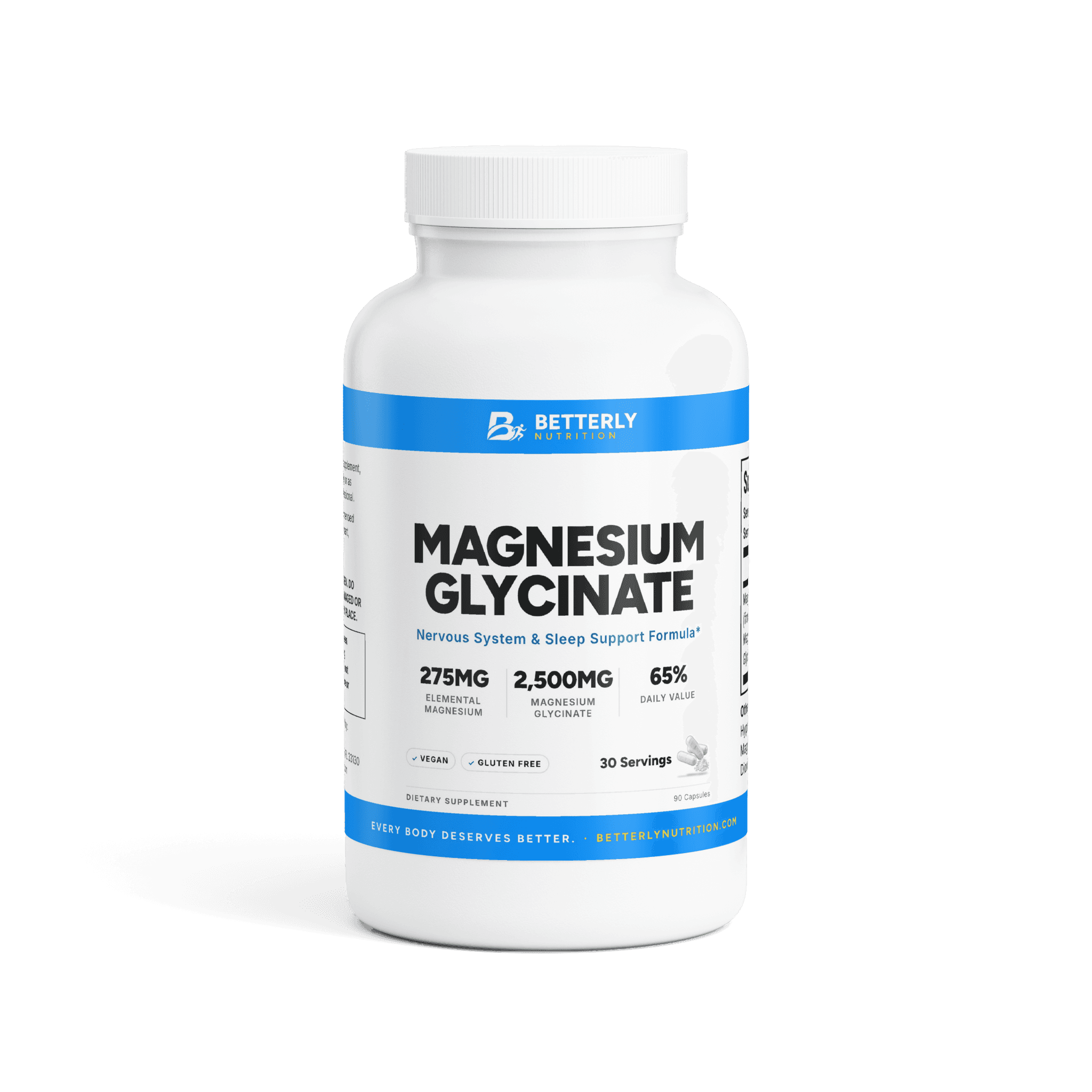
Each 3-capsule serving of our Magnesium Glycinate Capsules holds 275 mg of magnesium. Add five lemonade scoops and you reach 375 mg of supplemental magnesium, 25 mg past the NIH's upper limit. Four scoops reach 355 mg, while three keep the pair at 335 mg.
The creatine blend counts too. Its 60 mg plus the capsule is already 335 mg before any lemonade.
If you take the capsules, keep your supplemental magnesium at 350 mg a day or under unless a healthcare provider tells you otherwise. With nothing else in the mix, that means 3 lemonade scoops at most, and none on a creatine-blend day, since even one scoop brings that total to 355 mg.
A multivitamin with niacin
The NIH's niacin fact sheet sets an upper limit of 35 mg a day from supplements for adults. Five lemonade scoops add up to 26 mg NE of niacin, under that line on their own.
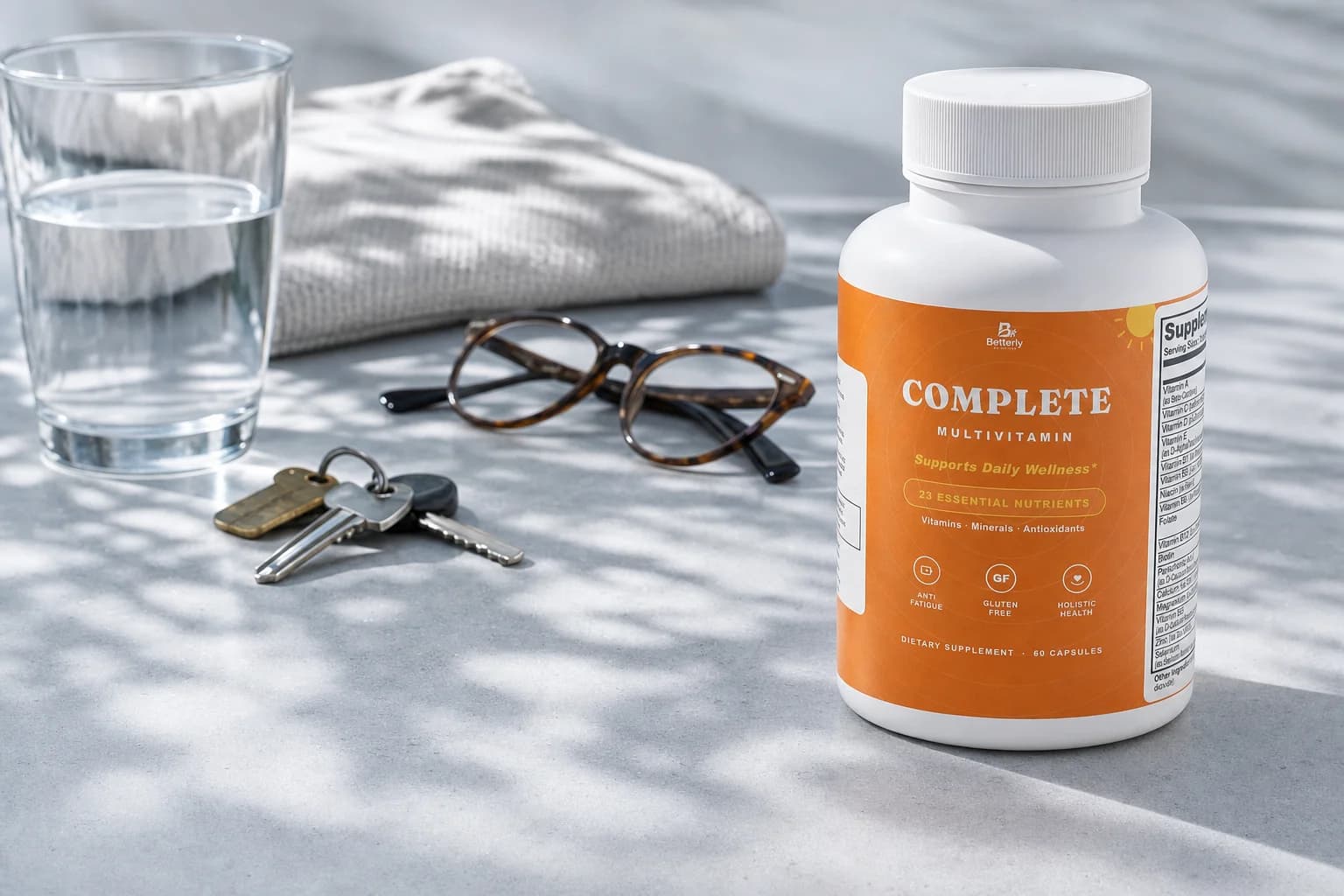
Our own Daily Multivitamin Capsules list 30 mg NE of niacin in each serving of two capsules. Add a single lemonade scoop and the pair reaches 35.2 mg, just past the limit. We'd rather you hear that from us. If you take that multivitamin, or one with a similar niacin row, keep your supplemental niacin at 35 mg a day or under. With ours, that means no lemonade scoops on multivitamin days unless a healthcare provider tells you otherwise.
Potassium-based salt substitutes and a second brand's packets belong in the count too. Our hydration powder buying guide shows how far sodium swings between brands.
What are the signs you've had too many electrolytes?
With electrolyte drinks, the first signs the NIH names are digestive upset from extra magnesium and, when B vitamins stack up, flushing from niacin.
The NIH magnesium sheet says high intakes from supplements and medicines can cause diarrhea, nausea and abdominal cramping. It adds that extremely high intakes can lead to an irregular heartbeat. If your heartbeat ever feels off, stop your supplements and call a health professional right away. Five lemonade scoops sit well under the limit, so look at your other magnesium sources first.
The niacin sheet says 30 mg or more of nicotinic acid from supplements can cause red, burning, tingling or itchy skin across the face, arms and chest, plus headaches, rashes and dizziness. Our panel lists niacin without naming its form, and five scoops stay below 30 mg. The multivitamin stack above could get there.
Sodium and potassium are harder to judge on your own. The NIH potassium sheet gives no checklist of warning signs for too much. It tells people at risk to set safe amounts with a health care provider.
For sodium, the useful check is the running total on your labels and plate. If anything feels severe, get urgent care.
How do you use Electrolyte Hydration Powder without overdoing it?
Follow the Electrolyte Hydration Powder (Lemonade) label: 1 scoop in 14–20 fl oz of water, twice the water for 2 scoops, and a hard stop at 5 scoops a day.
The label names no time of day. A few habits help:
- Count scoops, not bottles. A double-strength bottle uses 2 of your 5.
- Let sweat set the count. A cool, quiet day may need none.
- Add up the sodium row across every drink, sports drinks included.
- Check other labels for magnesium and niacin before your first scoop.
The creatine blend leaves less room. Its label gives adults one daily scoop, stirred into 6-8 oz of liquid, so there's no extra scoop for a hot afternoon.
From our shop: 5g Creatine & Electrolyte Powder — 1,000 mg of sodium (43% DV) and 5,000 mg of creatine monohydrate per 1 scoop (10 g) serving, with a label that allows one scoop a day.
When don't you need an electrolyte drink at all?
You often don't need an electrolyte drink on cool, low-sweat days, because regular meals already bring plenty of sodium and some potassium.
Skip the mix, or question it, when:
- You spent the day mostly sitting, or finished a gym session without much sweat.
- Your meals leaned on takeout, deli food or other salty dishes.
- What you really want is potassium. The NIH lists foods like dried apricots, prunes, bananas, potatoes, spinach, lentils, milk, yogurt and fish, and five scoops only reach 1,000 mg.
- The drink is replacing water you'd happily drink plain.
For the situations where a mix does earn its place, our primer on when electrolytes are worth it covers heat, long sessions and heavy sweat. Both powders in this guide, plus our other hydration flavors, sit in our Performance Essentials range, where you can compare their panels.
Who should check with a healthcare provider first?
Get a healthcare provider's go-ahead before an electrolyte drink if you're on medication, pregnant, nursing, under 18, or living with a medical condition.
The lemonade label says to consult a physician if you're pregnant, nursing, taking medication or have a medical condition. The creatine blend names pregnant, nursing, under 18 or a medical condition. Also ask first if:
- A clinician has you limiting sodium, potassium or fluids. Bring the Supplement Facts panel along.
- You take a prescription medicine that affects fluid or potassium. The NIH potassium sheet says some medicines hold potassium in the body, while some water pills make you lose more.
- You use a potassium-based salt substitute and take any medication.
- An operation is on your calendar. Your surgical team should see your full supplement list.
FAQ: too many electrolytes
Can too many electrolytes cause diarrhea?
Yes, too much magnesium from supplements can cause diarrhea, the NIH says, along with nausea and cramping. Its adult upper limit for supplemental magnesium is 350 mg a day. Electrolyte Hydration Powder (Lemonade) adds 20 mg per scoop, or 100 mg at its cap, so a separate magnesium capsule is the likelier cause. If it keeps happening, talk to a healthcare provider.
Can too many electrolytes give you a headache?
The federal pages we used don't list headaches as a sign of too much sodium, potassium or magnesium, but the NIH niacin sheet lists them for niacin at 30 mg or more of nicotinic acid from supplements. Five scoops of Electrolyte Hydration Powder (Lemonade) come to 26 mg NE of niacin, so check your other labels for niacin too. A headache that doesn't settle is worth a call to a health professional.
Is 1,000 mg of sodium in one electrolyte drink too much?
It depends on what else lands in the same day. Our 5g Creatine & Electrolyte Powder holds 1,000 mg of sodium per 1 scoop (10 g) serving, about 43% of the FDA's 2,300 mg daily limit before you've eaten anything. Add two lemonade scoops and your drinks alone reach 1,200 mg, more than half the limit. Everything on your plate then has to fit in the 1,100 mg left.
How many electrolyte packets a day is safe?
Start with each electrolyte packet's own daily cap, then add up every packet and scoop from every brand you use that day. For Electrolyte Hydration Powder (Lemonade), the cap is 5 scoops, which totals 500 mg of sodium and 1,000 mg of potassium. Then keep the day's sodium in view of the FDA's 2,300 mg limit, food included.
Does medication change how many electrolytes you can have?
Yes, some medications change how your body holds on to or loses potassium and fluid, so your right amount may differ from the label's. The NIH potassium sheet says certain prescription medicines can push potassium too high even from ordinary food. Our lemonade label tells anyone taking medication to consult a physician first, so bring its panel to your pharmacist.
How long does a tub of Electrolyte Hydration Powder last?
A tub of Electrolyte Hydration Powder (Lemonade) holds 30 servings: a month at one scoop a day, or 6 days at the 5-scoop cap. If a tub empties in about a week, you're living at the label's ceiling, so ask whether your sweat really calls for that.
Sources
- U.S. Food and Drug Administration: Sodium in Your Diet
- NIH Office of Dietary Supplements: Potassium, Fact Sheet for Consumers
- NIH Office of Dietary Supplements: Magnesium, Fact Sheet for Consumers
- NIH Office of Dietary Supplements: Niacin, Fact Sheet for Consumers
If this left you looking for somewhere to start, read electrolyte powder with 100 mg sodium per scoop — its amounts per serving are listed on the page. For the practical questions this raises, how dosing, sourcing and subscriptions work is answered in one place.