On this page
- Key takeaways
- What are the side effects of L-citrulline?
- Does L-arginine cause more side effects than L-citrulline?
- How much L-citrulline is too much?
- Are L-citrulline side effects different for women and men?
- What do we know about taking L-citrulline long term?
- Could you be getting more arginine than you think?
- What does our citrulline label tell you to do?
- When don't you need this citrulline capsule?
- Who should check with a healthcare provider first?
- FAQ: L-citrulline side effects
- Sources
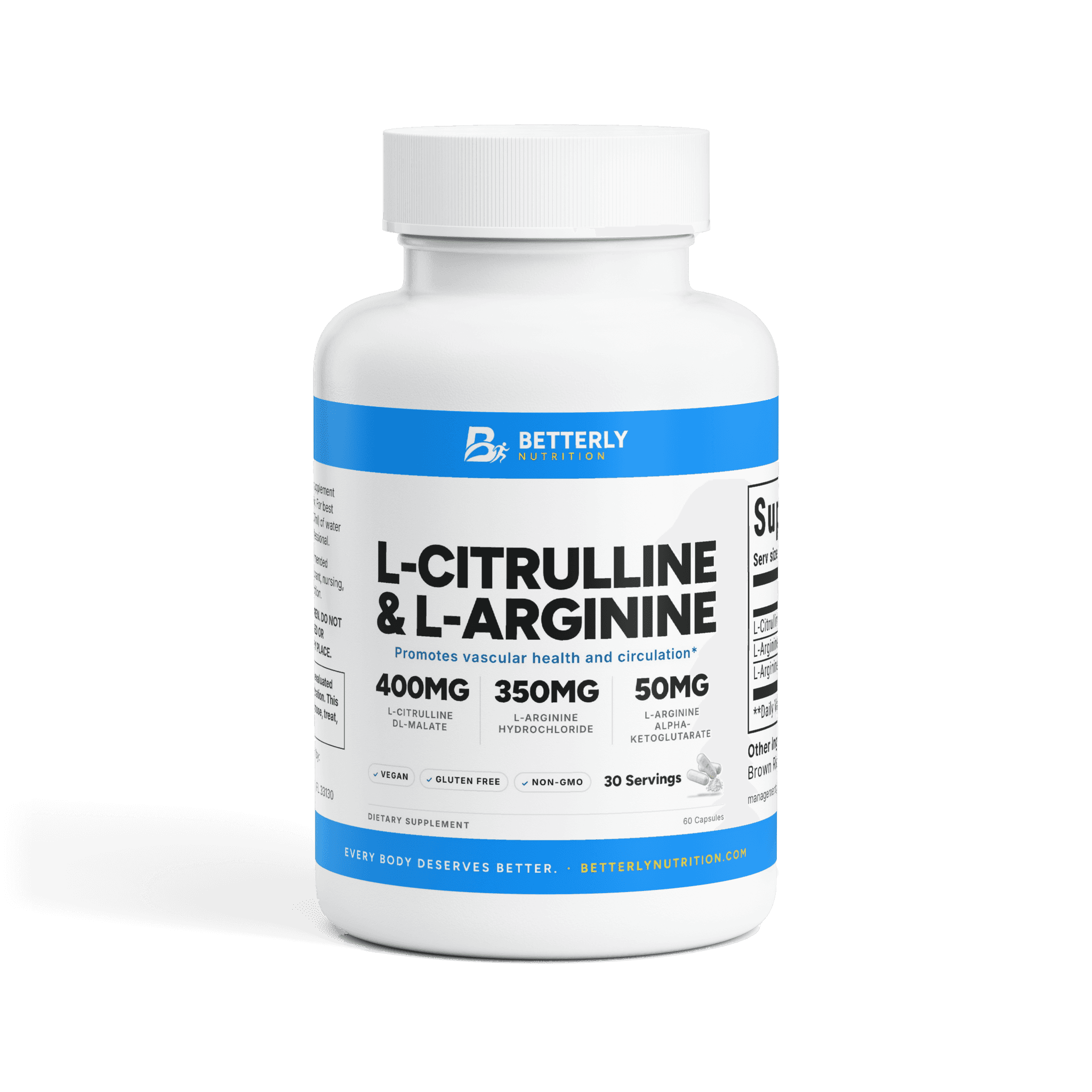
The short answer: L-citrulline side effects haven't been studied much, and the one the NIH lists is stomach discomfort. The gut trouble that's better documented belongs mostly to arginine, citrulline's usual partner, at single doses above 9 g. A 2-capsule serving of our L-Citrulline & L-Arginine Capsules pairs 400 mg of L-citrulline DL-malate with 400 mg of arginine forms, each under a twentieth of 9 g.
Key takeaways
- Citrulline's safety record is thin: the NIH Office of Dietary Supplements calls the research too limited to be sure, and notes user reports of stomach discomfort.
- In a 2007 review of arginine trials, single doses of 3 to 6 g rarely caused side effects, and most appeared at single doses above 9 g.
- A small 2008 study gave eight healthy men single citrulline doses as high as 15 g, and none reported side effects.
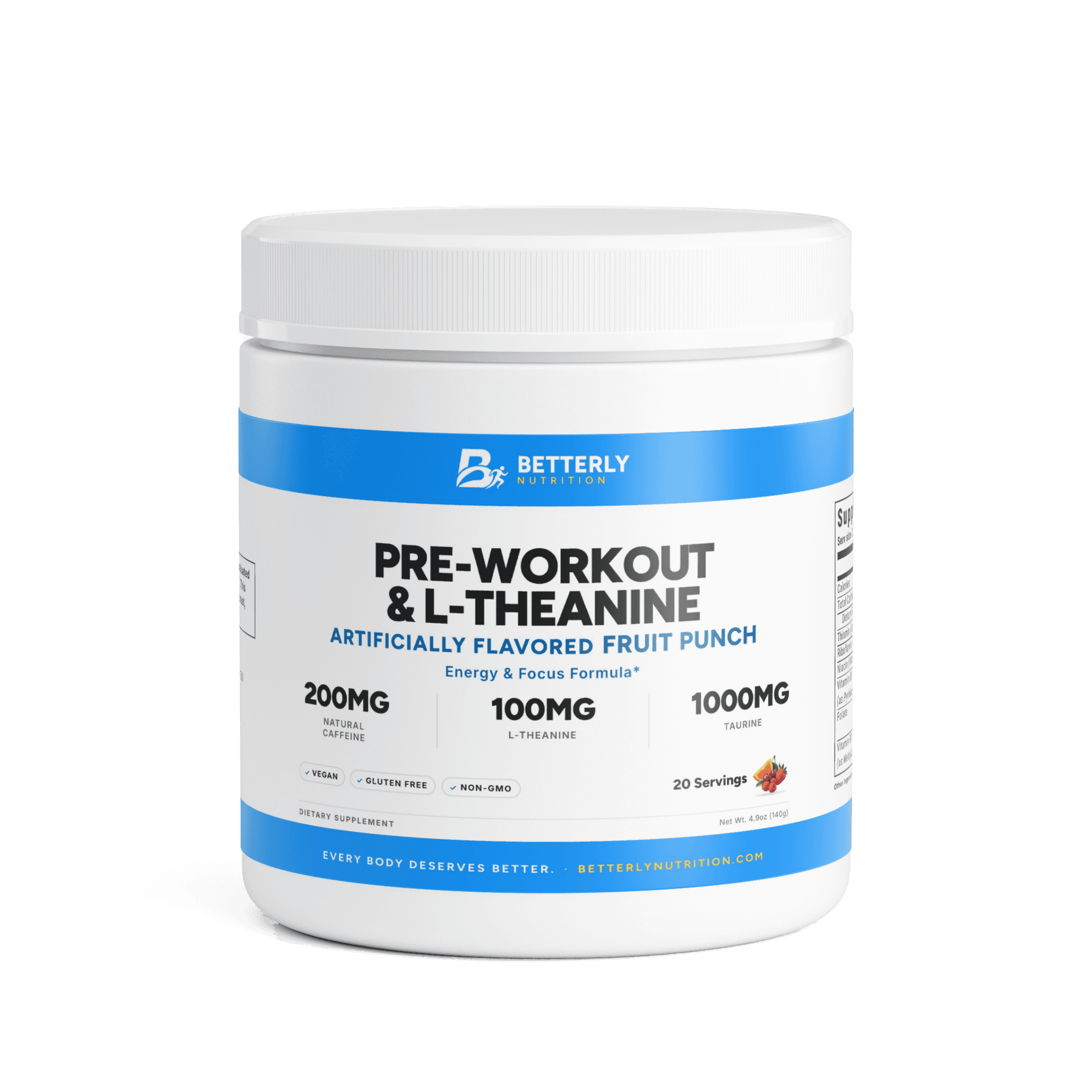
- Arginine adds up across labels: one scoop of our pre-workout lists 1,500 mg of L-arginine alpha-ketoglutarate, nearly four times the capsule's two arginine rows combined.
- Check with a provider before starting if you take any prescription, or if you're in a group the label names: pregnant, nursing, under 18 or managing a medical condition.
A disclosure first: Betterly sells L-Citrulline & L-Arginine Capsules, the product this guide measures against the research. The product figures here are copied from our Supplement Facts panels, including the rows that leave questions open.
What are the side effects of L-citrulline?
Stomach discomfort is the one L-citrulline side effect named by the NIH Office of Dietary Supplements (ODS), which bases it on reports from users.
Citrulline gets one row in the ODS exercise and athletic performance fact sheet, and the safety cell is brief: the research is too thin to say for sure whether it's safe.
The 400 mg citrulline row on our capsule includes the malic acid bound to it, so the citrulline you actually swallow is an estimated 227 to 289 mg per 2-capsule serving. Our L-citrulline vs citrulline malate guide shows the math.
Citrulline also seldom arrives alone. On our shelf it sits beside arginine in the capsule and inside a pre-workout blend next to caffeine, so a stomach complaint could trace to any row on the panel.
Does L-arginine cause more side effects than L-citrulline?
L-arginine has the better-documented stomach side effects of the pair, mostly at single doses above 9 g, while L-citrulline's record is thinner rather than cleaner.
A 2007 review in the Journal of Nutrition by G. K. Grimble pulled together trials that gave people from 3 g to more than 100 g of arginine a day. Side-effect reporting varied from trial to trial, but a pattern held: single doses of 3 to 6 g rarely caused side effects, and most appeared above 9 g.
The review explains that your gut absorbs arginine-type amino acids through a transport system with high affinity and low capacity: it grabs them readily but can only move so much at once. Arginine also prompts the gut to release water and electrolytes, an effect the review ties to nitric oxide made locally. Large single doses of poorly absorbed amino acids seem to provoke diarrhea, it says, and side effects seemed to disappear when doses were divided.
ODS draws its arginine line nearby. Intakes of up to 9 g daily over several days or weeks look safe, it says, while higher intakes can bring GI discomfort and a slight effect on circulation.
Citrulline has less data either way. In the Citrudose study, published in the British Journal of Nutrition in 2008, eight healthy men took single doses of 2, 5, 10 and 15 g of citrulline on an empty stomach, on separate days. None had side effects at any dose. Eight people can't settle the question, though, so the ODS note about stomach discomfort still stands.
How much L-citrulline is too much?
The NIH sources we read set no upper limit for L-citrulline, so with our capsule, too much simply means more than the label's two capsules a day.
| Source | Ingredient and amount | What it found |
|---|---|---|
| ODS fact sheet | Arginine, up to 9 g a day for days or weeks | Seems safe; more can cause GI discomfort |
| Grimble review, 2007 | Arginine, 3 g to over 100 g a day | 3-6 g single doses rarely caused side effects; most came above 9 g |
| ODS fact sheet | Citrulline, amounts studied: up to 9 g for 1 day, or 6 g daily for up to 16 days | Too little research to be sure; users report stomach discomfort, no dose given |
| Citrudose study, 2008 | Citrulline, single doses of 2 to 15 g in 8 men | No side effects at any dose |
| Our capsule | 400 mg citrulline malate, 400 mg arginine forms | Per 2-capsule serving |
ODS attaches no dose or form to citrulline's stomach reports, so they could come from any amount, and the gram-level gut findings in this table are all about arginine. Our serving's 400 mg of citrulline malate and 400 mg of arginine forms are each under a twentieth of the 9 g mark ODS uses for arginine. That margin tells you about arginine, not citrulline, and a sensitive stomach can react to less than any study tested.
The label's own ceiling is firmer than any study: "Do not exceed recommended dose." Reaching the 6 g a day used in the citrulline studies ODS describes would take more than 40 of these capsules, which the label doesn't allow.
From our shop: L-Citrulline & L-Arginine Capsules — two capsules line up 400 mg of L-citrulline DL-malate beside two arginine forms (350 mg hydrochloride, 50 mg alpha-ketoglutarate), and caffeine appears nowhere on the panel.
Are L-citrulline side effects different for women and men?
Nothing in the federal pages or studies we read splits L-citrulline side effects by sex, and one reason is that the research leans heavily on young, healthy men.
ODS says much of that research is done in young healthy men, not in women, middle-aged and older adults, or teens. The Citrudose volunteers fit the mold: eight men. So "no known difference" mostly reflects who got studied.
For women, the label's caution names pregnancy and nursing. ODS's consumer guide, Dietary Supplements: What You Need to Know, points out that safety testing for many supplements hasn't covered pregnant or nursing women well, and the citrulline row in the ODS exercise sheet never mentions pregnancy. That's a conversation for your provider.
For men, the same stomach notes apply, though the studies may not describe you well if you're middle-aged or older.
What do we know about taking L-citrulline long term?
Long-term L-citrulline use hasn't been tracked in the sources we read, and ODS describes citrulline studies that ran from a single day to 16 days.
Arginine has a little more runway. ODS says arginine studies used 2 to 20 g a day for up to 3 months, and its safety line covers up to 9 g a day "for several days or weeks." Nobody in these sources followed people for years.
Our label says two capsules daily with no end date. That's normal, and it isn't evidence that years of use were checked. If the bottle becomes a months-long habit, mention it at your next checkup.
Could you be getting more arginine than you think?
You could be getting more arginine than you think, because it appears on several kinds of labels and adds up across your whole day.
Here are the arginine and citrulline rows on four of our own panels. HCl is hydrochloride and AKG is alpha-ketoglutarate, the partner molecules each arginine form is bound to.
| Product | Serving | Arginine rows | Citrulline row |
|---|---|---|---|
| L-Citrulline & L-Arginine Capsules | 2 capsules | 350 mg HCl, 50 mg AKG | 400 mg DL-malate |
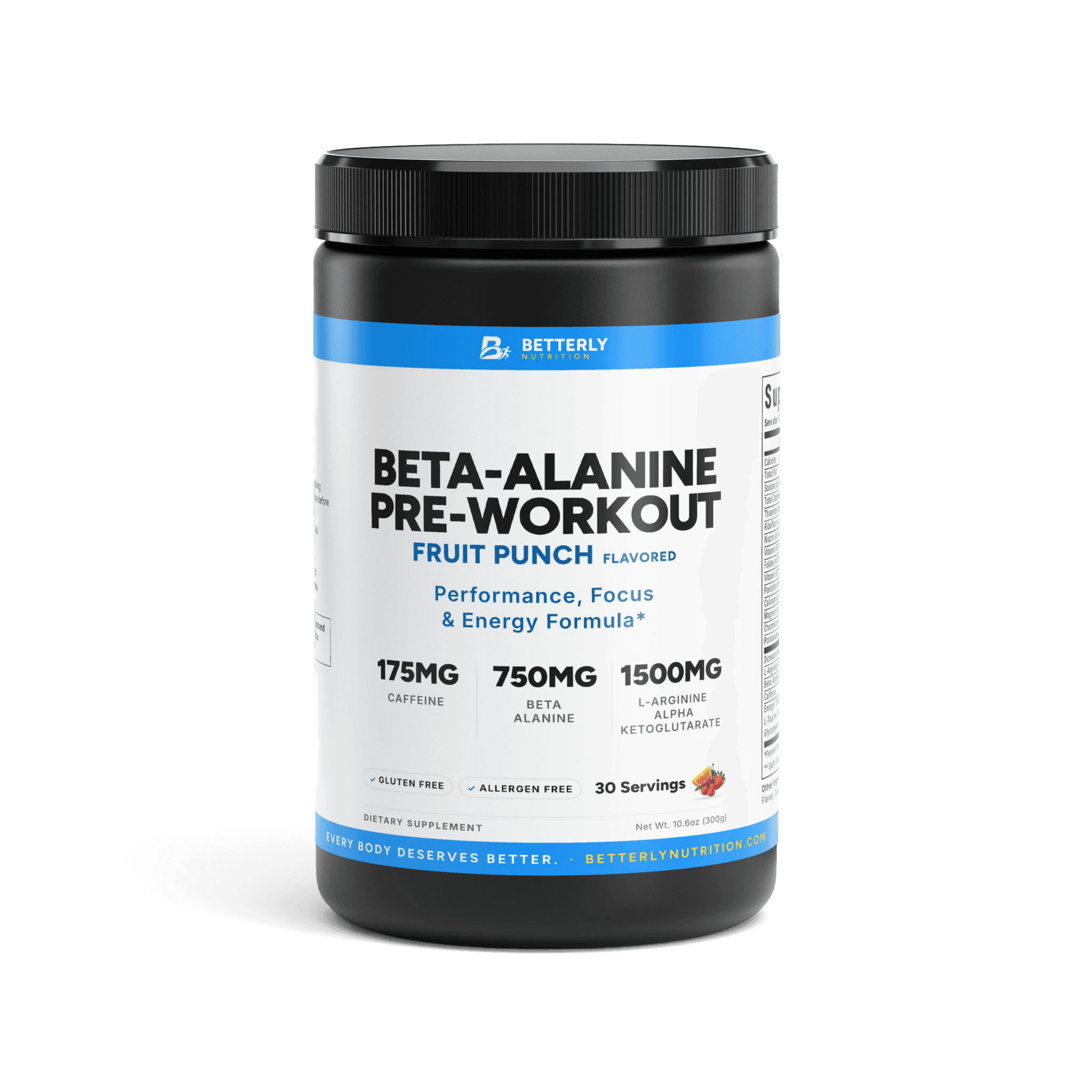
| Beta-Alanine & Caffeine Pre-Workout Powder (Fruit Punch) | 10 g (1 scoop) | 1,500 mg AKG | In a 550 mg blend, amount not listed |
| Alpha-GPC & L-Theanine Focus Powder (Sour Candy) | 2 scoops (7.5 g) | 1,000 mg HCl | None listed |
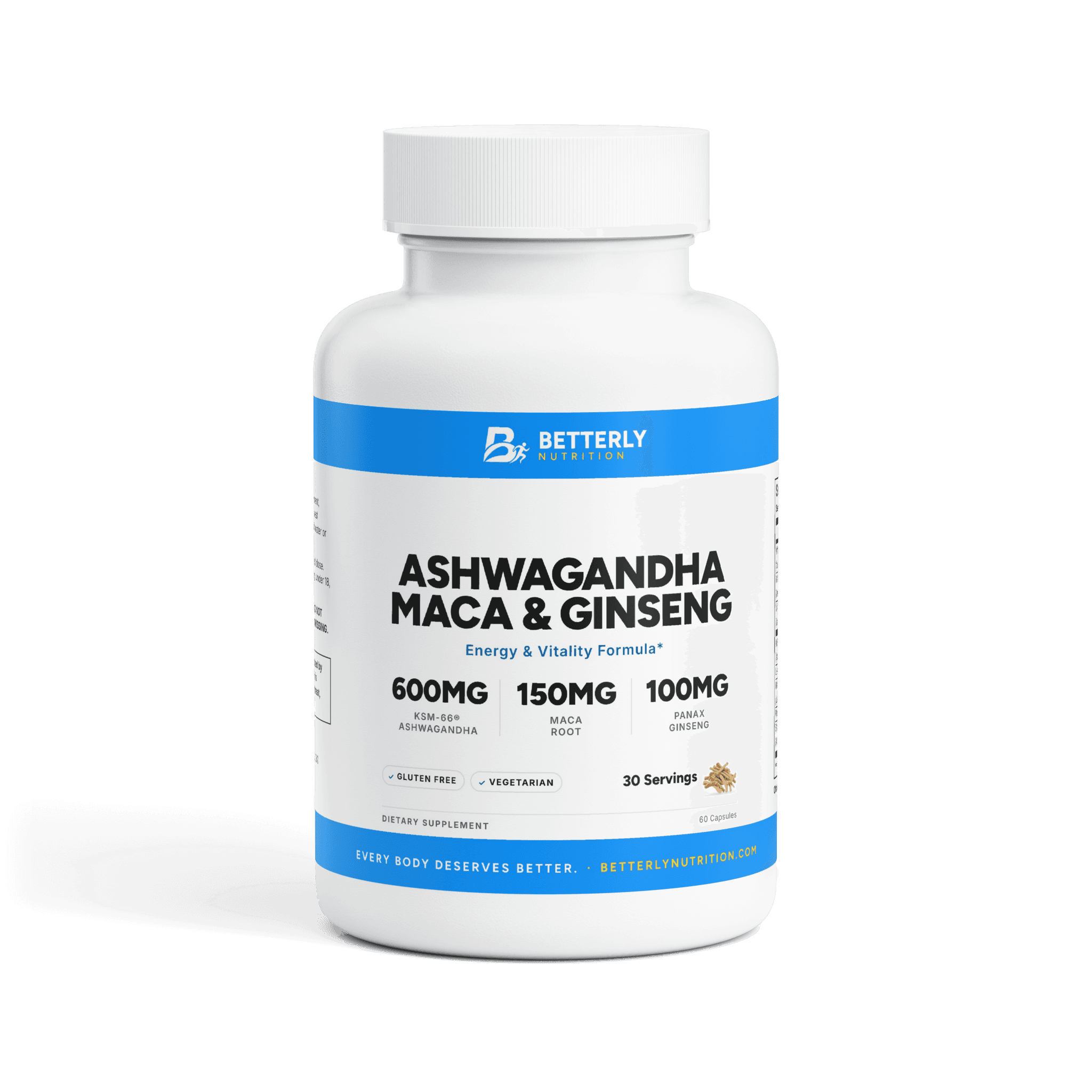
| Ashwagandha, Maca & Ginseng Capsules | 2 capsules | 300 mg L-arginine | None listed |
Only the Ashwagandha, Maca & Ginseng Capsules list less arginine (300 mg) than the citrulline capsule. One scoop of the pre-workout plus a serving of the capsules makes 1,900 mg of arginine forms, and the pre-workout label allows 2 scoops, which would make it 3,400 mg. Those are salt weights, so the arginine itself is lower. Even 3,400 mg only reaches the low end of the 3 to 6 g single doses Grimble's review found rarely caused side effects, so the arginine inside sits below that band and well under 9 g.
Watch the caffeine rows too: 175 mg per scoop of the pre-workout and 200 mg per serving of the focus powder. Two scoops plus a focus serving comes to 550 mg, past the 400 to 500 mg a day ODS says seems safe for adults. Our guide to pre-workout side effects covers those rows.
What does our citrulline label tell you to do?
Two capsules a day for adults, taken with 6-8 oz (177-237 ml) of water, is what the L-Citrulline & L-Arginine Capsules label directs, unless a healthcare professional says otherwise.
Here's what each line means for side effects:
- "Adults take two (2) capsules daily" is the whole schedule. There's no time of day, workout window or food instruction, so we won't invent one.
- "Do not exceed recommended dose" means a missed day doesn't become four capsules the next morning.
- Beyond the three actives, the capsule holds only cellulose (the vegetable shell) and brown rice flour, and the bottle's front carries vegan, gluten-free and non-GMO badges.
Before your first serving, total the arginine from anything else you take that day. If your stomach complains afterward, stop rather than pushing through.
When don't you need this citrulline capsule?
You don't need our L-Citrulline & L-Arginine Capsules if you're after study-sized amounts, already take an arginine-heavy pre-workout, or amino acids have bothered your stomach before.
- You expected research-sized amounts. Two capsules stay far below the 6 g a day in the studies ODS describes, and the label caps it there.
- Your pre-workout already lists arginine. Ours has 1,500 mg per scoop, so the capsule adds a small slice.
- You want proof of a performance payoff. ODS finds not much evidence for citrulline and little for arginine.
- Amino-acid products have bothered your stomach before.
For that last group, beet takes a separate route. Beets are rich in nitrate, and ODS explains that part of it ends up as nitric oxide. It also says nobody knows yet whether beetroot powder supplements behave like the beet juice researchers gave people.
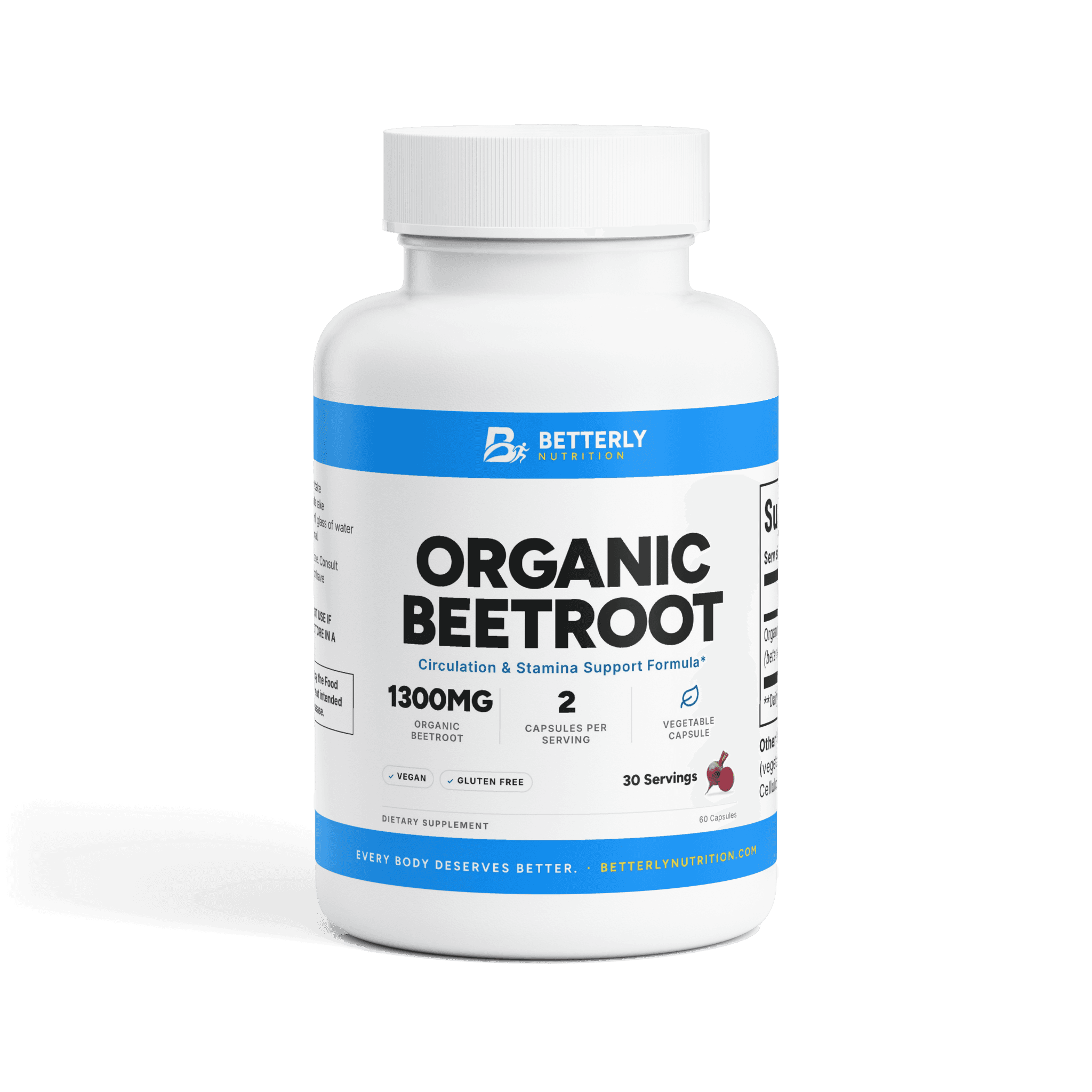
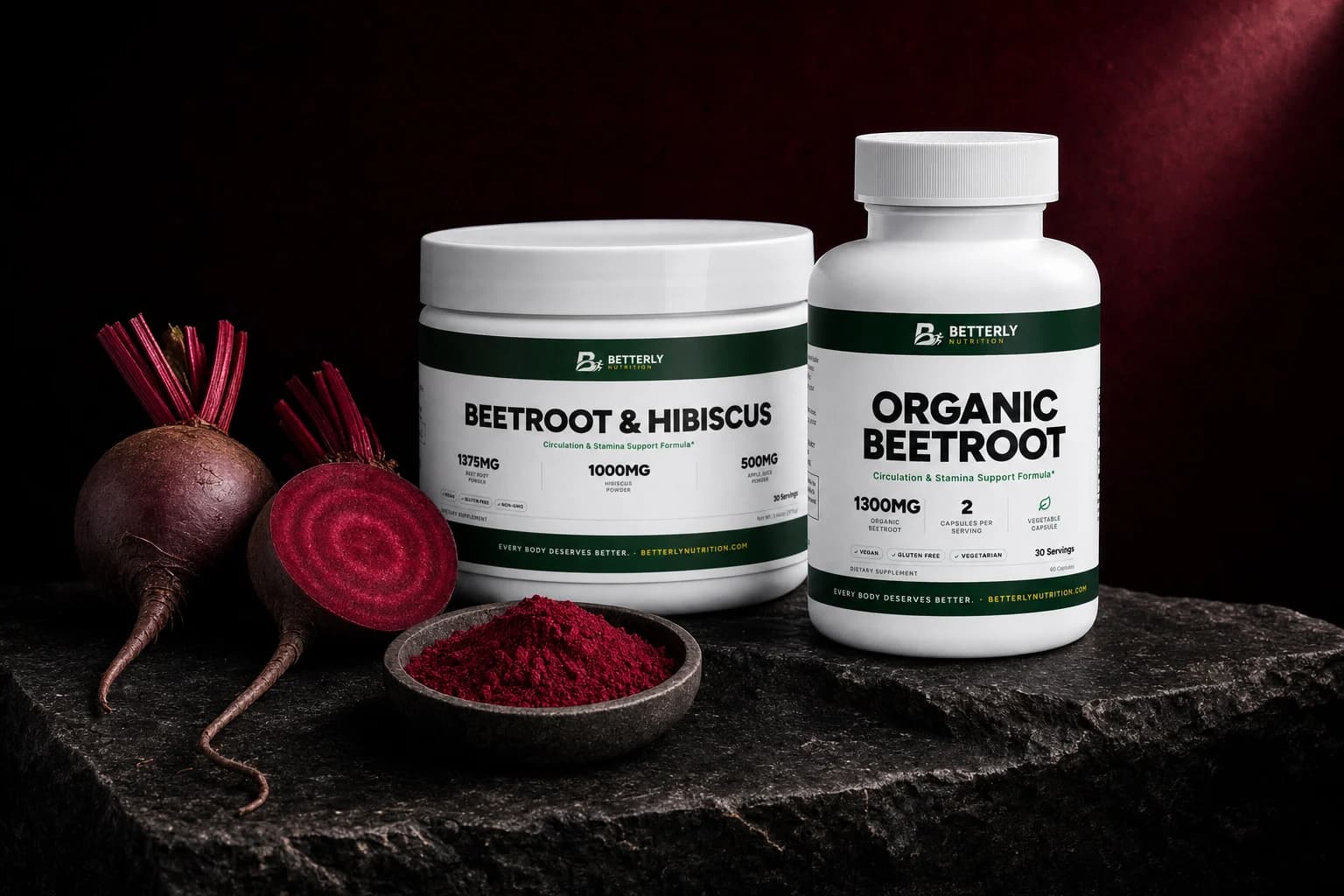
From our shop: Organic Beetroot Capsules — a single active row, organic beetroot powder (Beta vulgaris) at 1,300 mg per 2-capsule serving, in vegan, gluten-free capsules.
Beet has quirks of its own, such as pink or red urine, which our beetroot capsule side effects guide covers. For other options, browse our Performance Essentials collection.
Who should check with a healthcare provider first?
Check with a provider before starting L-citrulline if you take prescription medication, have surgery coming up, or fit the label's list: pregnant, nursing, under 18 or managing a medical condition.
The capsule's caution reads: "Do not exceed recommended dose. Consult a physician if pregnant, nursing, under 18, or have a medical condition." Also raise it if you have:
- Prescription medication that affects circulation. Ask your prescriber first, since ODS notes arginine can slightly affect circulation at higher intakes.
- Any other regular medication. ODS warns that performance products might interact with medicines, over-the-counter ones included.
- Upcoming surgery. According to the What You Need to Know guide, certain supplements can alter how your body handles anesthesia if you take them before an operation.
Bring the actual panels, not just product names.
FAQ: L-citrulline side effects
Can L-citrulline cause diarrhea?
L-citrulline can upset some stomachs, but diarrhea in the research is tied mostly to large single doses of arginine. Grimble's 2007 review found most arginine side effects at single doses above 9 g and linked diarrhea to big single doses of poorly absorbed amino acids. In the Citrudose study, citrulline doses up to 15 g caused no side effects in eight men. If diarrhea starts after a citrulline product, stop it and tell a healthcare provider.
Can L-citrulline cause headaches?
Headaches aren't among the L-citrulline side effects in the sources we read. The NIH Office of Dietary Supplements mentions only stomach discomfort, and the Citrudose volunteers reported no side effects. The research is small, so that doesn't rule headaches out. If they show up after you start citrulline, stop it and ask a provider, bringing every panel you take.
Can you take L-citrulline with a caffeinated pre-workout?
Nothing on our L-citrulline capsule label rules out a caffeinated pre-workout the same day, but total both panels first. The L-Citrulline & L-Arginine Capsules list no caffeine, so every milligram comes from the other product. ODS says caffeine intakes up to 400 to 500 mg a day seem safe for adults. Our pre-workout's label also asks you to assess tolerance with 1 scoop, and its arginine row adds to the capsule's.
Is L-citrulline safe for teens?
L-citrulline hasn't been shown to be safe for teens, and ODS notes that performance-supplement research mostly involves young healthy men, not teenagers. ODS says that in most cases only adults should use performance supplements, and the caution on our capsule tells anyone under 18 to consult a physician. So for a teen, the honest default is to skip it unless a pediatrician who has read the label says otherwise.
What should you do if L-citrulline gives you a side effect?
If you think L-citrulline gave you a side effect, set it aside and tell your healthcare provider, since providers can pass reports on to FDA. ODS's What You Need to Know guide says you can also report it to FDA yourself at 800-FDA-1088 or online, and should tell the company using the contact details on the label. For our capsules, reach us through our contact page.
Sources
- NIH Office of Dietary Supplements: Dietary Supplements for Exercise and Athletic Performance, Fact Sheet for Consumers
- NIH Office of Dietary Supplements: Dietary Supplements: What You Need to Know
- Grimble GK, Journal of Nutrition, 2007: Adverse gastrointestinal effects of arginine and related amino acids
- Moinard C, et al., British Journal of Nutrition, 2008: Dose-ranging effects of citrulline administration on plasma amino acids and hormonal patterns in healthy subjects: the Citrudose pharmacokinetic study
If this left you looking for somewhere to start, read L-citrulline and L-arginine capsules with no caffeine — its amounts per serving are listed on the page. For the practical questions this raises, how dosing, sourcing and subscriptions work is answered in one place.