On this page
- Key takeaways
- What are the most common BCAA side effects?
- Are BCAAs safe to take every day?
- Why does a BCAA drink sometimes upset your stomach?
- Should you worry about the sweeteners in BCAA powder?
- How much vitamin B6 is in a BCAA serving, and does it add up?
- Are BCAA side effects different for women and men?
- When aren't the downsides of a BCAA drink worth it?
- How do you take BCAA powder to keep side effects small?
- Who should skip BCAAs or check with a healthcare provider first?
- FAQ: BCAA side effects
- Sources
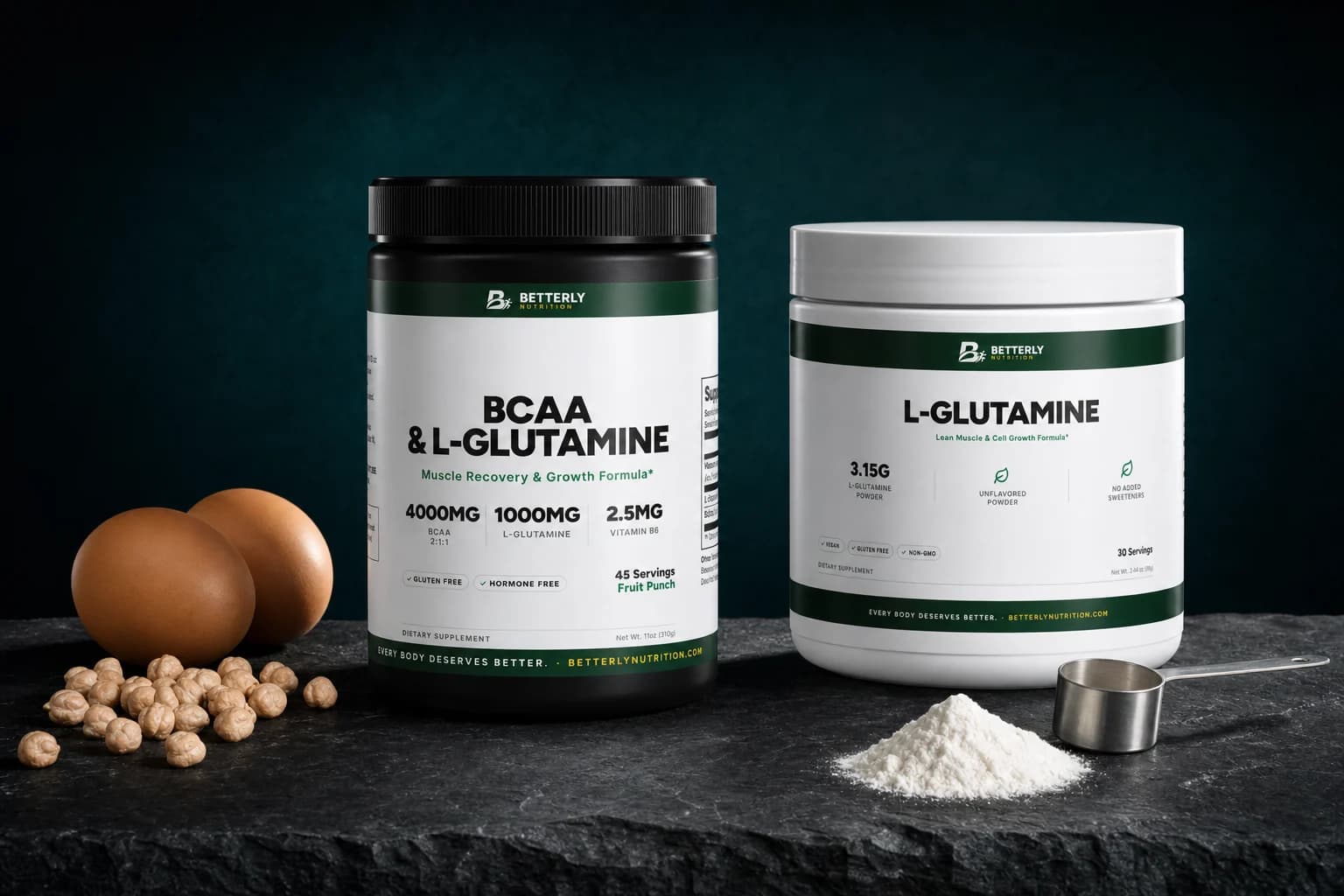
The short answer: The NIH Office of Dietary Supplements names no specific BCAA side effects and says up to 20 g a day from supplements, on top of food, seems to be safe. A 1/2-scoop serving of ours lists 4,000 mg of BCAAs and 1,000 mg of L-glutamine. The realistic downsides are a drink mixed too strong, the digestive effects ODS lists for glutamine, two sweeteners some people avoid, and vitamin B6 that stacks with other products.
Key takeaways
- The NIH fact sheet on performance supplements names no specific BCAA side effects and calls up to 20 g a day from supplements seemingly safe.
- Each 1/2-scoop (6.5 g) serving of our BCAA powder also carries 1,000 mg of L-glutamine, and ODS lists nausea, bloating and gas among glutamine's side effects.
- Sucralose and acesulfame potassium sweeten both flavors of our BCAA powder, which matters if you avoid either one.
- Our BCAA serving's 2.5 mg of vitamin B6 (147% DV) plus three more of our labels comes to 12.56 mg, just past the 12 mg adult limit set in Europe.
- Our BCAA label wants a physician's okay first for anyone pregnant, nursing, under 18 or living with a medical condition.
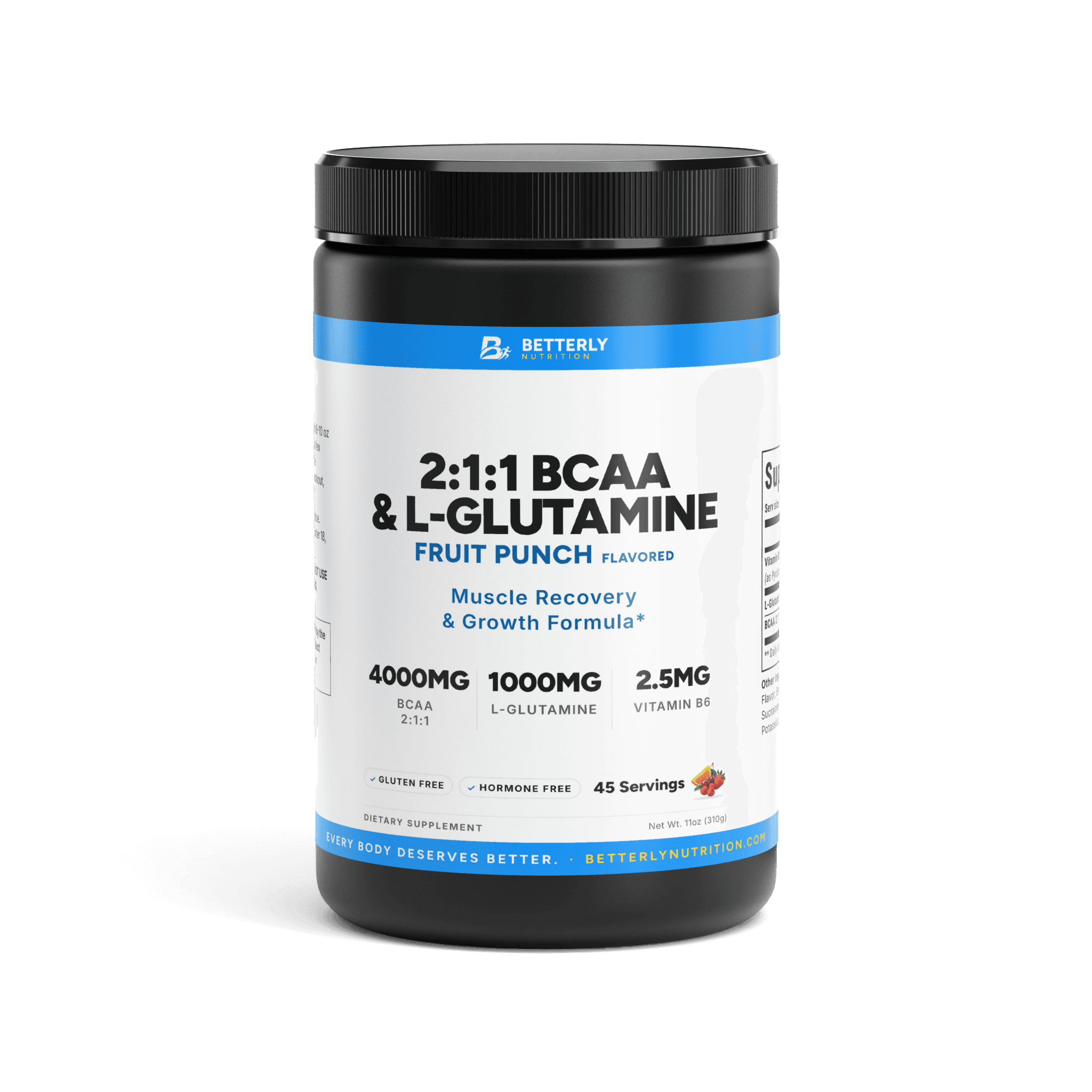
Disclosure first: 2:1:1 BCAA & L-Glutamine Powder (Honeydew Watermelon) is our product, and it's the tub this guide checks. Every product number below comes from one of our printed labels, including the details that give some people a reason to pass.
What are the most common BCAA side effects?
BCAAs have no official list of common side effects: the NIH fact sheet on performance supplements names none for leucine, isoleucine or valine, the three branched-chain amino acids.
The NIH Office of Dietary Supplements (ODS) says meat, fish and milk contain them, and your muscles can use them for energy during exercise. Its safety verdict is about amount, not symptoms: a diet with enough protein easily supplies 10 to 20 g a day, and up to another 20 g from supplements seems to be safe.
None of the federal pages we read ties bloating or queasiness to the three BCAAs specifically. A broader ODS page, Dietary Supplements: What You Need to Know, says you're most likely to run into supplement side effects with high doses, or when you're juggling many different products.
So the negative effects worth planning around are practical ones:
- Concentration. Too much powder in too little liquid.
- L-glutamine. A second amino acid in our formula, with digestive side effects on its ODS list.
- Sweeteners. Sucralose and acesulfame potassium, which some people avoid.
- Stacking. Vitamin B6 that also appears on other labels.
- Cost. Paying for amino acids your meals may already cover.
Searches also pair BCAAs with hair loss. None of the federal sources we used makes that link.
Are BCAAs safe to take every day?
Daily BCAAs at our label's serving fit well inside the ODS range: 4,000 mg per 1/2-scoop serving is a fifth of the 20 g it calls seemingly safe.
The label sets no servings-per-day figure, just "Do not exceed recommended dose," so we plan around one serving.
"Seems to be safe" is careful wording. ODS points out that studies of performance supplement ingredients often involve small groups taking them for days, weeks or months. So on long-term BCAA side effects, there's little data, and the federal pages we read name no long-term problems.
Daily use also means daily B6, and our explainer on vitamin B6 limits shows how that total builds.
Tub math keeps you honest: 45 servings last about six weeks at one a day. If yours empties in three, you're drinking about two servings a day, twice the pace we plan around.
Why does a BCAA drink sometimes upset your stomach?
When a BCAA drink sits badly, check the mix first, then the L-glutamine: our label calls for 6.5 g of powder in 8 to 10 oz of cold liquid.
Three mixing slips are worth ruling out, and each one is easy to fix:
- A full scoop instead of a half. One level scoop is two servings, so everything on the panel doubles, including 2,000 mg of L-glutamine and 5 mg of vitamin B6.
- Too little liquid. A few ounces instead of 8 to 10 makes a much stronger, tarter drink, and citric acid leads the other ingredients on both flavors.
- Drinking it before it dissolves. The label says the powder needs a few minutes to fully dissolve.
Glutamine does have a documented side-effect list. In the glutamine entry of its fact sheet on supplements for immune function, ODS names bloating, gas, burping, nausea, vomiting and pain, and says higher doses make them more likely. Our serving lists 1,000 mg; a full scoop doubles it. Our L-glutamine side effects guide sets that list beside the other ODS findings.
Drinking BCAAs during a workout isn't tied to any particular side effect on the federal pages we read. Our label's windows are pre-workout, post-workout or between meals, and whichever you choose, it's still one serving.
If an upset is severe or lingers after you stop, call your healthcare provider.
Should you worry about the sweeteners in BCAA powder?
Sucralose and acesulfame potassium, the sweeteners in both flavors of our BCAA powder, are food additives FDA considers safe for the general population under certain conditions of use.
FDA's overview of sweeteners used in food describes sucralose as about 600 times sweeter than table sugar and acesulfame potassium (Ace-K) as about 200 times. FDA also sets an acceptable daily intake, or ADI, the amount considered safe to consume each day over a lifetime: 5 mg per kilogram of body weight for sucralose and 15 mg for Ace-K.
Our honest limit: the label names both sweeteners but gives no milligram amounts, so we can't say what share of either ADI a serving uses.
If you're cutting back on sweeteners, count every tub. The Fruit Punch version, 2:1:1 BCAA & L-Glutamine Powder (Fruit Punch), carries the same two, and sucralose also turns up on the pre-workout and electrolyte labels in our performance essentials collection.
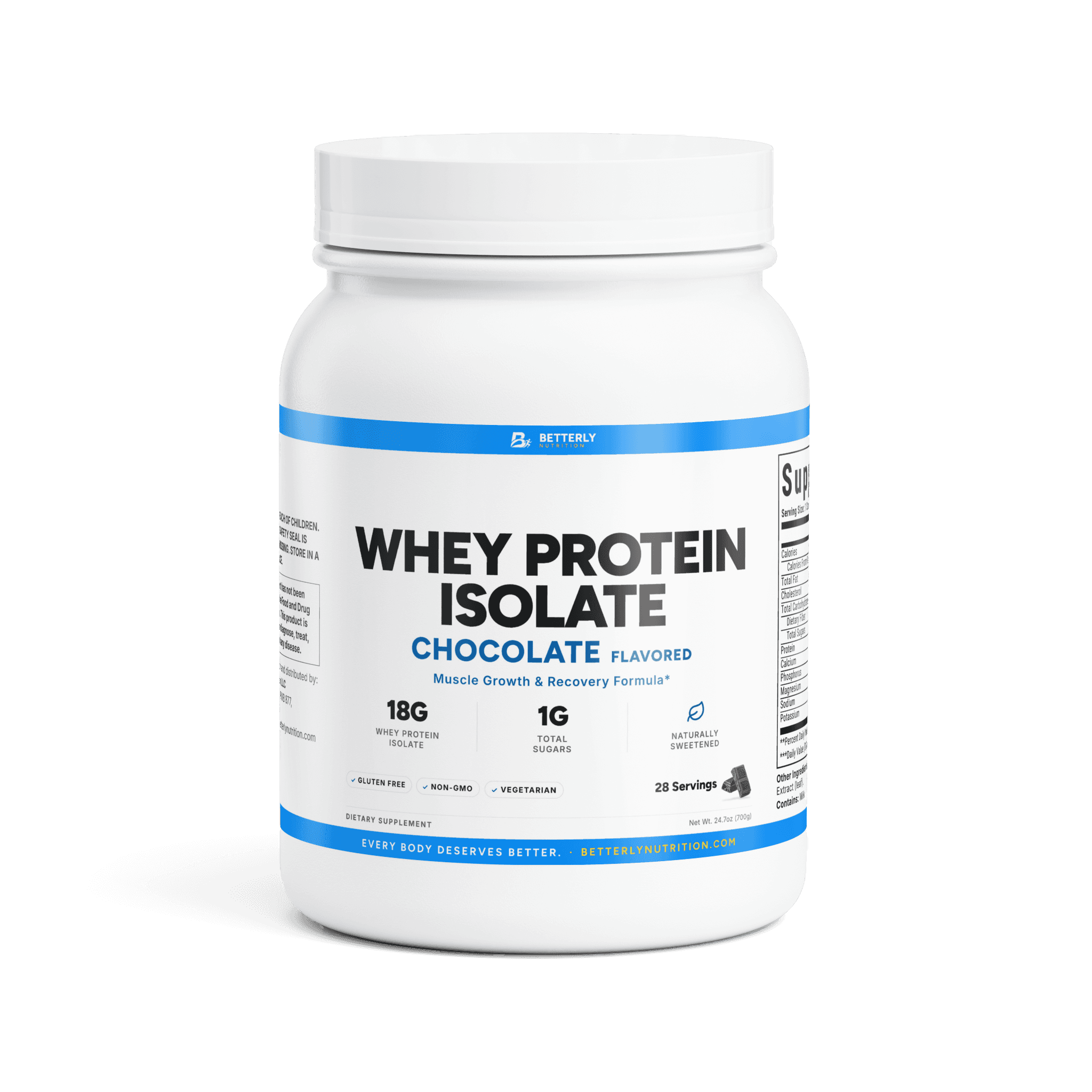
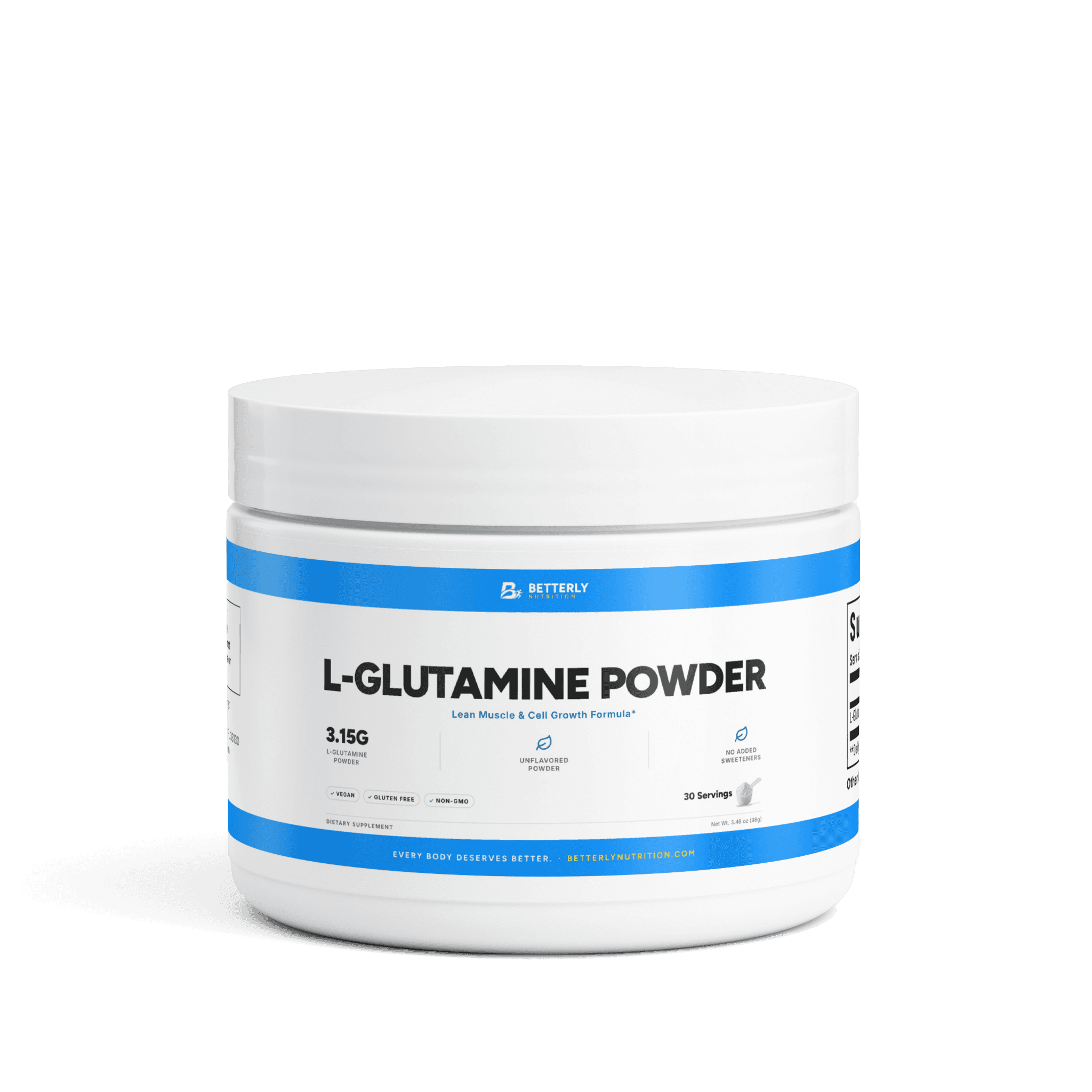
If you'd rather skip both, L-Glutamine Powder is unflavored, with silicon dioxide as its only other ingredient, though it has no BCAAs. Our vanilla whey isolate is sweetened with stevia extract (leaf) instead, and ODS describes whey as a milk protein that provides every essential amino acid.
From our shop: Whey Protein Isolate Powder (Vanilla) — a whey isolate with no sucralose or acesulfame potassium on its label, 19 g of protein per 1 Scoop (24.4g) serving, and milk as its listed allergen.
How much vitamin B6 is in a BCAA serving, and does it add up?
Each 1/2-scoop (6.5 g) serving of 2:1:1 BCAA & L-Glutamine Powder lists 2.5 mg of vitamin B6, or 147% of the Daily Value, far under the 100 mg US adult limit.
According to the ODS vitamin B6 fact sheet, your body needs B6 for more than 100 enzyme reactions involved in metabolism.
ODS counts food, drinks and supplements together toward the 100 mg adult upper limit. It also notes that the European Food Safety Authority (EFSA) set a much lower limit for all adults in 2023: 12 mg a day.
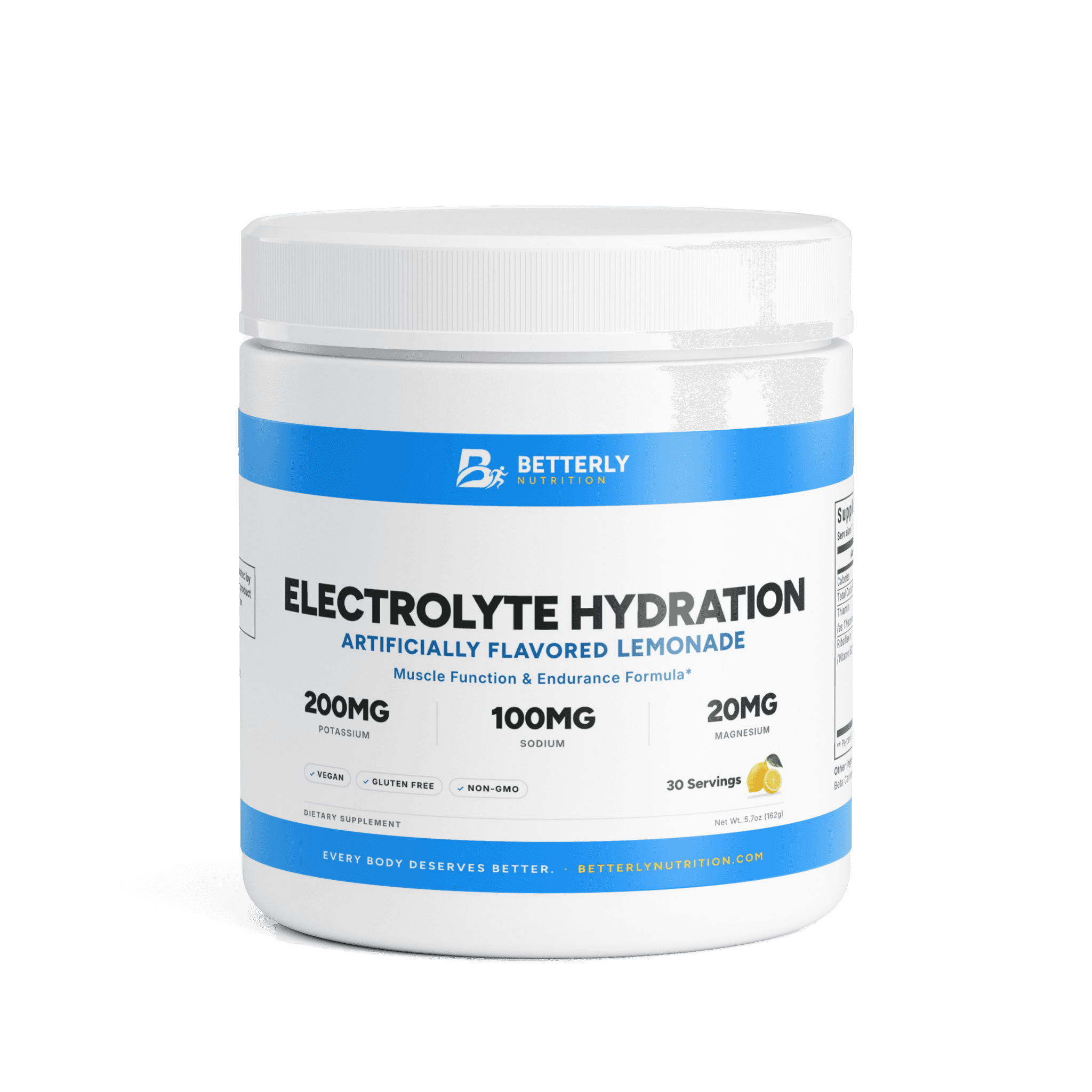
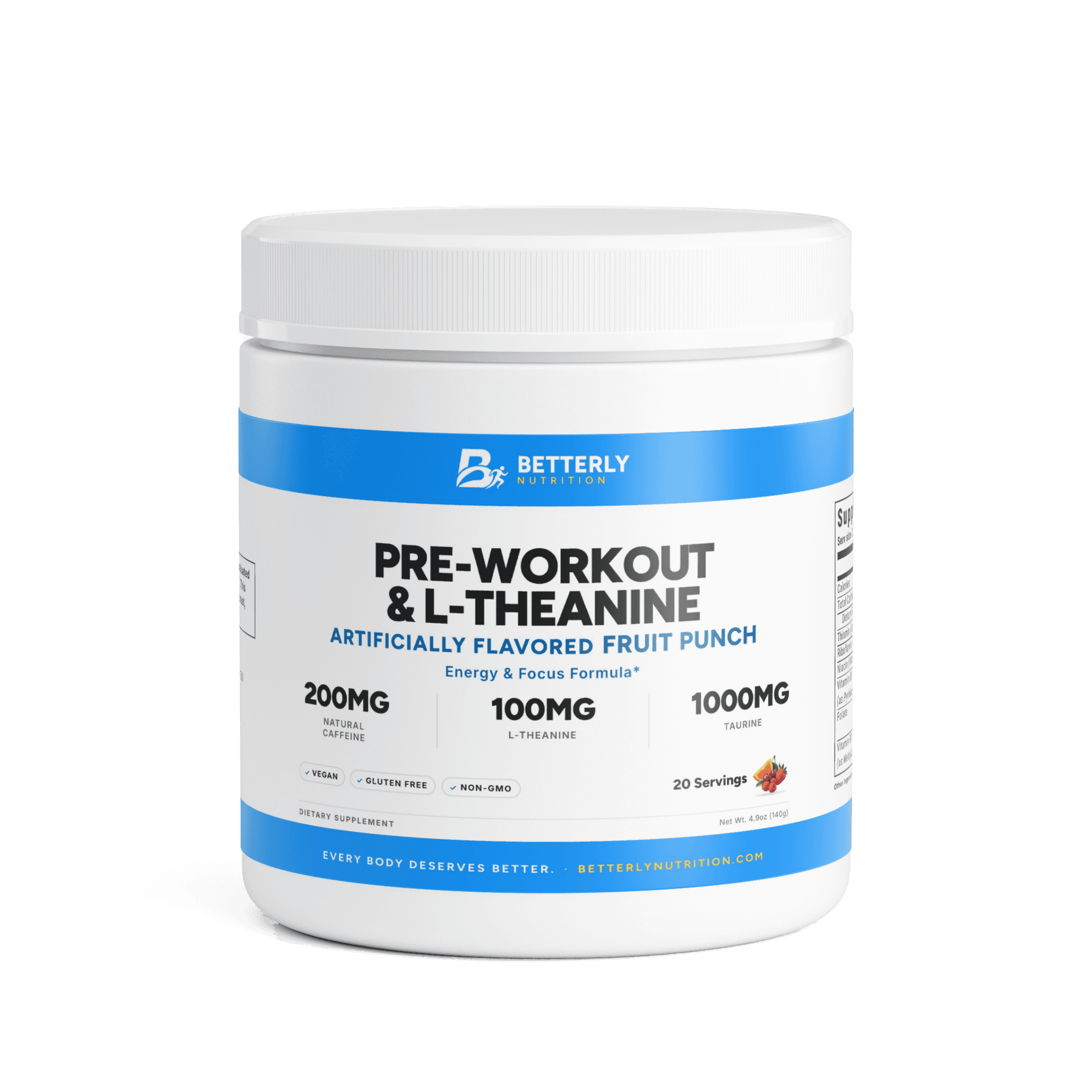
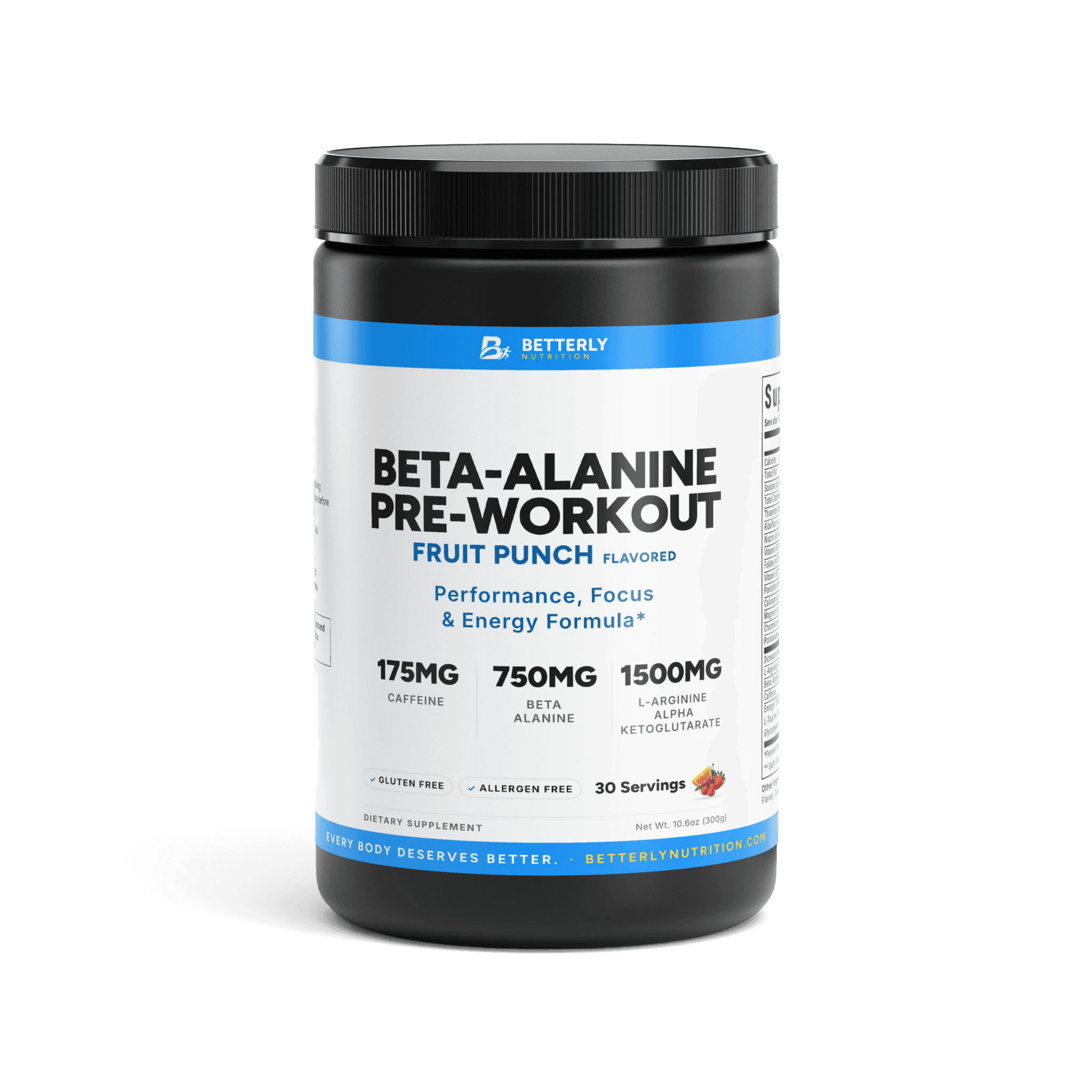
Here's a training day built only from our labels, one serving each: the BCAA drink, Daily Multivitamin Capsules, Beta-Alanine & Caffeine Pre-Workout Powder (Fruit Punch) and Electrolyte Hydration Powder (Lemonade).
| Add this product | B6 per serving | Running total | Compared with EFSA's 12 mg |
|---|---|---|---|
| BCAA powder, 1/2 scoop | 2.5 mg | 2.5 mg | Well under |
| Multivitamin, 2 capsules | 7.5 mg | 10 mg | Under |
| Pre-workout, 1 scoop | 2 mg | 12 mg | At the limit |
| Electrolyte mix, 1 scoop | 0.56 mg | 12.56 mg | Just over |
Four of our products pass EFSA's figure before you count any B6 from food, while the total stays about an eighth of the US limit. More pre-workout or electrolyte scoops, which their labels allow, would push it higher. Why bother tracking? ODS links a year or more of high-dose B6 supplements to severe nerve damage.
Are BCAA side effects different for women and men?
No federal source we read splits BCAA side effects by sex, and ODS notes that much of the performance supplement research is done in young, healthy men.
Women, older adults and teenagers are often left out. That's a gap in the evidence, not proof of extra risk.
Our label gives everyone the same serving; where women and men differ is vitamin B6 need, per ODS:
- Adults 19 to 50: 1.3 mg a day
- Men 51 and older: 1.7 mg; women 51 and older: 1.5 mg
- Pregnancy: 1.9 mg; breastfeeding: 2.0 mg
One BCAA serving's 2.5 mg is above every one of those, and the 100 mg upper limit is the same for all adults. For pregnancy and nursing, our label's caution calls for a physician's input first, and ODS urges care with anything beyond a standard prenatal.
When aren't the downsides of a BCAA drink worth it?
If your meals already cover your protein, 2:1:1 BCAA & L-Glutamine Powder mostly adds things to keep track of, not amino acids you're missing.
A serving gives you 4,000 mg of BCAAs on top of what a diet with enough protein already brings. In exchange, you take on two sweeteners, 2.5 mg of vitamin B6, 1,000 mg of L-glutamine and the price of the tub.
ODS doesn't tip the scale back. Its summary for BCAAs finds scant science behind using them for performance, muscle building or post-exercise recovery.
The balance tilts furthest in two cases. If a multivitamin already puts B6 in your day, the drink stacks another 2.5 mg onto a total you may want to keep low. If you steer clear of sucralose or acesulfame potassium, every serving brings both. Either way, you'd mostly be paying for extra things to count.
If you'd rather get these amino acids inside whole protein, our BCAA vs EAA guide sets a BCAA serving beside a scoop of whey isolate.
How do you take BCAA powder to keep side effects small?
2:1:1 BCAA & L-Glutamine Powder's label directions are half a scoop (6.5 g) stirred into 8 to 10 oz of a cold drink, before training, after training or between meals.
Within those directions and the caution's "Do not exceed recommended dose," a few habits help:
- Introduce it by itself. One new product at a time tells you what caused what.
- Measure, don't eyeball. A rounded half scoop adds powder the panel never counted.
- Use the roomy end of the range. Both 8 and 10 oz follow the label, and 10 oz gives you a milder drink if your stomach is touchy.
If something feels wrong after a serving, stop and tell your healthcare provider. Per the ODS supplement basics page, FDA takes reaction reports at 800-FDA-1088 or online, and the manufacturer should hear too, via the label's contact details.
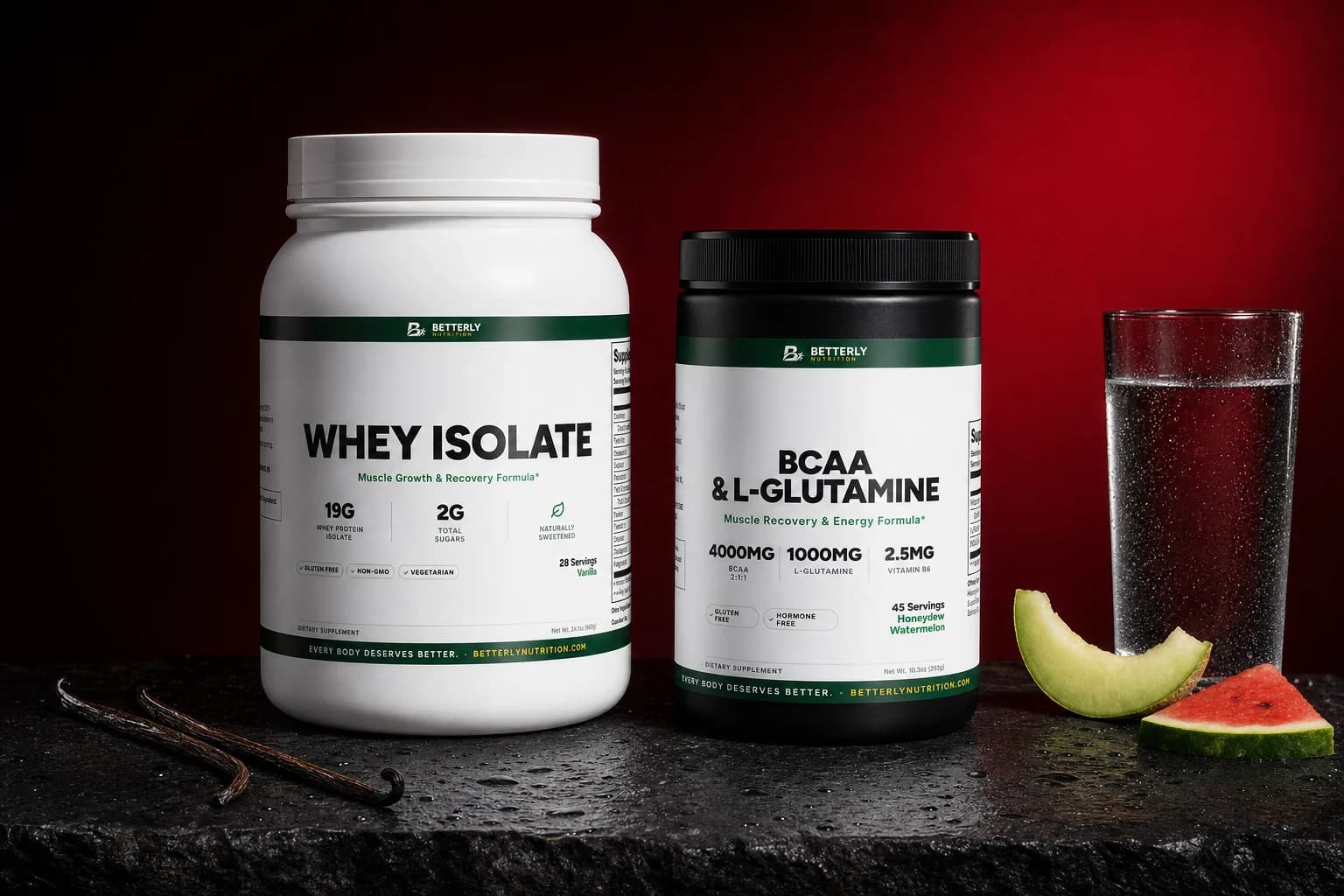
From our shop: 2:1:1 BCAA & L-Glutamine Powder (Honeydew Watermelon) — a flavored training drink; each half-scoop (6.5 g) serving lists 4,000 mg of BCAAs (2:1:1), 1,000 mg of L-glutamine and 2.5 mg of vitamin B6.
Who should skip BCAAs or check with a healthcare provider first?
Pregnancy, nursing, being under 18 and living with a medical condition are the four groups our label sends to a physician before BCAAs; prescription medicine belongs on that list too.
| Your situation | What the label or ODS says | Our suggestion |
|---|---|---|
| Pregnant or nursing | Label: consult a physician | Ask before the first scoop |
| Under 18 | ODS: usually adults only | Skip unless a clinician says yes |
| Managing a medical condition | Label: consult a physician | Bring the panel to your visit |
| Taking prescription medicine | ODS: B6 can interact with some medicines | Ask your pharmacist first |
| Surgery coming up | ODS: tell your provider about supplements | Put it on your list |
| Told to limit certain amino acids | Not covered on our label | Skip unless your clinician approves |
Most rows end in a short talk with someone who knows your history, panel in hand; only the under-18 and amino-acid rows lean toward skipping.
Competing under drug testing? ODS notes some products carry a certifier's logo after screening for banned ingredients. Our BCAA tub doesn't, so ask your sport's governing body first.
FAQ: BCAA side effects
Can BCAAs make you tired or keep you awake?
2:1:1 BCAA & L-Glutamine Powder lists no caffeine on its panel or ingredient list, and the federal sources we used don't link BCAAs to tiredness or sleep changes. If either shows up after you start, look at what else changed. Our pre-workout, for example, lists 175 mg of caffeine per 10 g (1 Scoop) serving.
Are BCAAs safe for teenagers?
BCAAs aren't a teen product by our label's standard, whose caution lists under-18s among those who should see a physician first. ODS keeps performance supplements to adults in most cases. It also points to the American Academy of Pediatrics, which says these products give teenage athletes no edge beyond what good nutrition and training already deliver.
Is it safe to take BCAAs while breastfeeding?
Take BCAAs while breastfeeding only with your physician's okay, since our label names nursing in its caution. ODS says plenty of supplements lack good safety testing in nursing women. If you talk it through, bring the panel's numbers (BCAAs 4,000 mg, L-glutamine 1,000 mg, vitamin B6 2.5 mg per serving) and compare that B6 with the 2.0 mg a day ODS lists for breastfeeding.
Can you take BCAAs with creatine or pre-workout?
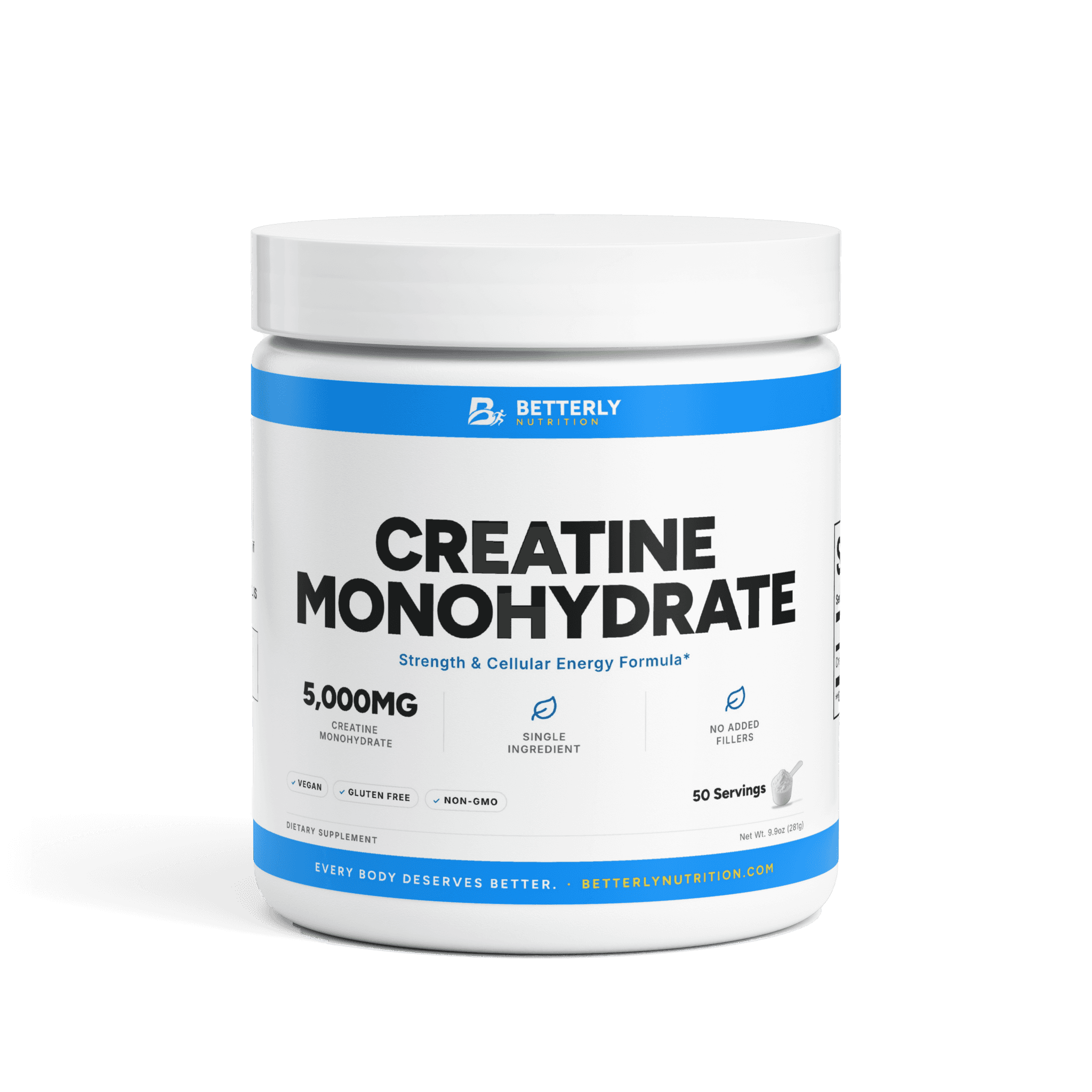
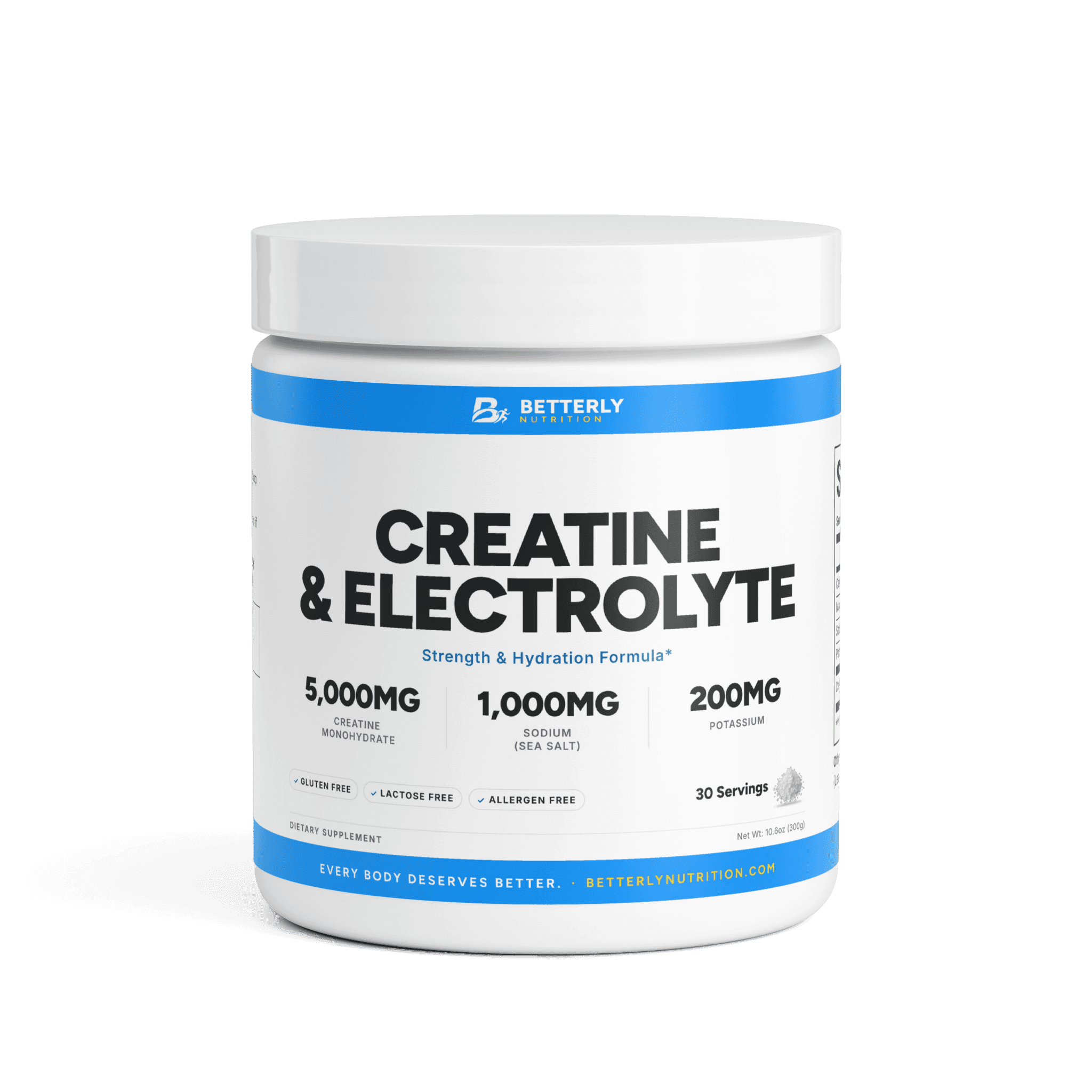
BCAAs can share a training day with creatine or pre-workout at each label's dose, but ODS says most ingredient combinations haven't been studied, so their combined safety is unknown. Add one product at a time. Our Creatine Monohydrate Powder lists only creatine monohydrate, 5,000 mg per 1 Scoop (5.6g) serving, while our pre-workout adds 2 mg of vitamin B6 per 10 g (1 Scoop) serving to your count.
What happens if you take too much BCAA powder?
Taking more than the label's half scoop multiplies everything in it. Two servings mean 8,000 mg of BCAAs, 2,000 mg of L-glutamine and 5 mg of vitamin B6. The BCAAs stay under the extra 20 g ODS calls seemingly safe, but ODS says glutamine's side effects get likelier at higher doses, and our label rules out exceeding the recommended dose. If you feel unwell after an extra scoop, call your healthcare provider.
Sources
- Dietary Supplements for Exercise and Athletic Performance: Fact Sheet for Consumers, NIH Office of Dietary Supplements
- Dietary Supplements for Immune Function: Fact Sheet for Consumers, NIH Office of Dietary Supplements
- Vitamin B6: Fact Sheet for Consumers, NIH Office of Dietary Supplements
- Dietary Supplements: What You Need to Know, NIH Office of Dietary Supplements
- Aspartame and Other Sweeteners in Food, U.S. Food and Drug Administration
If this left you looking for somewhere to start, read BCAA and L-glutamine powder with 2.5 mg vitamin B6 — its amounts per serving are listed on the page. For the practical questions this raises, how dosing, sourcing and subscriptions work is answered in one place.