On this page
- Key takeaways
- Do BCAAs break a fast?
- Why can a BCAA label say zero calories?
- Does it matter why you're fasting?
- Can you drink BCAAs while intermittent fasting?
- Should you take BCAAs before fasted training?
- How should you time 2:1:1 BCAA & L-Glutamine Powder around a fast?
- When don't you need BCAAs at all?
- Who should check with a healthcare provider first?
- FAQ: BCAAs and fasting
- Sources
The short answer: Yes. BCAAs break a fast by any water-only standard, because leucine, isoleucine and valine are amino acids your body absorbs and puts to work, so a BCAA drink counts as food rather than water. Whether ending the fast matters depends on why you're fasting. Training right before your first meal is the one case where a BCAA drink makes practical sense.
Key takeaways
- A BCAA drink ends a strict, water-only fast, because leucine, isoleucine and valine are nutrients your body digests and uses.
- A "0 calories" line on a BCAA tub doesn't prove the powder has no energy, since federal rules let under 5 calories per serving read as zero.
- Our own BCAA powder's panel prints no calories row, so this guide won't hand you a calorie figure the label doesn't give.
- Fasted training is the most practical fit: train at the end of your fast, let the BCAA drink open your eating window, then eat a proper meal.
- If a lab test or your provider calls for fasting, drink only water unless they tell you otherwise.
Three kinds of powder come up on this page, and all three are Betterly products: the BCAA drink in two flavors, an electrolyte mix and a whey isolate. None of them belongs in a water-only fast, and this guide says so each time it matters.
Do BCAAs break a fast?
Yes, BCAAs break a fast if your fast means nothing but water, because branched-chain amino acids are nutrients your body absorbs and uses.
The strictest definition we found on a federal health site comes from MedlinePlus. Its page on how to prepare for a lab test says fasting means you don't eat or drink anything except water. Measured against that, a flavored amino acid drink is plainly out.
The NIH Office of Dietary Supplements (ODS) names meat, fish and milk as foods that contain the BCAAs. So a BCAA powder gives you three pieces of a protein-rich meal, already separated out.
ODS adds two details that settle it. Muscles can draw on these three amino acids for energy while you exercise, and leucine might also help build muscle. Anything your body can burn as fuel or use as building material is, by any strict rule, something that ends a fast.
The reason people buy BCAAs is the same reason they count as eating. That leaves a more useful question: does ending the fast matter for the kind of fast you keep?
Why can a BCAA label say zero calories?
A BCAA label can read zero calories because FDA rules let a serving under 5 calories be listed as 0. A separate rule bars amino-acid-only products from listing protein.
The first rule lives in the food labeling regulation, 21 CFR 101.9. Calories are stated in 5-calorie steps up to 50, and an amount under 5 calories may be expressed as zero. So a "0" on any panel can still mean a few.
The second is in the supplement labeling rule, 21 CFR 101.36. It says protein shall not be declared on a product that contains only individual amino acids, setting aside ingredients added for technical reasons. That rule is about the protein line only.
Neither rule makes amino acids calorie-free. One of the calorie methods in that same food rule counts protein at 4 calories per gram, and as ODS noted above, muscles can burn BCAAs for fuel.
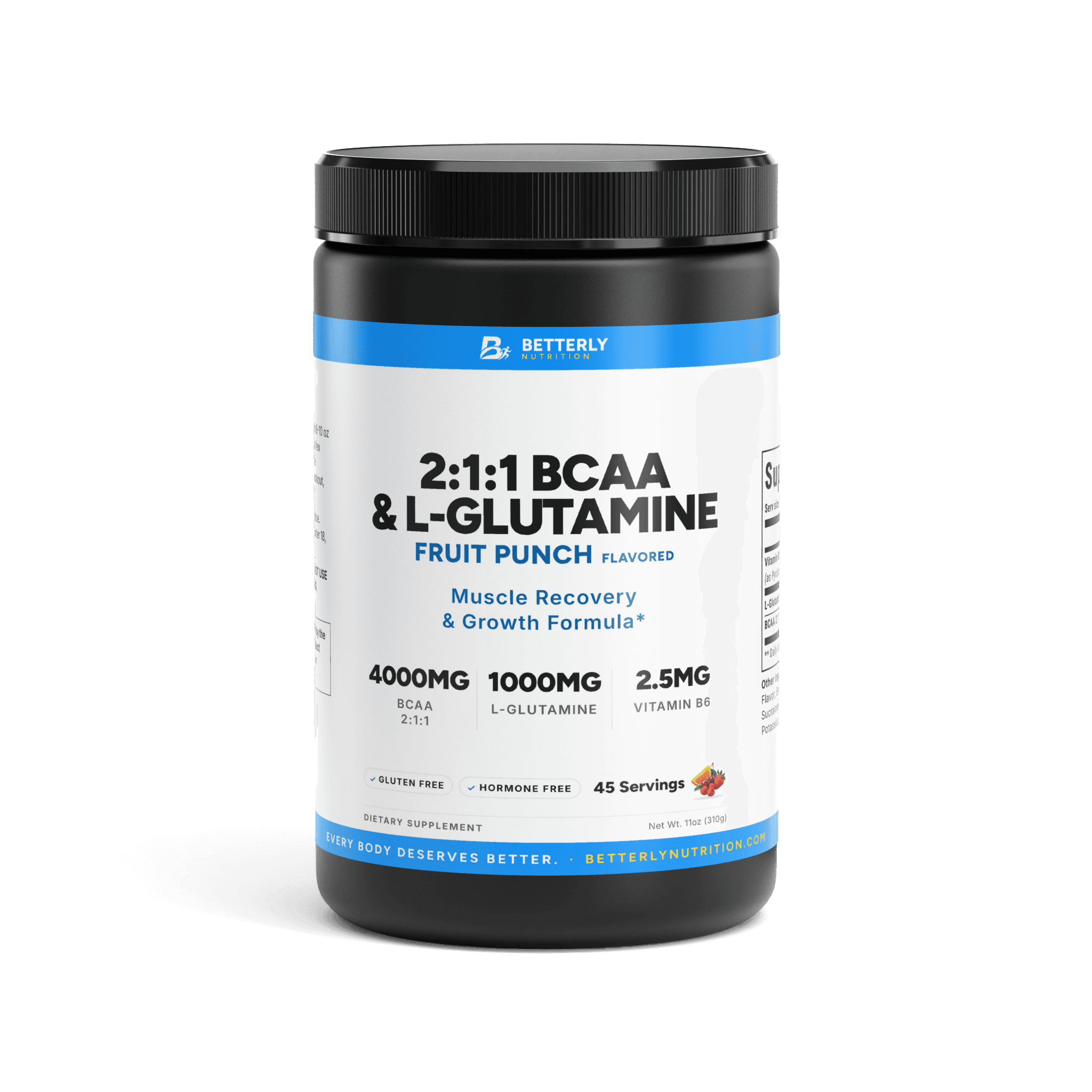
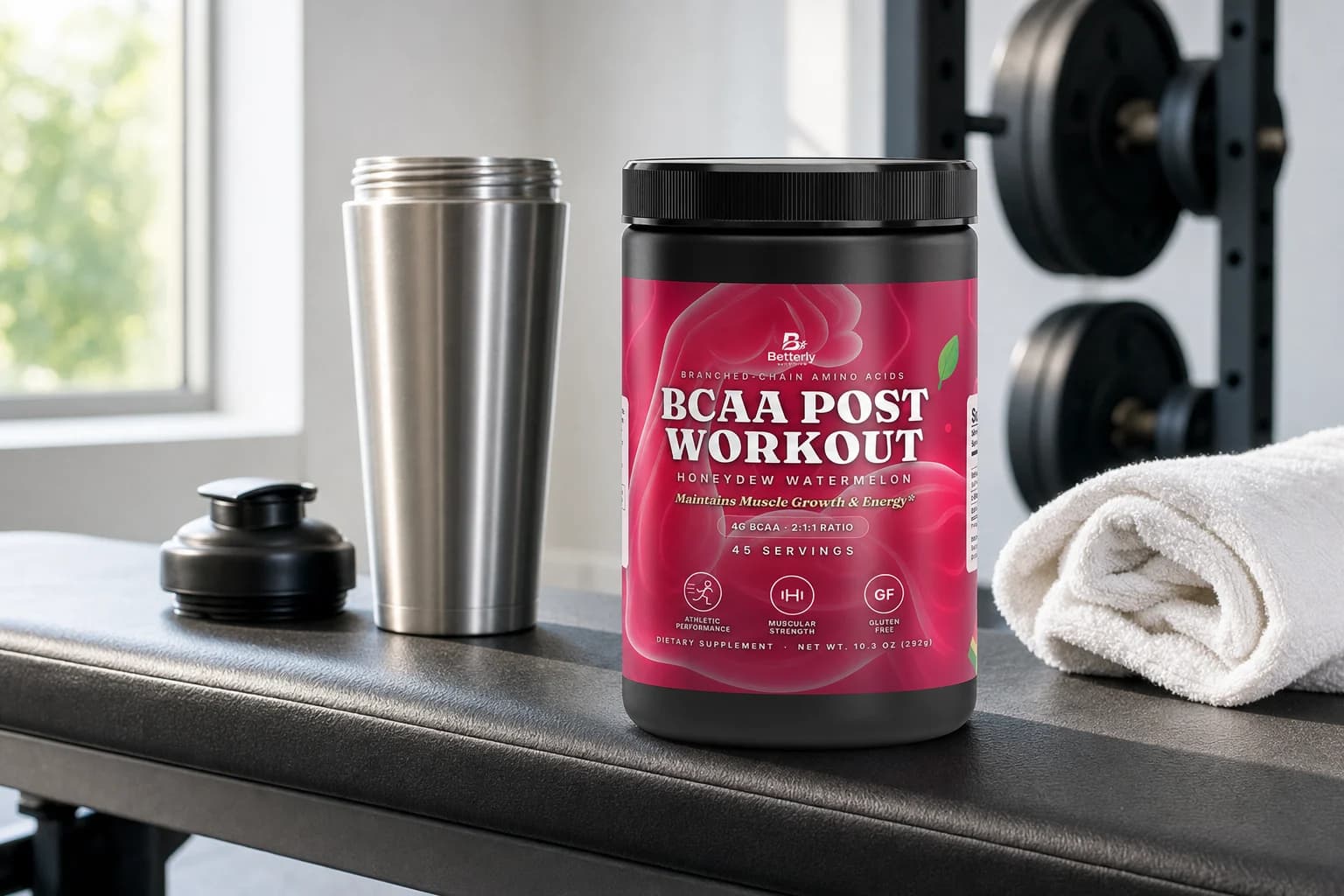
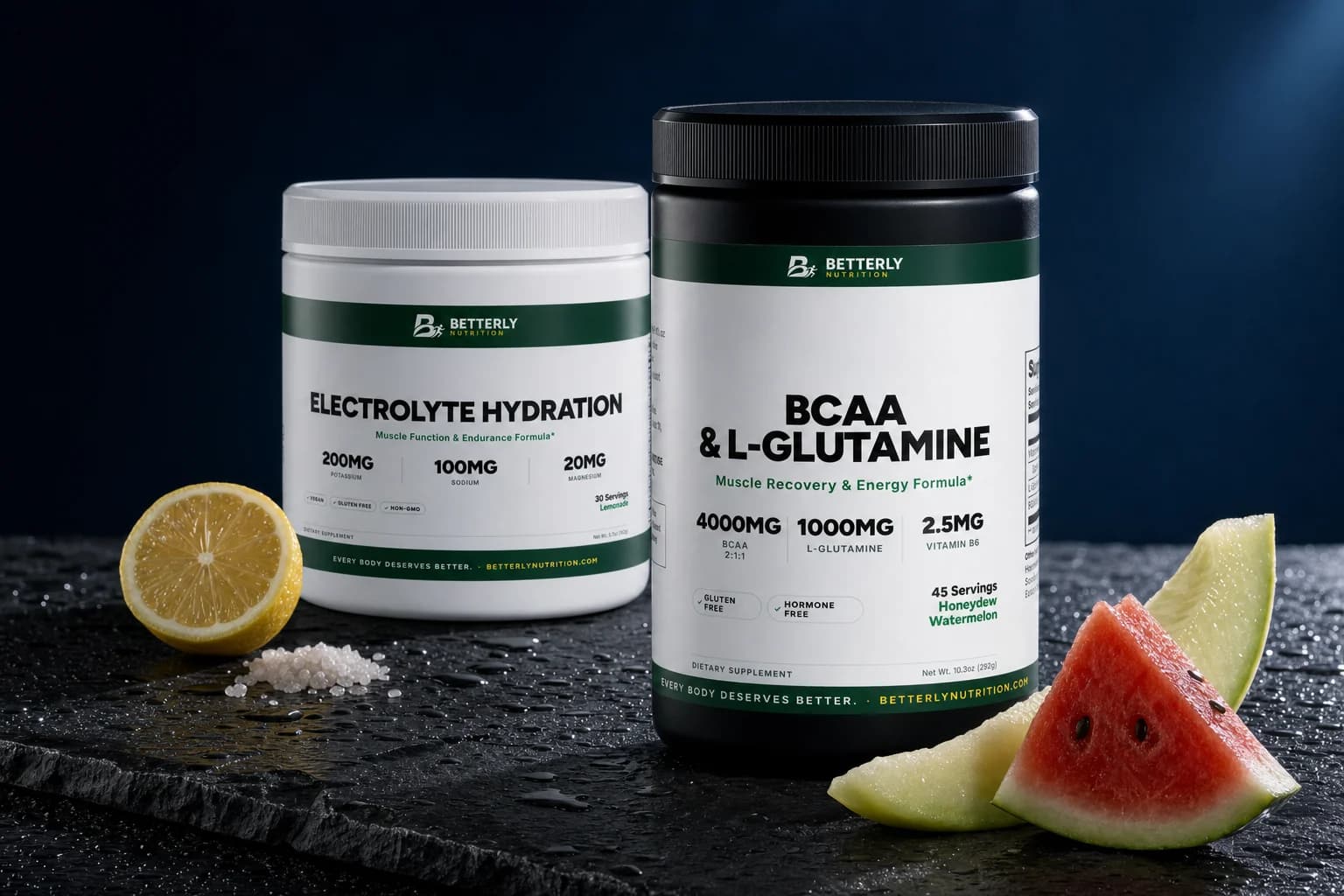
Our own panel on 2:1:1 BCAA & L-Glutamine Powder (Honeydew Watermelon) prints no calories row and no protein row, so we won't guess a number. Per 1/2-scoop (6.5 g) serving, it lists 4,000 mg of BCAAs in a 2:1:1 ratio, 1,000 mg of L-glutamine and 2.5 mg of vitamin B6. That's 5,000 mg of amino acids, plenty to end a fast that allows only water.
Does it matter why you're fasting?
Why you fast decides whether a BCAA drink is a problem, since a water-only fast and a daily eating window treat that same sip very differently.
Here's how a BCAA drink fits the most common reasons people fast.
| Your reason for fasting | Does a BCAA sip fit? | What we'd do |
|---|---|---|
| Before a lab test or procedure | No | Water only, as your provider directs |
| A water-only fast you chose | No | Save BCAAs for when you eat |
| A daily eating window | It opens the window | Take it inside the window |
| Training before your first meal | Most practical fit | Sip it, then eat soon after |
| A religious or traditional fast | Follow its rules | Ask within your tradition |
Read down the middle column and one row stands out. Training before your first meal is the only case where a BCAA drink has a practical job. Everywhere else, it either breaks a rule someone else set or quietly moves your first meal earlier.
The first row deserves a firm line. If a provider asked you to fast before bloodwork or a procedure, a supplement drink isn't a gray area. MedlinePlus advises asking your provider how long to fast.
From our shop: 2:1:1 BCAA & L-Glutamine Powder (Honeydew Watermelon) — each 1/2-scoop (6.5 g) serving lists 4,000 mg of BCAAs (2:1:1) and 1,000 mg of L-glutamine, mixed into 8-10 oz of a cold drink.
Can you drink BCAAs while intermittent fasting?
You can drink BCAAs while intermittent fasting, as long as you count the drink as the start of your eating window rather than slipping it into the fasting hours.
Most people who fast this way follow a daily clock: eat within a set block of hours, then nothing for the rest. If your rule is "no nutrients outside the window," a scoop at 7 a.m. simply means your window opens at 7 a.m.
There are two clean ways to fit a BCAA drink into that routine:
- Inside the window. Our label lists "between meals" as one of its suggested times.
- As the opener. If you train right at the end of your fast, the drink is the first thing you take in, and your window starts with it.
Some fasting plans also rule out anything sweet during the fasting hours. Both flavors of our BCAA powder are sweetened with sucralose and acesulfame potassium. We make no claim about what those sweeteners do; some plans simply exclude them.
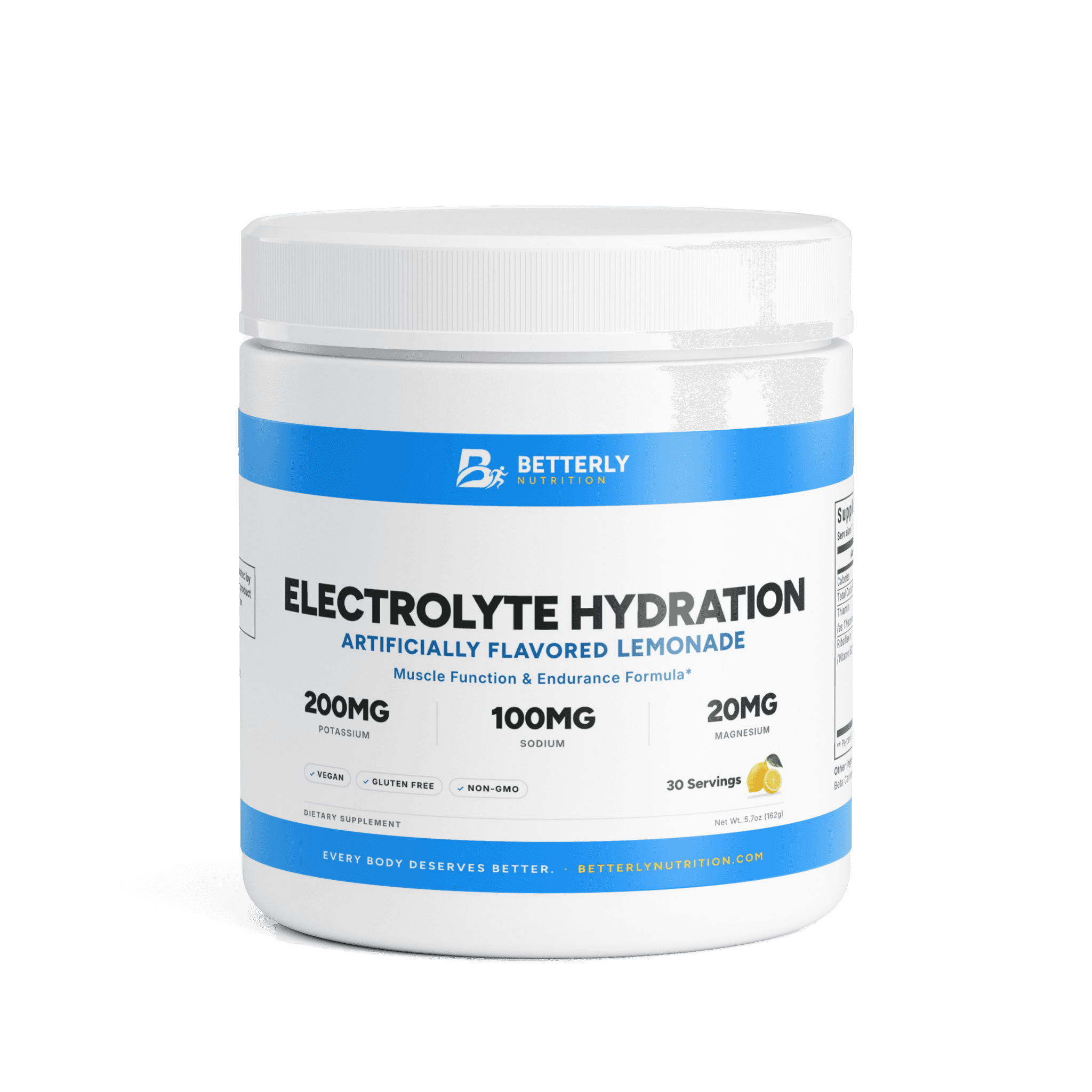
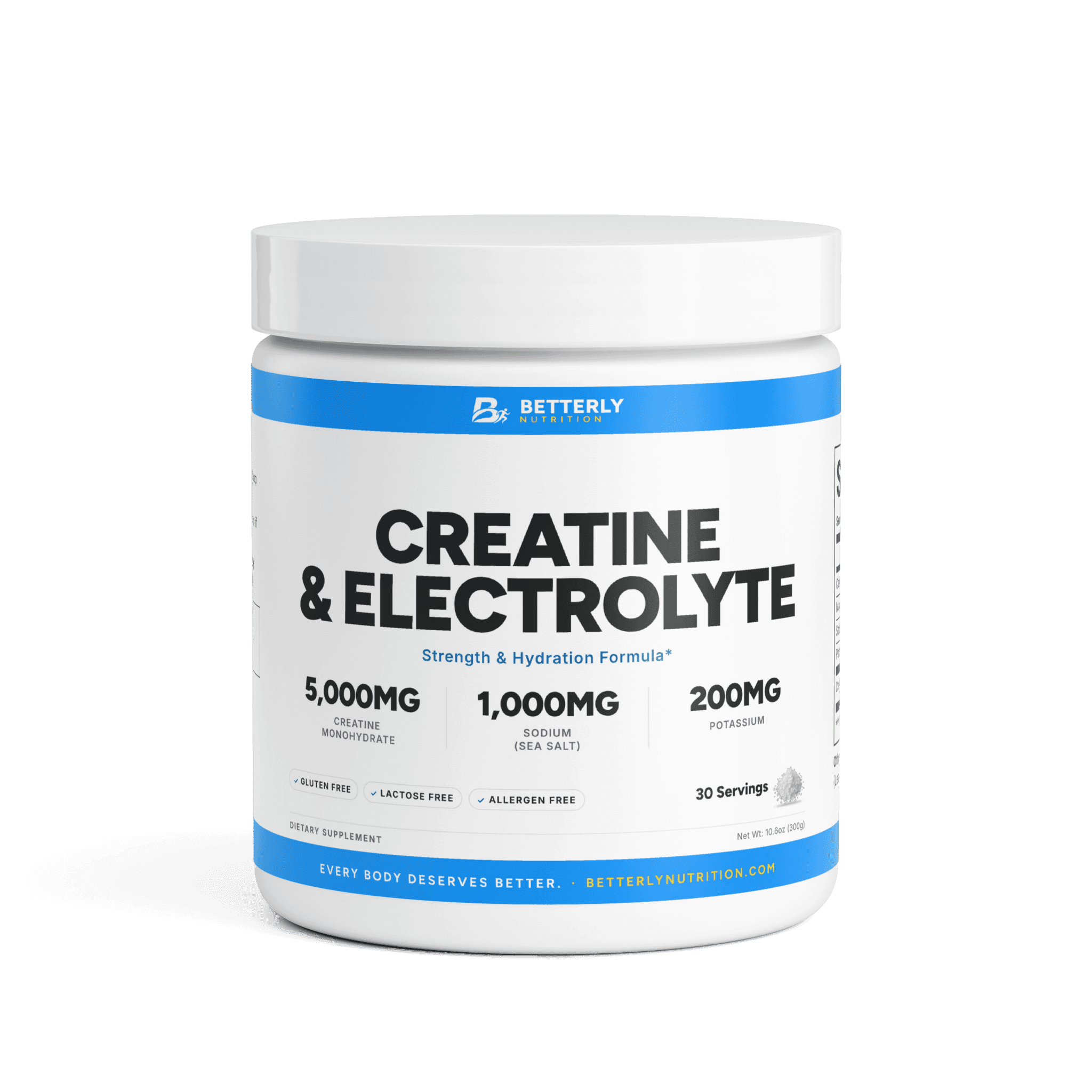
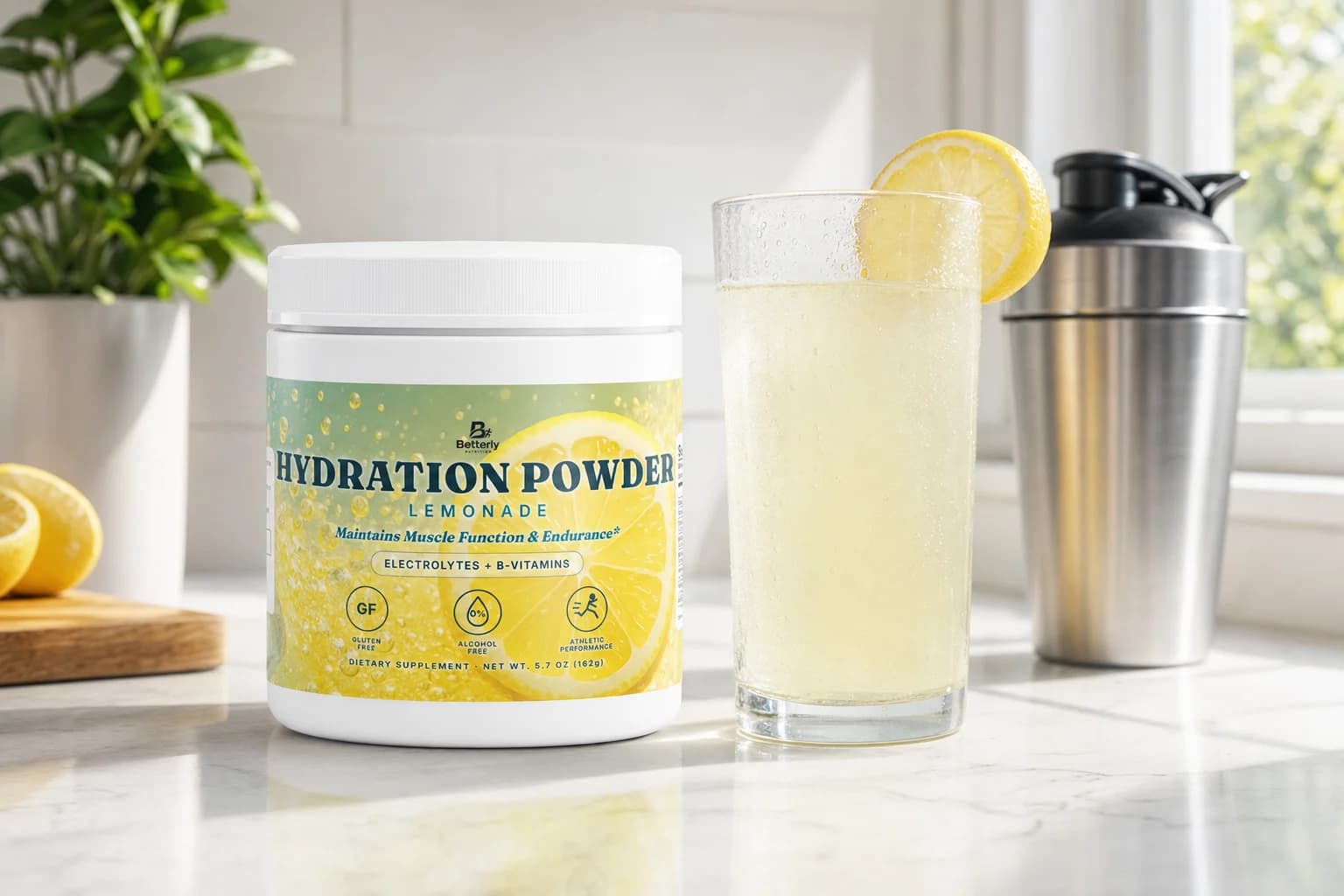
Other flavored drinks follow the same logic. Our Electrolyte Hydration Powder (Lemonade) lists 10 kcal and 2 g of total carbohydrate per 1-scoop (5.4 g) serving, so it isn't a zero either. Our guide to picking a hydration powder covers that side of the question.
Should you take BCAAs before fasted training?
Fasted training is where BCAAs make the most sense during a fast, because you're about to end the fast anyway and may want something lighter than a meal.
Be clear-eyed about what the drink can do. The ODS fact sheet is lukewarm: its bottom line is that there's little scientific evidence BCAA supplements improve performance, build muscle or help sore muscles recover after exercise.
So think of a pre-session BCAA drink as a light, flavored bridge to your first meal. Its advantage is practical: half a scoop is 6.5 g of powder in a cold drink, far less in your stomach than a full breakfast.
If you'd rather end the fast with something more complete, a protein shake brings more per scoop. Per ODS, most protein powders are built on whey, a milk protein that supplies all the essential amino acids; a BCAA drink supplies three. Our comparison of BCAAs and EAAs walks through that trade-off.
For long, sweaty sessions, plain water keeps a fast intact. An electrolyte scoop adds sodium and potassium, plus a few calories, so it counts as eating too.
How should you time 2:1:1 BCAA & L-Glutamine Powder around a fast?
2:1:1 BCAA & L-Glutamine Powder's label calls for 1/2 scoop (6.5 g) in 8-10 oz of a cold drink, best taken pre-workout, post-workout or between meals.
Its caution line says not to exceed the recommended dose, so this plan uses one serving around your session. The rest is about the clock:
- Where the fast ends. Schedule your session for the last stretch of your fasting hours, so the drink opens your eating window instead of splitting your fast in two.
- What you sip, and when. One serving in a cold drink, in one of the two workout slots the label names: before you start or after you finish.
- When you eat. The ODS fact sheet passes along a sports-science recommendation: high-quality protein within 2 hours after you exercise. Plan your first real meal inside that stretch.
- Where your window starts. Count your eating hours from the first sip.
Say you normally eat from noon to 8 p.m. and lift at 11. You'd sip your half scoop around 10:45 and sit down to a protein-rich lunch by early afternoon. Your window now opens at 10:45, so if you keep a fixed number of hours, close it a little earlier that evening.
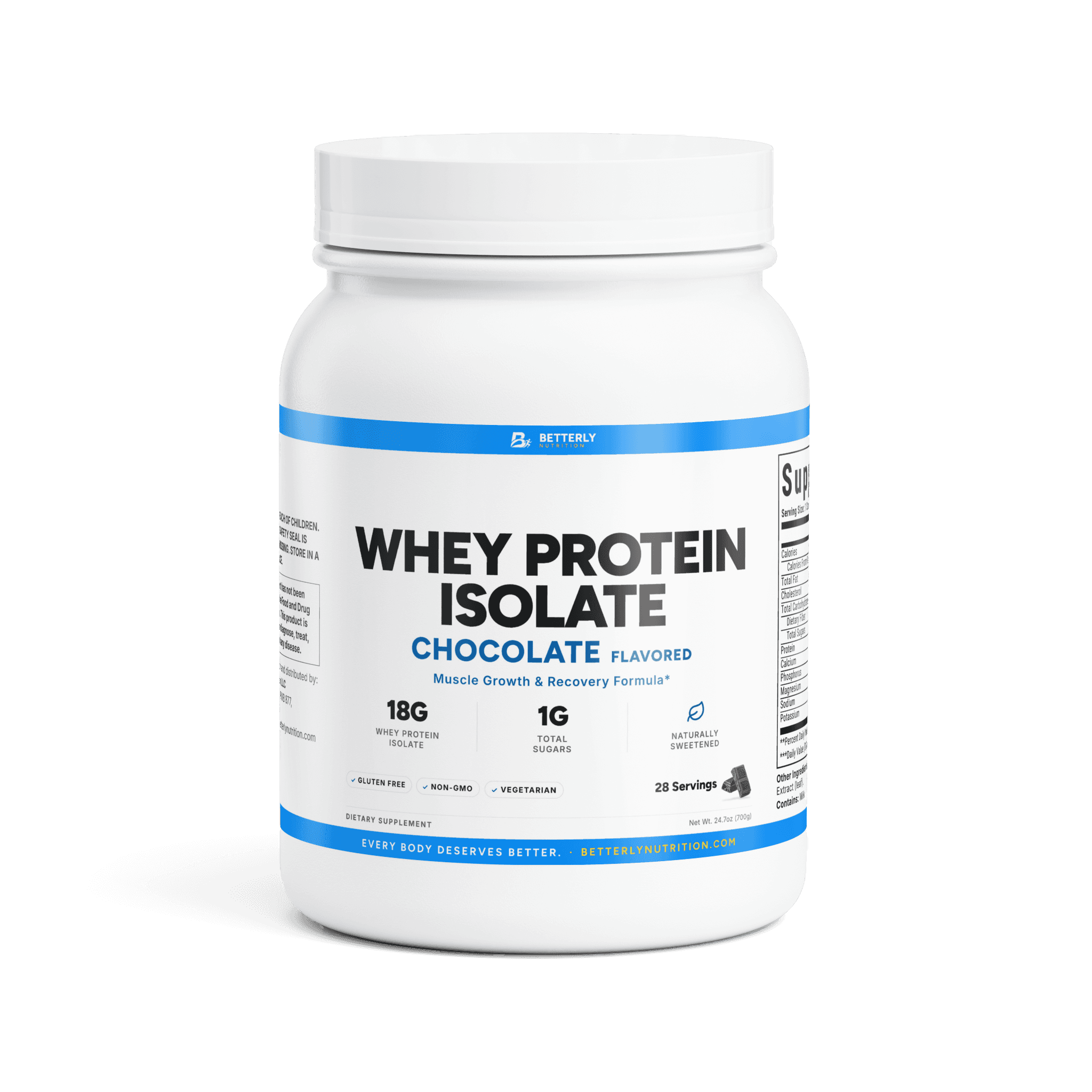
If you'd like a shake first, our Whey Protein Isolate Powder (Vanilla) lists 90 calories and 19 g of protein per 1-scoop (24.4 g) serving. Its label suggests one scoop daily in 6-8 oz of water, taken 20-30 minutes before a meal, which fits a shake after training and lunch soon after. Our simple post-workout routine covers the rest of that hour.
A tub holds 45 servings, and the Fruit Punch version lists the same amounts, so these steps apply to either flavor.
From our shop: Electrolyte Hydration Powder (Lemonade) — 100 mg of sodium, 200 mg of potassium and 20 mg of magnesium per 1-scoop (5.4 g) serving, with 10 kcal, labeled vegan, gluten free and non-GMO.
When don't you need BCAAs at all?
You don't need BCAAs if you aren't training during your fast or if your meals already bring enough protein, because food protein supplies the same three amino acids.
As the ODS fact sheet puts it, eating protein foods "automatically increases your intake of BCAAs."
You can probably leave the tub closed if:
- Your fast is water-only, whether by choice or by instruction.
- Your first meal comes shortly after training anyway, so a pre-meal drink adds little.
- You already have a protein shake after most sessions.
- You were hoping a scoop could stand in for a meal. It can't.
If you do want support on training days, browse our performance collection and read each product's amounts per serving before you buy.
Who should check with a healthcare provider first?
Talk to a healthcare provider before pairing BCAAs with fasting if you're pregnant, nursing, under 18, managing a medical condition or taking any medication.
The 2:1:1 BCAA & L-Glutamine Powder label says not to exceed the recommended dose and to consult a physician if you're pregnant, nursing, under 18 or have a medical condition. The Electrolyte Hydration Powder label says not to exceed 5 scoops daily and to consult a physician if you're pregnant, nursing, taking medication or have a medical condition.
If you manage a medical condition or take a prescription, ask whether long fasting stretches suit you at all, supplement or not. A few more checks:
- Lab work. If your provider asked you to fast, follow their instructions exactly.
- Vitamin B6 overlap. Our BCAA powder lists 2.5 mg of vitamin B6 (147% DV) per serving, and the electrolyte powder lists 0.56 mg (33% DV). Count both if you also take a multivitamin or B-complex.
- Sweeteners. The BCAA powder contains sucralose and acesulfame potassium. Skip it if you avoid either one.
- Milk. The whey isolate label lists milk under "Contains," so it's out if you avoid dairy.
- Surgery. Let your surgical team know about amino acid drinks along with any other supplements.
FAQ: BCAAs and fasting
Do zero-calorie BCAAs break a fast?
Yes, zero-calorie BCAAs still break a strict fast. Under the FDA's food labeling rule, a serving with fewer than 5 calories may be listed as zero, so a "0" can still mean a few. More to the point, leucine, isoleucine and valine are nutrients your muscles can use for fuel. If your fast allows only water, the calorie line doesn't change the answer.
Do BCAA tablets break a fast too?
Yes, BCAA tablets break a fast the same way powders do, because the amino acids count whatever form they come in. A tablet serving may hold fewer grams than a scoop, so check the panel for the serving size and total BCAAs. Betterly sells BCAAs only as a powder, which lists 4,000 mg per 1/2-scoop (6.5 g) serving.
Does the L-glutamine in a BCAA drink break a fast?
Yes, L-glutamine breaks a strict fast as well, since it's also an amino acid. ODS says adults get about 3 to 6 g of glutamine a day from protein foods such as meat, fish, eggs, dairy and legumes, and that the body makes some of its own, mainly from BCAAs. Our powder adds 1,000 mg per serving, and our guide to BCAA and glutamine together looks at that pairing.
Should you take BCAAs on rest days?
You can take BCAAs on rest days, since the label lists between meals alongside pre- and post-workout, but most people don't need to. On a day without training, your regular meals already supply leucine, isoleucine and valine. If you also fast on rest days, a BCAA drink would simply end the fast early for little reason.
Is it safe to take BCAAs on an empty stomach?
The 2:1:1 BCAA & L-Glutamine Powder label allows it: between meals is one of its three suggested times, and it doesn't call for food. ODS puts up to another 20 g of supplemental BCAAs a day, beyond what food provides, in the range that seems to be safe; one serving of ours lists 4,000 mg. Stay at the labeled serving, and check with a provider first if you're pregnant, nursing, under 18 or have a medical condition.
Sources
- How to Prepare for a Lab Test, MedlinePlus, National Library of Medicine
- Dietary Supplements for Exercise and Athletic Performance: Fact Sheet for Consumers, NIH Office of Dietary Supplements
- 21 CFR 101.9, Nutrition labeling of food, Electronic Code of Federal Regulations
- 21 CFR 101.36, Nutrition labeling of dietary supplements, Electronic Code of Federal Regulations
If this left you looking for somewhere to start, read honeydew watermelon BCAA powder — its amounts per serving are listed on the page. For the practical questions this raises, how dosing, sourcing and subscriptions work is answered in one place.