On this page
- What a hydration powder actually does
- When plain water is genuinely enough
- When a hydration mix earns its place
- How to read a hydration powder label
- Where our Electrolyte Hydration Powder honestly fits
- For regular training: the creatine option
- Building the habit (the part that actually matters)
- FAQ: hydration powders
- Sources
Search for the best hydration powder and you'll find ranked listicles written by brands that sell one, scored on criteria that conveniently match whatever they make. We sell one too — so instead of a ranking, here's the thing a ranking never gives you: an honest explanation of what a hydration powder actually does, when plain water is genuinely all you need, and how to read a label so you can judge any mix on the shelf, including ours. By the end you'll know whether you need one at all — and if you do, what the numbers on the back should look like.
What a hydration powder actually does
Strip away the neon branding and a hydration powder is a simple product: flavored electrolytes you stir into water. Electrolytes are minerals that carry an electrical charge when dissolved — sodium, potassium, magnesium, calcium, chloride — and your body uses them constantly. They help maintain normal fluid balance between the inside and outside of your cells, and they're involved in normal nerve signaling and muscle function. When you sweat, you lose water and these minerals together, which is the entire reason this product category exists.
Sodium is the headliner. It's the mineral you lose most in sweat, and it's also the one that helps the water you drink actually stay with you — water follows sodium in the body, which is why chugging a liter of plain water after a long, sweaty session can mostly become a trip to the bathroom. Potassium works alongside it on the other side of the cell membrane, and magnesium and calcium play smaller supporting roles.
One more piece of honest science: some mixes include sugar not as a flavoring decision but as a transport mechanism. Glucose helps shuttle sodium across the intestinal wall — that's the principle behind medical oral rehydration solutions, which are designed for serious fluid loss in clinical settings. It's real physiology. It's also mostly irrelevant to someone drinking a glass at their desk, which is where the label-reading section below comes in.
When plain water is genuinely enough
Here's the part most hydration marketing quietly skips: on a normal day, water plus food covers you.
If your day involves a desk, a commute, and a workout under an hour in reasonable temperatures, you are not running an electrolyte deficit that needs a product. Your food is already an electrolyte delivery system — salt in your meals handles sodium, and fruits, vegetables, beans, and dairy carry potassium, magnesium, and calcium. The idea that everyone is walking around depleted and needs minerals dissolved in every glass is a story that sells powder, not physiology.
So if you drink enough plain water and eat actual meals, most days you're done. Genuinely. And if you're chronically dragging in the afternoons and wondering if electrolytes are the answer, mild under-hydration is worth ruling out — it's one of the boring, common culprits — but so are sleep and a dozen other things. Our guide to supporting your energy naturally walks through that whole picture honestly.
A hydration powder is not a daily requirement. It's a tool for specific situations — which brings us to the situations.
When a hydration mix earns its place
There are days when "just drink water" is technically true and practically useless. A mix earns its spot when:
- You sweat hard or long. Sessions past the hour mark, two-a-days, hot yoga, summer training. Sweat is salty — you can see it on a black shirt — and the longer and hotter the session, the more the replacement question becomes real.
- You work or live in heat. Outdoor jobs, heat waves, un-air-conditioned July afternoons. You don't need a gym to lose a lot of fluid; you just need Arizona.
- You're traveling. Flights are dehydrating in a way people underestimate — cabin air is very dry — and travel days scramble the eating and drinking rhythm that usually keeps you topped up. A few servings in a bag is one of the easier travel upgrades.
- Plain water bores you into not drinking it. This one is underrated. If a lightly flavored glass means you drink twice as much across the day, the flavor did more for your hydration than the minerals did. That's not a knock — it's the honest main benefit for many people.
One boundary worth stating plainly: an everyday flavored mix is not a medical oral rehydration solution. If you're facing genuinely serious fluid loss — the kind where keeping anything down is a struggle — that's a conversation for your healthcare provider, not a shopping decision.
How to read a hydration powder label
This is the skill that outlasts any product recommendation. Four things to check on the back of any mix, ours included:
Sodium — the number that defines the product. Hydration powders range from roughly 100 mg of sodium per serving all the way past 1,000 mg. Neither end is "best" — they're different tools. High-sodium mixes are built for heavy sweat replacement: long endurance sessions, serious heat, people who finish workouts crusted in salt. Everyday mixes sit in the low hundreds, which makes far more sense if you're topping up around a normal day — most of us already eat more sodium than guidelines suggest, and drinking a heavy dose you didn't sweat out isn't a bonus. Match the number to your actual sweat, not to the marketing.
Potassium — the number most mixes shortchange. A quietly useful fact: most people run short on potassium, not sodium. General nutrition guidelines put adequate potassium intake around 2,600–3,400 mg a day for adults, and typical diets miss that mark while overshooting sodium. Yet plenty of hydration mixes are sodium monsters with a token sprinkle of potassium. A mix with a meaningful potassium number is addressing the gap your diet more likely has.
Sugar — cargo or baggage? Old-school sports drinks carry 20-plus grams of sugar per bottle. As covered above, glucose has a legitimate transport role in serious rehydration — but if your use case is a desk, a flight, or a 45-minute workout, that sugar is just dessert with a sport label on it. For everyday use, low- or no-sugar mixes are the sensible default; save the sugared formats for long, hard efforts where the carbs are doing double duty as fuel.
Caffeine — check before your evening glass. A growing number of hydration products include caffeine, which is fine if you want it and know it's there, and unwelcome if you discover it at 9 p.m. A caffeine-free mix can be an anytime drink — afternoon, evening, alongside dinner — which matters more than it sounds, because the whole point of a hydration habit is drinking consistently across the day.
Two bonus checks while the bottle is in hand: confirm the serving size the numbers describe (some mixes base their headline numbers on a two-scoop serving), and prefer labels that state every mineral amount outright rather than hiding them in a blend.
Where our Electrolyte Hydration Powder honestly fits
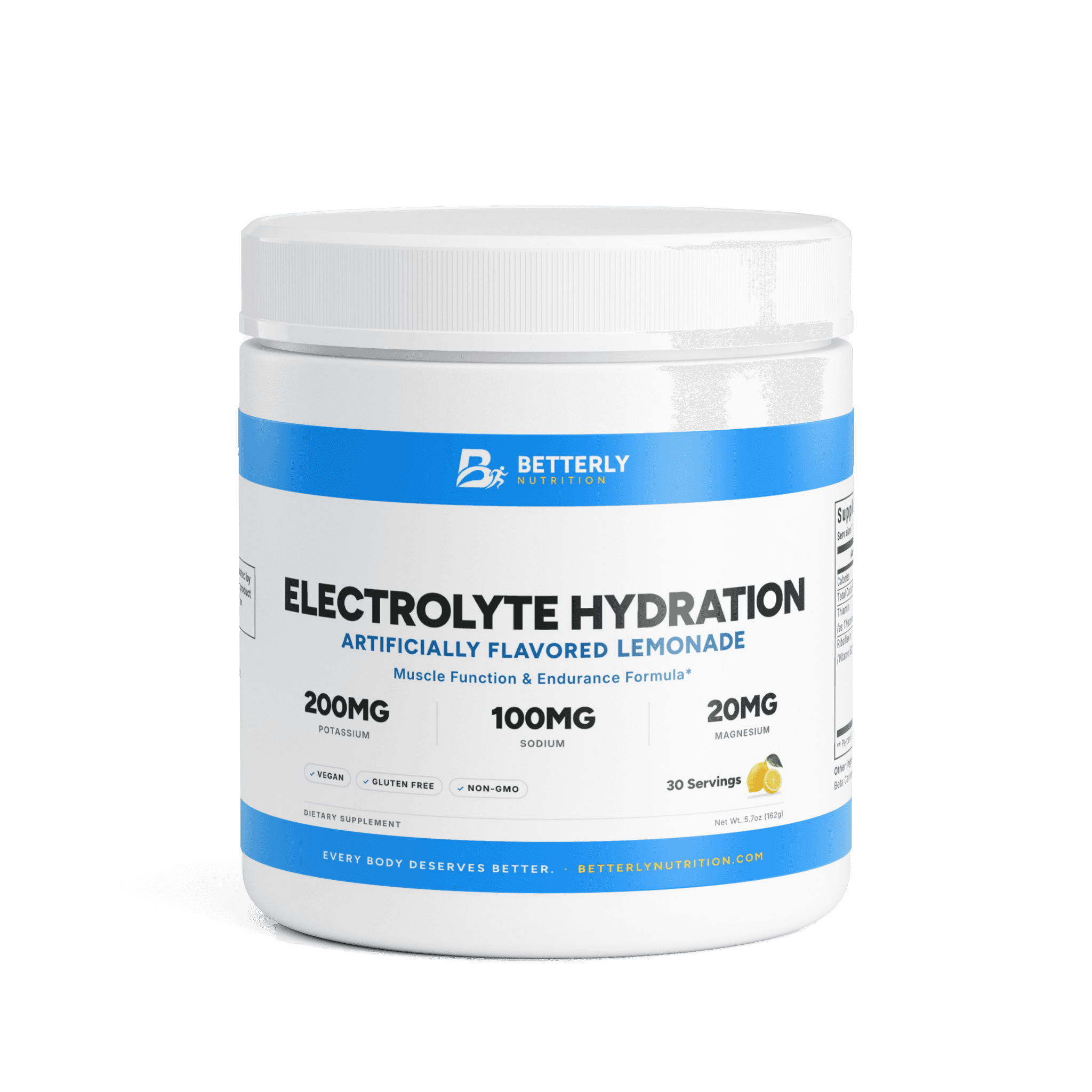
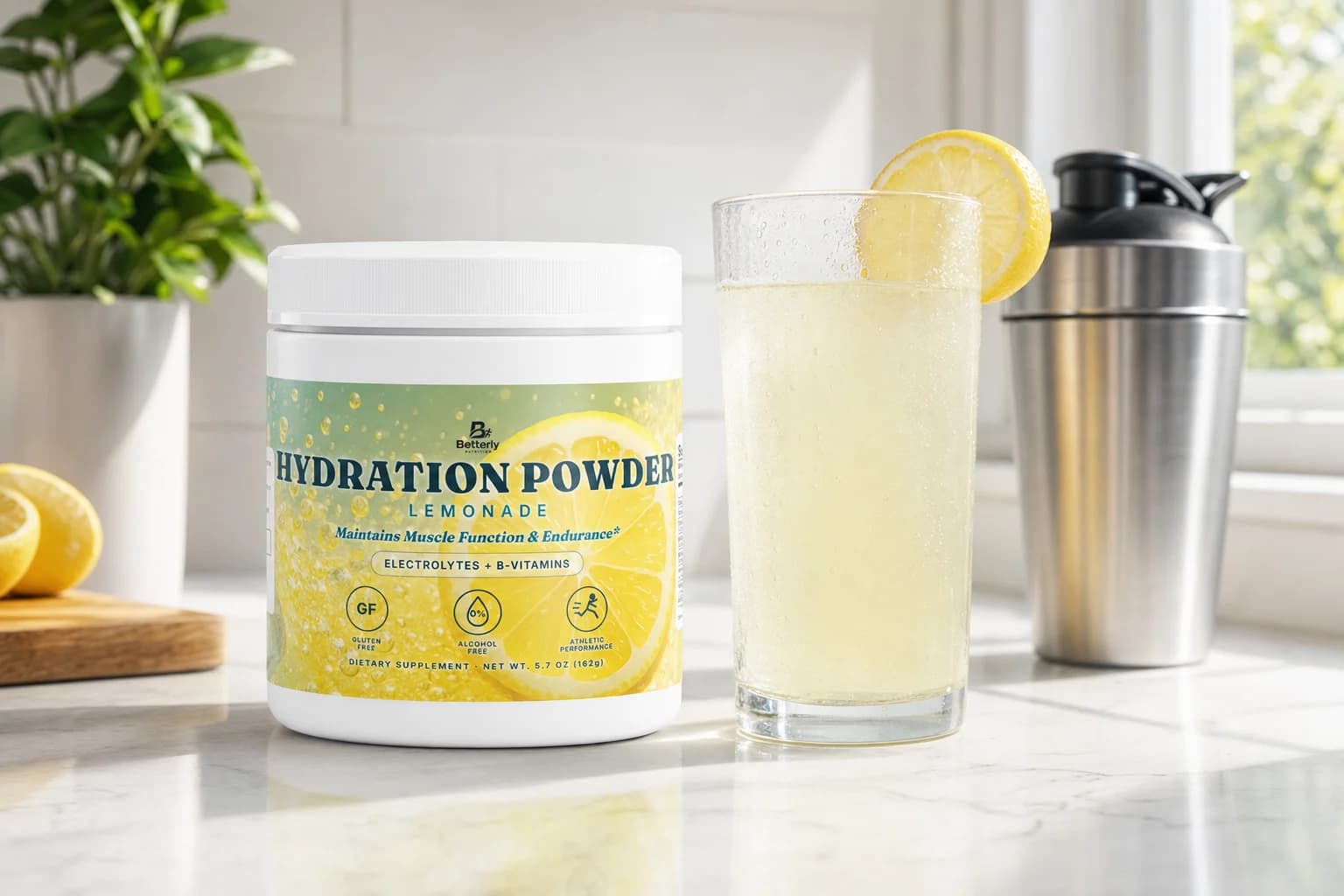
Now you can judge our mix with the same lens. Here's the full picture of Betterly Electrolyte Hydration Powder, straight from the supplement facts panel — every amount printed, per one-scoop (5.4 g) serving, 30 servings per tub:
- Sodium: 100 mg (as sodium citrate)
- Potassium: 200 mg (as potassium citrate)
- Calcium: 40 mg and magnesium: 20 mg, both as citrates
- Seven B vitamins at 33% of the Daily Value each — thiamin, riboflavin, niacin, B6, folate, B12, and pantothenic acid, the vitamins involved in normal energy metabolism
- 10 calories and 2 g of carbohydrate, sweetened without sugar (it uses sucralose), colored with beta carotene or juice powders rather than dyes
- No caffeine
The honest read on those numbers: this is an everyday hydration mix, deliberately. The 2:1 potassium-to-sodium ratio is the reverse of most sport mixes, and we'd argue it's the right shape for how most people actually eat — plenty of sodium from food, not enough potassium. The B-vitamin coverage is a genuine bonus you won't find in a pinch of salt. And because it's caffeine-free and nearly calorie-free, there's no time of day it doesn't fit.
And the honest limit, stated once: if you're a heavy sweater doing two-hour sessions in real heat, 100 mg of sodium per scoop is a top-up, not a full replacement for what that much sweat takes out. Use 2 scoops with double the water (the label's suggested use allows that), salt your post-training meal, or step up to our 5g Creatine & Electrolyte Powder, built for exactly that kind of training (more below). For everything else — the flight, the hot afternoon, the normal workout, the water you keep forgetting to drink — this is the product we'd hand you, and the label backs it up.
It comes in four flavors (lemonade, lychee, peach mango and passion fruit), which is less trivial than it sounds. The best hydration powder is the one you'll actually drink on a Tuesday in week six, and rotation is how you get there.
For regular training: the creatine option
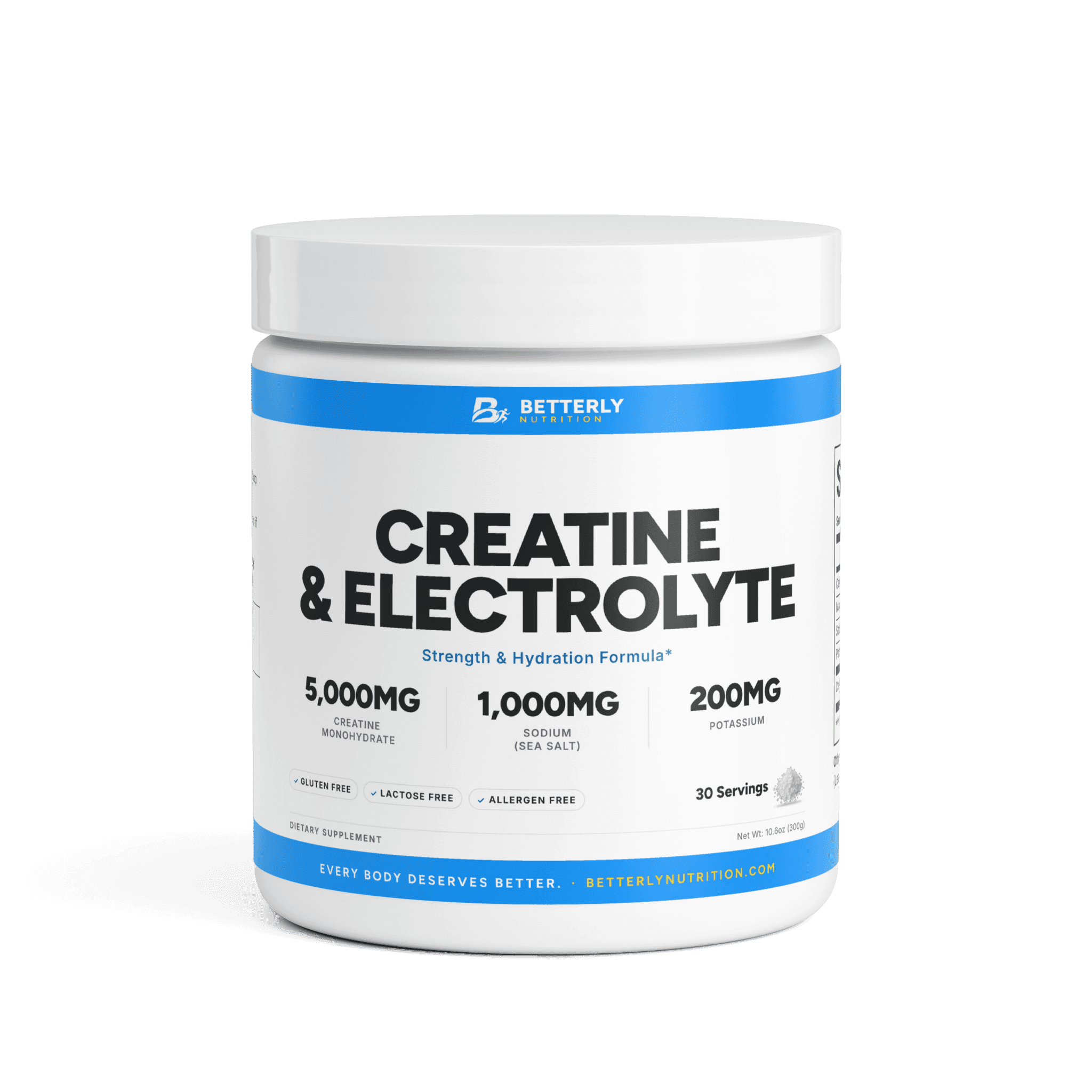
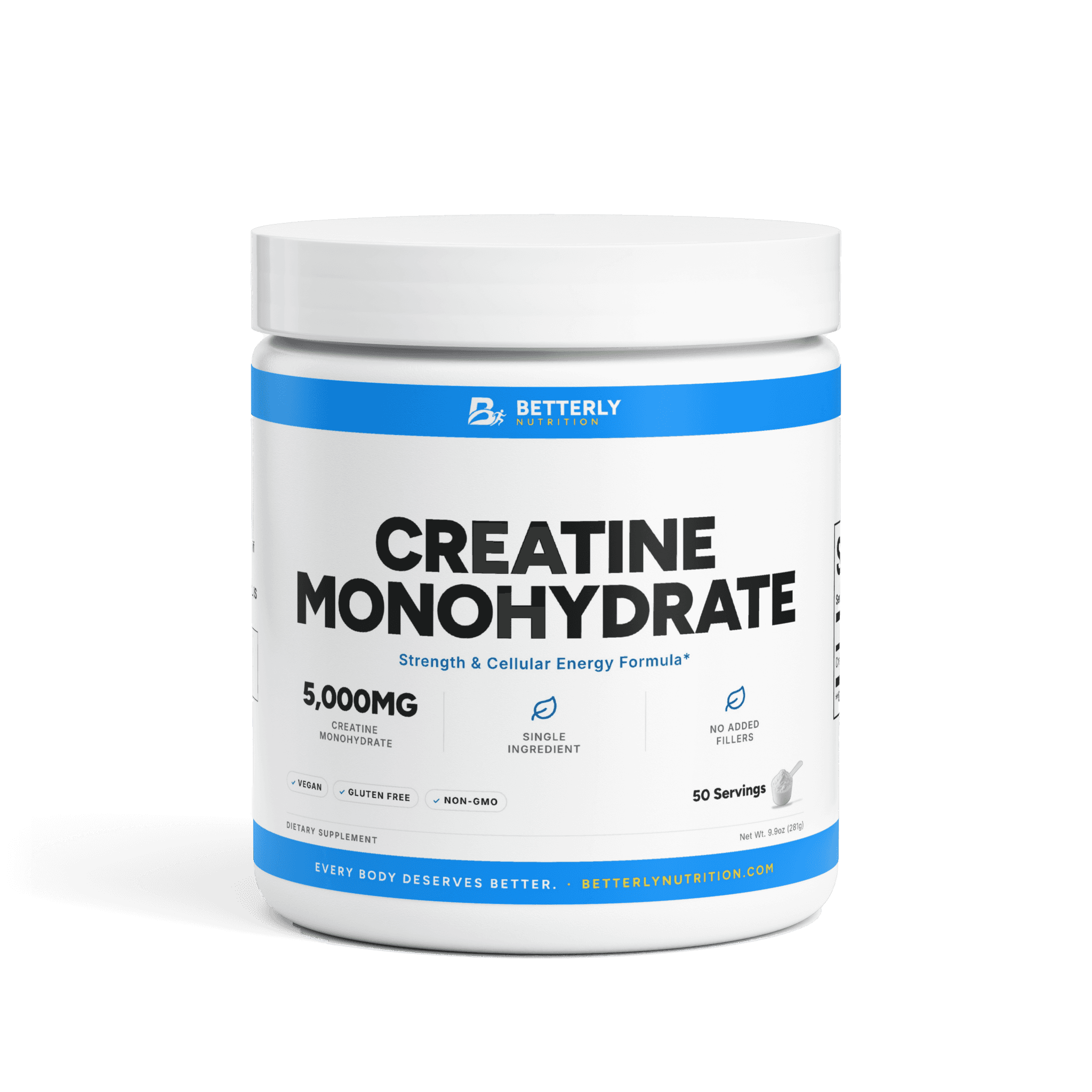
If your hydration question is really a training question, there's a second, genuinely different tool on our shelf. The 5g Creatine & Electrolyte Powder is our sport-strength mix, and its one-scoop (10 g) serving reads like one: 1,000 mg of sodium (as sea salt), 200 mg of potassium, 60 mg of magnesium, and 5,000 mg of creatine (as creatine monohydrate), within the 3–5 g a day maintenance range the NIH Office of Dietary Supplements describes. Creatine is one of the most researched ingredients in sports nutrition, known for supporting muscle performance in repeated high-intensity efforts. The label's suggested use is for adults to mix one scoop with 6–8 oz (177–237 ml) of water or a favorite beverage daily. (Stevia-sweetened, 22 calories.) Its label is for adults: don't exceed the suggested dose, and check with a physician first if you're pregnant, nursing, under 18 or managing a medical condition.
Choosing between the two is the same label logic from above. Sweat hard and train regularly with strength or power goals? The creatine version earns its place — that 1,000 mg of sodium is a replacement dose, sized for people whose training actually costs them salt. Everyone else, the standard Electrolyte Hydration Powder covers the actual hydration job. What you drink and eat around training matters more than most supplement decisions — our guide to what to take after a workout sorts that whole picture honestly, including which parts of "recovery nutrition" are real and which are ritual.
Building the habit (the part that actually matters)
Whatever mix ends up in your cabinet, the habit beats the formula. A few things that genuinely help:
- Anchor it to a moment, not an intention. "One glass when I sit down to work" or "one scoop in the gym bottle" survives contact with real life; "drink more electrolytes" doesn't.
- Rotate flavors before you're bored, not after. A flavor you're tired of is an easy one to stop drinking.
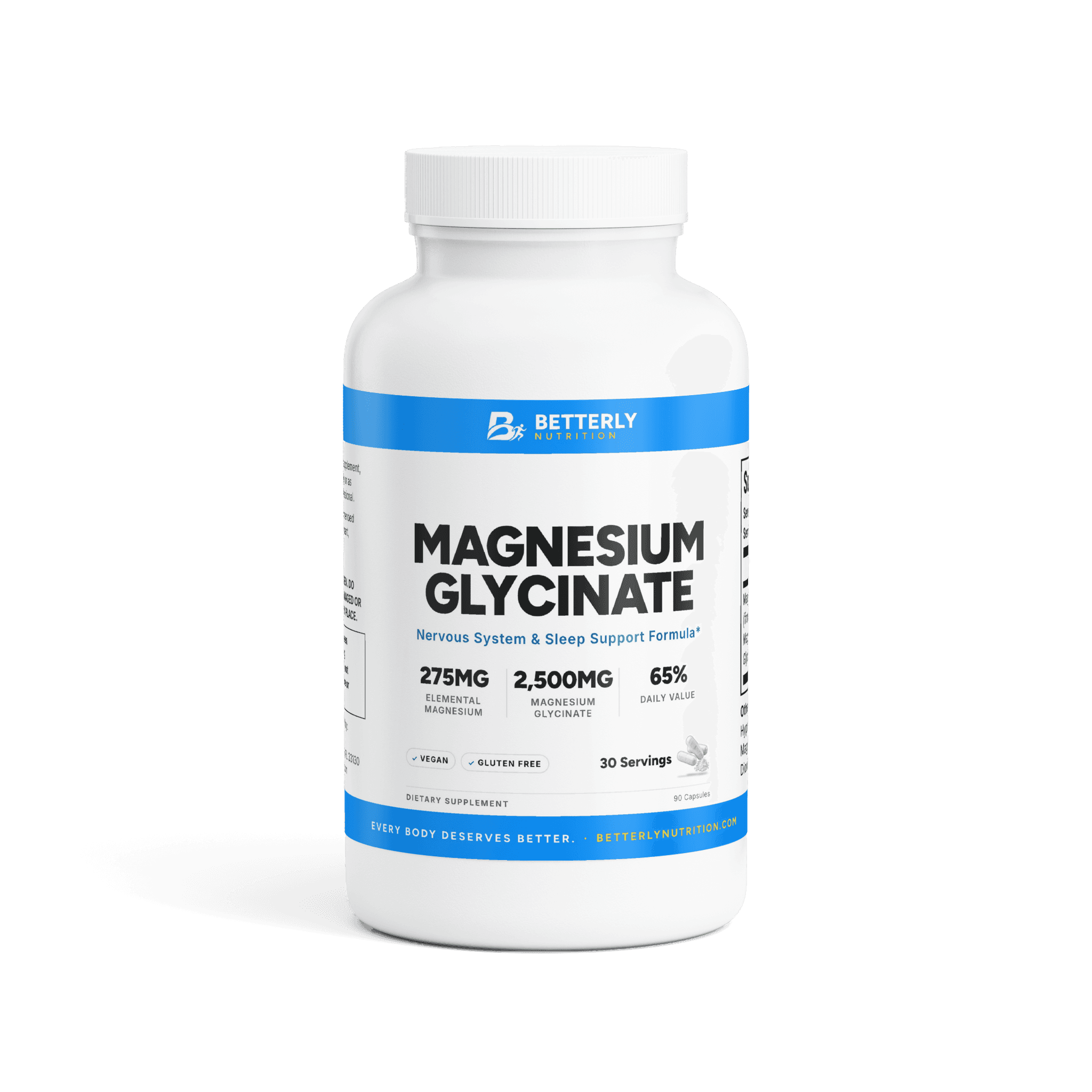
- Don't double-stack minerals blindly. If you also take Magnesium Glycinate Capsules (275 mg of magnesium per 3-capsule serving) or a multivitamin, add up the magnesium across your labels: according to the NIH Office of Dietary Supplements, the adult upper limit for magnesium from supplements and medications is 350 mg a day, and each scoop of our mix adds 20 mg. Our guide to building a simple supplement routine shows how to lay everything out so nothing collides.
- Let water do most of the work. A scoop or two on the days that earn it, plain water the rest of the time. A hydration powder that replaces every glass of water isn't a routine — it's a subscription.
That's the whole honest story: most days, water and food have you covered. On the days they don't — sweat, heat, travel, or sheer boredom with plain water — a mix with real mineral amounts printed on the label, no sugar load, and no surprise caffeine is the right tool. That's exactly the product we set out to sell, and its amounts per serving are listed on the product page, so you can check our math before you spend a dollar.
FAQ: hydration powders
Do hydration powders actually work?
They do the specific job they're built for: replacing water and minerals lost together, mainly through sweat, and making water appealing enough that you drink more of it. What they don't do is anything magical beyond that — on a normal desk day with regular meals, your food already supplies the electrolytes a powder would. They earn their place during sweat, heat, travel, and long efforts.
Is it OK to drink electrolyte powder every day?
For most people, a moderate everyday mix daily is fine — a scoop of ours adds 100 mg of sodium and 200 mg of potassium, which is modest against a normal diet. The habit to avoid is stacking multiple high-sodium sport products on days you didn't sweat. Our label caps use at 5 scoops a day and asks you to check with a physician first if you're pregnant, nursing, taking medication or managing a medical condition.
What should I look for in a hydration powder?
Four things: a sodium amount matched to how much you actually sweat (low hundreds of mg for everyday use, higher only for heavy sweat replacement), a meaningful potassium number, a sugar load you've chosen on purpose rather than inherited, and clarity on caffeine. Then the tiebreaker: exact amounts printed for every mineral, and a flavor you'll still enjoy in week six.
Are hydration powders better than sports drinks?
They're more flexible. A classic bottled sports drink is a fixed formula, usually with 20-plus grams of sugar. A powder lets you control concentration, skip the sugar when it's just cargo, and carry thirty servings in a tub instead of thirty bottles. For long, hard training where you want the carbs as fuel, a sugared sports drink still has a legitimate job.
Does hydration powder break a fast?
Ours carries 10 calories and 2 g of carbohydrate per scoop, so it's not zero — but it's sweetened without sugar. How strict to be depends on why you're fasting, so match it to your own rules; plain water with a pinch of salt remains the strictest option.
Sources
- Magnesium: Fact Sheet for Consumers, NIH Office of Dietary Supplements
- Dietary Supplements for Exercise and Athletic Performance: Fact Sheet for Health Professionals, NIH Office of Dietary Supplements
If this left you looking for somewhere to start, read our caffeine-free electrolyte hydration powder — its amounts per serving are listed on the page. For the practical questions this raises, how dosing, sourcing and subscriptions work is answered in one place.