On this page
- Key takeaways
- Do mushroom gummies work at all?
- What benefits are mushroom gummies sold for?
- Are mushroom gummies or capsules better? Our five formats compared
- How do you read a mushroom supplement label?
- Will functional mushroom gummies make you trip?
- Which mushroom format fits your routine?
- How do you take each mushroom format, per the label?
- When might you not need a mushroom supplement at all?
- Who should skip mushroom supplements or check with a provider first?
- FAQ: mushroom gummies
- Sources
The short answer: Mushroom gummies work as a way to take a measured dose of mushroom extract, but we found no federal source backing a specific use for functional mushrooms. Dose, extract type and sugar matter more than the format. Our gummies hold 200 mg to 348 mg of mushroom per 1- or 2-gummy serving, with 2 g to 5 g of added sugar. Our Mushroom Capsules add up to 1,330 mg per 2-capsule serving.
Key takeaways
- Our Mushroom Capsules add up to 1,330 mg of mushroom per 2-capsule serving, and our Organic 6 Mushroom Blend Powder lists 1,510 mg per 1-scoop (7 g) serving, far more than any of our gummies.
- Of our mushroom formats, only the gummies list added sugar: 2 g per 1-gummy serving, or 5 g per 2-gummy serving of the ten-mushroom blend.
- Lion's mane, reishi and cordyceps aren't hallucinogenic mushrooms, and none of our mushroom labels lists Amanita muscaria or psilocybin.
- Keep expectations for any mushroom supplement modest, and compare milligrams per serving rather than formats.
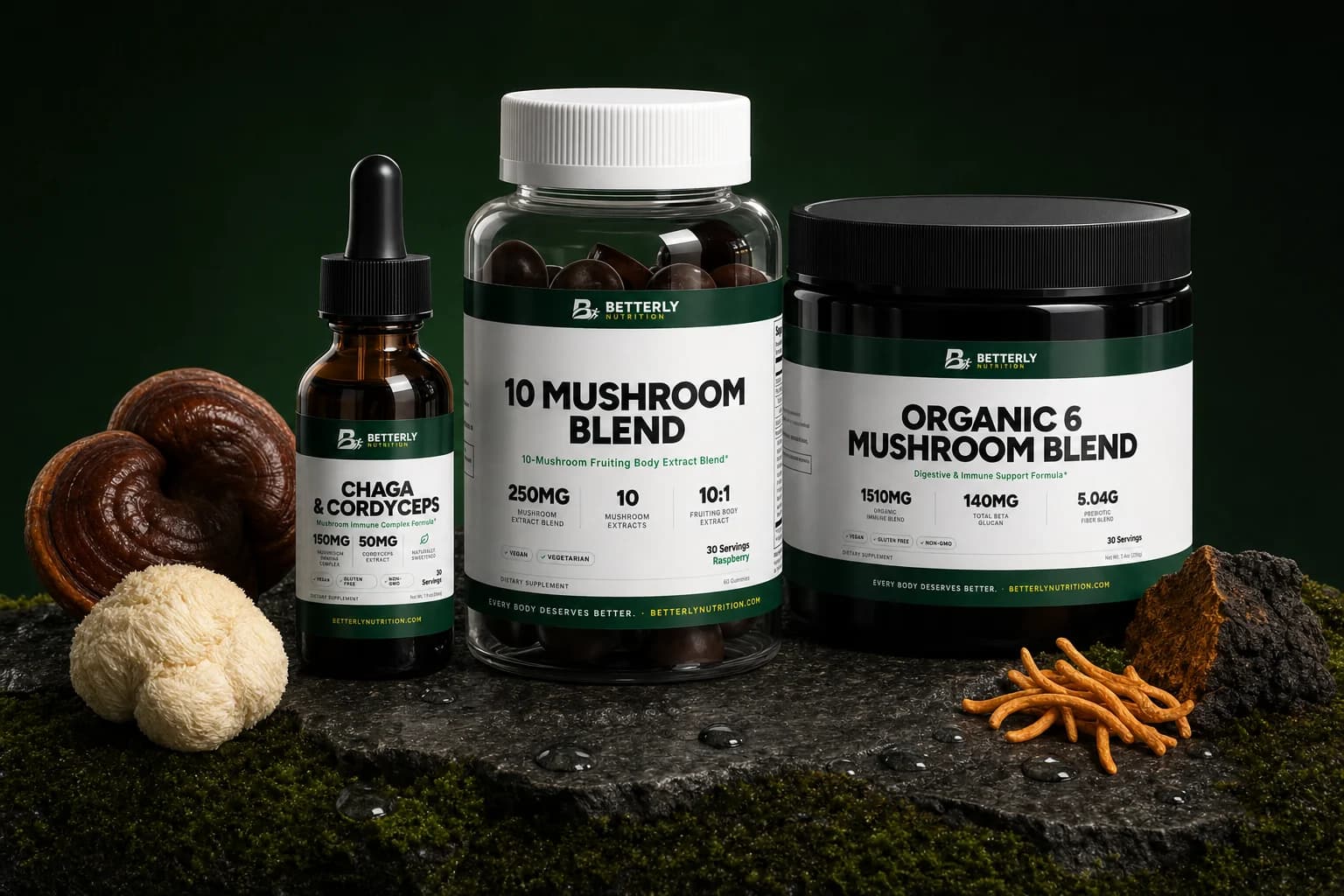
We sell mushrooms as gummies, glycerin-based liquid drops, powder, capsules and oral strips, so whichever format you pick, you'd be buying from us. Every product number below comes from our own Supplement Facts panels (a few totals are our own sums of a panel's rows), including the ones that don't flatter us.
Do mushroom gummies work at all?
Mushroom gummies can deliver a measured dose of mushroom extract, but no federal health source we found backs a specific use for functional mushrooms, so keep expectations modest.
The National Center for Complementary and Integrative Health (NCCIH) says on its dietary and herbal supplements page that the amount of scientific evidence varies widely.
The general federal supplement pages cited here don't address functional mushrooms at all. So "working" should mean something modest: a daily habit that adds a measured amount of a food-derived ingredient.
What benefits are mushroom gummies sold for?
The benefits mushroom gummies are marketed for include focus, energy, winding down and normal immune function, depending on the species and what else the formula adds.
No federal source we cite establishes these benefits for mushroom supplements, so read each one as what a formula aims to support, not a promised result.
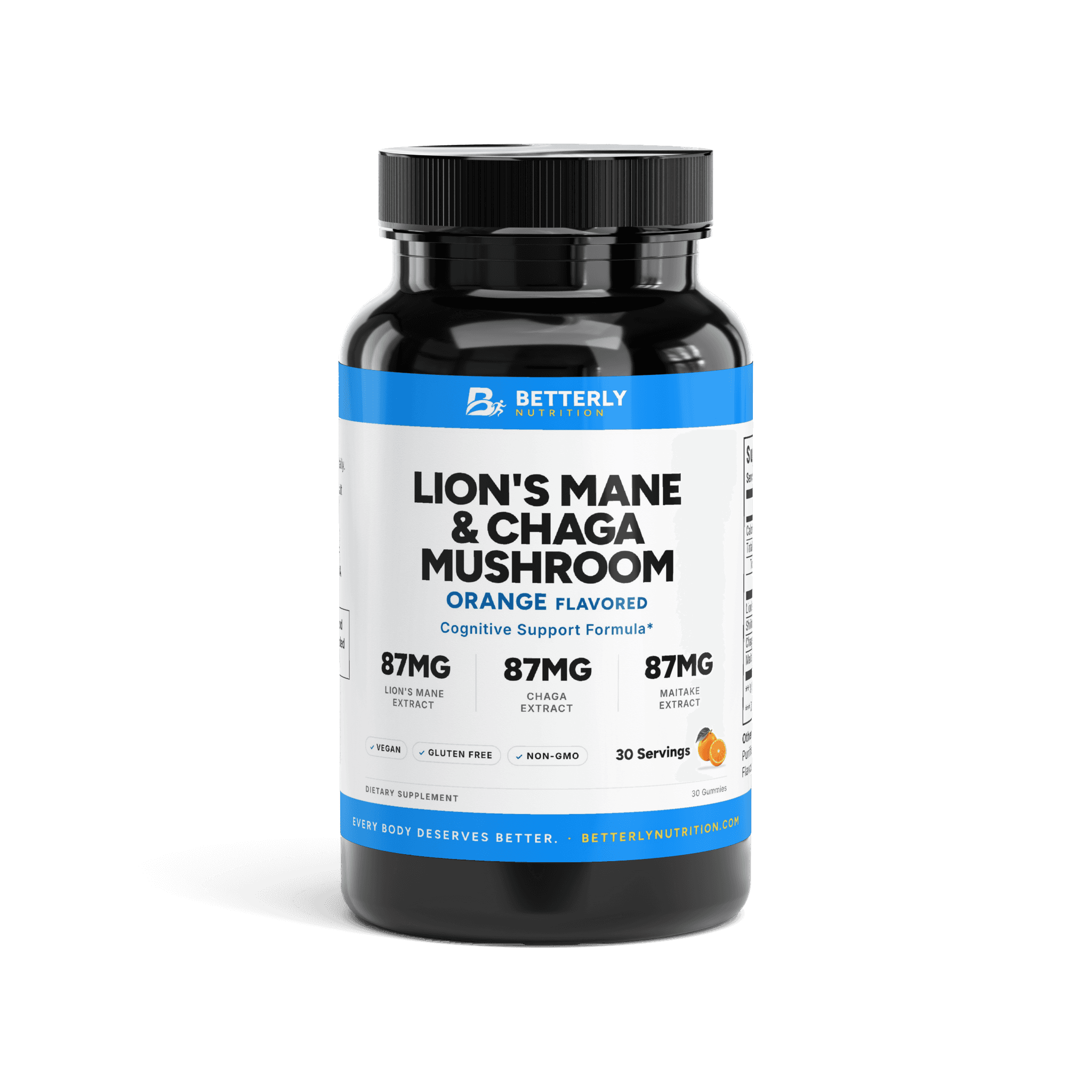
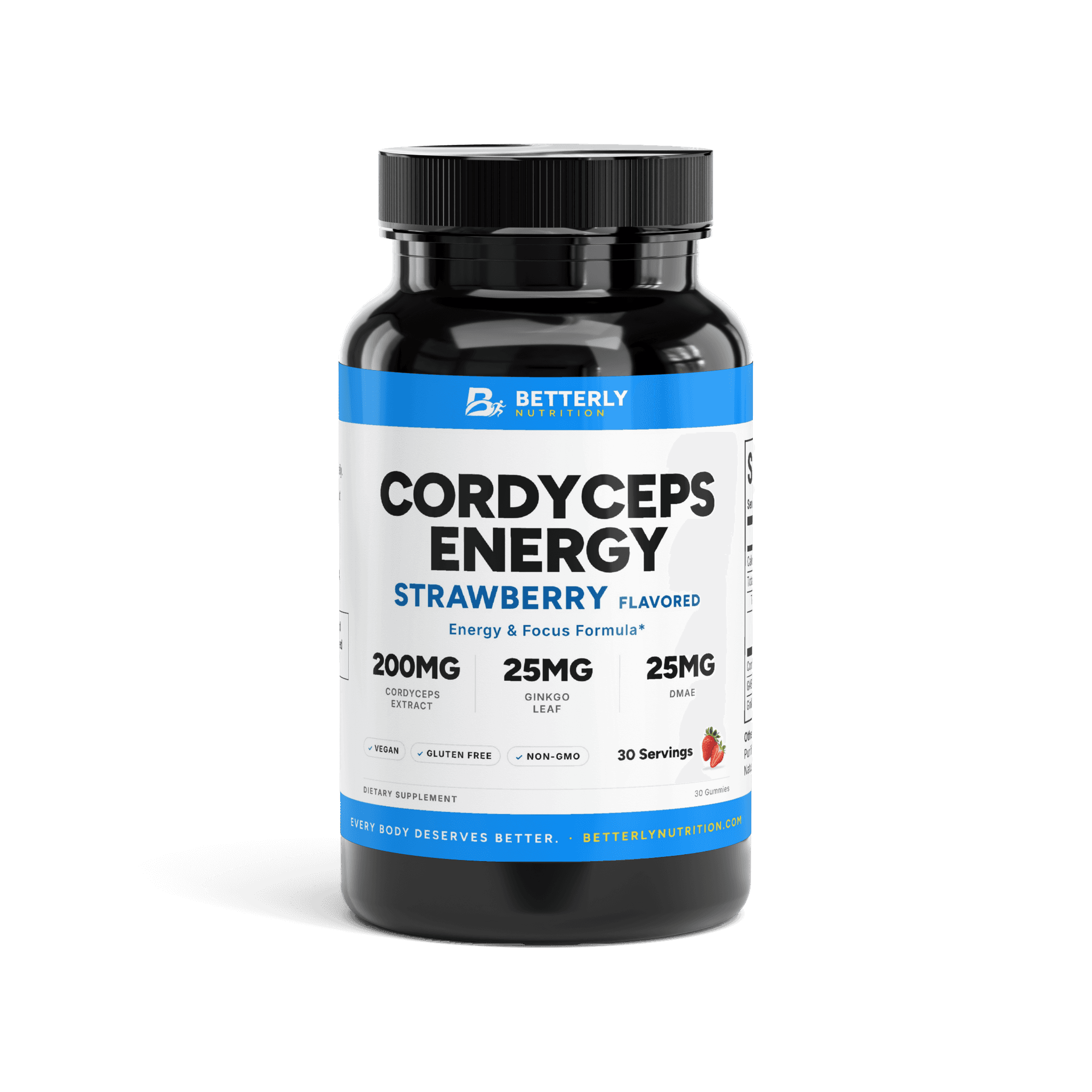
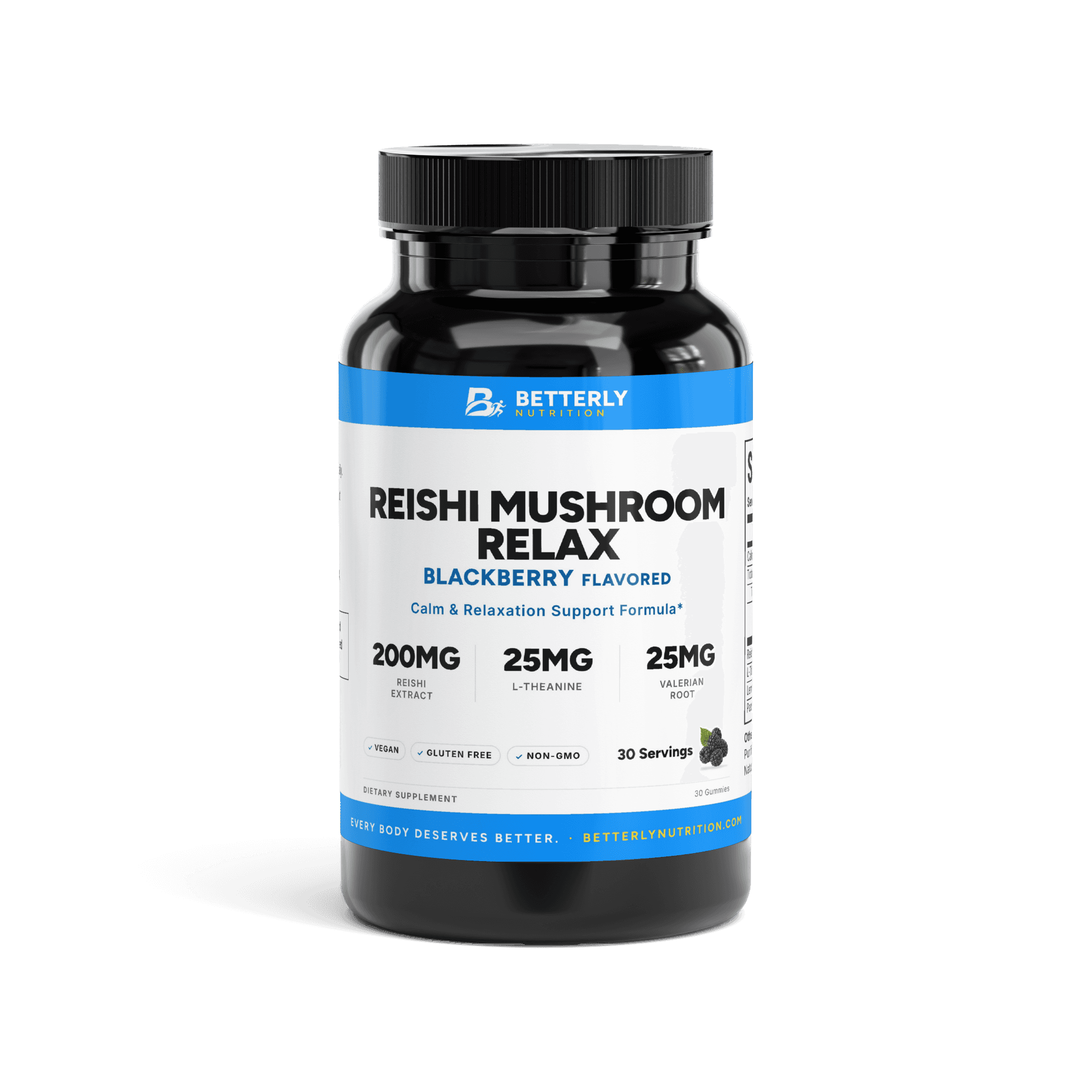
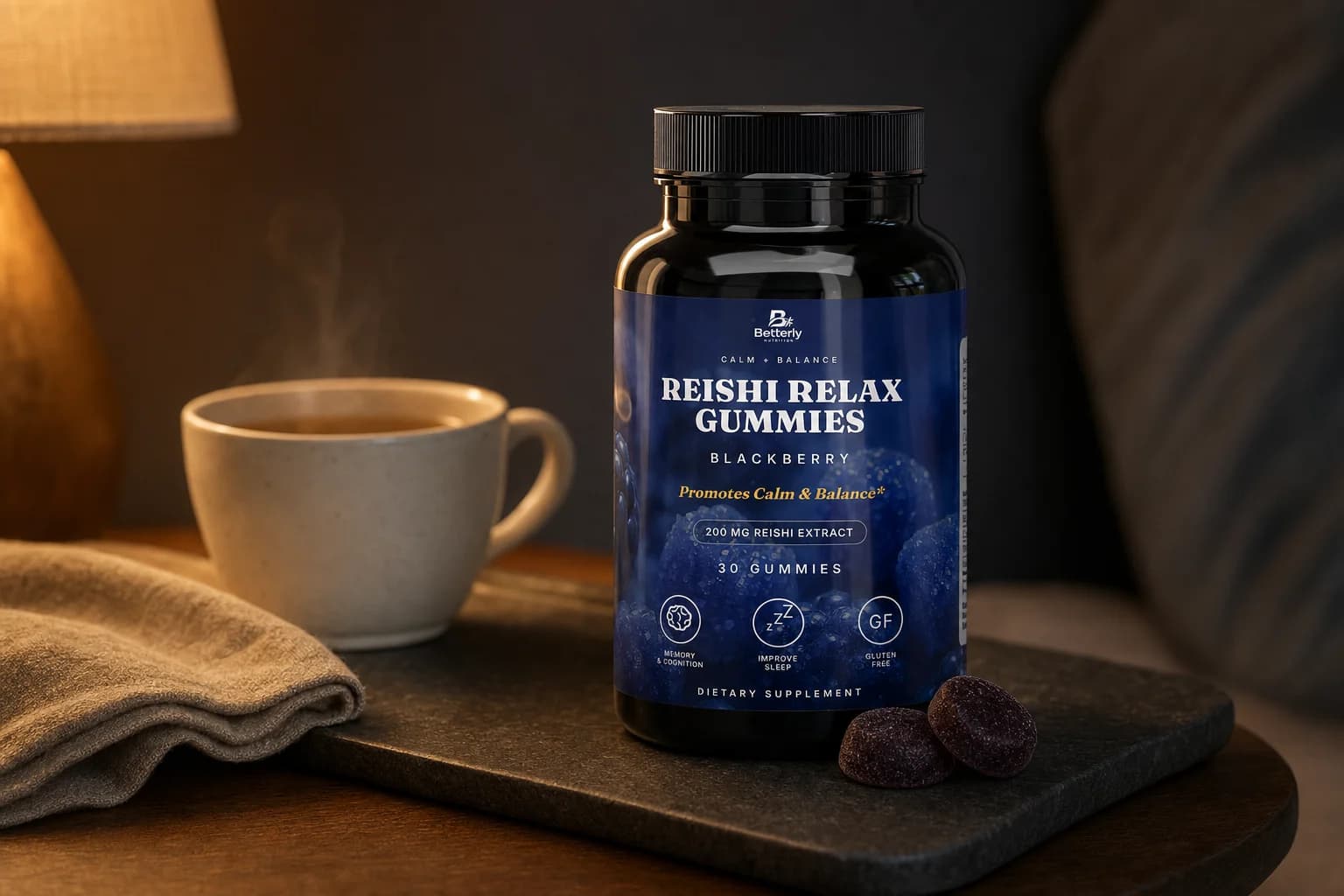
On our labels, the Lion's Mane & Chaga Mushroom Gummies say "Cognitive Support Formula." The Cordyceps Mushroom Energy Gummies say "Energy & Focus Formula," and the Reishi Mushroom Relax Gummies say "Calm & Relaxation Support Formula."
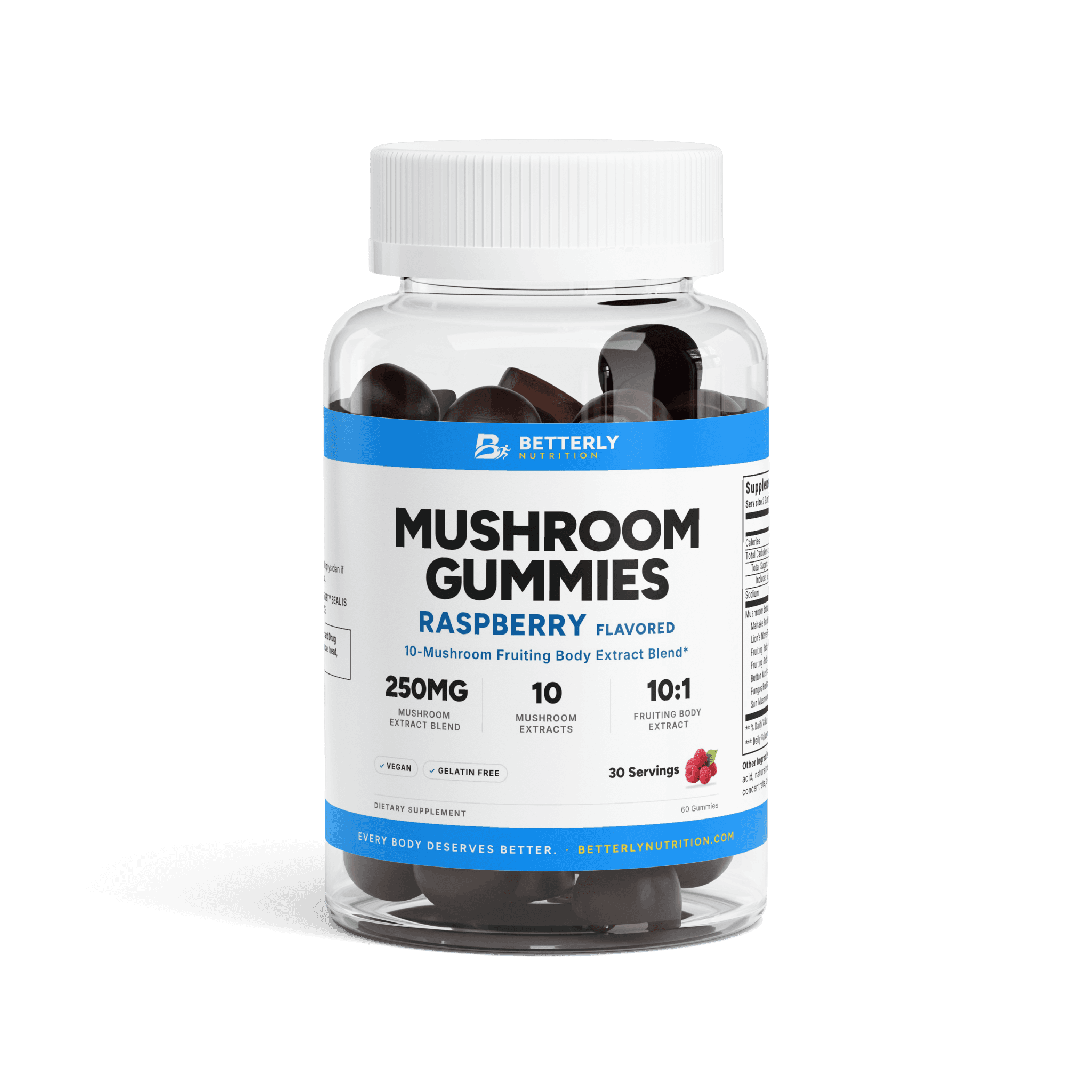
The Mushroom Gummies name no aim at all, only a "10-Mushroom Fruiting Body Extract Blend."
Are mushroom gummies or capsules better? Our five formats compared
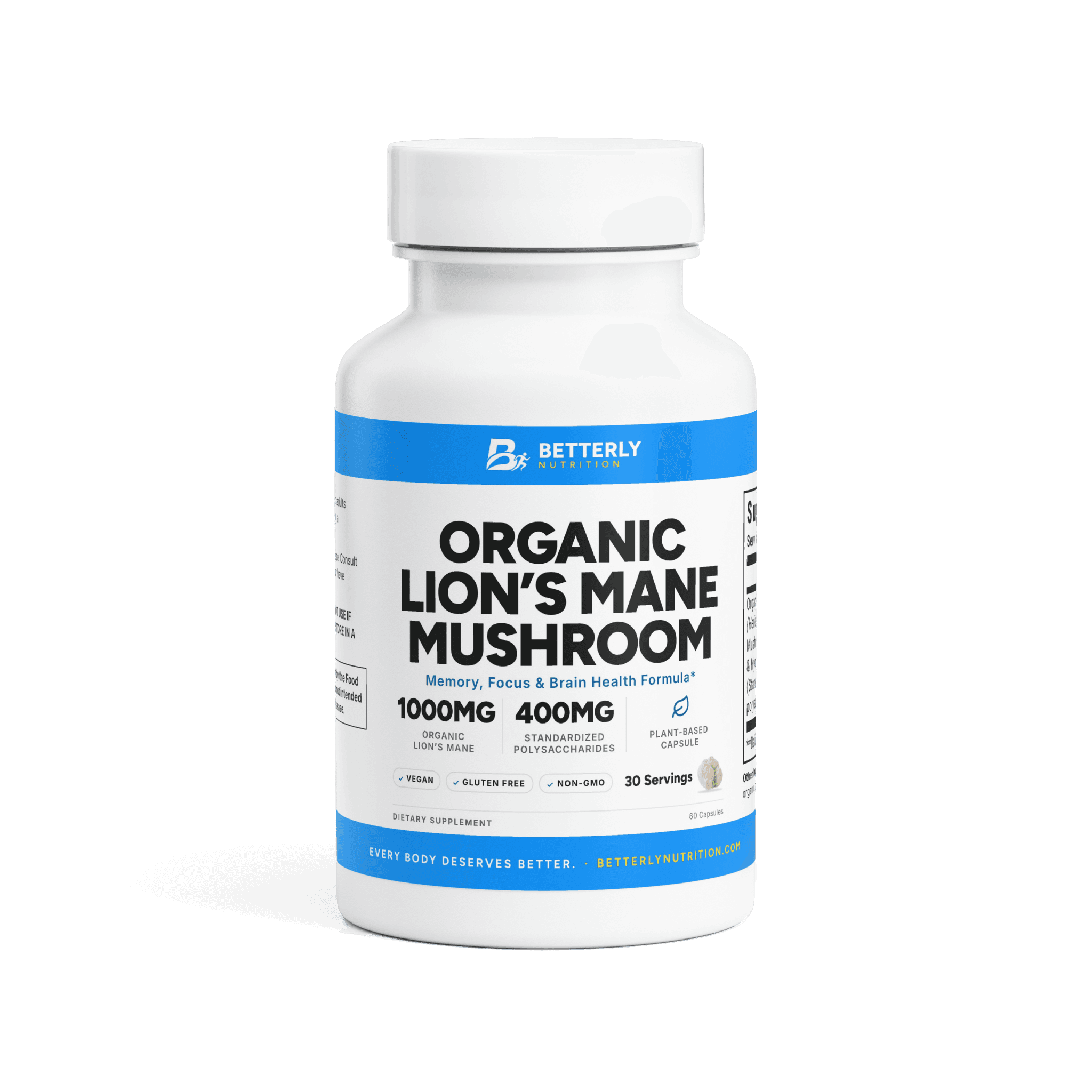
Neither format wins by default, but our Mushroom Capsules add up to 1,330 mg per 2-capsule serving, versus 200 mg to 348 mg per gummy serving.
Where a cell shows rows in parentheses, the total is our own sum of them. Extract, powder and fermented mycelium aren't the same material, so a bigger number isn't automatically a stronger product.
| Product (serving) | Mushroom per serving | Part / extract | Sugar or carbs |
|---|---|---|---|
| Mushroom Gummies (2 gummies) | 250 mg blend | Fruiting body extracts, 10:1 | 5 g added sugar |
| Lion's Mane & Chaga gummies (1 gummy) | 348 mg (4 x 87 mg) | Extracts, part not stated | 2 g added sugar |
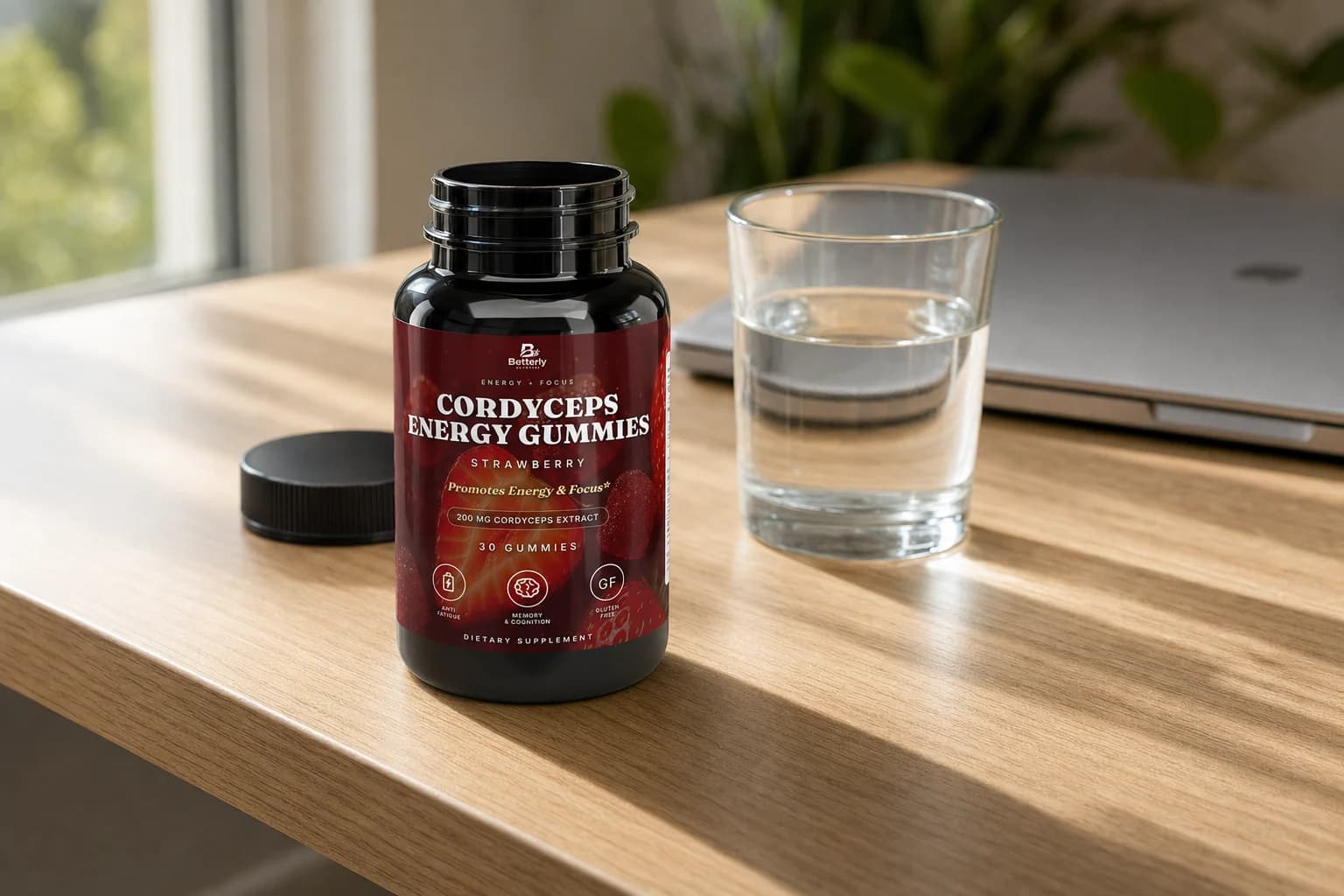
| Cordyceps Energy gummies (1 gummy) | 200 mg | Extract, part not stated | 2 g added sugar |
| Reishi Relax gummies (1 gummy) | 200 mg | Extract, part not stated | 2 g added sugar |
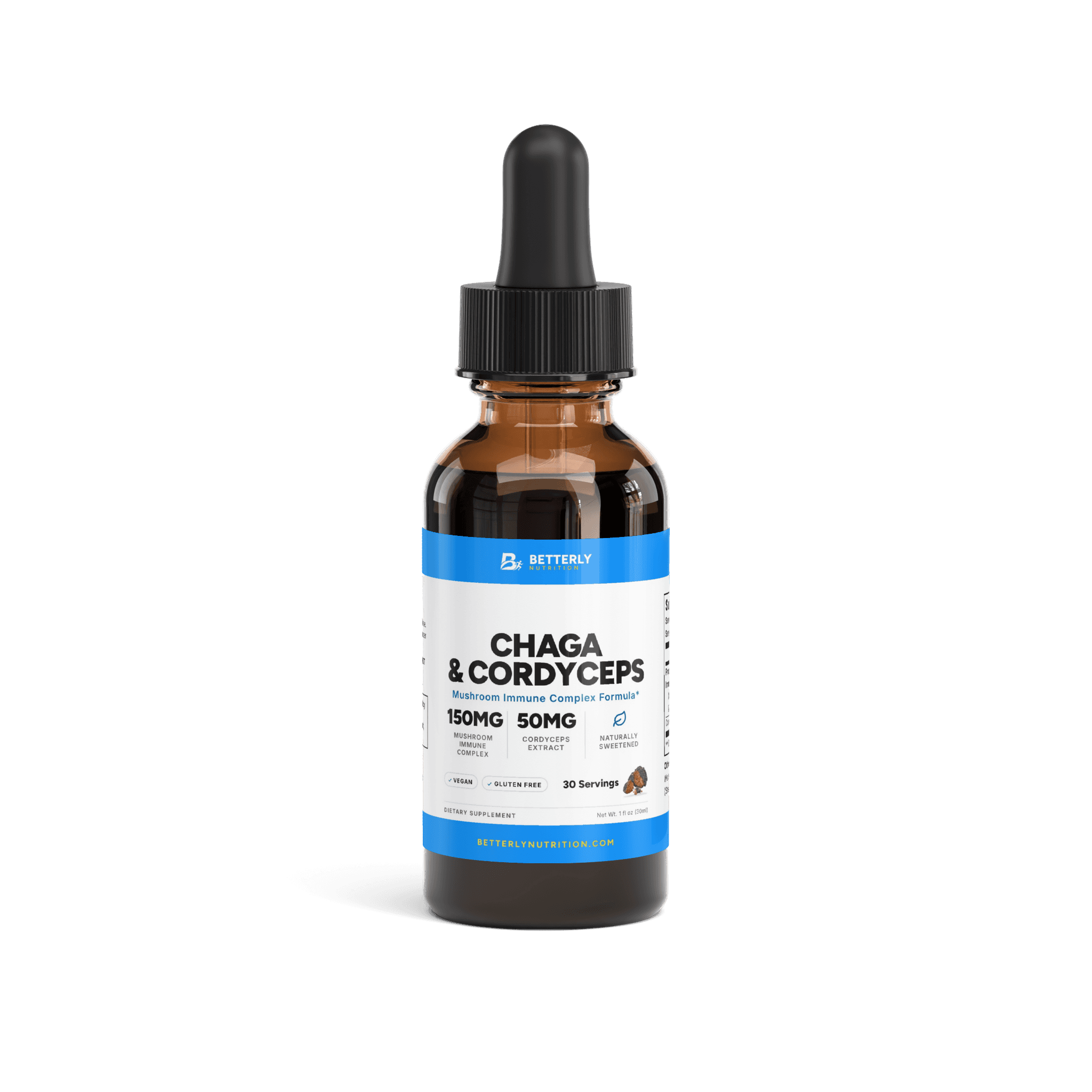
| Chaga & Cordyceps drops (1 ml) | 200 mg (150 + 50) | Blend plus extract | No sugar line |
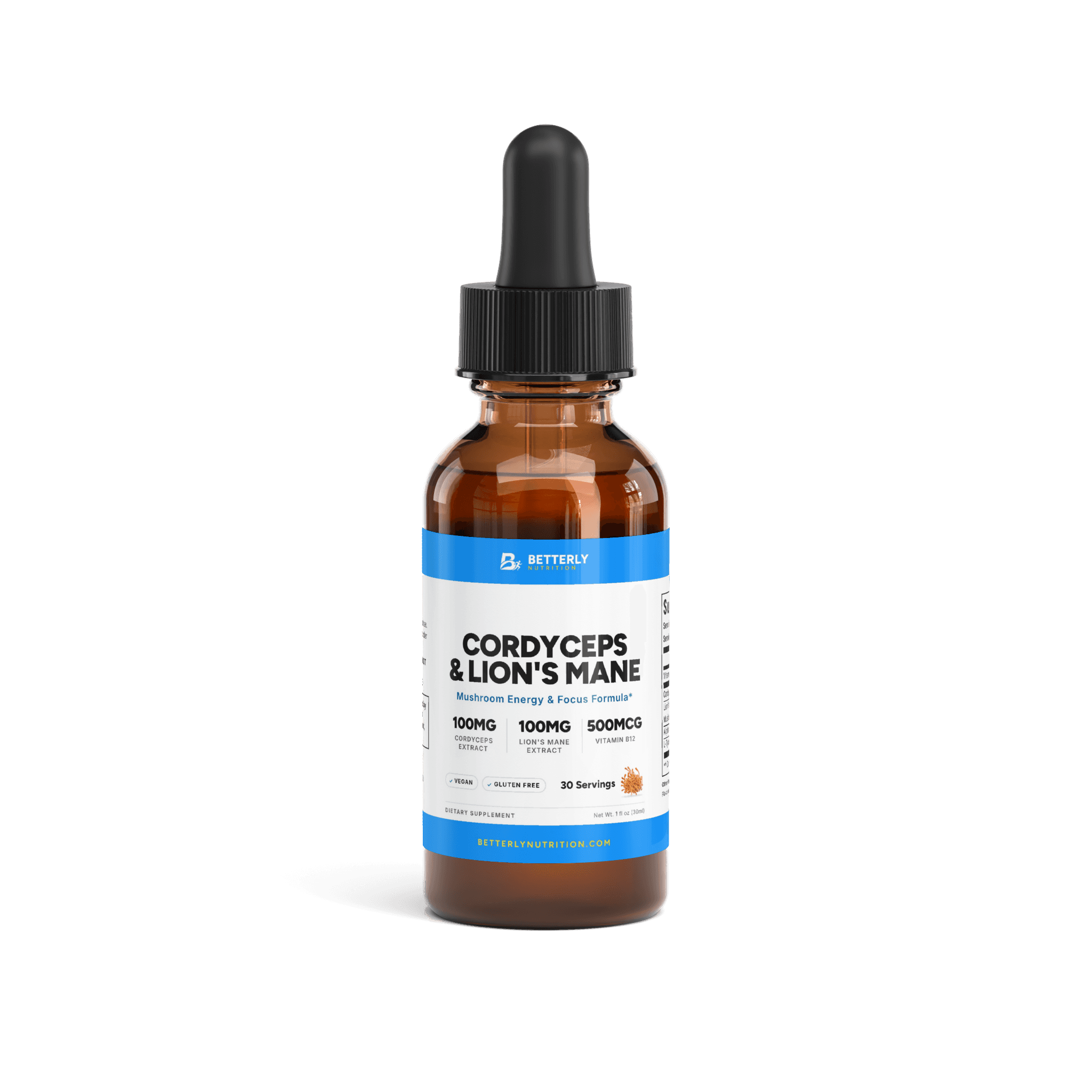
| Cordyceps & Lion's Mane drops (1 ml) | 200 mg (100 + 100) | Extracts, part not stated | No sugar line |
| Reishi Calm drops (1 ml) | 200 mg (150 + 50) | Extract plus blend | No sugar line |
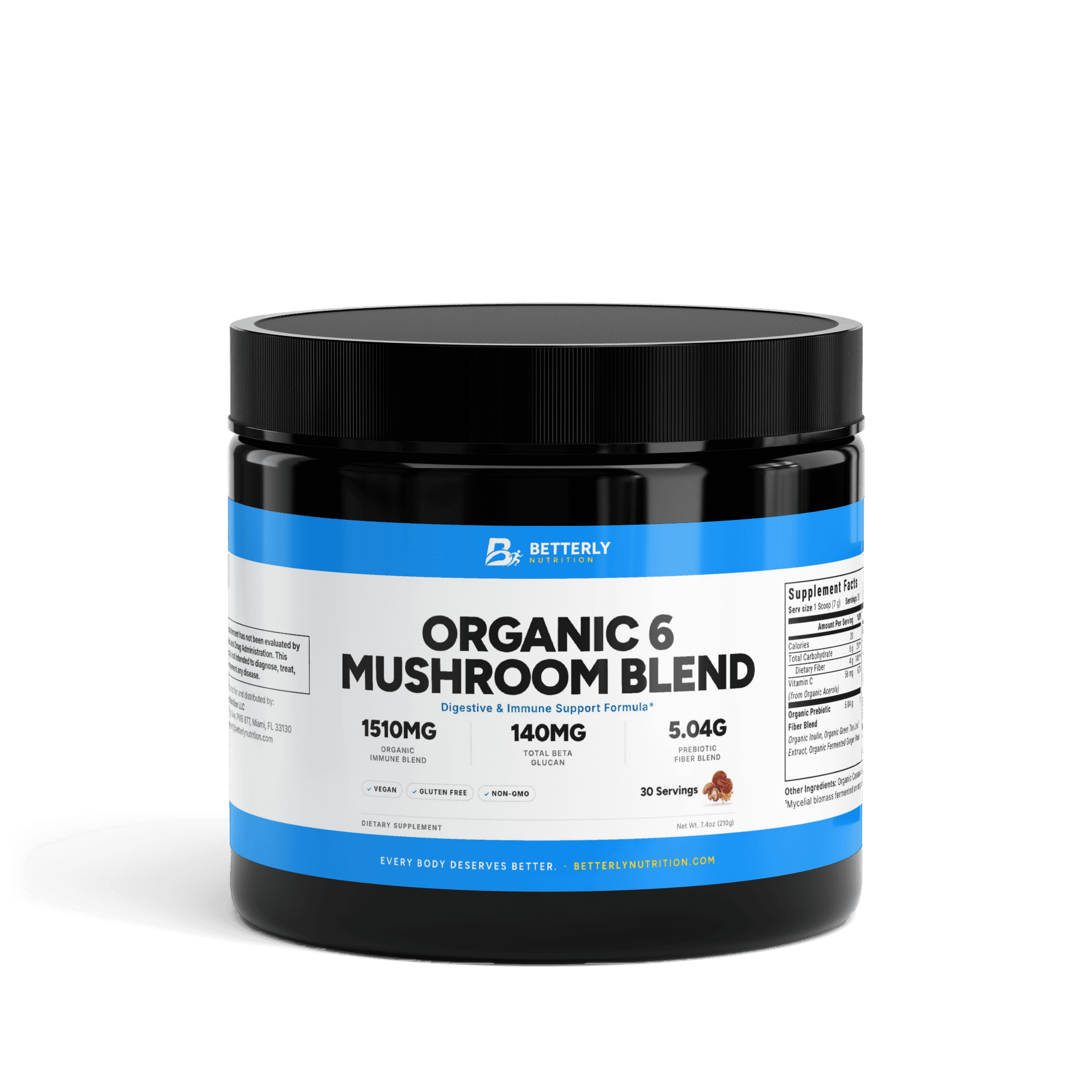
| 6 Mushroom powder (1 scoop, 7 g) | 1,510 mg blend | Fermented mycelium | 6 g carbs, no sugar line |
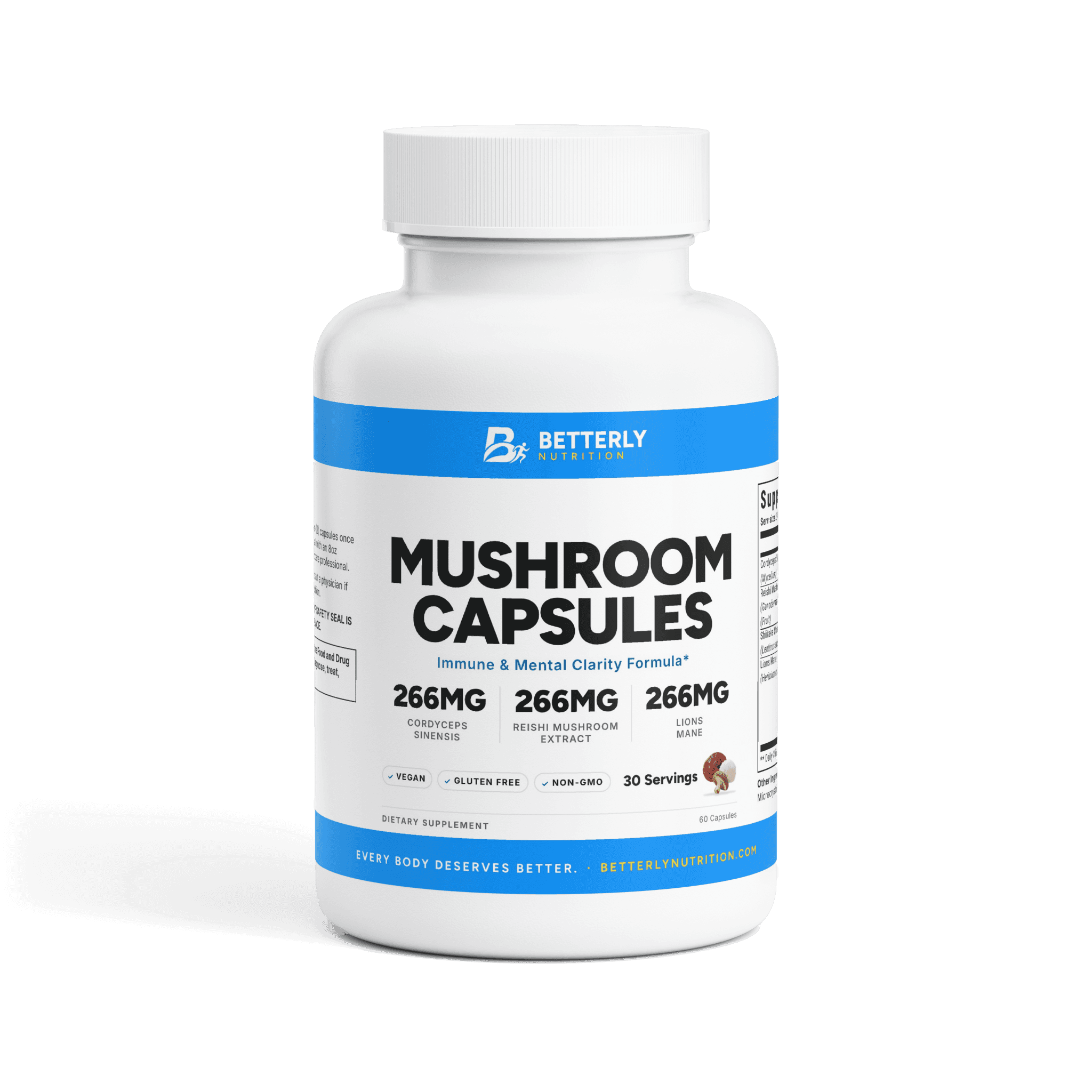
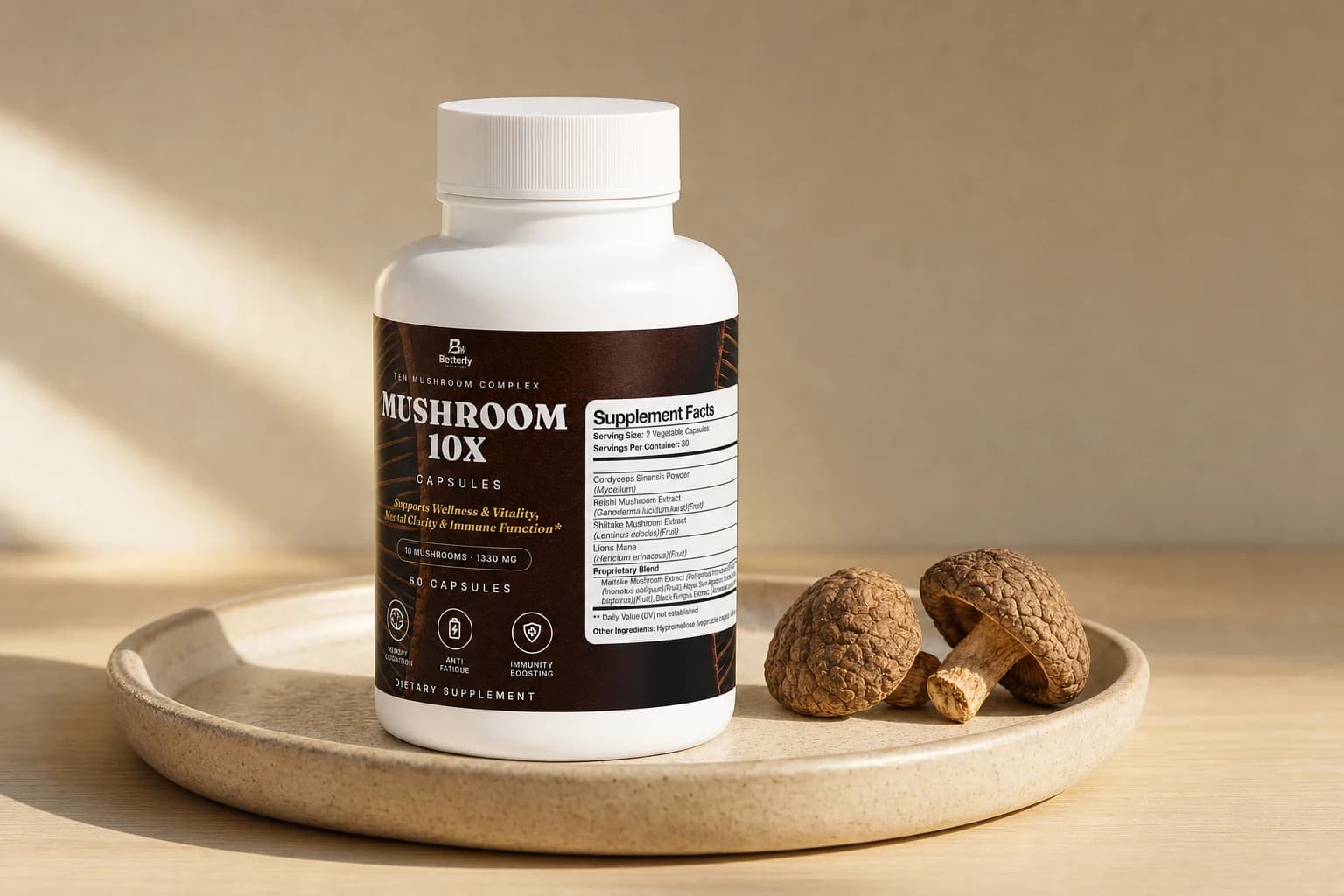
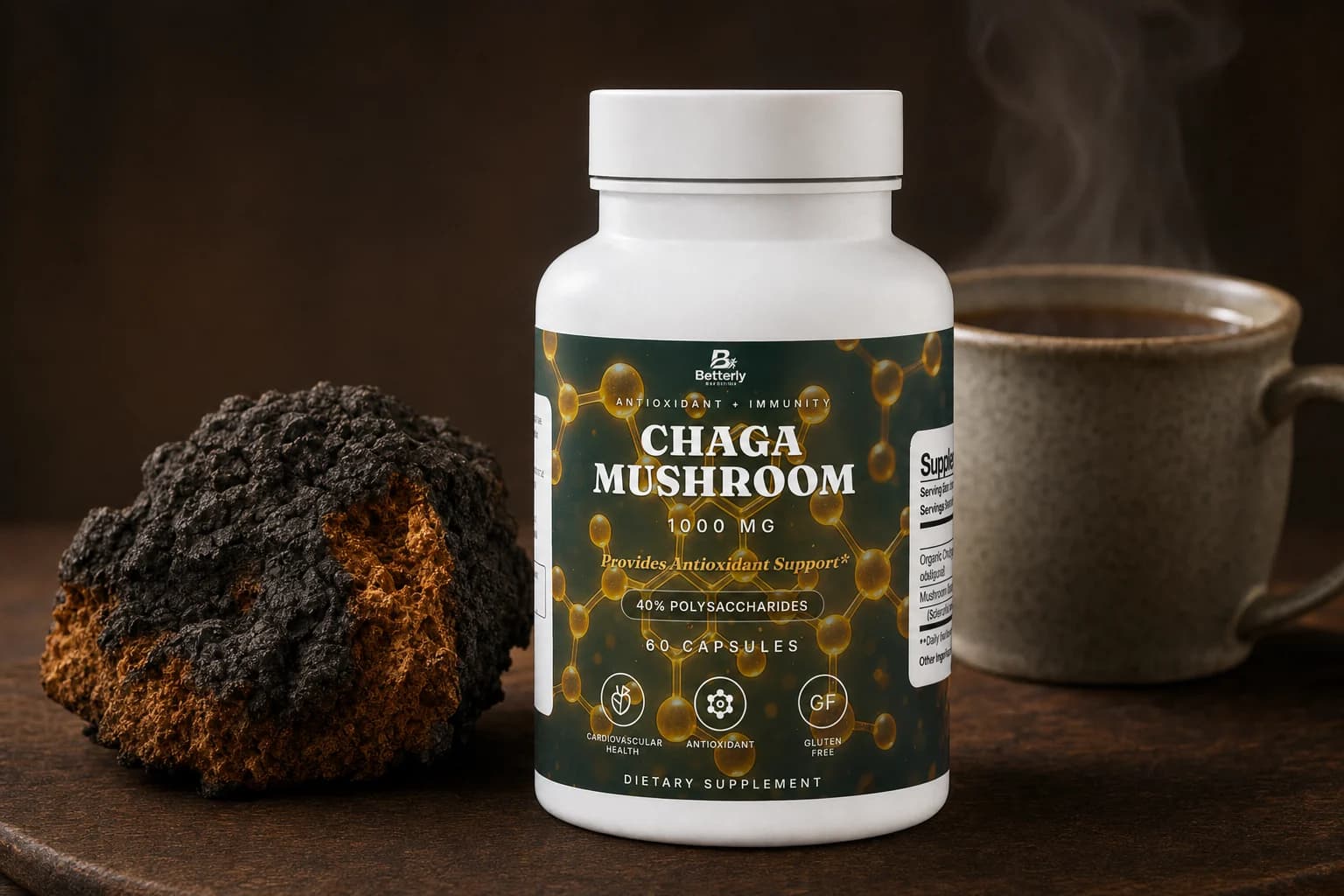
| Mushroom Capsules (2 capsules) | 1,330 mg (5 x 266 mg) | 9 fruit, cordyceps mycelium | No sugar line |
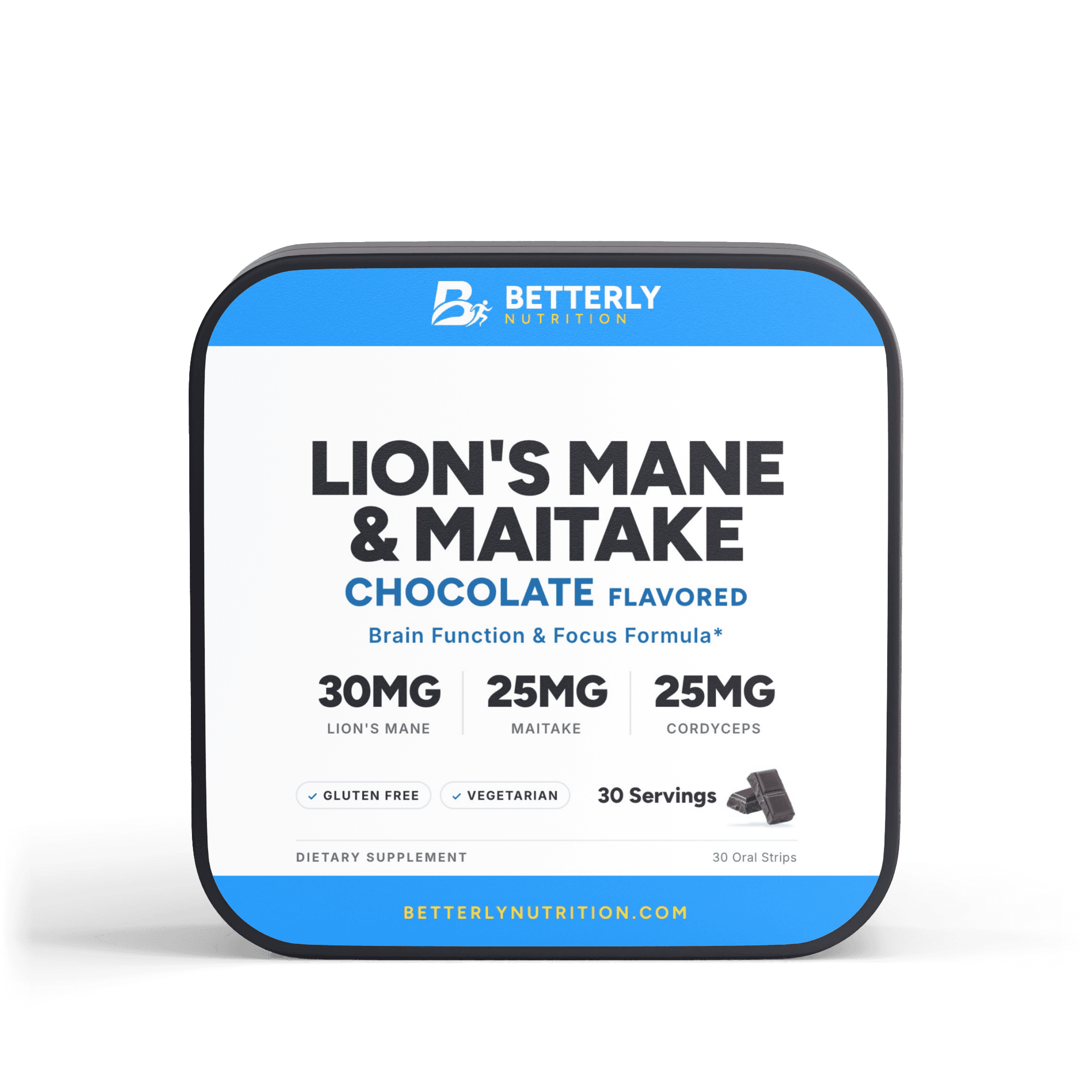
| Lion's Mane & Maitake strip (1 strip) | 100 mg (30 + 25 + 25 + 20) | Species named only | No sugar line |
The capsules and the powder carry the most mushroom per serving, the strip carries the least at 100 mg, and only the gummies list added sugar. Gummies give up dose for taste, and capsules give up taste for dose. You'll find every format side by side in our mushroom collection.
Gummies: the easiest habit, with sugar attached
Our ten-mushroom gummies split one 250 mg blend across ten fruiting body extracts, so each species gets a small slice, and the label doesn't show the split. Their 5 g of added sugar per 2-gummy serving is 10% of the Daily Value.
The Lion's Mane & Chaga gummies pack more into one gummy, 87 mg each of four extracts. The label's suggested use is one to two gummies daily, so at two a day the 30-gummy bottle lasts 15 days.
Are mushroom capsules worth swallowing two a day?
If two pills a day don't bother you, the Mushroom Capsules give you a big serving with nothing to taste. They list cordyceps, reishi, shiitake and lion's mane at 266 mg each per 2-capsule serving, plus a 266 mg proprietary blend of six more. The blend doesn't show how its 266 mg divides.
Liquid drops vs capsules: does a tincture absorb better?
We found no government source showing that mushroom drops or tinctures absorb better than capsules. You'll often read that liquid mushrooms "bypass digestion," and that's a claim we couldn't back up. The Chaga & Cordyceps Mushroom Drops, Cordyceps & Lion's Mane Energy Drops and Reishi Mushroom Calm Drops list glycerin and purified water first, with stevia as the sweetener, and no alcohol appears in their ingredient lists.
Is a mushroom powder worth the daily scoop?
The Organic 6 Mushroom Blend Powder is the biggest serving in this comparison, if a daily scoop fits your routine. It lists a 1,510 mg Organic Immune Blend of six mushrooms per 1-scoop (7 g) serving, and a footnote describes it as mycelial biomass fermented on organic oats.
It's the only product here that prints a beta-glucan figure: 140 mg of total beta glucan per serving. Each scoop also adds a 5.04 g prebiotic fiber blend and 56 mg of vitamin C (62% DV). The fiber blend includes green tea leaf extract, and the panel lists no caffeine amount.
Oral strips: no water, the smallest dose here
The Lion's Mane & Maitake Focus Strips dissolve on your tongue. The serving size reads "1 Oral Strip (260 mg)," but its lion's mane, maitake, cordyceps and shiitake rows add up to 100 mg per strip. The label doesn't say which part of the mushroom it uses, and monk fruit extract and steviol glycosides sweeten it.
From our shop: Mushroom Gummies — 250 mg of a ten-mushroom fruiting body extract blend per 2-gummy serving, in a raspberry gummy labeled vegan.
How do you read a mushroom supplement label?
Read a mushroom supplement label for milligrams per serving, the part of the mushroom used, the extract type, any proprietary blend and what else is inside.
According to FDA 101: Dietary Supplements, a Supplement Facts label must show the serving size, servings per container, every dietary ingredient and the amount per serving. The FDA has no authority to approve supplements or their labeling before they're sold, so the panel is your best tool:
- Find the milligrams, then the serving size. A 2-gummy and a 1-gummy serving can't be compared until you do the math.
- Look for "fruiting body" or "mycelium." The fruiting body is the mushroom you'd recognize, and mycelium is its root-like network. Our lion's mane vs mushroom complex comparison covers why that matters.
- Don't multiply extract ratios. "10:1" describes how concentrated an extract is, and it doesn't turn 250 mg into 2,500 mg.
- Check for proprietary blends, which show one total but not each species' share.
- Read the Added Sugars line, then scan the other ingredients for syrups, stevia or monk fruit.
- Spot the extras, like the GABA and ginkgo leaf in our Cordyceps gummies or the 500 mcg of vitamin B12 per 1 ml serving in our energy drops.
- Look for scientific names, like Hericium erinaceus for lion's mane. Several of our gummies list common names only.
Will functional mushroom gummies make you trip?
Not from the species themselves: lion's mane, reishi and cordyceps aren't hallucinogenic mushrooms, and functional gummies are a different product from psychedelic "mushroom edibles."
In a December 2024 alert on Amanita muscaria in food, the FDA said that mushroom, its extracts and its compounds muscimol, ibotenic acid and muscarine aren't authorized as ingredients in conventional food. It noted they've been used in foods meant to have hallucinogenic effects, sometimes sold as "psychedelic edibles" or "mushroom edibles." The FDA recommends that people avoid eating foods with these ingredients.
None of our mushroom labels lists Amanita muscaria, psilocybin or those compounds. If a mushroom gummy won't tell you which mushrooms are inside, skip it.
Which mushroom format fits your routine?
Pick the mushroom format that fits your mornings, then compare milligrams per serving.
- Won't swallow pills and like something sweet? Gummies, once you've checked the Added Sugars line.
- Want the most mushroom per serving? The Mushroom Capsules or the powder.
- Want a quick ritual without a sugary gummy? A dropper of the liquid drops.
- Out the door with no water? A strip on your tongue.
- Care most about one species? A single-mushroom product makes more sense than a blend.
For that last group, our reishi guide for the evening wind-down and our chaga guide comparing tea, powder and capsules each go deep on one mushroom.
From our shop: Mushroom Capsules — 1,330 mg across ten mushrooms per 2-capsule serving, in vegetable capsules labeled vegan and gluten free.
How do you take each mushroom format, per the label?
Every one of our mushroom labels is written for daily use, and none calls for more than two gummies or two capsules a day.
- Mushroom Gummies: "2 gummies daily or as directed by a healthcare professional."
- Our single-gummy formulas: "Take one (1) to two (2) gummies daily."
- Drops: "Shake well. Take 1 ml (30 drops) daily."
- Powder: one scoop daily, "mixed into food or drinks."
- Capsules: two capsules once a day, and for best results "20-30 min before a meal with an 8oz (237ml) glass of water."
- Strips: one strip placed on the tongue daily and allowed to dissolve.
Only the capsule label ties timing to a meal, and none names a time of day, so follow each label's own directions. A formula labeled for calm and relaxation, like the Reishi gummies, fits more naturally into an evening than a busy morning.
Don't take extra gummies to match the capsules, either. Every one of these labels says "Do not exceed recommended dose." And pick one product at a time: our ten-mushroom gummies and capsules name the same ten mushrooms, so taking both mostly doubles up.
When might you not need a mushroom supplement at all?
You may not need a mushroom supplement if you're hoping for a change you can feel, you already take a mushroom blend, or a daily routine won't stick.
No label here promises a change you'll notice, and neither do we. If you're cutting back on added sugar, that's a reason to skip the gummies, not the whole category.
If you already cook with shiitake, maitake or white button mushrooms, keep enjoying them as food. A supplement doesn't stand in for a varied plate.
Who should skip mushroom supplements or check with a provider first?
Ask a healthcare provider before taking a mushroom supplement if you take prescription medication, have surgery planned, manage a medical condition, are pregnant or nursing, or are under 18.
Every one of our mushroom labels says: "Do not exceed recommended dose. Consult a physician if pregnant, nursing, under 18, or have a medical condition." NCCIH adds that supplements "may interact with your medications or pose risks if you have certain medical problems or are going to have surgery." It also notes that many haven't been tested in pregnant women, nursing mothers or children. The FDA says some supplements can interfere with lab tests, so mention yours before bloodwork.
Skip them, or ask first, if you've ever reacted to eating mushrooms or a formula adds herbs you haven't tried, like valerian root or ginkgo leaf.
FAQ: mushroom gummies
Are mushroom gummies safe to take every day?
Our mushroom gummies are labeled for daily use, but a label direction isn't a safety promise. None of our gummy labels calls for more than two gummies a day. The labels don't list side effects, which isn't the same as having none, so if something doesn't sit right, stop and ask a healthcare provider. Check first, too, if you take a prescription or have surgery planned.
Do mushroom gummies expire?
Mushroom gummies don't keep forever, so check your bottle for a date and store it the way the label says. Our gummy labels say to store them in a cool, dry place, which rules out a hot car or a steamy bathroom shelf. Heat and humidity can make gummies soften or stick together.
Do mushroom gummies give you energy or make you sleepy?
Mushroom gummies aren't a caffeine or melatonin product: none of our mushroom gummy panels lists either one. The Cordyceps gummies add GABA, ginkgo leaf, L-glutamine and DMAE. The Reishi gummies add L-theanine, lemon balm, passion flower and valerian root. Each of those extras is 25 mg per 1-gummy serving, and neither label promises how you'll feel.
How long do mushroom supplements take to work?
There's no reliable timeline for mushroom supplements, and we won't invent one. None of our mushroom labels promises a time frame, and we haven't found a federal source that sets one. Take one product the way its label directs, change nothing else at the same time, and judge it over a stretch of daily use.
Can kids have mushroom gummies?
Kids shouldn't take mushroom gummies without a pediatrician's go-ahead. Every one of our mushroom labels tells anyone under 18 to consult a physician first and says "KEEP OUT OF REACH OF CHILDREN." Gummies look and taste like candy, so store them up high or locked away, and don't call them candy around kids.
Sources
- Dietary and Herbal Supplements, NCCIH
- FDA 101: Dietary Supplements, FDA
- FDA Alerts Industry and Consumers about the Use of Amanita Muscaria or its Constituents in Food, FDA
If this left you looking for somewhere to start, read mushroom gummies with a 10-mushroom fruiting-body blend — its amounts per serving are listed on the page. For the practical questions this raises, how dosing, sourcing and subscriptions work is answered in one place.