On this page
- Key takeaways
- What is damiana, and where does Turnera diffusa grow?
- What does research say about damiana benefits?
- Are there damiana benefits for women?
- How do damiana tea, tincture and capsules differ?
- How much damiana does our women's formula contain?
- What are the side effects of damiana?
- What does our women's blend label say about taking it?
- When can you skip damiana?
- Who should check with a healthcare provider first?
- FAQ: damiana
- Sources
The short answer: We couldn't find a human trial that measured damiana benefits from the herb on its own. Every trial we found gave people Turnera diffusa inside a multi-ingredient formula, so damiana's share of any result is unknown. The plant is traditionally used as an aphrodisiac, and most other research on it has used cells or animals. Tea, tincture and capsules differ mainly in strength.
Key takeaways
- Damiana (Turnera diffusa) is a fragrant shrub of the Americas, and its dried leaf goes into teas, tinctures, capsules and a Mexican liqueur.
- Most damiana research has been done in lab dishes or animals, and every human trial we found tested it inside a multi-ingredient formula.
- The same leaf can be mild in a cup of tea or concentrated in an extract, so only a label with its own damiana row tells you how much you're getting.
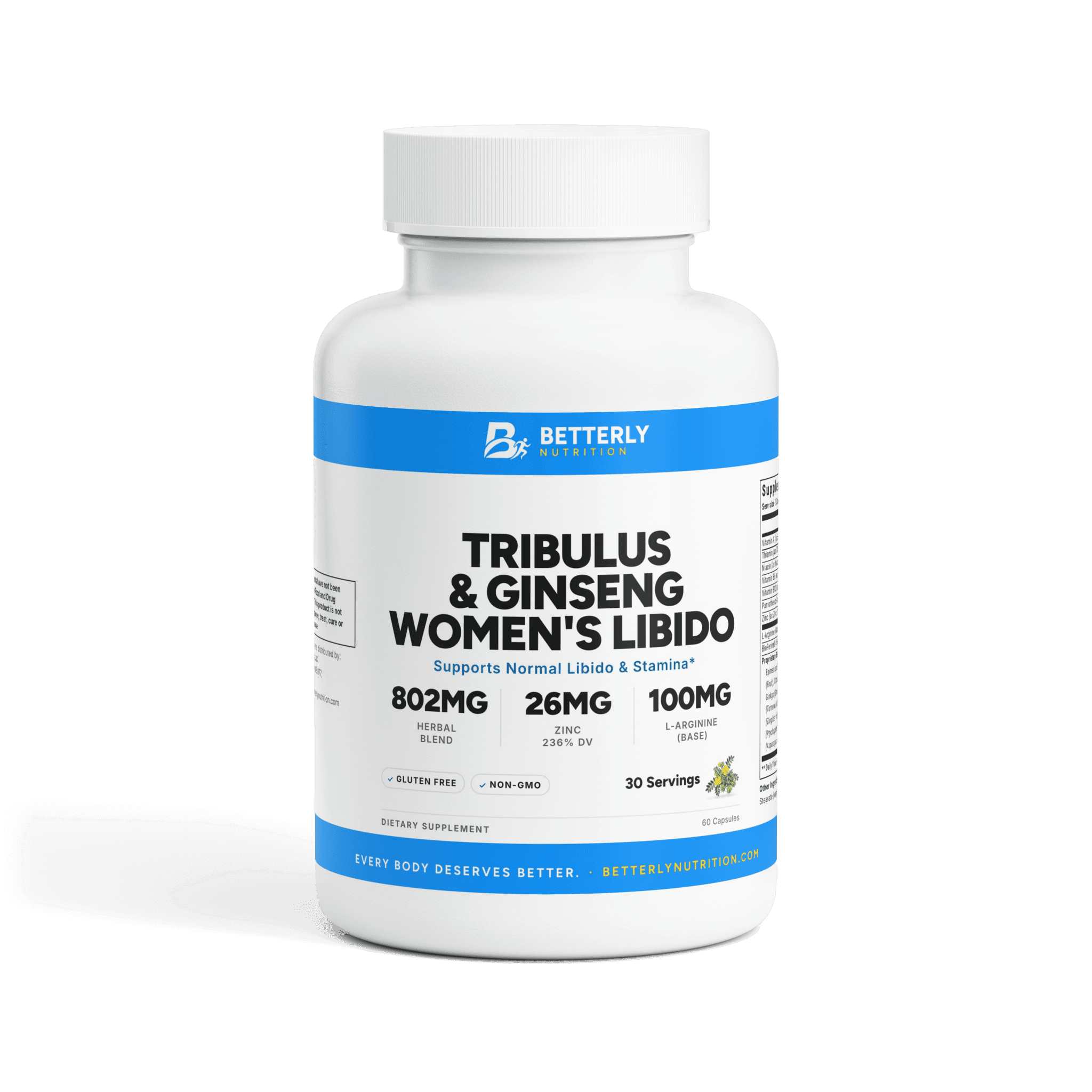
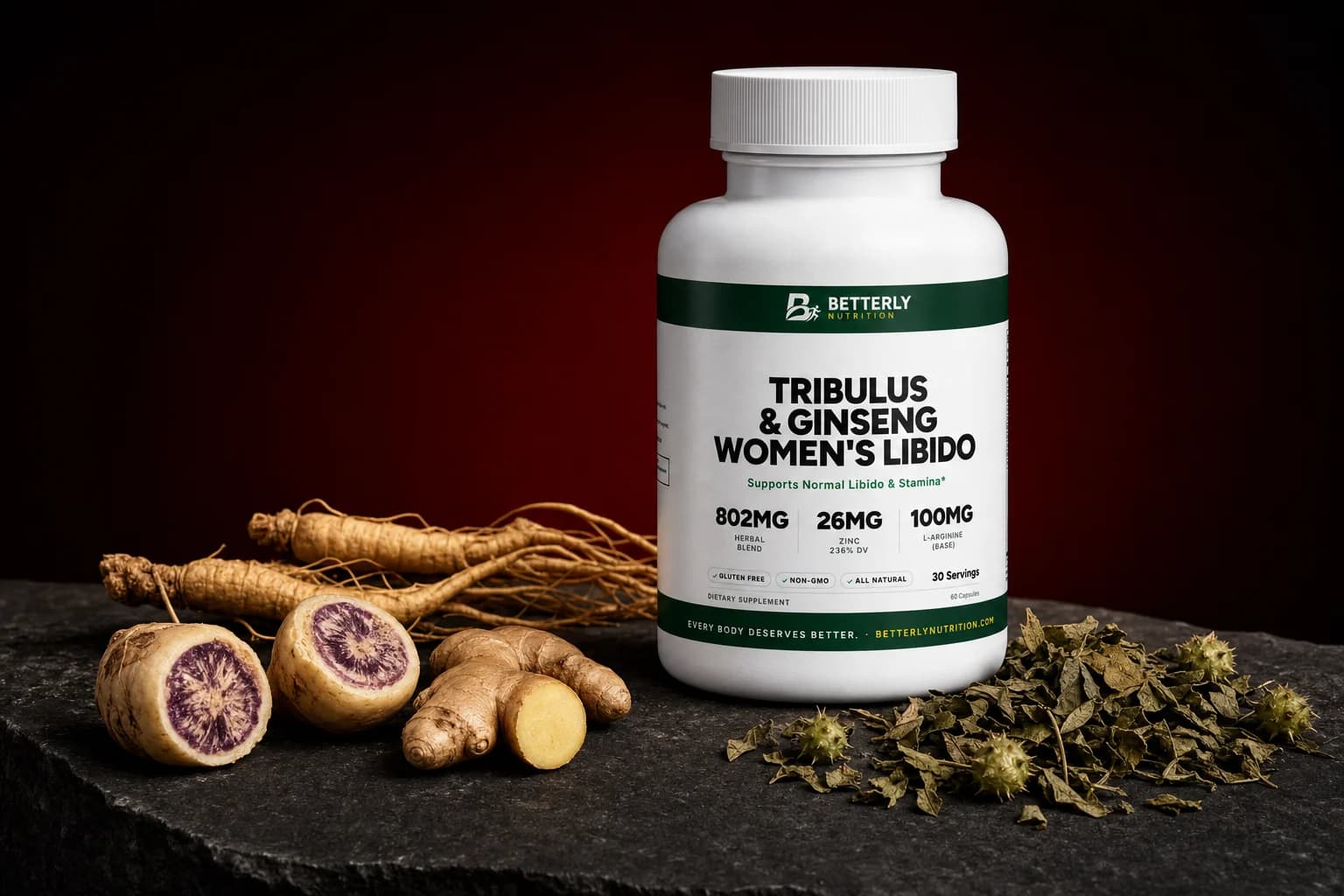
- In our Tribulus & Ginseng Women's Libido Capsules, damiana leaf powder comes seventh in an 802 mg blend, which caps it at about 115 mg per 2-capsule serving.
- Skip damiana if you're pregnant or breastfeeding, and ask a healthcare provider before pairing it with any medicine.
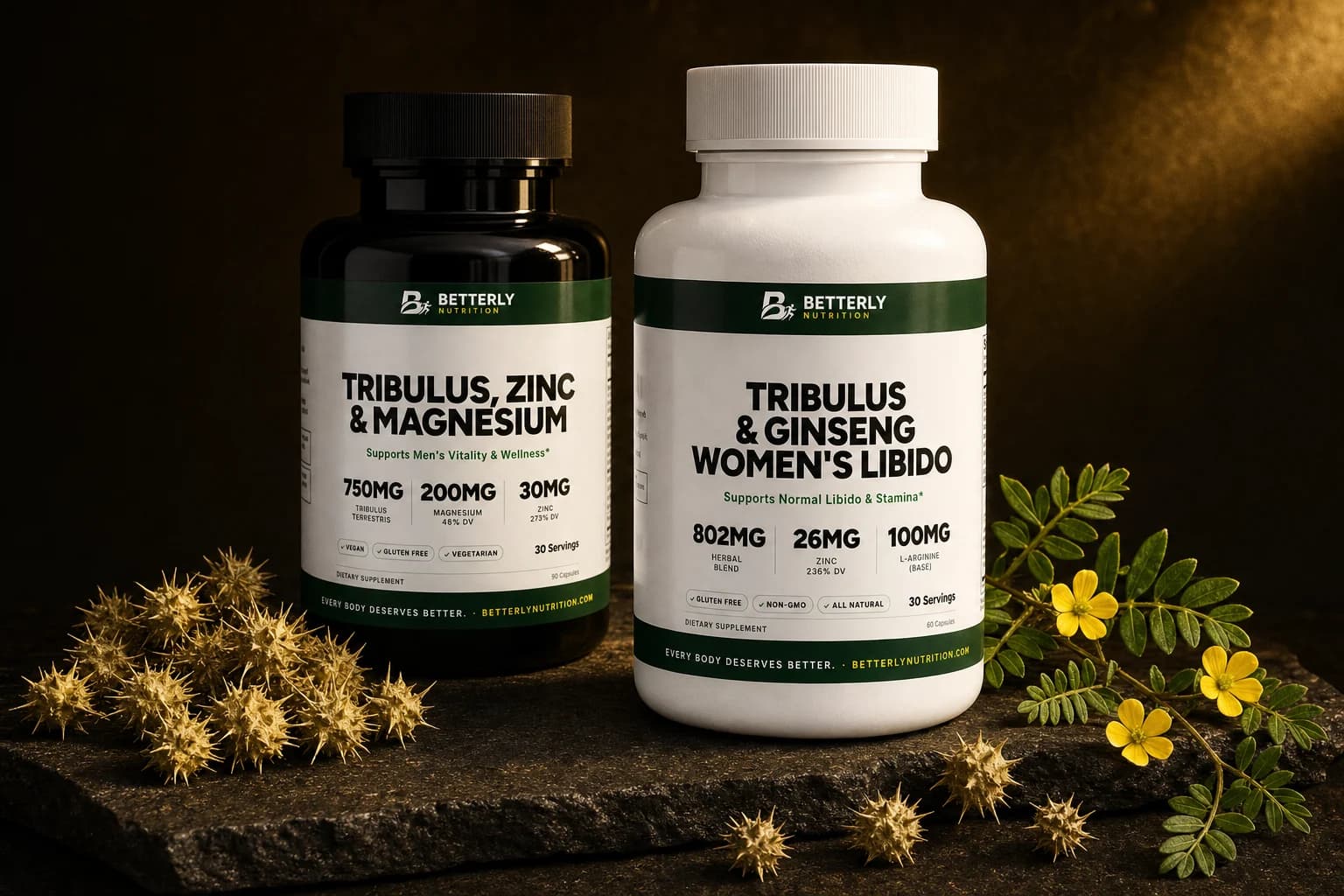
We sell one formula with damiana in it: our Tribulus & Ginseng Women's Libido Capsules. We'll show you where damiana sits on its label and leave the call to you.
What is damiana, and where does Turnera diffusa grow?
Damiana is the common name for Turnera diffusa, a small, aromatic shrub native to the Americas whose dried leaves go into teas, tinctures, capsules and liqueur.
It grows wild from southern Texas and Mexico down through Central and South America and the Caribbean. It's a small, woody plant with a strong, spicy smell.
Its reputation comes from folk practice. A 2014 review of the Turnera genus in the Journal of Ethnopharmacology counts damiana among the most prized plant aphrodisiacs, meaning plants believed to stir desire. The review also lists a long run of other traditional uses across Turnera species.
That reputation even shaped the name. Older texts and some labels call the same plant Turnera aphrodisiaca, or Turnera diffusa var. aphrodisiaca. On a supplement panel, the part used should read "leaf."
In Mexico, damiana also flavors a liqueur that some bars mix into margaritas, but this guide sticks to supplements.
What does research say about damiana benefits?
Research on damiana benefits is limited: most studies tested extracts on cells or animals, and the human trials we found mixed damiana with other active ingredients.
The 2014 review by Szewczyk and Zidorn gathered traditional uses and lab findings for damiana and its Turnera relatives. It found that most of those activities had been studied only in chemical, cell-based or animal tests. The human work it described used products that held other potentially active ingredients alongside damiana.
Why does that gap matter? The NIH Office of Dietary Supplements (ODS) answers it in its botanical background fact sheet: research in people is the most direct evidence of what an herb does, and it's especially important for complex products with many ingredients.
| Kind of evidence | What we found | What it can't tell you |
|---|---|---|
| Traditional use | A long reputation as an aphrodisiac | Whether it works, or how much to take |
| Lab and animal studies | Extracts tested on cells and in animals | What a capsule does in a person |
| Human trials of formulas | Damiana mixed with other herbs and nutrients | Which ingredient did what |
| Human trials of damiana alone | None we could find | What the herb does in people by itself |
Read top to bottom, the table shows a pattern: the evidence that says the most about people is the thinnest for damiana, and the bottom row is empty.
Are there damiana benefits for women?
Damiana benefits for women haven't been shown for the herb alone, because the main trial in women tested a multi-ingredient formula.
That trial is a 2001 double-blind study of ArginMax for Women, published in the Journal of Sex & Marital Therapy. It enrolled 77 women over 21 who wanted to improve their sex lives. For 4 weeks, 34 took the formula and 43 took a placebo.
The formula combined ginseng, ginkgo and damiana extracts with L-arginine, vitamins and minerals. The authors reported that more women in the formula group felt their overall sex life had improved, and they noted no significant side effects.
That result has limits. It's one small, short trial, and damiana was one ingredient among many, so its part can't be pulled apart from the ginseng's or the L-arginine's.
Nor is it evidence for any other formula, ours included. Our blend has never been studied, and it prints no amount for any herb inside it. Our label guide to women's libido supplements reads the rest of that panel row by row.
How do damiana tea, tincture and capsules differ?
Damiana tea, tincture and capsules start from the same dried leaf, but they differ in strength and in whether the label can give you an amount.
ODS lays out the common ways herbs are prepared. Tea means steeping leaves in water that's just boiled. A tincture leaves the herb to soak in alcohol mixed with water, and its strength appears as a ratio of dried herb to finished liquid. An extract draws compounds out of the plant with a solvent like water or alcohol, and the result is used as a liquid or dried down for capsules.
Those methods don't deliver equal doses. The same ODS page gives an example: the herb in a single cup of tea may fit into just a few teaspoons of tincture, and into less still as an extract.
| Form | What you're getting | How the amount shows up |
|---|---|---|
| Tea | Dried leaf steeped in hot water | Grams of leaf per bag, if printed |
| Tincture | Leaf soaked in alcohol and water | A herb-to-liquid ratio, not milligrams |
| Leaf powder capsule | Ground whole leaf | Milligrams per serving, unless inside a blend |
| Extract capsule | Concentrated leaf extract | Milligrams of extract, sometimes with a ratio |
The takeaway: only a capsule with its own damiana row hands you a number you can check. Tea and tinctures give you a method instead.
So what about damiana tea benefits? We found no trial of the tea by itself, so a cup carries the leaf's reputation and nothing more. Brew it by the steeping directions on the box you bought.
When you compare capsules, check the form as well as the milligrams. "Damiana leaf" and "damiana leaf extract" aren't the same measure, because an extract is concentrated from a larger weight of leaf.
How much damiana does our women's formula contain?
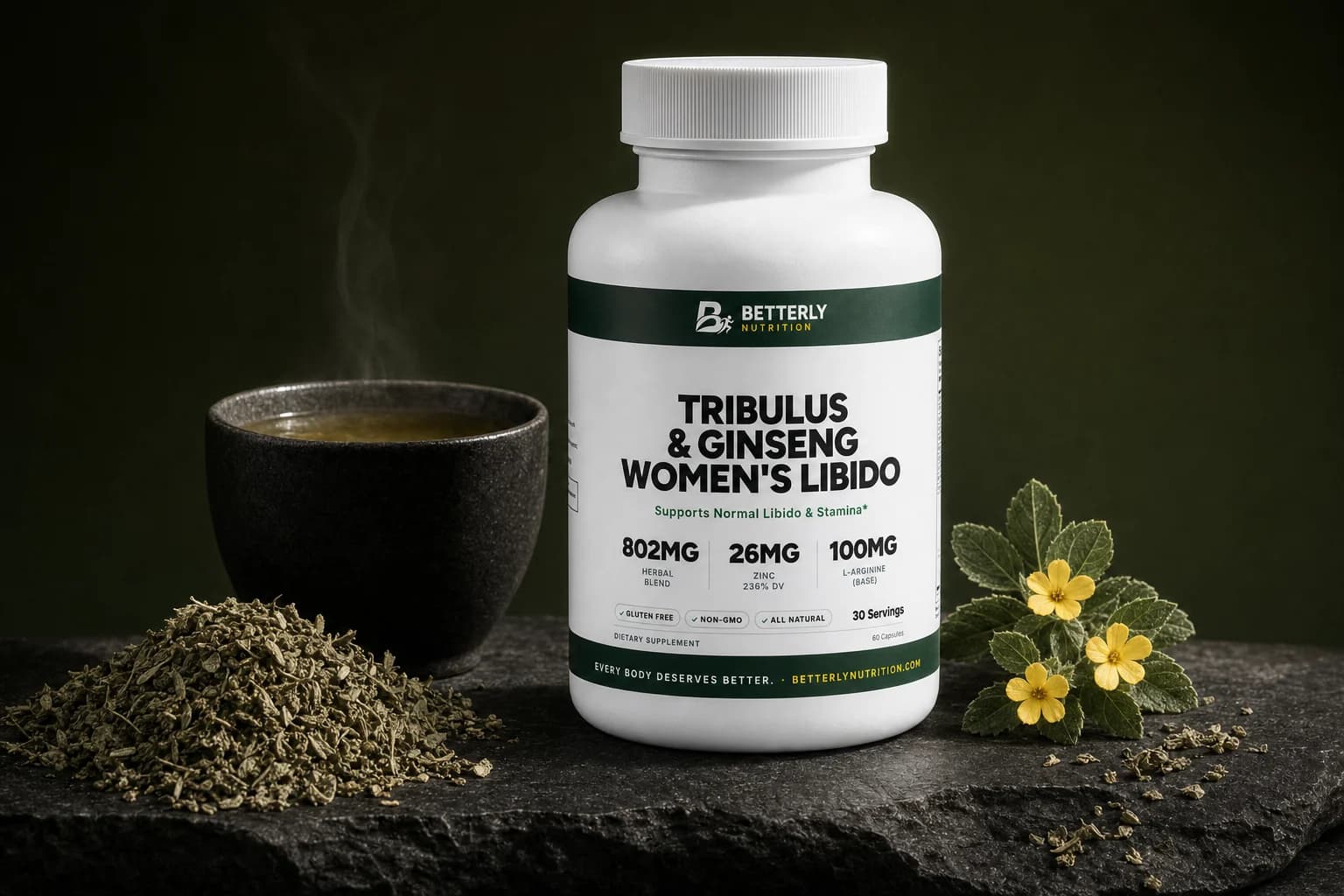
Our Tribulus & Ginseng Women's Libido Capsules hold at most about 115 mg of damiana leaf powder per 2-capsule serving, and the label doesn't state the exact amount.
Damiana is the seventh of the 14 ingredients packed into an 802 mg proprietary blend. Using the ranking method from our proprietary blend explainer, seventh place limits it to one-seventh of 802 mg, or about 115 mg.
Nothing on the panel says how close to that limit it comes. If damiana is the herb you're buying for, that missing number is the weak spot in our label.
The blend uses damiana powder from the leaf, which is ground plant rather than a concentrated extract. The six ingredients listed above it are Epimedium, tribulus, catuaba, dong quai, ginkgo and Asian ginseng.
Outside the blend, the panel prints exact amounts per 2-capsule serving, including 26 mg of zinc (236% of the Daily Value) and 100 mg of L-arginine.
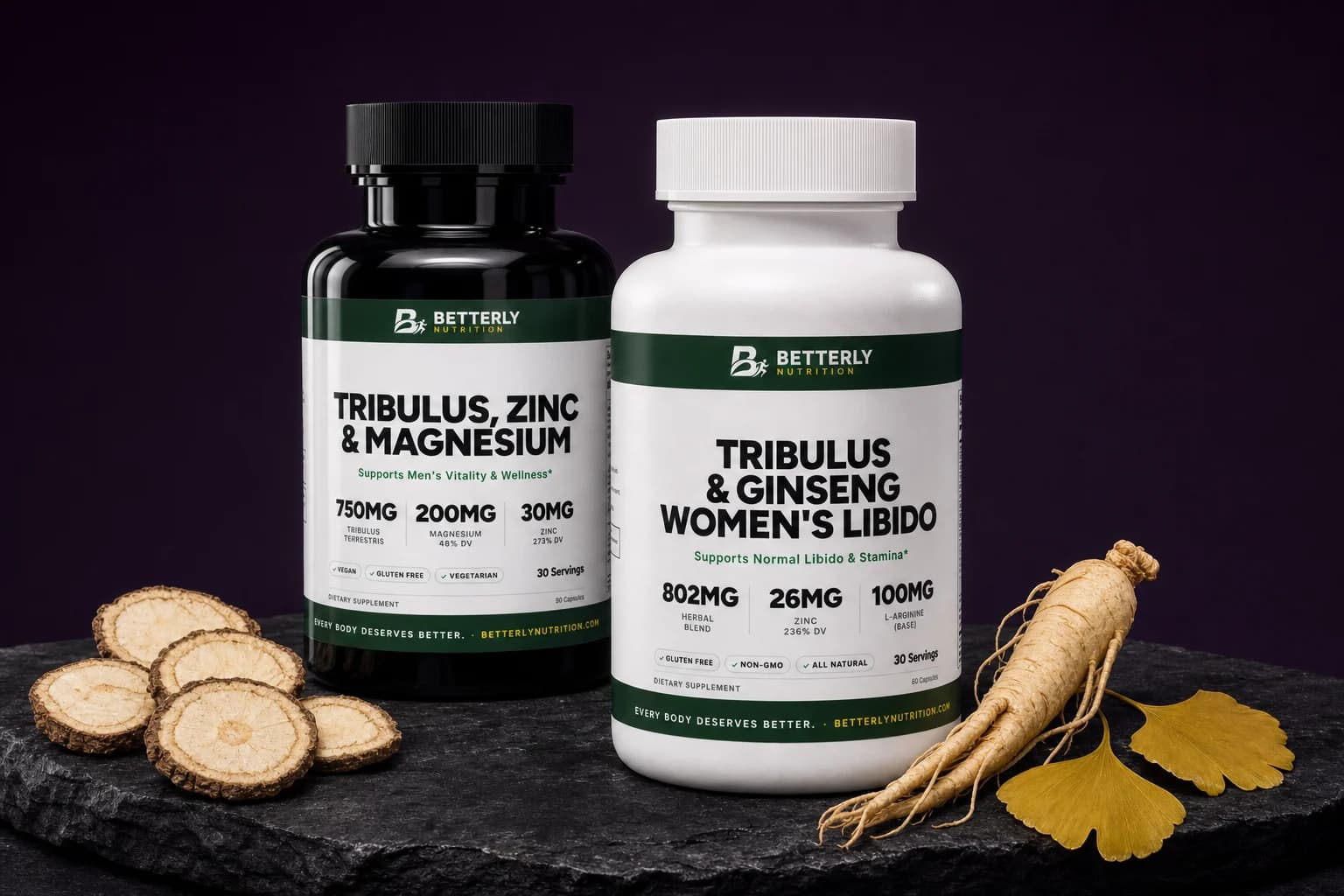
From our shop: Tribulus & Ginseng Women's Libido Capsules — damiana leaf powder is the seventh of 14 ingredients in an 802 mg blend, with 26 mg of zinc and 100 mg of L-arginine printed on their own rows per 2-capsule serving.
What are the side effects of damiana?
Damiana side effects aren't well documented in people; a 4-week trial of a damiana-containing formula noted no significant side effects, which says little about damiana alone.
A clean report from one trial isn't proof of safety. A study of 77 women over 4 weeks is too small and too short to catch rare reactions.
ODS also ties an herb's safety to what's in it chemically, the way it's made into a product and the dose. A strong tincture and a weak cup of tea are different exposures, even when they come from the same plant.
Pregnancy and breastfeeding are the clearest reasons to pass. We found no research on damiana's safety for either, and the 2014 review notes that some Turnera species were used in folk practice to end pregnancies. We wouldn't take it while expecting or nursing.
The rest of the bottle matters too. Damiana often shows up in a blend, ours included, and every extra herb adds cautions of its own. Our libido supplement safety guide walks through the category's bigger risks, such as products found to contain unlisted drug ingredients.
What does our women's blend label say about taking it?
Our Tribulus & Ginseng Women's Libido Capsules label calls for 2 capsules a day with water and tells you not to take more.
In the label's words, you "take two (2) capsules daily with water," and the caution's first line is "Do not exceed recommended dose." There's no timing on the panel, so fit it wherever your routine has room.
Two capsules is the only damiana dose this bottle offers. The herb comes bundled with 13 other blend ingredients, so you can't take a bit more damiana without taking more of everything else.
- One bottle holds 60 capsules, or 30 two-capsule servings.
- Gluten free and non-GMO are the two claims printed on it.
- Rice flour, hypromellose (the vegetable capsule shell), vegetable magnesium stearate and silicon dioxide round out the capsule.
Keep an eye on zinc. Each serving's 26 mg adds to whatever your multivitamin, other supplements and meals supply. The NIH Office of Dietary Supplements consumer page on zinc lists 40 mg a day as the upper limit for adults, and that figure counts every source, medicines included.
When can you skip damiana?
You can skip damiana if you need to know your exact dose, want a guaranteed result, or your current blend already contains it.
- You want a number. Our blend doesn't print a damiana amount.
- You're hoping for a sure thing. The evidence for damiana alone is thin, and no label, ours included, can promise a result.
- Your current supplement already has it. Some libido blends list damiana, so check your panel before adding another.
- You mainly like the ritual. A cup of damiana tea can be a pleasant evening habit, and you don't need a capsule for that.
If you'd rather know every milligram you take, a label with no blend at all serves you better.
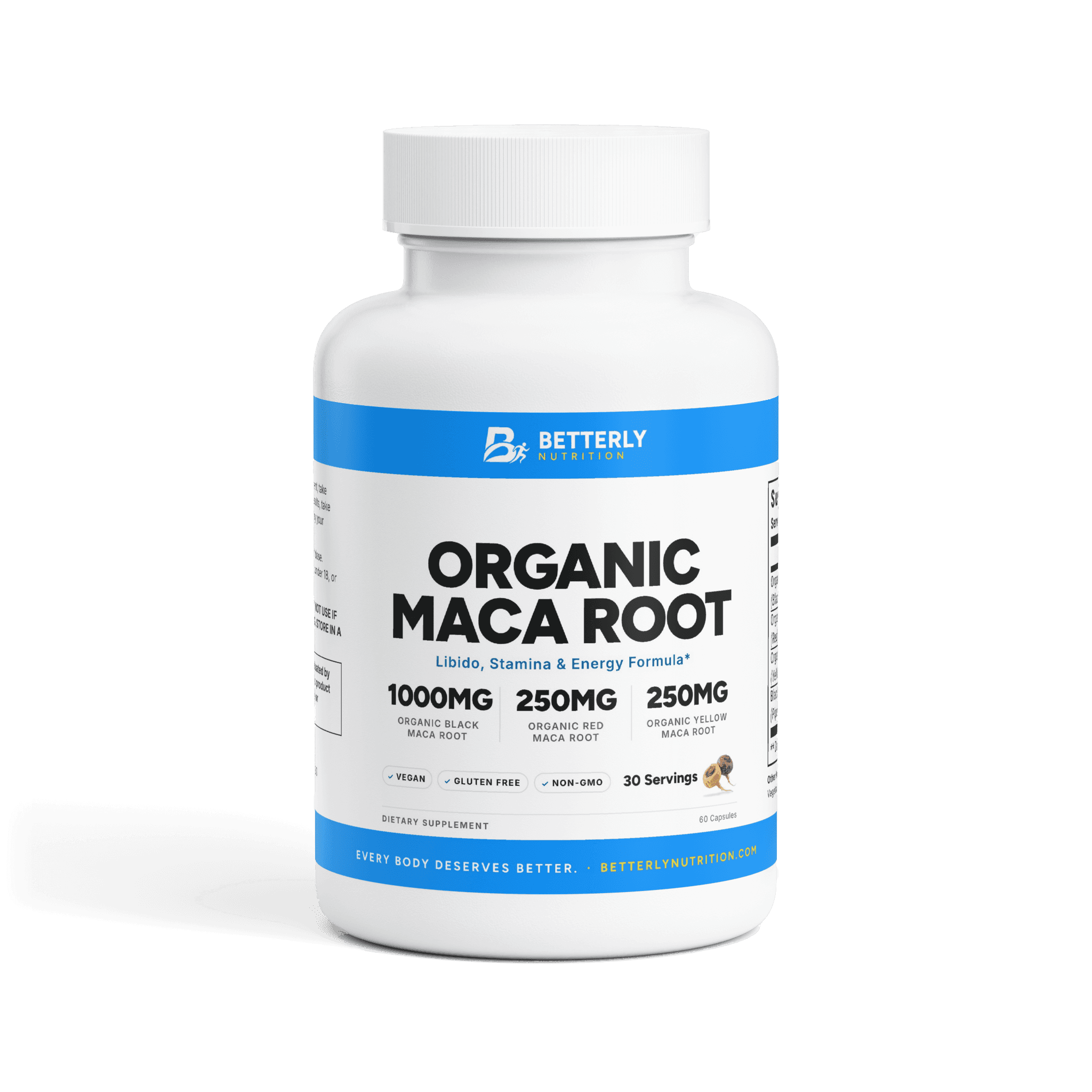
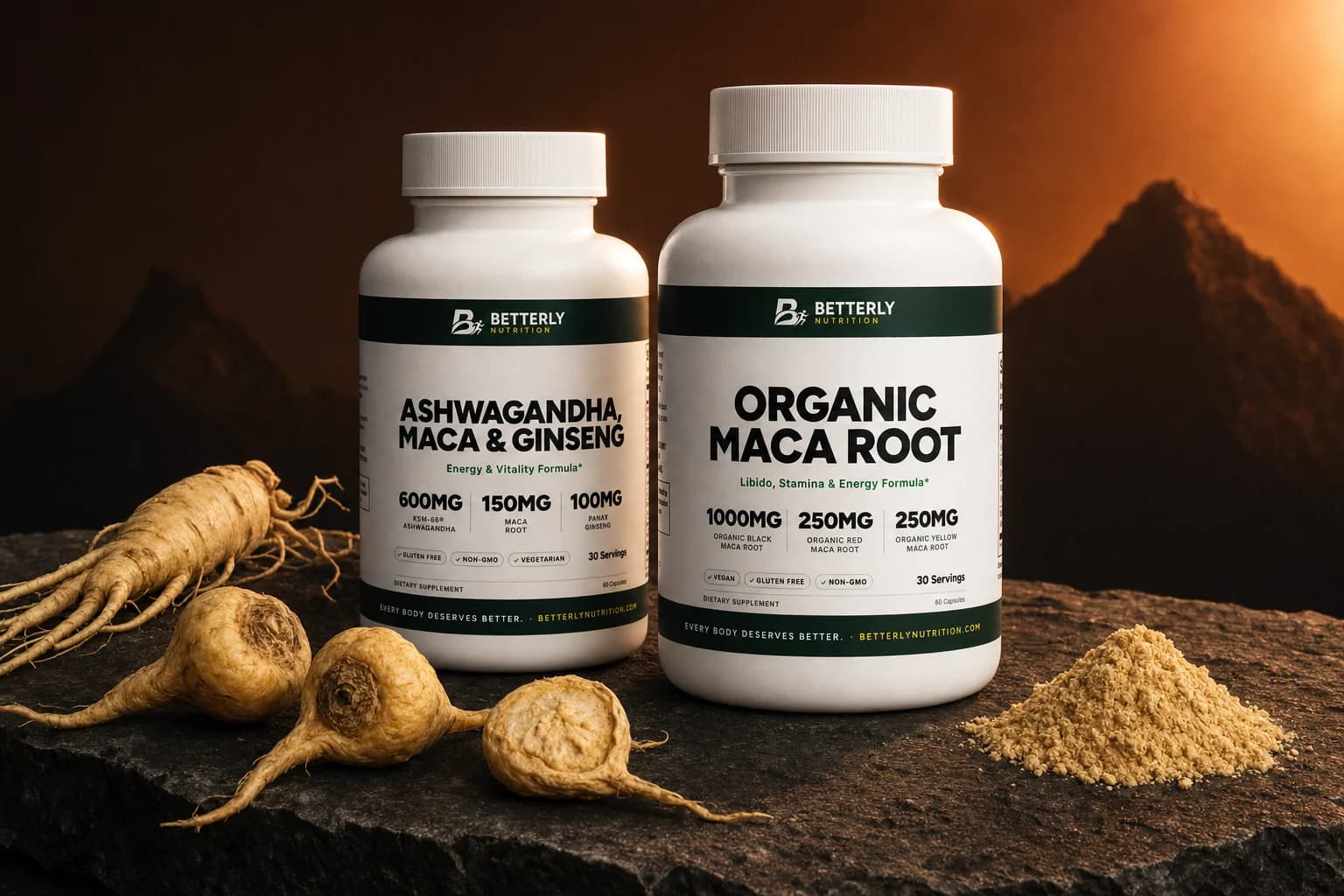
From our shop: Organic Maca Root Capsules — a label that prints every row: 1,000 mg of black maca root, 250 mg each of red and yellow, and 5 mg of black pepper per 2-capsule serving.
Maca isn't a stand-in for damiana, but its panel shows what full disclosure looks like. Our Targeted Support collection puts our libido formulas side by side.
Who should check with a healthcare provider first?
Damiana calls for a word with your doctor or pharmacist first if you're pregnant, breastfeeding, younger than 18, on any medicine, living with a health condition or due for surgery.
Our label's caution reads: "Consult a physician if pregnant, nursing, under 18, or have a medical condition." Damiana's thin safety record is why we add two more groups to that list:
- Expecting or nursing: we found no safety research for you, so we'd leave damiana alone.
- Younger than 18: the caution names you outright.
- Taking any prescription or nonprescription medicine: we found little on damiana's interactions with medicines, so bring the bottle and your full list to a pharmacist.
- Living with a health condition: a 14-ingredient blend is worth going over row by row with your provider.
- Due for surgery: your surgical team should hear about every supplement you take, blend herbs included.
FAQ: damiana
Does damiana have caffeine?
No, damiana doesn't appear to contain caffeine, even though you'll see the claim online. A 2026 paper in Planta Medica traced the caffeine story mostly to miscited and circular references. The authors then tested authenticated damiana with NMR, a lab method that identifies compounds, and found none at a detection limit under 4 mcg per daily serving. If a damiana product feels stimulating, read its label for other ingredients.
Does damiana work for men?
Damiana hasn't been shown to work for men on its own. The human trials we could find enrolled women or mixed groups, and every one tested a formula, so we found no human data on damiana in men specifically. Men searching for damiana get the same honest answer women do: a long folk reputation, some lab signals, and no human trial we could find of the herb by itself.
How long does damiana take to work?
Nobody can say how long damiana takes to work, because there's no reliable evidence that it works on its own. The 2001 women's trial lasted 4 weeks, but it tested a blend, so that isn't a damiana timeline. Our label sets a daily amount, two capsules with water, and no timeline, and we won't make one up. Whether to keep taking it is a good question for your provider.
Is damiana bad for your liver?
We can't say whether damiana is hard on the liver, because we found no human research on that question. The 2014 review we cite above lists liver effects among the activities tested mostly in chemical, cell or animal studies, and those can't predict how your own liver will respond. If a doctor has told you to watch your liver, or you take medicine that affects it, ask before you start any damiana product.
Can you take damiana and maca together?
Damiana and maca already share a label in our women's formula, which lists damiana seventh and maca tenth inside the same 802 mg total. Adding a separate maca bottle means you'd know one of your maca numbers but not the other, so your daily total stays a guess. Before you stack a second product on top of a blend, run both labels past a pharmacist or healthcare provider.
Sources
- Ethnobotany, phytochemistry, and bioactivity of the genus Turnera (Journal of Ethnopharmacology, 2014)
- Botanical Dietary Supplements: Background Information for Consumers (NIH Office of Dietary Supplements)
- A double-blind placebo-controlled study of ArginMax (Journal of Sex & Marital Therapy, 2001)
- Zinc: Fact Sheet for Consumers (NIH Office of Dietary Supplements)
- There Is No Caffeine in Damiana (Planta Medica, 2026)
If this left you looking for somewhere to start, read women's libido blend with damiana leaf — its amounts per serving are listed on the page. For the practical questions this raises, how dosing, sourcing and subscriptions work is answered in one place.