On this page
- Key takeaways
- Why are libido supplements riskier than most supplements?
- What red flags suggest a libido pill isn't what it claims?
- Which herbs in libido blends call for extra caution?
- Are libido supplements safe for women?
- Are libido pills safe for men who take other medicines?
- Are libido supplements safe while pregnant or breastfeeding?
- How do you take a libido supplement by the label?
- When don't you need a libido supplement?
- Who should check with a healthcare provider first?
- FAQ: libido supplement safety
- Sources
The short answer: Are libido supplements safe? Some can be reasonable for healthy adults who follow the label, but this category carries more risk than most. NCCIH warns that products sold for sexual enhancement may hide prescription drug ingredients left off the label. Even honest blends can stack herbs like ginkgo and Asian ginseng, which may affect bleeding. Skip them while pregnant or nursing unless a physician approves, and have a pharmacist check the label first if you take any medicine.
Key takeaways
- NCCIH singles out products promoted for sexual enhancement, weight loss and bodybuilding as the ones that may contain prescription drugs left off the label.
- A panel that gives one total for a "proprietary blend" tells you far less than one that lists every ingredient in milligrams.
- Ginkgo and Asian ginseng, both in our women's libido blend, may affect bleeding, which matters before surgery and alongside a blood thinner.
- Our two tribulus formulas list 26 mg of zinc per 2-capsule serving and 30 mg per 3-capsule serving, and the NIH upper limit for adults is 40 mg daily, counting food and supplements together.
- Don't take a libido supplement while pregnant or breastfeeding unless your physician has said yes.
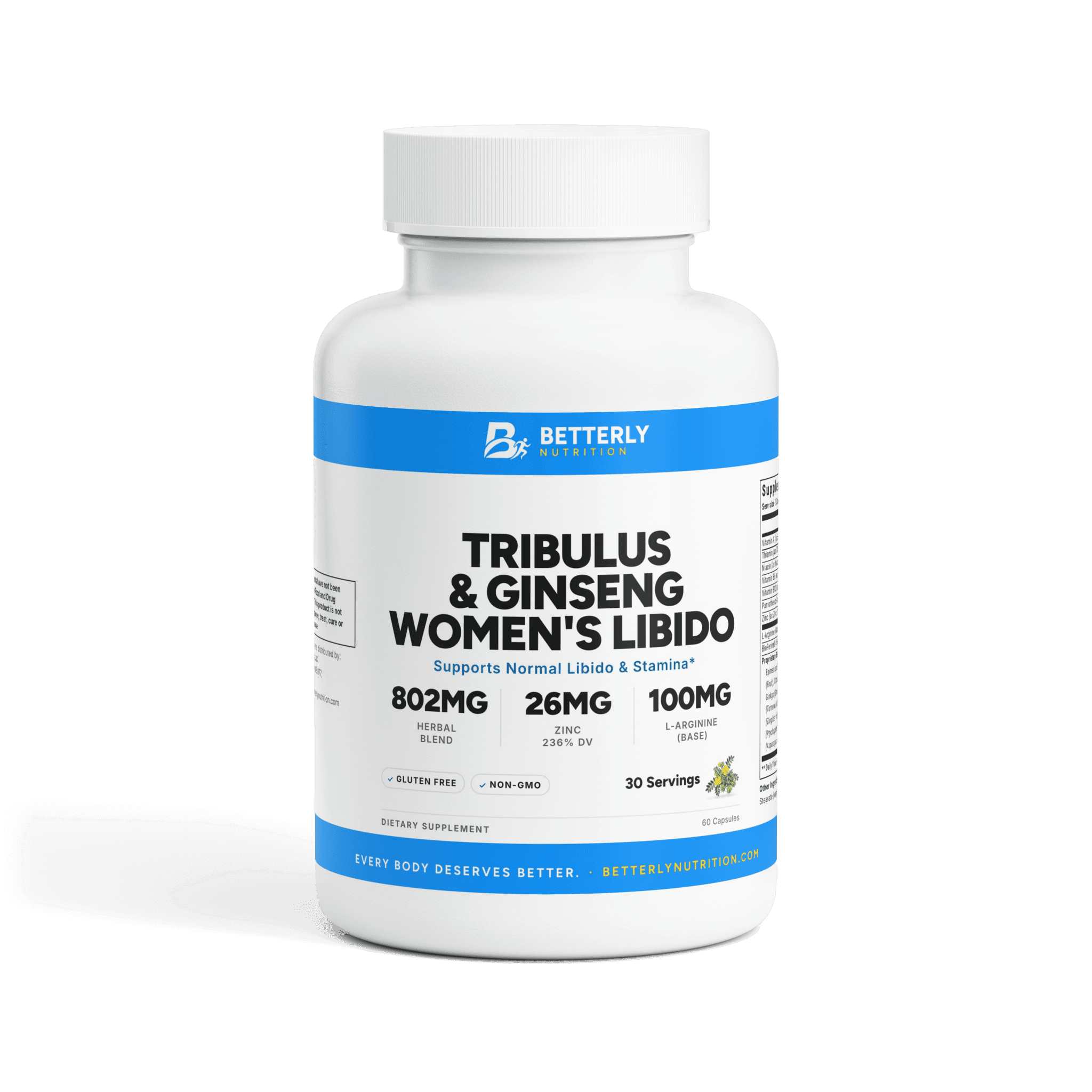
Betterly sells four libido and vitality formulas in our Targeted Support collection, led by our Tribulus & Ginseng Women's Libido Capsules, plus maca and tongkat blends elsewhere in the shop. So we earn money when you decide this category is worth a try, and that's exactly why you shouldn't take our word on safety. Every amount here is copied from our bottles. When we add two labels together, we say so, and our own products get the cautions first.
Why are libido supplements riskier than most supplements?
Libido supplements carry extra risk because sexual enhancement is one of three product types NCCIH flags for hidden prescription drug ingredients that no label discloses.
The National Center for Complementary and Integrative Health (NCCIH) explains this in its guide to using dietary supplements wisely. Products caught carrying prescription drugs, or other ingredients the label leaves out, are mainly ones promoted for weight loss, bodybuilding and sexual enhancement. Some of those hidden ingredients may be unsafe.
NCCIH's clinical digest on supplements marketed for sexual enhancement goes further. It says no complementary approach has been shown to be both safe and effective for sexual enhancement. It calls safety "a serious concern" for these products, and it notes that some combine several ingredients or use excessively high doses.
You can't spot a tainted product from its box, because the drug isn't listed, and NCCIH notes the FDA can't test every supplement that might hide one.
What red flags suggest a libido pill isn't what it claims?
The clearest red flags on a libido pill are drug-style promises, like results within the hour, and packaging that hides what's inside or how much.
| Label signal | Why it matters | Our call |
|---|---|---|
| Promises results within minutes or hours | That's a drug-style promise | Skip it |
| Pitched as a swap for a prescription | Supplement labels can't make drug claims | Skip it |
| One pill in a foil packet, no full panel | Nothing to check before you swallow | Skip it |
| Label mostly in another language | You can't read the warnings | Skip it |
| A "proprietary blend" with one total | Each herb's amount stays hidden | Ask a pharmacist first |
| Two products repeating herbs or zinc | Amounts add up fast | Take one at a time |
The first four rows mean put it down. The last two appear on legitimate labels too, including ours, and call for arithmetic and a pharmacist. As NCCIH notes, claims about fixing a medical problem are reserved for drugs.
Which herbs in libido blends call for extra caution?
Ginkgo and Asian ginseng call for the most caution in libido blends, since NCCIH says both may affect bleeding and both may be unsafe during pregnancy.
NCCIH's herb-drug interaction digest reports that ginkgo taken with the blood thinner warfarin is linked to a higher risk of major bleeding than warfarin alone. Ginkgo's most frequent side effects are dizziness, stomach upset and headache.
The same digest says Asian ginseng (Panax ginseng) appears safe for most people when taken by mouth for up to 6 months in recommended amounts, but its long-term safety is less settled. Trouble sleeping is its most common side effect, and it may interfere with blood clotting. NCCIH also flags open questions about how it mixes with several kinds of prescription medicine.
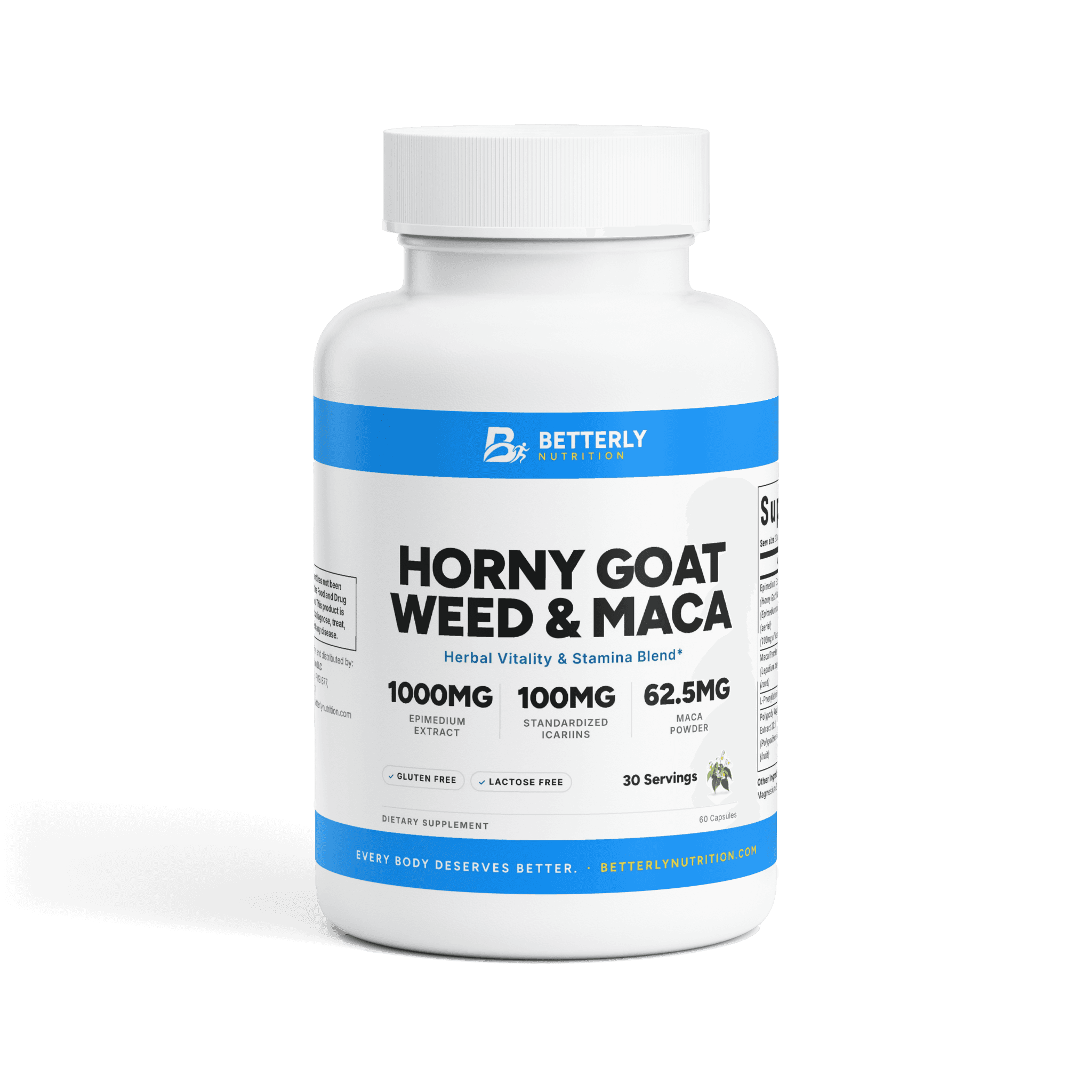
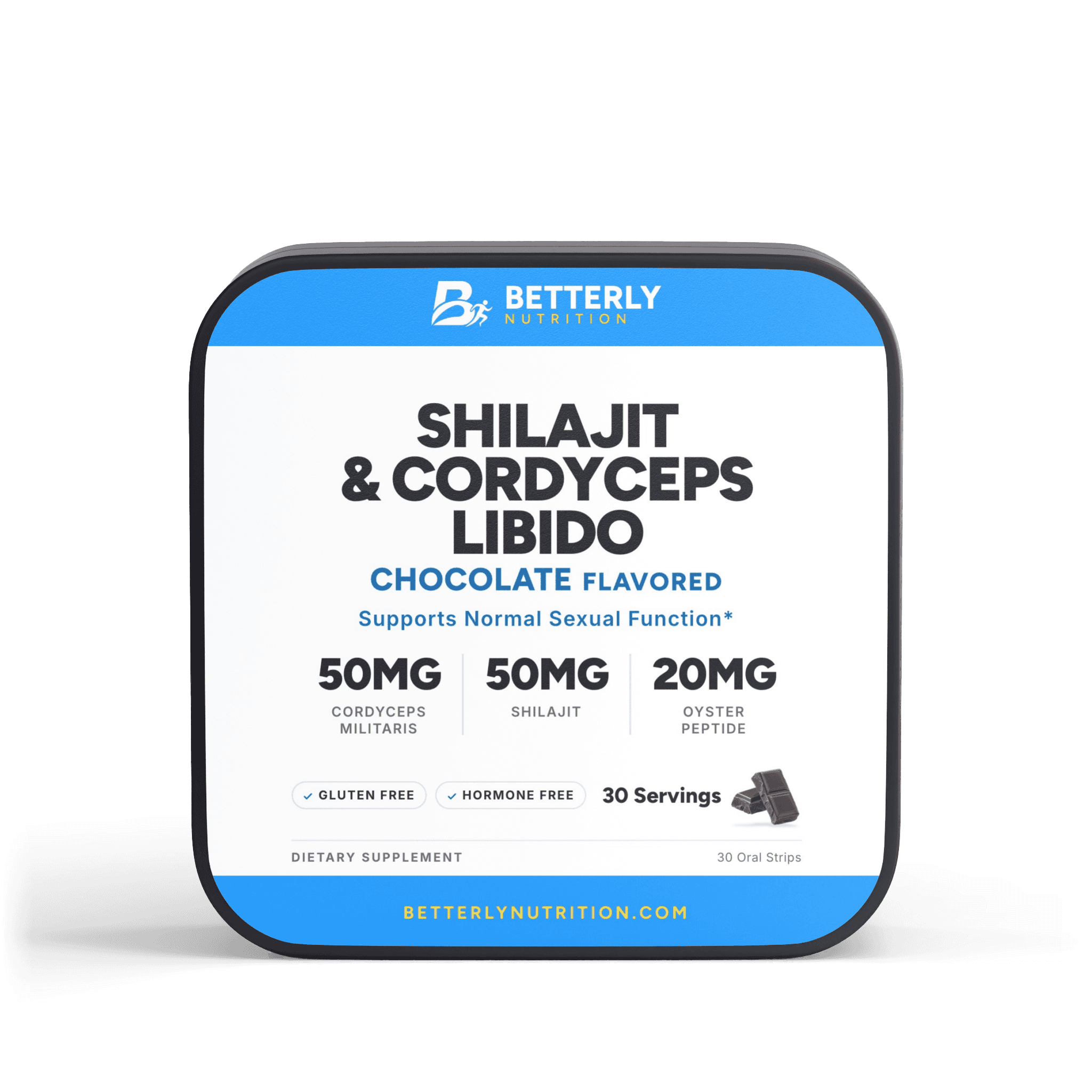
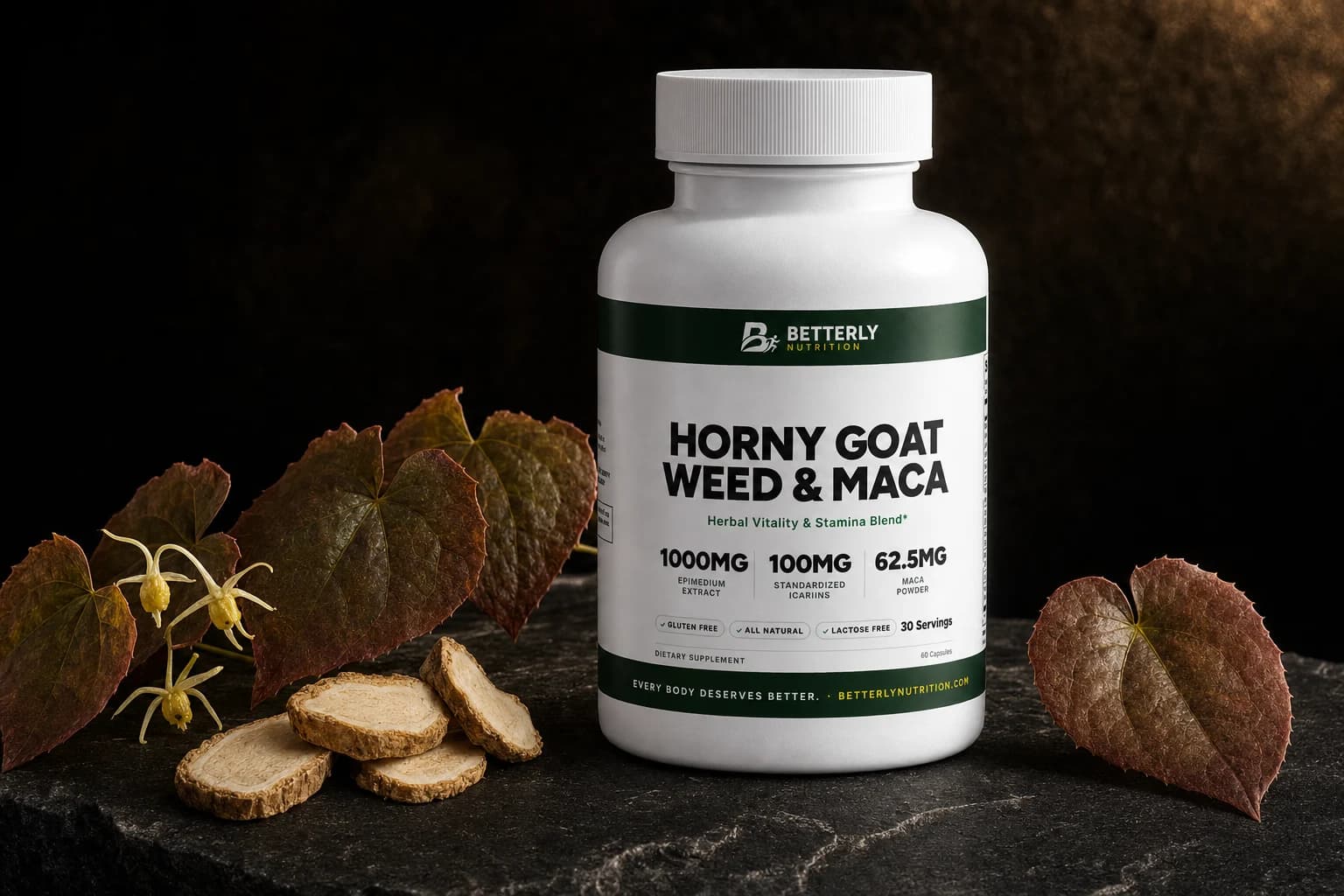
Both herbs sit inside the 802 mg proprietary blend in our women's formula, per 2-capsule serving, with no amount given for either. Our Horny Goat Weed & Maca Capsules list 20 mg of Asian ginseng powder per 2-capsule serving. Our Shilajit & Cordyceps Libido Strips skip both herbs, but each strip holds 20 mg of oyster peptide, and the label lists shellfish.
| Ingredient | In our four libido formulas | Why it gets a second look |
|---|---|---|
| Ginkgo leaf | Women's blend, amount not listed | Bleeding risk with blood thinners |
| Asian ginseng root | Women's blend; 20 mg in Horny Goat Weed & Maca | Clotting, sleep, medicine questions |
| Dong quai root | Women's blend, amount not listed | Amount hidden; little federal safety data |
| Epimedium | 1,000 mg (Horny Goat Weed & Maca), 50 mg (Tribulus, Zinc & Magnesium), undisclosed (women's) | In all three capsule formulas, so it stacks |
| Zinc | 26 mg (women's), 30 mg (Tribulus, Zinc & Magnesium) | 40 mg adult upper limit |
| Oyster peptide | 20 mg per strip | Shellfish allergen |
Our women's formula packs the most interaction-prone herbs into one blend, exactly where the label tells you least. If you take a blood thinner or have surgery coming up, that's the bottle to show a pharmacist first. Ginkgo, Asian ginseng and zinc also turn up in other Betterly products, so check every label you take.
Dong quai (Angelica sinensis) has no NCCIH fact sheet, and neither do the catuaba, damiana and muira puama in the same blend. With no amounts printed and little federal safety data, we won't guess at their risks. Ask your pharmacist about each one by name.
Epimedium, sold as horny goat weed, gets its own side effects breakdown. Shilajit, the other headline on the strips, has a forms and dosing guide.
Are libido supplements safe for women?
Libido supplements for women raise the same hidden-drug and interaction questions as men's products, and our women's label adds one more: most herbs share one undisclosed total.
"Female libido pills" can also mean prescription medicines, a topic for your prescriber. This page covers supplements.
Here's what the women's formula prints per 2-capsule serving:
- An 802 mg proprietary blend of 14 ingredients, starting with Epimedium powder and tribulus extract, with no amount for any single one
- 26 mg of zinc (236% DV) and 100 mg of L-arginine
- 3.8 mg of vitamin B6 (224% DV) and 54 mcg of vitamin B12 (2,250% DV)
- L-phenylalanine inside the blend, relevant for anyone advised to restrict it
That blend is where this label stops helping: you can see ginkgo, Asian ginseng and dong quai, but not whether each is a pinch or a scoop. Our explainer on what a proprietary blend hides covers why brands use them.
Ashwagandha root extract is in there too, and our page on who should skip ashwagandha lists its cautions.
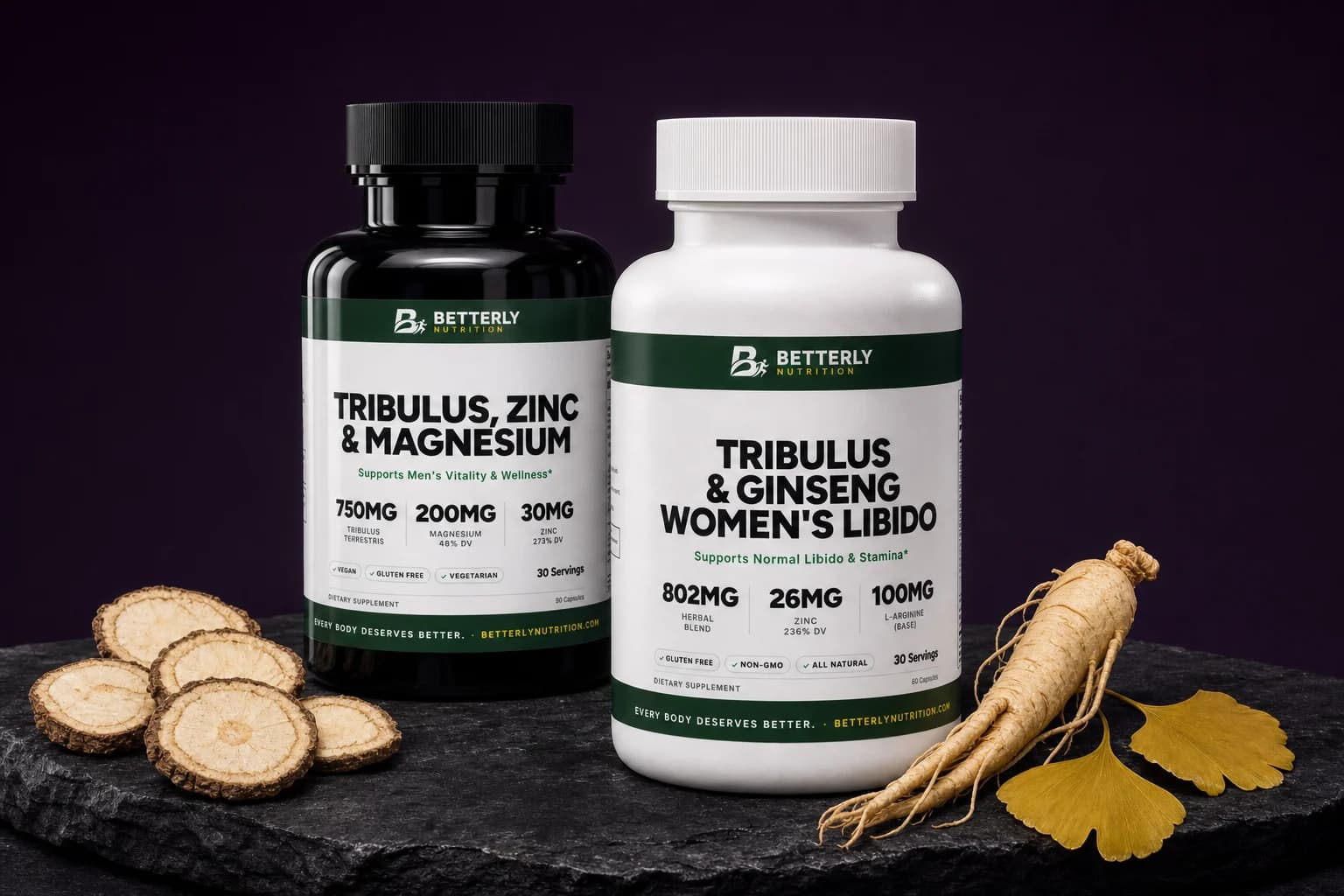
From our shop: Tribulus & Ginseng Women's Libido Capsules — 60 vegetable capsules, each 2-capsule serving holding an 802 mg blend of 14 ingredients plus 26 mg of zinc.
Are libido pills safe for men who take other medicines?
Libido pills can be risky for men on other medicines, because NCCIH says hidden drug ingredients in some sexual enhancement products may interact with nitrate-containing prescriptions.
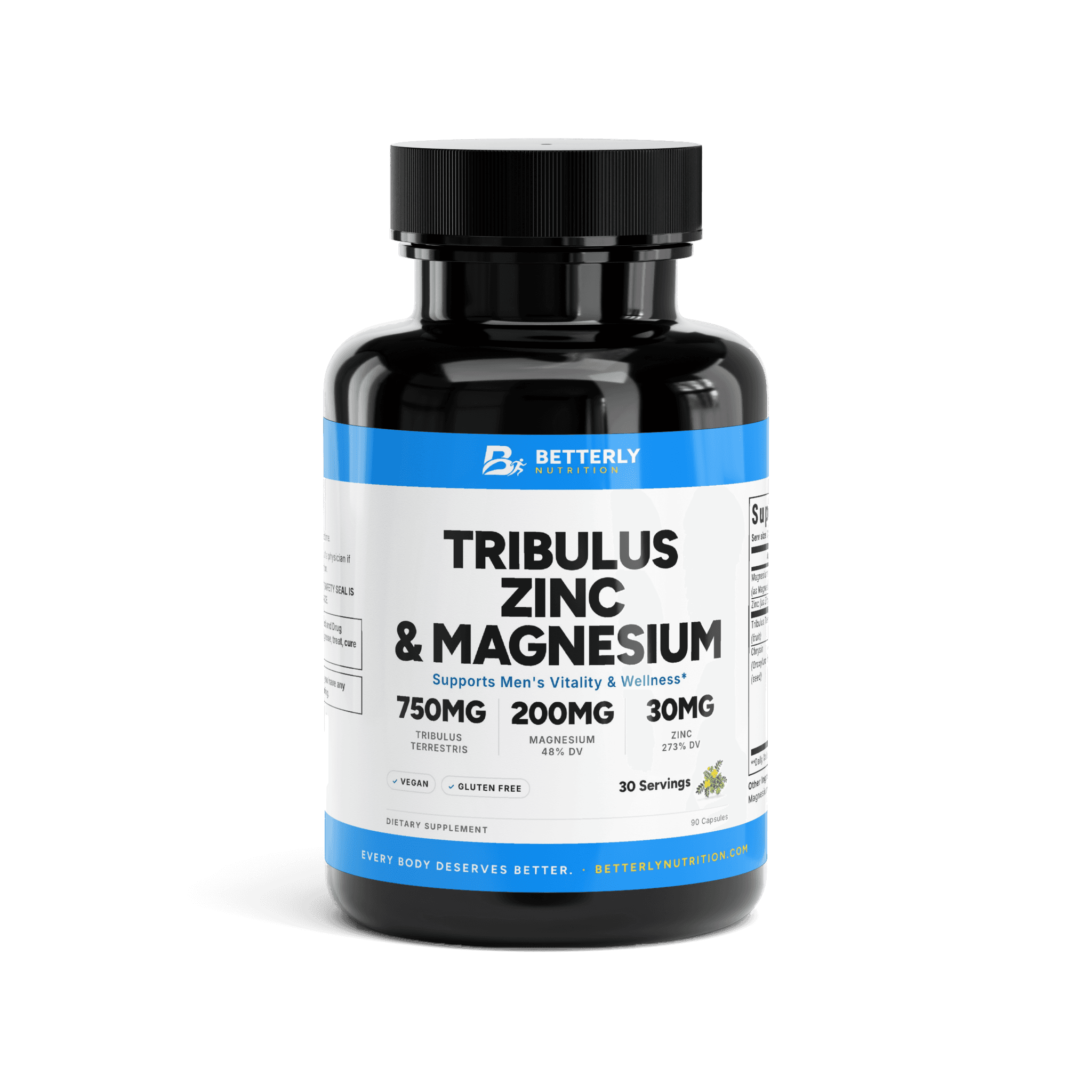
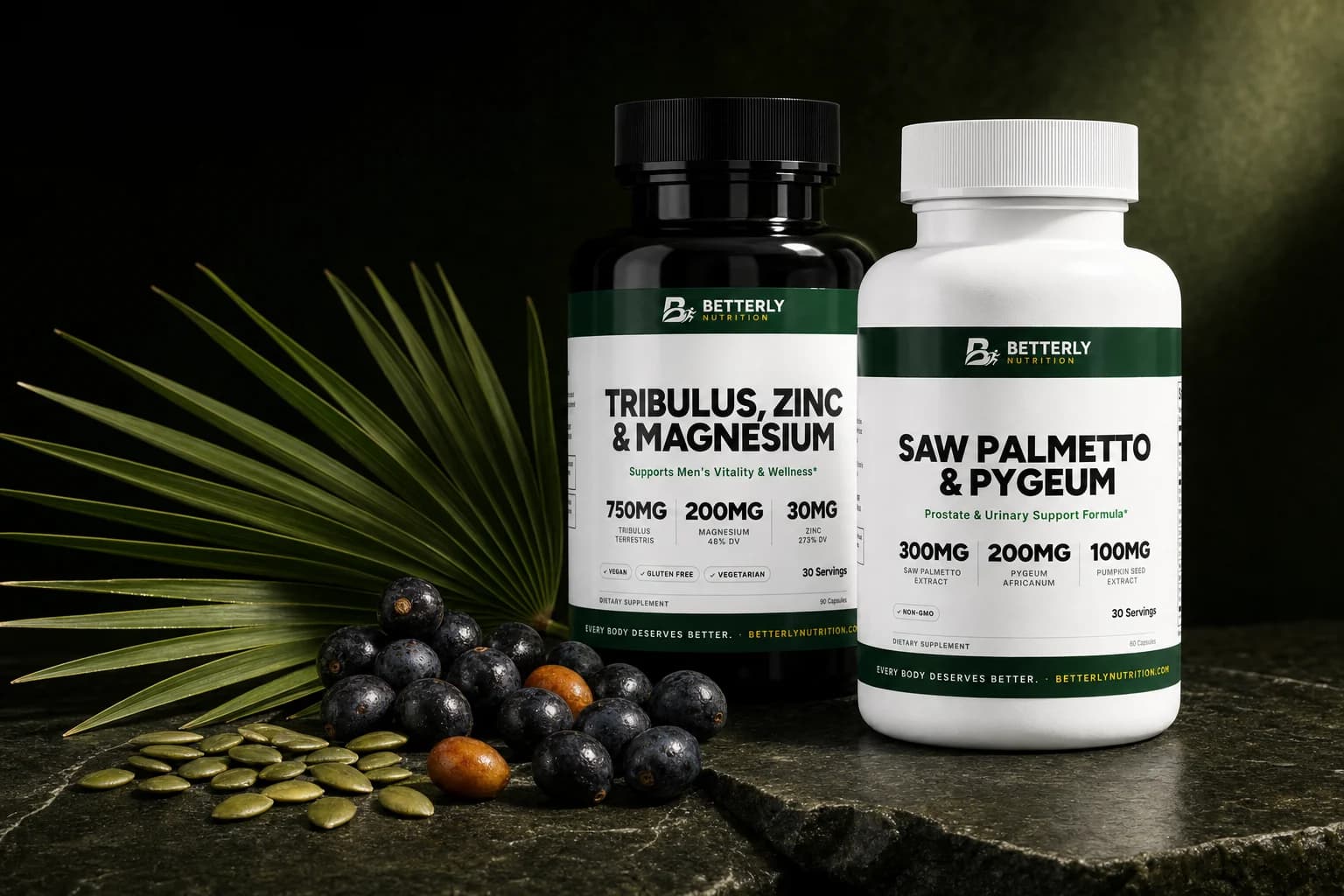
That danger comes from tainted products, but honest labels raise their own interaction questions. Our Tribulus, Zinc & Magnesium Capsules list, per 3-capsule serving, 750 mg of Tribulus terrestris fruit, 30 mg of zinc (273% DV) and 200 mg of magnesium (48% DV). Then come 75 mg of chrysin and 50 mg apiece of Cissus quadrangularis, hawthorn berries, horny goat weed, longjack and saw palmetto berries.
Zinc is the row with the clearest federal guidance. The NIH Office of Dietary Supplements (ODS) zinc fact sheet says quinolone and tetracycline antibiotics might reduce how much of both the zinc and the antibiotic your body absorbs. Its fix is spacing: the antibiotic goes in at least 2 hours ahead of the zinc, or 4 to 6 hours after it.
Saw palmetto has its own cautions, laid out in our saw palmetto side effects guide. If you take any prescription, bring this panel to your pharmacist. Nine ingredients is too many to clear from memory.
From our shop: Tribulus, Zinc & Magnesium Capsules — 750 mg of tribulus and 30 mg of zinc (273% DV) per 3-capsule serving, in vegan capsules the label says to take before bedtime.
Are libido supplements safe while pregnant or breastfeeding?
Don't take a libido supplement while pregnant or breastfeeding unless your physician approves it; our Tribulus, Zinc & Magnesium label rules it out entirely during pregnancy and lactation.
Per NCCIH, plenty of supplements simply haven't been studied during pregnancy or nursing, and it extends that caution to anyone trying to conceive.
Two herbs in our women's blend carry specific pregnancy warnings in NCCIH's interaction digest. Ginkgo might cause early labor or extra bleeding during delivery if used near that time. NCCIH also calls oral Asian ginseng possibly unsafe in pregnancy, noting that one of its chemicals caused birth defects in animals. Little is known about ginkgo while breastfeeding, and some experts advise against Asian ginseng for nursing women.
Our other three libido labels ask for a physician's input during pregnancy or nursing. Read that as "don't start without your doctor's yes," not as fine print.
How do you take a libido supplement by the label?
Take a libido supplement exactly as its label directs, one product at a time, and never above the stated serving.
- Tribulus & Ginseng Women's Libido Capsules: 2 capsules a day, taken with water.
- Horny Goat Weed & Maca Capsules: 2 capsules once a day.
- Shilajit & Cordyceps Libido Strips: 1 strip a day, placed on the tongue until it dissolves.
- Tribulus, Zinc & Magnesium Capsules: 3 capsules, taken before bed.
All four labels add a plain warning: "Do not exceed recommended dose."
Stacking is where legitimate products turn risky, so do the sum before you add a second bottle. Total every ingredient that appears on both panels. Where a blend hides an amount, you can't total it, which is a good reason to stay with one product.
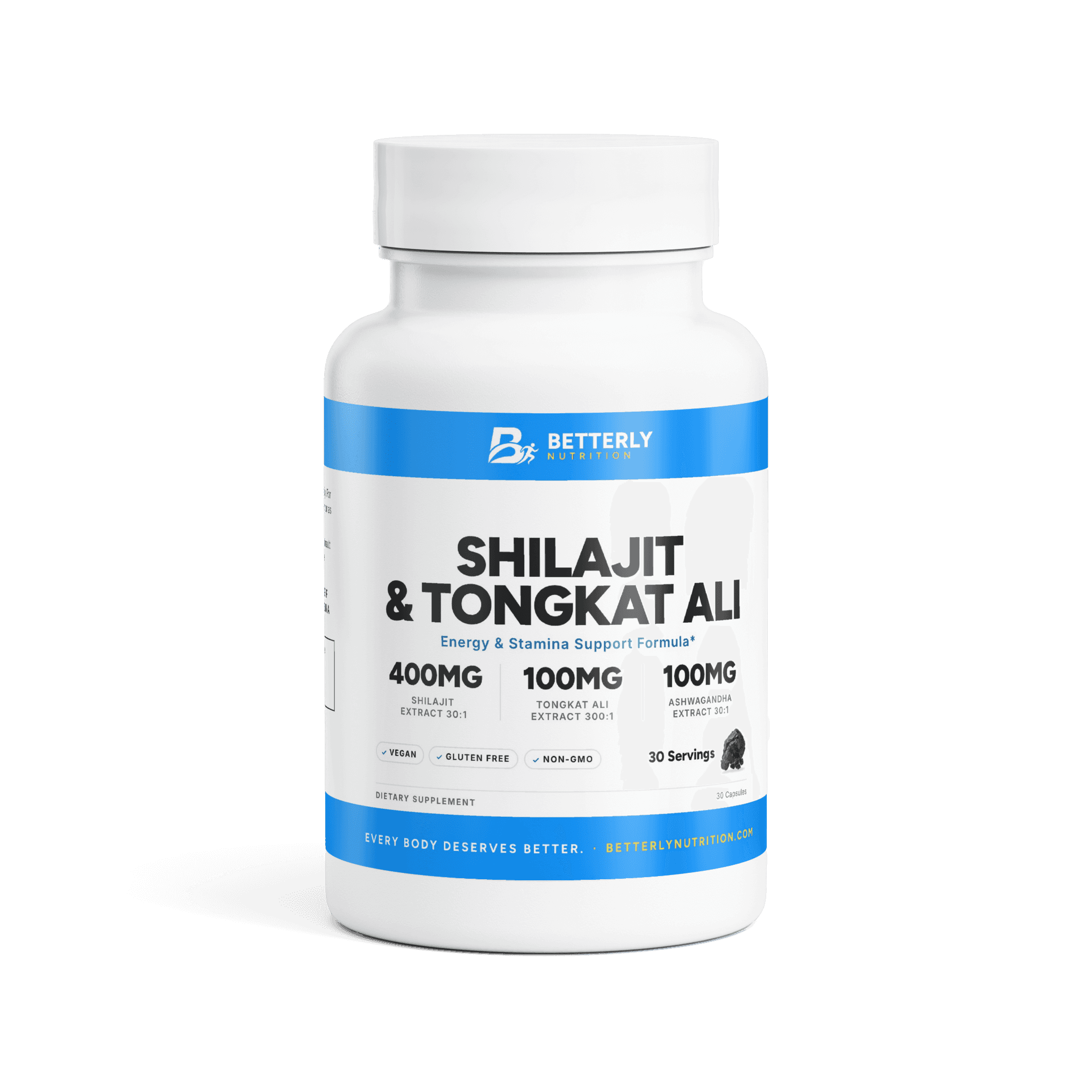
Zinc is the row people miss. ODS sets 40 mg a day as the adult upper limit, counting food, drinks, supplements and medicines, and our two tribulus formulas pass it together before you eat anything. Our Tongkat Ali, Maca & Ginseng Capsules list 50 mg of zinc per 2-tablet serving, above the 40 mg adult upper limit, so we don't recommend them at that dose.
When don't you need a libido supplement?
You don't need a libido supplement when a change in desire is new or unexplained, when you want fast results, or when you'd rather take fewer ingredients.
- The change is new or sudden. See a clinician first.
- You want a quick effect. A product promising speed is making a drug-style promise, the first red flag in our table above.
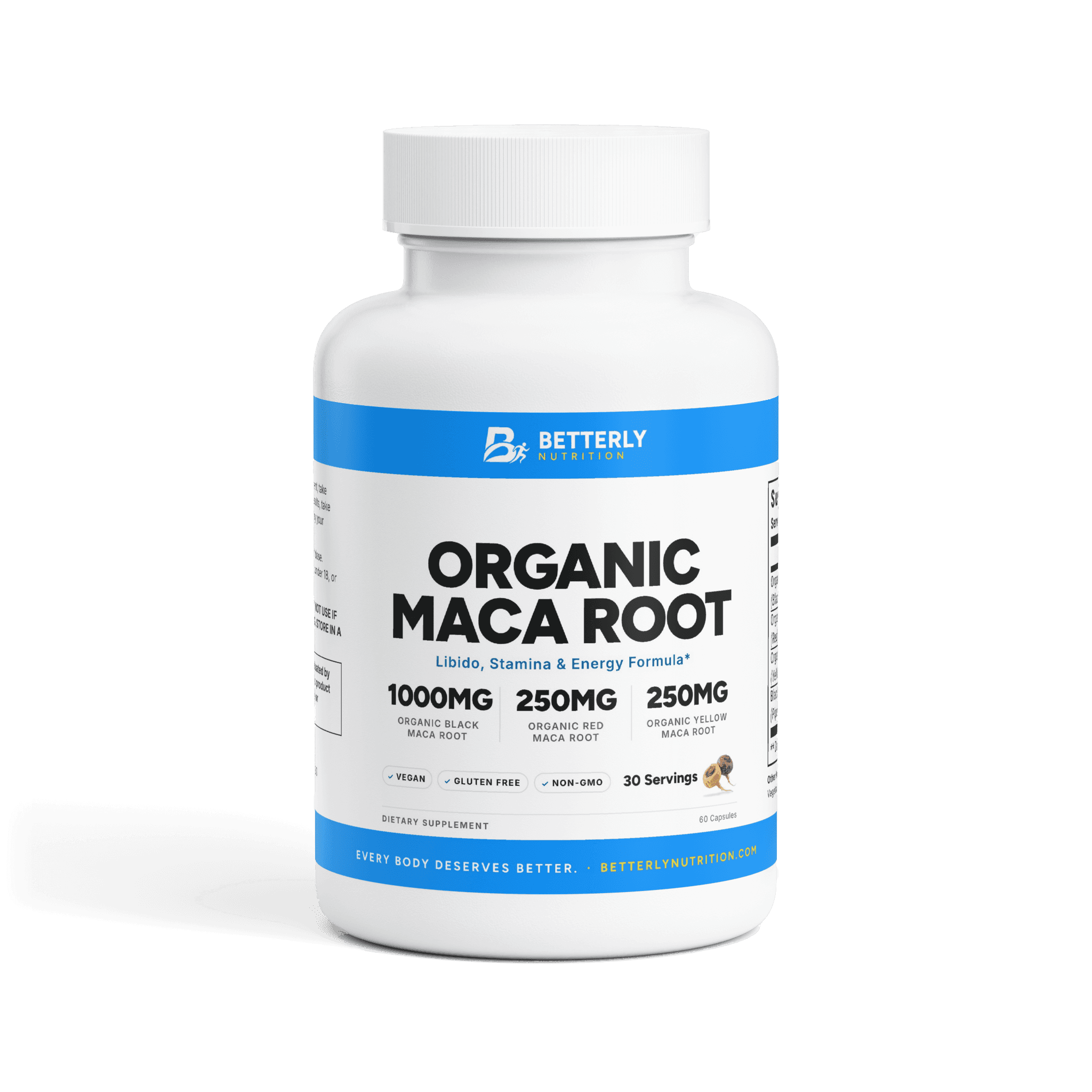
- You'd rather not take 14 ingredients at once. Our strips list three actives, and our Organic Maca Root Capsules list only three maca roots and black pepper per 2-capsule serving. Fewer rows make a pharmacist's check easier, and our Targeted Support collection puts all four libido formulas side by side.
Who should check with a healthcare provider first?
A healthcare provider should weigh in before you try any libido supplement if you take medicine, expect surgery, are under 18, have a health condition, or are pregnant or nursing.
- Pregnant, nursing or trying to conceive: don't start without your physician's approval.
- Under 18: all four labels name under-18s and ask for a physician's input first.
- Taking a blood thinner, an antibiotic or any prescription: ginkgo, ginseng, zinc and hidden drug ingredients are the reasons.
- Surgery ahead: NCCIH says some supplements may raise bleeding risk or alter how anesthesia affects you, so give your surgical team the full list well ahead of time.
- Shellfish allergy: the strips list oyster peptide, and the Tongkat Ali, Maca & Ginseng Capsules list oyster extract.
- Told to limit phenylalanine: Horny Goat Weed & Maca lists 30 mg of L-phenylalanine per 2-capsule serving, and it's also one of the 14 names inside the women's blend.
- Living with a medical condition: all four labels tell you to see a physician before use.
FAQ: libido supplement safety
Are libido boosters safe to take every day?
Libido boosters come with daily directions, but how safe they are over many months is an open question. NCCIH describes Asian ginseng as appearing safe for most people for up to 6 months, and says questions have been raised about longer use. If you plan to take a libido formula for months, tell your provider.
Can libido supplements affect birth control?
St. John's wort and chamomile are the herbs NCCIH's interaction digest ties to birth control pills, and neither is on our four libido labels. The digest says St. John's wort interacts with oral contraceptives, and preliminary studies suggest chamomile might weaken them. A 14-ingredient blend still deserves a pharmacist's check against your prescription before you start.
Are "all natural" libido supplements safer?
No, an "all natural" label doesn't make a libido supplement safer. NCCIH says natural doesn't always mean safe, and that words like "standardized" or "certified" don't necessarily guarantee quality. That holds for our own libido formulas too, so check the panel against your medicines anyway.
Are libido strips safer than capsules?
No, a libido strip isn't safer than a capsule, because ingredients matter more than format. Our Shilajit & Cordyceps Libido Strips list 50 mg of Cordyceps militaris, 50 mg of shilajit and 20 mg of oyster peptide per strip, so the shellfish warning comes along. A strip that dissolves on your tongue still needs the same label check as a pill.
What should you do if a libido supplement makes you feel unwell?
Stop taking the libido supplement and contact your healthcare provider, which is NCCIH's advice for any supplement side effect. Take the product with you so your provider can read its full panel. Our own advice: if symptoms are severe, such as chest pain, fainting or trouble breathing, call 911 or get emergency care.
Sources
- Using Dietary Supplements Wisely (National Center for Complementary and Integrative Health)
- Dietary Supplements Marketed for Weight Loss, Bodybuilding, and Sexual Enhancement: What the Science Says (NCCIH Clinical Digest)
- Herb-Drug Interactions: What the Science Says (NCCIH Clinical Digest)
- Zinc: Fact Sheet for Consumers (NIH Office of Dietary Supplements)
If this left you looking for somewhere to start, read women's libido capsules with tribulus and ginseng — its amounts per serving are listed on the page. For the practical questions this raises, how dosing, sourcing and subscriptions work is answered in one place.