On this page
- Key takeaways
- What saw palmetto side effects do NIH sources report?
- Is saw palmetto safe for men to take long term?
- Does saw palmetto affect hormones or PSA blood tests?
- Is saw palmetto a blood thinner?
- What else in a saw palmetto formula deserves a second look?
- Which other supplements already contain saw palmetto?
- What dose do our saw palmetto labels list?
- When is a saw palmetto supplement the wrong first step?
- Who should avoid saw palmetto, and who should ask first?
- FAQ: saw palmetto side effects
- Sources
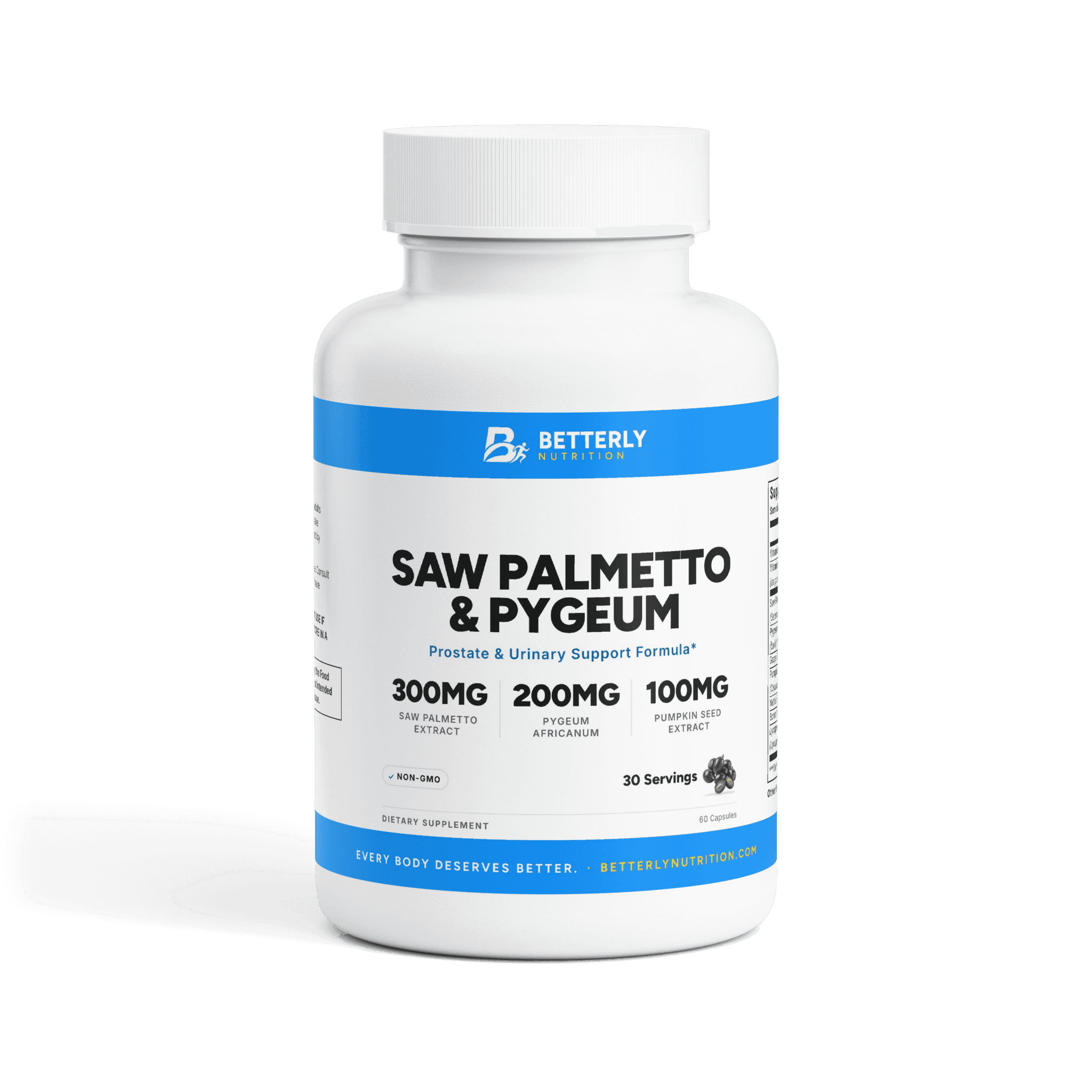
The short answer: Saw palmetto side effects are usually mild and don't happen often. NCCIH lists digestive symptoms, dizziness and headache, and NIH's LiverTox adds nausea, vomiting, constipation and diarrhea. Skip it if you're pregnant or breastfeeding. In a blend like our Saw Palmetto & Pygeum Prostate Capsules, read the other rows too: each 2-capsule serving also holds 13.8 mg of vitamin B6 (812% DV).
Key takeaways
- The National Center for Complementary and Integrative Health (NCCIH) calls saw palmetto well tolerated, with mild, infrequent side effects such as digestive symptoms, dizziness and headache.
- NCCIH says saw palmetto doesn't appear to change PSA blood test readings, but whoever orders your lab work should still know you take it.
- In a multi-ingredient saw palmetto formula, rows like vitamin B6, vitamin E and boron deserve as much attention as the herb itself.
- Several supplements list saw palmetto in small or unstated amounts, so check every label you already take before adding another.
In the interest of openness: we sell the prostate formula linked above, and four more of our labels quietly carry saw palmetto in smaller or unstated amounts. That makes this page a safety audit of our own products, too. When NCCIH or LiverTox doesn't address a question, we'll flag the silence rather than fill it.
What saw palmetto side effects do NIH sources report?
Saw palmetto's reported side effects are mostly digestive, such as upset stomach, nausea, constipation or diarrhea, plus occasional dizziness and headache. Two NIH sources describe them as mild and uncommon.
Saw palmetto (Serenoa repens) is a low, fan-leafed palm native to Florida and the rest of the Southeast. Supplements use extracts or powder from its berries. The NCCIH page on saw palmetto sums up its safety record in one line: "Adverse effects are mild and infrequent; they may include digestive symptoms, dizziness, and headache."
The LiverTox entry on saw palmetto, an NIH database tracking liver effects of drugs and supplements, spells out the digestive side: nausea, vomiting, constipation and diarrhea. It also notes that in most randomized trials, people taking saw palmetto didn't report side effects any more often than people taking a placebo, a look-alike pill with nothing active in it. That's a useful reminder that stomach trouble and headaches turn up even with no herb involved.
Is saw palmetto safe for men to take long term?
Saw palmetto has been used safely in research studies lasting up to 3 years, according to NCCIH. LiverTox adds that long-term use hasn't been tied to raised liver enzymes.
Most of the research NCCIH describes was done in men, so the safety record is largely a male one.
The main caveat involves the liver. Trials that looked for liver injury found little or no sign of it, but LiverTox does record rare case reports, some in people with other possible causes, and rates saw palmetto a possible but rare cause. In those reports, problems started within 1 to 2 weeks of the first dose and cleared up within 1 to 3 months.
Does saw palmetto affect hormones or PSA blood tests?
No NIH source we read shows saw palmetto changing hormone levels in people. NCCIH says it doesn't appear to affect PSA readings, even at higher-than-usual amounts.
The hormone worry comes from how saw palmetto is thought to work. LiverTox explains that its oils and fatty acids are believed to block 5-alpha-reductase, an enzyme that turns testosterone into a related hormone called DHT. That effect has been shown in lab studies, it says, but not in human studies.
PSA, short for prostate-specific antigen, is a protein made by the prostate gland and measured with a blood test. LiverTox agrees with NCCIH here, noting that short-term trials found no effect on PSA levels.
Mention it anyway. Tell whoever orders your blood work, and anyone planning an exam or procedure, about every supplement you take. A photo of the Supplement Facts panel shows them the whole formula, not just the herb on the front.
Some websites list lower libido as a side effect. Neither NCCIH nor LiverTox does, so we can't confirm or rule it out. If you notice a change, stop and ask your provider.
Is saw palmetto a blood thinner?
Neither NCCIH nor LiverTox addresses whether saw palmetto affects clotting, so these NIH sources can't settle it. You'll see the blood-thinner claim repeated online, but a source staying quiet isn't a source saying no. Treat it as an open question.
Vitamin E is a clearer case, because a federal source does address it. Our formula is one of the saw palmetto blends that adds vitamin E: each 2-capsule serving holds 25 mg (167% DV). The NIH Office of Dietary Supplements (ODS) vitamin E fact sheet says vitamin E can raise the risk of bleeding in people taking anticoagulant or antiplatelet medicines. Its adult upper limit for supplemental vitamin E is 1,000 mg a day, far above 25 mg, but the interaction note doesn't name a dose. ODS adds that some research suggests harm even below that limit, in a study of men taking 180 mg a day of synthetic vitamin E for several years. That's still well above this formula's 25 mg, which is also synthetic.
The formula's 100 mg of grape seed extract is one more botanical your pharmacist should see. If you take any medicine that affects clotting, or have surgery, dental work or another procedure coming up, ask before you start and ask when to stop.
What else in a saw palmetto formula deserves a second look?
In a saw palmetto blend, the rows beside the herb can matter more than the herb. Ours carries 13.8 mg of vitamin B6 per 2-capsule serving, or 812% of the Daily Value.
| Row on our panel | Per 2 capsules | %DV | Why look twice |
|---|---|---|---|
| Saw palmetto extract (fruit) | 300 mg | Not set | The herb this page covers |
| Pygeum africanum extract (bark) | 200 mg | Not set | NCCIH has no pygeum page |
| Grape seed extract (seed) | 100 mg | Not set | Another herb to disclose |
| Pumpkin seed extract (seed) | 100 mg | Not set | An extract, not whole seeds |
| Nettle extract (leaf) | 50 mg | Not set | Also in three of our other blends |
| Vitamin E (dl-alpha tocopheryl acetate) | 25 mg | 167% | Bleeding note with clotting medicines |
| Vitamin B6 (pyridoxine hydrochloride) | 13.8 mg | 812% | Over Europe's 12 mg adult limit |
| Boron (amino acid chelate) | 10 mg | Not set | Add it up across labels |
| Lycopene 5% (tomato) | 10 mg | Not set | Tomato-derived |
The two vitamin rows are the only ones our sources give limits for, and B6 is the one to watch. The ODS vitamin B6 fact sheet puts the US adult upper limit at 100 mg a day from all sources, well above 13.8 mg. The same page also mentions a stricter figure: in 2023, the European Food Safety Authority set an adult limit of 12 mg a day. At the label's suggested use, this formula alone lands above that European figure.
Why count it? ODS says high amounts of B6 from supplements, taken for a year or longer, can cause severe nerve damage, and that symptoms usually stop once the supplements do. Our guide on how much vitamin B6 is too much works through the totals.
Boron has no Daily Value, so the label can't tell you how 10 mg compares with a typical intake. If another supplement lists boron, show your provider the total.
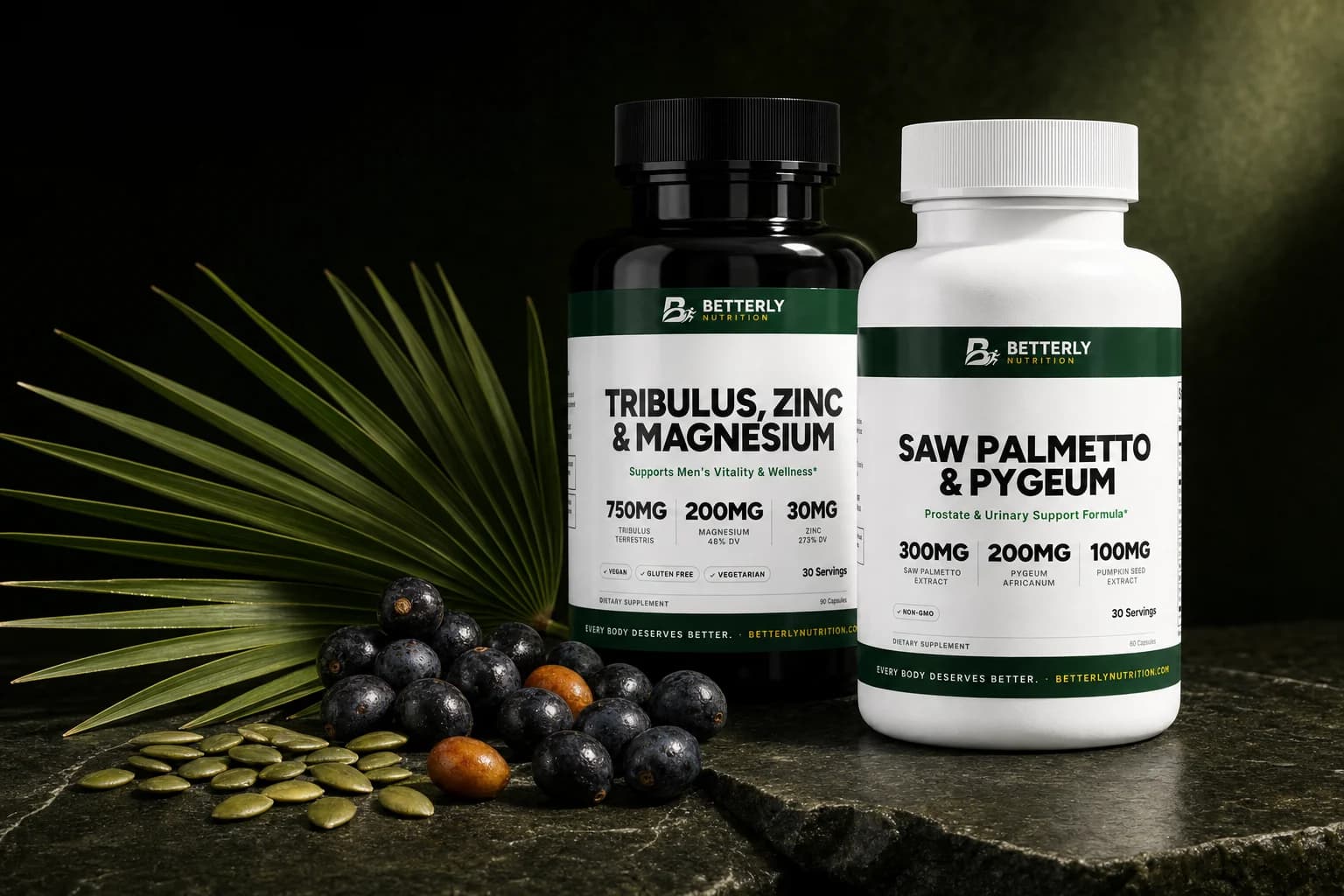
From our shop: Saw Palmetto & Pygeum Prostate Capsules — 300 mg of saw palmetto extract and 200 mg of Pygeum africanum extract per 2-capsule serving, in a non-GMO formula with 30 servings per bottle.
Which other supplements already contain saw palmetto?
Saw palmetto shows up in more formulas than you might guess, including multivitamins, hair capsules and men's blends. In our shop, five products list it, and two don't say how much.
| Product (serving) | Saw palmetto on the panel | Rows worth adding up |
|---|---|---|
| Saw Palmetto & Pygeum (2 capsules) | 300 mg extract | 13.8 mg B6, 25 mg vitamin E, 10 mg boron |
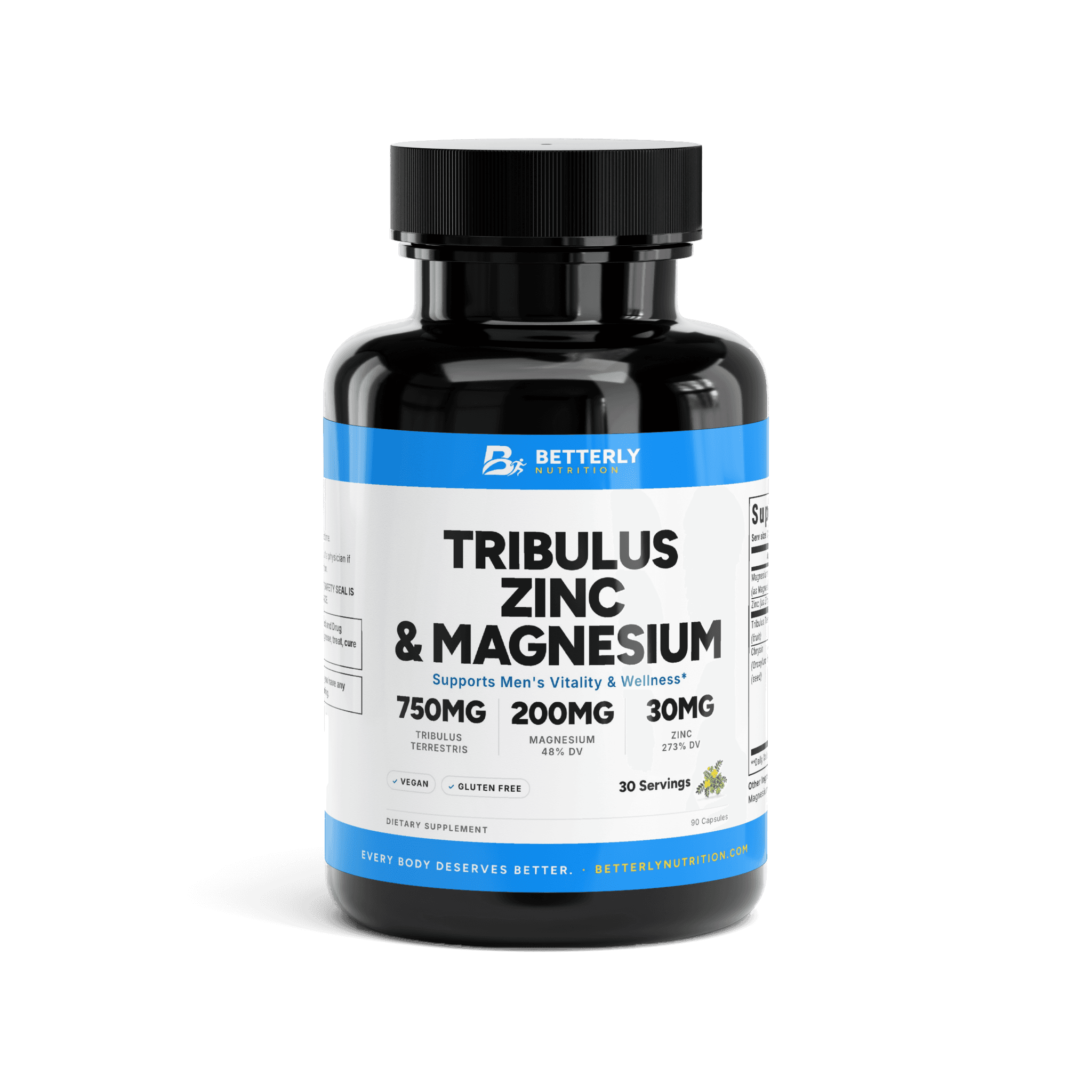
| Tribulus, Zinc & Magnesium Capsules (3 capsules) | 50 mg berries | 30 mg zinc |
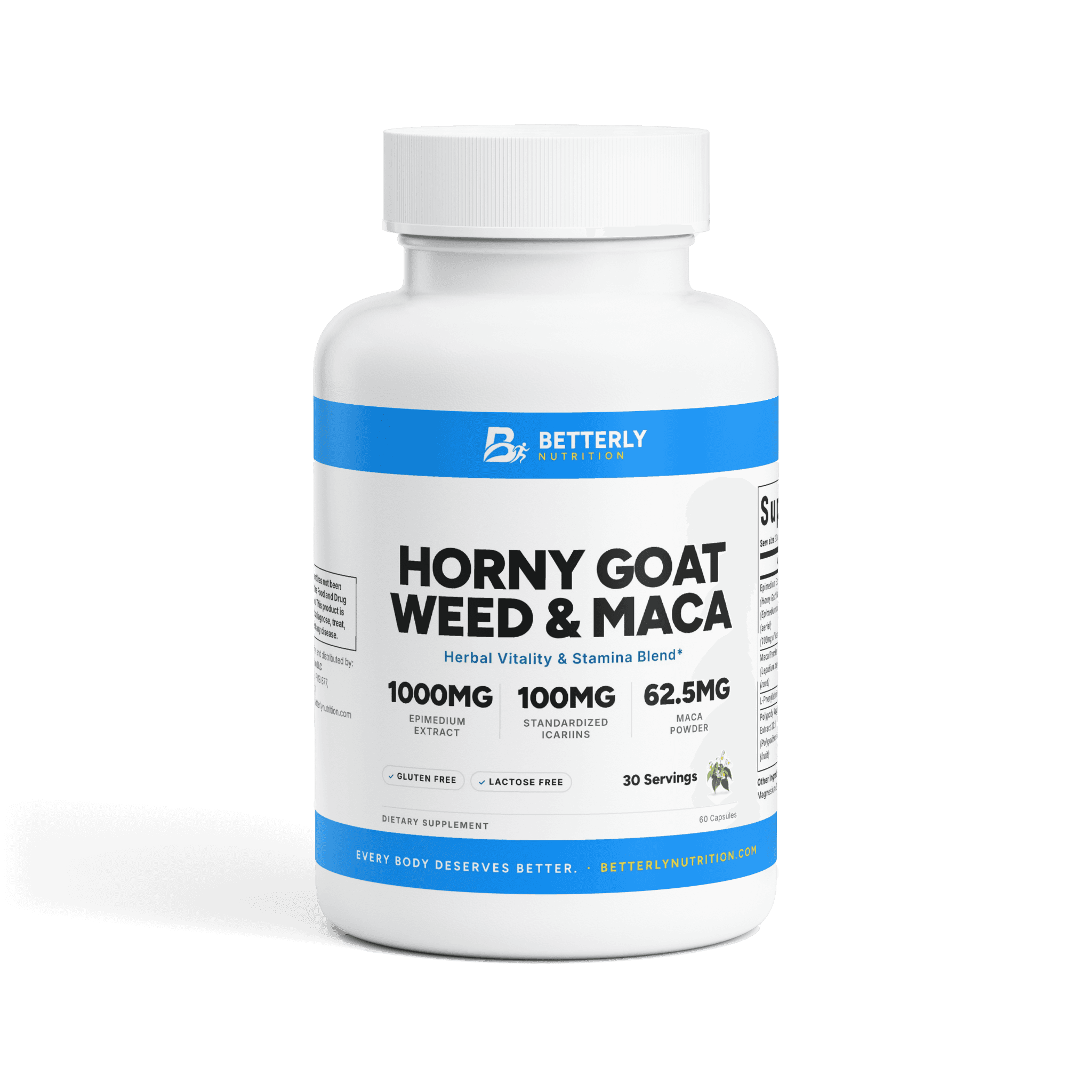
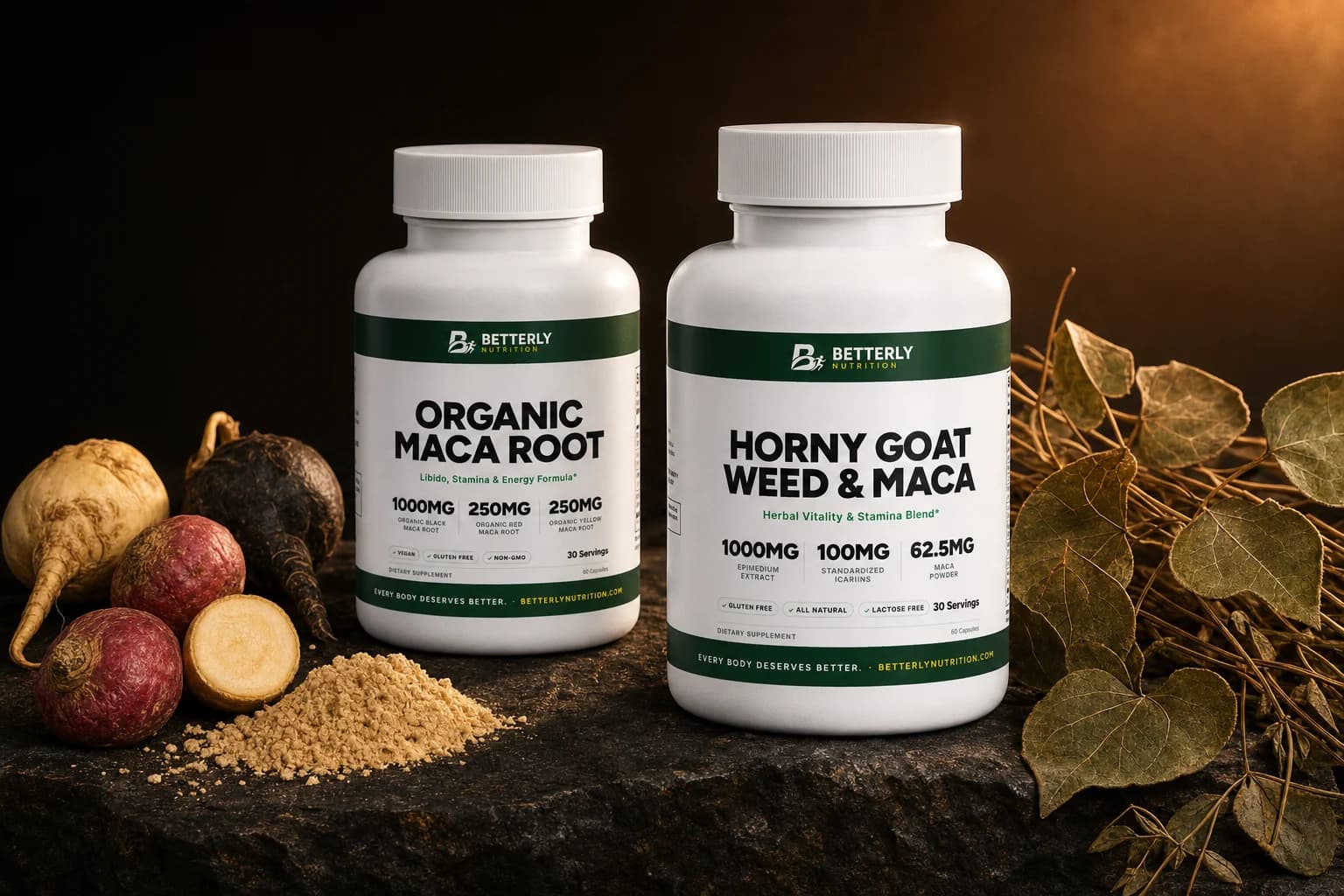
| Horny Goat Weed & Maca Capsules (2 capsules) | 10 mg powder | No B6, vitamin E, zinc or boron rows |
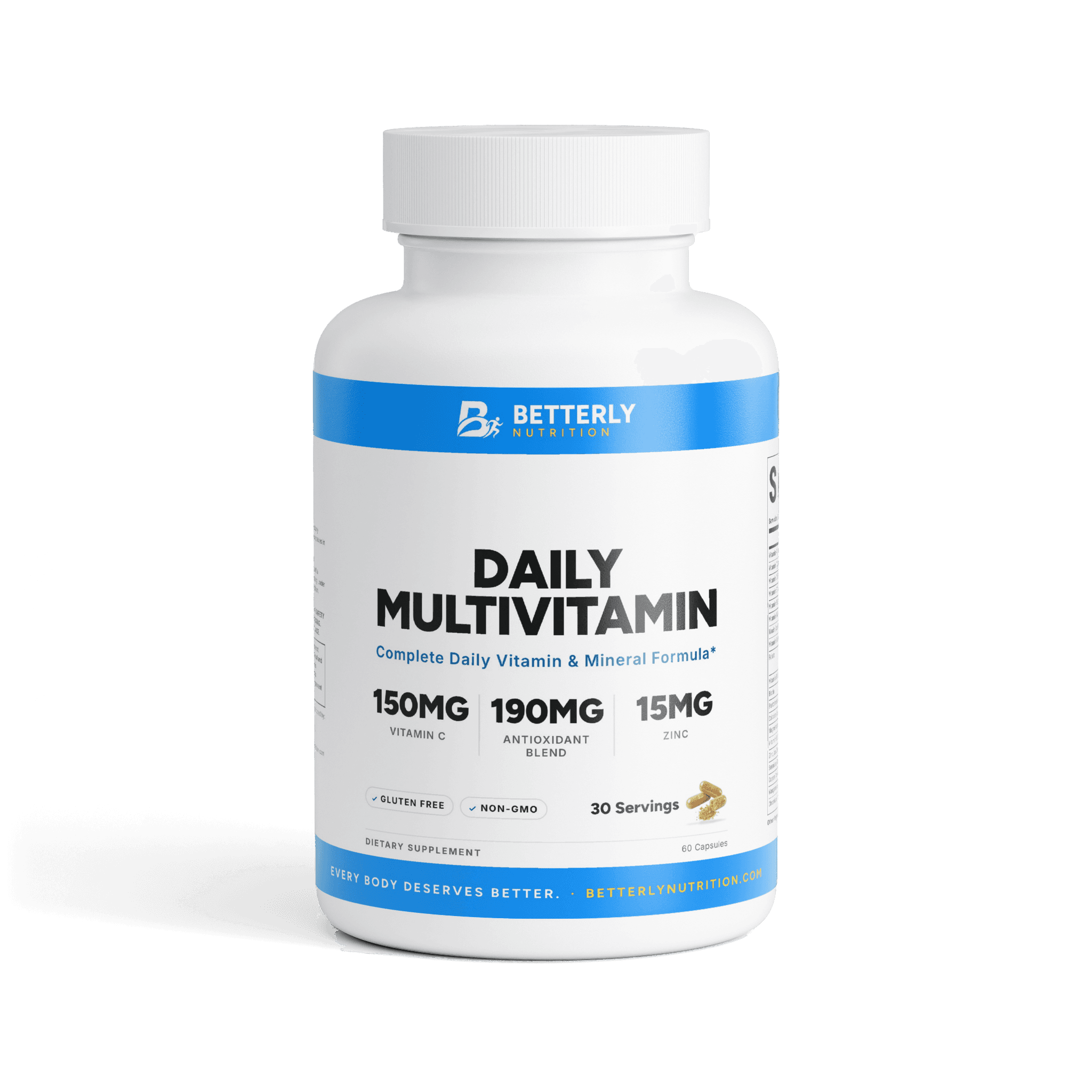
| Daily Multivitamin Capsules (2 capsules) | Unstated share of a 170 mg blend | 7.5 mg B6, 13.5 mg vitamin E, 15 mg zinc |
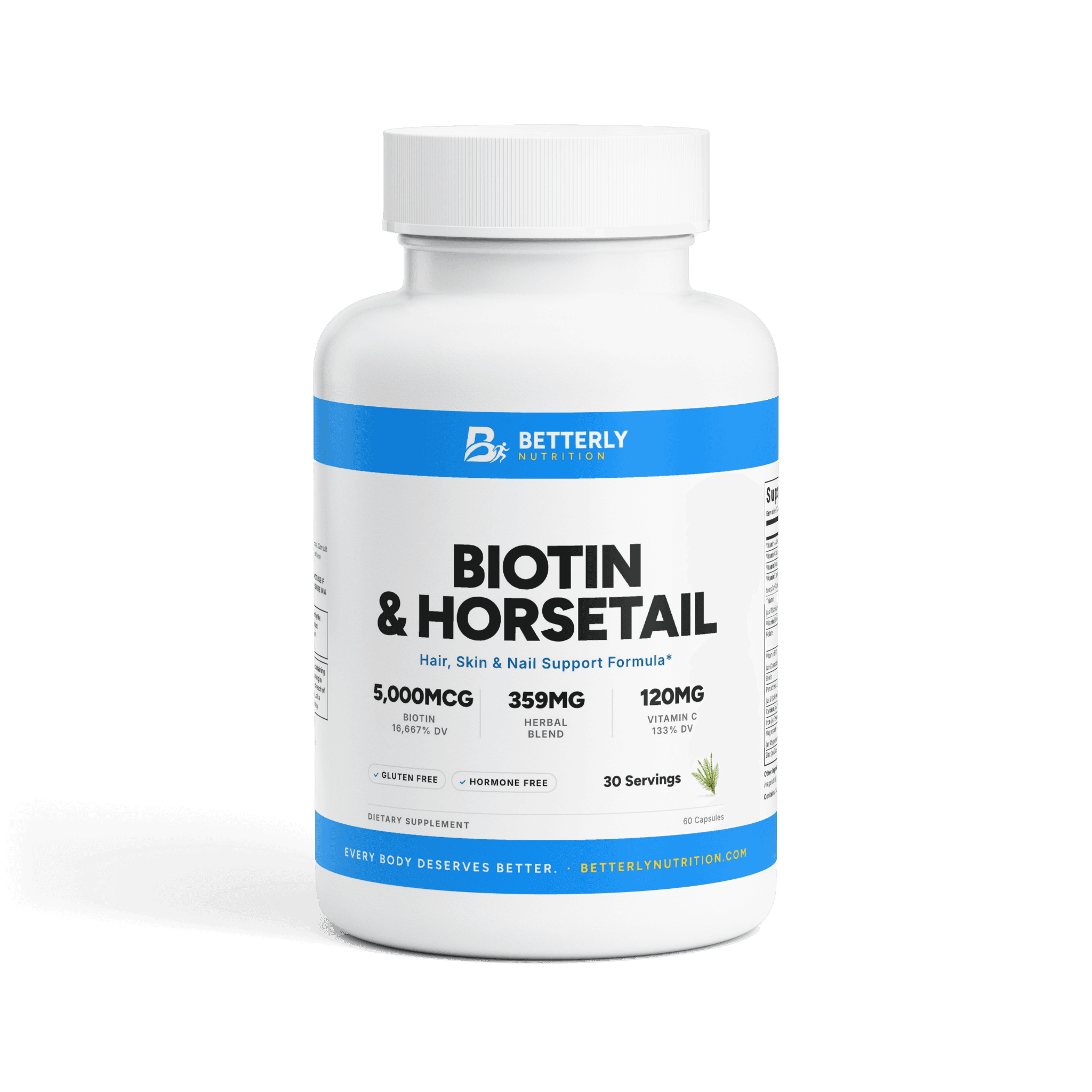
| Biotin & Horsetail Hair Capsules (2 capsules) | Unstated share of a 359 mg blend | 8 mg B6, 14 mg vitamin E, 7 mg zinc |
Next to the prostate formula's 300 mg, the saw palmetto in the other four is small or unknown. The real overlap is vitamins and minerals. Adding the multivitamin to the prostate capsules takes your labeled B6 to 21.3 mg a day, and adding the hair capsules instead makes it 21.8 mg.
Zinc is where two of our labels cross a line. Together, the tribulus capsules and the multivitamin list 45 mg of zinc a day. The NIH Office of Dietary Supplements zinc fact sheet caps adult zinc at 40 mg daily from food, drinks and supplements combined, so that pair is over the limit before you eat anything. Don't combine them at label directions unless a healthcare provider has cleared it. The tribulus and hair capsules together reach 37 mg, which leaves little room for zinc from meals.
If the multivitamin is what pushes a total up, deciding whether a multivitamin belongs in your day is a fair first question.
What dose do our saw palmetto labels list?
Our Saw Palmetto & Pygeum Prostate Capsules label says adults take 2 capsules daily with 6 to 8 oz of water, or as a healthcare professional directs.
Each bottle's 60 capsules make 30 servings. The caution reads "Do not exceed recommended dose," and it asks you to consult a physician if you're pregnant, nursing, under 18 or have a medical condition. Stick to 2 capsules a day. Beyond the label's own warning, every extra capsule adds 6.9 mg of B6.
If you use one of the smaller saw palmetto products instead, go by its own label. The tribulus capsules say to take 3 capsules before bedtime, and that label warns against use if you're pregnant or lactating. The horny goat weed capsules say 2 capsules once a day.
The prostate and horny goat weed capsules use gelatin shells, while the tribulus capsules use a vegetable shell.
From our shop: Tribulus, Zinc & Magnesium Capsules — 750 mg of Tribulus terrestris and 50 mg of saw palmetto berries per 3-capsule serving in a vegan, gluten-free capsule, plus 30 mg of zinc to count in your daily intake.
When is a saw palmetto supplement the wrong first step?
A saw palmetto supplement is the wrong first step for a new, unexplained symptom. NCCIH also says saw palmetto is probably not helpful for its best-known use.
NCCIH doesn't hedge much here. A 2023 review of 27 studies it cites found little or no benefit from the herb used alone for that purpose. NCCIH adds that there isn't enough evidence to judge its other uses.
So if a new or changing symptom has you shopping, see a provider before you buy anything. That symptom deserves a real answer, and a capsule can put it off.
Scalp products are a separate topic, covered in our peptide hair serum buying guide.
And if a product you already take lists saw palmetto, you don't need a second one. Our Targeted Support collection shows the single-purpose formulas side by side.
Who should avoid saw palmetto, and who should ask first?
Skip saw palmetto if you're pregnant or breastfeeding. Talk it over with a healthcare provider before starting if you're under 18, take any medicine, have a procedure scheduled or manage a medical condition.
- Pregnant or breastfeeding: skip it. NCCIH says saw palmetto may be unsafe then, and our label names both groups.
- Under 18: our label directions are written for adults, so ask a pediatrician first.
- Taking any medicine: NCCIH warns that some herbs and medicines interact in harmful ways, so talk with your provider before trying any herbal product.
- Surgery, dental work or another procedure on the calendar: tell the team what you take and ask when to stop.
- Blood work coming up: list saw palmetto on the intake form.
- Managing a medical condition: our label asks you to consult a physician first.
- Already taking B6 in other supplements: total your labels before adding 13.8 mg more.
- Reacted to saw palmetto or any listed ingredient before: don't try it again on your own.
FAQ: saw palmetto side effects
Can saw palmetto cause constipation or diarrhea?
Yes, saw palmetto can cause either one, though it isn't common. NIH's LiverTox lists constipation and diarrhea alongside nausea and vomiting, and NCCIH groups them as digestive symptoms. If your bowel habits change after starting a new supplement and don't settle, stop the product and bring it up with your provider.
Can saw palmetto make you dizzy?
Saw palmetto can cause dizziness in some people. Both NCCIH and LiverTox list it among the mild, uncommon side effects, but neither says how often it happens. If you feel dizzy after starting a saw palmetto product, stop taking it, stay off the road until you're steady again, and tell your provider.
Should you trust saw palmetto side effect stories on Reddit?
Read saw palmetto stories on Reddit and other forums as prompts for questions, not as proof. One person's report can't separate the herb from the rest of their routine or from plain chance. Placebo-controlled trials can, and LiverTox says most of them found side effects no more often with saw palmetto than with a placebo. If a thread worries you, bring that concern to your pharmacist.
Does saw palmetto interact with medications?
Saw palmetto has few known interactions, according to NIH's LiverTox, but that covers the herb alone. If you take any medicine, NCCIH wants you to check with your provider before an herbal product. A formula like ours also adds vitamin E, which ODS links to bleeding risk with clotting medicines, so show your pharmacist the whole panel.
How many days is a 60-capsule bottle of saw palmetto?
A 60-capsule bottle of our Saw Palmetto & Pygeum Prostate Capsules covers 30 days when you take the labeled 2 capsules daily. The tribulus capsules hold 30 servings of 3 capsules in a 90-capsule bottle, and the horny goat weed capsules hold 30 servings of 2. Keep to each listed serving rather than rationing a bottle.
Sources
- Saw Palmetto: Usefulness and Safety (National Center for Complementary and Integrative Health)
- Saw Palmetto, LiverTox (NCBI Bookshelf, National Institutes of Health)
- Vitamin B6: Fact Sheet for Consumers (NIH Office of Dietary Supplements)
- Vitamin E: Fact Sheet for Consumers (NIH Office of Dietary Supplements)
- Zinc: Fact Sheet for Consumers (NIH Office of Dietary Supplements)
If this left you looking for somewhere to start, read saw palmetto and pygeum capsules with 300 mg per serving — its amounts per serving are listed on the page. For the practical questions this raises, how dosing, sourcing and subscriptions work is answered in one place.