On this page
- Key takeaways
- What should you look for in a prostate supplement?
- What do the percentages beside an extract tell you?
- Nettle leaf or root: why does the plant part on a label matter?
- Why do the vitamin B6 and boron rows deserve a second look?
- Can you take a prostate supplement with other men's formulas?
- Which label red flags should make you keep shopping?
- How do you take a prostate supplement, going by the label?
- When is a prostate supplement not worth buying?
- Who should check with a healthcare provider first?
- FAQ: prostate supplements
- Sources
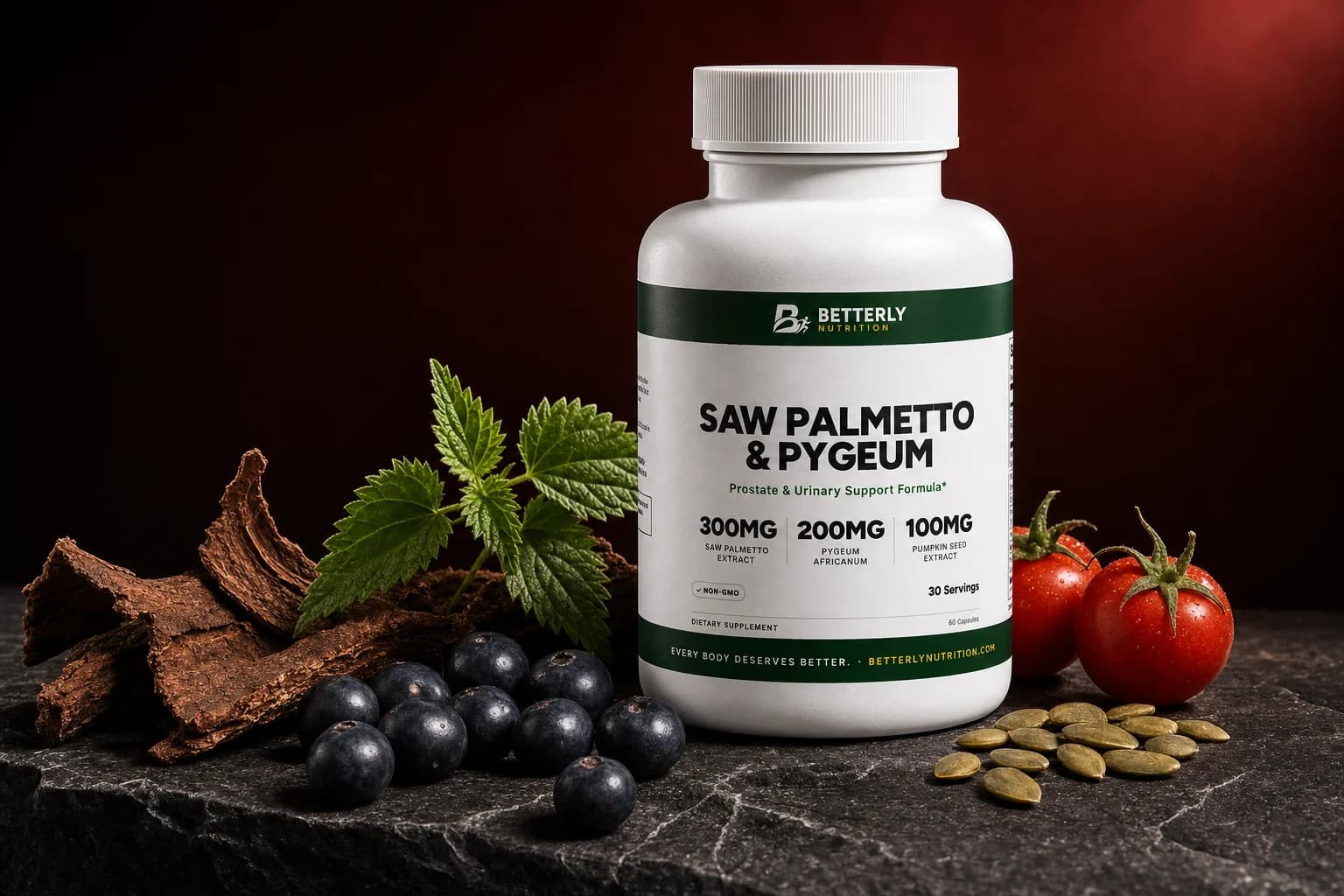
The short answer: What to look for in a prostate supplement is printed on the back panel, not the front. Check that every herb names its plant part and has its own amount, run the math on any "standardized to" percentage, and weigh the vitamin and mineral rows against upper limits. Our Saw Palmetto & Pygeum Prostate Capsules, for example, carry 10 mg of boron per 2-capsule serving, half the adult upper limit.
Key takeaways
- Nettle leaf and nettle root are different ingredients, and a federal labeling rule requires a botanical to name its plant part.
- A "5%" beside an extract describes what's inside it: 10 mg of a 5% lycopene extract holds about 0.5 mg of lycopene.
- Our Saw Palmetto & Pygeum Prostate Capsules list 812% of the B6 Daily Value and 10 mg of boron per 2-capsule serving, two rows to total before stacking products.
- NCCIH, a federal research center, reports a 2023 review that found little or no benefit from saw palmetto alone for its most familiar use.
A quick disclosure: we sell a prostate formula, and its real panel is our worked example, soft spots included. The same checks work on any brand's label.
What should you look for in a prostate supplement?
Look for a prostate supplement label that names each herb's plant part, gives every ingredient its own amount, and lets you total vitamins and minerals against known limits.
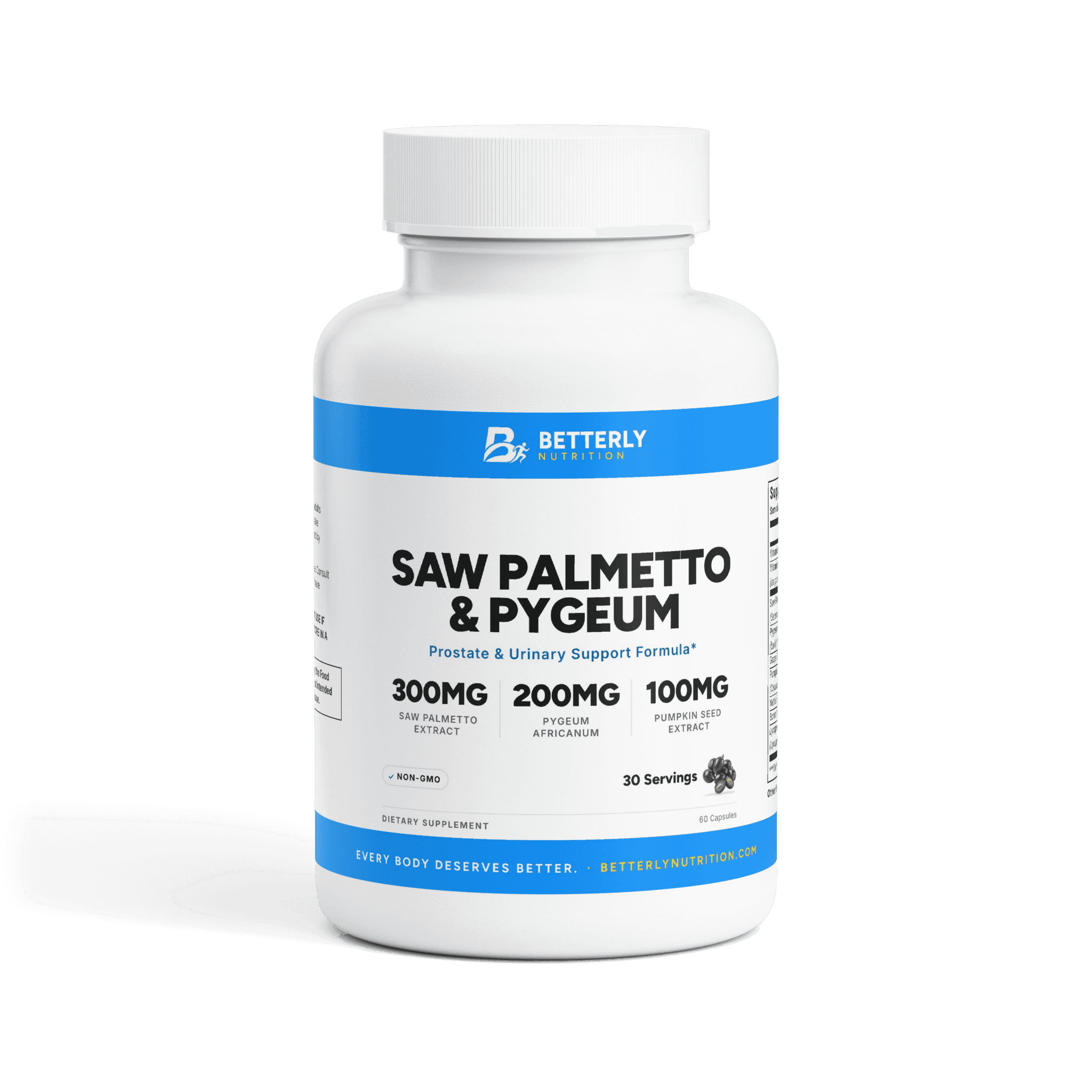
Our front label shows 300 mg of saw palmetto extract, 200 mg of pygeum and 100 mg of pumpkin seed extract, but the back panel lists nine rows. Here's the checklist, run on our panel.
| Check | Where to find it | Our label | What it tells you |
|---|---|---|---|
| Plant part | Parentheses after each herb | Given on every herb row but lycopene ("tomato") | Which material you're buying |
| Its own amount | The amount column | Every row, no blend | You can total each ingredient |
| Standardization | "std. to" or a % in the name | Pygeum 3%, lycopene 5%, saw palmetto none | How much of a marker is inside |
| Latin name | Italics beside the common name | Every herb but nettle | Which species it is |
| %DV over 100% | Vitamin and mineral rows | B6 812%, vitamin E 167% | Rows to add up across products |
| No DV set | Asterisks in the %DV column | Boron and every herb | You need a limit from elsewhere |
That leaves our panel with three gaps: no standardization on the lead herb, no Latin name for nettle, and no plant part for the tomato behind the lycopene.
What do the percentages beside an extract tell you?
A percentage beside an extract shows what share of it is one compound group, so our 10 mg lycopene row at 5% holds about 0.5 mg of lycopene.
FDA's supplement labeling rule, 21 CFR 101.36, says the amount listed for a dried extract is the weight of the extract itself. So milligrams give the extract's weight, while a percentage, or a constituent listed with its own amount, tells you what's inside.
Our lycopene row reads "Lycopene 5%" at 10 mg, or about half a milligram of lycopene per 2-capsule serving. That's a trace, so run this math on any ingredient a front label features.
Pygeum's "std. to 3% phytosterols" works the same way: 3% of 200 mg is about 6 mg of these plant sterols. Our saw palmetto vs pygeum comparison takes that bark row further.
Our saw palmetto row prints no percentage, so its 300 mg of fruit extract tells you weight, not strength.
Nettle leaf or root: why does the plant part on a label matter?
Nettle leaf and nettle root are different ingredients from one plant, Urtica dioica, so a prostate formula's nettle row should say which part you're getting.
The same rule, 21 CFR 101.36, says a botanical's listing must name the plant part it comes from, in the facts panel or the ingredient list.
According to LiverTox's stinging nettle entry, an NIH liver-safety database, nettle products are extracts of the leaves and flowering parts or of the roots. Root extracts are the more frequently used kind, it says, and commercial products may hold leaf, root or both. It calls nettle extracts well tolerated but notes that the rigor of nettle trials has been questioned.
Our formula lists 50 mg of nettle extract from the leaf. That's not root, and it's small next to the 300 to 600 mg a day that LiverTox says commercial nettle products typically recommend.
From our shop: Saw Palmetto & Pygeum Prostate Capsules — nine separately measured rows per 2-capsule serving, including saw palmetto fruit extract (300 mg), pygeum bark at 3% phytosterols (200 mg) and nettle leaf extract (50 mg).
Why do the vitamin B6 and boron rows deserve a second look?
The vitamin B6 and boron rows deserve a second look because each 2-capsule serving of our formula holds 812% of the B6 Daily Value and half the adult boron limit.
Vitamin B6: what 812% of the Daily Value means
A percent Daily Value is one serving's amount divided by a reference amount for a whole day. Our 13.8 mg of vitamin B6 is a little over 8 times that reference.
A Daily Value isn't a ceiling. The vitamin B6 fact sheet from the NIH Office of Dietary Supplements (ODS) gives a US adult upper limit of 100 mg a day from all sources. It also notes a stricter 12 mg adult limit that the European Food Safety Authority set in 2023. Our 13.8 mg alone is far under the US figure and 1.8 mg over the European one.
Our guide to vitamin B6 limits shows how fast it piles up across labels. The 25 mg vitamin E row (167% of the Daily Value) has its own note for people on clotting medicines, covered in our saw palmetto safety guide.
Boron: 10 mg with no Daily Value
The asterisks mean boron has no Daily Value. The Dietary Reference Intakes chapter on boron explains that the evidence hasn't shown a clear biological function for boron in people, so no recommended intake was set. It did set upper limits: 20 mg a day for adults and 17 mg for teens aged 14 to 18.
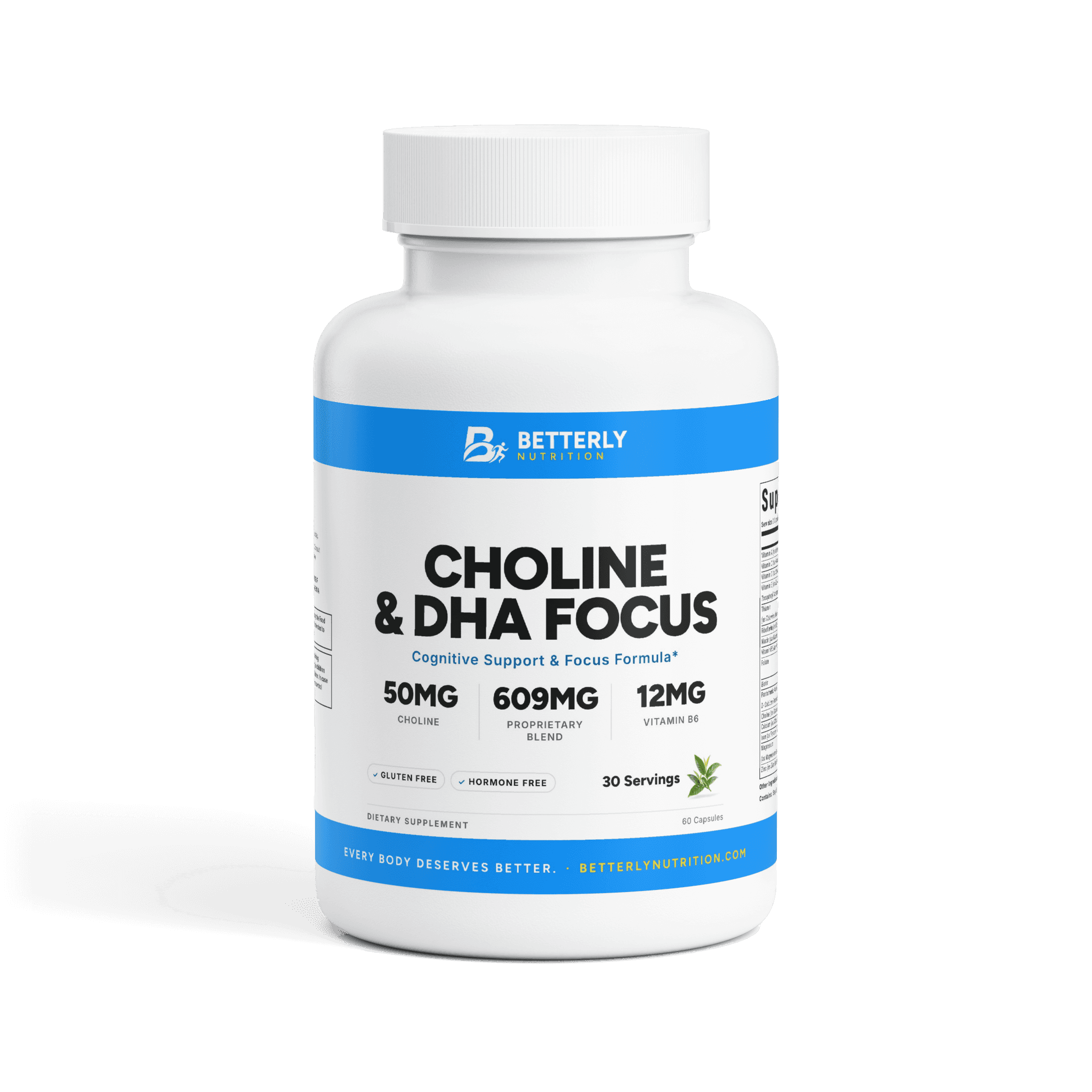
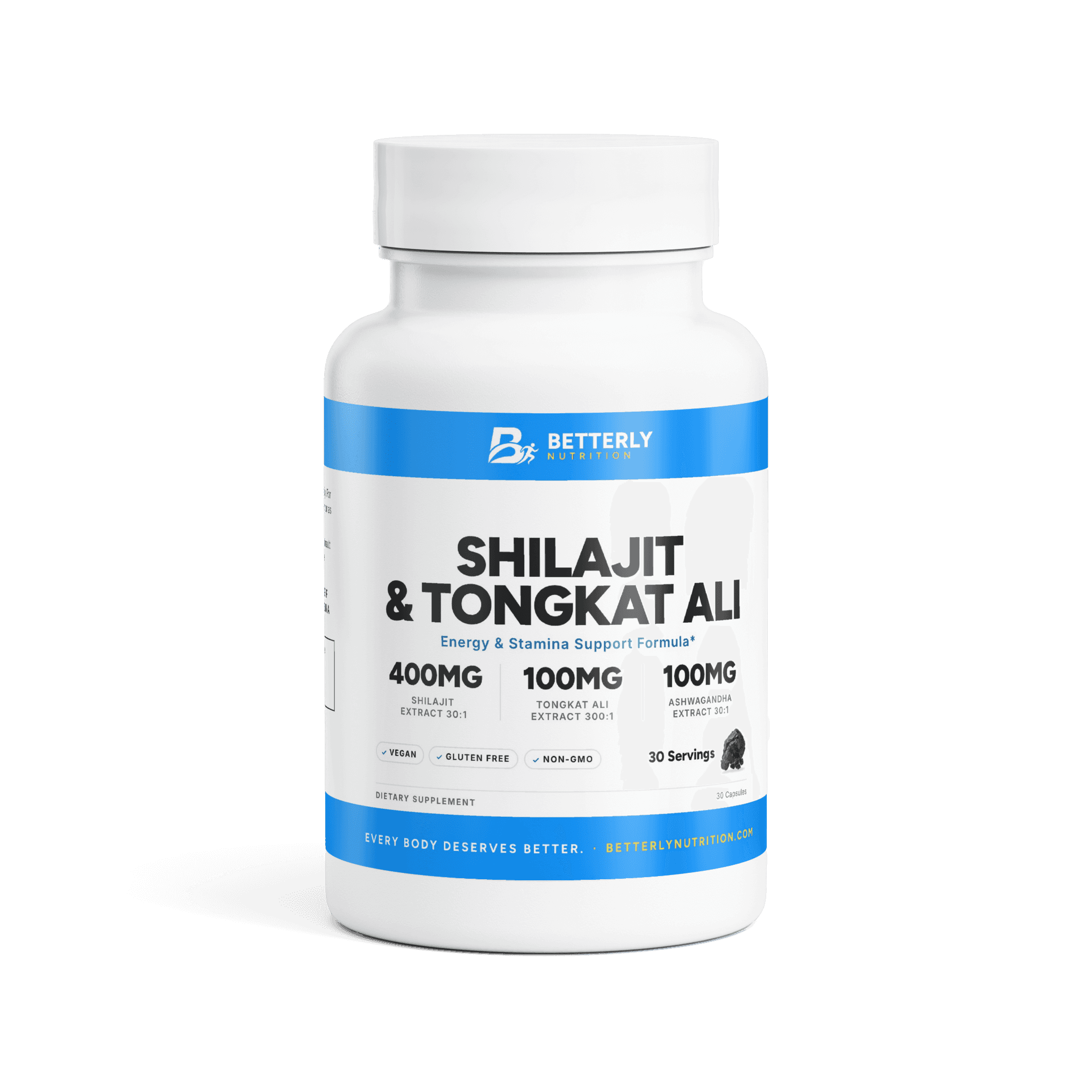
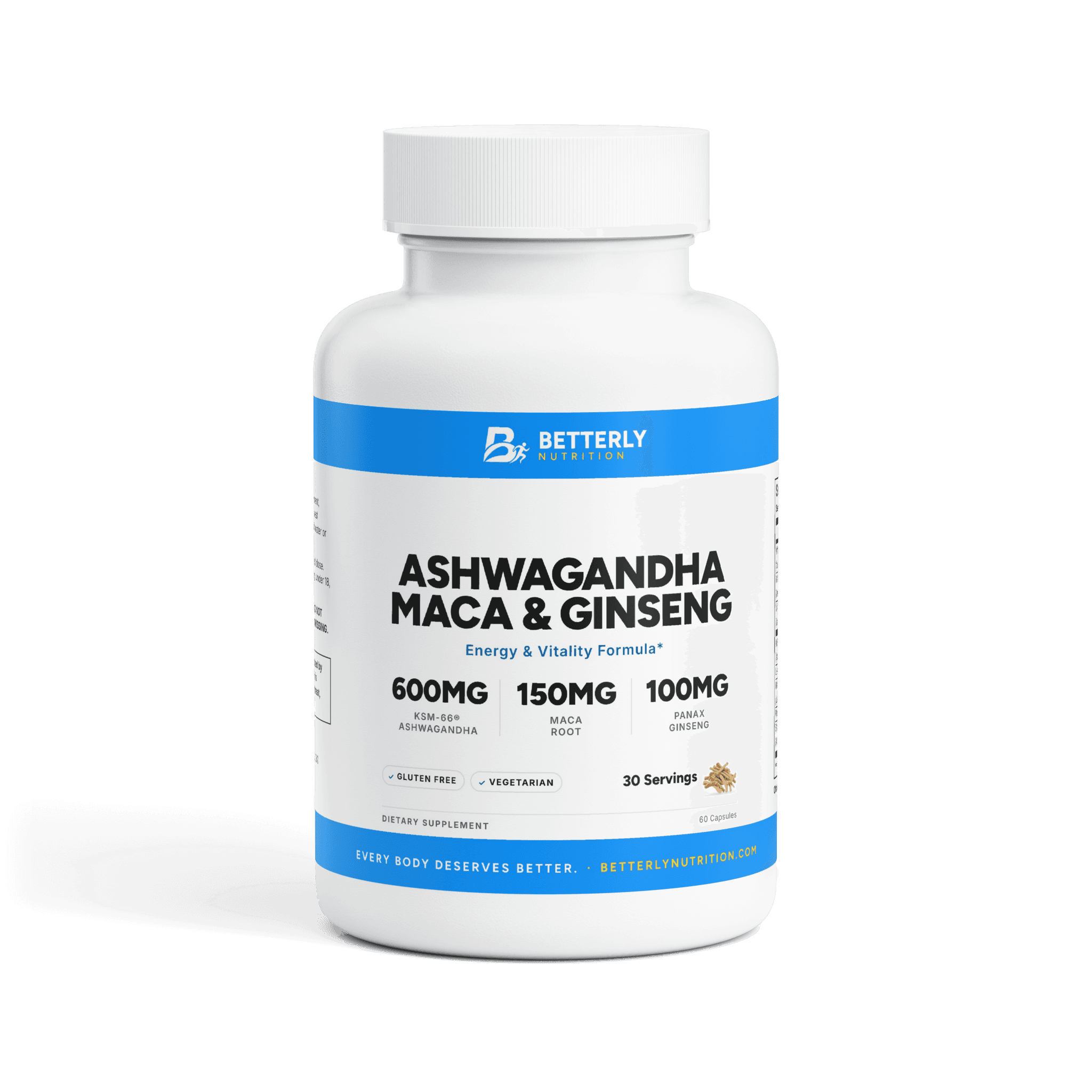
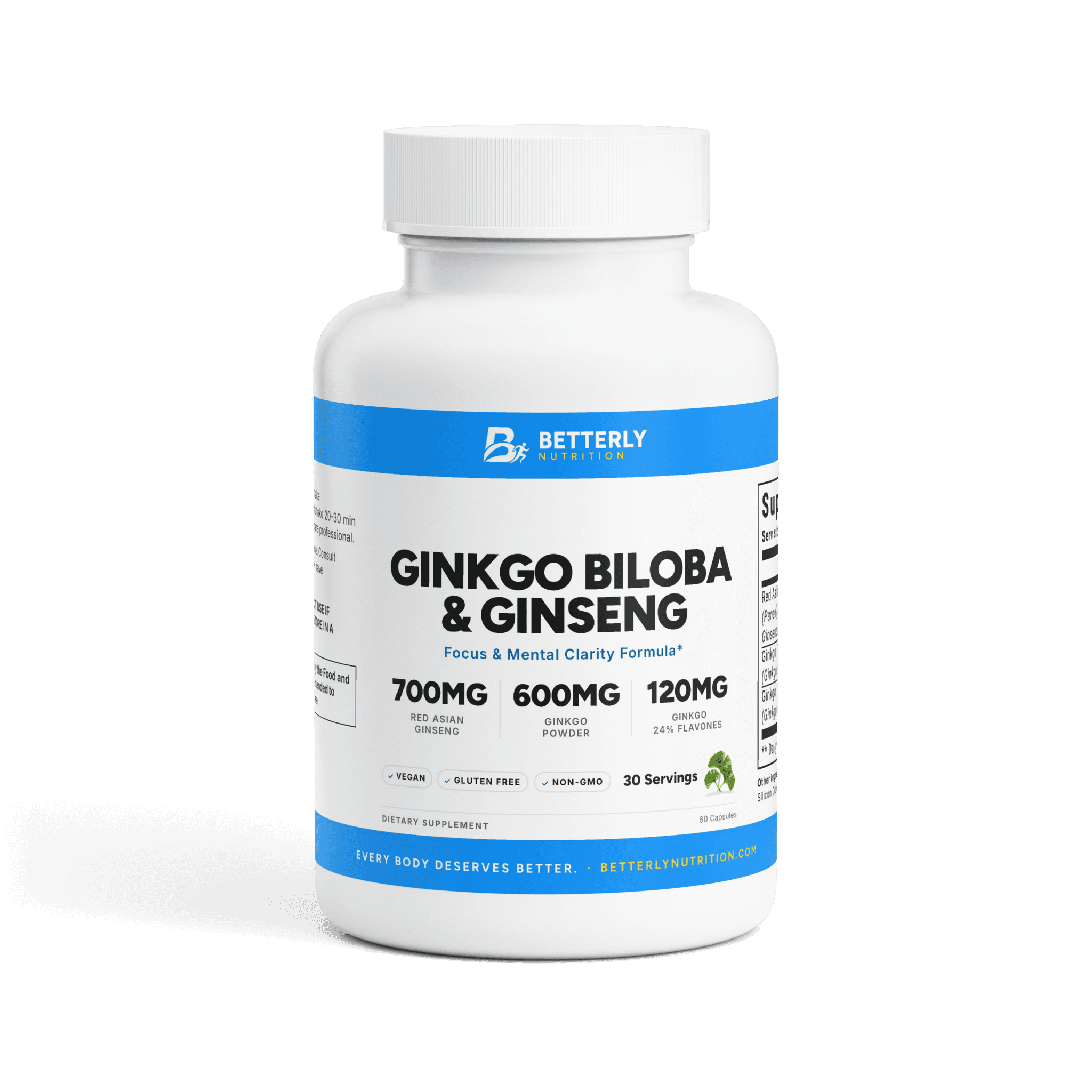
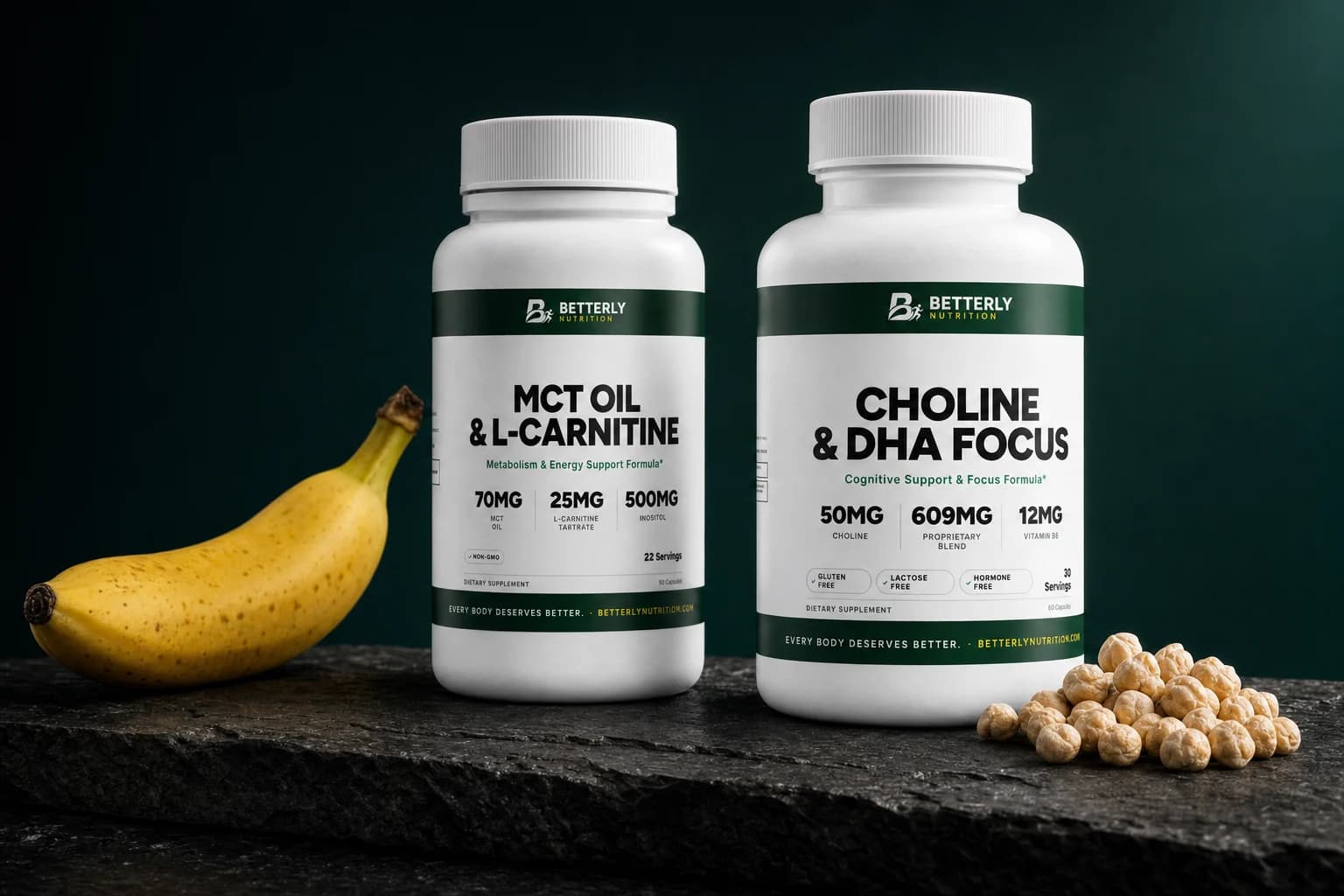
Our 10 mg per 2-capsule serving is half the adult limit, and over 4 times the roughly 2.3 mg a day that the same chapter says US men at the 95th percentile get from food. That leaves little room for a second boron source, and a blend can hide one. Our Tongkat Ali, Maca & Ginseng Capsules and Choline & DHA Focus Capsules list boron inside a proprietary blend with no amount of its own, so you can't add it to the 10 mg here. The tongkat label raises a bigger flag: its 2-tablet serving alone lists 50 mg of zinc, which tops the 40 mg adult upper limit in the ODS zinc fact sheet, so we can't recommend that dose without a healthcare provider's review.
Can you take a prostate supplement with other men's formulas?
You can pair a prostate supplement with another men's formula only after totaling the rows they share, since vitamin B6, saw palmetto and zinc can all double up.
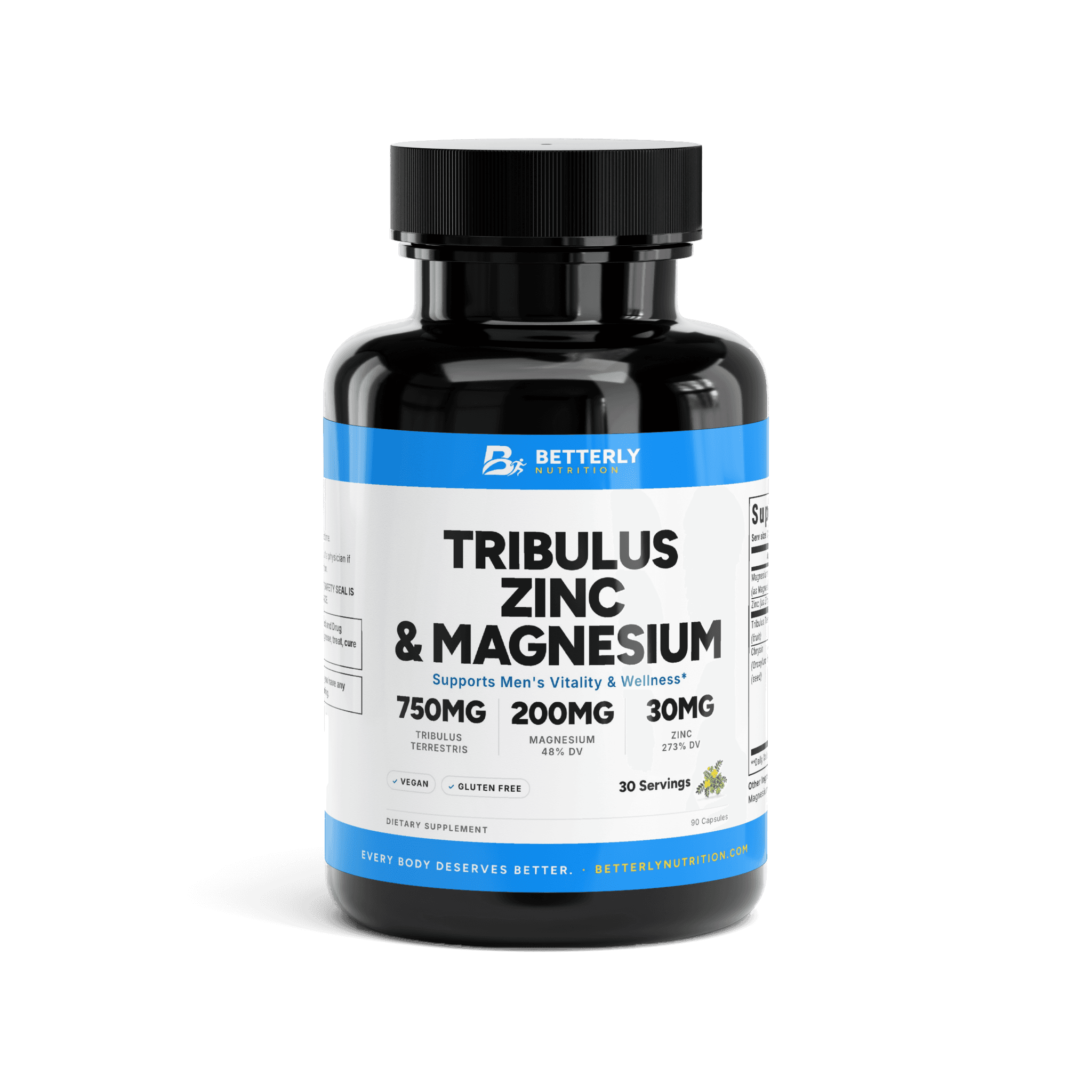
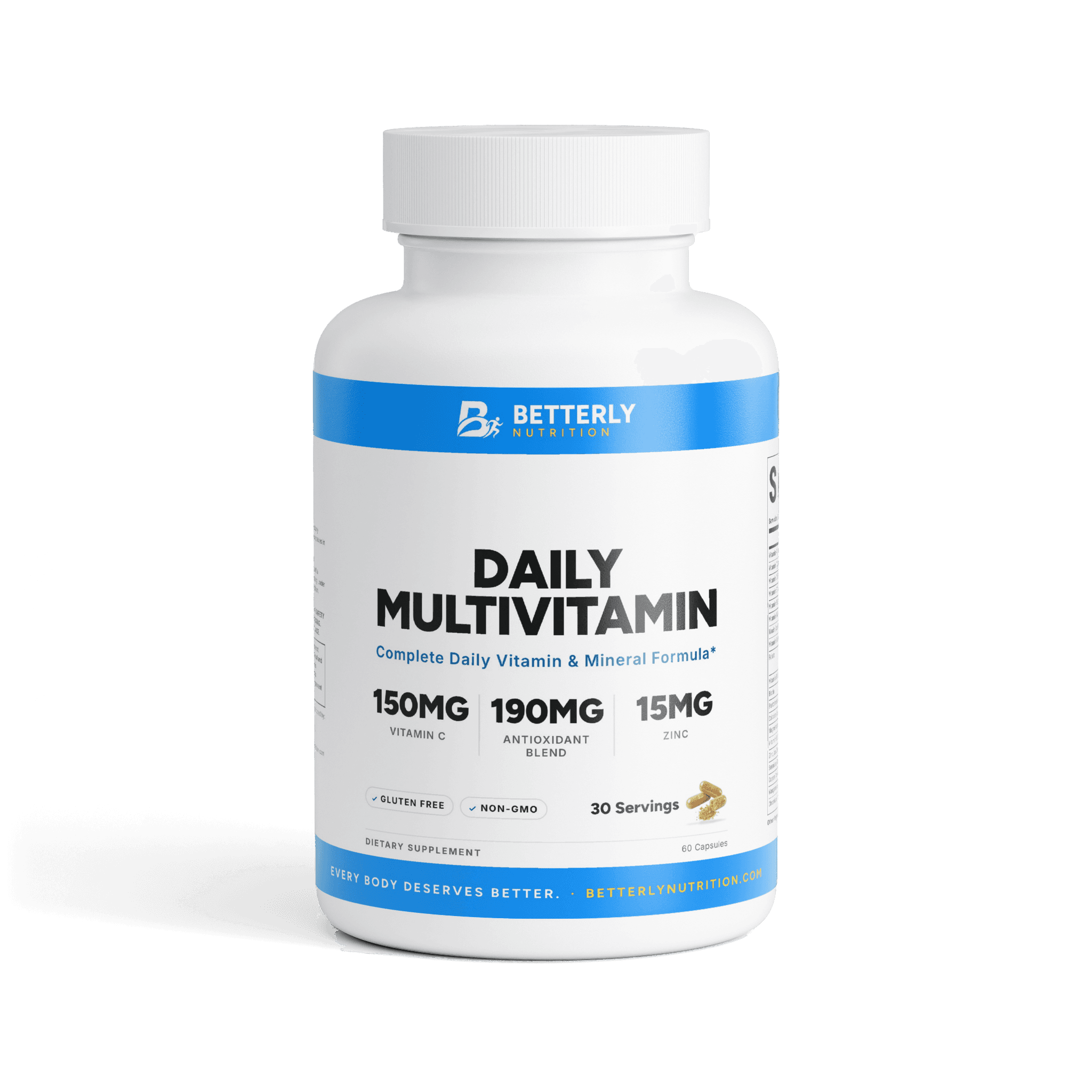
Here's how our Tribulus, Zinc & Magnesium Capsules and Daily Multivitamin Capsules line up against the prostate formula.
| Row | Prostate (2 capsules) | Tribulus (3 capsules) | Multivitamin (2 capsules) |
|---|---|---|---|
| Vitamin B6 | 13.8 mg | Not listed | 7.5 mg |
| Vitamin E | 25 mg | Not listed | 13.5 mg |
| Zinc | Not listed | 30 mg | 15 mg |
| Boron | 10 mg | Not listed | Not listed |
| Saw palmetto | 300 mg extract | 50 mg berries | In a blend, no amount |
| Nettle | 50 mg leaf extract | Not listed | Root, in a blend |
| Grape seed | 100 mg extract | Not listed | In a blend, no amount |
The takeaway: vitamins and minerals add up faster than herbs. The prostate capsules plus the multivitamin total 21.3 mg of B6 a day, over Europe's 12 mg limit though under the US 100 mg one.
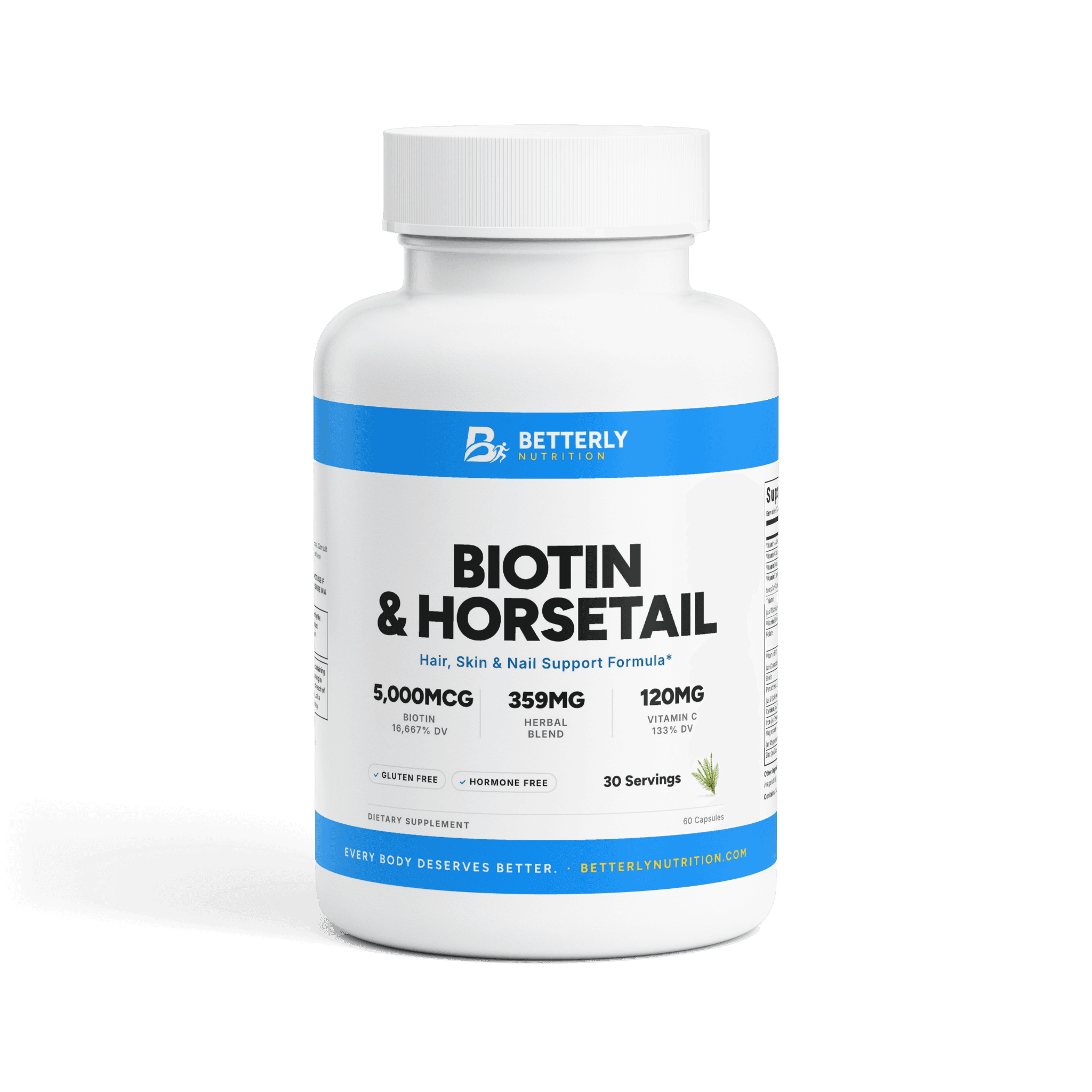
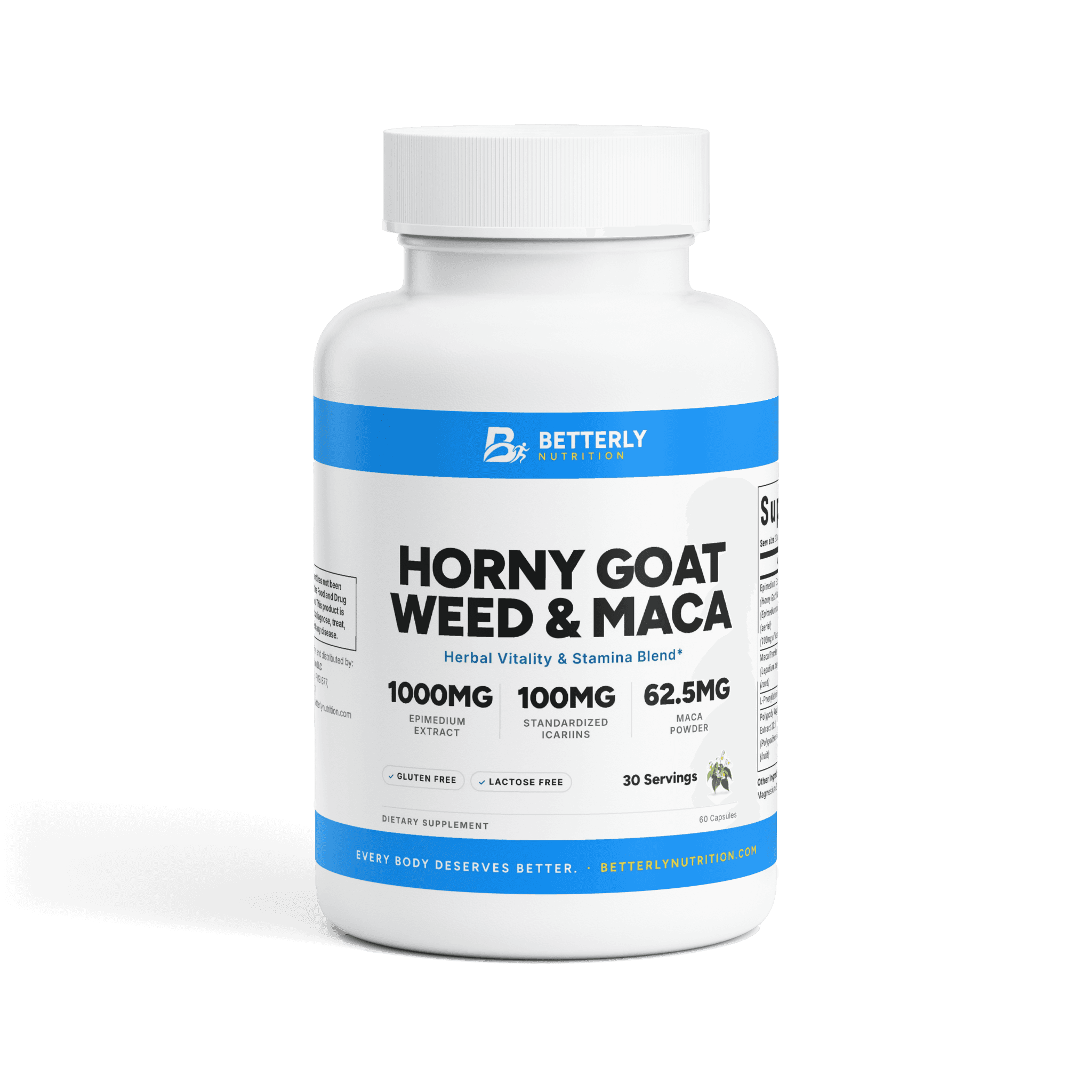
Saw palmetto is the herb you'd most likely double. Two more of our labels carry it: Horny Goat Weed & Maca Capsules list 10 mg of saw palmetto powder per 2-capsule serving, and Biotin & Horsetail Hair Capsules fold it into a 359 mg blend with no separate amount.
Zinc is where one pairing fails outright. The tribulus capsules list 30 mg (273% of the Daily Value) and the multivitamin 15 mg, or 45 mg a day before food. The ODS zinc sheet puts the adult upper limit at 40 mg a day from all sources. So don't combine those two at label directions without a provider's OK. The prostate formula adds no zinc.
Which label red flags should make you keep shopping?
Keep shopping when a prostate supplement hides amounts inside a blend, leaves out plant parts, or makes promises that belong in your doctor's office.
- A proprietary blend. Under 21 CFR 101.36, herbs and other ingredients with no Daily Value inside a blend need only the blend's total weight and a heaviest-first order. Our guide to proprietary blends covers what that order still reveals.
- A botanical row with no plant part. "Nettle extract" could be leaf or root.
- An "equivalent to X mg of fresh berries" line, which describes the starting plant, not the capsule.
- Promises about lab results or your medicines. No capsule replaces your doctor's care.
How do you take a prostate supplement, going by the label?
Saw Palmetto & Pygeum Prostate Capsules come 60 to a bottle, and the label's adult serving of 2 capsules a day makes that 30 servings.
Take them with 6-8 oz of water, the directions say, unless a healthcare professional has told you otherwise.
- Timing: the label names no time of day or food pairing, so tie the capsules to a habit you already keep.
- Ceiling: the caution says not to exceed the recommended dose. A second serving would put boron at 20 mg, the adult upper limit, before food.
- Other ingredients: brown rice flour, in a gelatin shell. The label says non-GMO, not vegan.
From our shop: Tribulus, Zinc & Magnesium Capsules — a vegan, gluten-free formula pairing 750 mg of Tribulus terrestris fruit with zinc (30 mg) and magnesium (200 mg) in each 3-capsule bedtime serving, and no B6 or boron rows.
When is a prostate supplement not worth buying?
A prostate supplement isn't worth buying when its panel fails the checks you care about, or when you're hoping it will stand in for a checkup.
Run the formula we sell through these checks and it misses for some shoppers:
- You want a standardized saw palmetto extract. Ours names no marker.
- You want nettle root. Ours is 50 mg of leaf extract.
- You're buying for lycopene. About 0.5 mg per serving is a trace.
- Other labels already supply your B6 or boron. Ours adds 13.8 mg and 10 mg.
Weigh the herb, too. The National Center for Complementary and Integrative Health (NCCIH) saw palmetto page points to a 2023 review in which saw palmetto used alone showed little or no benefit for its most familiar use.
If something new has you shopping, have it checked first. If ours misses a check you care about, run the same list on the rest of our Targeted Support collection.
Who should check with a healthcare provider first?
Show a prostate supplement's label to a healthcare provider first if you take medicine, have tests or procedures ahead, are under 18, pregnant or nursing, or manage a medical condition.
- Any medicine, prescription or over the counter: NCCIH advises checking with your provider before any herbal product. Flag the vitamin E row if a medicine affects clotting.
- Blood work ahead: PSA readings don't seem to shift with saw palmetto, per NCCIH, but whoever reads your results should see all nine rows.
- A procedure on the calendar: ask your surgeon or dentist which rows to pause, and when.
- Under 18: the directions are for adults, and the 10 mg boron row alone is more than half the 17 mg teen limit.
- Pregnant or nursing: the caution names both, and NCCIH flags saw palmetto as possibly unsafe during pregnancy or breastfeeding, so skip this formula.
- A medical condition you manage: the label's caution sends you to a physician first, so mention the 812% B6 row.
FAQ: prostate supplements
Are prostate supplements safe to take every day?
For most adults who follow the label, yes, a prostate supplement can be a daily habit if its vitamin and mineral rows fit your totals. Our label calls for 2 capsules daily. Watch two rows: 10 mg of boron is half the adult upper limit, and 13.8 mg of B6 already tops Europe's 12 mg adult limit. Never double the serving.
What should a supplement for prostate health contain?
No federal source we cite names a must-have ingredient for a supplement that supports prostate health, so judge a formula by its label, not its herb list. In a 2023 review cited by NCCIH, saw palmetto on its own showed little or no benefit for its most familiar use. Look for named plant parts, an amount on every row, a stated standardization, and vitamin and mineral rows under known limits.
Is a prostate supplement without saw palmetto worth looking for?
Yes, a prostate supplement without saw palmetto is worth looking for if a provider has asked you to avoid the herb. Check every label you take for "Serenoa repens," since it turns up in multivitamins, hair formulas and men's blends. Five of our labels list it: the prostate, tribulus, horny goat weed and maca, and biotin and horsetail hair capsules, plus the Daily Multivitamin.
Should a prostate supplement contain zinc?
Not necessarily: zinc isn't a must-have in a prostate supplement, and ours has no zinc row. ODS lists 40 mg a day from all sources as the adult upper limit. Our tribulus capsules carry 30 mg per 3-capsule serving and our multivitamin 15 mg, so together they pass it. Our Tongkat Ali, Maca & Ginseng Capsules list 50 mg per 2 tablets, over the limit alone, so ask a provider before taking them.
When should you recheck a prostate supplement's label?
Recheck a prostate supplement's panel whenever you add a supplement, change a medicine or buy a new bottle, since formulas can change. Compare serving sizes first: our prostate formula lists amounts per 2 capsules, our tribulus capsules per 3. Then line up the B6, boron and zinc rows against what you already take.
Sources
- 21 CFR 101.36: Nutrition labeling of dietary supplements (eCFR)
- Stinging Nettle, LiverTox (NCBI Bookshelf, National Institutes of Health)
- Vitamin B6: Fact Sheet for Consumers (NIH Office of Dietary Supplements)
- Arsenic, Boron, Nickel, Silicon, and Vanadium, in Dietary Reference Intakes (NCBI Bookshelf)
- Zinc: Fact Sheet for Consumers (NIH Office of Dietary Supplements)
- Saw Palmetto: Usefulness and Safety (National Center for Complementary and Integrative Health)
If this left you looking for somewhere to start, read prostate supplement with saw palmetto and pygeum — its amounts per serving are listed on the page. For the practical questions this raises, how dosing, sourcing and subscriptions work is answered in one place.