On this page
- Key takeaways
- Tongkat ali vs longjack: are they the same plant?
- Why does tongkat ali have so many names?
- Tongkat ali or Eurycoma longifolia: which name should you trust?
- Is 400 mg of tongkat ali root more than 100 mg of a 300:1 extract?
- How do you read a tongkat ali or longjack label?
- Does the name on the label change how you take tongkat ali?
- When doesn't the tongkat ali vs longjack question matter?
- Who should check with a healthcare provider before using either name?
- FAQ: tongkat ali and longjack
- Sources
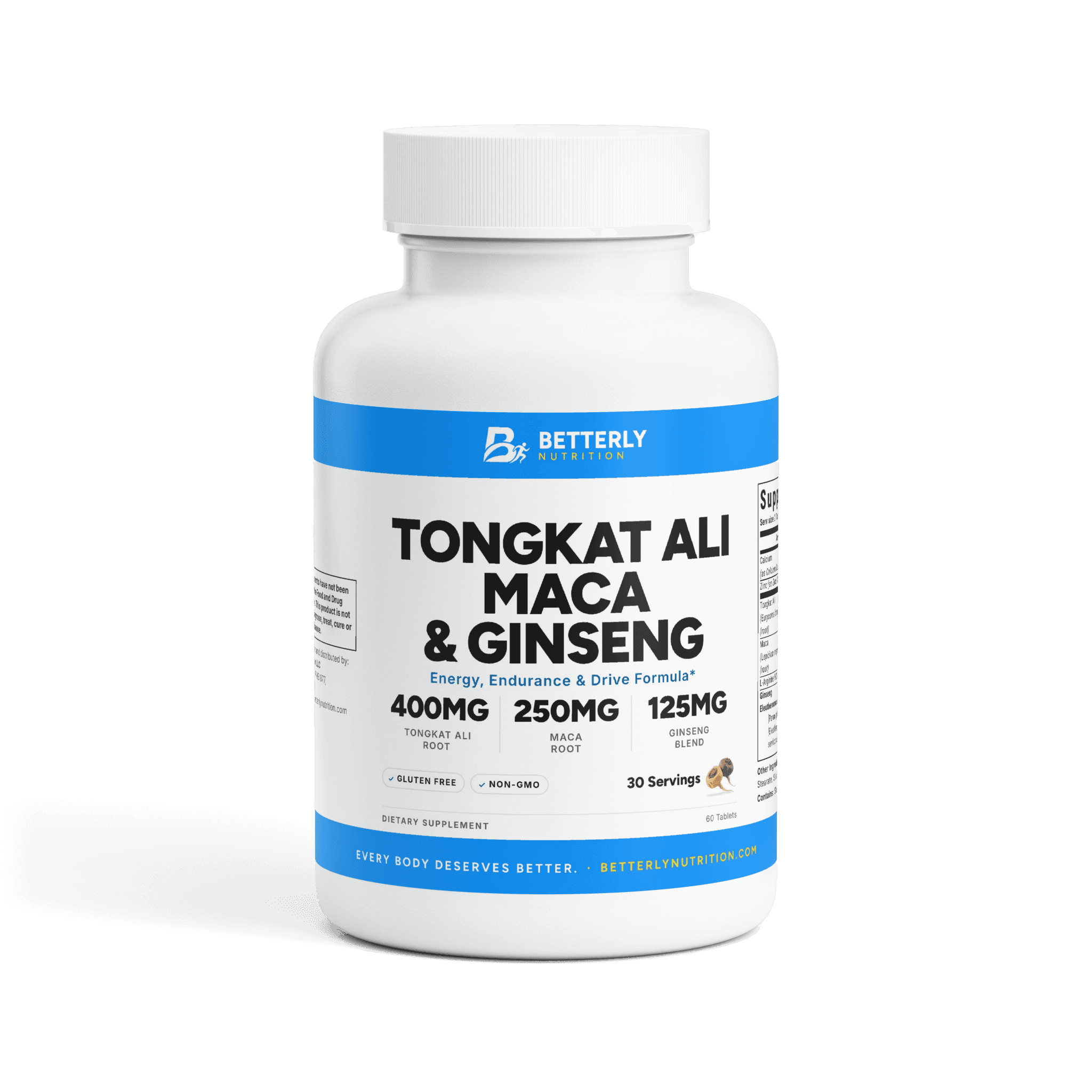
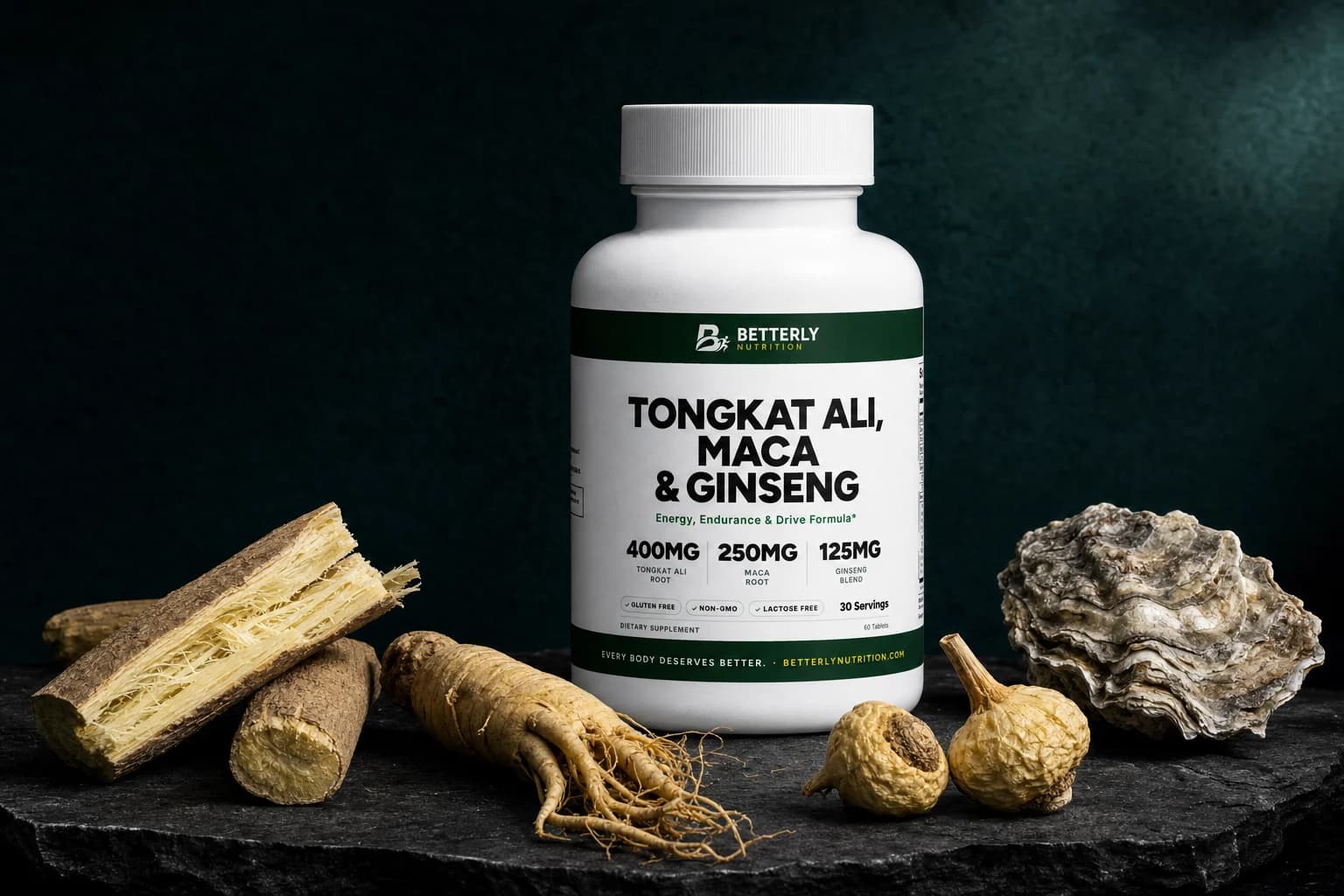
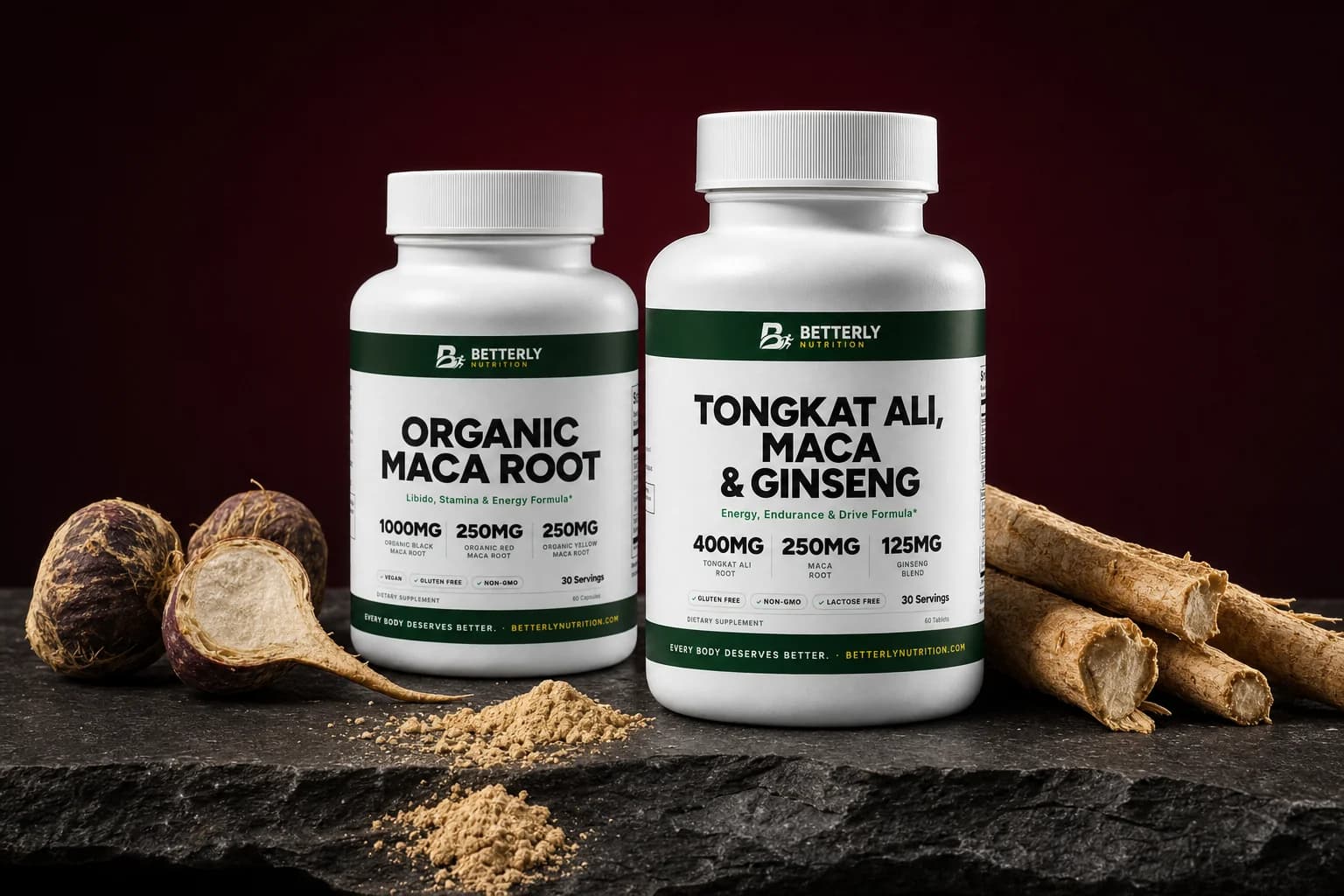
The short answer: Tongkat ali vs longjack isn't a contest: both name Eurycoma longifolia, a Southeast Asian tree sold for its root, and NIH's LiverTox lists Long Jack as another name for tongkat ali. The printing differs, not the plant. Our Tongkat Ali, Maca & Ginseng Capsules list 400 mg of plain root per 2-tablet serving, which can't be matched against 100 mg of a 300:1 extract, and its 50 mg of zinc tops the adult upper limit.
Key takeaways
- Tongkat ali and longjack are two names for one plant, Eurycoma longifolia, so the Latin name in parentheses is the part of a label row to check.
- The "Jack" that sometimes follows Eurycoma longifolia credits the botanist who published the species name, so it doesn't mark a second plant.
- A ratio such as 300:1 describes the root that went in, while the milligrams weigh the finished extract, so ratio rows and root rows don't compare.
- Our tongkat tablet's problem row is zinc: 50 mg per 2-tablet serving, above the 40 mg a day upper limit NIH lists for adults, so we don't recommend taking it as labeled; show the label to a healthcare provider first.
We sell all four products quoted in this guide and make money when you buy one. That's a fair reason to read us skeptically, so we quote our own panels row by row, awkward rows included.
Tongkat ali vs longjack: are they the same plant?
Yes, tongkat ali and longjack are the same plant: both names refer to Eurycoma longifolia, a slow-growing, shrubby tree native to Southeast Asia.
The LiverTox entry on tongkat ali, an NIH database page, introduces the tree as tongkat ali, "also known as 'Long Jack'." It notes that the leaves, roots and bark all have a long history of traditional use in the region, and that root extracts are what caught on as a U.S. supplement.
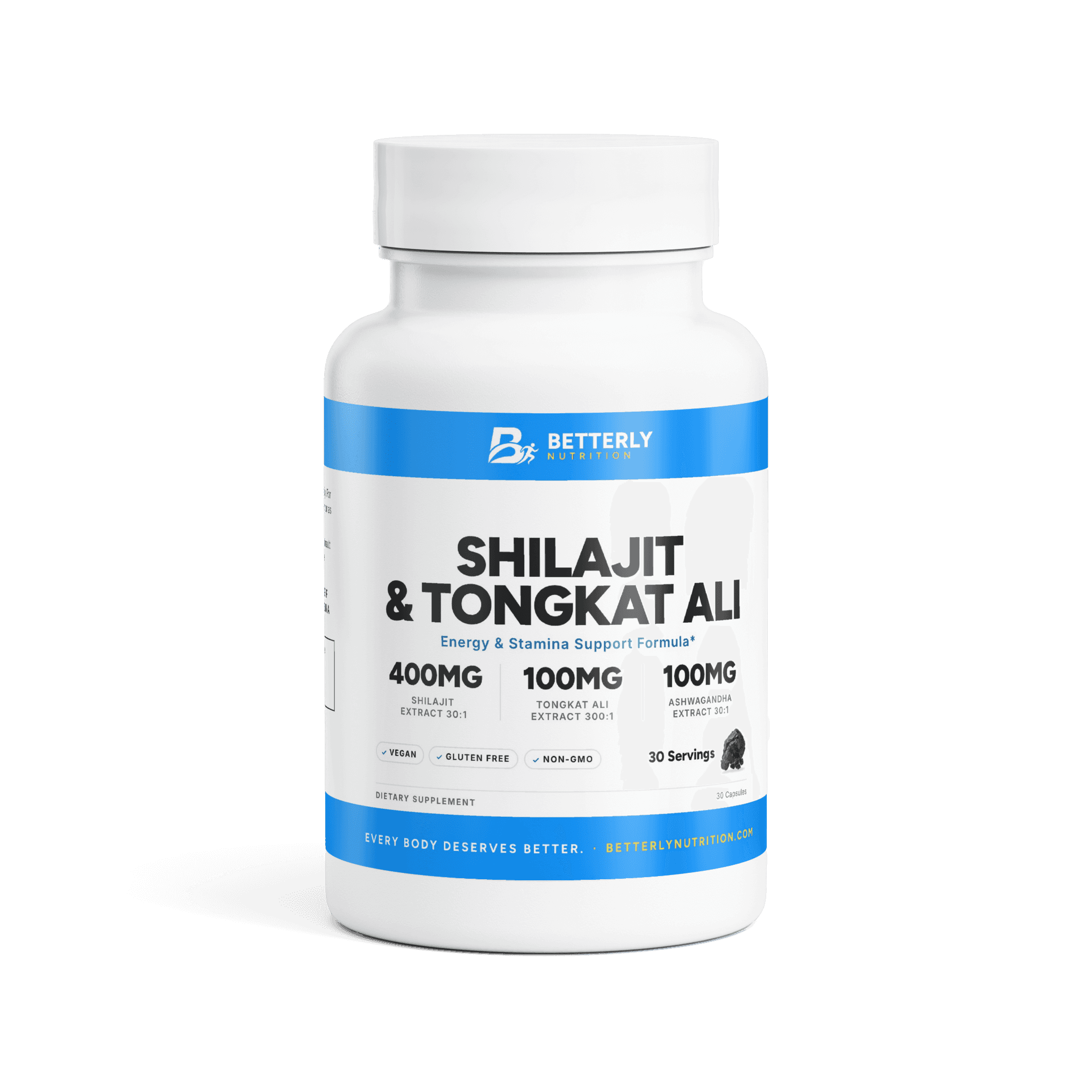
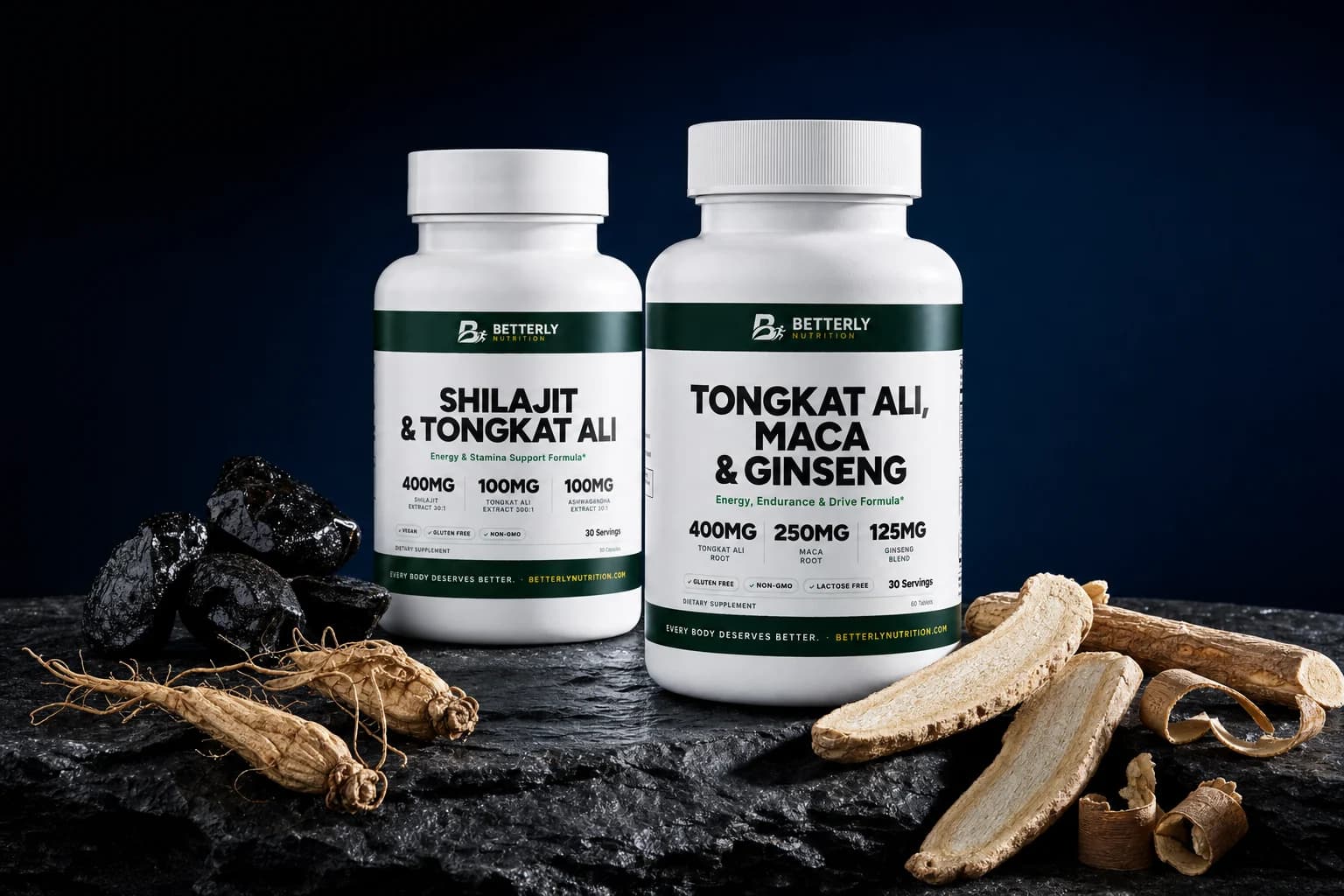
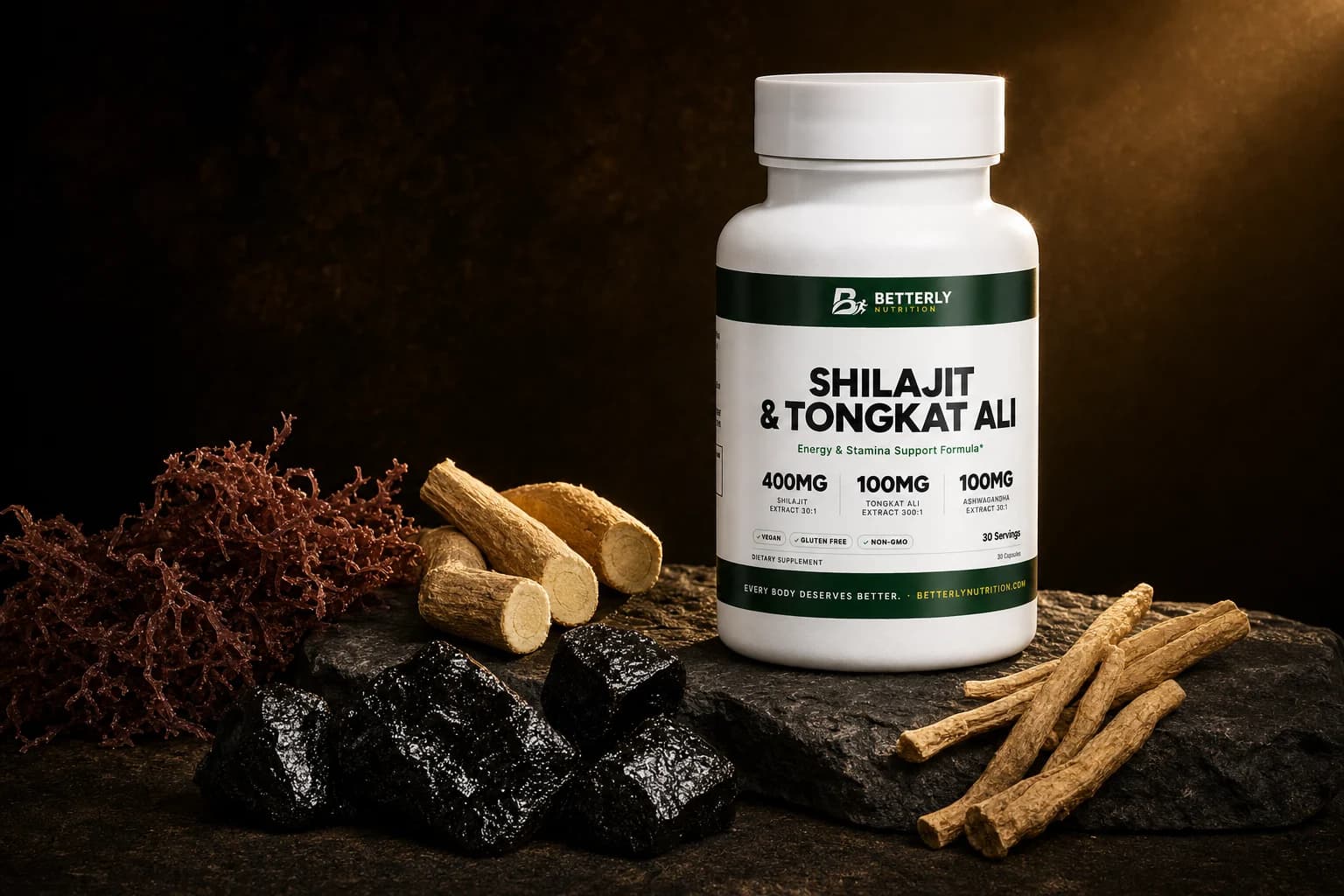
The second name is easy to miss. Our two tongkat-led labels, the tablet above and the Shilajit & Tongkat Ali Capsules, put tongkat ali on the front, while two other Betterly formulas list the plant only in the Supplement Facts panel, as longjack.
Why does tongkat ali have so many names?
Tongkat ali has so many names because it's used across several Southeast Asian countries and languages, and LiverTox lists a handful of them for the one species.
That entry's "other names" line includes:
- Long Jack, which our own panels print as one word, longjack
- Malaysian ginseng
- Ali's walking stick
- Cay Ba Binh, listed for Vietnam, and Piak Saw, listed for Thailand
Malaysian ginseng is the one most likely to mislead you. The nickname pairs a country with a better-known herb, yet LiverTox files it under Eurycoma longifolia, not under any ginseng species. On a panel, the first word inside the parentheses, the genus, settles which plant you have: Eurycoma for tongkat ali, Panax for Asian ginseng.
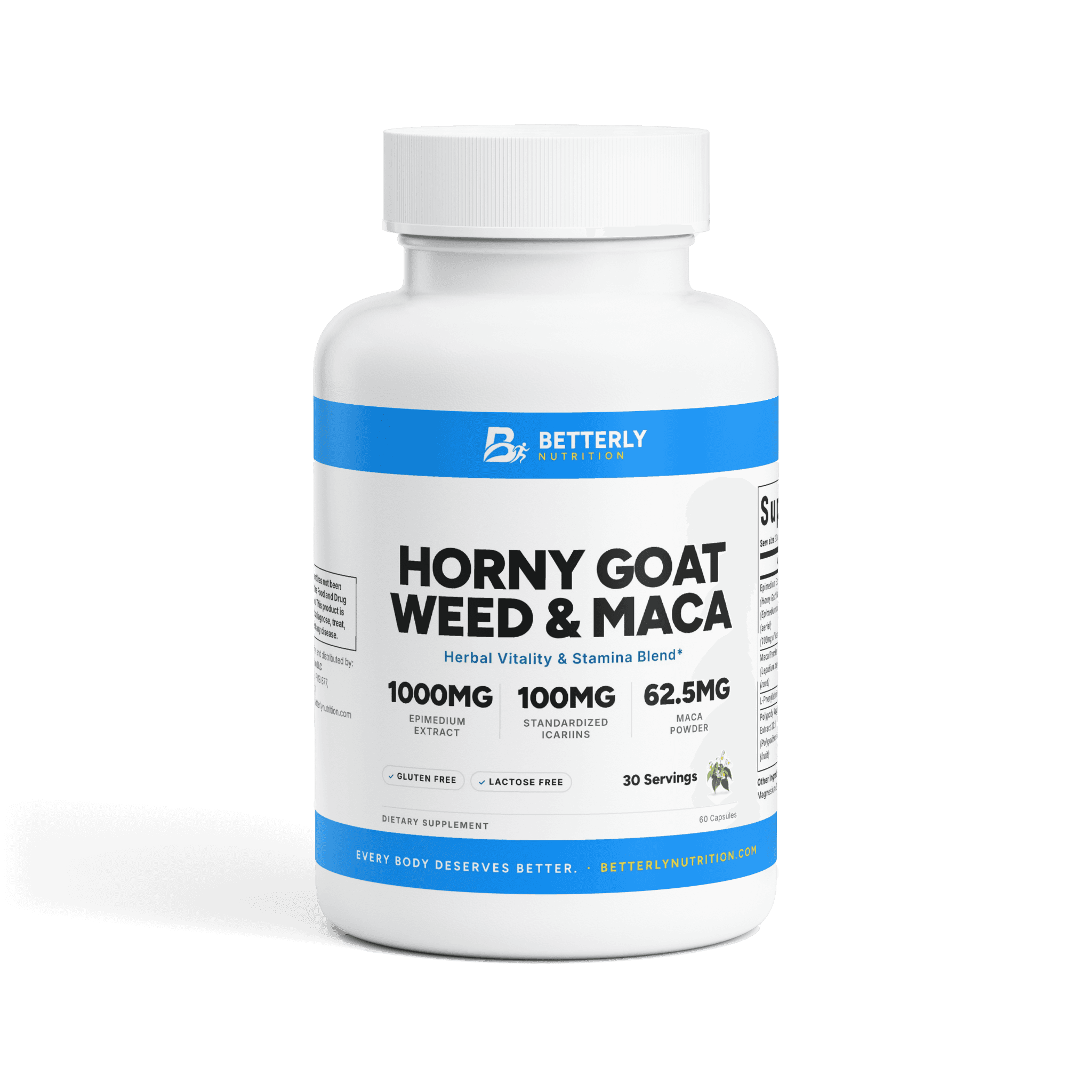
Our Horny Goat Weed & Maca Capsules show the difference on one panel, which lists Longjack Root Extract 100:1 (Eurycoma longifolia) and Asian Ginseng Powder (Panax ginseng), two rows for two unrelated plants.
Tongkat ali or Eurycoma longifolia: which name should you trust?
Trust Eurycoma longifolia, because a common name depends on who wrote the label, while the Latin binomial points to one species wherever the bottle was made.
Federal rules set where the Latin name goes and when it's required, and one clause explains the stray "Jack." Under 21 CFR 101.4(h), the FDA regulation on naming ingredients, a Latin name must carry the author who published it whenever the plant can't be positively identified without that credit.
That's what the trailing word is: an author designation for the botanist who first published the species name. LiverTox writes Eurycoma longifolia Jack in its opening line and drops the Jack in the next section, so both spellings mean the same tree. None of the federal sources we read explains the nickname Long Jack, so we won't guess at its origin.
The same rule puts the Latin name in parentheses and lets a label leave it off only when Herbs of Commerce, a 1992 reference of standardized plant names, already covers the common name printed. Every Eurycoma row on our shelf includes it anyway. FDA's Dietary Supplement Labeling Guide adds that the plant part belongs in the Supplement Facts panel itself.
The two longjack rows on our shelf sit on the Tribulus, Zinc & Magnesium Capsules and the horny goat weed formula, where the plant plays a supporting role. Here's how all four rows read:
| Betterly label | How the row reads | Preparation | Per serving |
|---|---|---|---|
| Tongkat Ali, Maca & Ginseng Capsules | Tongkat Ali (Eurycoma longifolia)(root) | Root, no ratio | 400 mg (2 tablets) |
| Shilajit & Tongkat Ali Capsules | Tongkat Ali Root Extract 300:1 (Eurycoma longifolia) | Extract, 300:1 | 100 mg (1 capsule) |
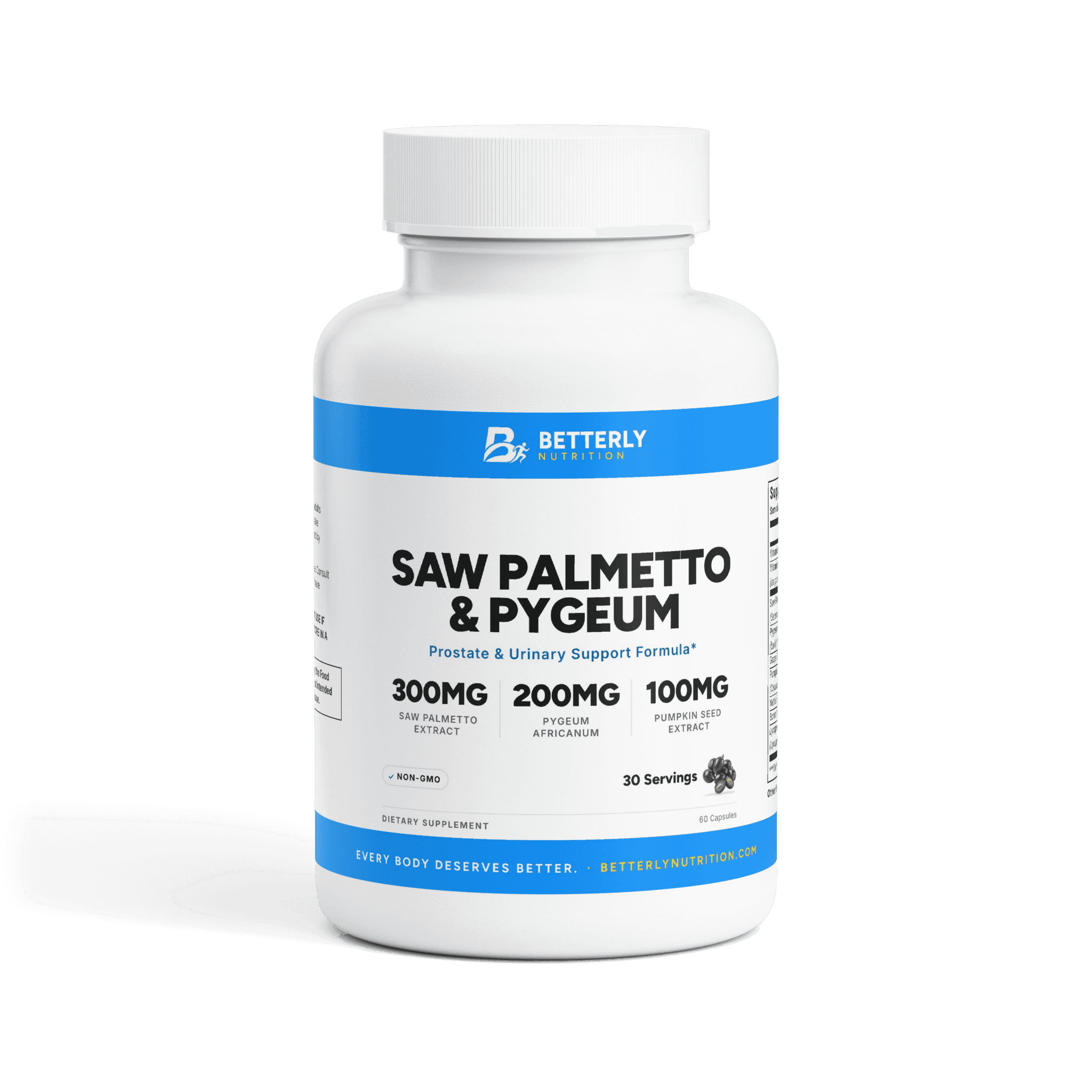
| Tribulus, Zinc & Magnesium Capsules | Longjack (Eurycoma longifolia)(root) | Root, no ratio | 50 mg (3 capsules) |
| Horny Goat Weed & Maca Capsules | Longjack Root Extract 100:1 (Eurycoma longifolia)(root) | Extract, 100:1 | 1 mg (2 capsules) |
The common name splits two and two, but the Latin name and the plant part never change. Only the preparation column moves, and that's where comparisons fall apart.
Is 400 mg of tongkat ali root more than 100 mg of a 300:1 extract?
Nobody can tell from the panels whether 400 mg of tongkat ali root beats 100 mg of a 300:1 extract, because the two figures weigh different materials.
Try the tempting math first. Read at face value, 300:1 means about 300 parts of root went into each part of extract, so a ratio row seems to multiply into a big "root equivalent." We don't print one, and running that sum on all four rows shows why:
| Row | Printed weight | Ratio | Face-value root input |
|---|---|---|---|
| Shilajit & Tongkat Ali Capsules | 100 mg extract | 300:1 | About 30,000 mg |
| Tongkat Ali, Maca & Ginseng Capsules | 400 mg root | None | 400 mg |
| Horny Goat Weed & Maca Capsules | 1 mg extract | 100:1 | About 100 mg |
| Tribulus, Zinc & Magnesium Capsules | 50 mg root | None | 50 mg |
The ranking flips with the column you believe. By printed weight, the tablet leads and the 1 mg trace comes last. By face-value input, the capsule leads by a mile and the trace passes the 50 mg root row. Readings that disagree that much aren't measuring strength.
Federal labeling rules back only the printed column. FDA's labeling guide gives a ratio format for liquid extracts, where the two numbers compare the starting material with the solvent. For an extract dried to a powder, it asks for a single figure: "you must list the weights of the dried extracts." Nothing in that guide defines what a ratio on a dried extract has to mean.
An extract also keeps only what its solvent drew out of the root, and LiverTox notes there's no standardization of purity and concentration across the extracts studied. No multiplier can tell you what reached the capsule.
From our shop: Shilajit & Tongkat Ali Capsules — one capsule a day carrying 100 mg of Tongkat Ali Root Extract 300:1 alongside 400 mg of shilajit extract, with a vegan claim on the label.
How do you read a tongkat ali or longjack label?
Read a tongkat ali or longjack row in six quick passes: Latin name, plant part, root or extract, serving size, blend lines, and the rows around it.
- Start inside the parentheses. Eurycoma longifolia there means this plant, whatever word sits in front of it.
- Check the plant part. LiverTox notes the leaves and bark have traditional uses too, so "root" is real information. All four of our rows say root.
- Sort root from extract. A ratio marks finished extract, and extracts compare only when their ratios match, which ours don't.
- Work per serving. Our tablet's 400 mg takes two tablets, and the tribulus formula's 50 mg takes three capsules.
- Look for a blend line. Our four Eurycoma rows each carry an amount, though the tablet also has a 745 mg "Proprietary Blend" of 13 other ingredients, explained in our guide to reading a proprietary blend line.
- Read the rows that aren't tongkat. On our tablet, that means zinc.
Does the name on the label change how you take tongkat ali?
No, the name doesn't change how you take tongkat ali; each label's suggested use sets that, and our tongkat tablet's zinc means a provider should review it first.
Shilajit & Tongkat Ali Capsules. The label reads, "Adults take one (1) capsule daily," ideally with 6-8 oz (177-237 ml) of water or as directed by a healthcare professional.
Tongkat Ali, Maca & Ginseng Capsules. The label reads, "Take two (2) tablets once a day." Despite the product name, the panel counts tablets, 60 to a bottle. That 2-tablet serving lists 50 mg of zinc (as zinc oxide), 455% of the Daily Value. Its 745 mg blend also lists "Orchic (substance)," an animal glandular from an animal the panel doesn't name, so the tablet doesn't suit a vegetarian diet.
The NIH Office of Dietary Supplements zinc fact sheet lists 40 mg a day as the upper limit for adults, counting meals, drinks, supplements and medicines together. At the label's own directions, the tablets land 10 mg past that limit before a single meal is counted. We don't recommend taking this product at that dose. If you're considering it, show the label to a healthcare provider first.
Both cautions read, "Do not exceed recommended dose." We'd add one rule of our own: one product listing Eurycoma longifolia at a time, unless your provider says otherwise. For timing and the daily amounts LiverTox calls typical, see our guide on when to take tongkat ali.
From our shop: Tongkat Ali, Maca & Ginseng Capsules — 400 mg of tongkat ali root per 2-tablet serving with the Latin name and plant part on the row, plus 50 mg of zinc, which is over the adult upper limit, so bring the label to your provider before starting.
When doesn't the tongkat ali vs longjack question matter?
The tongkat ali vs longjack question barely matters if you use one product listing Eurycoma longifolia and take it as its label directs (except our tongkat tablet, whose labeled zinc we don't recommend; ask a provider first), because the name alone changes nothing inside.
You can skip the naming homework when:
- You buy one product and have already matched Eurycoma longifolia on its panel. After that, the word on the front adds nothing.
- You're ranking brands by ratio. The face-value table above shows a ratio can't rank strength, so the name is the least of your problems.
- The only longjack row you own is the 1 mg of Longjack Root Extract 100:1 per 2-capsule serving in our horny goat weed formula. List it if you track every source, but a trace amount won't tip a comparison.
Where we fall short: none of our bottles holds this tree alone, so none lets you judge the plant by itself. Single-herb options sit beside blends in our adaptogen range if you'd rather start with one plant.
Who should check with a healthcare provider before using either name?
Anyone pregnant, nursing, under 18, on a prescription, scheduled for surgery or being treated for a health condition should ask a provider first and count longjack rows as tongkat ali.
Neither of our longjack formulas mentions the plant on its front: one leads with tribulus, zinc and magnesium, the other with horny goat weed and maca. When you list your supplements for a provider, copy the Latin names off each panel, or a second Eurycoma source can slip past you both.
The tribulus bottle also carries the firmest pregnancy line of the four: "Do not use if pregnant or lactating." The other three labels ask anyone pregnant, nursing or under 18 to consult a physician. That stricter warning sits on a bottle that never says tongkat on its front.
A provider keeping an eye on your liver will want the full count too. LiverTox rates tongkat ali a possible but rare cause of liver injury, with reports coming mostly from young men using it for bodybuilding. Its entry adds that people whose livers already have problems may be affected more often and more severely.
Our tongkat tablet raises two questions of its own. ODS notes that zinc and quinolone or tetracycline antibiotics might interfere with each other's absorption. The panel reads, "Contains: Shellfish (Oyster)," which matters if you have a shellfish allergy. And before any planned operation, your surgical team should see everything you take, longjack rows included.
If you feel unwell after starting any of these products, stop and call your provider. Our rundown of tongkat ali's reported side effects covers what LiverTox describes at usual amounts.
FAQ: tongkat ali and longjack
Why do some labels say tongkat ali and others longjack?
Labels say tongkat ali or longjack because both are common names for Eurycoma longifolia, and our panels don't explain which one each maker chose. On our shelf, the word follows the plant's role: the two products built around it print tongkat ali, while the tribulus and horny goat weed formulas, where it's a minor row, print longjack. Each of those rows adds the Latin name in parentheses, the part worth matching.
Is longjack extract stronger than longjack root?
Longjack extract isn't provably stronger than longjack root, because an extract's milligrams weigh the finished extract while a root's milligrams weigh the plant. A ratio like 100:1 hints at how much root went in, not what came out, and LiverTox says tongkat extracts aren't standardized. Compare root with root.
Is tongkat ali the same as tribulus?
No, tongkat ali and tribulus are different plants: tongkat ali comes from the root of Eurycoma longifolia, while tribulus is Tribulus terrestris, a separate species. They're easy to confuse on our shelf because they share bottles. Our Tribulus, Zinc & Magnesium Capsules list 750 mg of Tribulus Terrestris fruit beside 50 mg of longjack root per 3-capsule serving, and our tongkat tablet names Tribulus terrestris inside its 745 mg blend. The Latin names keep them apart.
Can you take a tongkat ali product and a longjack product together?
Not without a healthcare provider's okay, because a tongkat ali product and a longjack product both deliver Eurycoma longifolia, and no label plans for two sources. Different names make that overlap easy to miss when you scan a shelf or a cabinet. Bring both panels to your provider before starting the second.
Sources
- Tongkat Ali, LiverTox, National Library of Medicine, National Institutes of Health
- 21 CFR 101.4: Food; designation of ingredients, Electronic Code of Federal Regulations
- Dietary Supplement Labeling Guide: Chapter IV. Nutrition Labeling, U.S. Food and Drug Administration
- Zinc: Fact Sheet for Consumers, NIH Office of Dietary Supplements
If this left you looking for somewhere to start, read tongkat ali root tablets — its amounts per serving are listed on the page. For the practical questions this raises, how dosing, sourcing and subscriptions work is answered in one place.