On this page
- Key takeaways
- Can you take shilajit and tongkat ali together?
- Tongkat ali vs shilajit: how are they different?
- Can you take ashwagandha, shilajit and tongkat ali together?
- What do 30:1 and 300:1 mean on a shilajit and tongkat ali label?
- Could you be doubling up on tongkat ali, ashwagandha or zinc?
- How do you take a shilajit and tongkat ali capsule?
- When don't you need a shilajit and tongkat ali stack?
- Who should check with a healthcare provider before taking shilajit and tongkat ali?
- FAQ: shilajit and tongkat ali
- Sources
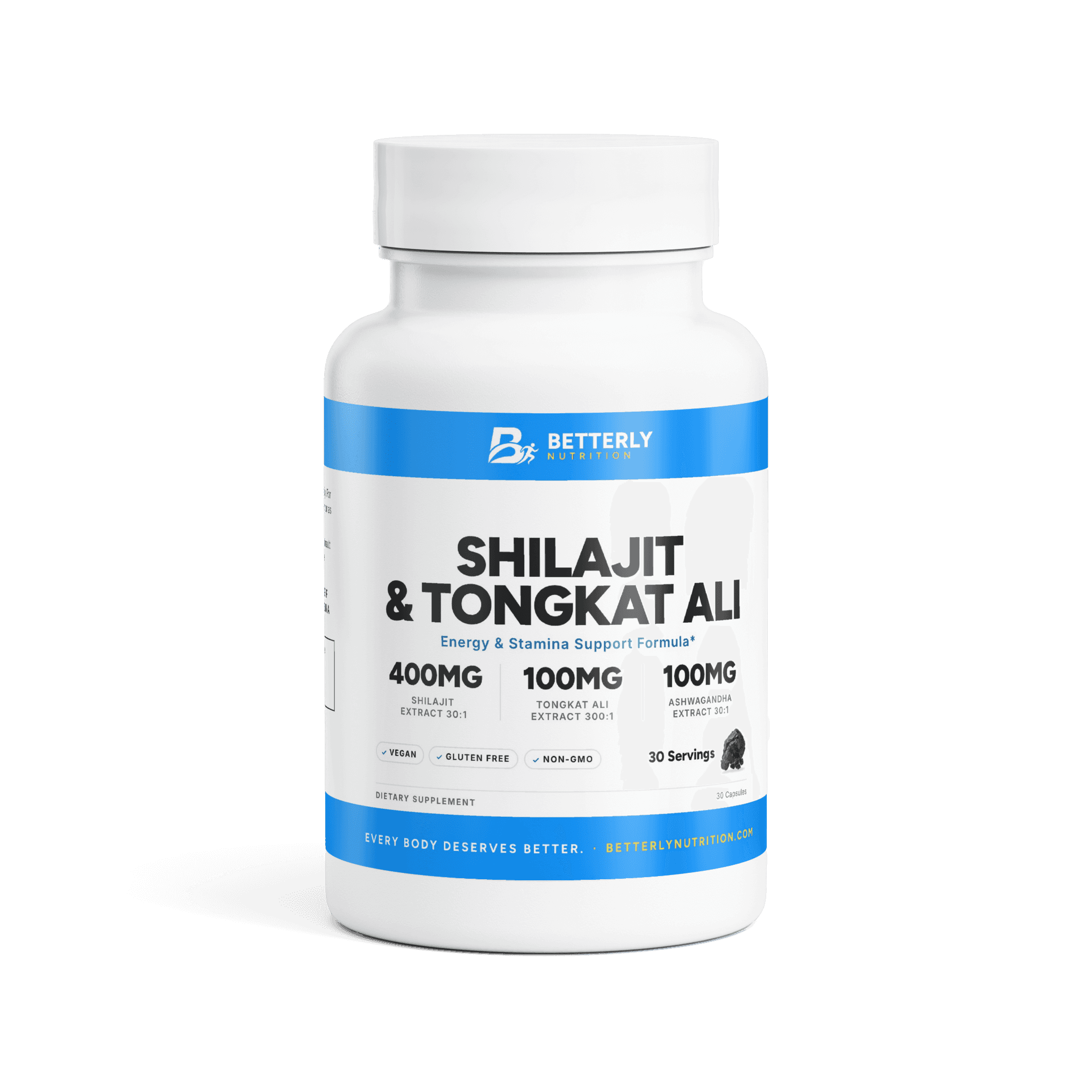
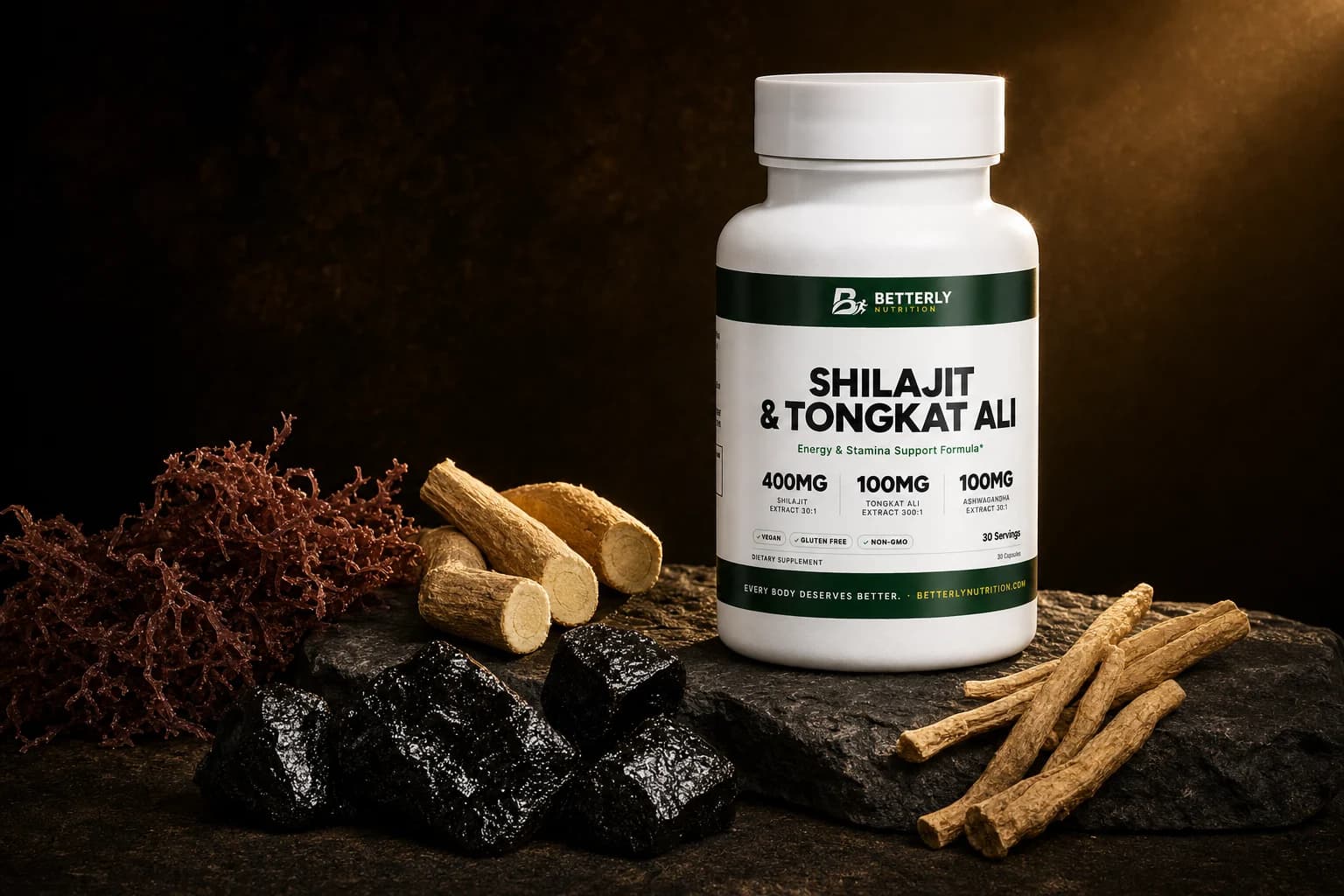
The short answer: Yes, shilajit and tongkat ali are commonly taken together, and many capsules, ours included, combine them. Betterly's Shilajit & Tongkat Ali Capsules list 400 mg of shilajit extract and 100 mg of tongkat ali root extract per 1-capsule serving, plus ashwagandha and sea moss. No federal source we found has looked at the two as a pair, so the risk you can control is doubling up when a second product repeats one of them.
Key takeaways
- Betterly's Shilajit & Tongkat Ali Capsules list four extracts per 1-capsule serving: 400 mg of shilajit (30:1), 100 mg of tongkat ali root (300:1), 100 mg of ashwagandha root (30:1) and 100 mg of sea moss (20:1).
- The label's suggested use is one capsule daily with 6-8 oz of water, and a second capsule isn't part of those directions.
- Our Tongkat Ali, Maca & Ginseng Capsules list 50 mg of zinc per 2-tablet serving, above the 40 mg adult upper limit the NIH lists.
- We found no NIH dietary supplement fact sheet on shilajit or tongkat ali, and NIH's LiverTox database describes reports of liver injury attributed to tongkat ali.
We sell the combined capsule, which gives us every reason to call the pairing brilliant. Instead, here's the label, its limits, and when something simpler would serve you better.
Can you take shilajit and tongkat ali together?
Yes, shilajit and tongkat ali can be taken together, and they often share one capsule, ours included, but that shows the pair is popular, not that it's been studied.
The two have almost nothing in common. Our panel lists shilajit as Shilajit Extract 30:1 (Asphaltum), with "Stone" where a plant ingredient would name a root or leaf. Our plain-English shilajit guide covers where it comes from and its forms. Tongkat ali is the root of Eurycoma longifolia, a shrub from Southeast Asia.
We looked for an NIH Office of Dietary Supplements (ODS) fact sheet on either ingredient and didn't find one. So most of what you'll read about the pair comes from brand blogs, and this page is one of them.
Our label's one structure/function statement, "Energy & Stamina Support Formula," carries the usual asterisk pointing to the FDA notice.
Tongkat ali vs shilajit: how are they different?
Tongkat ali is the root of a plant, while our panel names stone as shilajit's source, so the two differ in origin, label names and amount per capsule.
| Shilajit | Tongkat ali | |
|---|---|---|
| Source named on our panel | Stone | Root |
| Name on our panel | Shilajit Extract 30:1 (Asphaltum) | Tongkat Ali Root Extract 300:1 (Eurycoma longifolia) |
| Per 1-capsule serving | 400 mg | 100 mg |
| Other name you may see | Asphaltum | Longjack |
The takeaway from the table: shilajit is the largest active in our capsule, four times the tongkat ali by weight, and the bigger ratio on the tongkat line doesn't change that.
So which is better? We found no federal source comparing them, so any winner we named would be marketing.
Can you take ashwagandha, shilajit and tongkat ali together?
Yes, ashwagandha, shilajit and tongkat ali can be taken together, and our formula already puts all three in one capsule with 100 mg of sea moss extract.
Ashwagandha (Withania somnifera) is the only ingredient here with an ODS fact sheet. Its root has a long history in India's Ayurvedic and Unani medicine systems, the ODS ashwagandha fact sheet notes, where it's used as an adaptogen: loosely, something that helps a person become more resilient to stressors.
ODS notes that small, short trials suggest ashwagandha extracts may help with feelings of occasional stress and with sleep quality. Our primer on the whole herb category covers adaptogens more broadly.
Now the honest limit. In the 2021 review of stress trials that ODS summarizes, daily amounts ran from 240 mg to 1,250 mg of extract, and benefits looked greater at 500 to 600 mg. Our capsule holds 100 mg. Extracts differ, so the numbers don't line up neatly, but this isn't a study-sized amount.
Sea moss (Chondrus crispus) is the easiest part to miss. The front of our bottle gives numbers for the other three, and only the Supplement Facts panel lists it.
If you want tongkat ali with ashwagandha, or shilajit with ashwagandha, the same capsule covers both pairs: 100 mg each of tongkat ali and ashwagandha, beside 400 mg of shilajit.
What do 30:1 and 300:1 mean on a shilajit and tongkat ali label?
A ratio like 30:1 or 300:1 is the maker's description of how concentrated an extract is, while the milligram number beside it is the weight of the extract itself.
That second point is written into 21 CFR 101.36, the FDA regulation for Supplement Facts panels: when the solvent has been removed, the weight shown must be the weight of the dried extract. So our capsule holds 100 mg of tongkat ali extract, full stop.
This matters when you compare our two tongkat products. Our Tongkat Ali, Maca & Ginseng Capsules list "Tongkat Ali (Eurycoma longifolia)(root)" at 400 mg per 2-tablet serving, with no extract ratio, so that's plain root. You can't set it against 100 mg of a 300:1 extract milligram for milligram, and neither panel names a marker compound that would let you try.
Why no marker? The ODS botanical supplements background sheet says the constituents behind most botanicals' effects aren't known, and no U.S. law makes makers standardize. So a ratio can't tell you whether 100 mg of this extract does more or less than 400 mg of plain root.
A quick way to read any panel that lists these ingredients:
- Find the Latin name. Eurycoma longifolia is tongkat ali, even when the label says "Longjack."
- Note whether each line is a raw plant part or an extract, and whether a ratio is given.
- Watch for one total weight covering several herbs, the format our guide to what a proprietary blend hides explains.
Could you be doubling up on tongkat ali, ashwagandha or zinc?
You could double up if you add a second product, because tongkat ali, ashwagandha, shilajit and sea moss each appear on other Betterly labels too.
These Betterly labels repeat at least one of the four (amounts are per each label's own serving):
| Other Betterly label | Repeats | Amount on that label |
|---|---|---|
| Tongkat Ali, Maca & Ginseng Capsules | Tongkat ali | 400 mg root per 2-tablet serving |
| Tribulus, Zinc & Magnesium Capsules | Longjack (tongkat ali) | 50 mg root per 3-capsule serving |
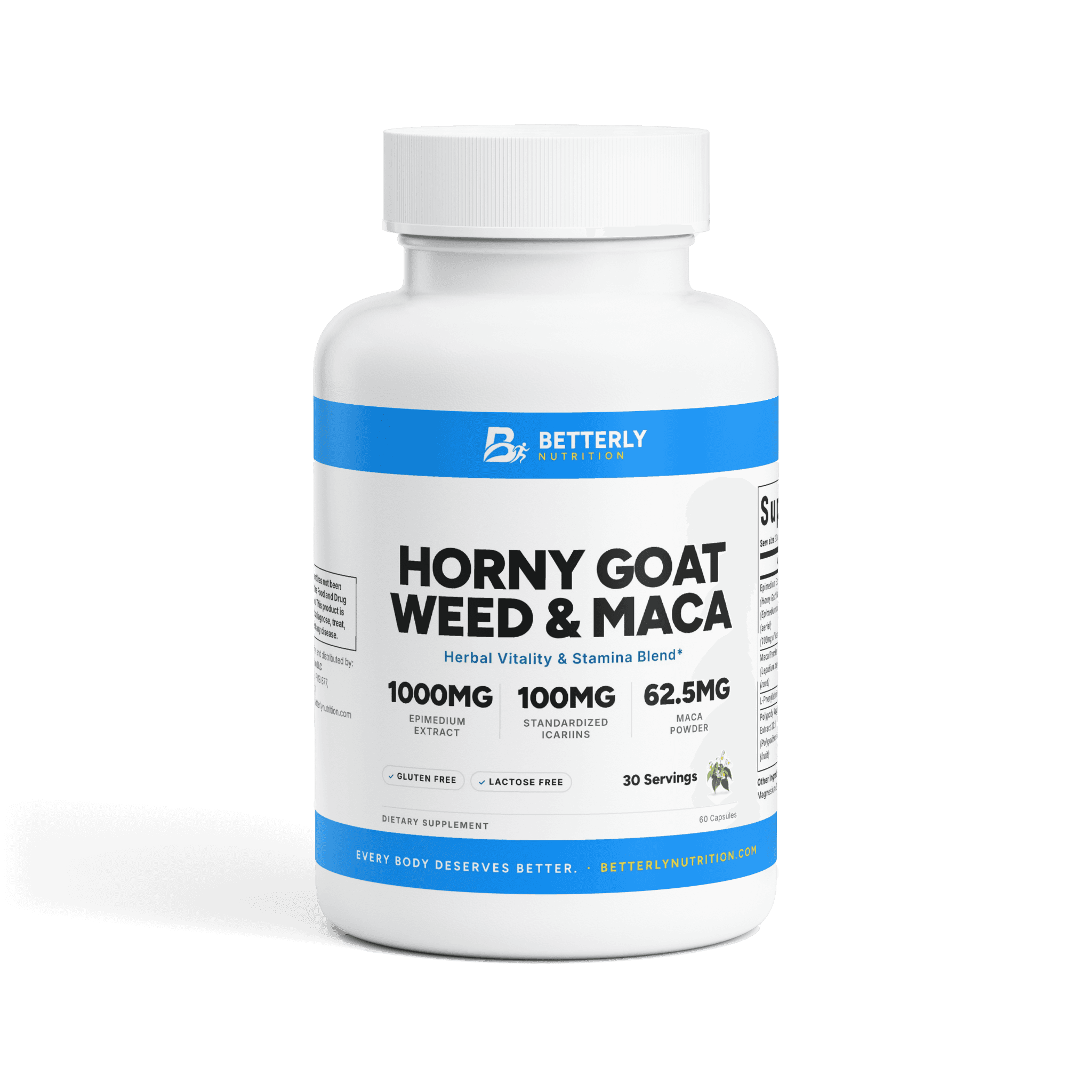
| Horny Goat Weed & Maca Capsules | Longjack (tongkat ali) | 1 mg extract (100:1) per 2-capsule serving |
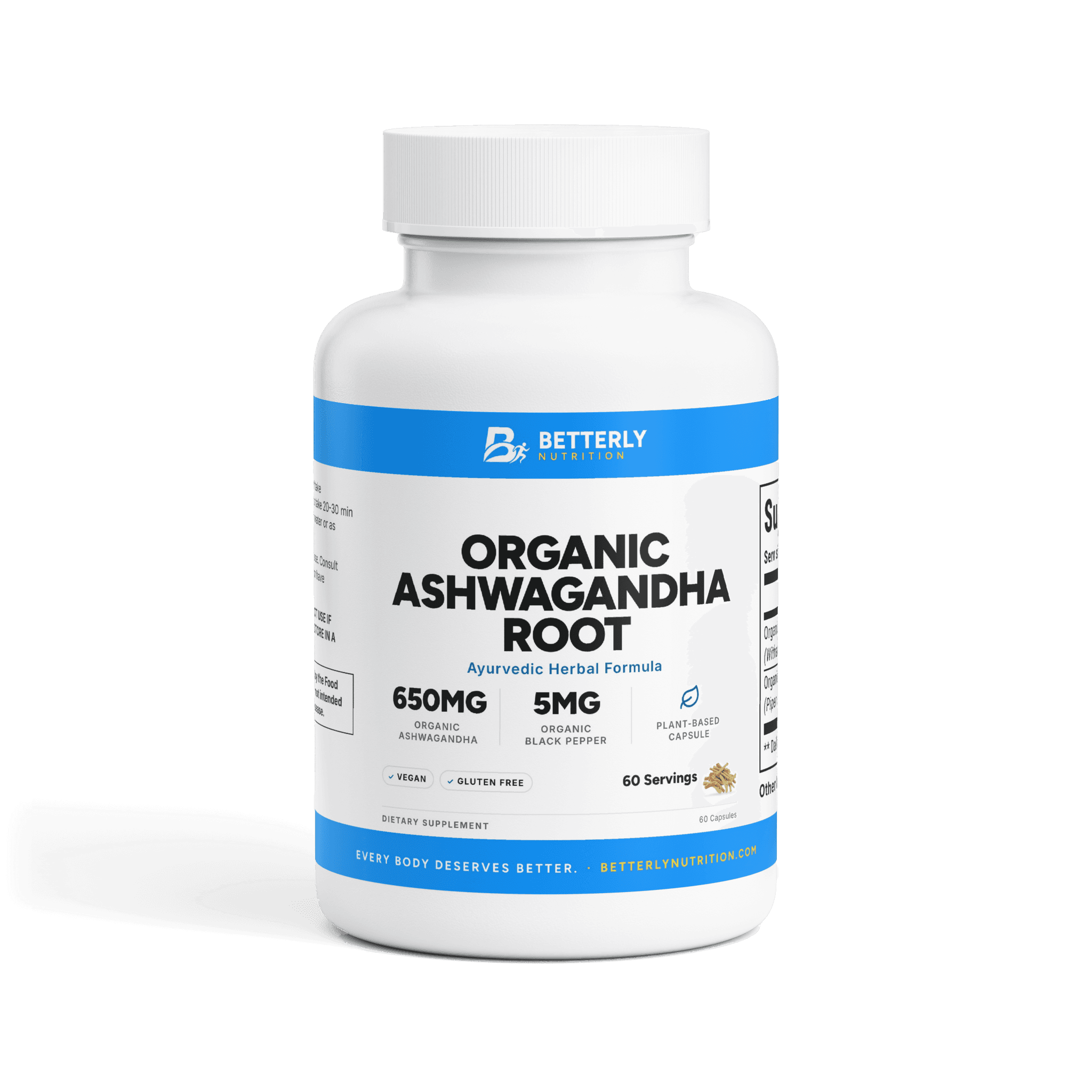
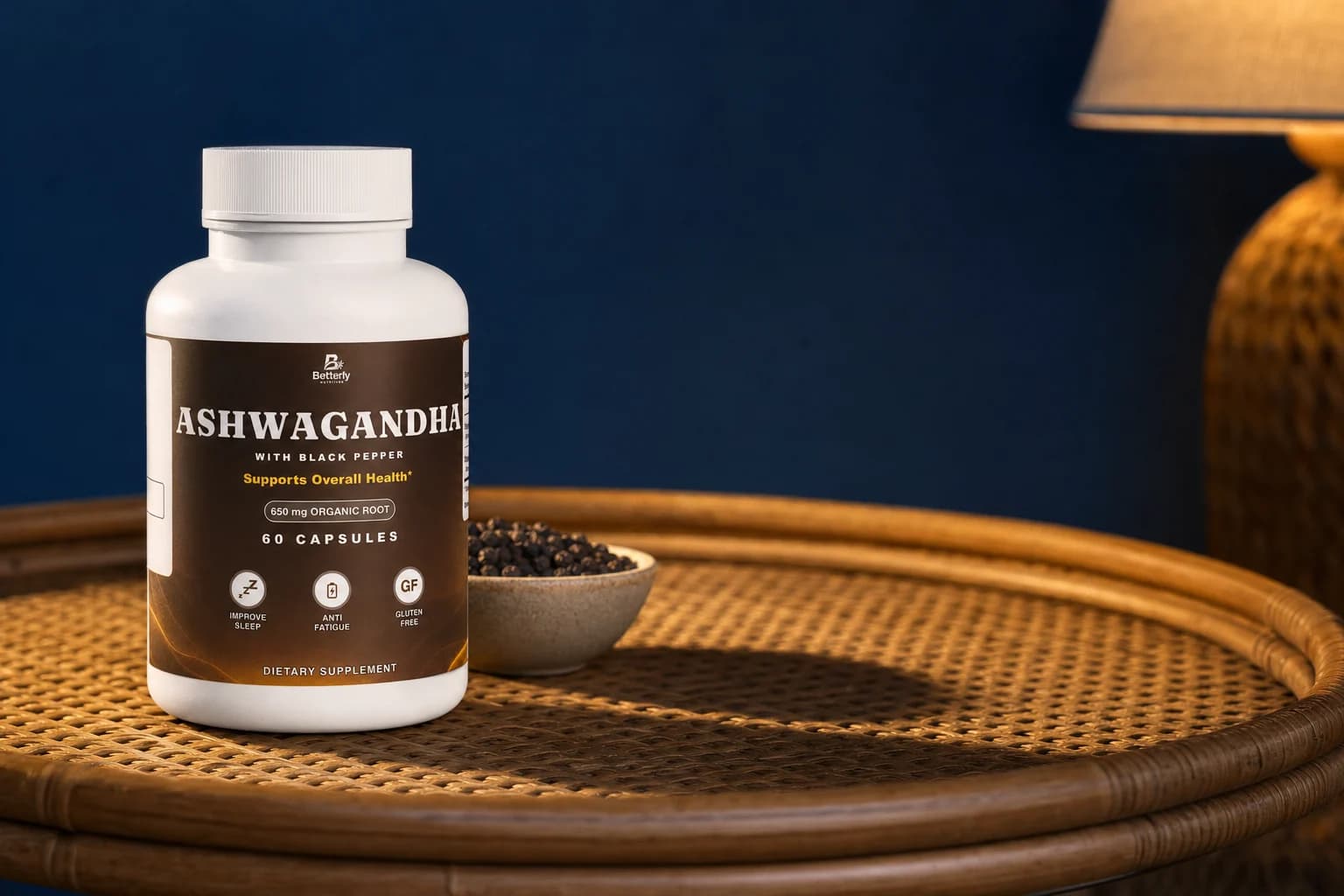
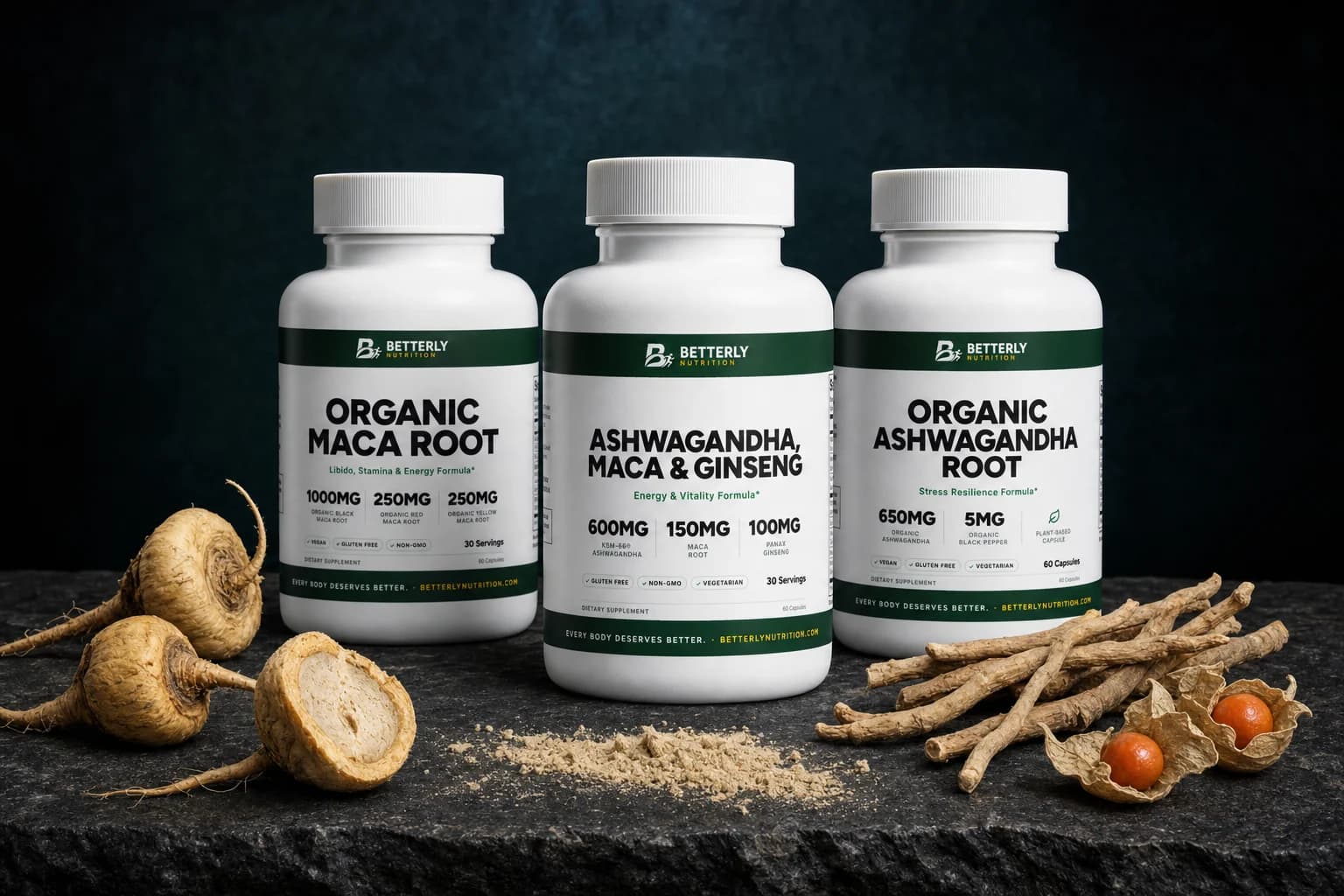
| Organic Ashwagandha Root Capsules | Ashwagandha | 650 mg per 1-capsule serving; label says twice a day |
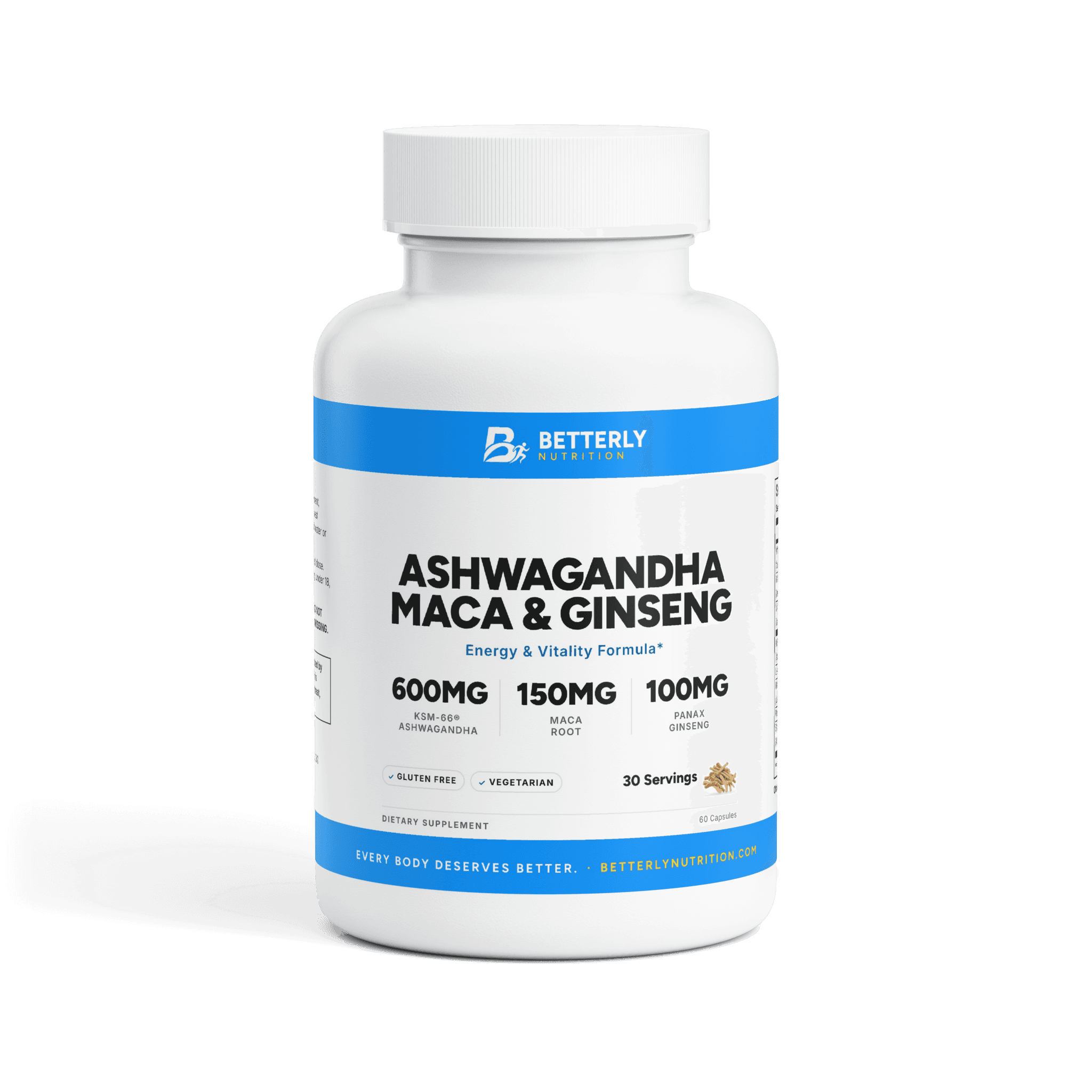
| Ashwagandha, Maca & Ginseng Capsules | Ashwagandha | 600 mg KSM-66® extract per 2-capsule serving |
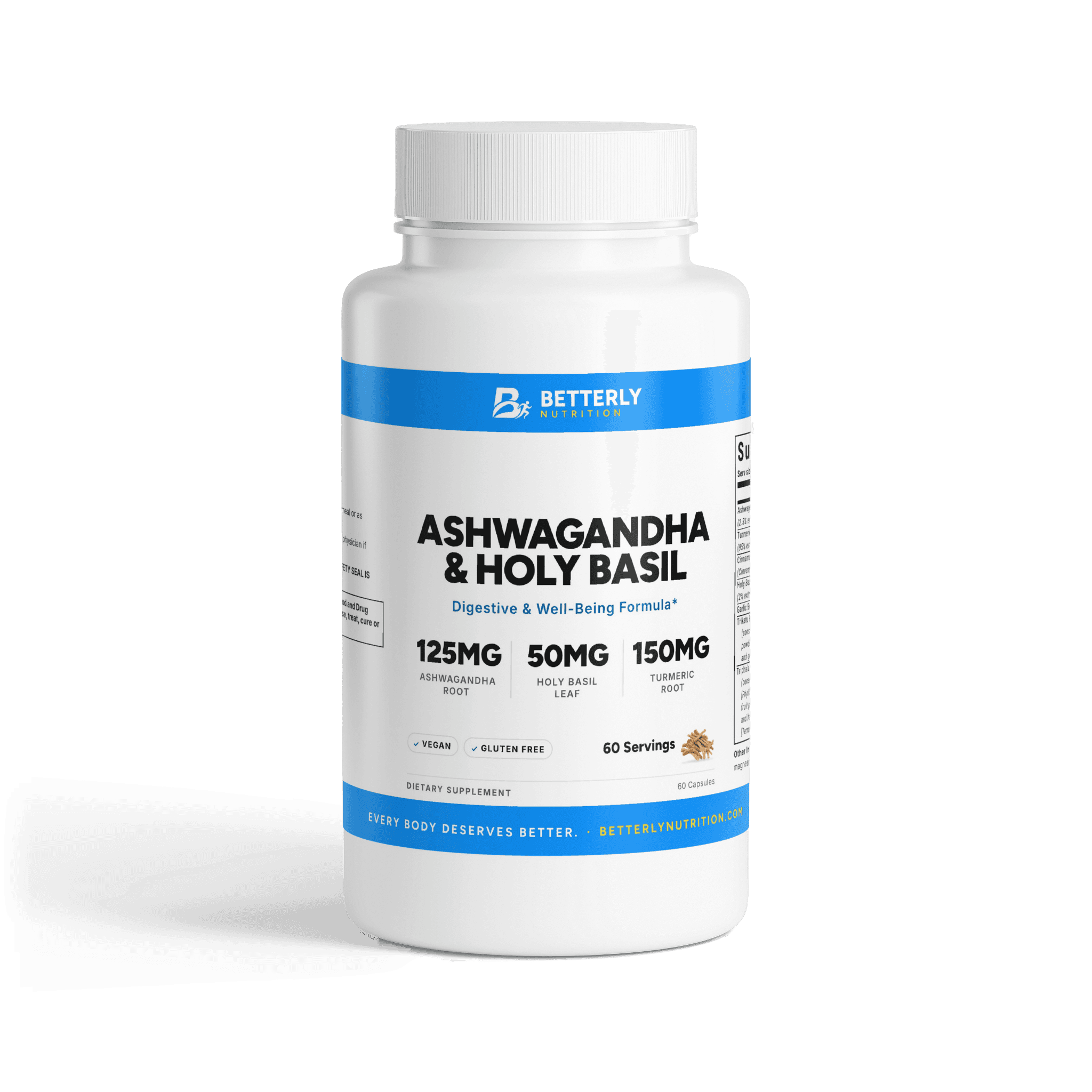
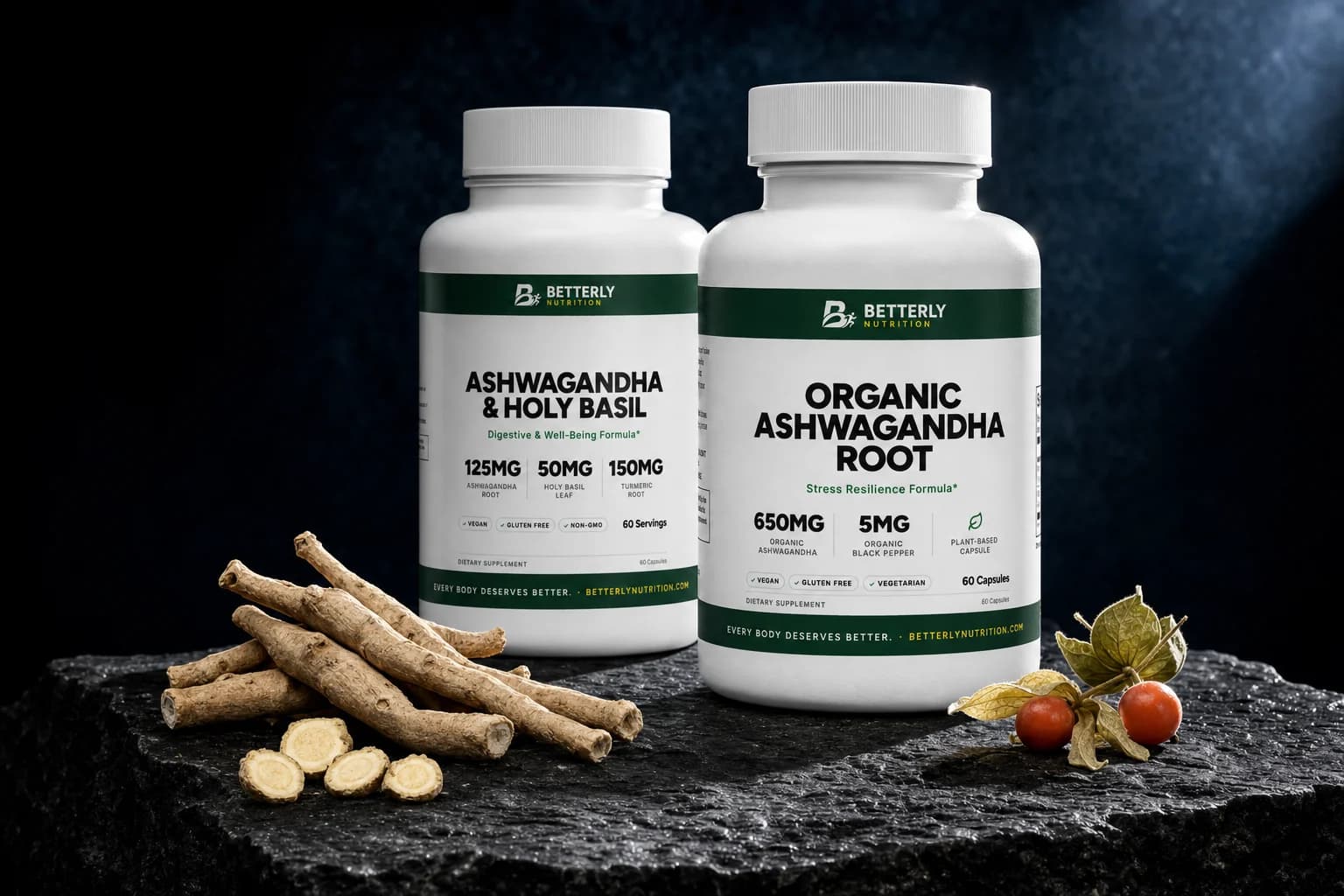
| Ashwagandha & Holy Basil Ayurvedic Capsules | Ashwagandha and shilajit | 125 mg ashwagandha root (2.5% extract) and 25 mg shilajit per 1-capsule serving |
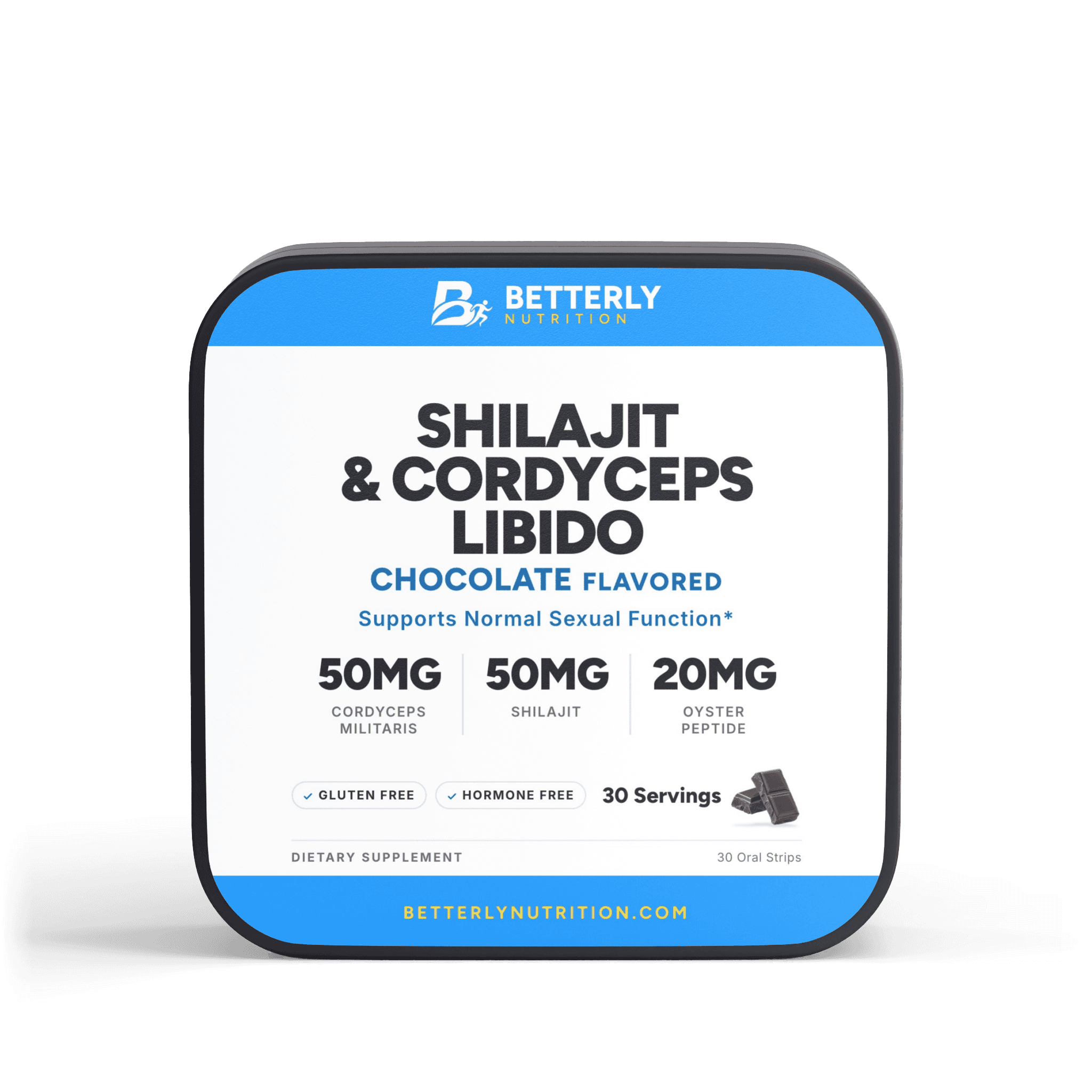
| Shilajit & Cordyceps Libido Strips | Shilajit | 50 mg per 1-strip serving |
| Beet Root & Berry Reds Powder | Shilajit | In a 400 mg blend per 1-scoop serving; amount not listed |
| 10mg Melatonin Sleep Capsules | Ashwagandha | In a 905 mg blend per 2-capsule serving; amount not listed |
| Tribulus & Ginseng Women's Libido Capsules | Ashwagandha | In an 802 mg blend per 2-capsule serving; amount not listed |
| Barley Grass & Spirulina Greens Powder | Ashwagandha | In a 300 mg blend per 1-scoop serving; amount not listed |
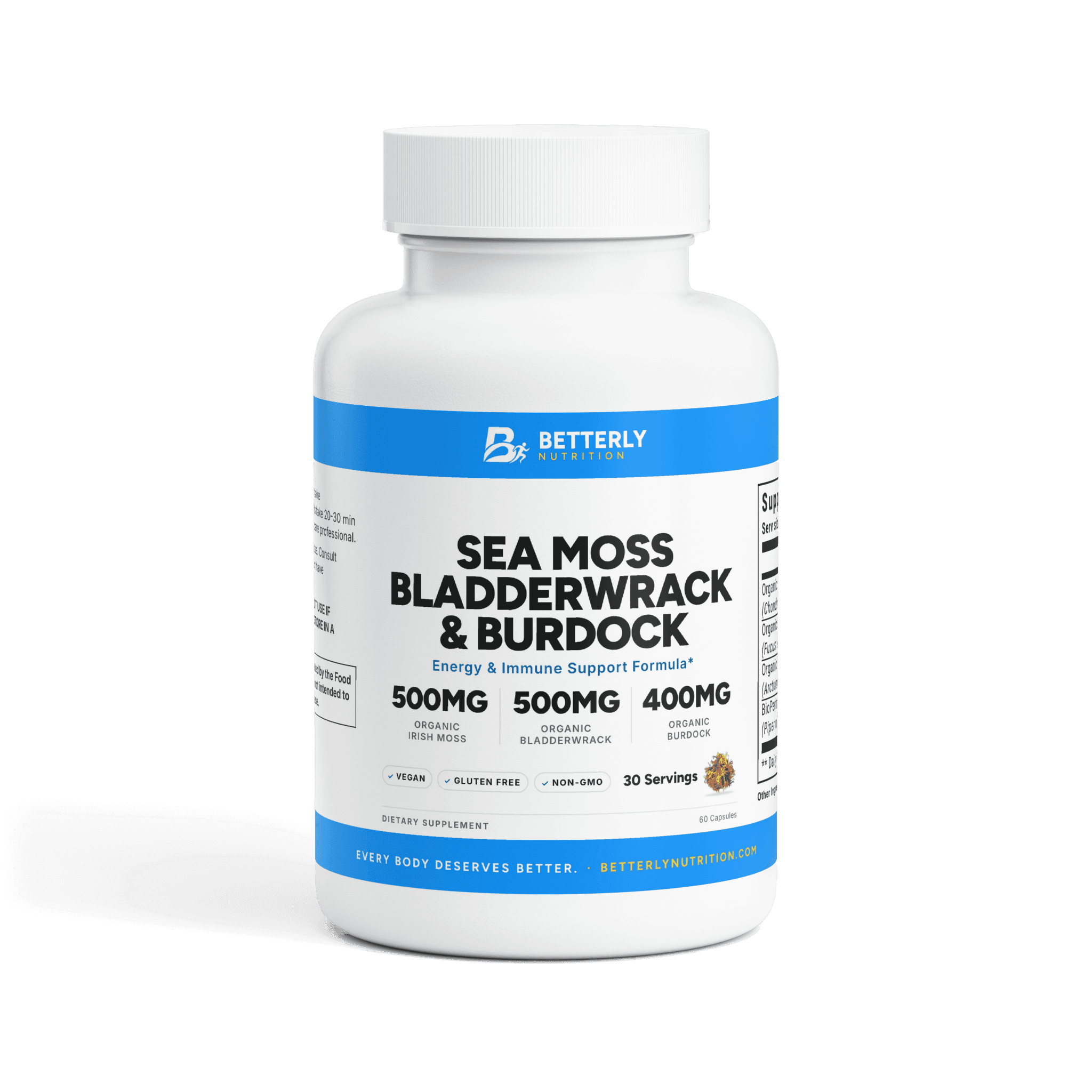
| Sea Moss, Bladderwrack & Burdock Capsules | Irish moss (sea moss) | 500 mg per 2-capsule serving |
The takeaway: anything in that table puts one of the combined capsule's ingredients in your day twice, and the Ashwagandha & Holy Basil capsule repeats two. The Organic Ashwagandha Root Capsules need extra care, because their label directions mean two 650 mg servings a day before ours adds 100 mg.
Formulas change and blends are easy to miss, so read the Latin names on every panel you own, not just this list. We found no NIH upper limit for shilajit, tongkat ali or ashwagandha, which is a reason for caution, not a green light.
The zinc problem with Tongkat Ali, Maca & Ginseng Capsules
Our Tongkat Ali, Maca & Ginseng Capsules need a plain warning. The label's suggested use is two tablets once a day, and that serving lists 50 mg of zinc, 455% of the Daily Value.
Adults shouldn't get more than 40 mg of zinc a day from everything combined, meals included, according to the ODS zinc fact sheet. At label directions, the tablets supply 125% of that ceiling on their own, and your meals add more. We don't suggest taking this product at that dose, so talk with a healthcare provider first. Too much zinc can bring on nausea, dizziness and vomiting, ODS says, and too much for a long time can lower copper levels.
Three more label details matter. Despite "Capsules" in the name, it's a tablet, 60 to a bottle. It contains shellfish (oyster). And its 745 mg proprietary blend lists 13 ingredients, including "Orchic (substance)," licorice extract and Tribulus terrestris, without each one's amount. Add the Tribulus, Zinc & Magnesium Capsules (30 mg of zinc per 3-capsule serving) and you'd reach 80 mg.
From our shop: Shilajit & Tongkat Ali Capsules — shilajit, tongkat ali, ashwagandha and sea moss extracts in one vegan capsule taken once a day, with no zinc on the panel.
How do you take a shilajit and tongkat ali capsule?
The label's suggested use for Shilajit & Tongkat Ali Capsules is one capsule daily with 6-8 oz (177-237 ml) of water, or as directed by a healthcare professional.
- Take one capsule, once a day. The bottle's own caution: "Do not exceed recommended dose."
- Pair it with a daily habit you never skip. The label doesn't name morning or night, and the panel lists no caffeine.
- Before adding another product, check it against the overlap table above.
Each bottle holds 30 capsules, a month at the label's pace. The other ingredients are an HPMC vegetable capsule, Nu-FLOW® and olive oil, and the label claims vegan, gluten free and non-GMO.
When don't you need a shilajit and tongkat ali stack?
You don't need a shilajit and tongkat ali capsule if another product you take already lists either ingredient, or if you only want one adaptogen.
Skip it, or rethink it, if:
- Something you already take lists shilajit, ashwagandha or tongkat ali under any of its names. Adding ours would repeat it.
- You mainly want ashwagandha. A standalone ashwagandha capsule gives you one clear ashwagandha number instead of 100 mg inside a four-part formula.
- You'd like to set each amount yourself. The ratio is fixed at 400 mg of shilajit for every 100 mg of tongkat ali, and the label allows one capsule, so there's nothing to adjust.
- You're hoping for something dramatic. The label calls this a support formula, and that's the honest ceiling.
- You're pregnant, nursing or not yet 18. The caution on the bottle names all three.
To compare single herbs and blends side by side, our adaptogens collection puts them on one page.
From our shop: Organic Ashwagandha Root Capsules — 650 mg of organic ashwagandha root with 5 mg of organic black pepper per 1-capsule serving, taken twice a day per the label, for anyone who'd rather take ashwagandha on its own.
Who should check with a healthcare provider before taking shilajit and tongkat ali?
Talk to a healthcare provider before taking shilajit and tongkat ali if you're pregnant, nursing, under 18, on a prescription, heading into surgery or living with a medical condition.
The label's caution reads: "Consult a physician if pregnant, nursing, under 18, or have a medical condition." The ingredients add a few more reasons to ask:
- ODS notes that ashwagandha may change thyroid function and may interact with medicines such as thyroid hormone pills and sedatives. Bring the bottle to your pharmacist.
- ODS reports that some experts warn pregnant women away from ashwagandha, which matches the label's own pregnancy line.
- Two of the ingredients appear in NIH liver-safety records. ODS describes a few reports of more serious effects on liver function linked to ashwagandha, and NIH's LiverTox database describes reports of liver injury attributed to tongkat ali.
- Before a planned surgery, tell your surgical team everything you take.
- A shellfish allergy rules out the Tongkat Ali, Maca & Ginseng Capsules, since oyster is on the label.
For every group NIH flags, see the full list of who should skip ashwagandha.
FAQ: shilajit and tongkat ali
What's the best time to take shilajit and tongkat ali?
The best time to take shilajit and tongkat ali is whatever time you can repeat daily, since our label names no hour and the panel lists no caffeine. If the capsule seems to make you drowsy, a usually mild ashwagandha effect according to ODS, raise it with your provider.
What are the side effects of shilajit and tongkat ali?
For tongkat ali, NIH's LiverTox database describes reports of liver injury attributed to the herb. For shilajit, we couldn't find any NIH summary of side effects. The ashwagandha share has the fullest record: ODS describes mostly mild stomach effects and drowsiness, plus rare liver and thyroid reports. If you feel unwell after starting, pause the capsule and call your healthcare provider.
Do you need to cycle shilajit and tongkat ali?
Cycling isn't on our label, and no federal page we found gives an on-and-off schedule for shilajit or tongkat ali. The only time frame in our sources belongs to ashwagandha, which ODS says appears well tolerated for up to roughly 3 months, with too little evidence on longer use. Around that mark, it's worth a routine check-in with your healthcare provider.
Does a shilajit and tongkat ali capsule have caffeine?
No, our Shilajit & Tongkat Ali Capsules list no caffeine. The panel's four actives are shilajit, ashwagandha, sea moss and tongkat ali extracts, with an HPMC shell, Nu-FLOW® and olive oil as the only other ingredients. Other brands' blends can differ, so check theirs.
How much shilajit and tongkat ali should you take a day?
Take one Shilajit & Tongkat Ali capsule a day, which is the label's suggested use and gives you 400 mg of shilajit extract and 100 mg of tongkat ali root extract. We found no federal recommended amount or upper limit for either ingredient. That's why the label's single capsule is the ceiling, and why a second tongkat product deserves a provider's opinion first.
Sources
- Ashwagandha: Fact Sheet for Health Professionals, NIH Office of Dietary Supplements
- Zinc: Fact Sheet for Consumers, NIH Office of Dietary Supplements
- Botanical Dietary Supplements: Background Information, NIH Office of Dietary Supplements
- Tongkat Ali, LiverTox database, National Institutes of Health
- 21 CFR 101.36: Nutrition labeling of dietary supplements, Electronic Code of Federal Regulations
If this left you looking for somewhere to start, read one-a-day shilajit and tongkat ali capsules — its amounts per serving are listed on the page. For the practical questions this raises, how dosing, sourcing and subscriptions work is answered in one place.