On this page
- Key takeaways
- Can you tell if shilajit is real with a home test?
- Shilajit real vs fake: what does "fake" actually mean?
- Does shilajit contain heavy metals?
- What does "purified shilajit" promise, and what doesn't it?
- How do you check if shilajit is genuine on a COA?
- What should a shilajit label tell you?
- How do you take shilajit capsules, and what does a day add up to?
- When don't you need shilajit at all?
- Who should check with a healthcare provider before trying shilajit?
- FAQ: telling real shilajit from fake
- Sources
The short answer: If you're wondering how to tell if shilajit is real, skip the home tests. Dissolving, burning or stretching a lump only shows how it behaves in water or heat, and none of those tricks can detect lead, arsenic or mercury. The useful signals are on paper: the ingredient name and source on the label, the amount per serving, an extract ratio or fulvic acid percentage, and a batch certificate of analysis with measured metal results.
Key takeaways
- Home tests for shilajit describe texture and solubility, so passing them can't prove what a sample is or how clean it is.
- "Fake" shilajit covers three problems: something that isn't shilajit, raw material sold uncleaned, and genuine resin carrying too much metal.
- A certificate of analysis (COA) helps only when its batch number matches your jar and it lists each metal as a number with a unit.
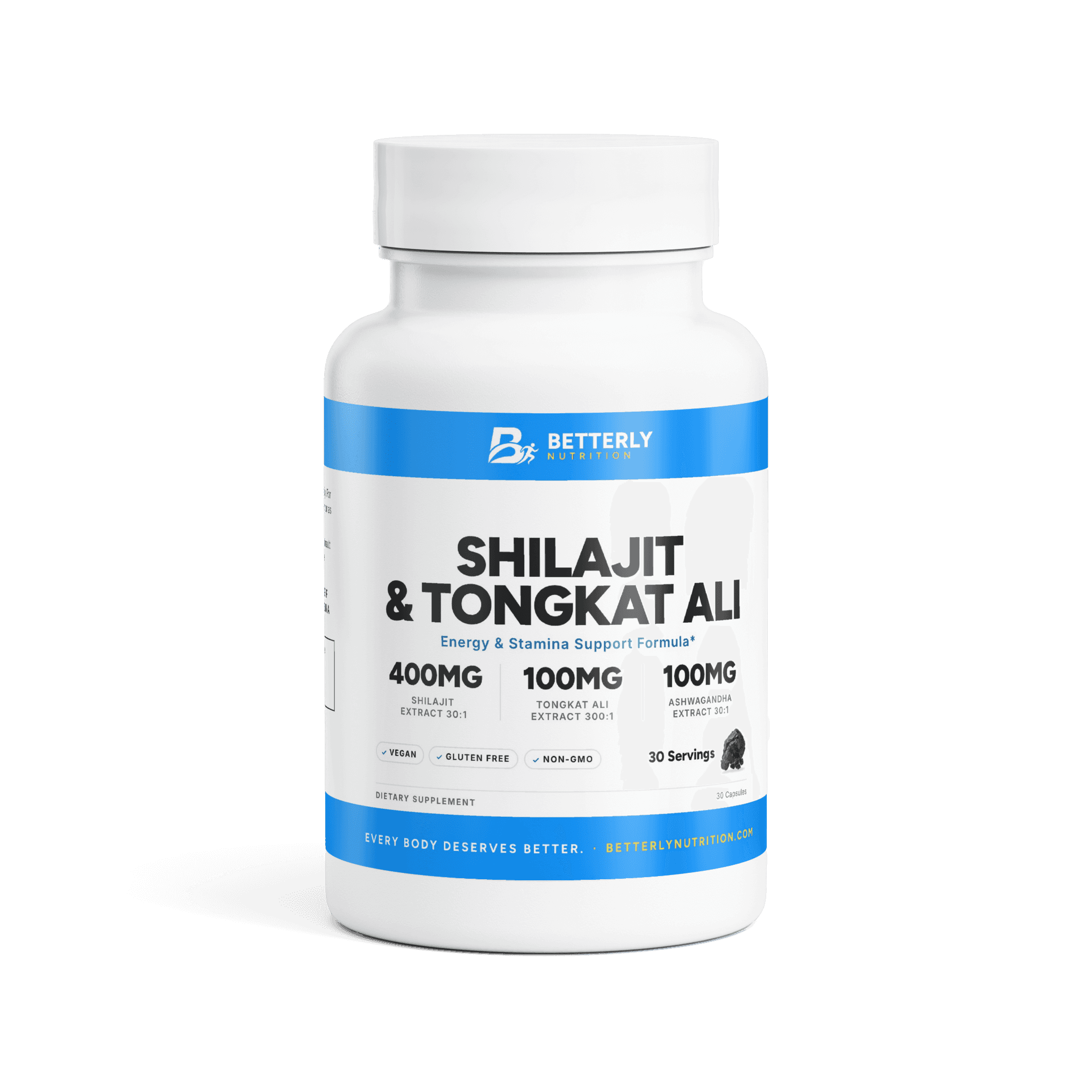
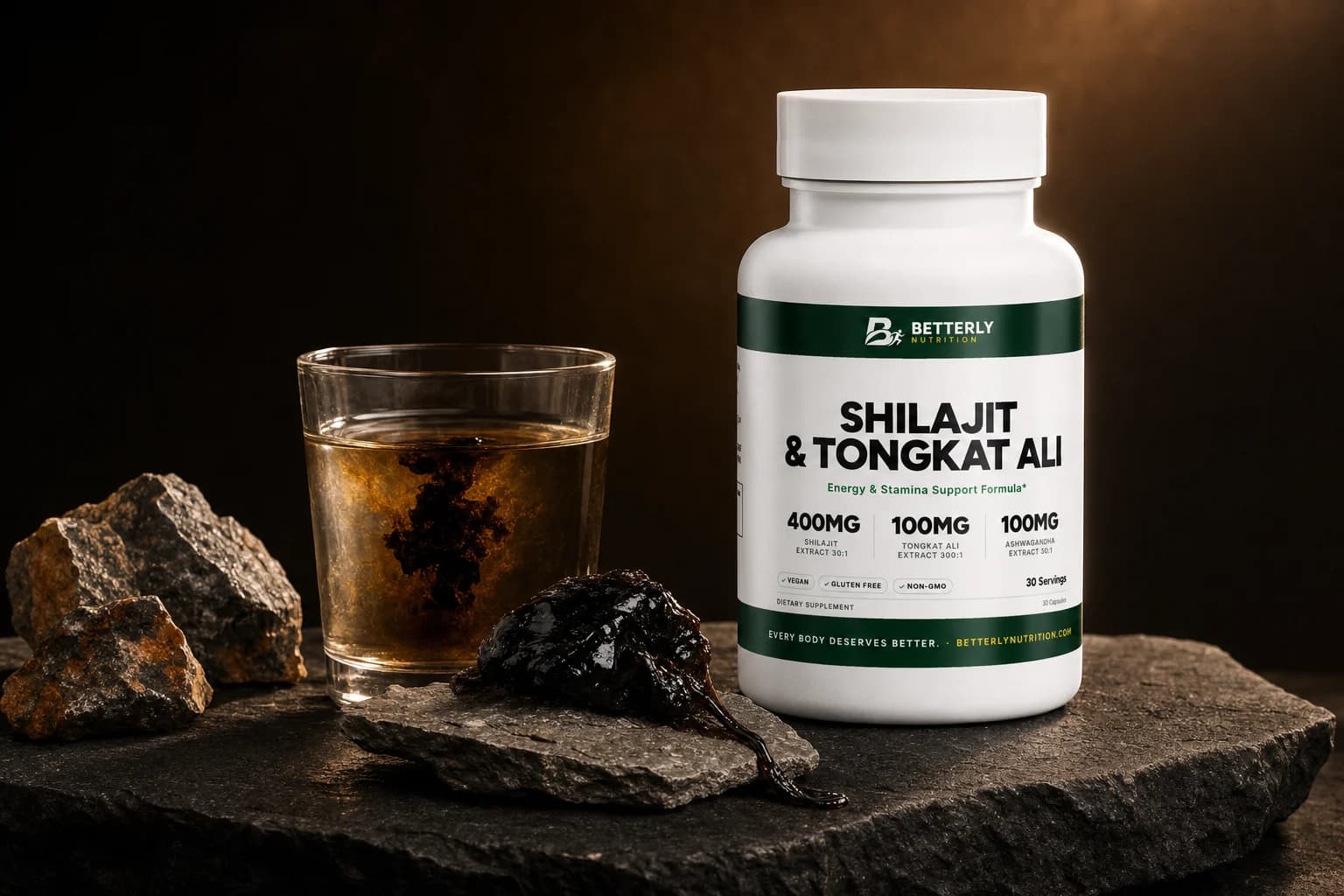
- Our Shilajit & Tongkat Ali Capsules list 400 mg of Shilajit Extract 30:1 per 1-capsule serving, but no fulvic acid percentage or region, and we don't publish batch documents for them yet.
Full disclosure: shilajit appears on four of the labels we sell, and our capsule carries the most of it. Every check below applies to our panels too, and ours don't pass all of them.
Can you tell if shilajit is real with a home test?
No home test can tell you if shilajit is real, because the water, flame and stretch tests show how a sample behaves, not what's in it.
Seller after seller lists the same four checks, each with a "pass" meant to mark the genuine article.
| Home test | What a "pass" looks like | What it shows | What it can't show |
|---|---|---|---|
| Warm water | Dissolves fully, no grit | It's water-soluble | Metals, fillers |
| Flame | Bubbles, won't ignite | How it reacts to heat | Identity, metals |
| Stretch and chill | Soft warm, brittle cold | Texture | Source, purity |
| Taste and smell | Bitter, smoky, earthy | One person's opinion | Anything measurable |
Every row shares one gap: none of these tests can see contamination. A glass of dissolved resin can look spotless while holding metal you'd never notice, because trace amounts don't cloud water.
The tests aren't pointless. If a sample smells sweet or leaves sand in the glass, that's a fair reason to stop. Passing just proves far less than failing does.
Shilajit real vs fake: what does "fake" actually mean?
Fake shilajit can mean three different things: a product that isn't really shilajit, raw shilajit sold uncleaned, or genuine shilajit carrying too much metal.
- Not shilajit, or not much of it. The jar holds another dark, sticky material, or real resin stretched with filler. The home tests loosely aim here.
- Real but uncleaned. Shilajit seeps out of mountain rock, so what's collected can bring grit along. We found no federal source that has measured raw shilajit, which is why a batch result beats a story about the mountain.
- Real and processed, but contaminated. Cleaning can remove visible debris without bringing metals down to where you'd want them.
Does shilajit contain heavy metals?
Any shilajit batch might carry heavy metals, and only a lab report for that batch can say. Federal health agencies warn about lead, mercury and arsenic in some Ayurvedic products.
Shilajit comes out of India's Ayurvedic tradition. The NCCIH overview of Ayurvedic medicine, from the National Center for Complementary and Integrative Health, says some Ayurvedic preparations may carry harmful amounts of those metals. It points to FDA's warning as well, and it describes a 2015 survey in which 40 percent of people using Ayurvedic preparations had raised levels of lead in their blood.
That page doesn't name shilajit, and we didn't find a federal fact sheet on shilajit at all. So read it as a warning about the category, not a verdict on any one jar. Our guide to whether Ayurvedic supplements are safe covers the wider picture.
Why worry about tiny amounts? FDA's page on lead in food and foodwares says "there is no known safe level of exposure to lead." It also notes that lead in the environment can end up in foods grown, raised or processed there, and shilajit is collected straight from rock.
FDA uses two benchmarks, called interim reference levels, for lead from food: 2.2 micrograms (mcg) a day for children and 8.8 mcg a day for females of childbearing age. Those cover everything you eat, so a daily supplement should use up only a small slice.
What does "purified shilajit" promise, and what doesn't it?
Purified shilajit means the seller says its raw material went through a cleaning step, but the word alone doesn't tell you what was removed or measured.
We couldn't find a federal definition of "purified" for shilajit. U.S. law doesn't define "standardized" either, the NIH Office of Dietary Supplements (ODS) points out in its botanical supplements background sheet. A jar calling itself both has used two words nobody regulates, and neither is a measurement.
When a label says purified, ask two things. What was the process meant to remove? And do the metal results you're shown come from the finished batch, or from raw material before processing?
How do you check if shilajit is genuine on a COA?
To check a shilajit certificate of analysis, match its batch number to your jar, then read the lead, arsenic, cadmium and mercury results as numbers with units.
A Supplement Facts panel lists what a serving is meant to contain, never what it shouldn't, so metals don't appear there. They belong on the COA, ideally in a block of their own. Before you trust that block, look for:
- A batch number that matches your jar. A report for another batch describes another batch.
- A test date and the lab's name, so you can look the lab up.
- Each metal on its own line, with a unit such as ppm (parts per million) or ppb (parts per billion).
- Numbers, not just "Pass." A bare pass hides both the result and the cutoff it was judged against.
- An assay line for any advertised figure. A promised fulvic acid percentage should appear with the method used.
One ppm equals 1 mcg per gram. Multiply a ppm result by the grams you take daily and you get micrograms per day, the unit FDA uses for its lead benchmarks. The table uses 0.5 g a day as a round example.
| Lead on a COA | In 0.5 g a day | Share of FDA's 8.8 mcg |
|---|---|---|
| 0.1 ppm | 0.05 mcg | About 0.6% |
| 1 ppm | 0.5 mcg | About 6% |
| 5 ppm | 2.5 mcg | About 28% |
These are worked examples, not any product's results. And the benchmark isn't a pass mark: with no known safe level, and food adding lead of its own, lower is simply better.
Some products carry a seal instead. ODS says seals from groups such as NSF International and U.S. Pharmacopeia show a product contains what its label lists without harmful levels of contaminants, though a seal doesn't guarantee safety or effectiveness. None of our shilajit labels carries one.
What should a shilajit label tell you?
A shilajit label should name the ingredient clearly, give its amount per serving, and ideally state an extract ratio or a fulvic acid percentage.
Look for:
- A clear name. Shilajit, Asphaltum and Asphaltum punjabianum all turn up.
- A source note. Under 21 CFR 101.4, an FDA labeling rule, botanical ingredients must name the plant part, such as root or leaves, with algae exempt. Shilajit comes from rock, not a plant, so labels improvise.
- Milligrams of shilajit itself, not a blend total.
- A ratio or a percentage. A ratio such as 30:1 describes concentration; a fulvic acid percentage states how much of one compound is claimed.
- A region, if claimed. "Himalayan" is a sourcing claim, not a test result.
Here's how our own labels measure up.
| Betterly label | Shilajit line as printed | Per serving |
|---|---|---|
| Shilajit & Tongkat Ali Capsules | Shilajit Extract 30:1 (Asphaltum) (Stone) | 400 mg per capsule |
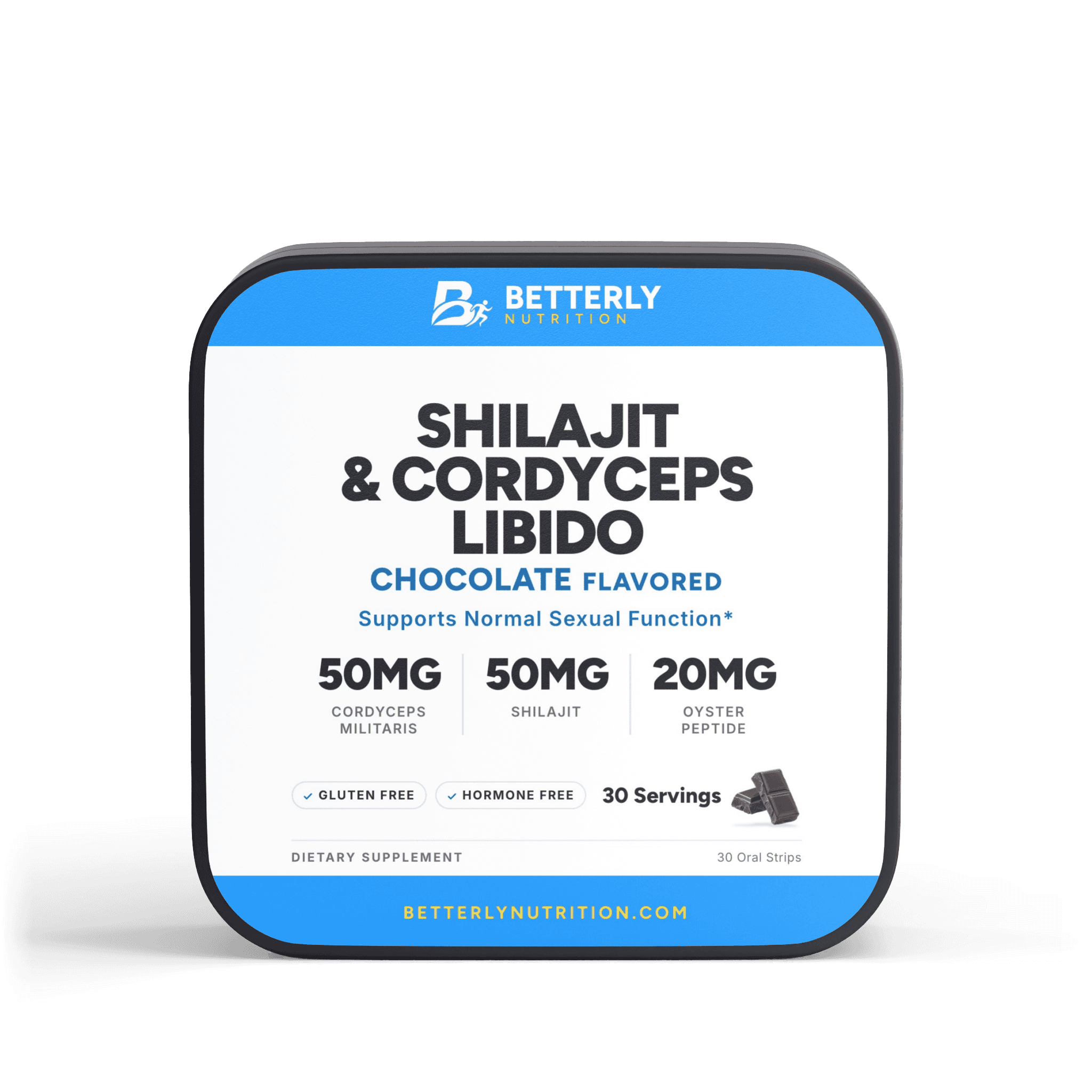
| Shilajit & Cordyceps Libido Strips | Asphaltum punjabianum (Shilajit) | 50 mg per strip |
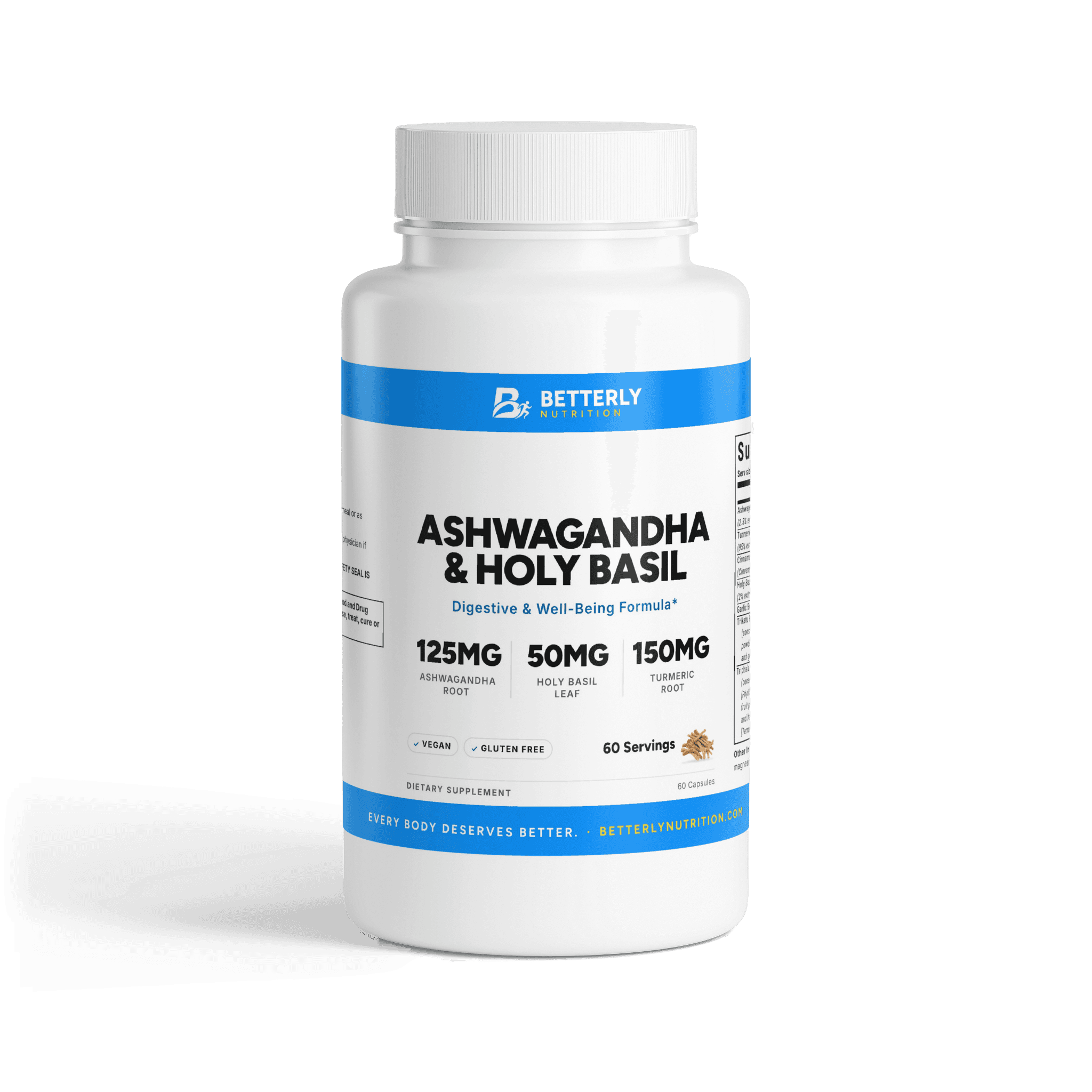
| Ashwagandha & Holy Basil Ayurvedic Capsules | Shilajit | 25 mg per capsule |
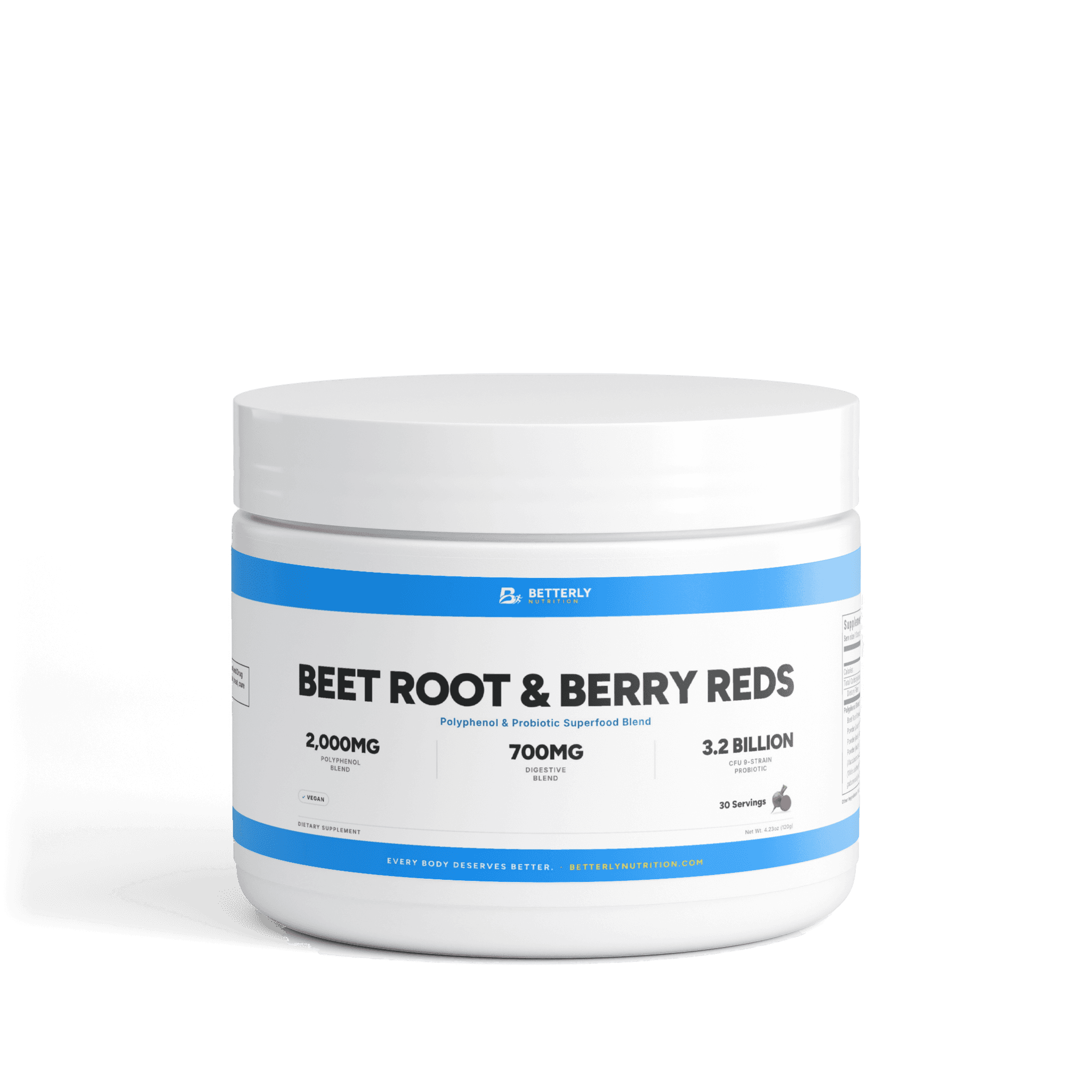
| Beet Root & Berry Reds Powder | Shilajit Extract (Asphaltum punjabianum) (gum & resin) | Not listed; inside a 400 mg blend per 4 g scoop |
Four labels, four ways of writing one ingredient. Only the capsule gives an extract ratio, and none states a fulvic acid percentage or a region. The Reds powder hides shilajit's share inside a seven-ingredient blend, a pattern our guide to how proprietary blends work explains.
That's the honest limit of our panels: they tell you how much shilajit a serving holds, and little about the shilajit itself. We also don't publish batch documents for any of these four products yet, as our quality page states, so by this post's own standard, we fall short there. Put that question to every brand, ours included.
From our shop: Shilajit & Tongkat Ali Capsules — 400 mg of Shilajit Extract 30:1 per 1-capsule serving, alongside 100 mg each of ashwagandha, sea moss and tongkat ali extracts.
How do you take shilajit capsules, and what does a day add up to?
Shilajit & Tongkat Ali Capsules are labeled for adults at one capsule a day with water, which adds up to 400 mg of shilajit extract, or 0.4 g.
The directions ask for 6-8 oz (177-237 ml) of water, or whatever a healthcare professional advises, and name no time of day. A second capsule isn't part of them, and the metals math shows why that ceiling matters.
Take a hypothetical 1 ppm lead result for the shilajit extract. Multiply by 0.4 g and one capsule supplies 0.4 mcg, about 5% of FDA's 8.8 mcg benchmark, from that ingredient alone. Two capsules would double it. A report on the finished capsule works the same way, but you'd need the capsule's full fill weight, which the panel doesn't print.
Two habits keep that math honest. Photograph the lot code if your bottle prints one, so any question you send a seller names the exact batch. And count every shilajit source you take: our strips, Ayurvedic capsules and Reds powder each add their own share, and none of the four labels says anything about combining them.
Choosing between resin and capsules? That question lives in our shilajit benefits and forms guide.
When don't you need shilajit at all?
You can skip shilajit if you won't buy without batch results, if another product already supplies it, or if you'd rather take a nutrient with a daily target.
- Batch results are a must for you. If a seller can't share them for your lot, walking away is fair, and we don't publish batch documents for ours yet.
- You already get it elsewhere. Check other labels for Shilajit, Asphaltum or Asphaltum punjabianum.
- You want a number to hit. Shilajit has no Daily Value; its row on our panel shows "**."
- The metals question keeps nagging. That's reason enough, since nothing in your diet depends on shilajit.
If the adaptogen side draws you, browse root and leaf adaptogens instead. Roots and leaves grow in soil, so the same ask for batch results goes with you to any botanical.
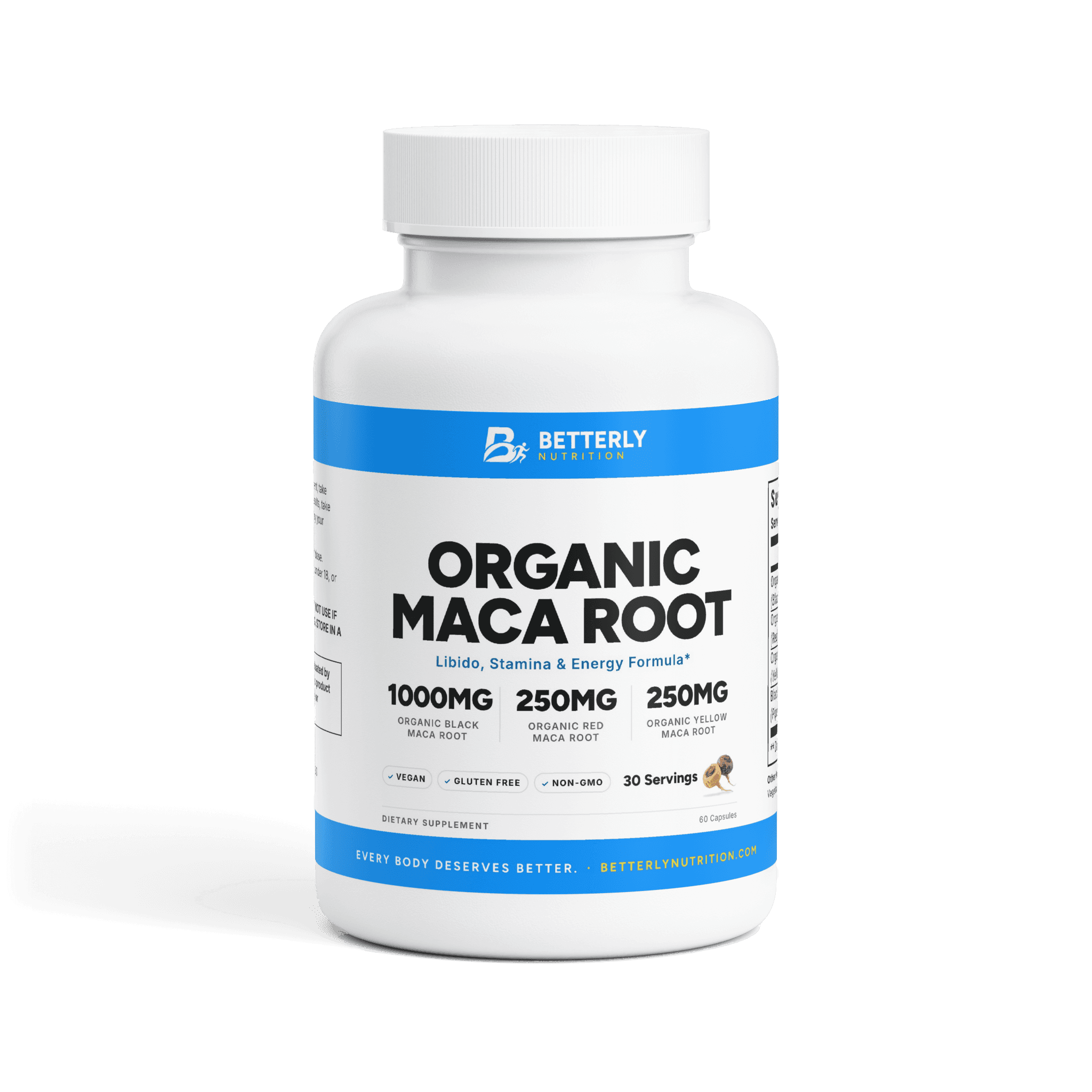
From our shop: Organic Maca Root Capsules — a root adaptogen for anyone who'd rather skip shilajit, with 1,000 mg of organic black maca root plus 250 mg each of red and yellow per 2-capsule serving.
Who should check with a healthcare provider before trying shilajit?
Check with a healthcare provider before trying shilajit if you're pregnant, nursing, under 18, taking any medication, scheduled for surgery or managing a medical condition.
Our capsule's caution names four of those groups. Here's what sits behind them for a shilajit product:
- Pregnant, planning to be or nursing. FDA says lead's most serious effects can occur during active brain development, before birth included. Its 8.8 mcg benchmark is meant to protect a pregnancy not yet known and a nursing infant. The ODS ashwagandha fact sheet adds that ashwagandha, one of our capsule's four extracts, might not be safe during pregnancy or breastfeeding.
- Buying for a teen. FDA sets a lower lead benchmark for children, 2.2 mcg a day, a quarter of the 8.8 mcg for females of childbearing age. Our capsule's directions begin with "Adults," and its caution names anyone under 18.
- Taking medication. ODS says ashwagandha might interact with some medications, thyroid medicine among them. Hand your pharmacist the full panel.
- Watching your thyroid or liver. ODS links ashwagandha to possible thyroid effects and a few liver reports. It's one of four extracts, each worth asking about, and our guide to taking shilajit with tongkat ali covers tongkat ali's safety record.
- Scheduled for a procedure. Mention every supplement at your pre-op appointment.
FAQ: telling real shilajit from fake
Does real shilajit dissolve completely in water?
Sellers describe genuine shilajit resin as dissolving in warm water, but a full dissolve doesn't prove a sample is real or clean. Other dark, water-soluble materials dissolve too, and trace metals stay invisible in the glass. A sandy layer at the bottom is a reason to ask questions. A clear glass proves only that the sample dissolves.
Can you test shilajit gummies or capsules at home?
No, you can't meaningfully test shilajit gummies or capsules at home, because the shilajit is already mixed with other ingredients. For either format, find the milligrams of shilajit per piece on the Supplement Facts panel, then ask the seller for results on your batch. Our capsule pairs its extracts with Nu-FLOW® and olive oil, and we don't publish batch documents for it yet.
Is Himalayan shilajit better than other shilajit?
Himalayan on a label tells you where a seller says its shilajit came from, not how clean a batch is. Shilajit is gathered in other mountain ranges too, and we found no federal source ranking regions for quality. Metal results for your batch are worth more than a place name. Our capsule label lists "Stone" as the source and names no region.
Does ND on a shilajit COA mean it's safe?
No, ND on a shilajit certificate of analysis means "not detected," not "safe." The lab's method found none of that metal above its detection limit, the smallest amount it can measure, and a good report prints that limit beside the ND. That's also why "heavy metal free" is worth questioning: tests go down to a limit, never to true zero. A clean report covers one batch, so ask your provider first if you're pregnant, nursing, under 18 or managing a medical condition.
Sources
- Ayurvedic Medicine: In Depth, National Center for Complementary and Integrative Health
- Lead in Food and Foodwares, U.S. Food and Drug Administration
- Botanical Dietary Supplements: Background Information, NIH Office of Dietary Supplements
- Ashwagandha: Fact Sheet for Health Professionals, NIH Office of Dietary Supplements
- 21 CFR 101.4: Food; designation of ingredients, Electronic Code of Federal Regulations
If this left you looking for somewhere to start, read shilajit extract 30:1 capsules — its amounts per serving are listed on the page. For the practical questions this raises, how dosing, sourcing and subscriptions work is answered in one place.