On this page
- Key takeaways
- What side effects does tongkat ali cause?
- Is tongkat ali hard on your liver or kidneys?
- Which side effects could come from the rest of the formula?
- Is 50 mg of zinc too much?
- What is orchic substance on a supplement label?
- Are tongkat ali side effects different for women and men?
- How do you take our two tongkat formulas by the label?
- When is tongkat ali the wrong pick for you?
- Who should skip tongkat ali or ask a healthcare provider first?
- FAQ: tongkat ali side effects
- Sources
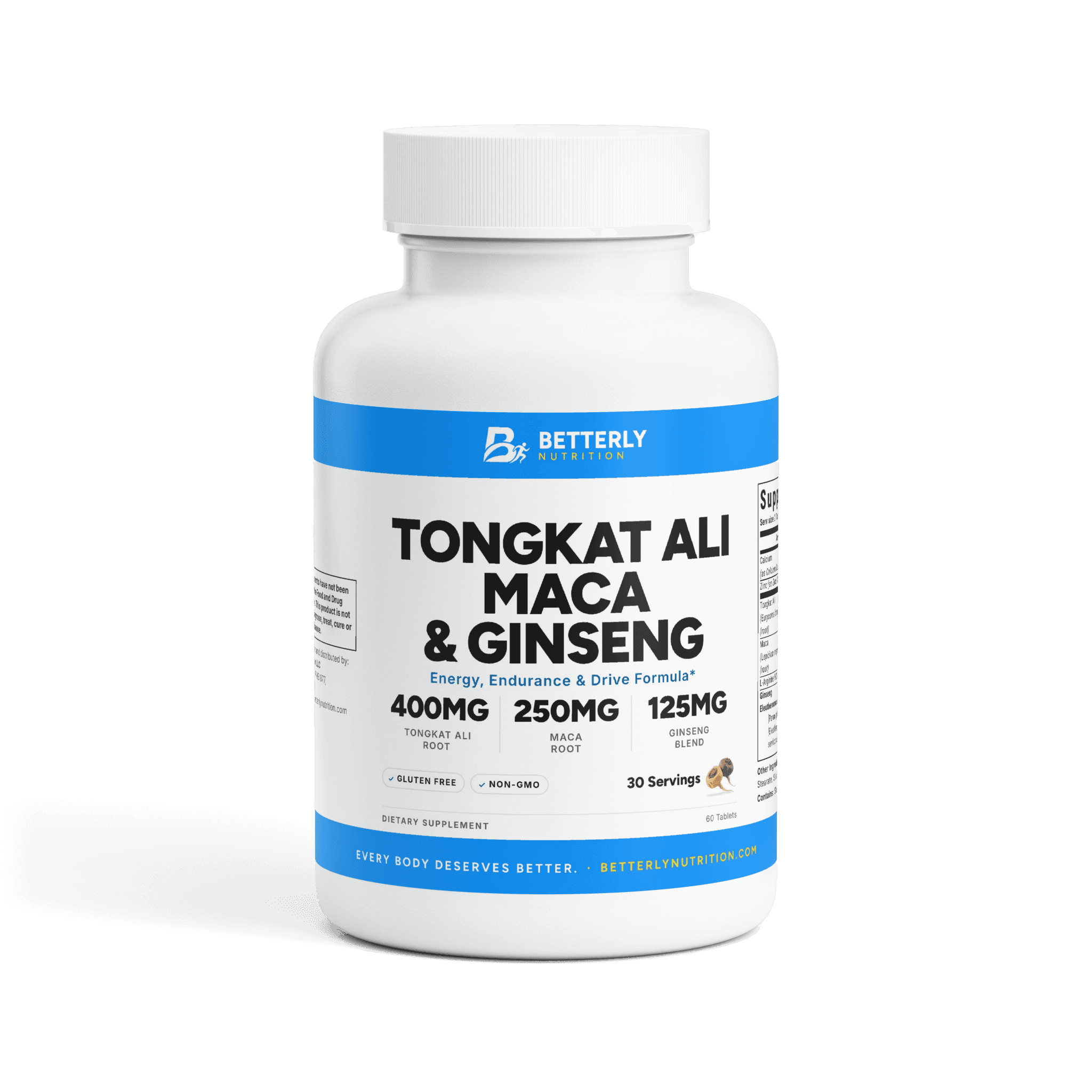
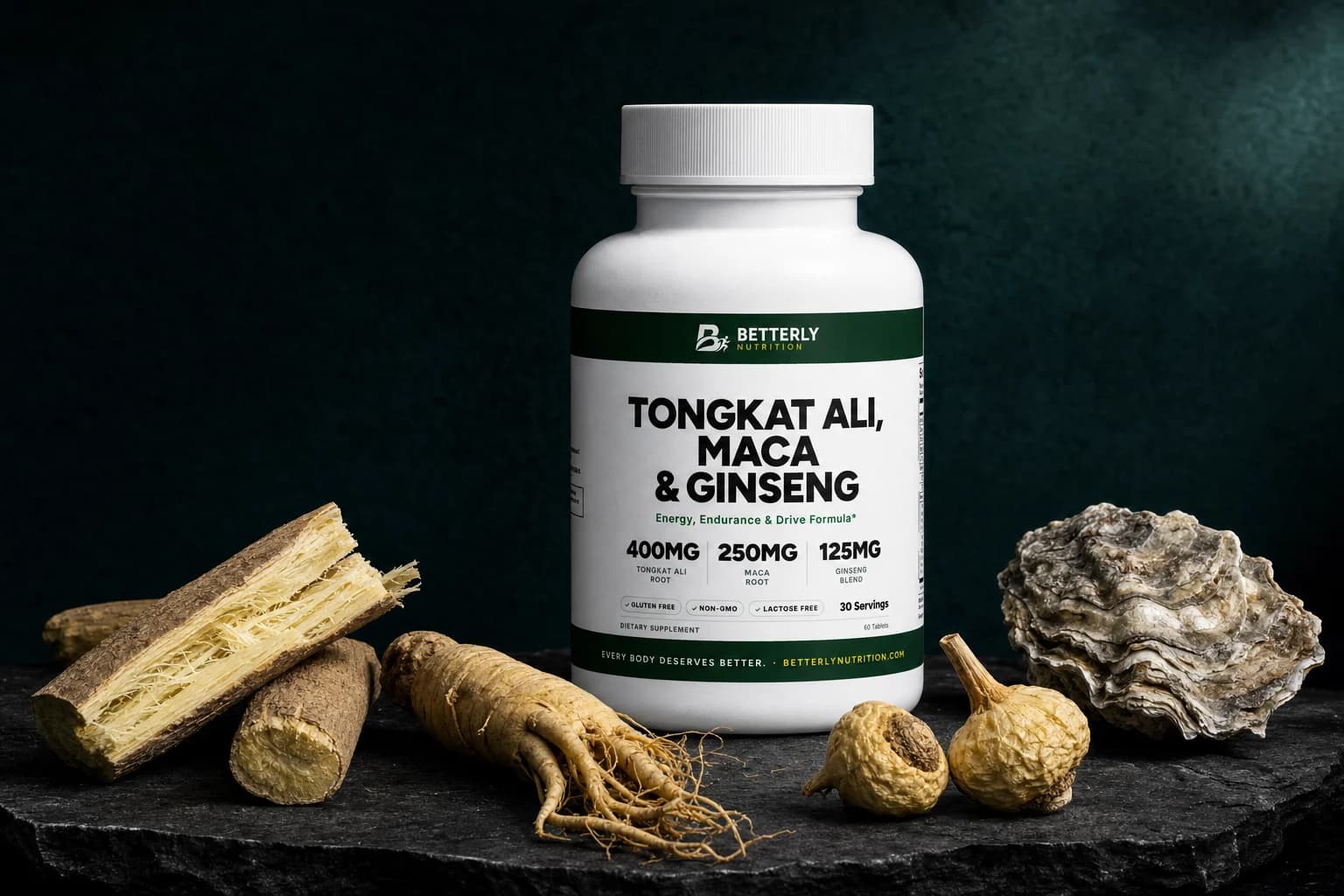
The short answer: According to NIH's LiverTox database, tongkat ali side effects such as nausea, stomach discomfort, diarrhea, headaches and rash are uncommon, and liver reports are rare. The bigger flag on our Tongkat Ali, Maca & Ginseng Capsules is zinc: each 2-tablet serving lists 50 mg, over the NIH's 40 mg adult upper limit, and the blend includes oyster extract and orchic substance.
Key takeaways
- Nausea, abdominal discomfort, diarrhea, headaches and rash are the tongkat ali side effects in NIH's LiverTox database, which calls them uncommon.
- Tongkat ali's human safety data come from small, short trials, so its long-term safety remains an open question.
- Each 2-tablet serving of Betterly's Tongkat Ali, Maca & Ginseng Capsules lists 50 mg of zinc, which tops the NIH zinc fact sheet's 40 mg adult upper limit.
- The same tablet contains shellfish (oyster) and orchic substance, an animal tissue, so it doesn't suit a shellfish allergy or a vegetarian diet.
- Anyone under 18, pregnant or nursing should skip tongkat ali, and anyone on prescription medicine should talk it through with a healthcare provider first.
We make money on both tongkat formulas in this guide, so our own labels get read first and hardest, and every flag we found stays in.
What side effects does tongkat ali cause?
Tongkat ali's reported side effects at conventional doses are nausea, abdominal discomfort, diarrhea, headaches and rash, and NIH's LiverTox database describes them as uncommon.
Labels may call it Long Jack or Malaysian ginseng. Either way, it's root from a tree native to Southeast Asia, Eurycoma longifolia, and the "ginseng" nickname doesn't make it kin to the Panax ginseng in our tablet's ginseng blend.
The LiverTox entry on tongkat ali, updated October 2024, is frank about gaps. Long-term safety "has not been well documented in humans." The trials in its reference notes enrolled between 13 and 119 people, and most ran from about a week to 3 months. Extracts also have no standard for purity or strength.
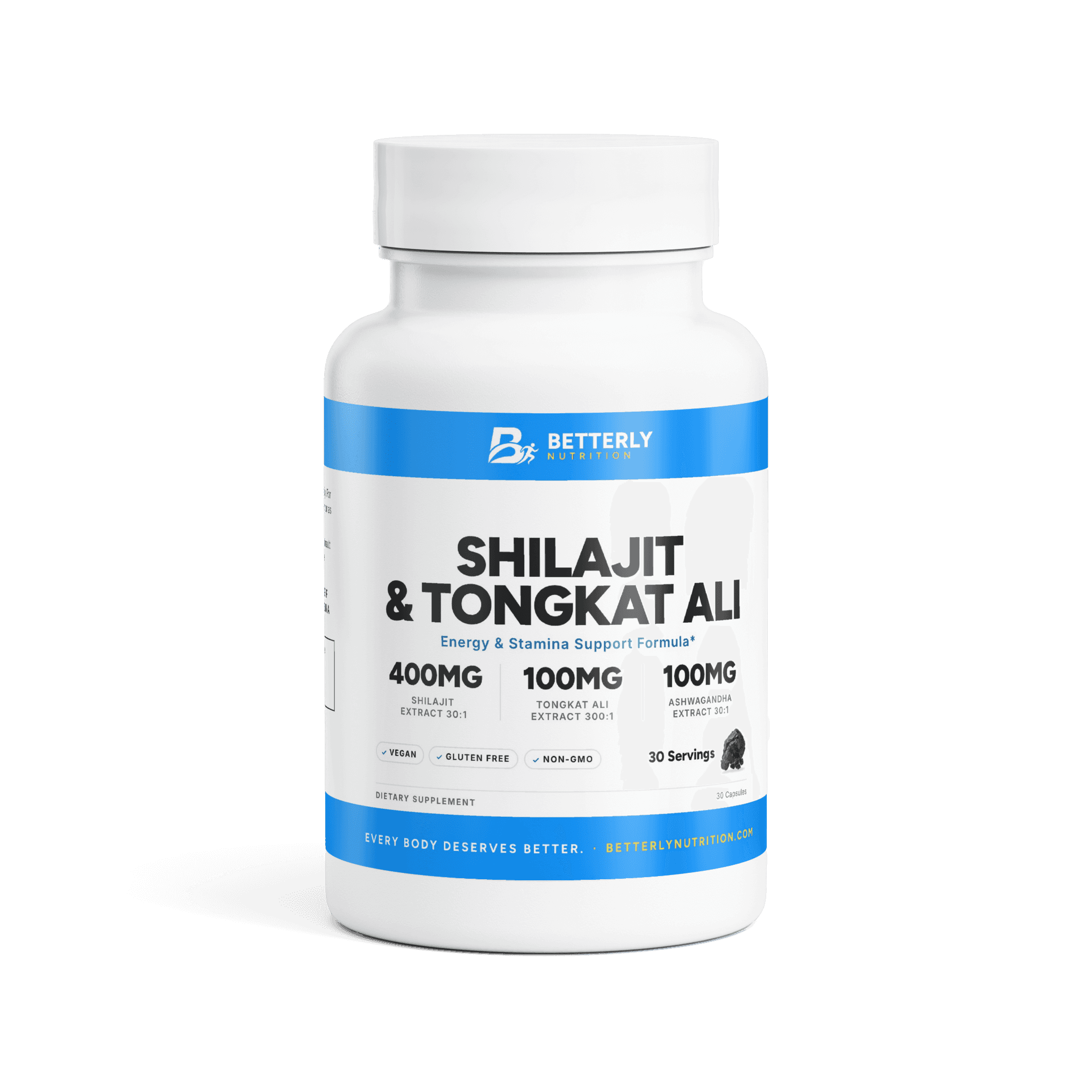
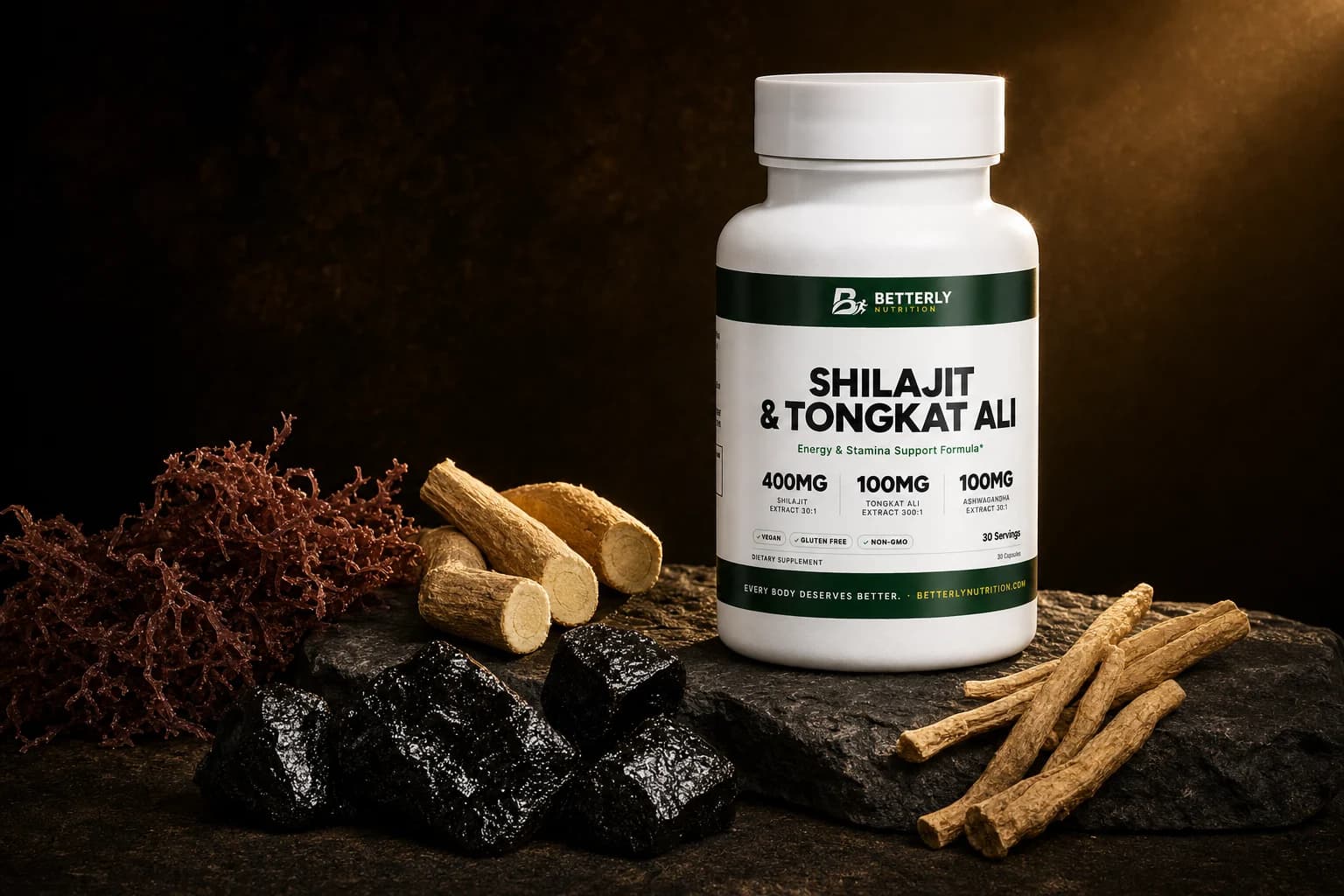
Our tongkat tablet holds 400 mg of tongkat ali root per 2-tablet serving, the high end of the traditional daily range of 100 to 400 mg that LiverTox gives. Bigger doses sold online, as much as 1,600 mg, haven't been assessed in people, LiverTox says. Our Shilajit & Tongkat Ali Capsules take another route: each 1-capsule serving carries 100 mg of a concentrated extract labeled 300:1, a ratio that doesn't translate into a root weight.
One regulator went further. In 2021, LiverTox reports, the European Food Safety Authority reviewed a tongkat root extract, flagged a possible DNA-damage concern, and concluded its safety "has not been established under any condition of use."
Is tongkat ali hard on your liver or kidneys?
Tongkat ali's liver risk looks rare: LiverTox ties the herb to only a handful of liver injury reports, and the small trials it reviewed found no liver-test changes.
LiverTox's likelihood grade for tongkat is D, its label for a possible but rare cause. The reports came mostly from young men using tongkat products for bodybuilding, and LiverTox notes that hidden anabolic steroid use could explain some of them.
In the case its entry describes, a 47-year-old man had upper stomach discomfort, nausea and vomiting about a week into a bodybuilding supplement with tongkat ali, then dark urine and yellowing skin. After he stopped, his liver tests worsened for a few days, then began to improve.
For kidneys, one trial in LiverTox's notes gave 13 male recreational athletes 400 mg of tongkat ali extract daily for 6 weeks and found no changes in kidney or liver tests. We found no other federal data on tongkat ali and kidney function.
LiverTox adds that most tongkat studies left out people with existing liver problems, and that liver injury may be more frequent or severe in them.
Our tablet carries a second liver question, too. NCCIH's Asian ginseng page counts liver damage among that herb's uncommon reported side effects, along with severe allergic reactions and a severe rash.
Which side effects could come from the rest of the formula?
On a multi-ingredient tablet like ours, tongkat ali is only one suspect: zinc, ginseng and licorice carry federal cautions of their own, and zinc's side effects overlap with tongkat's.
Only six rows on our tablet's panel carry their own amounts. The other 13 ingredients sit under a single 745 mg line, so you see the group's weight but no one ingredient's share. If that format is new, our proprietary blend explainer walks through it.
| What you notice | Tongkat ali (LiverTox) | Too much zinc (ODS) | Asian ginseng (NCCIH) |
|---|---|---|---|
| Nausea | Listed | Listed | Not listed |
| Headache | Listed | Listed | Not listed |
| Stomach upset | Listed | Listed | Not listed |
| Dizziness or vomiting | Not listed | Listed | Not listed |
| Rash | Listed | Not listed | Severe rash, uncommon |
| Liver effects | Rare reports | Not listed | Uncommon |
| Trouble sleeping | Not listed | Not listed | Most common |
The takeaway: nausea, headache and stomach upset appear under both tongkat ali and too much zinc, so if our tablet makes you queasy, you can't tell which ingredient is responsible.
Poor sleep isn't on LiverTox's list for tongkat ali, but ginseng could account for it on a blend. NCCIH's ginseng page says trouble sleeping is the herb's most frequent side effect. Our 125 mg ginseng blend pairs Panax ginseng with Eleutherococcus senticosus root without splitting the amount.
Licorice is the quiet one. Our blend lists licorice root extract (Glycyrrhiza uralensis). NCCIH's licorice root page explains that glycyrrhizin, a compound found in the root, has been tied to serious heart effects, mostly with large amounts or long-term use. People with heart or kidney conditions may react to less. Our panel doesn't say how much licorice is in the blend or whether its glycyrrhizin was removed.
Is 50 mg of zinc too much?
Yes, 50 mg of zinc daily exceeds what adults should get, since the NIH zinc fact sheet caps adult intake from all sources at 40 mg.
The NIH Office of Dietary Supplements zinc fact sheet puts that limit at 40 mg for adults and 34 mg for teens aged 14 to 18, and it covers zinc from meals and medicines as well as supplements. Our tablet lists 50 mg of zinc (as zinc oxide) per 2-tablet serving, 455% of the Daily Value, so the tablets alone run 25% past the adult ceiling.
Measured against daily needs, the gap grows. ODS puts an adult woman's recommended amount at 8 mg a day, so the serving is more than six times that. An adult man's is 11 mg, making the serving about four and a half times his. The 40 mg limit is the same for both.
Too much zinc can show up as nausea, vomiting, dizziness, headaches, an upset stomach or a lost appetite, according to ODS. Over time, excess zinc can drain copper levels and weaken immune function.
ODS makes one exception: people taking zinc for medical reasons under a doctor's care.
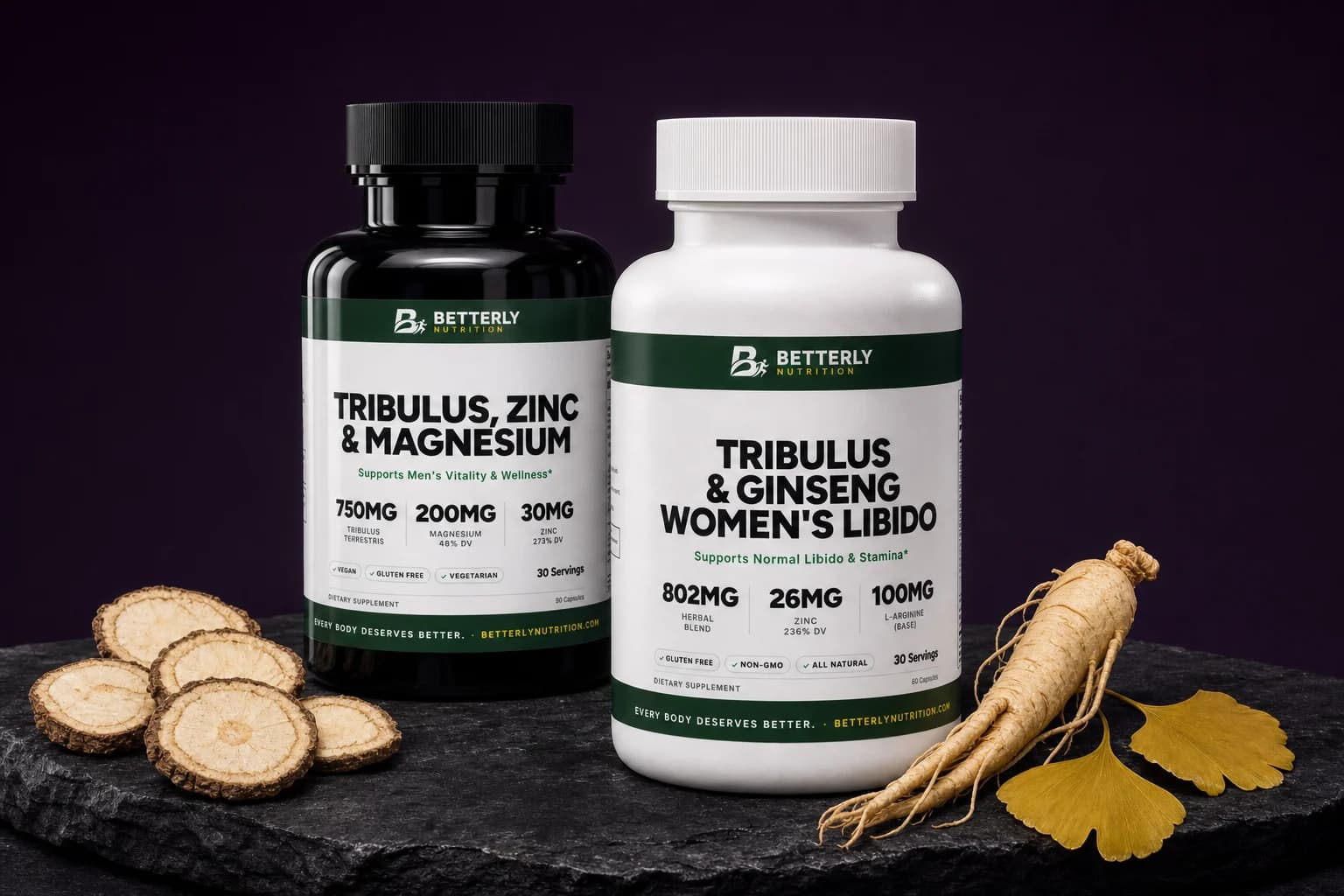
A second zinc product doubles the trouble. Each 3-capsule serving of our Tribulus, Zinc & Magnesium Capsules brings another 30 mg of zinc, so following both labels lands you at 80 mg a day, twice the ODS ceiling. If queasiness or headaches followed, you'd have two bottles to suspect. Our breakdown of what happens at 80 mg of zinc covers that number.
What is orchic substance on a supplement label?
Orchic substance refers to testicular tissue, and our tablet lists it inside its proprietary blend without saying which animal it comes from or how much is there.
The panel prints it as "Orchic (substance)," between Tribulus terrestris and oyster extract. We didn't find an NIH fact sheet on orchic tissue, and we make no claim for what it does.
Those gaps matter. It's animal-derived, and the label makes no vegetarian claim. With no species named, you can't check it against religious or personal food rules, and its share of the 745 mg blend could be large or tiny. The oyster beside it matters for allergies, too: the panel reads "Contains: Shellfish (Oyster)."
Are tongkat ali side effects different for women and men?
The tongkat ali side effects on record aren't split by sex, but most trials enrolled men, and our tablet's zinc and caution lines apply to everyone.
For men. Most trials in LiverTox's notes studied men, often athletes. If you've wondered about hair changes, LiverTox's side-effect list doesn't include them.
For women. The data are thin. In one trial of 119 women around menopause, which tested tongkat ali blended with Labisia pumila against a placebo, liver enzymes stayed within normal limits.
Pregnancy and nursing are the clearest line. Our label says to consult a physician, and NCCIH's ginseng page adds that some experts recommend against the herb for anyone pregnant or breastfeeding, so we'd skip the tablet then.
How do you take our two tongkat formulas by the label?
Tongkat Ali, Maca & Ginseng Capsules call for two tablets once a day, while Shilajit & Tongkat Ali Capsules call for one capsule daily, per each label's suggested use.
| Label detail | Tongkat Ali, Maca & Ginseng Capsules | Shilajit & Tongkat Ali Capsules |
|---|---|---|
| Serving | 2 tablets | 1 capsule |
| Tongkat ali | 400 mg root | 100 mg root extract (300:1) |
| Zinc | 50 mg (455% DV) | None listed |
| Allergen line | Shellfish (oyster) | None |
| Animal-derived | Oyster extract, orchic | None; label claims vegan |
The takeaway: the capsule clears the zinc, shellfish and animal-tissue flags, though LiverTox's tongkat cautions still apply, and it adds 400 mg of shilajit, 100 mg of ashwagandha and 100 mg of sea moss extracts. Our look at taking shilajit and tongkat ali as a pair covers that ashwagandha share, including its medicine cautions and rare liver reports.
The label's suggested use for the tablet is two tablets once a day, and it adds, "Do not exceed recommended dose." We'd advise against the tablet at that dose, since its 50 mg of zinc is over the adult upper limit on its own. If your healthcare provider has checked your zinc sources and cleared it anyway:
- Count every other zinc source, including multivitamins and fortified cereals.
- Don't double up. The Tribulus capsules list 50 mg of longjack root per 3-capsule serving, and longjack is tongkat ali.
- Expect tablets. Whatever the shop name says, the bottle's net contents line reads "60 Tablets."
For the capsule, the label's suggested use is one capsule daily with 6-8 oz (177-237 ml) of water. Neither label names a time of day; our guide on when to take tongkat ali covers timing.
From our shop: Tongkat Ali, Maca & Ginseng Capsules — gluten-free tablets listing 400 mg of tongkat ali root per 2-tablet serving, suited only to adults whose provider has cleared the 50 mg of zinc and the shellfish (oyster) content.
When is tongkat ali the wrong pick for you?
Tongkat ali is the wrong pick if any flag in this guide applies to you, or if you'd rather take one plainly labeled ingredient than a long formula.
It probably isn't worth it if:
- You already take zinc. Our tablet alone is over the limit, and a multivitamin adds more.
- You want to see every dose, which the tablet's 13-ingredient blend hides.
- You want a simple daily adaptogen. Single-herb options are easier to judge, and our adaptogens collection lines them up.
From our shop: Shilajit & Tongkat Ali Capsules — 100 mg of tongkat ali root extract (300:1) per 1-capsule serving, with no zinc, no shellfish line and a vegan claim on the label.
Who should skip tongkat ali or ask a healthcare provider first?
Under-18s and anyone pregnant or nursing should skip tongkat ali, and anyone using prescription medicine or managing a medical condition should check with a healthcare provider before starting.
Both labels say, "Consult a physician if pregnant, nursing, under 18, or have a medical condition." For the tablet, we'd go further and skip it if:
- You're under 18. The ODS zinc limit for teens is 34 mg.
- You're pregnant or nursing, since the label names both and NCCIH flags the ginseng.
- You have a shellfish allergy.
- You eat vegetarian or vegan.
Talk to a provider before either formula if:
- You use a prescription medicine. The tablet's ginseng, licorice and zinc all have reported or possible interactions. On the capsule, ashwagandha is the one to ask about, and the pairing guide linked above spells out why.
- Your liver, heart or kidneys need monitoring, which is where the LiverTox and NCCIH cautions land.
- You have surgery coming up. NCCIH says Asian ginseng, which is in our tablet, may interfere with blood clotting.
FAQ: tongkat ali side effects
Can teenagers take tongkat ali?
No, we'd keep teens off tongkat ali formulas like ours. Both our labels say people under 18 should consult a physician. Our tongkat tablet adds another reason: its 2-tablet serving lists 50 mg of zinc, well above the 34 mg daily upper limit the NIH zinc fact sheet sets for ages 14 to 18.
Can tongkat ali keep you up at night?
Tongkat ali isn't linked to sleep trouble in LiverTox's list, but ginseng, which our tongkat tablet also contains, might be. NCCIH's Asian ginseng page puts trouble sleeping at the top of that herb's side effects, and our tablet holds a 125 mg ginseng blend. Our labels don't set a time of day, so if your sleep changes after starting, bring it up with your provider.
Does tongkat ali interact with medications?
Possibly: no federal source we read rules out tongkat ali interactions, since LiverTox covers liver safety rather than drug interactions, and other ingredients in our tablet do have them. NCCIH's pages flag possible medication interactions for Asian ginseng and note that interactions between licorice and corticosteroids have been reported. The NIH zinc fact sheet describes interactions with some antibiotics and diuretics. Ask your pharmacist before pairing either formula with a prescription.
How long do tongkat ali side effects last?
We found no federal timeline for mild tongkat ali side effects like nausea or headaches. For the rare liver reports, LiverTox says the injury has been self-limited, meaning it settled after the product was stopped, and long-term damage hasn't been clearly described. If something still feels off days after you stop, book a visit with your provider instead of waiting.
What should you do if tongkat ali makes you feel unwell?
If tongkat ali makes you feel unwell, stop the product and contact your healthcare provider, especially if stomach pain arrives with nausea, dark urine, or skin or eyes turning yellow, the first signs in the liver case LiverTox describes. With milder problems, bring the bottle along, since a blend has several possible causes.
Sources
- Tongkat Ali, LiverTox, National Institutes of Health
- Zinc: Fact Sheet for Consumers, NIH Office of Dietary Supplements
- Asian Ginseng: Usefulness and Safety, NCCIH
- Licorice Root: Usefulness and Safety, NCCIH
If this left you looking for somewhere to start, read tongkat ali root tablets with maca and ginseng — its amounts per serving are listed on the page. For the practical questions this raises, how dosing, sourcing and subscriptions work is answered in one place.