On this page
- Key takeaways
- Does whey protein cause bloating, and what else could it be?
- Why can whey protein make you gassy?
- Is whey isolate easier to digest than a blend or concentrate?
- Can drinking a protein shake fast add to bloating?
- Do sweeteners and gums in protein powder add to the bloat?
- Does whey protein cause constipation?
- How should you take whey isolate to keep it comfortable?
- Do you actually need a whey shake?
- Who should skip whey or check with a healthcare provider first?
- FAQ: whey protein and bloating
- Sources
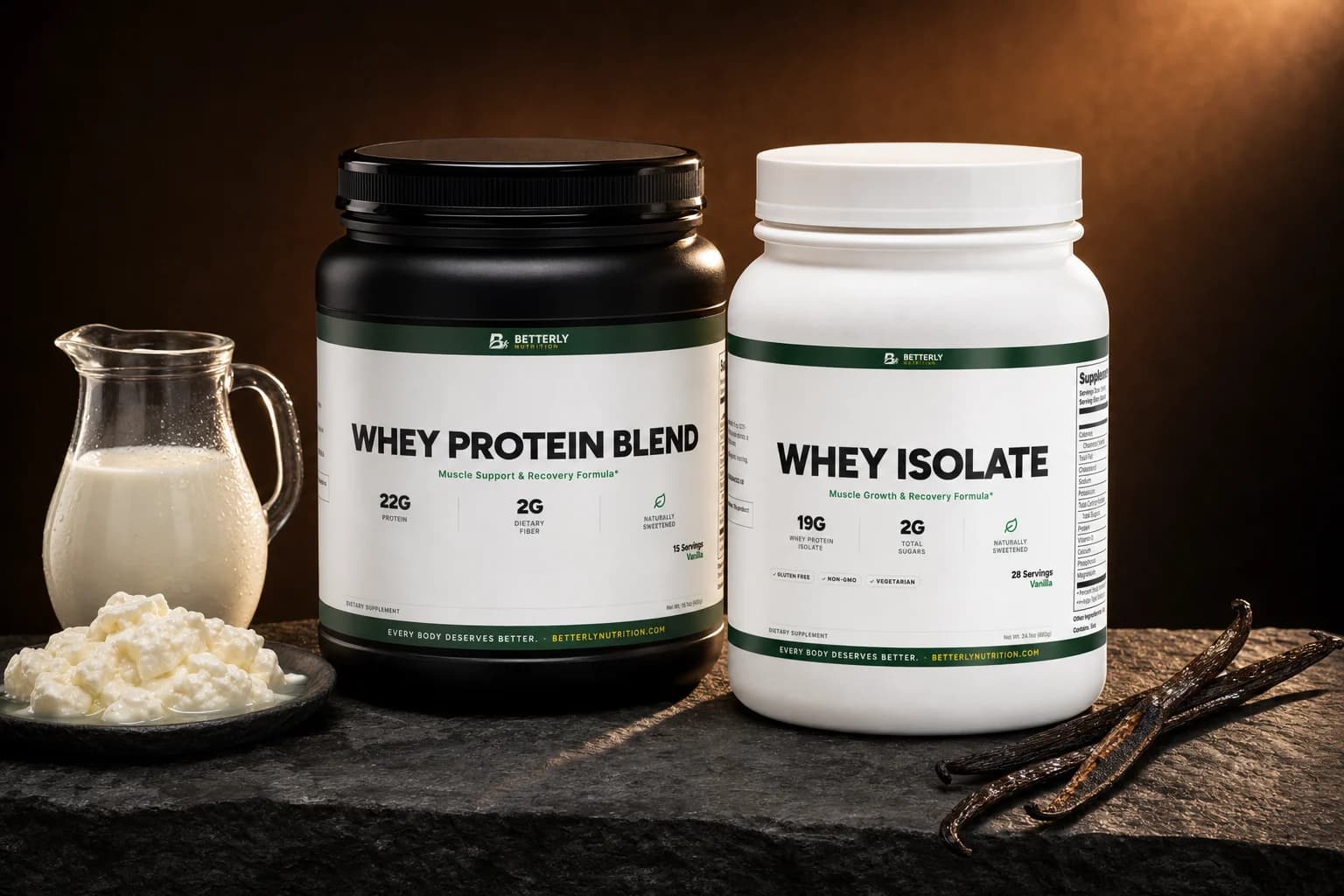
The short answer: Whey protein can cause bloating, but the whey is only one suspect in the shaker. Lactose, a shake gulped fast, added gums or sugar alcohols, and a milk mixer can each leave you gassy or overfull. Whey isolate is typically lower in lactose than concentrate, which makes it a sensible first swap. Per 1 Scoop (24.4g) serving, our Whey Protein Isolate Powder (Vanilla) prints 2 g of total sugars from a three-ingredient list.
Key takeaways
- Whey comes from milk, and NIDDK lists "whey" among the ingredient words that mean a food contains lactose, which is milk's natural sugar.
- Whey isolate is typically lower in lactose than whey concentrate, but a label that prints no lactose amount can't promise you a comfortable shake.
- Drinking speed, gums, starches and your mixer can each add to bloating, and a bigger scoop brings more of whatever the powder carries, so change one thing at a time.
- Moving from concentrate to isolate trims lactose, not milk protein, so an isolate is no safer than any other whey for someone with a milk allergy.
Full disclosure: we sell Whey Protein Isolate Powder (Vanilla), a whey blend and a plant powder, so we have a stake in which tub you pick. We'd still rather you find a shake that sits well than give up on shakes, and sometimes the honest fix is a different glass of liquid, not a different tub.
Does whey protein cause bloating, and what else could it be?
Whey protein can cause bloating for some people, but lactose, serving size, add-ins and your mixer come along with it, so the blame lands on the wrong thing easily.
NIDDK, an NIH institute, describes bloating on its gas symptoms and causes page as a sense that your belly feels full or swollen. Gas, it explains, gets in with the air you swallow and forms when bacteria in the large intestine break down carbohydrates you didn't fully digest. A protein shake can hand you both at once.
So "whey makes me bloated" can mean several things. Four suspects are worth ruling out:
- Lactose. Milk sugar that travels with whey, more in some powders than others.
- The pace and the portion. A shake finished in a few gulps brings air, and a heaping scoop brings more of everything in the powder.
- The add-ins. Gums, starches, added fiber and sugar alcohols.
- The liquid. Milk brings its own lactose, and a day short on fluid and fiber affects regularity.
Symptoms beyond your belly are a different matter, a possible milk allergy, covered in the safety section.
Why can whey protein make you gassy?
Whey protein can make you gassy when some of its lactose goes undigested and reaches your large intestine, where bacteria turn that milk sugar into gas.
Whey starts as the watery part of milk left from cheesemaking, so it carries milk sugar. Filtering it into a powder removes some of that lactose, depending on how far the processing goes.
NIDDK's page on eating and diet for lactose makes the connection directly. It names protein powders and bars among the products that may contain lactose. It also lists "whey" next to milk, curds and dry milk solids as ingredient words that mean a product contains lactose.
How much does it take to notice? The same page says many people could have 12 grams of lactose, roughly what a cup of milk holds, and notice nothing or only mild symptoms.
Our Whey Protein Isolate Powder panel has no lactose row. The closest thing it prints is Total Sugars, at 2 g per 1 Scoop (24.4g) serving. Stir that scoop into 8 oz of cow's milk instead of water, and the milk alone brings about the 12 g of lactose that NIDDK ties to a cup.
For some people, then, the glass matters more than the powder. NIDDK also lists lactase products as a way to help digest the lactose in milk products. Our explainer on digestive enzymes and bloating shows which enzyme matches which food.
Is whey isolate easier to digest than a blend or concentrate?
Whey isolate is typically lower in lactose than whey concentrate, so it's a sensible first swap if lactose is your suspect, though none of our whey labels prints a lactose amount.
"Isolate" means more filtering, which raises the protein share and strips out more fat and milk sugar. A blend mixes isolate with concentrate, and our blend's label doesn't give the split. For what a blend's label can and can't tell you about lactose, see how a whey blend and an isolate differ on paper.
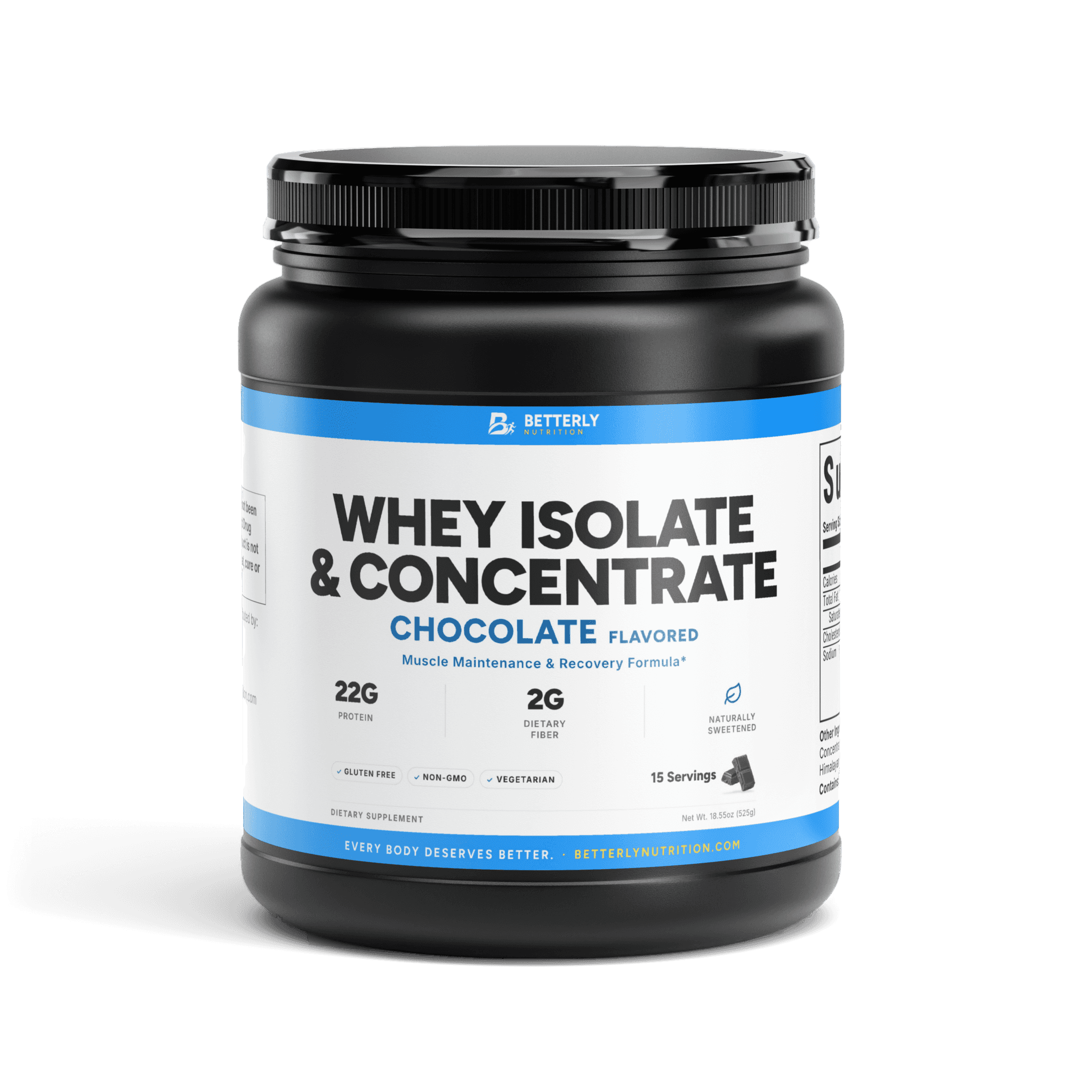
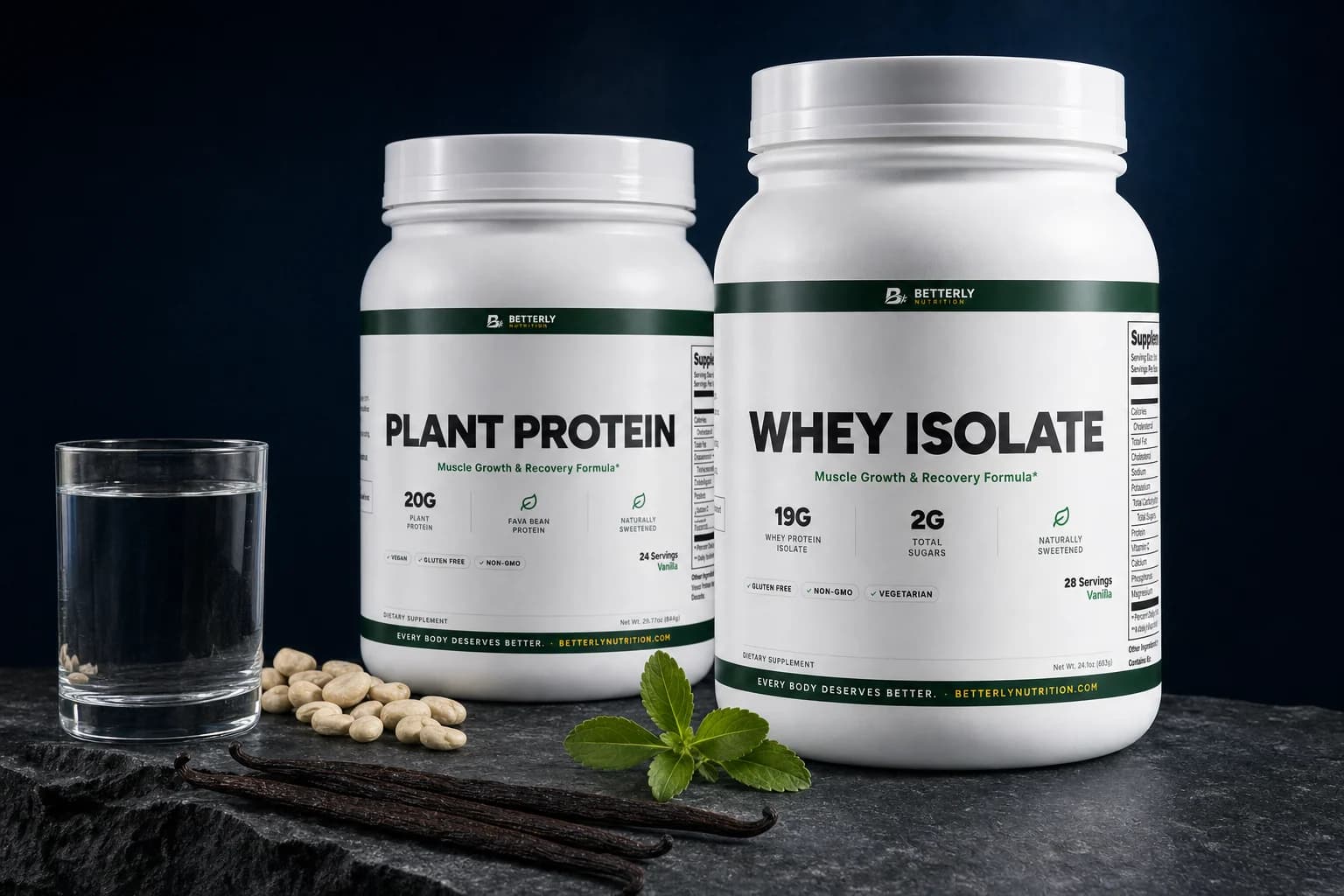
Here's how three of our vanilla powders compare: the isolate, our Whey Isolate & Concentrate Blend Powder (Vanilla) and our Fava Bean Protein Isolate Powder (Vanilla).
| Powder and serving | Ingredients listed | Thickeners, starch or fiber | Allergen line |
|---|---|---|---|
| Whey Protein Isolate, 1 Scoop (24.4g) | 3 | None listed | Contains: Milk |
| Whey Isolate & Concentrate Blend, 2 scoops (approximately 32 g) | 7 | Guar gum, xanthan gum, resistant potato starch | Contains: Milk |
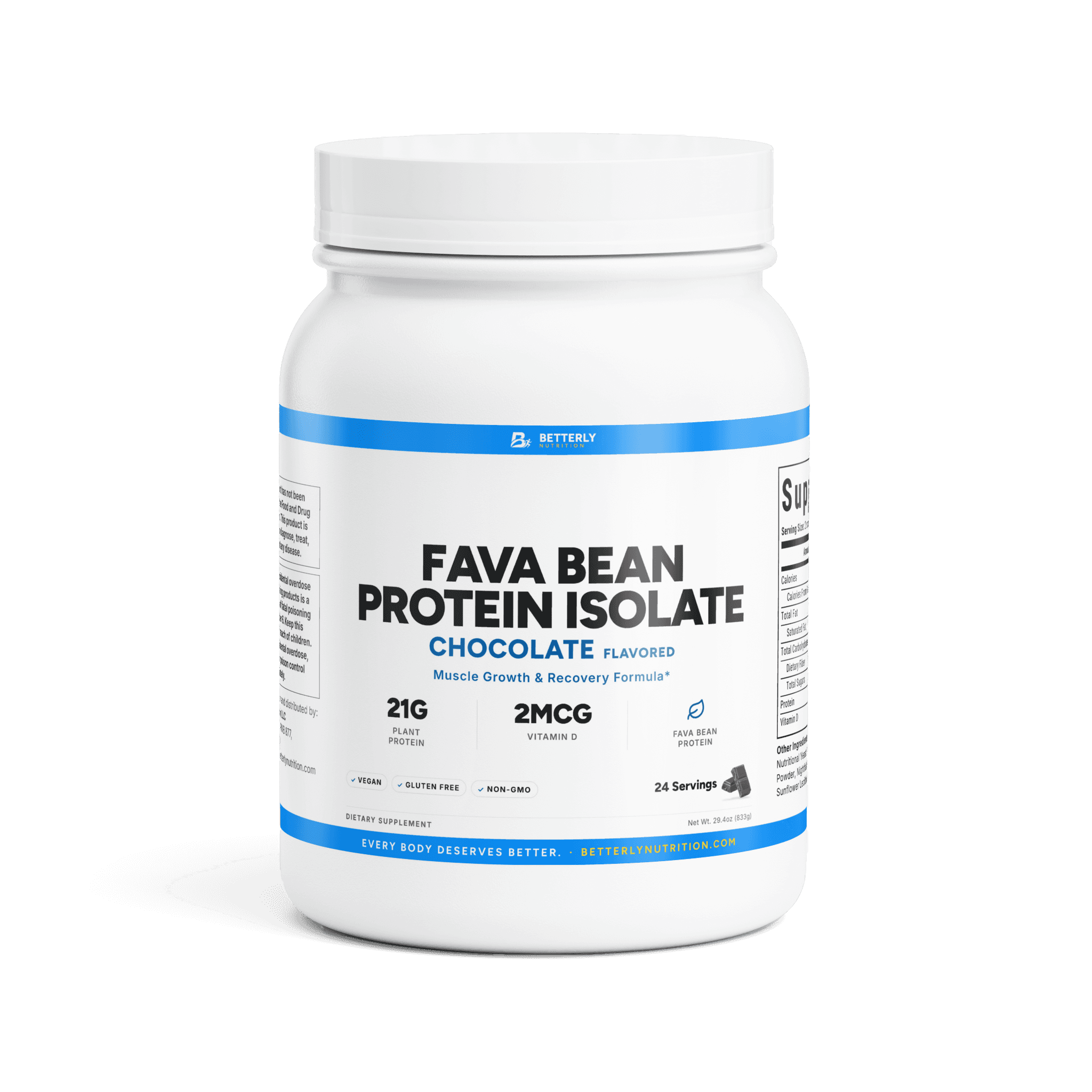
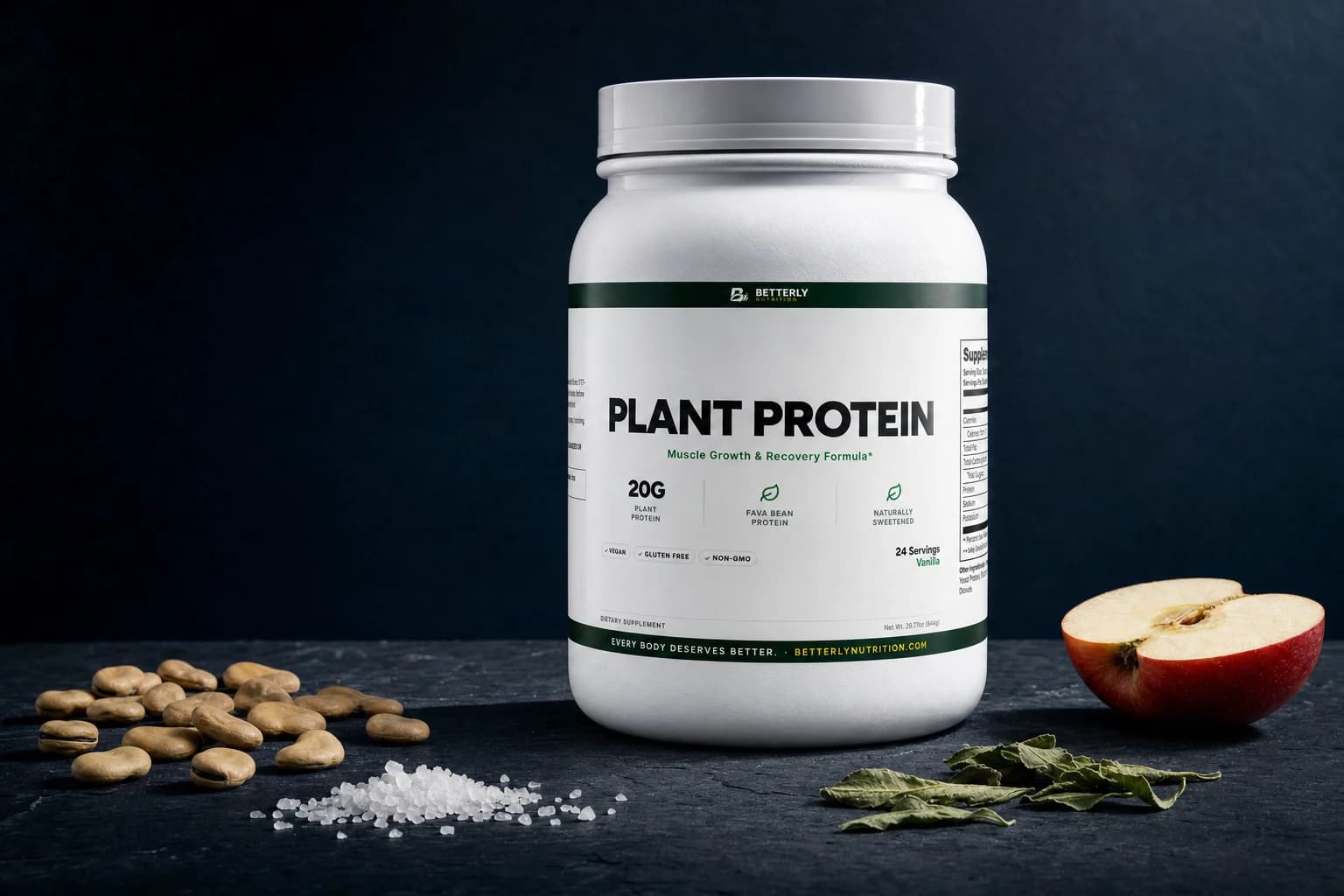
| Fava Bean Protein Isolate, 2 Scoops (35g) | 8 | Apple pectin powder | None listed; labeled vegan |
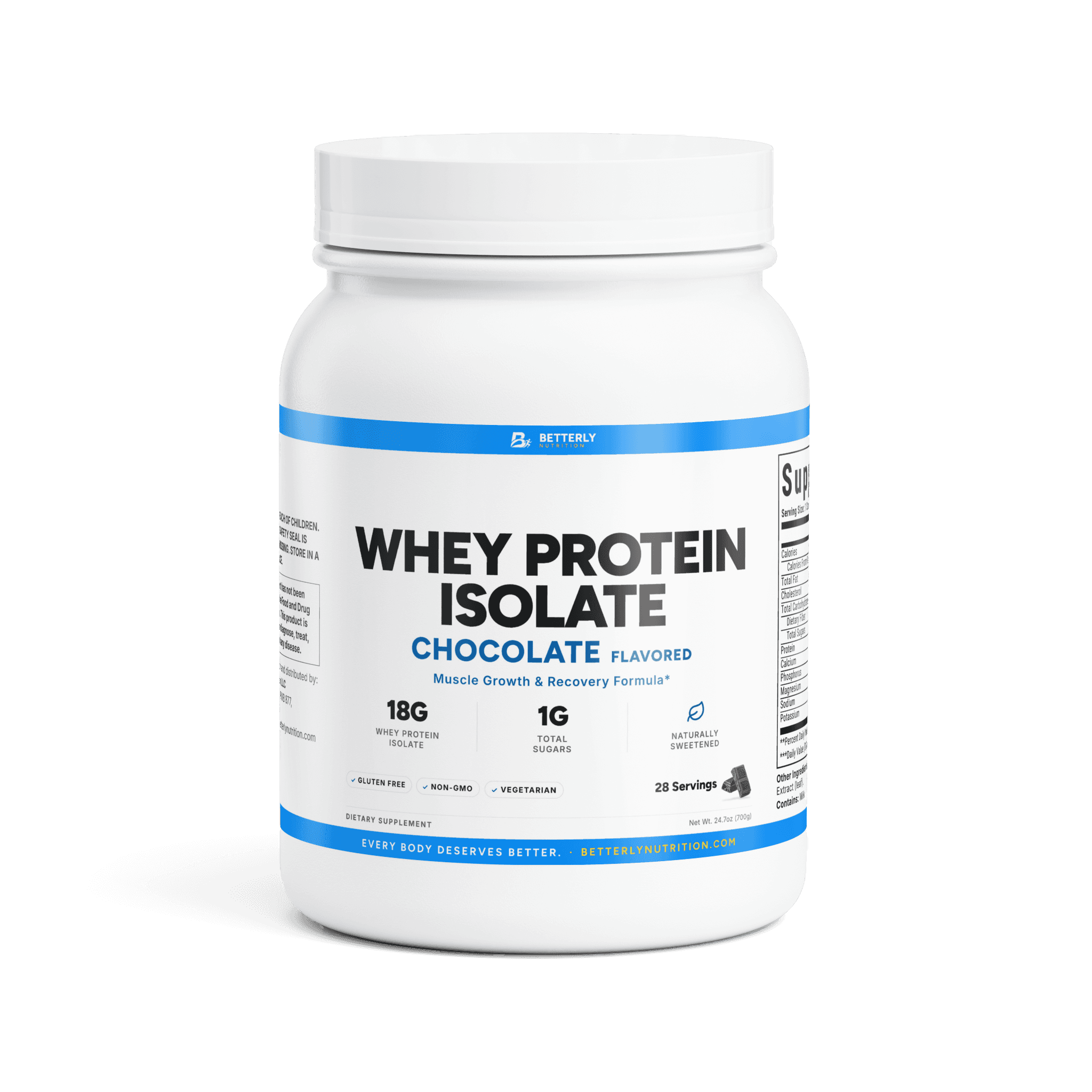
The isolate has the shortest list by far: whey protein isolate first, then natural flavors, then stevia leaf extract. It carries gluten free, non-GMO and vegetarian claims, and no lactose claim at all.
One catch if you're switching from a blend: moving to our isolate changes the whey form and the add-ins at once. If the new shake sits better, you'll know the old tub was the problem, just not which part of it.
From our shop: Whey Protein Isolate Powder (Vanilla) — no gums, starches or sugar alcohols on its list, and 19 g of protein per 1 Scoop (24.4g) serving.
Can drinking a protein shake fast add to bloating?
Drinking a protein shake fast can add to bloating, since NIDDK lists eating or drinking too fast among the habits that make you swallow more air.
A shaker bottle is built for speed: you shake hard, you chug, and the froth goes down too. NIDDK says swallowing more air may lead to more gas.
Scoop size matters in a different way. A bigger serving adds no air, but it does bring more of whatever the powder carries, lactose and add-ins included. Our isolate's label calls for one scoop a day. Doubling up after a hard workout is tempting, but the label rules it out in plain words: "Do not exceed recommended dose."
Easy changes that stay inside those directions:
- Sip the shake instead of finishing it in one go.
- Skip fizzy mixers, which NIDDK also links with swallowed air.
- Try a half scoop for a while, well within the label's one-scoop serving, to see whether amount is the issue.
Do sweeteners and gums in protein powder add to the bloat?
Sweeteners and gums in protein powder can add to the bloat when they bring carbohydrates you don't fully digest, so check the ingredient list before blaming whey.
NIDDK's gas page names sugars, starches and fiber as the kinds of carbohydrates your stomach and small intestine may not fully digest. Those move on to the large intestine, where bacteria turn them into gas.
Our blend is the example in our lineup. Beside the whey, it lists Solnul® (Resistant Potato Starch), guar gum and xanthan gum, with 2 g of dietary fiber on its panel per 2 scoops (approximately 32 g) serving. Resistant starch, as the name says, resists digestion in the small intestine.
That doesn't make the blend a bad shake; the gums give a creamier drink some people prefer. But if the blend leaves you puffy and a plain isolate doesn't, the add-ins are a fair suspect.
Then check the sweetener. The three vanilla powders in the table all use stevia leaf extract, and none lists a sugar alcohol. On other labels, sugar alcohols tend to end in "-ol" (sorbitol and erythritol are two), and inulin is a common added fiber worth spotting.
Does whey protein cause constipation?
Whey protein brings almost no fiber, so a shake that replaces fiber-rich foods can leave your day short, and NIDDK says fiber and fluids help keep stools soft.
Our vanilla isolate panel has no dietary fiber row at all, and it prints just 2 g of Total Carbohydrates. That's normal, since fiber isn't a protein shake's job. The trouble starts when the shake takes the place of oatmeal, fruit or whole-grain toast morning after morning.
NIDDK's page on eating and diet for constipation puts adult fiber needs at 22 to 34 grams a day, depending on age and sex. It says to add fiber a little at a time so your body gets used to the change, and that water and other liquids help fiber make stools softer and easier to pass.
So if your bathroom routine slowed after you started shakes, look at what the shake replaced before you look at the tub. Of the three powders in our table, only the blend prints a fiber row, and its 2 g is a small slice of that daily range.
How should you take whey isolate to keep it comfortable?
Our Whey Protein Isolate Powder label directs adults to one scoop a day, mixed with 6-8 oz (177-237ml) of water or a favorite beverage.
The directions go on to suggest a timing, 20-30 minutes before a meal alongside 8 oz (237ml) of water, unless your healthcare professional sets a different plan. Inside those directions, change a single variable and give it several shakes.
| What you notice | Suspect to check first | One change to try |
|---|---|---|
| Gas after a shake made with milk | Lactose from the milk | Mix with water instead |
| Gas after a water-based concentrate or blend | Lactose in the powder | Try an isolate |
| Tight, overfull belly soon after | Speed and swallowed air | Sip slowly; skip fizzy mixers |
| Heavy feeling with a thick, creamy shake | Gums or starch | Compare lists; try a gum-free tub |
| Fewer bathroom trips since starting shakes | Fiber the shake replaced | Add fiber-rich foods back slowly |
| Hives, swelling or trouble breathing | Milk allergy, not bloating | Stop and get medical help now |
Most of these fixes cost nothing. Only two rows point to a different tub, and the last points away from whey altogether.
Do you actually need a whey shake?
You may not need a whey shake if meals already cover your protein, or if shakes still leave you uncomfortable after you've changed the mixer, pace and powder.
A scoop is a convenience. Eggs, fish, poultry and tofu all carry protein without a shaker bottle, and your comfort counts for more than a round number.
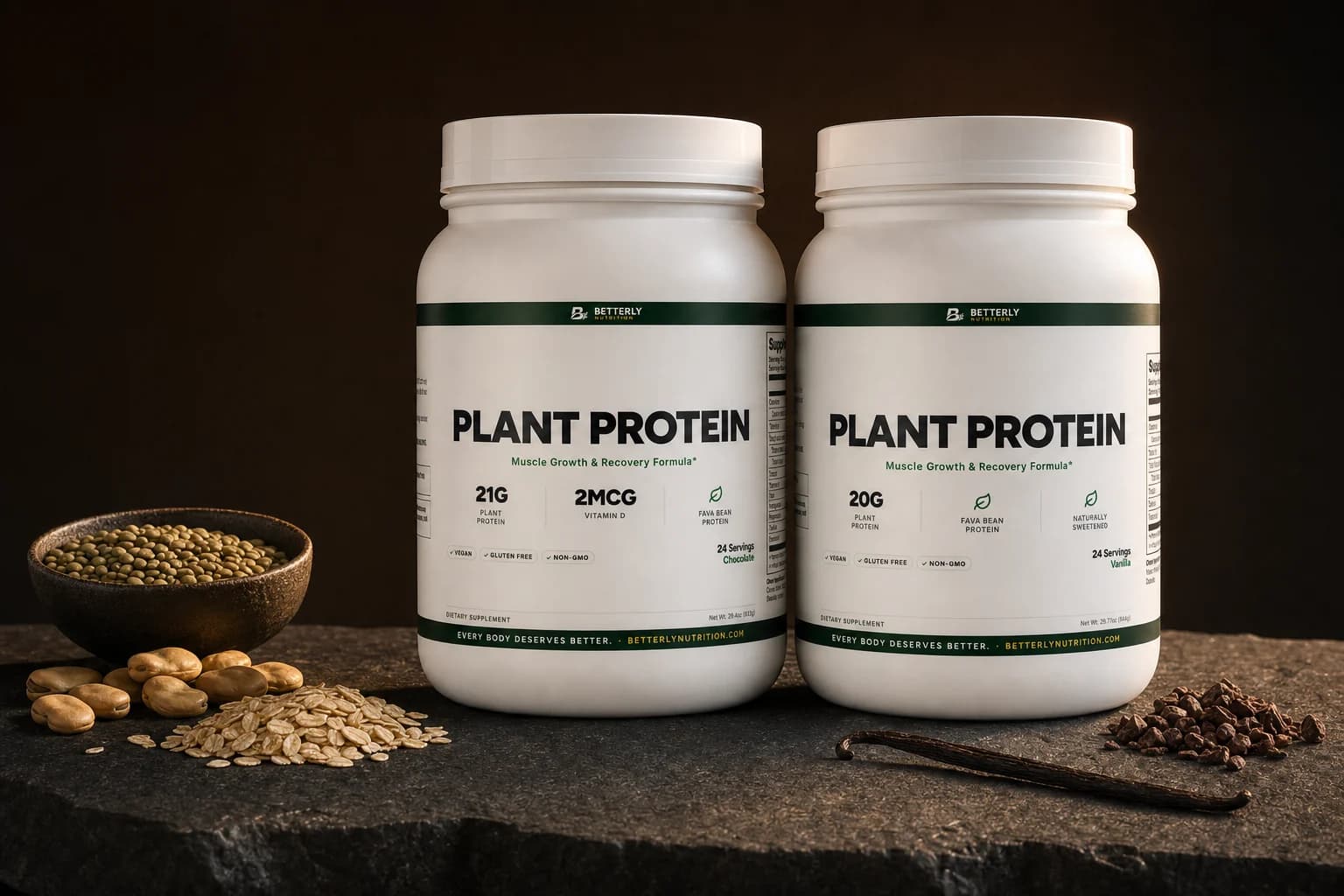
If you like the convenience but whey keeps disagreeing with you, a milk-free powder may fit better. Our plant powder is labeled vegan and lists fava bean protein isolate first, though plant powders raise their own digestion questions. Our guide to plant protein powder side effects covers them. To compare every tub's amounts per serving, browse our protein powder collection.
From our shop: Fava Bean Protein Isolate Powder (Vanilla) — labeled vegan and printing no allergen line, with fava bean protein isolate first and 20 g of protein per 2 Scoops (35g) serving.
Who should skip whey or check with a healthcare provider first?
Skip whey protein, isolate included, if you have a milk allergy, and see a provider first if you're pregnant, nursing, under 18, on medication or managing a medical condition.
- A milk allergy rules out whey in any form. Filtering pulls out milk sugar, but what's left is still milk protein, the part a milk allergy reacts to. Milk is one of the nine major allergens the FDA requires food labels to declare, per its consumer guide to food allergies, and each of our whey tubs declares it.
- A reaction can escalate. The FDA warns that anaphylaxis may start with fairly mild symptoms and turn life-threatening in a short time without prompt treatment, so hives, swelling or trouble breathing after a shake need emergency care.
- Our isolate's caution sends four groups to a physician first: people who are pregnant, nursing, under 18 or living with a medical condition.
- Taking a prescription, or scheduled for surgery? Mention the shake to your provider, as you would any supplement.
- Per NIDDK, gas that bothers you or shifts suddenly deserves a doctor's visit, and so does gas arriving with belly pain, diarrhea, constipation or weight loss.
FAQ: whey protein and bloating
What side effects can whey protein cause?
Whey protein can cause digestive side effects, including bloating, gas, a heavy stomach and changes in bathroom habits. Each can trace back to lactose, serving size, add-ins or the liquid you mix it with. For someone with a milk allergy, whey can also set off an allergic reaction, which needs medical help right away.
Are whey protein side effects different for women?
No, our whey protein labels don't give women different directions or warnings. The suggested use on our Whey Protein Isolate Powder is one scoop daily for adults, and the lactose, serving-size, add-in and mixer questions in this guide apply to anyone. Pregnancy and nursing do change the picture: the label tells anyone in either situation to consult a physician, so have that conversation before the first scoop.
Is whey isolate lactose-free?
No, whey isolate isn't lactose-free by default, and none of our whey labels makes that claim. Isolate goes through more filtering than concentrate, so it typically carries less milk sugar, but less isn't the same as none. NIDDK's list of label words that signal lactose includes "whey" itself, right beside milk and curds. If you're very sensitive, think of any isolate as lower in lactose rather than free of it.
Can you be allergic to whey protein?
Yes, you can be allergic to whey protein, since whey is one of the proteins in milk and the FDA counts milk among the major food allergens. An allergy is a reaction to the protein itself, which is a separate problem from having trouble digesting milk sugar. So the lactose fixes in this guide, from isolates to lactase, won't make whey safe for an allergy. Any sign of an allergic reaction after a shake means stopping and getting medical help.
Does mixing whey with milk make bloating worse?
Yes, mixing whey with milk can make bloating worse if lactose is your trigger, since the milk adds a second supply of milk sugar to the shake. To test it, make the same shake with water for several servings and compare. If you'd rather keep a creamier shake, NIDDK notes that lactose-free and lactose-reduced milk products may help you lower the lactose in your diet.
Sources
- Symptoms & Causes of Gas in the Digestive Tract (NIDDK, National Institutes of Health)
- Eating, Diet, & Nutrition for Lactose Intolerance (NIDDK, National Institutes of Health)
- Eating, Diet, & Nutrition for Constipation (NIDDK, National Institutes of Health)
- Food Allergies: What You Need to Know (U.S. Food and Drug Administration)
If this left you looking for somewhere to start, read three-ingredient vanilla whey isolate — its amounts per serving are listed on the page. For the practical questions this raises, how dosing, sourcing and subscriptions work is answered in one place.