On this page
- Key takeaways
- What is a melatonin hangover?
- Why does melatonin make you groggy the next morning?
- How long does a melatonin hangover last?
- Why does melatonin give you weird dreams or a headache?
- What are the side effects of 10mg melatonin capsules like ours?
- How can you avoid next-morning grogginess from melatonin?
- How should you take these products, going by the labels?
- When is skipping melatonin the better call?
- Who should skip our 10mg capsule or check with a provider first?
- FAQ: melatonin hangover
- Sources
The short answer: A melatonin hangover is the everyday name for waking up foggy, heavy-headed or slow after taking melatonin the night before. NCCIH lists sleepiness, headache, dizziness and nausea among the mild side effects reported in short-term research. Levers you can test include a smaller dose, a bedtime dose instead of a middle-of-the-night one, and a full night in bed, though no federal source we read shows a lower dose stops the grogginess.
Key takeaways
- "Melatonin hangover" isn't a medical term, but next-morning sleepiness and headache both appear on NCCIH's list of mild melatonin side effects.
- Older adults may notice it more, because NCCIH says melatonin can hang around longer in older people, bringing daytime drowsiness.
- Our 10 mg capsule also contains L-tryptophan and 5-HTP, two ingredients NCCIH says have sedative effects, so melatonin may not be the only source of the fog.
- Our 1 mg strip isn't a sure fix either, since it adds 50 mg of valerian root extract and NCCIH lists mental dullness among valerian's side effects.
- Ask a pharmacist or provider before our 10 mg formula if you use any medicine, prescription or over-the-counter, or are under 18, pregnant or nursing.
We sell three of the products in this guide: 10mg Melatonin Sleep Capsules, 1mg Melatonin Sleep Strips and Magnesium Glycinate Capsules, which contain no melatonin at all. That's a stake in the answer, so every amount we give for our own products comes straight off their printed labels, including the ones that argue against our strongest bottle.
What is a melatonin hangover?
A melatonin hangover is next-day grogginess, a dull head or slow thinking that follows a melatonin dose. It's a nickname, not a diagnosis, and it has nothing to do with alcohol.
Your brain releases melatonin, a hormone, as darkness falls. NCCIH's page Melatonin: What You Need To Know describes its roles in sleep and in timing your circadian rhythm, the body's 24-hour clock. A supplement layers extra melatonin over what you already make.
Why does melatonin make you groggy the next morning?
Five things are worth checking when melatonin leaves you groggy: a large dose, a late dose, a short night, older age, or a product holding more than its label says.
NCCIH doesn't spell out a mechanism, so these are suspects, not proven causes.
The size of the dose. Our melatonin labels run from 1 mg to 10 mg a serving. NCCIH says the safety picture gets blurrier once a dose climbs past what your body normally makes, because side-effect data there is still thin.
The hour you took it. Our capsule label places its serving 20 to 30 minutes before bedtime. A serving taken long after lights-out has far fewer hours of night ahead of it than that window assumes.
The length of the night. Five hours in bed feels rough with or without a supplement.
Your age. NCCIH flags older people specifically, noting that melatonin may linger in their bodies and bring daytime drowsiness.
The amount really inside. NCCIH summarizes lab testing in which many melatonin products didn't match their labels, and gummies in one study mostly ran high (see the FAQ).
Is it the melatonin or the rest of the formula?
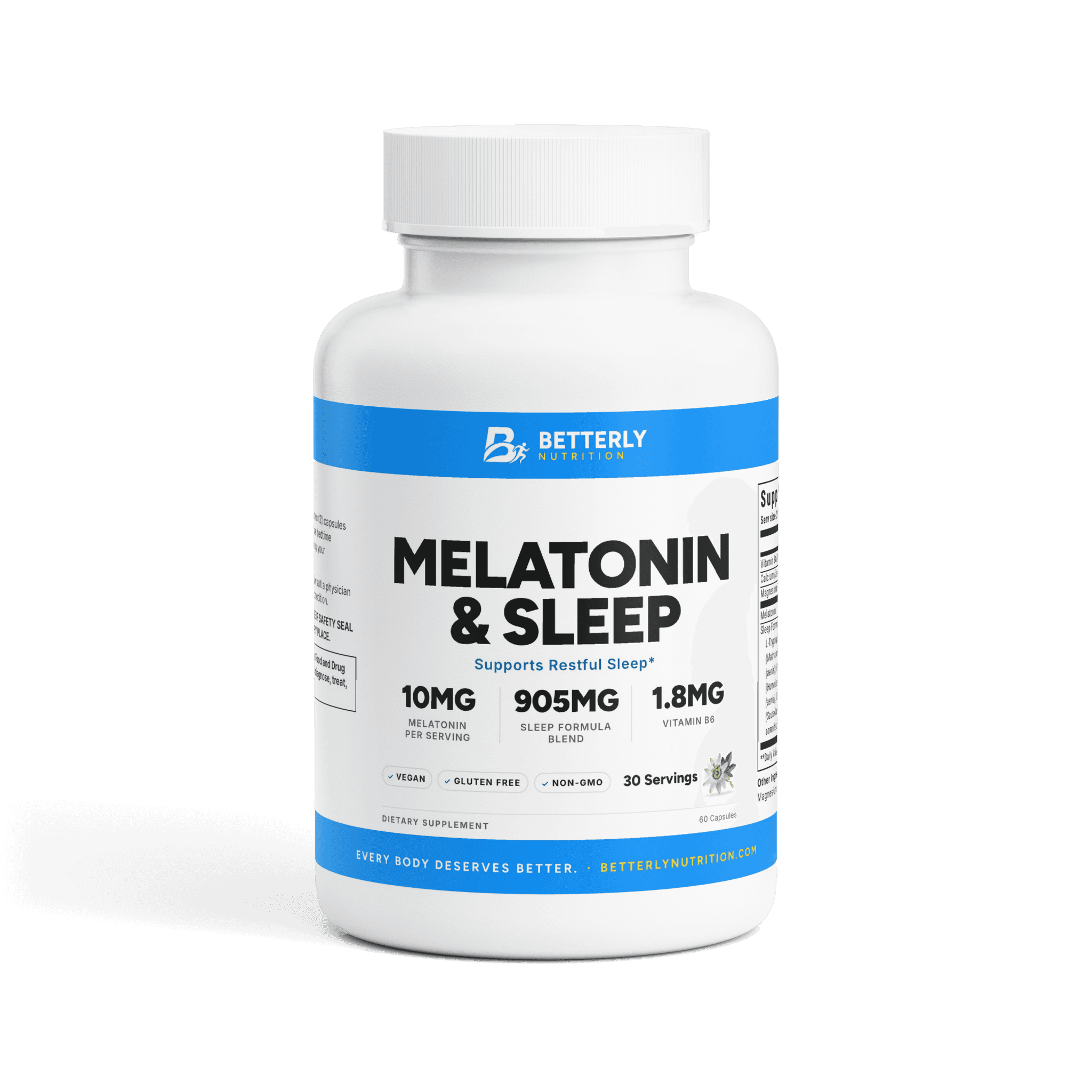
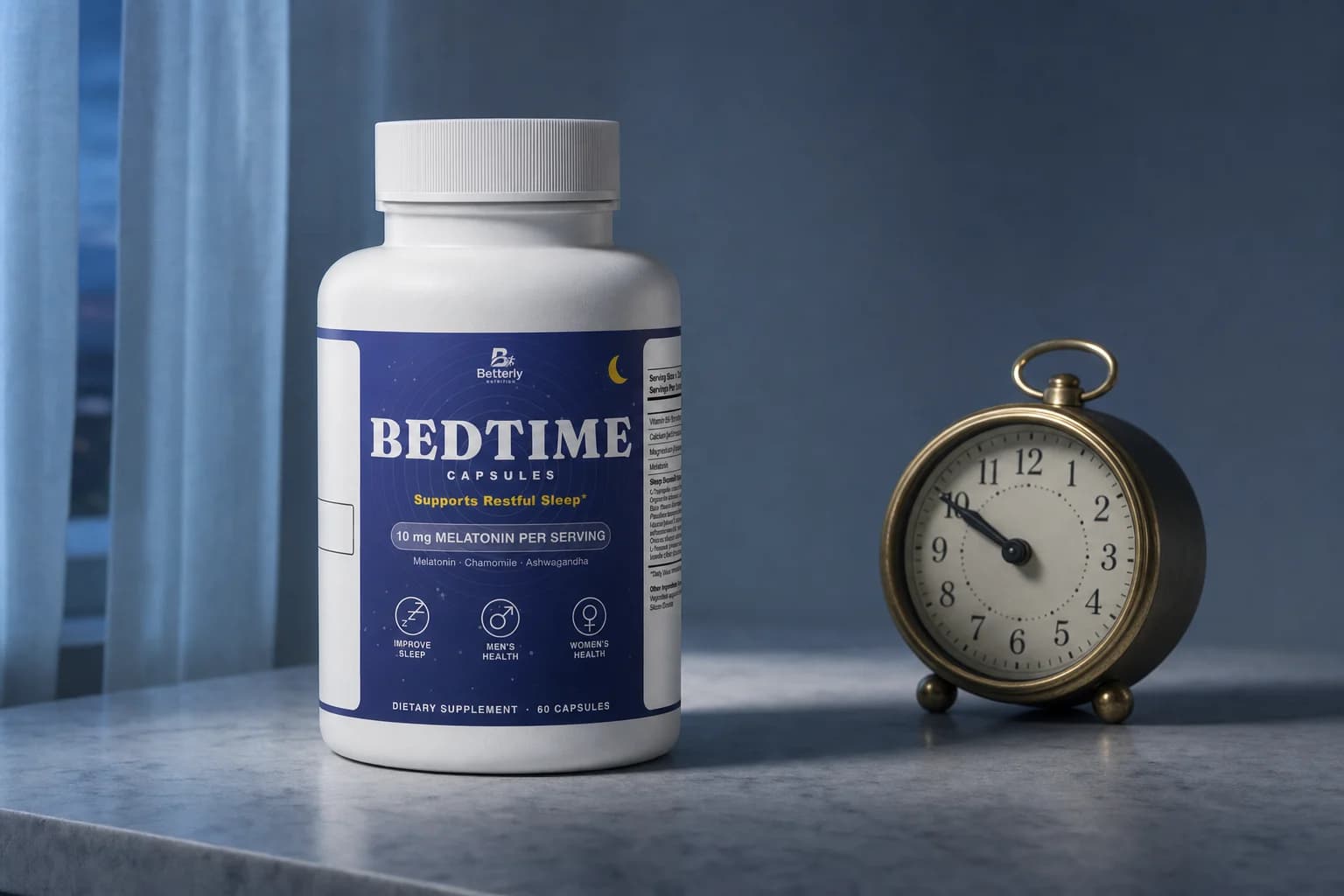
Our 10mg Melatonin Sleep Capsules pair 10 mg of melatonin with a 905 mg Sleep Formula Proprietary Blend in every 2-capsule serving. Two of the blend's 14 ingredients are L-tryptophan and 5-HTP from Griffonia simplicifolia seed.
NCCIH's page on sleep and complementary health approaches notes that the body can convert both into melatonin, and says supplements containing them "have sedative effects." So melatonin is only one suspect, and since the label prints just the blend's combined 905 mg, neither amount is knowable.
How long does a melatonin hangover last?
NCCIH doesn't put a number on how long a melatonin hangover lasts, and we found no other federal page that does. Any hour count you see online is a guess.
The only duration clue on NCCIH's melatonin page is the age point above: in some older people, the drowsiness can carry into the day.
A mid-morning check beats a clock. If the heaviness has lifted by then and the night was short or the serving late, fix the night before you blame the product.
Fog that hangs on all day, or turns up most mornings, is a different story. Pause the supplement and bring the pattern to a healthcare provider.
Why does melatonin give you weird dreams or a headache?
Headache is on NCCIH's list of mild melatonin side effects, but vivid or strange dreams aren't mentioned anywhere on NCCIH's melatonin page.
That doesn't make the dreams imaginary, but be wary of any site that calls a dream mechanism settled.
One ingredient on our shelf does list vivid dreams in its federal safety notes: valerian. According to NCCIH's valerian page, its reported side effects include vivid dreams, headache, stomach upset, mental dullness, excitability and uneasiness. Our 1 mg strip contains 50 mg of valerian root extract per 1-strip serving, so if your dreams get livelier on the strip, valerian is a second suspect. Our guide to valerian root side effects covers that list in full.
For headaches, the levers below come first. If headaches keep following your melatonin nights anyway, stop and raise the pattern with your doctor.
What are the side effects of 10mg melatonin capsules like ours?
The side effects to know for our 10 mg capsule come from melatonin plus several blend ingredients that federal pages flag, St. John's wort above all.
Per 2-capsule serving:
| Ingredient | On our label | What the NCCIH page flags |
|---|---|---|
| Melatonin | 10 mg | Headache, dizziness, nausea, sleepiness; supervision if on a blood thinner |
| L-tryptophan | In the 905 mg blend, amount unlisted | Sedative effects; a serious risk alongside medicines that affect serotonin |
| 5-HTP | In the blend | Sedative effects |
| St. John's wort | In the blend | Weakens many medicines; dizziness, trouble sleeping, restlessness |
| Chamomile flower | In the blend | Allergic reactions, especially in people allergic to ragweed |
Melatonin's own row carries the mild effects plus a blood-thinner flag, while the bigger medicine warnings sit in blend rows whose amounts the label doesn't list.
On its St. John's wort page, NCCIH warns the herb can interact "in dangerous, sometimes life-threatening ways with a variety of medicines."
The rest of the panel, per 2-capsule serving: 1.8 mg vitamin B6 (106% DV), plus small amounts of calcium (17 mg, 1% DV) and magnesium (13 mg, 3% DV).
How can you avoid next-morning grogginess from melatonin?
Nothing on the NCCIH pages we read proves a way to avoid melatonin grogginess, but you can test a lower-dose product, the label's bedtime window and a full night in bed.
| Lever | What it looks like | Why it's worth trying |
|---|---|---|
| Lower the dose | Choose a smaller product, not a partial serving | NCCIH says side-effect data is thinnest above what your body makes |
| Time it to bed | 20 to 30 minutes before bedtime, per our capsule label | No dose with only a few hours of night left |
| Protect the night | Only when you can stay in bed until morning | Short sleep feels groggy on its own |
| One product only | Never pair two melatonin products | Capsule plus strip adds up to 11 mg |
| Fix the room | Dim lights; no late caffeine or alcohol | NCCIH lists these as healthy sleep habits |
Only the first row costs money, so try the other four before you change products.
The first row has a catch, though. Stepping down to our strip trades 9 mg of melatonin for 50 mg of valerian root extract per 1-strip serving, and NCCIH lists mental dullness among valerian's side effects. That's the very symptom you're trying to shake, so the strip isn't a guaranteed fog-free swap.
NCCIH's sleep page backs the last row: a steady schedule, a dark, cool, quiet room, and no caffeine, alcohol or bright screens late in the evening.
Our comparison of 1mg, 2mg and 10mg melatonin labels sets all three of our strengths side by side, and a separate guide covers how far 1mg of melatonin goes.
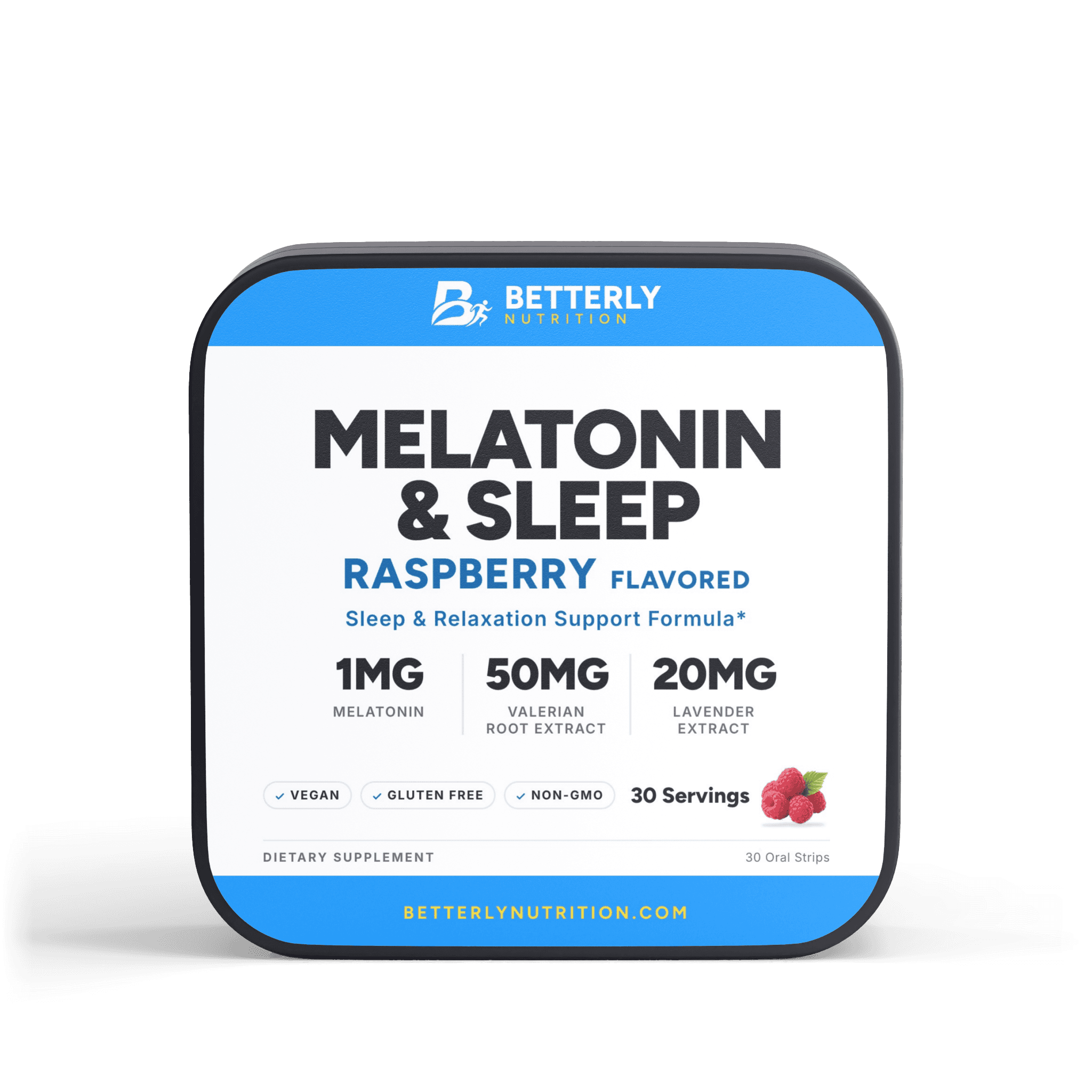
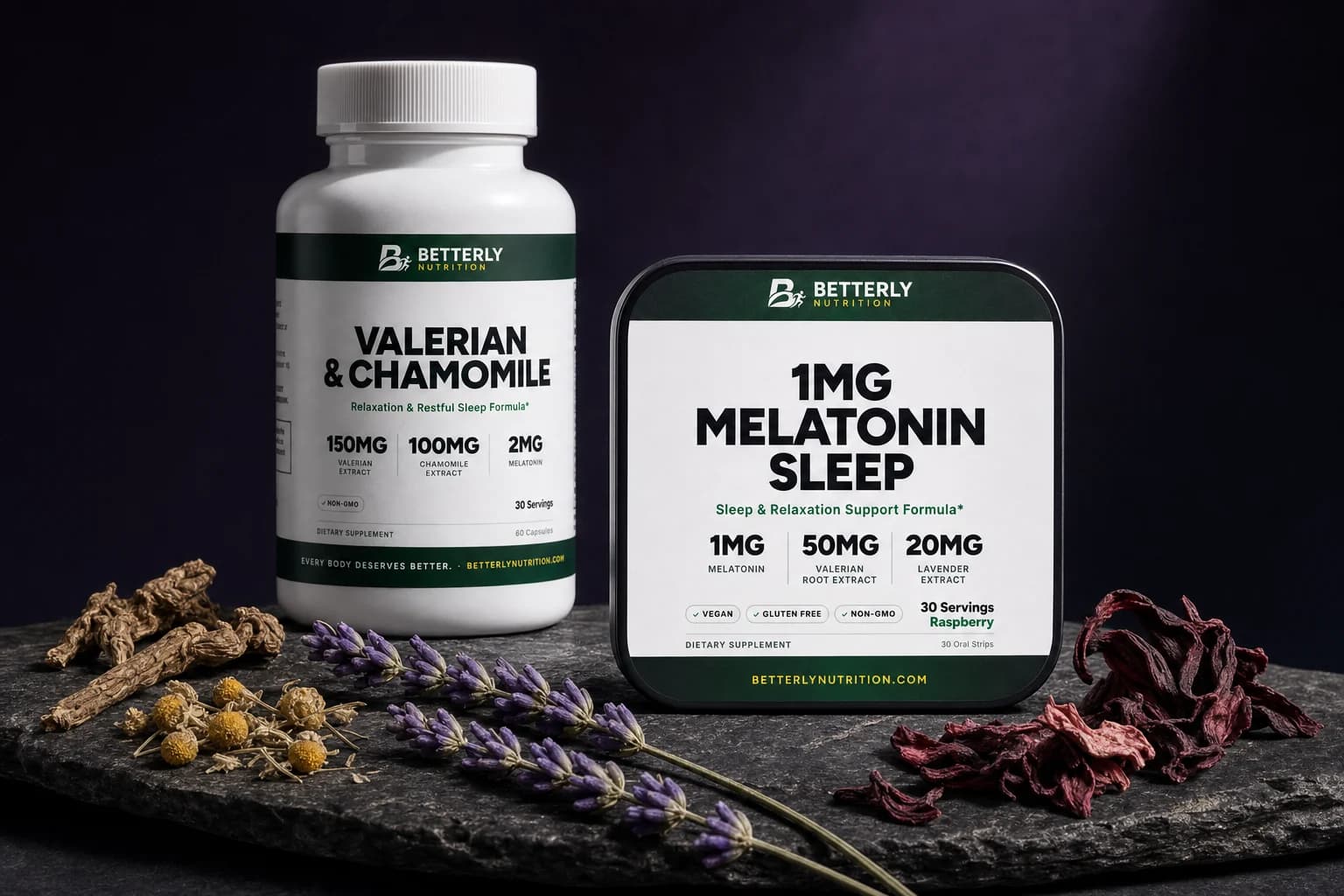
From our shop: 1mg Melatonin Sleep Strips — our lowest melatonin amount, in a dissolving raspberry-flavored strip whose panel pairs 1 mg of melatonin with 50 mg of valerian root extract per 1-strip serving.
How should you take these products, going by the labels?
Our 10mg Melatonin Sleep Capsules are labeled for one daily serving of two capsules, 20 to 30 minutes before bedtime, washed down with 8 oz (237 ml) of water.
- The capsule bottle holds 30 servings, and the shell is hypromellose, a vegetable capsule.
- The 1mg Melatonin Sleep Strips label says: "Place 1 oral strip on the tongue daily and allow it to dissolve."
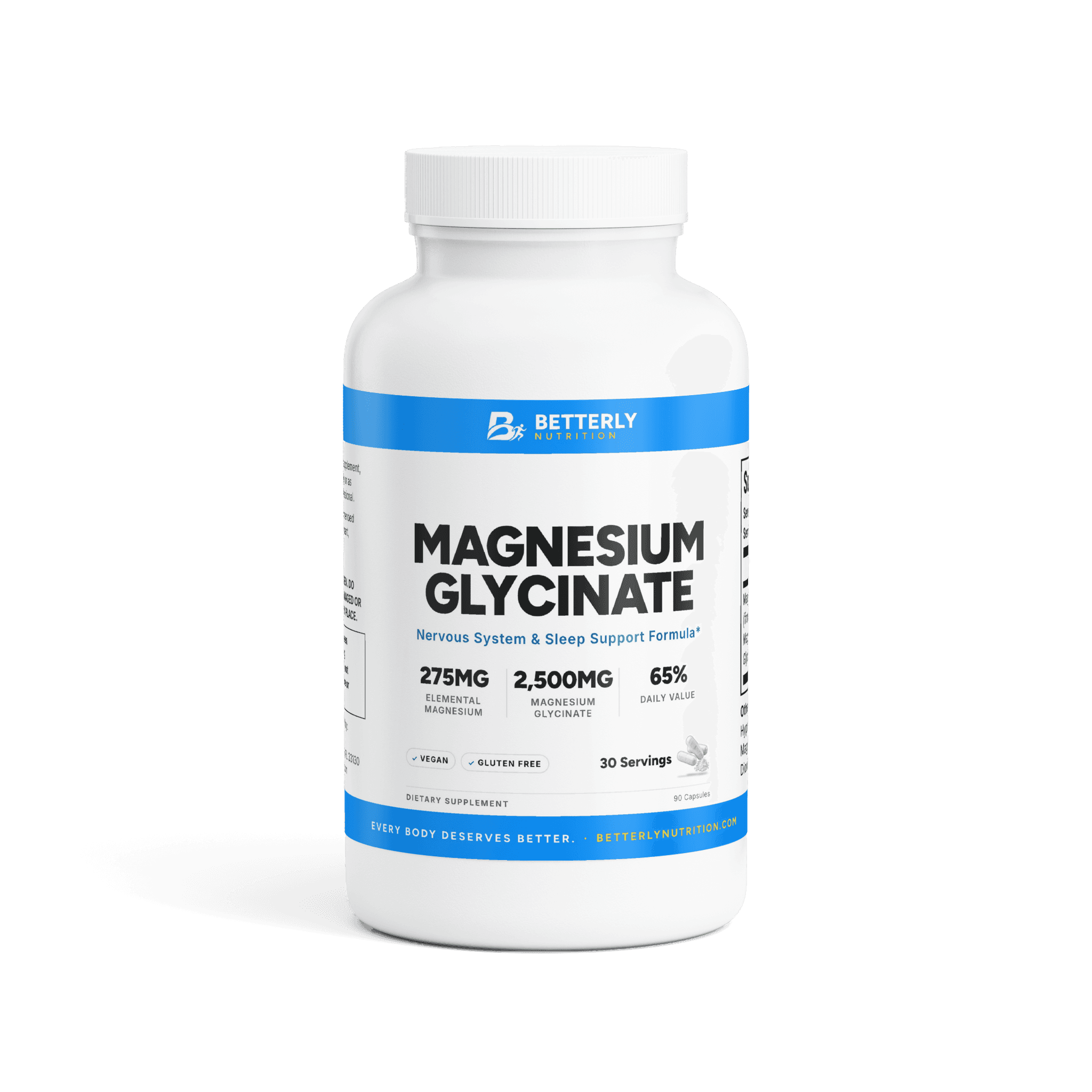
- The Magnesium Glycinate Capsules serving is three capsules once daily, giving 275 mg of magnesium (65% DV) from 2,500 mg of magnesium glycinate, with no melatonin.
Each of the three labels also repeats the line "Do not exceed recommended dose." One serving a day is the limit.
Pair the capsule with magnesium glycinate and your supplemental magnesium reaches 288 mg a day (13 mg plus 275 mg). That's under the 350 mg adult daily ceiling NCCIH's sleep page sets for magnesium taken as supplements or medicines, but not by much, and the same page ties high intakes to diarrhea, nausea and abdominal cramping. Any other magnesium product could close the gap.
Be realistic about magnesium, too: NCCIH says there's very little research on magnesium for sleep, and one review it describes rated those studies low in quality while another found conflicting results. Our magnesium vs melatonin comparison lays out what each can and can't do.
From our shop: Magnesium Glycinate Capsules — no melatonin on the panel, just 275 mg of magnesium (65% DV) per 3-capsule serving, for nights you'd rather skip the hormone.
When is skipping melatonin the better call?
Skipping melatonin makes sense if you already fall asleep on schedule and simply wake up tired, because a timing signal can't fix a problem that isn't about timing.
Melatonin's main job, per NCCIH, is helping time your circadian rhythm alongside sleep. If your clock already runs on time, the capsule may add fog without solving anything.
The night before an early start, when you need to be sharp at dawn, is another good night to leave the bottle closed.
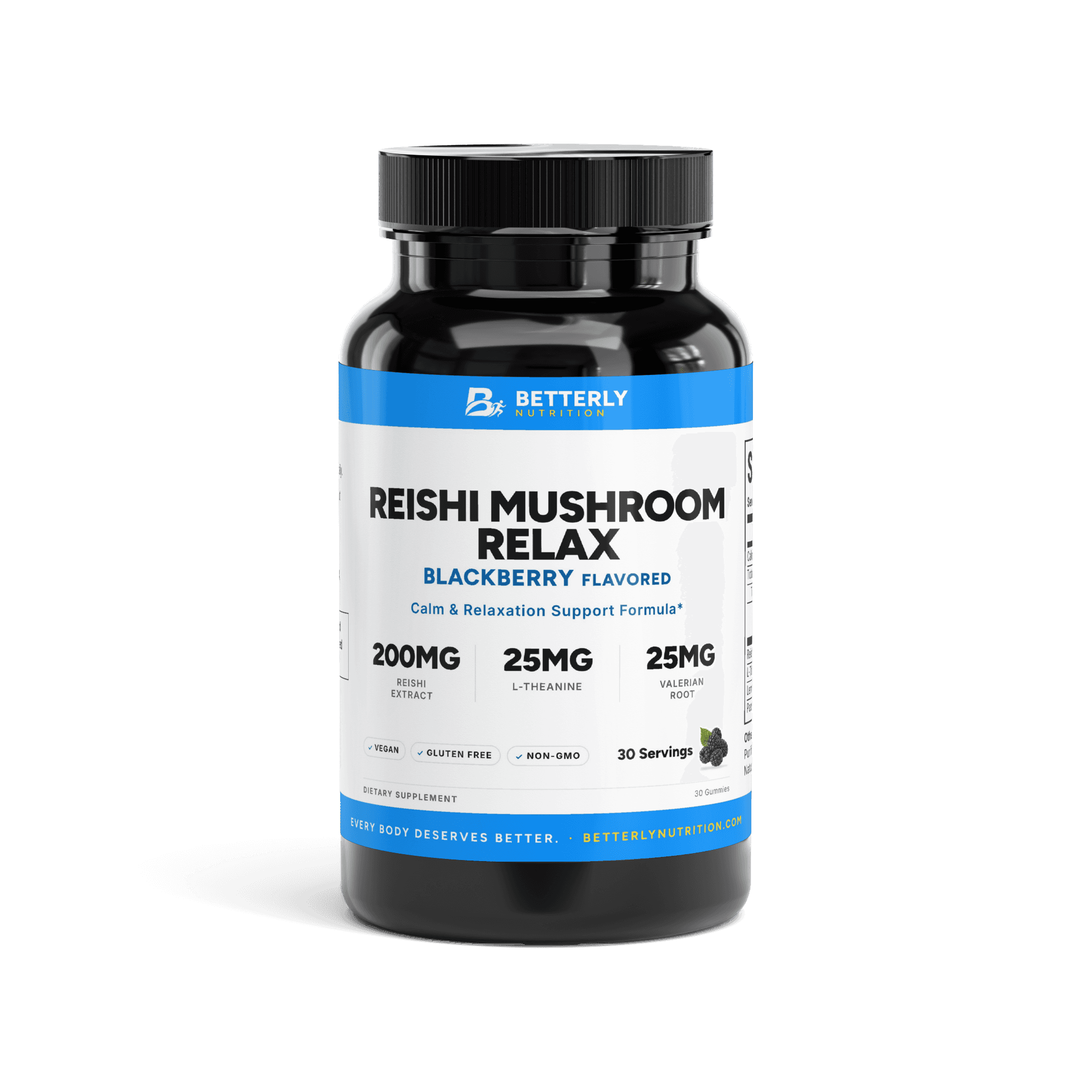
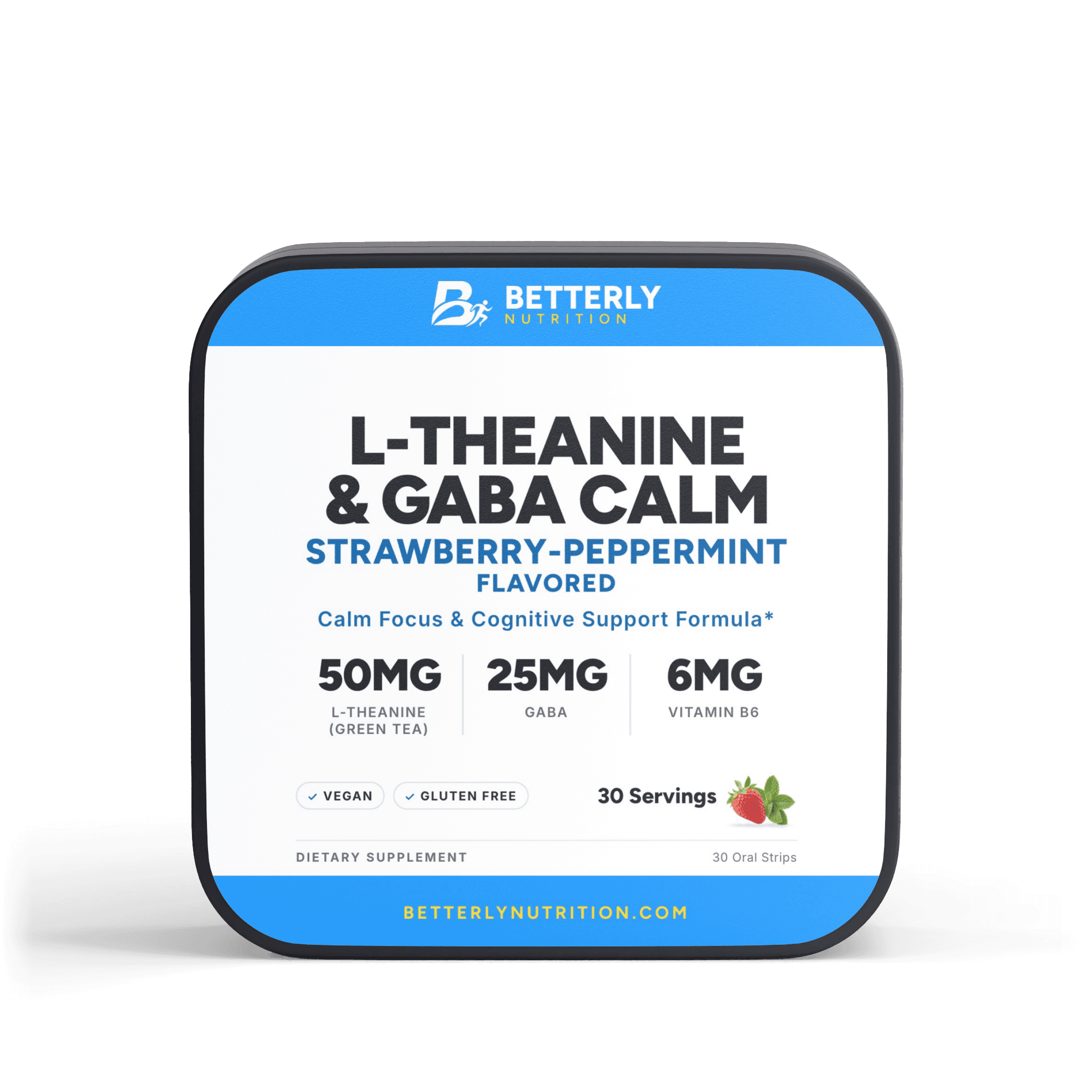
Want an evening routine with no melatonin at all? Browse the melatonin-free panels in our sleep shop, where the reishi gummies and the L-theanine strips list none.
Who should skip our 10mg capsule or check with a provider first?
Betterly's 10mg Melatonin Sleep Capsules need a provider's or pharmacist's okay first if you're under 18, pregnant, nursing, or on any medicine, prescription or over-the-counter.
The label's caution line names the first three groups, plus anyone with a medical condition. NCCIH flags St. John's wort as possibly unsafe in pregnancy and says breastfed babies of mothers taking it can become drowsy, while melatonin itself hasn't been studied enough in either group.
Most of the medicine risk sits in the blend. St. John's wort can blunt a long list of medicines, and NCCIH's examples include birth control pills and blood thinners. Blood thinners are the melatonin-specific worry too, since NCCIH says people taking one need a provider overseeing melatonin use. Ask your pharmacist to check the full panel against everything you take.
Serotonin is the other thread. Your body can turn L-tryptophan and 5-HTP into melatonin, and this capsule already contains both, so a separate tryptophan or 5-HTP supplement piles more of the same inputs on top. NCCIH warns that pairing L-tryptophan with a medicine that affects serotonin can lead to life-threatening serotonin toxicity.
If an operation is coming up, add this capsule to the supplement list you give the hospital.
Who is most likely to feel it the next morning?
Older adults top that list, since NCCIH ties lingering melatonin and daytime drowsiness to older people. So do people whose alarm moves around: a serving that fit a 7 a.m. wake-up leaves less runway before a 5 a.m. one. And if your day starts with a drive or heavy equipment, a slow start costs you more than most.
The 1 mg strip isn't a workaround for any of these groups. Its label carries the same caution line, and NCCIH's valerian page gives medicine users the same talk-to-your-provider advice.
FAQ: melatonin hangover
Can you drink alcohol and take melatonin the same night?
It's safest not to pair alcohol with melatonin products like ours. Our labels don't mention alcohol, but NCCIH's sleep advice lists alcohol close to bedtime among the habits to avoid. NCCIH's valerian page also says valerian, which is in our 1 mg strip, shouldn't be taken with alcohol.
Does melatonin keep you awake?
Melatonin isn't listed as keeping people awake: NCCIH's melatonin page names headache, dizziness, nausea and sleepiness as its mild side effects, not wakefulness. Other ingredients are a different story. Our 10 mg capsule's blend includes St. John's wort, and NCCIH lists trouble sleeping and restlessness among that herb's side effects. Valerian, in our strip, can bring excitability and uneasiness. If a sleep product leaves you wired, read every row on its panel.
Is it safe to drive with a melatonin hangover?
No, leave the car parked while melatonin grogginess is still hanging on. NCCIH counts sleepiness and dizziness among melatonin's mild side effects, and both are a poor match for traffic. Give any new product or dose its first run before a weekend or a day off, so you learn how it affects you on a morning with nowhere to drive.
Are melatonin gummies more likely to cause a hangover?
Nobody we read has compared grogginess across formats, but melatonin gummies carry a labeling risk. In a 2023 study NCCIH summarizes, only 3 of 25 gummy products matched their labels, and most held 1.2 to 1.7 times the stated melatonin. NCCIH also describes 2017 testing in which most melatonin supplements, not only gummies, missed their label amounts, so a printed number, ours included, is what the maker declares.
Should you stop taking melatonin if you wake up groggy?
Pausing melatonin is a sensible first step if you wake up groggy, since it shows whether the product is behind the fog. If you restart, test a single change per stretch: a lower-dose product, the label's bedtime timing or a full night in bed. If the fog stays even on melatonin-free nights, the supplement wasn't the cause, and that's worth raising with a healthcare provider.
Sources
- Melatonin: What You Need To Know (NCCIH)
- Sleep and Complementary Health Approaches (NCCIH)
- St. John's Wort (NCCIH)
- Valerian (NCCIH)
If this left you looking for somewhere to start, read 10mg melatonin capsules with a sleep blend — its amounts per serving are listed on the page. For the practical questions this raises, how dosing, sourcing and subscriptions work is answered in one place.