On this page
- Key takeaways
- Which valerian root side effects does NCCIH actually list?
- Why do some people feel foggy the morning after valerian?
- What else is in our valerian capsule, and does it matter?
- Why does valerian root smell so bad, and do capsules help?
- What should your pharmacist know before you take valerian?
- Can you take valerian root every night, and for how long?
- What does our label say about taking these capsules?
- Do you need a valerian supplement at all?
- Who should pass on valerian root or get a provider's OK first?
- FAQ: valerian root side effects and safety
- Sources
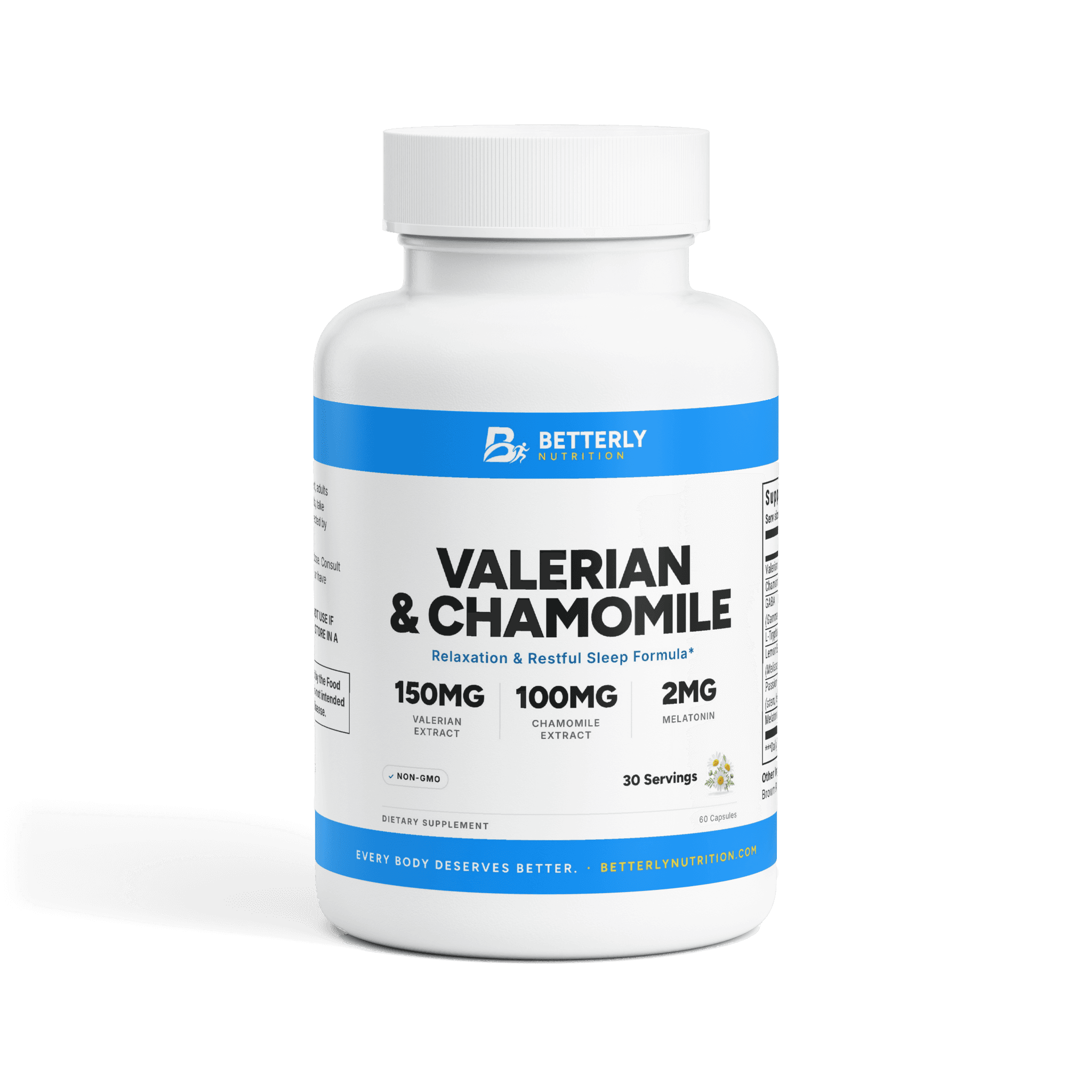
The short answer: Few people report valerian root side effects, according to the National Center for Complementary and Integrative Health (NCCIH). The ones it lists are headache, stomach upset, mental dullness, excitability, uneasiness and vivid dreams, and valerian's long-term safety is unknown. Our capsule adds more than valerian: 2 mg of melatonin and 100 mg of L-tryptophan per 2-capsule serving. Those extras matter most if you take any medicine, prescription or over-the-counter.
Key takeaways
- Headache, stomach upset, mental dullness, excitability, uneasiness and vivid dreams are the valerian side effects on NCCIH's list.
- NCCIH's safety evidence covers 300 to 600 mg of valerian a day for up to 6 weeks; beyond that point, nobody knows.
- Keep alcohol and sedatives away from valerian, and talk with a provider before starting it if you take any medicine, prescription or over-the-counter.
- Our valerian capsule also lists 2 mg of melatonin and 100 mg each of L-tryptophan, chamomile extract and passion flower extract per 2-capsule serving, in a gelatin shell.
- Skip our capsule if you're pregnant, and don't take any valerian product before an early drive until you know how it leaves you.
Our shop carries Valerian & Chamomile Sleep Capsules, which gives us a reason to go easy on valerian's downsides. We haven't. The cautions below come from five NCCIH pages and one NIH fact sheet, each linked where we use it, and every product number comes from our own Supplement Facts panel.
Which valerian root side effects does NCCIH actually list?
NCCIH lists six valerian root side effects: headache, stomach upset, mental dullness, excitability, uneasiness and vivid dreams. It doesn't rank them by how often they happen.
That list comes from NCCIH's valerian fact sheet, which calls the herb generally safe for short-term use by most adults. The agency's sleep overview adds that few people have reported negative side effects from valerian. "Few" is a fair word. It isn't "none."
Valerian's side-effect list doesn't mention the heart. The fact sheet's one heart-related note is about stopping: "heart disturbances" appears among the withdrawal symptoms some people report after quitting abruptly following long-term use.
If any of these effects shows up, stop and mention it to a pharmacist or your provider.
Why do some people feel foggy the morning after valerian?
Morning fog after valerian fits the "mental dullness" NCCIH lists as a side effect, and some valerian formulas add other ingredients that can cause sleepiness, too.
Ours is one of them. Three of its seven ingredients have fog or drowsiness on a federal side-effect list:
- Valerian: mental dullness, per the NCCIH valerian page.
- Melatonin: NCCIH's melatonin guide lists headache, dizziness, nausea and sleepiness among mild side effects in short-term studies. It adds that older people may feel melatonin's effects for longer, including sleepiness during the day.
- Passion flower: NCCIH's passionflower page lists drowsiness, dizziness and confusion.
Until you know how you respond, don't drive or use machinery after a dose or early the next morning. If the fog keeps coming back, stop and ask a pharmacist.
What else is in our valerian capsule, and does it matter?
Our valerian capsule lists six ingredients besides valerian, including 2 mg of melatonin and 100 mg of L-tryptophan per 2-capsule serving. Valerian's own side-effect list is only part of the story.
The full panel, per 2-capsule serving:
- 150 mg valerian extract, from the root
- 100 mg chamomile extract, from the flower
- 100 mg GABA (gamma-aminobutyric acid)
- 100 mg L-tryptophan
- 100 mg lemon balm extract (Melissa officinalis), from stem, leaves and flower
- 100 mg passion flower extract, from stem, leaves and flower
- 2 mg melatonin
The other ingredients are gelatin (the capsule) and brown rice flour. The label's only claim is non-GMO, so it isn't labeled vegan or gluten free, and the gelatin shell rules it out if you avoid animal products.
Here's how the side effects NCCIH lists line up with those ingredients:
| What you might notice | Ingredients NCCIH links to it | What to do |
|---|---|---|
| Morning fog or sleepiness | Valerian, melatonin, passion flower | Skip driving until you know your reaction |
| Headache | Valerian, melatonin | Stop and ask a pharmacist |
| Stomach upset or nausea | Valerian, melatonin, chamomile | Stop if it keeps happening |
| Dizziness or confusion | Melatonin, passion flower, chamomile | Stop and call your provider |
| Restless, wired or uneasy | Valerian | Stop; it may not suit you |
| Vivid dreams | Valerian | Stop if they bother you |
| Allergic reaction | Chamomile, melatonin | Stop; get urgent care if it's severe |
Fog or drowsiness shows up for three ingredients, which makes next-morning fog the effect to plan around.
Chamomile deserves a closer look, since it's in the product's name. NCCIH's chamomile page calls its side effects uncommon but says they may include nausea, dizziness and allergic reactions, which can be severe in some people. You're more likely to react if you're allergic to related plants such as ragweed, chrysanthemums, marigolds or daisies. The melatonin guide flags a possible allergy risk from melatonin supplements, too.
We didn't find NCCIH fact sheets for GABA or lemon balm, so we won't guess what to expect from those two. If melatonin is the ingredient giving you pause, our herb-versus-hormone comparison of valerian and melatonin weighs it separately, and the rest of our sleep and stress relief shelf is one click away.
From our shop: Valerian & Chamomile Sleep Capsules — seven listed ingredients per 2-capsule serving, led by 150 mg of valerian root extract, with every amount printed on the panel.
Why does valerian root smell so bad, and do capsules help?
Dried valerian root has a strong, pungent smell that plenty of people find unpleasant, and a capsule keeps most of that smell and taste off your tongue.
Searches like "valerian root smells like feet" show how common the complaint is. It isn't a side effect, but it's a practical reason some people give up on valerian tea, which you smell and taste with every sip. Tea also leaves the amount open, since the root in the bag and your steeping time both change what's in the cup.
We won't promise an odor-free bottle, though, and smell tells you nothing about strength. Only the milligrams on the panel do.
What should your pharmacist know before you take valerian?
Tell your pharmacist every medicine you take, prescription or over-the-counter, because NCCIH says valerian shouldn't be taken with alcohol or sedatives.
NCCIH's reasoning is that valerian might make you sleepy, and that "some herbs and medicines interact in harmful ways." With our capsule, that conversation should cover four more ingredients:
- L-tryptophan, 100 mg per serving. NCCIH flags this one hardest. Its sleep overview lists L-tryptophan supplements among its serious safety concerns: with a medicine that changes how the body handles serotonin, they may cause a life-threatening reaction. The same page notes that L-tryptophan supplements were discontinued in 1989 after an outbreak of a serious illness was traced to contaminated synthetic L-tryptophan from one manufacturer.
- Chamomile, 100 mg per serving. NCCIH's chamomile page reports interactions with warfarin, a blood thinner, and with some drugs the liver breaks down. It also says early studies suggest chamomile might reduce how well birth control pills work, and that there are theoretical reasons it might interact with sedatives.
- Melatonin, 2 mg per serving. NCCIH says anyone on a blood-thinning medicine should use melatonin only under medical supervision. That gives one capsule two ingredients with a blood-thinner note.
- Passion flower, 100 mg per serving. NCCIH says it might slow the nervous system too much when taken with anesthesia or other surgery medicines.
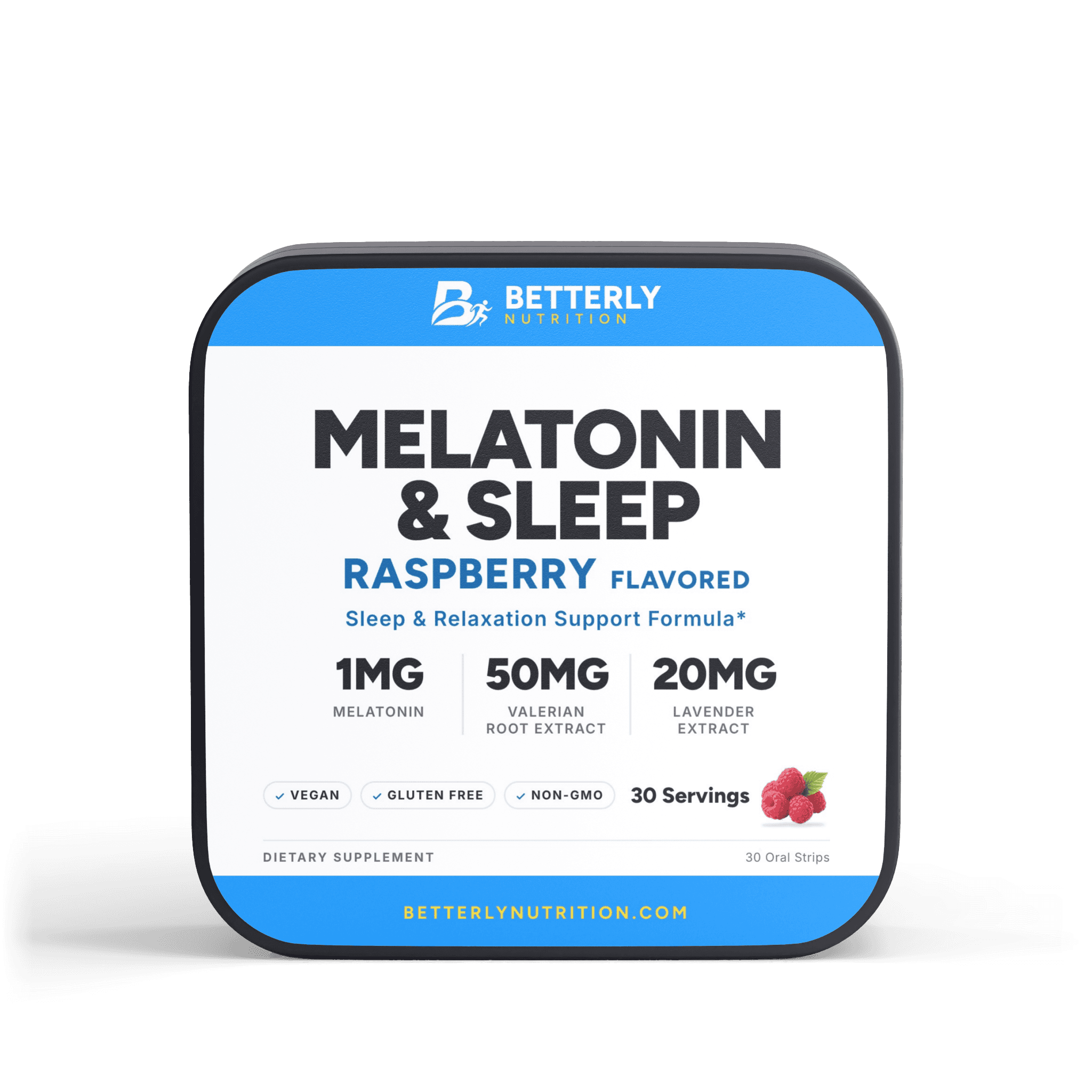
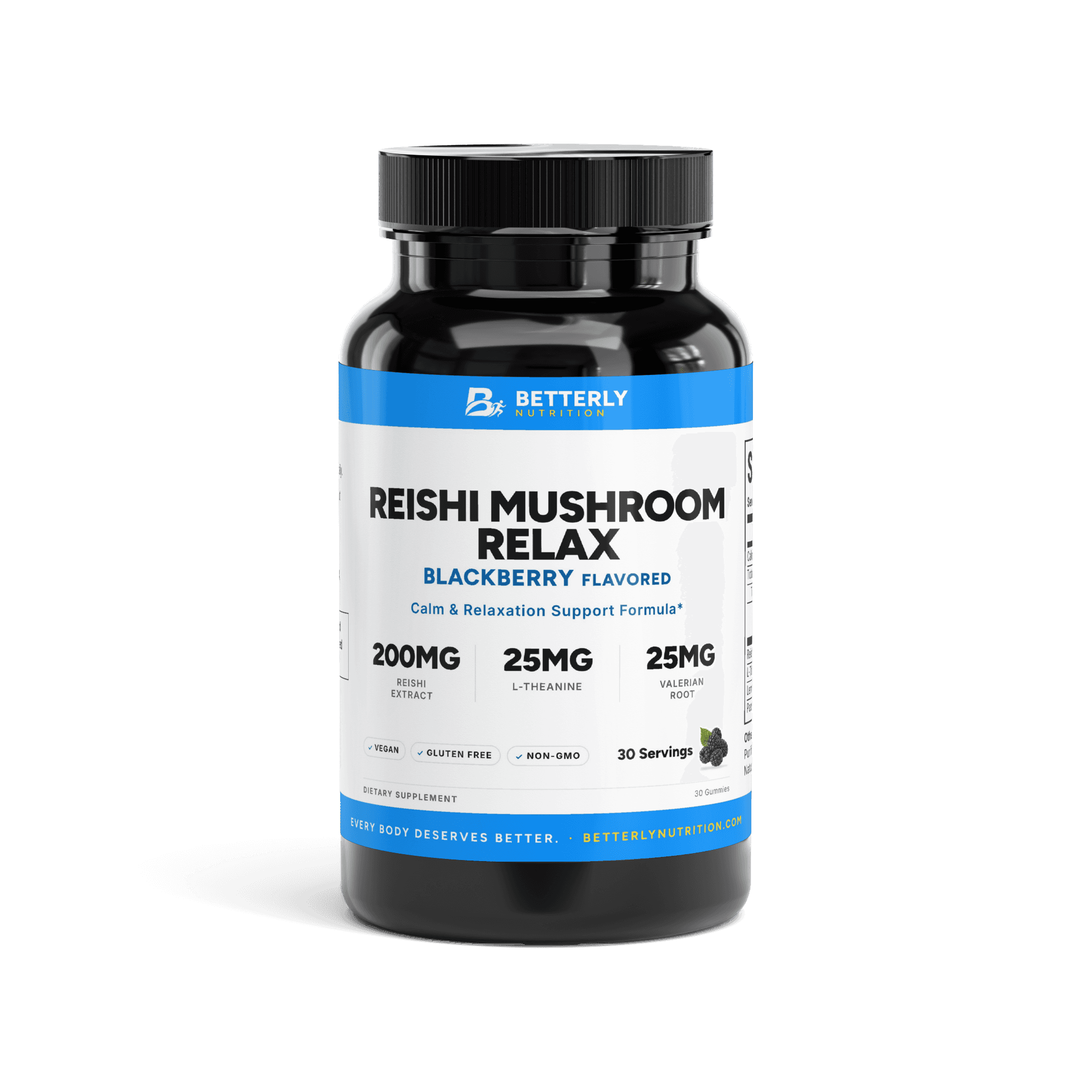
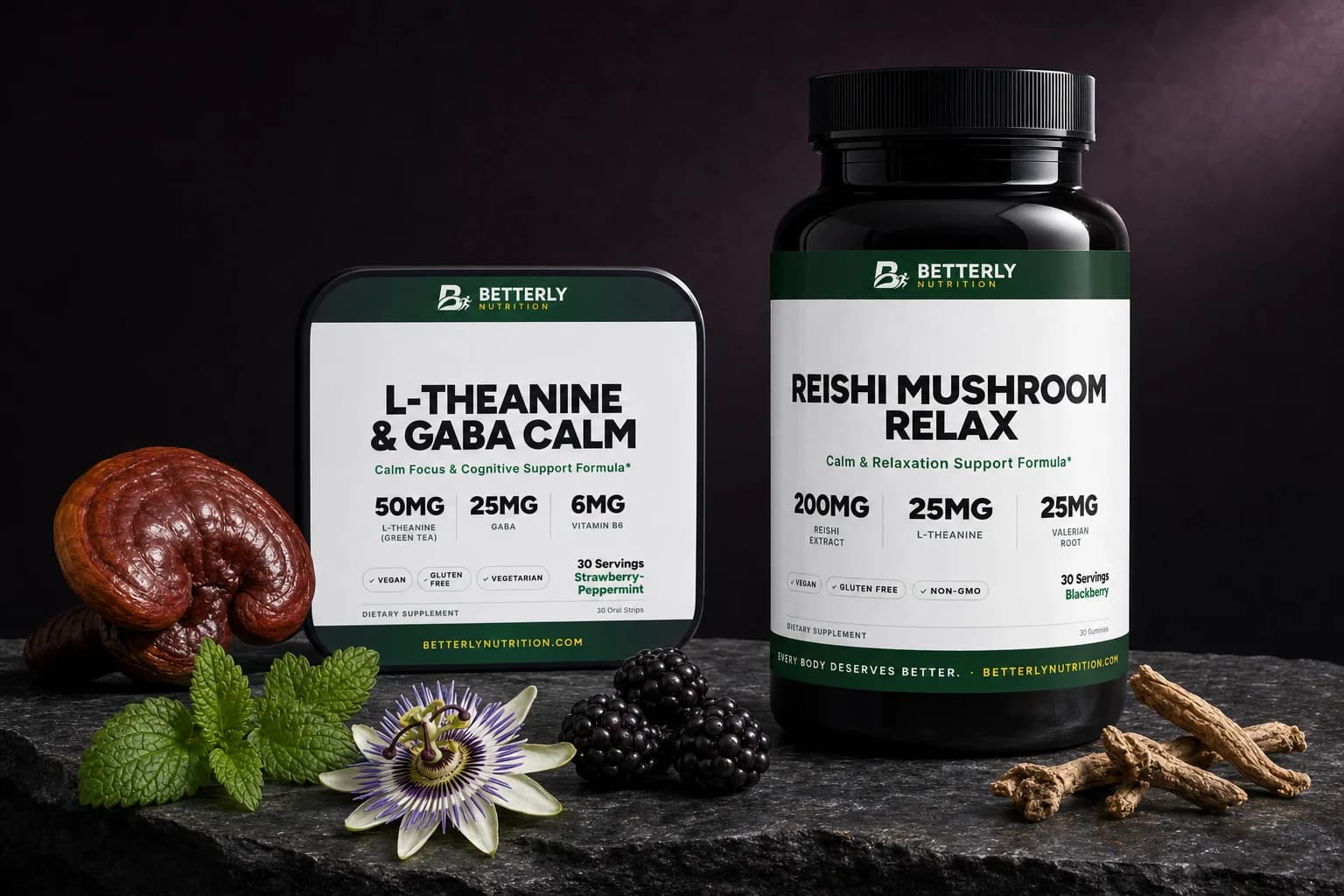
Other sleep products belong on the list, too, our own included. The sleep overview asks you to find out the risks of combining sleep products, and our 1mg Melatonin Sleep Strips and Reishi Mushroom Relax Gummies both list valerian.
You can't always tell from a medicine's name whether it affects serotonin or blood clotting, so photograph the Supplement Facts panel and show it to your pharmacist with your medicine list.
Can you take valerian root every night, and for how long?
Valerian root has been used with apparent safety for up to 6 weeks, according to NCCIH, but nobody knows yet whether months of nightly use are safe.
The fact sheet's wording is that valerian "has been used with apparent safety in doses of 300 to 600 milligrams daily for up to 6 weeks." Past that window, long-term safety is unknown. Our panel's 150 mg of valerian extract per 2-capsule serving isn't directly comparable to that general range, so the six weeks is the number to hold onto.
The other herbs in our capsule come with their own time frames. NCCIH's passionflower page says daily use of passionflower extract may be safe for up to 8 weeks. For melatonin, the sleep overview says long-term safety hasn't been established. So across the formula, the shortest window with evidence behind it is valerian's six weeks.
Our label's directions say "daily," but a direction on a bottle isn't long-term safety data.
The fact sheet also mentions liver injury in very rare cases, most often when valerian was taken alongside other herbs, and says its long-term effect on liver function is unknown. That caveat applies to us directly, since our capsule blends valerian with three other botanicals. If you plan to use it for more than a few weeks, tell your provider.
What does our label say about taking these capsules?
The label's suggested use for our Valerian & Chamomile Sleep Capsules is two capsules daily for adults, taken with 6 to 8 oz of water.
- Two capsules is the full serving, and a bottle holds 30 servings. A rough night isn't a reason for a third; the label rules out going over the recommended dose.
- Keep it to evenings. The label names no time, but a "Relaxation & Restful Sleep Formula" with melatonin on its panel doesn't belong before a commute.
- Keep that evening alcohol-free, in line with NCCIH's guidance.
- Count your weeks, and check in with your provider around week six.
- Store the bottle in a cool, dry place out of reach of children, as the label says, and don't use one with a damaged or missing safety seal.
Do you need a valerian supplement at all?
You may not need a valerian supplement if you usually drift off without much trouble and wake up rested, or if you haven't tried the everyday habits that shape sleep.
NCCIH's sleep overview lists those habits: a consistent sleep schedule; no caffeine, nicotine, alcohol, large meals, hard exercise or bright screens too close to bedtime; time outside every day; and a quiet, cool, dark room. If a busy mind is what keeps you up, our evening routine for a mind that won't switch off is a better first step than any capsule.
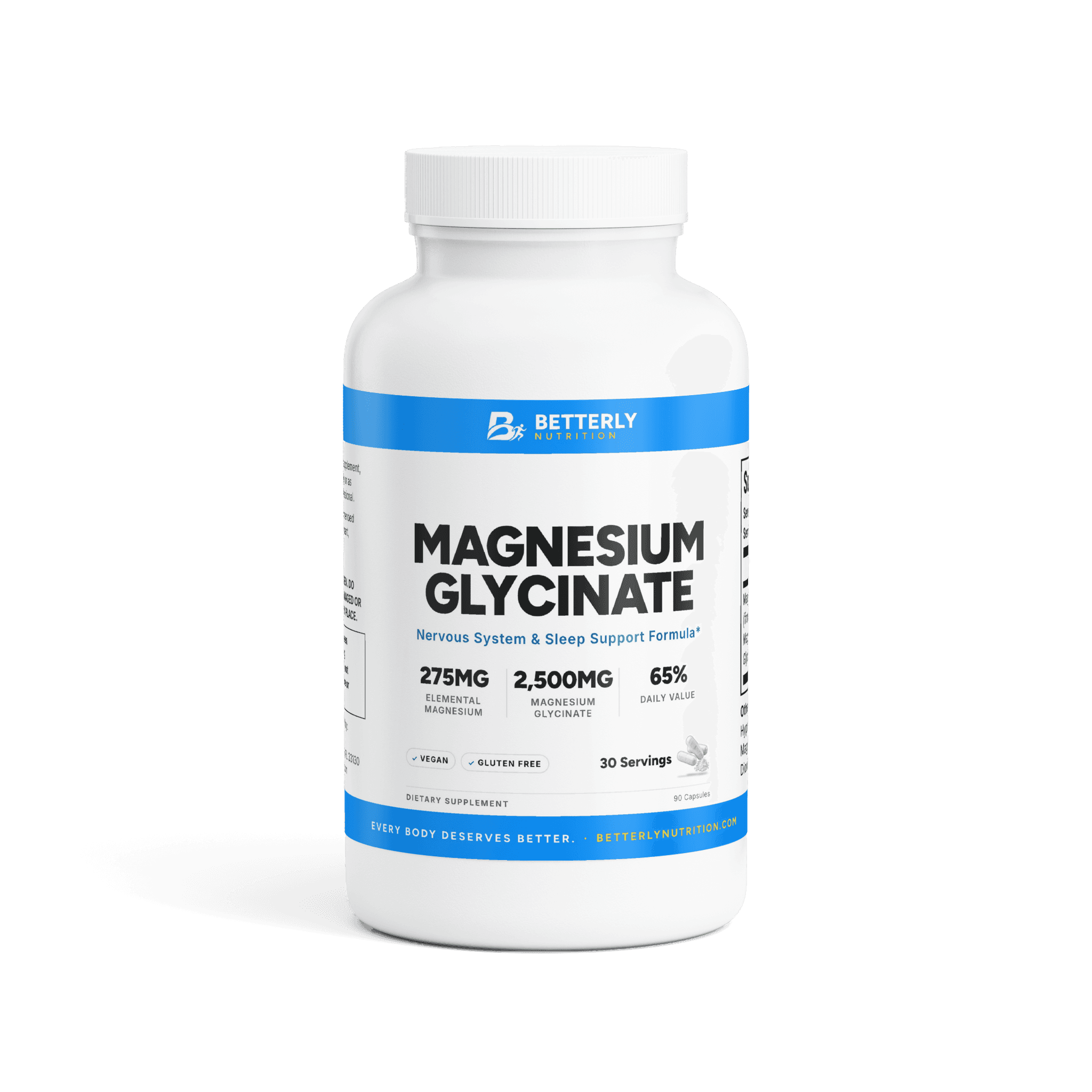
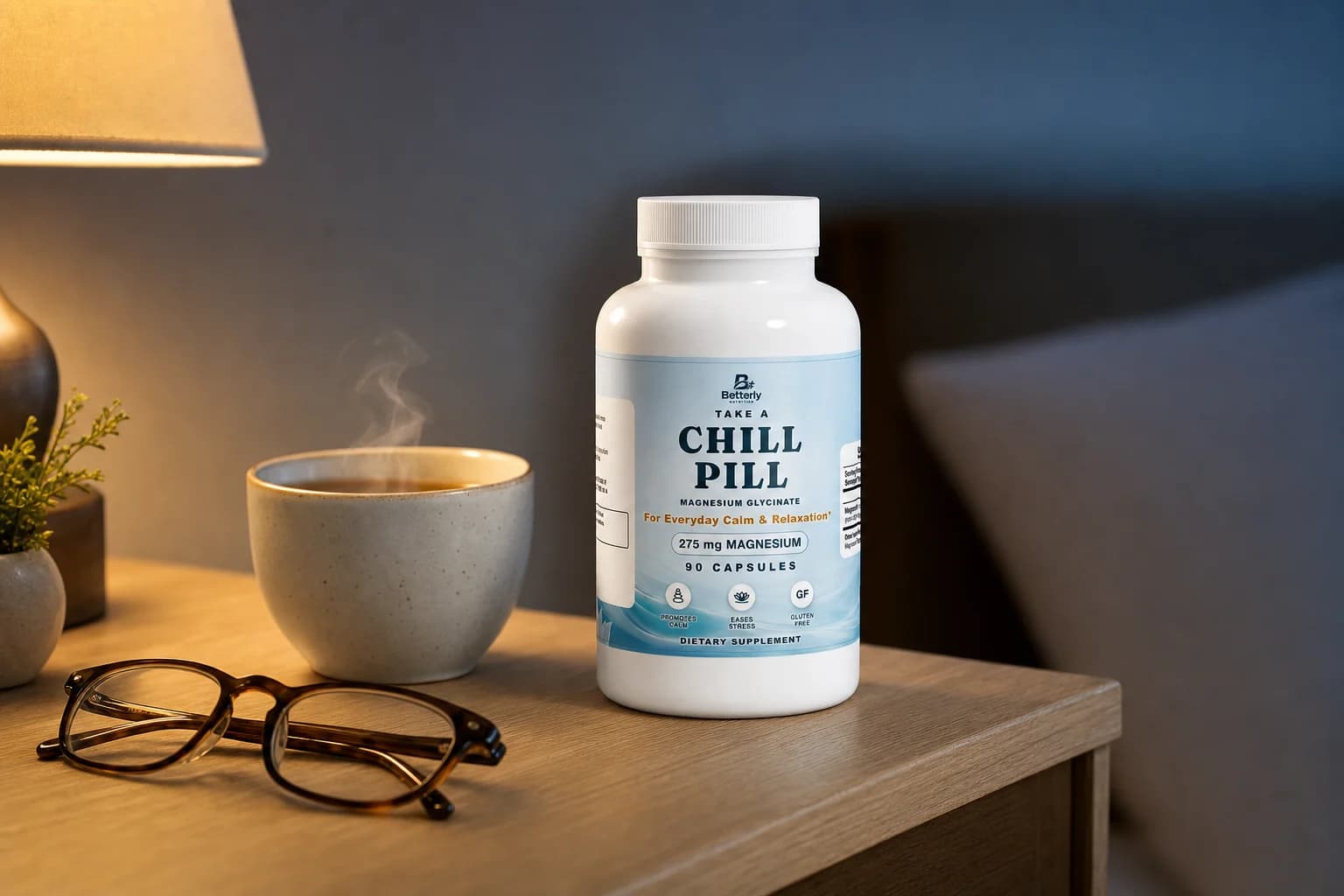
If valerian's side effects or smell put you off, Magnesium Glycinate Capsules provide 275 mg of magnesium per 3-capsule serving, drawn from 2,500 mg of magnesium glycinate.
Magnesium has its own ceiling, though. The NIH Office of Dietary Supplements puts the adult upper limit for magnesium from supplements and medicines at 350 mg a day, and says high intakes from those sources can cause diarrhea, nausea and abdominal cramping. One serving sits under that limit, so count the magnesium in anything else you take toward it.
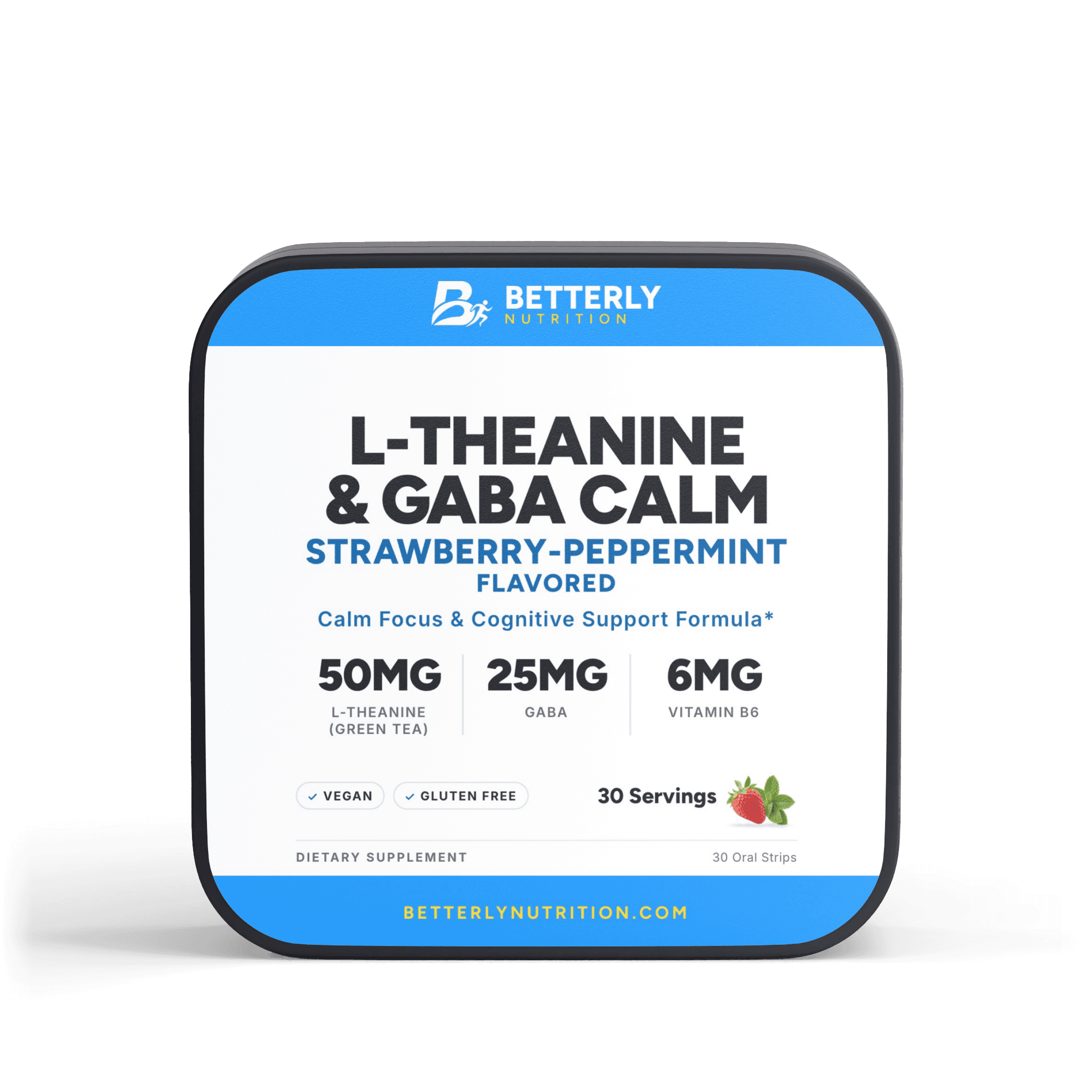
Our L-Theanine & GABA Calm Strips list 50 mg of green tea (L-theanine), 25 mg of GABA and 6 mg of vitamin B6 per strip. Neither panel lists valerian or melatonin. For a wider look at hormone-free choices, see our melatonin-free sleep aid buying guide.
From our shop: Magnesium Glycinate Capsules — a single-mineral capsule with 275 mg of magnesium per 3-capsule serving, labeled vegan and gluten free.
Who should pass on valerian root or get a provider's OK first?
Get a provider's OK before valerian root if you're nursing, under 18, taking any medicine, scheduled for surgery or managing a health condition, and skip our capsule if pregnant.
Most of that list comes from our bottle's caution. Our formula adds a few specifics:
- Pregnant: skip our capsule. NCCIH says little is known about valerian or chamomile in pregnancy, and it says passion flower shouldn't be used while pregnant because it may cause uterine contractions. Our capsule holds 100 mg of it per serving.
- Nursing: NCCIH says little is known about valerian, chamomile or passion flower while breastfeeding.
- Under 18: our label's directions are written for adults.
- Surgery on the calendar: NCCIH says to talk with your provider if you're taking passion flower within 2 weeks of a scheduled surgery.
- On a blood thinner or birth control pills: see the chamomile and melatonin notes in the pharmacist section.
- Anyone who has to drive soon after a dose.
If trouble sleeping keeps coming back, tell your provider everything you take.
FAQ: valerian root side effects and safety
Can valerian root make you feel restless or wired?
Yes, valerian root can leave some people restless: NCCIH lists excitability and uneasiness among its side effects, on the same list as mental dullness. That's a known reaction, not a sign you need a bigger dose. If a dose leaves you keyed up, stop and ask a pharmacist whether valerian suits you.
Is valerian root addictive?
NCCIH doesn't call valerian root addictive, but it does report withdrawal symptoms in some people who stop abruptly after long-term use. Those include feeling on edge, irritability, heart disturbances, trouble sleeping and, rarely, hallucinations. That's a good reason to think of valerian as a short-term tool, and to ask your provider how to stop if you've taken it nightly for months.
Can you drink alcohol with valerian root?
No, you shouldn't drink alcohol with valerian root. NCCIH's valerian page puts alcohol and sedatives off-limits, because the herb might make you sleepy. Our capsule also contains melatonin and passion flower, two more ingredients NCCIH links to drowsiness. Plan the nights you take a valerian product as alcohol-free nights.
Does valerian root cause diarrhea or constipation?
Valerian root can upset your stomach, but NCCIH's fact sheet doesn't say in which direction. It lists "stomach upset" without naming diarrhea or constipation. Two other ingredients in our capsule, melatonin and chamomile, have nausea on their NCCIH lists. If your digestion changes after you start a valerian product, stop and talk with a pharmacist before trying it again.
Sources
- Valerian: Usefulness and Safety, NCCIH
- Chamomile: Usefulness and Safety, NCCIH
- Melatonin: What You Need To Know, NCCIH
- Passionflower: Usefulness and Safety, NCCIH
- Sleep and Complementary Health Approaches: Usefulness and Safety, NCCIH
- Magnesium: Fact Sheet for Consumers, NIH Office of Dietary Supplements
If this left you looking for somewhere to start, read valerian root capsules with chamomile and 2 mg melatonin — its amounts per serving are listed on the page. For the practical questions this raises, how dosing, sourcing and subscriptions work is answered in one place.