On this page
- Key takeaways
- Valerian root vs melatonin: what's the actual difference?
- What is valerian root, and what does the research say?
- How does melatonin work in your body?
- Is valerian root better than melatonin for sleep?
- Can you take valerian root and melatonin together?
- How much valerian and melatonin is in ours, and how do you take it?
- What if you want a sleep routine with no melatonin?
- When don't you need valerian root or melatonin?
- Who should check with a healthcare provider first?
- FAQ: valerian root and melatonin
- Sources
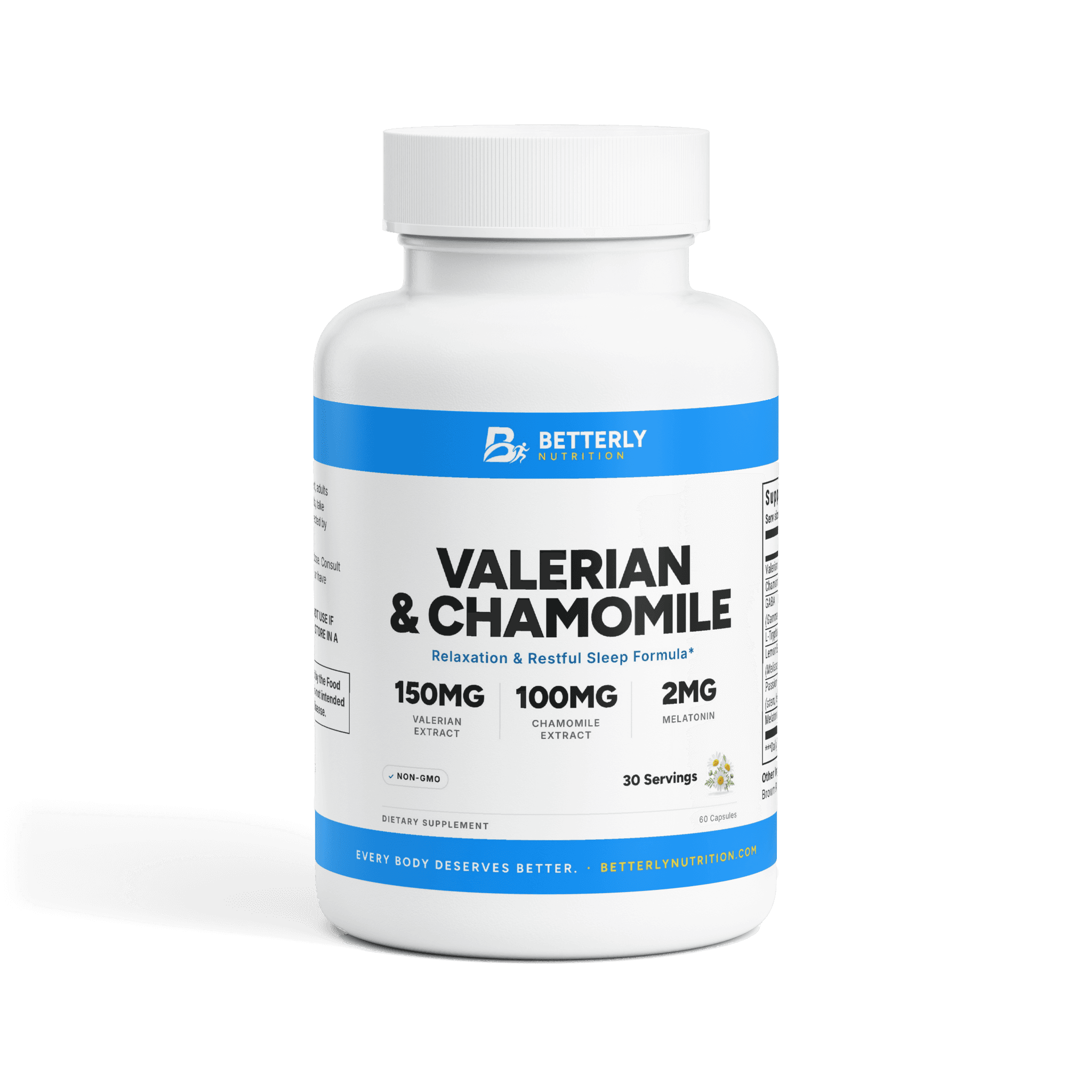
The short answer: Valerian root vs melatonin is really herb vs hormone. Melatonin is a hormone your brain makes when it gets dark, and it helps set the timing of your 24-hour clock. Valerian comes from the roots of Valeriana officinalis, and federal health researchers call its sleep research inconsistent. You may not have to choose: our valerian capsule pairs 150 mg of valerian extract with 2 mg of melatonin per 2-capsule serving.
Key takeaways
- Melatonin is a hormone tied to the timing of sleep, while valerian is a plant root used in folk traditions for centuries, with mixed research.
- Two of our three valerian products also contain melatonin: 2 mg per 2-capsule serving in the capsules and 1 mg per 1-strip serving in the strips.
- If you'd rather skip melatonin, our reishi gummy lists 25 mg of valerian root and no melatonin per 1-gummy serving, and magnesium glycinate is one mineral option with neither.
- Use one valerian product at a time, at its label's serving, and skip alcohol on any day you take it, since federal guidance says valerian shouldn't be mixed with alcohol or sedatives.
Where our money sits matters for this question. Two of the three valerian products we sell, Valerian & Chamomile Sleep Capsules and 1mg Melatonin Sleep Strips, add melatonin to the herb, so our business leans toward pairing. Check us: each milligram figure matches its product label, and the research comes from NCCIH and MedlinePlus, including findings that don't help our case.
Valerian root vs melatonin: what's the actual difference?
Valerian root is an herbal supplement made from a plant's roots, while melatonin is a hormone your own brain makes as darkness falls.
| Question | Valerian root | Melatonin |
|---|---|---|
| What is it? | A plant, Valeriana officinalis | A hormone your brain makes |
| Source in supplements | Roots and underground stems | Mostly made synthetically |
| Sleep research, per NCCIH | Inconsistent | May help with jet lag |
| Side effects NCCIH lists | Headache, stomach upset, mental dullness, vivid dreams | Headache, dizziness, nausea, sleepiness |
| Long-term safety | Unknown | Not well established |
| Ours, per serving | 150 mg capsule, 50 mg strip, 25 mg gummy | 2 mg capsule, 1 mg strip, none in the gummy |
The bottom row is the one to remember. Two of our three valerian products also carry melatonin, while Reishi Mushroom Relax Gummies pair 25 mg of valerian root with reishi instead. So on our shelf, the real question isn't which one wins. It's whether you want the pair or valerian on its own.
What is valerian root, and what does the research say?
Valerian root comes from Valeriana officinalis, a flowering plant native to Europe and Asia that also grows in North America.
According to the National Center for Complementary and Integrative Health (NCCIH), people have used valerian since early Greece and Rome. The roots and rhizomes, which are underground stems, are the parts that end up in teas, capsules and extracts.
NCCIH calls valerian's sleep evidence inconsistent and says it's generally safe for short-term use by most adults. It's been used with apparent safety at 300 to 600 milligrams a day for up to 6 weeks, and the safety of longer use is unknown.
That 300 to 600 mg range isn't a target to reach. It only describes what's been used safely over the short term.
Our capsule lists 150 mg of valerian extract per 2-capsule serving, the strip lists 50 mg of valerian root extract per 1-strip serving, and the gummy lists 25 mg of valerian root per 1-gummy serving. None of the three panels gives an extract ratio, so you can't compare these numbers to that range.
How does melatonin work in your body?
Melatonin is a hormone that helps time your circadian rhythm, the roughly 24-hour internal clock that tells your body when night has arrived.
NCCIH's guide to melatonin calls it "a hormone that your brain produces in response to darkness." Light at night can block that production. So melatonin is less about knocking you out and more about telling your body what time it is.
The research leans toward schedule shifts rather than everyday sleep. NCCIH's melatonin page says it may help with jet lag after flights across several time zones, and it calls two 2014 reviews of shift-work studies inconclusive. NCCIH's sleep overview cites newer research and is more hopeful: a 2022 review of 10 studies suggests melatonin may help people sleep when they work shifts.
Is valerian root better than melatonin for sleep?
Valerian root isn't simply better or worse than melatonin, because the two do different jobs, and melatonin has the clearer research for jet lag.
There's no shared unit for "stronger," either. A milligram of root extract and a milligram of hormone measure different things, which is why our capsule can list 75 times more valerian than melatonin.
A better question is which one fits your situation:
| Your situation | Better match | Reason |
|---|---|---|
| You're adjusting to a new time zone | Melatonin | NCCIH says it may help with jet lag |
| You enjoy an herbal wind-down ritual | Valerian or chamomile tea | Pleasant ritual; research is mixed |
| You want both in one step | One combined product | Avoids stacking separate bottles |
| You'd rather avoid a hormone | Valerian without melatonin | Our reishi gummy lists none |
| Your sleep is already steady | Neither | Keep your routine |
For a schedule shift, melatonin is the more studied tool, while valerian suits a gentle herbal ritual with modest expectations.
Can you take valerian root and melatonin together?
Valerian root and melatonin are often sold together, including in two of our products, but NCCIH hasn't weighed in on the pair and urges caution when combining sleep products.
NCCIH says valerian "should not be taken along with alcohol or sedatives," because it might have a sleep-inducing effect. Its overview of sleep and complementary health approaches urges caution with any sleep product and says to find out about the risks of combining products.
None of that makes the pair proven safe. It does point to a few plain rules that keep you from stacking:
- Don't combine our capsule, strip or reishi gummies on the same day. Each lists valerian, and the capsule and gummies also share lemon balm and passion flower.
- Don't add a separate melatonin product on top of a combined one.
- Skip alcohol on any day you take one of them.
- Until you know how a new product affects you, don't drive afterward.
How much valerian and melatonin is in ours, and how do you take it?
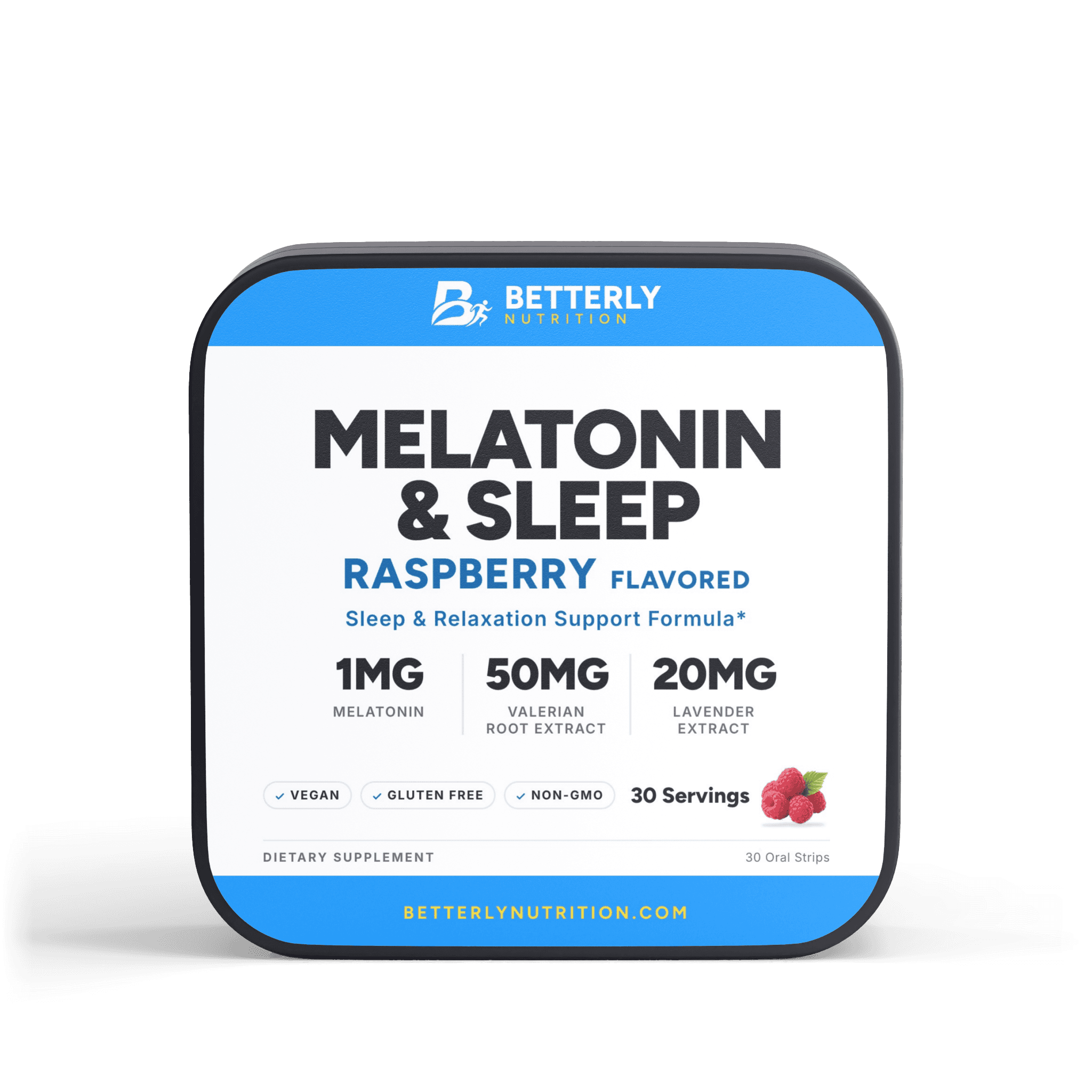
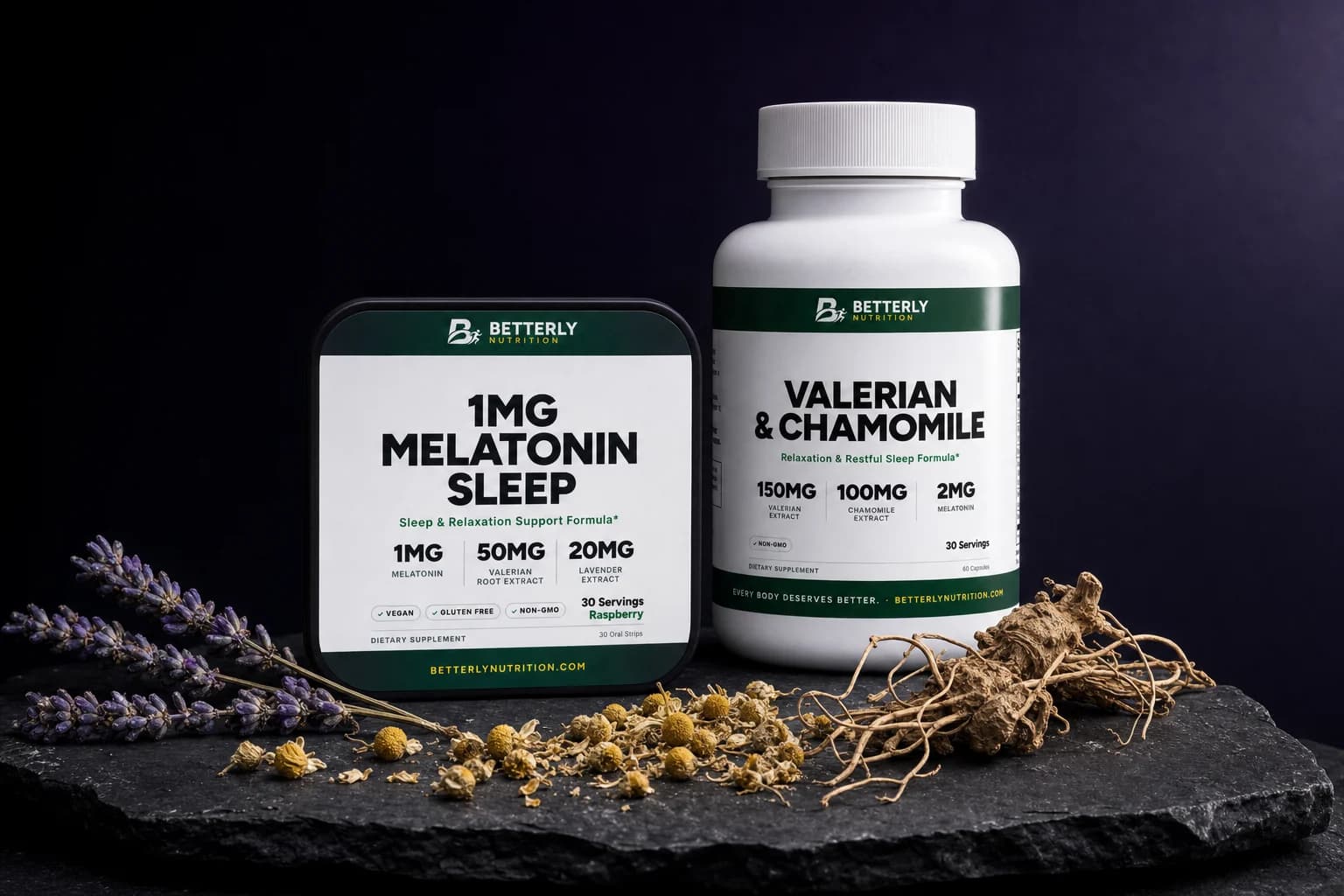
Our Valerian & Chamomile Sleep Capsules list 150 mg of valerian extract and 2 mg of melatonin per 2-capsule serving, and the strips list 50 mg and 1 mg.
| Per serving | Capsules | Strips | Reishi gummies |
|---|---|---|---|
| Serving size | 2 Capsules | 1 Oral Strip (210 mg) | 1 Gummy |
| Valerian | 150 mg extract (root) | 50 mg root extract | 25 mg root |
| Melatonin | 2 mg | 1 mg | None listed |
| Chamomile | 100 mg extract (flower) | 10 mg extract | None listed |
| Other actives | GABA, L-tryptophan, lemon balm, passion flower (100 mg each) | Lavender 20 mg, hibiscus 10 mg | Reishi extract 200 mg; L-theanine, lemon balm, passion flower (25 mg each) |
| Label claims | Non-GMO | Vegan, gluten free, non-GMO | Vegan, gluten free, non-GMO |
Per serving, the capsule has three times the valerian and twice the melatonin of the strip, plus four actives the strip doesn't list. The capsule shell is gelatin, so it isn't vegan.
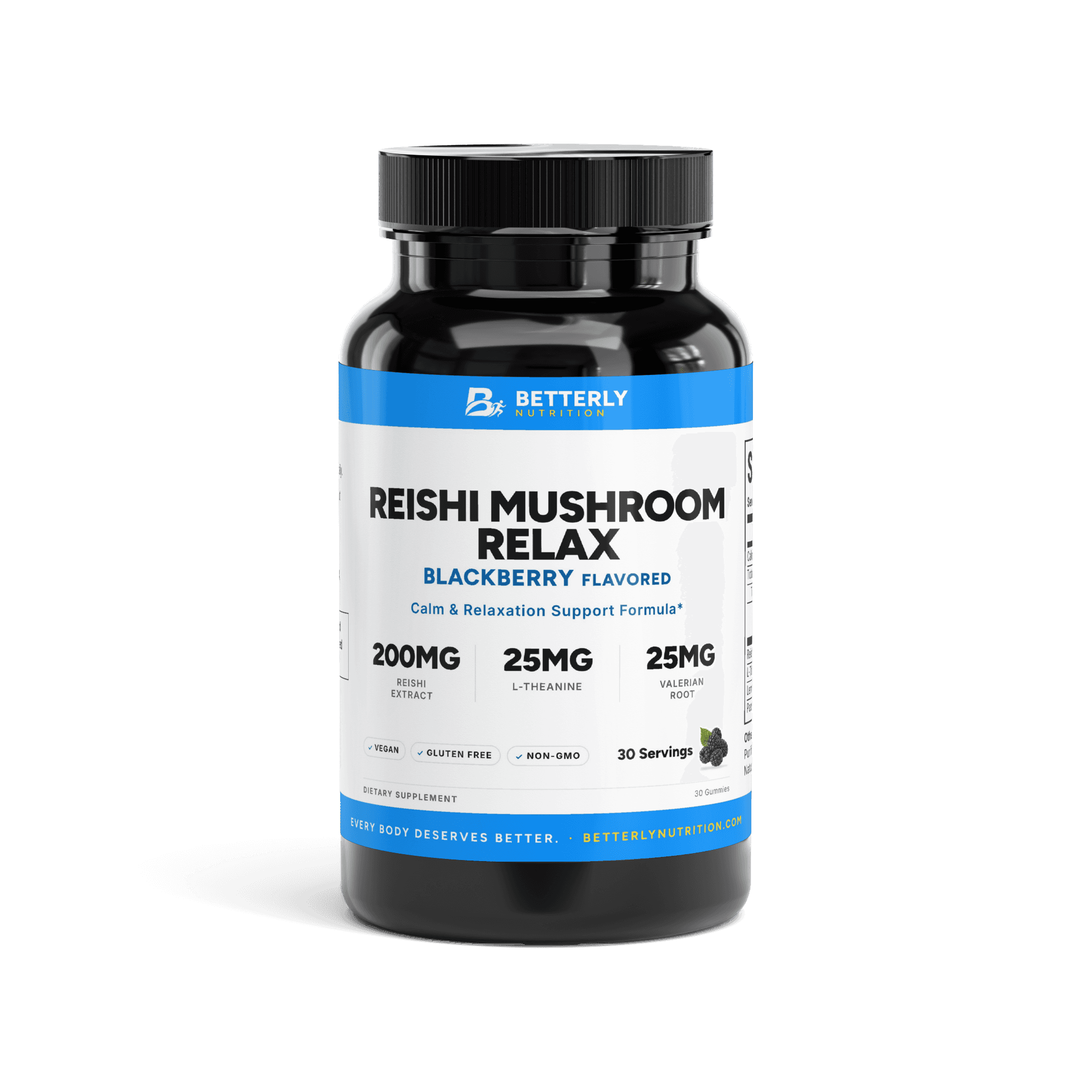
The gummy is the only one without melatonin. It shares lemon balm and passion flower with the capsule at a quarter of the amount, and lists 2 g of added sugars.
What the labels say about taking them
For the capsules, the label's suggested use is: "As a dietary supplement, adults take two (2) capsules daily. For best results, take with 6-8 oz (177-237ml) of water or as directed by healthcare professional."
For the strips, it's: "Place 1 oral strip on the tongue daily and allow it to dissolve." The label doesn't mention water.
For the gummies, it's: "Take one (1) to two (2) gummies daily." Two gummies would come to 50 mg of valerian root.
All three labels say "daily" without naming a time. If you're unsure when to take yours, ask a pharmacist. Each label warns against exceeding the recommended dose, so if you forget a day, just pick back up the next one rather than doubling up.
A label checklist for any valerian and melatonin product
- Find the melatonin line. On our capsule and strip panels it sits at the bottom, below the herbs.
- Check how the valerian is listed. "Root extract" with no ratio, as on two of ours, tells you less than a stated ratio.
- Look for a proprietary blend, which hides each amount. All three panels above list every amount, while our 10mg Melatonin Sleep Capsules use a 905 mg blend.
- Scan for extras that raise medicine questions, like L-tryptophan, 5-HTP or St. John's Wort. Our valerian capsule lists 100 mg of L-tryptophan.
You can compare the amounts per serving side by side in our sleep and stress relief collection.
From our shop: Valerian & Chamomile Sleep Capsules — 150 mg valerian extract, 100 mg chamomile extract and 2 mg melatonin per 2-capsule serving, with 30 servings per bottle.
What if you want a sleep routine with no melatonin?
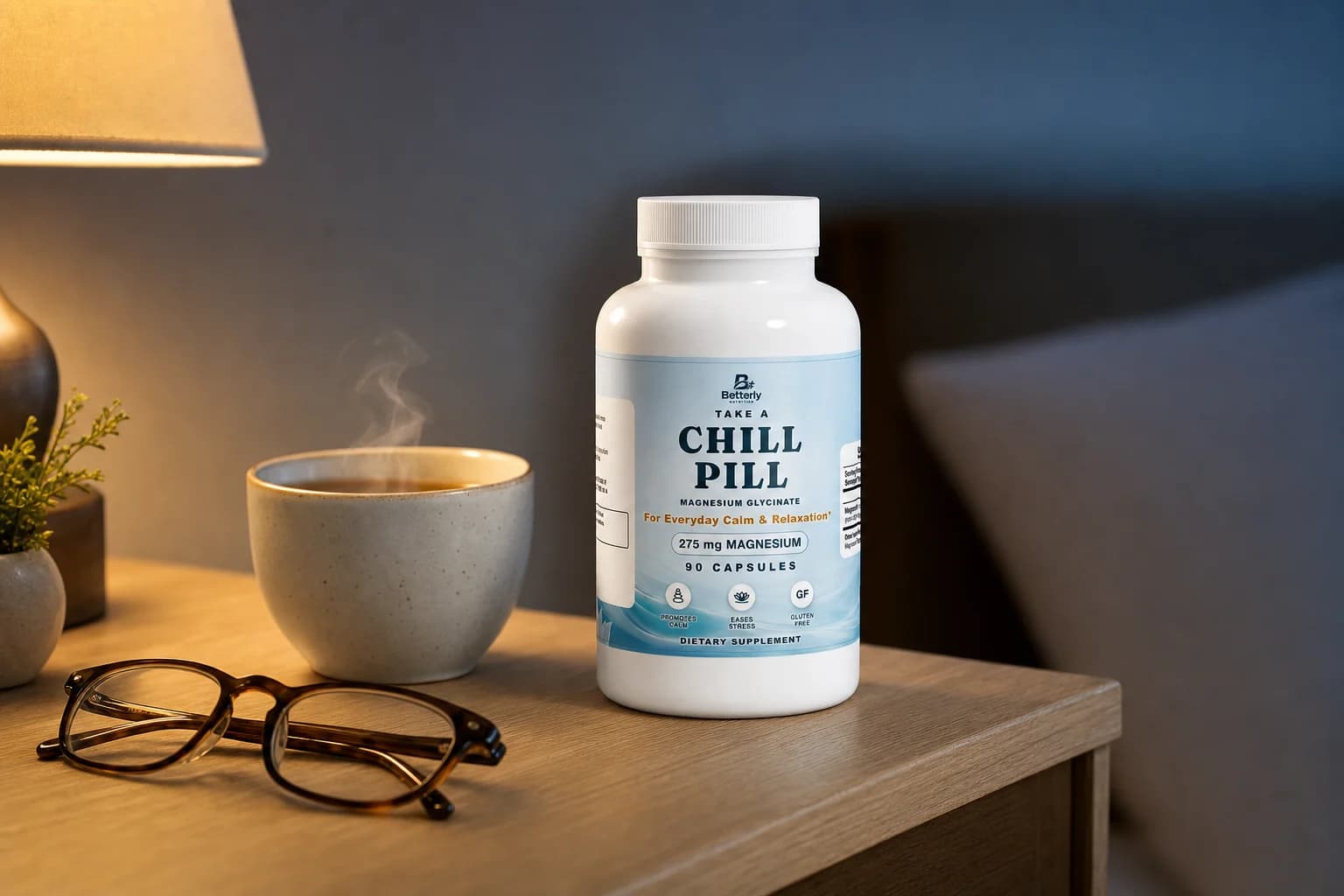
If you want no melatonin, our reishi gummies keep valerian and leave out the hormone, and our Magnesium Glycinate Capsules contain neither.
Magnesium is a third kind of ingredient: not an herb and not a hormone, but a mineral.
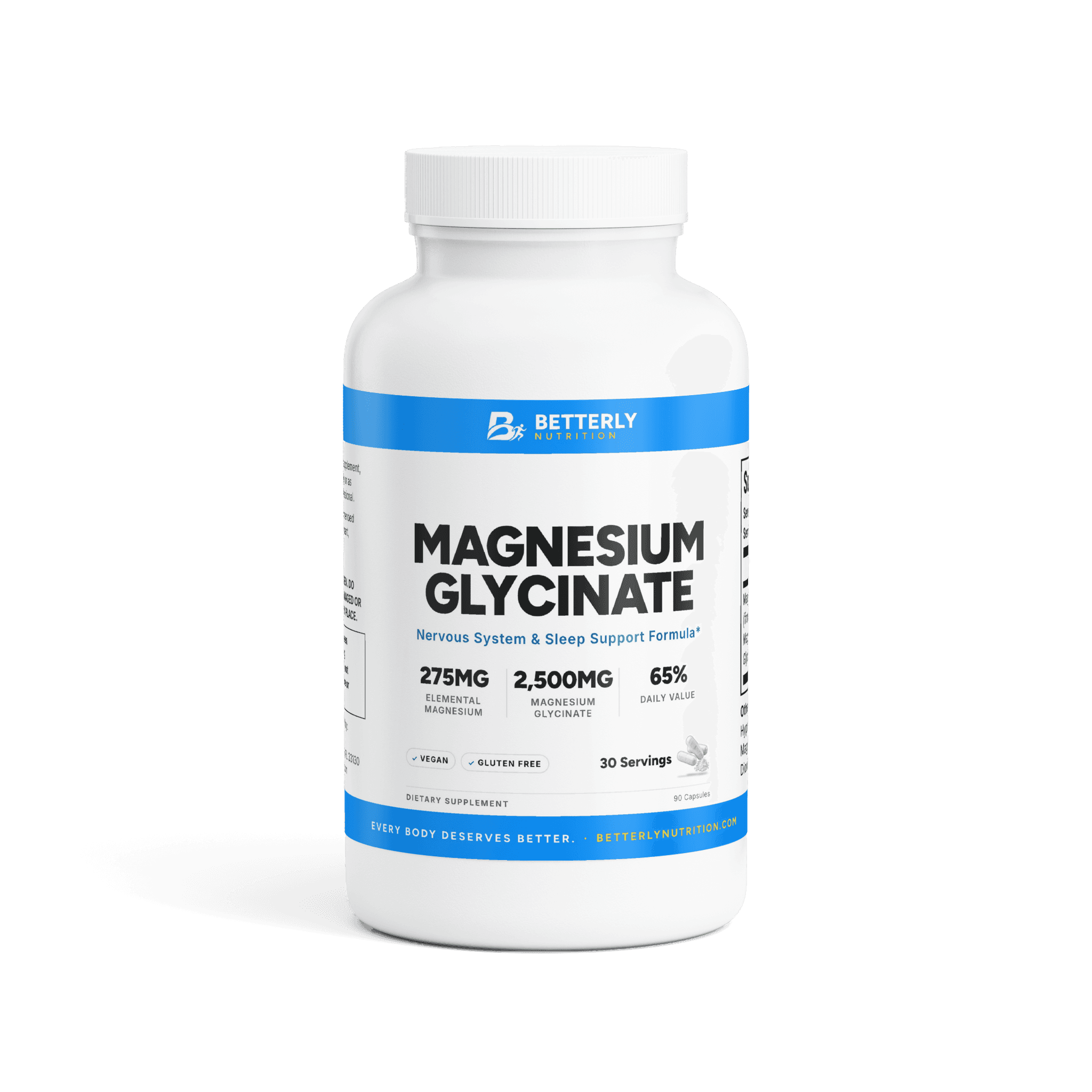
The magnesium capsules list 275 mg of magnesium, from 2,500 mg of magnesium glycinate, per 3-capsule serving, or 65% of the Daily Value. The label claims vegan and gluten free, and its suggested use is three capsules once daily. If you already take magnesium in another supplement, check the combined total with a pharmacist first.
We compared the mineral and the hormone in magnesium vs melatonin for sleep, and our roundup of melatonin-free sleep aids covers the rest of that shelf.
From our shop: Magnesium Glycinate Capsules — 275 mg of magnesium from 2,500 mg of magnesium glycinate per 3-capsule serving, and neither melatonin nor valerian listed.
When don't you need valerian root or melatonin?
You probably don't need valerian root or melatonin if you fall asleep reasonably well, wake up rested and get through the day without dozing off.
MedlinePlus says adults generally need 7 to 9 hours of sleep a day. It suggests three check-in questions: do you have trouble getting up, trouble focusing, or do you doze off during the day? If every answer is no, we'd say a supplement has little to add.
If one is a yes, MedlinePlus points to habits first:
- Go to bed and wake up at the same time every day.
- Avoid caffeine, especially in the afternoon and evening.
- Skip alcohol before bed, which matters twice over with valerian.
- If you can't fall asleep for 20 minutes, get up and do something relaxing.
If your thoughts are what won't settle, our guide to quieting racing thoughts at night walks through an evening reset. And if trouble sleeping keeps going, MedlinePlus says to see a healthcare provider.
Who should check with a healthcare provider first?
Check with a healthcare provider before starting valerian root or melatonin if you're pregnant, nursing or under 18. The same goes if you take any medication, manage a health condition or have surgery coming up.
The caution printed on each of our three labels reads: "Do not exceed recommended dose. Consult a physician if pregnant, nursing, under 18, or have a medical condition." NCCIH adds some specifics:
- Pregnancy and nursing. Little is known about valerian's safety during pregnancy or breastfeeding, and research on melatonin in those groups is lacking.
- Medicines. Talk with a provider before using valerian or melatonin if you take any medicine. People on blood thinners need medical supervision when taking melatonin.
- L-tryptophan. Our capsule lists 100 mg per serving. NCCIH's sleep overview warns that L-tryptophan supplements may cause a serious, even life-threatening reaction when used with medicines that affect serotonin.
- Chamomile. Our capsule and strip both contain it, and people allergic to ragweed or related plants may react to chamomile.
- Older adults. Melatonin may stay active longer in older people and cause daytime drowsiness.
- Other herbs. There are very rare reports of liver injury with valerian, most often alongside other herbs. Our capsule pairs it with chamomile, lemon balm and passion flower, and our gummies with reishi, lemon balm and passion flower.
- Stopping after long use. Some people notice withdrawal effects if they stop valerian abruptly after long-term use.
FAQ: valerian root and melatonin
Is valerian root safer than melatonin?
Neither valerian root nor melatonin is clearly safer. NCCIH says each appears safe for short-term use by most adults, and long-term safety isn't well established for either. Valerian also shouldn't be mixed with alcohol or sedatives. Your medicines and health history matter more than the ingredient, so ask a pharmacist.
Is valerian root tea better than melatonin?
Valerian root tea isn't better or worse than melatonin, because it's a different thing: a steeped herb versus a measured hormone. A mug doesn't tell you how much valerian you're getting, while a supplement panel gives milligrams. If you drink valerian tea, don't add a valerian product the same day.
Why do some sites say not to take valerian and melatonin together?
Some sites warn against it because valerian and melatonin can both leave you drowsy or foggy. NCCIH lists sleepiness among melatonin's side effects and mental dullness among valerian's, and it advises checking the risks of combining sleep products. If you use a combined product, one at its label serving at least avoids stacking separate bottles. Ask a provider first if you take medicine.
Is valerian root a form of melatonin?
No, valerian root isn't a form of melatonin. Valerian is the root of a flowering plant, Valeriana officinalis, while melatonin is a hormone your brain makes, and NCCIH says most melatonin in supplements is made synthetically. On a Supplement Facts panel, added melatonin gets its own line. Our reishi gummies list valerian root with no melatonin line at all.
Can kids take valerian root or melatonin?
Kids shouldn't take our valerian or melatonin products without a physician's OK, because each label says to consult one for anyone under 18. NCCIH says parents should talk with a health care provider before giving a child melatonin. It also cites a CDC estimate of 11,000 emergency department visits from 2019 to 2022 for children 5 and younger who swallowed melatonin unsupervised. Store every pack out of reach.
Sources
- Valerian: Usefulness and Safety (NCCIH)
- Melatonin: What You Need To Know (NCCIH)
- Sleep and Complementary Health Approaches: Usefulness and Safety (NCCIH)
- Healthy Sleep (MedlinePlus)
If this left you looking for somewhere to start, read valerian root and melatonin in one capsule — its amounts per serving are listed on the page. For the practical questions this raises, how dosing, sourcing and subscriptions work is answered in one place.