On this page
- Key takeaways
- Can you take valerian root and magnesium together?
- What does each bottle add to your evening?
- What does research say about valerian root and magnesium for sleep?
- Does the valerian capsule add melatonin to this stack?
- Valerian root vs magnesium glycinate: which should you start with?
- How do you take valerian with magnesium glycinate, going by the labels?
- Can you add L-theanine to valerian and magnesium?
- When don't you need valerian root or magnesium?
- Who should check with a healthcare provider first?
- FAQ: valerian root and magnesium
- Sources
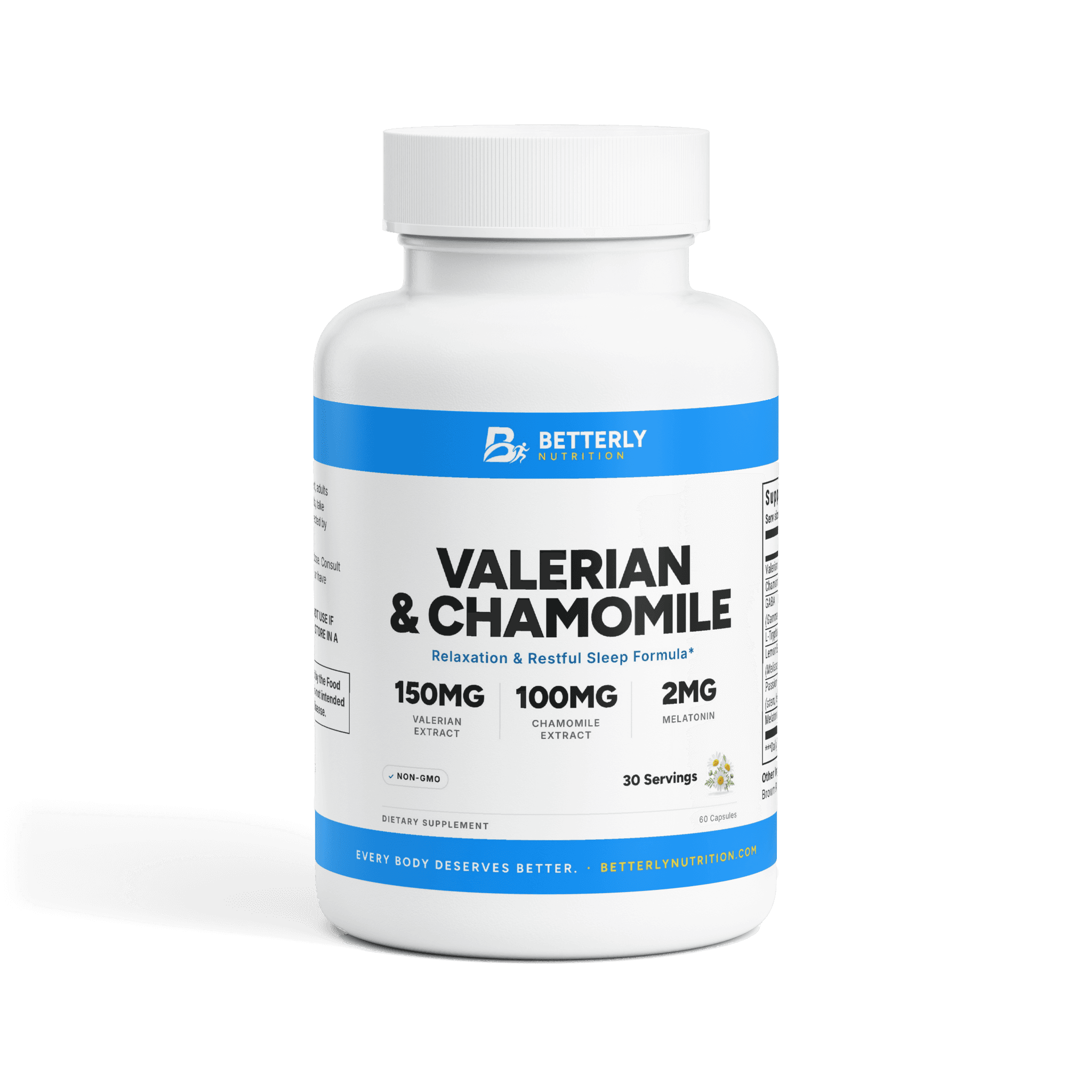
The short answer: Neither NCCIH's valerian page nor the NIH magnesium fact sheet lists an interaction between valerian root and magnesium, so the two can go in one evening, though no federal page we read has studied them as a pair. Our magnesium bottle gives 275 mg per 3-capsule serving, which stays inside NIH's 350 mg daily limit for supplements. Plan around one more number: our valerian capsule contains 2 mg of melatonin in each 2-capsule serving.
Key takeaways
- No NIH page we read studies valerian root and magnesium as a pair or lists an interaction between them, so each product keeps its own directions and cautions.
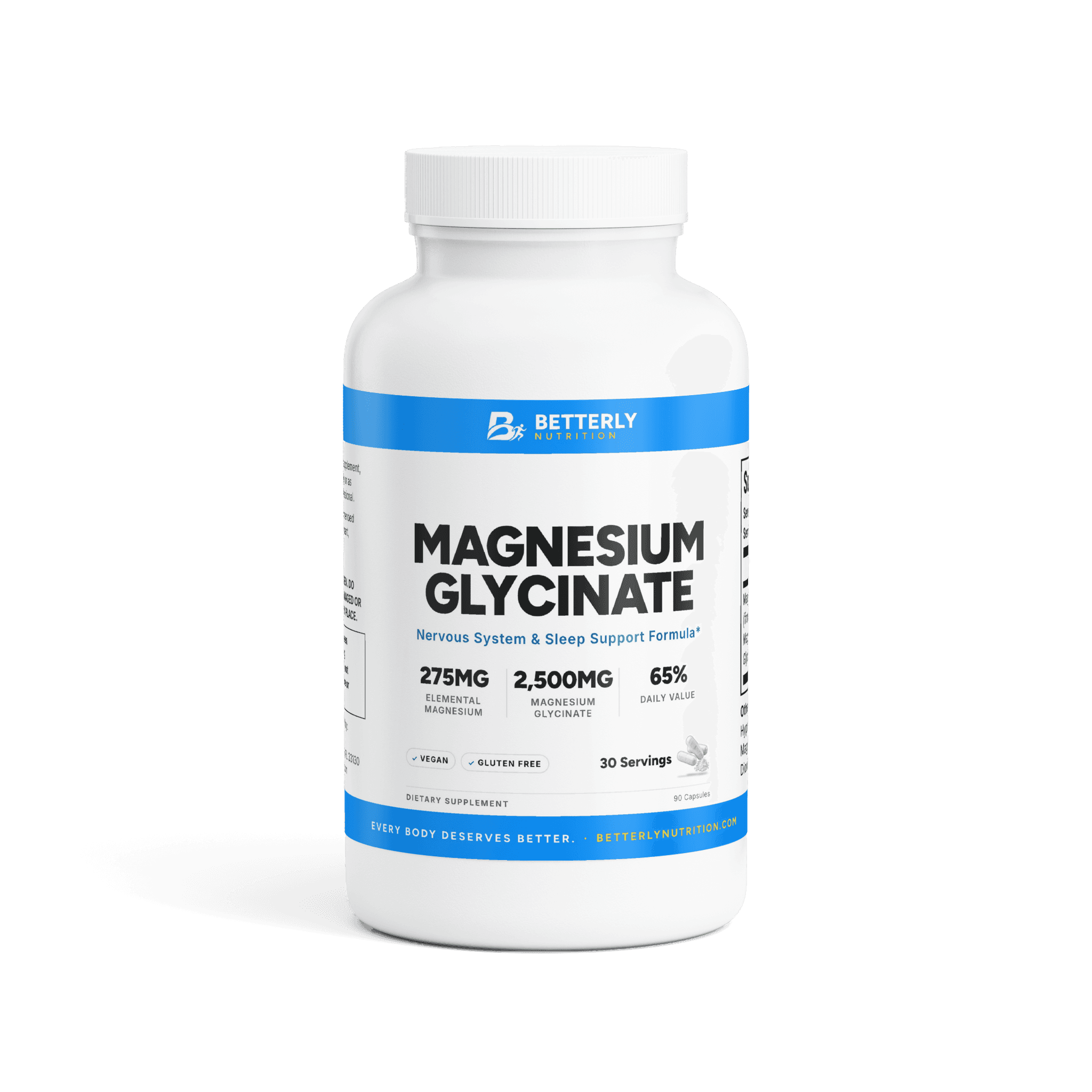
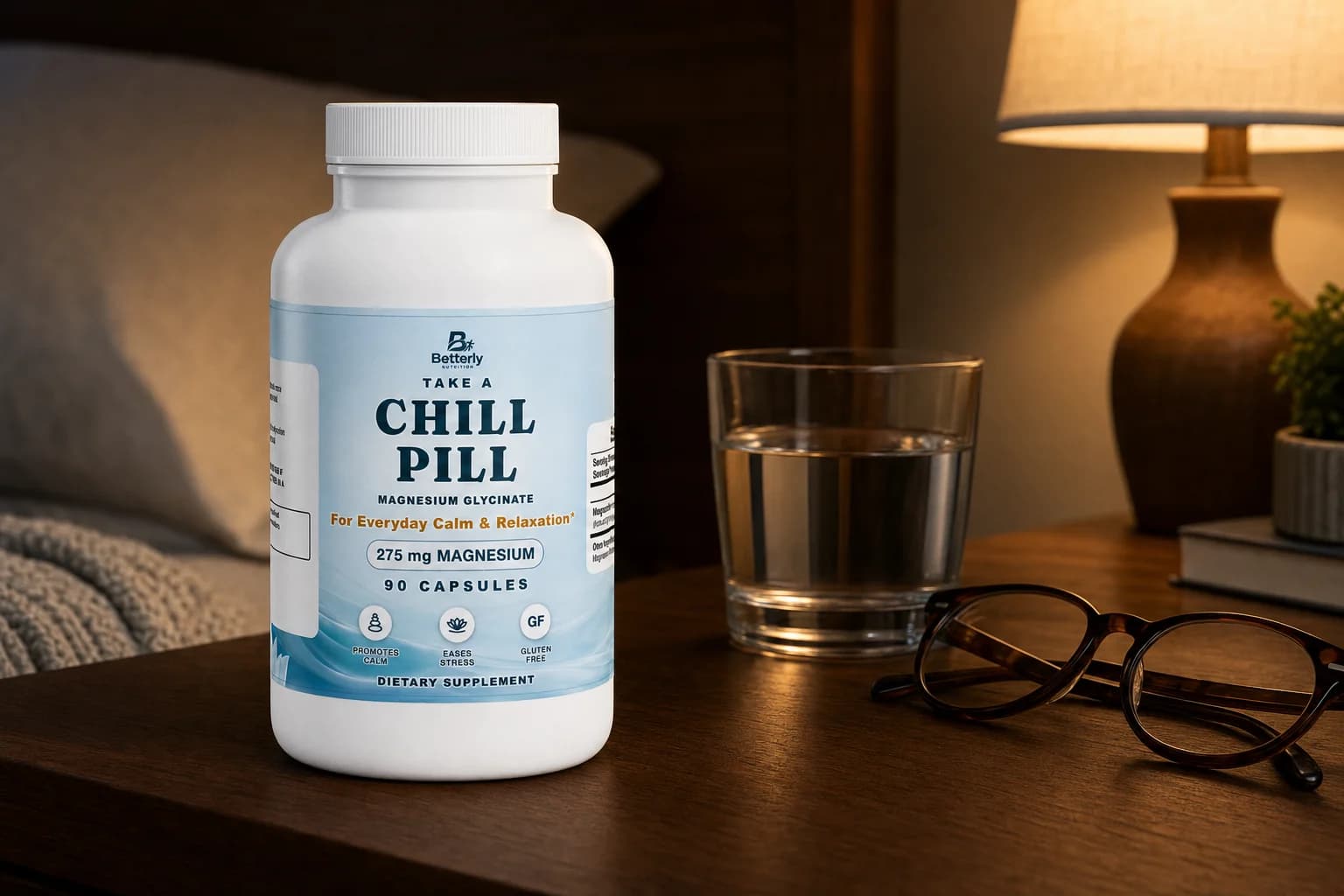
- Betterly's Magnesium Glycinate Capsules provide 275 mg of magnesium in each 3-capsule serving, leaving 75 mg of headroom below the 350 mg daily limit NIH sets for adult supplemental magnesium.
- Betterly's Valerian & Chamomile Sleep Capsules list 2 mg of melatonin per 2-capsule serving, so pairing them with magnesium gives you a melatonin stack.
- Start one bottle at a time, keep each at its label serving, and keep alcohol out of any evening that includes valerian.
Both halves of this stack, Magnesium Glycinate Capsules and Valerian & Chamomile Sleep Capsules, come from our shelf, so we'd profit from calling the pair a perfect match. We won't. You'll get both panels as printed and the spots where the evidence runs out.
Can you take valerian root and magnesium together?
Yes, you can take valerian root and magnesium together as far as federal guidance goes: NCCIH's valerian page never mentions magnesium, and the NIH magnesium fact sheet never names valerian.
Silence isn't a green light, though. Nobody has flagged a problem between these two, and nobody has studied them as a set. You'll see claims online that the two work better together. We found no federal source that supports one.
What the sources do say is specific to each ingredient. The National Center for Complementary and Integrative Health (NCCIH) says valerian "should not be taken along with alcohol or sedatives," since it might have a sleep-inducing effect. The NIH Office of Dietary Supplements (ODS) lists several medicines that magnesium can interfere with. Both warnings still apply when the two share a night.
What does each bottle add to your evening?
Magnesium Glycinate Capsules add one mineral that has a Daily Value. Valerian & Chamomile Sleep Capsules add seven ingredients, and none of them has one.
The whole evening, merged from both panels:
| Ingredient | Amount | Bottle | Daily Value |
|---|---|---|---|
| Magnesium (from 2,500 mg magnesium glycinate) | 275 mg | Magnesium | 65% |
| Valerian extract (root) | 150 mg | Valerian | Not established |
| Chamomile extract (flower) | 100 mg | Valerian | Not established |
| GABA | 100 mg | Valerian | Not established |
| L-tryptophan | 100 mg | Valerian | Not established |
| Lemon balm extract | 100 mg | Valerian | Not established |
| Passion flower extract | 100 mg | Valerian | Not established |
| Melatonin | 2 mg | Valerian | Not established |
Only one row out of eight has a Daily Value, which makes magnesium the nutrient you count, adding it to anything else you take. The valerian formula is an optional layer you judge by how your evenings and mornings go.
The shells differ, too. The magnesium capsule is hypromellose, with vegan and gluten free printed as claims on its label. The valerian capsule is gelatin, with non-GMO as its only claim, so the stack isn't vegan. A full night is five capsules.
For forms, elemental amounts and dosing in more depth, see our guide to magnesium for sleep.
What does research say about valerian root and magnesium for sleep?
Federal researchers describe thin evidence for valerian root and magnesium alike. NCCIH calls valerian's sleep research inconsistent, and says there's very little research on magnesium for sleep problems.
A 2022 review cited in NCCIH's overview of sleep and complementary health approaches reviewed 9 studies with 7,582 participants and found conflicting results for magnesium and sleep quality.
So what's fair to expect? Our labels call the products a "Nervous System & Sleep Support Formula" and a "Relaxation & Restful Sleep Formula." That's support for a wind-down routine, not a promise of more hours or a faster lights-out.
The melatonin in our capsule has its own research record, and our comparison of valerian root and melatonin goes through it.
Does the valerian capsule add melatonin to this stack?
Yes, this stack includes melatonin, because Valerian & Chamomile Sleep Capsules list 2 mg per 2-capsule serving. Magnesium Glycinate Capsules list none.
If you planned to put a melatonin product on top, our valerian capsule means you'd be doubling up:
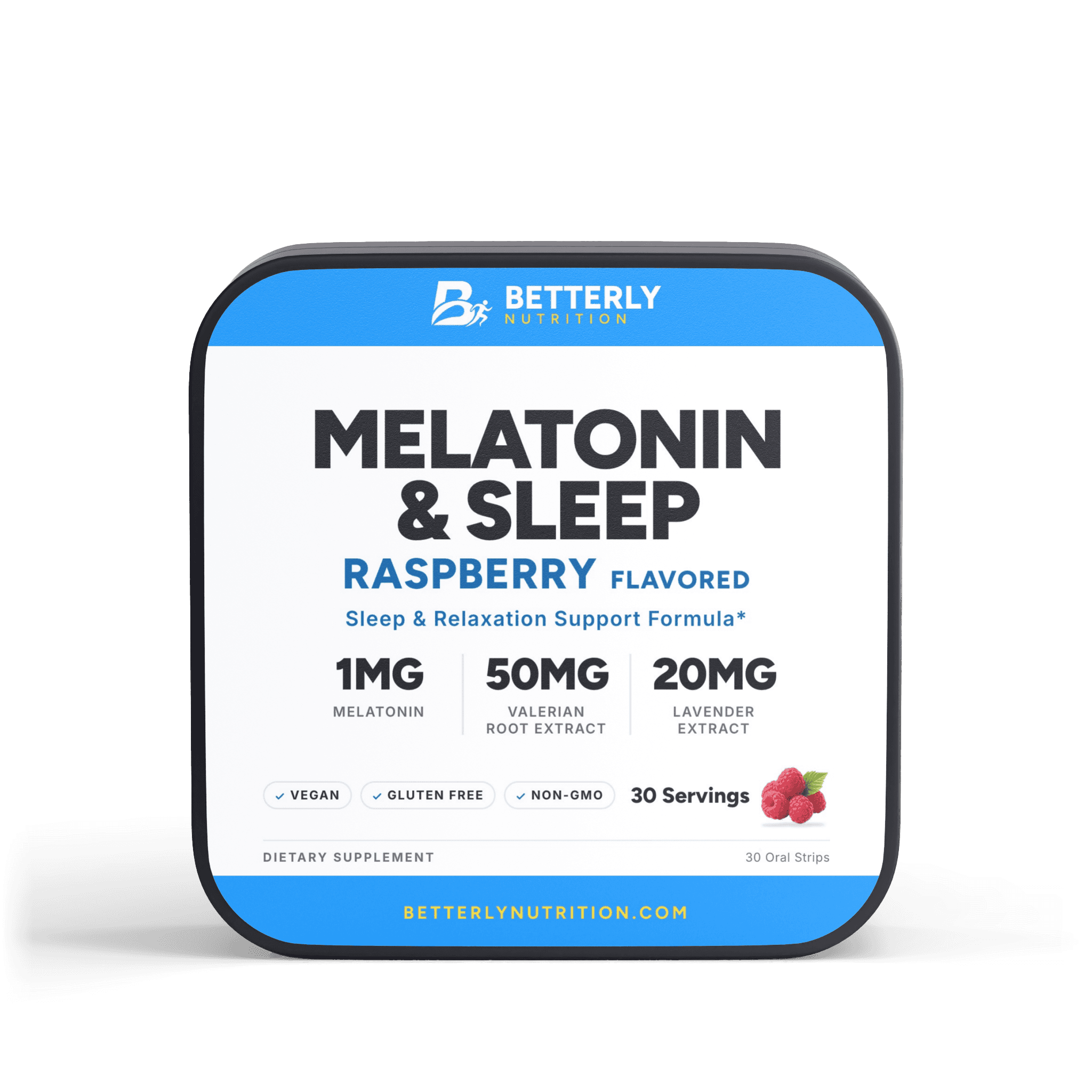
- 1mg Melatonin Sleep Strips list 1 mg of melatonin and 50 mg of valerian root extract per 1-strip serving.
- 10mg Melatonin Sleep Capsules list 10 mg of melatonin per 2-capsule serving, plus a 905 mg proprietary blend naming L-tryptophan, 5-HTP and St. John's wort.
Neither belongs on the same night as the valerian capsule. NCCIH's melatonin page says short-term use appears safe for most people, but information on long-term safety is lacking. It also says melatonin can linger in older people, leading to drowsiness during the day.
Here are four ways to build the evening:
| Your evening | What you take | Melatonin | Valerian |
|---|---|---|---|
| Mineral only | 3 magnesium capsules | None | None |
| Full stack | 3 magnesium + 2 valerian capsules | 2 mg | 150 mg extract |
| Valerian, no melatonin | 3 magnesium capsules + 1 reishi gummy | None | 25 mg root |
| Valerian capsule alone | 2 valerian capsules | 2 mg | 150 mg extract |
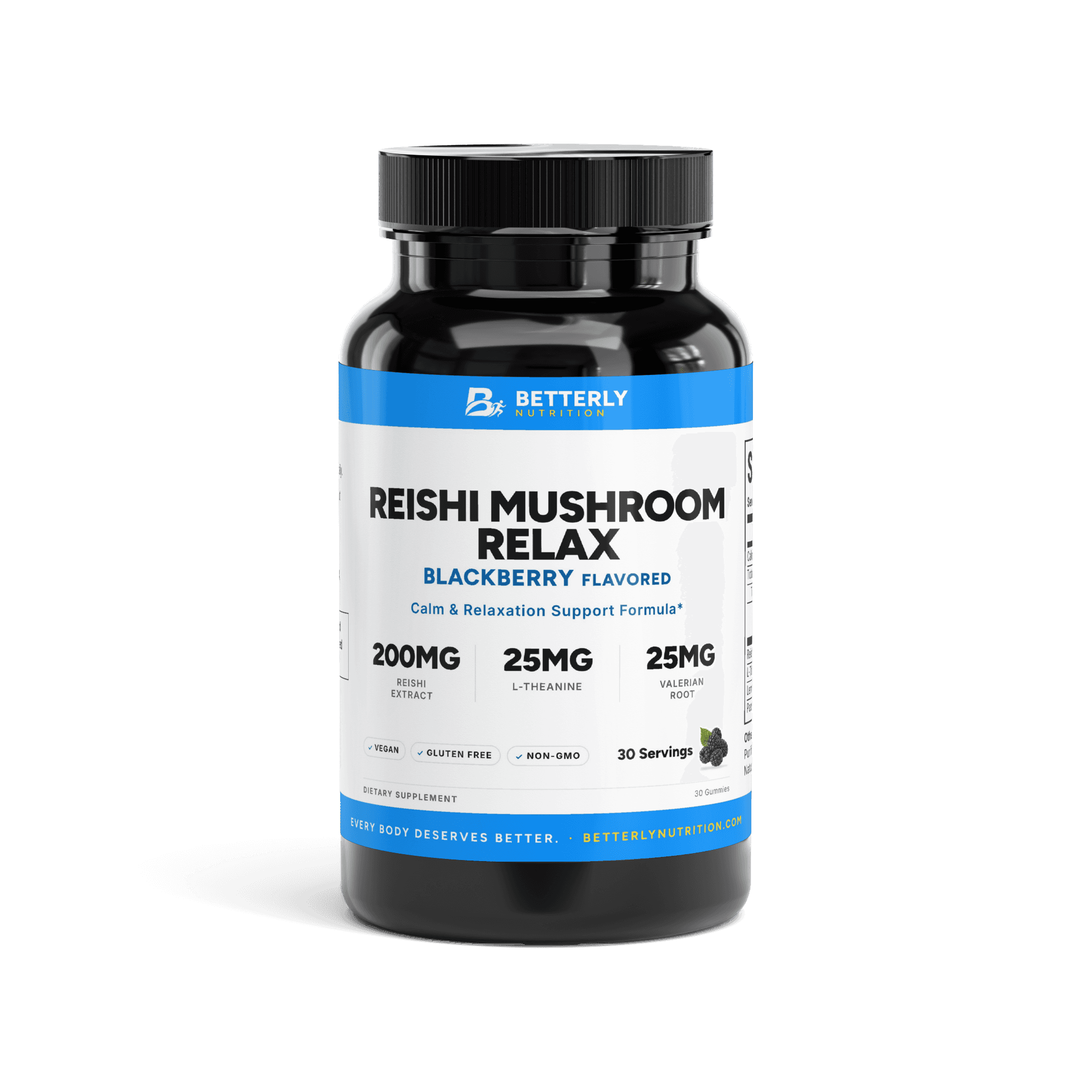
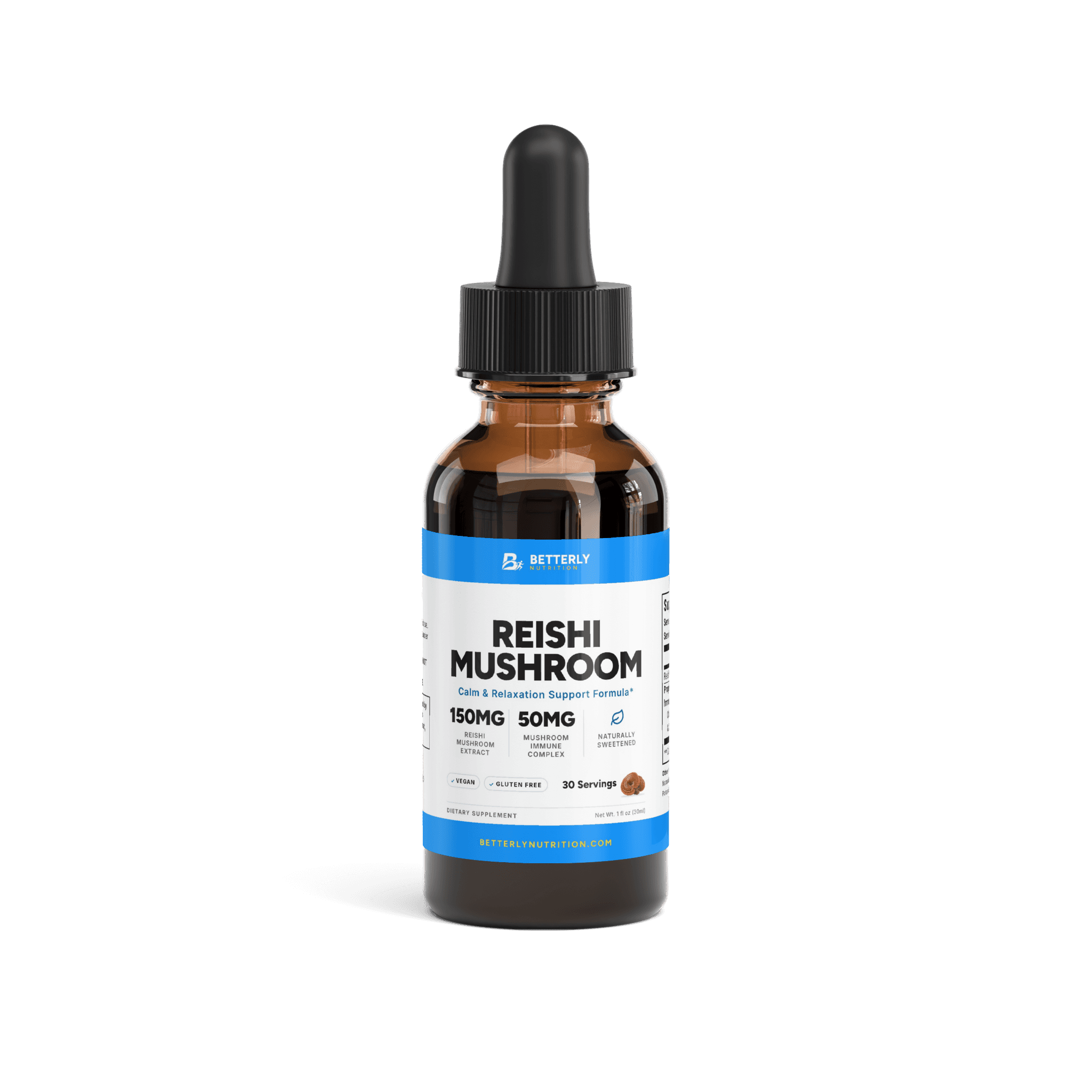
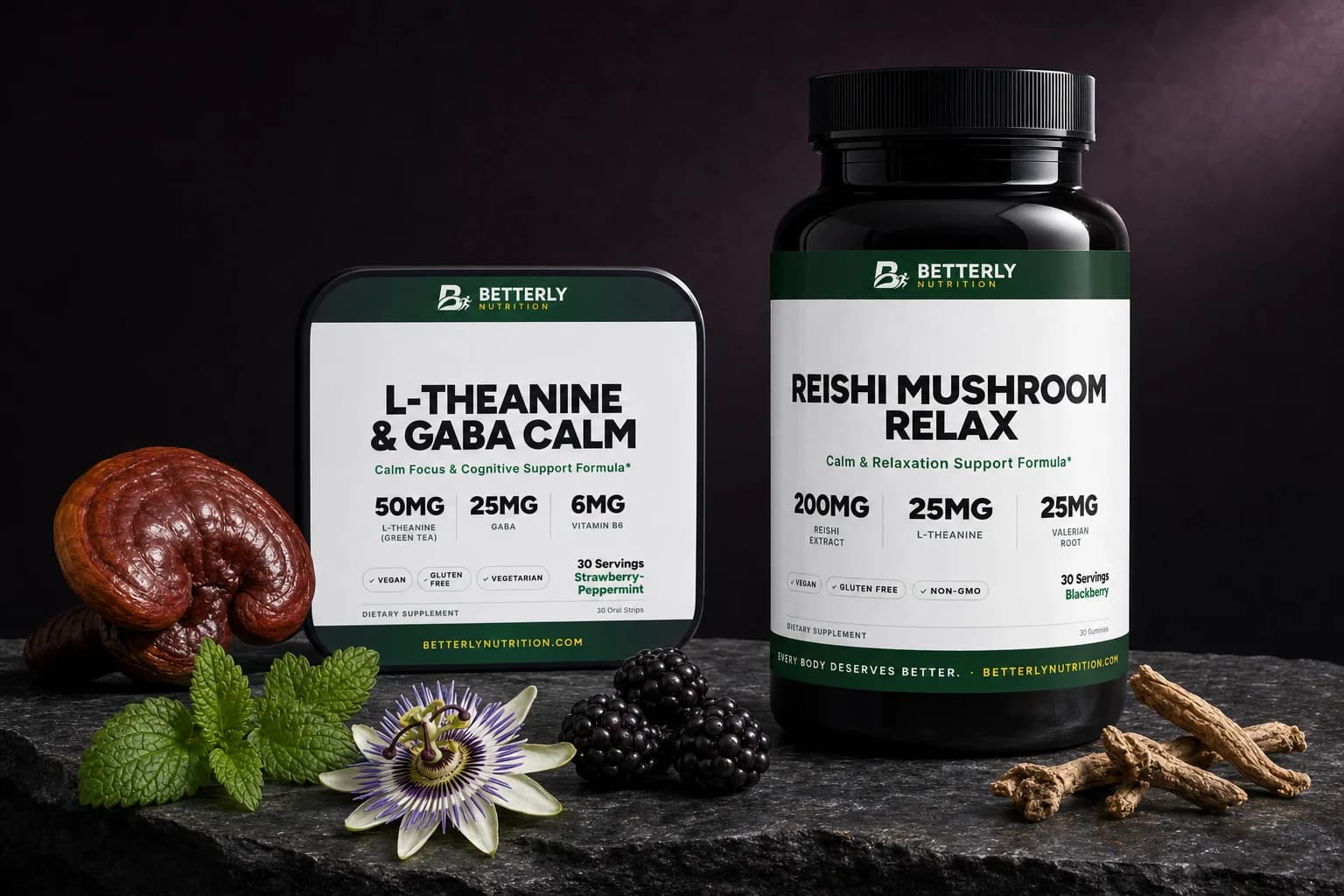
If skipping melatonin is the whole point, the valerian capsule is the wrong half of this stack. Reishi Mushroom Relax Gummies list 25 mg of valerian root per 1-gummy serving with no melatonin line, next to 200 mg of reishi extract and 2 g of added sugars.
From our shop: Valerian & Chamomile Sleep Capsules — the botanical half of this pairing, with seven listed ingredients per 2-capsule serving, including 2 mg of melatonin, in a gelatin capsule labeled non-GMO.
Valerian root vs magnesium glycinate: which should you start with?
Start with Magnesium Glycinate Capsules if you want the simpler first step, since that panel lists one ingredient and no melatonin. Add the valerian capsule after that.
Why one at a time? Start both on the same night and wake up foggy or queasy, and you won't know which bottle to blame. NCCIH lists stomach upset and mental dullness among valerian's side effects. High intakes of supplemental magnesium can cause diarrhea, nausea and abdominal cramping, per ODS.
A simple order:
- For the first week, take magnesium alone: three capsules once a day, per its label.
- Jot a two-line note each morning on how you settled, how clear you felt on waking and how your stomach did.
- In week two, add the valerian capsule on a night with no early drive the next morning.
- Change nothing else meanwhile. A new tea or a later coffee muddies the picture.
- If something feels off, drop the newest bottle and ask a pharmacist before trying it again.
If the melatonin formula is what drew you in, flip the order. Just keep the one-bottle-first rule.
How do you take valerian with magnesium glycinate, going by the labels?
Take Magnesium Glycinate Capsules as three capsules once daily and Valerian & Chamomile Sleep Capsules as two capsules daily with water. Neither label sets an hour or says to space them apart.
Here's what each label prints under suggested use:
- Magnesium: "As a dietary supplement, take three (3) capsules once daily or as directed by your healthcare professional."
- Valerian: "As a dietary supplement, adults take two (2) capsules daily. For best results, take with 6-8 oz (177-237ml) of water or as directed by healthcare professional."
Can you take them at the same time? Nothing on either panel says otherwise, so five capsules with one glass of water fits both. If that's a lot to swallow at once, magnesium with dinner and valerian later fits the labels, too. Evening suits the valerian formula: its label names no time, but a panel with melatonin on it isn't something to take before a commute.
A few rules that follow from the printed text:
- Stop at one serving of each. Both labels say "Do not exceed recommended dose."
- If you miss a night, skip it instead of doubling the next one.
- Keep valerian nights alcohol-free, in line with NCCIH.
- On an antibiotic, or a bisphosphonate prescribed for bone health? ODS says both can absorb poorly when taken too close to magnesium, so ask a pharmacist about spacing.
Then there's the magnesium math. ODS caps supplemental magnesium for adults at 350 mg a day, a limit that covers supplements and medicines but not food. The valerian capsule adds none, so the stack sits at 275 mg. Any multivitamin, protein powder or drink mix that lists magnesium adds to that, so total every panel you take before you settle on the stack.
From our shop: Magnesium Glycinate Capsules — the daily base of this stack, with 275 mg of magnesium per 3-capsule serving in a hypromellose capsule labeled vegan and gluten free.
Can you add L-theanine to valerian and magnesium?
Adding L-theanine turns this into a three-product stack, so check first whether the new label repeats an ingredient you already take.
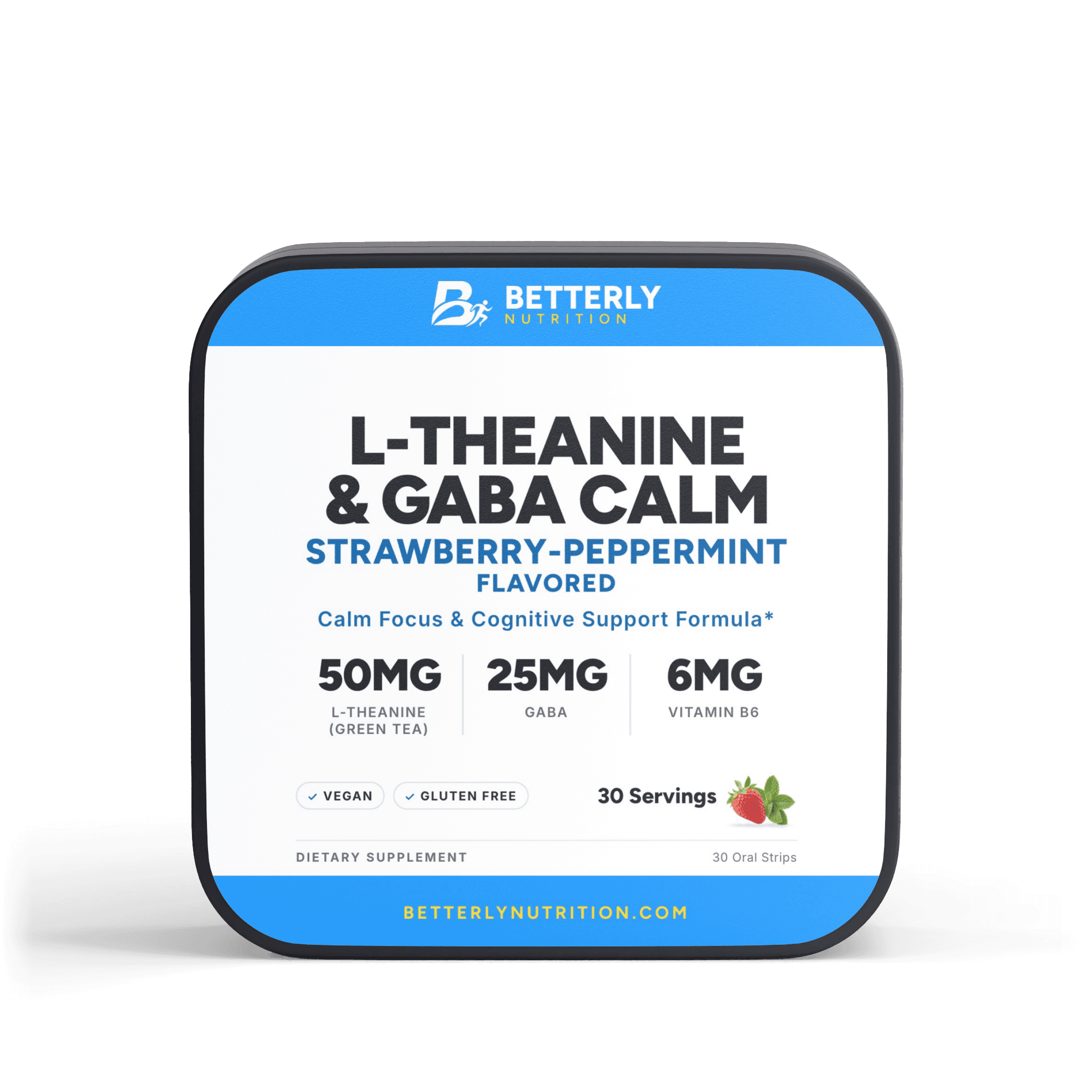
Our valerian capsule lists 100 mg of GABA, and our L-Theanine & GABA Calm Strips add 25 mg more per strip, next to 50 mg of L-theanine. The reishi gummy above also lists 25 mg of L-theanine, yet it shares valerian, lemon balm and passion flower with the valerian capsule, so those two don't belong on the same night.
Each extra bottle is one more label caution to read. NCCIH's sleep overview applies its warning to supplements as well as medicines, so bring all three panels to a pharmacist before the first night you combine them.
When don't you need valerian root or magnesium?
You likely don't need valerian root or a magnesium supplement if you fall asleep without much trouble, wake up rested and eat magnesium-rich foods most days.
ODS names legumes, nuts, seeds, whole grains and leafy greens like spinach as sources. Plenty of Americans get less magnesium from food than recommended, it says, though food plus supplements usually lands above those amounts.
Skip the valerian capsule in particular if:
- You'd rather not take melatonin at all.
- You already take a product with melatonin or valerian in it.
- You can't keep alcohol out of those evenings.
- You need to be sharp early and don't yet know how the formula leaves you.
Habits come first. NCCIH's sleep overview suggests regular sleep and wake times, plus a quiet, cool, dark room. It also says to keep caffeine, nicotine, alcohol, big meals, strenuous workouts and bright artificial light away from bedtime, and to get outside daily. If occasional sleeplessness shows up while those are missing, they're the cheaper place to start. To compare other formats, browse our sleep and stress relief collection.
Who should check with a healthcare provider first?
Melatonin, L-tryptophan and magnesium carry interaction warnings, so check with a provider before this stack if you take medicine, or if you're pregnant, nursing, under 18 or due for surgery.
Both labels print the same caution: "Do not exceed recommended dose. Consult a physician if pregnant, nursing, under 18, or have a medical condition." NCCIH and ODS fill in the specifics:
- Prescription or over-the-counter medicines. NCCIH wants that conversation to happen before valerian, noting that some herbs and medicines interact in harmful ways.
- Serotonin-related medicines. The valerian formula carries 100 mg of L-tryptophan per serving, and NCCIH's sleep overview flags a possible life-threatening reaction when L-tryptophan supplements meet those medicines.
- Blood thinners. Melatonin calls for medical supervision if you take one, according to NCCIH.
- Magnesium and medicines. ODS names antibiotics, bisphosphonates, some diuretics and long-term prescription stomach-acid medicines.
- Ragweed allergy. Chamomile can set off reactions in people allergic to ragweed or its plant relatives, NCCIH says.
- Pregnancy or nursing. Little is known about valerian's safety in either case, per NCCIH, and melatonin research there is lacking.
- Other herbs. NCCIH notes very rare reports of liver injury, usually when valerian was combined with other herbals, and ours shares a capsule with three other botanicals.
FAQ: valerian root and magnesium
Can you drink valerian root tea with magnesium glycinate?
Yes, valerian root tea can go with magnesium glycinate, but count the tea as that night's valerian. A brewed cup comes with no Supplement Facts panel, and the dose in your cup shifts with the root and the steeping time. So skip our valerian capsule on tea nights rather than stacking a measured amount on an unknown one.
Can you take valerian root with magnesium citrate instead?
Yes, you can pair valerian root with magnesium citrate instead of glycinate, since no federal page we read ties a valerian caution to any magnesium form. ODS lists citrate among the forms the body absorbs more easily. Either way, read the magnesium line rather than the compound weight, and keep supplemental magnesium within 350 mg a day. Our only magnesium-only supplement is glycinate, though a few of our blends list magnesium citrate.
Is it OK to take valerian and magnesium every night?
Magnesium, yes, since its label is written for once-daily use with no end date. Valerian root is less settled: NCCIH says its long-term safety is unknown, and long-term melatonin data is lacking too. Our valerian root safety guide walks through the time window the research covers. Ask your provider before nightly valerian runs past a few weeks.
Will valerian and magnesium make you groggy the next morning?
Valerian root might leave you groggy, since NCCIH lists mental dullness among its side effects. The side effects ODS lists for high magnesium intakes are mostly digestive. Our capsule's melatonin adds a third variable: NCCIH lists sleepiness among its mild side effects and says older adults may feel it into the day. Plan your first valerian night before an unhurried morning.
How long does one bottle of each last in this stack?
Both bottles last 30 days at their label servings. Magnesium Glycinate Capsules hold 90 capsules, or 30 servings of three, and Valerian & Chamomile Sleep Capsules hold 60 capsules, or 30 servings of two. If you follow the one-bottle-first plan and add valerian in week two, the magnesium runs out about a week sooner, so restock it first.
Sources
- Valerian: Usefulness and Safety, NCCIH
- Melatonin: What You Need To Know, NCCIH
- Sleep and Complementary Health Approaches: Usefulness and Safety, NCCIH
- Magnesium: Fact Sheet for Consumers, NIH Office of Dietary Supplements
If this left you looking for somewhere to start, read valerian root capsules to stack with magnesium — its amounts per serving are listed on the page. For the practical questions this raises, how dosing, sourcing and subscriptions work is answered in one place.