On this page
- Key takeaways
- What is ZMA, and what's on the original label?
- ZMA vs zinc and magnesium: what's actually different?
- Does a full ZMA serving go over the magnesium limit?
- Is our Tribulus, Zinc & Magnesium formula a ZMA?
- ZMA vs magnesium glycinate: which fits your routine?
- ZMA vs zinc: do the zinc form and vitamin B6 matter?
- How do you take ZMA or a zinc and magnesium formula?
- When don't you need ZMA at all?
- Who should check with a healthcare provider first?
- FAQ: ZMA
- Sources
The short answer: ZMA vs zinc and magnesium comes down to one extra nutrient and a fixed dose. ZMA is a trademarked blend of zinc, magnesium and vitamin B6, while a plain zinc and magnesium product leaves out the B6. The original ZMA label lists 30 mg of zinc, 450 mg of magnesium and 10.5 mg of B6 per 3-capsule men's serving. That magnesium is 100 mg over the NIH's 350 mg adult limit for supplements.
Key takeaways
- ZMA is a registered trademark for a zinc, magnesium and vitamin B6 formula, so a product without the B6 is simply zinc and magnesium.
- The 3-capsule men's serving on the original ZMA label lists 450 mg of magnesium, above the NIH's 350 mg daily upper limit for supplemental magnesium.
- Our Tribulus, Zinc & Magnesium Capsules aren't ZMA: they match its 30 mg of zinc but list 200 mg of magnesium, no B6 and seven botanicals.
- ZMA's men's serving and our tribulus formula both list 30 mg of zinc, leaving 10 mg of room under the NIH's 40 mg adult zinc limit, which counts food.
- If magnesium is the only mineral you want, a single-mineral product skips zinc and B6 you may already get from food or a multivitamin.
One disclosure up front: Betterly sells two of the three products compared below, and neither is ZMA. ZMA's figures come from the original label on file with the NIH, and ours from our printed Supplement Facts panels.
What is ZMA, and what's on the original label?
ZMA is a trademarked formula that pairs zinc and magnesium with vitamin B6, and its original label pitches it to athletes.
That label names SNAC System, Inc. as the trademark holder. It's filed in the NIH Office of Dietary Supplements' (ODS) Dietary Supplement Label Database, and its panel gives two servings:
- Men, 3 capsules: 30 mg of zinc (273% DV), 450 mg of magnesium (107% DV) and 10.5 mg of vitamin B6 (618% DV)
- Women, 2 capsules: 20 mg of zinc (182% DV), 300 mg of magnesium (71% DV) and 7 mg of vitamin B6 (412% DV)
Zinc comes as zinc mono-L-methionine sulfate, aspartate and oxide, and magnesium as aspartate and oxide. B6 comes as pyridoxine HCl. So aspartate is only part of the recipe: oxide appears on the original panel for both minerals. That record was entered in July 2023, so if your bottle reads differently, go by your bottle.
The NIH's consumer fact sheet on exercise and athletic performance supplements doesn't review ZMA, zinc or magnesium at all. It does caution that most ingredient mixes haven't been studied as mixes, which leaves their effectiveness and safety unknown.
ZMA vs zinc and magnesium: what's actually different?
ZMA differs from a plain zinc and magnesium supplement in three ways: it adds vitamin B6, it uses particular mineral forms, and it locks the amounts together.
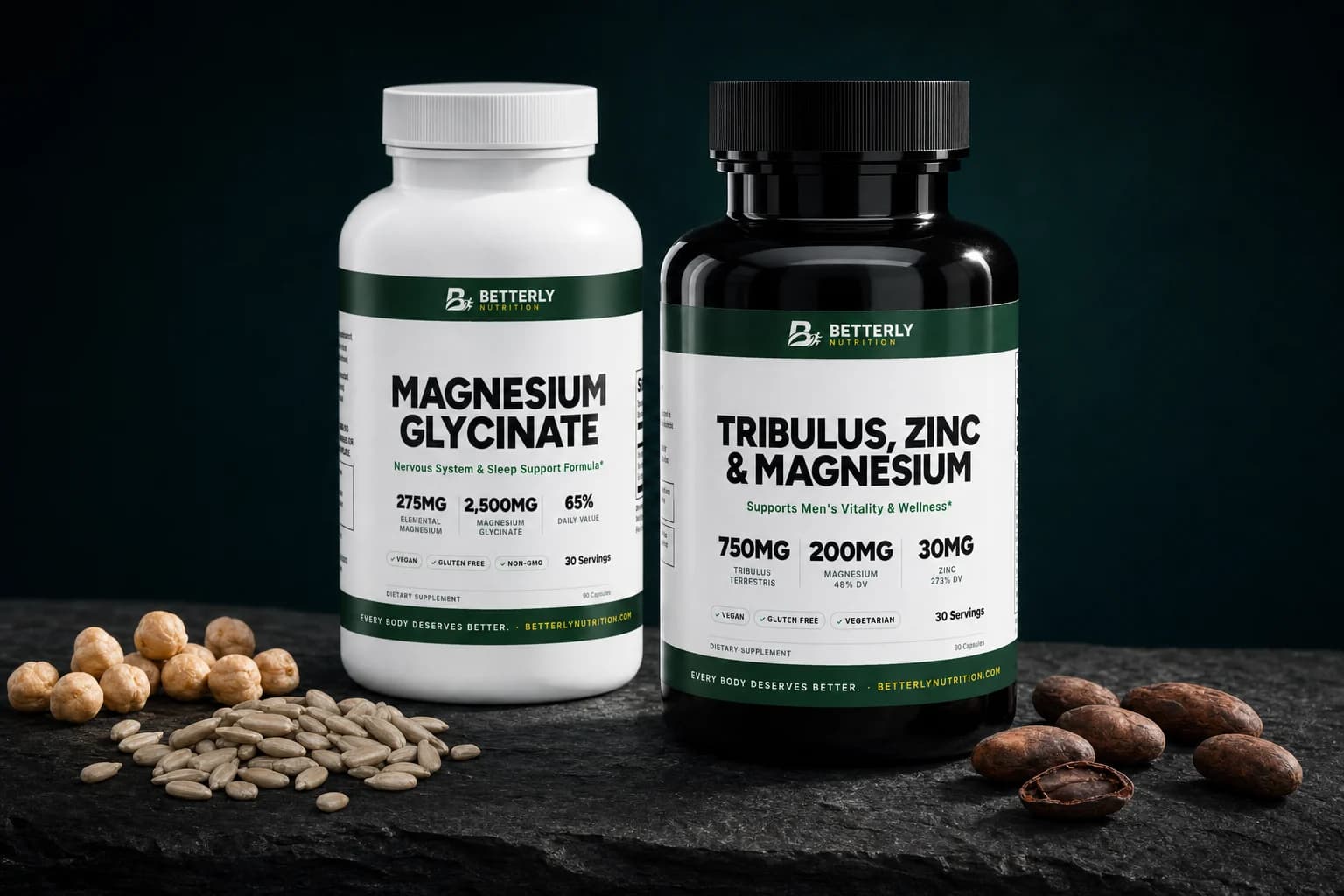
Here's the original ZMA against our two closest labels: the tribulus formula from our Targeted Support collection and our Magnesium Glycinate Capsules, a magnesium-only product.
| Panel row | Original ZMA, men (3 capsules) | Our tribulus formula (3 capsules) | Our glycinate (3 capsules) |
|---|---|---|---|
| Zinc | 30 mg (monomethionine sulfate, aspartate, oxide) | 30 mg (oxide) | None listed |
| Magnesium | 450 mg (aspartate, oxide) | 200 mg (oxide) | 275 mg (glycinate) |
| Vitamin B6 | 10.5 mg | None listed | None listed |
| Other actives | None | 750 mg tribulus plus six botanicals | None |
| Label timing | 30-60 minutes before bed | Before bedtime | Once daily |
| Room under the 40 mg zinc limit, food included | 10 mg | 10 mg | 40 mg |
| Room under the 350 mg magnesium limit | None, 100 mg over | 150 mg | 75 mg |
Read across and the two combination formulas tie on zinc, down to the 10 mg left for everything you eat, so neither is the lighter zinc pick. They split on B6, on magnesium, where only ZMA's men's serving runs past its limit, and on the herbs.
Does a full ZMA serving go over the magnesium limit?
Yes, the original ZMA men's serving lists 450 mg of magnesium, which is 100 mg above the 350 mg adult upper limit for magnesium from supplements.
The NIH magnesium fact sheet sets that limit for adults and counts only supplements and medicines toward it. Magnesium from food isn't included, because healthy kidneys clear the extra. The same sheet says high supplemental intakes can cause diarrhea, nausea and abdominal cramping.
So we'll say it plainly: we wouldn't take the men's serving as printed without a healthcare provider's okay. The women's 2-capsule serving lists 300 mg, which leaves only 50 mg of room for any other magnesium product.
Zinc runs close to its line as well, and our tribulus formula sits in the same spot. Each 3-capsule serving leaves 10 mg under the 40 mg adult zinc limit, which counts food, yet ODS advises adult men to get 11 mg a day. Show that math to a healthcare provider before either becomes a daily routine.
Is our Tribulus, Zinc & Magnesium formula a ZMA?
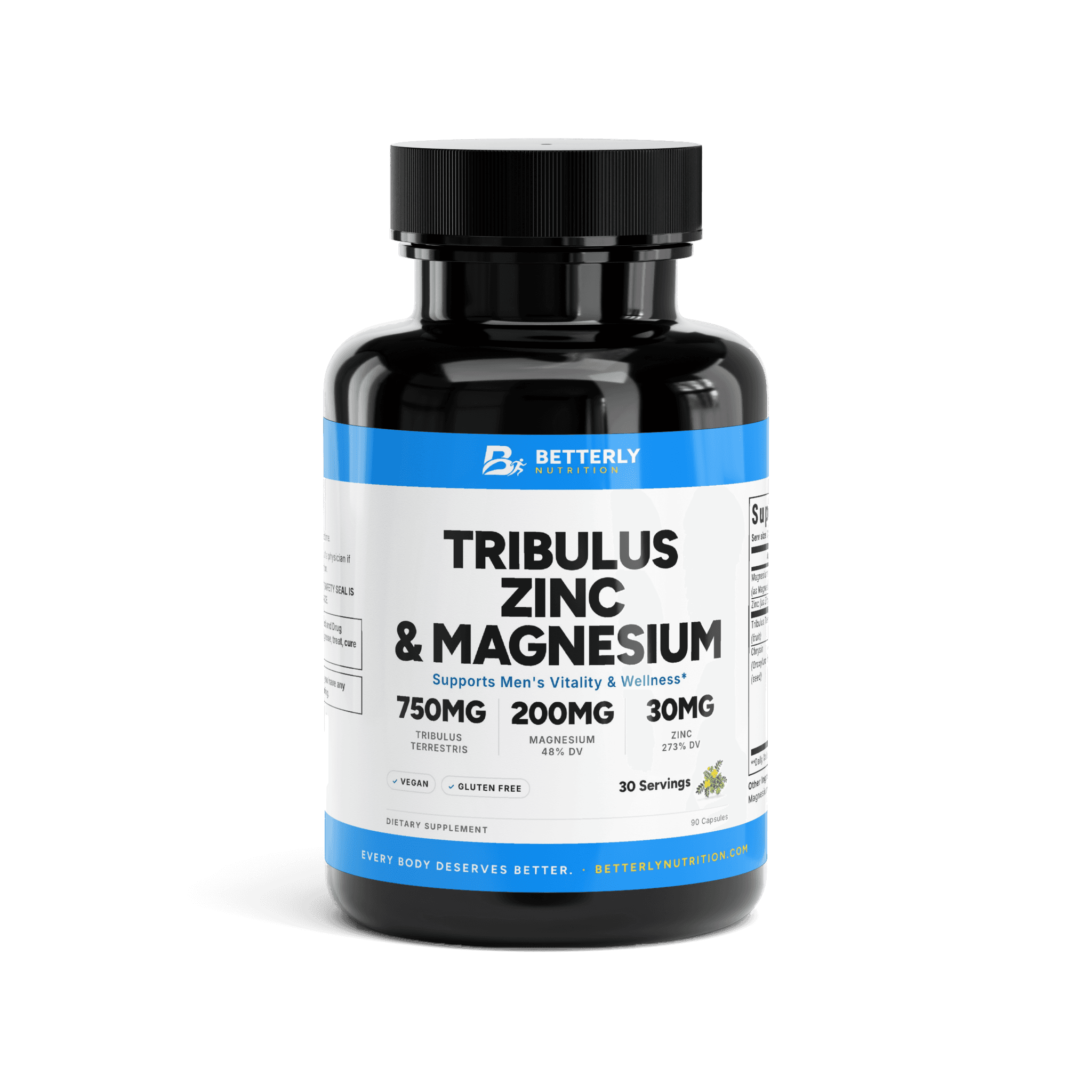
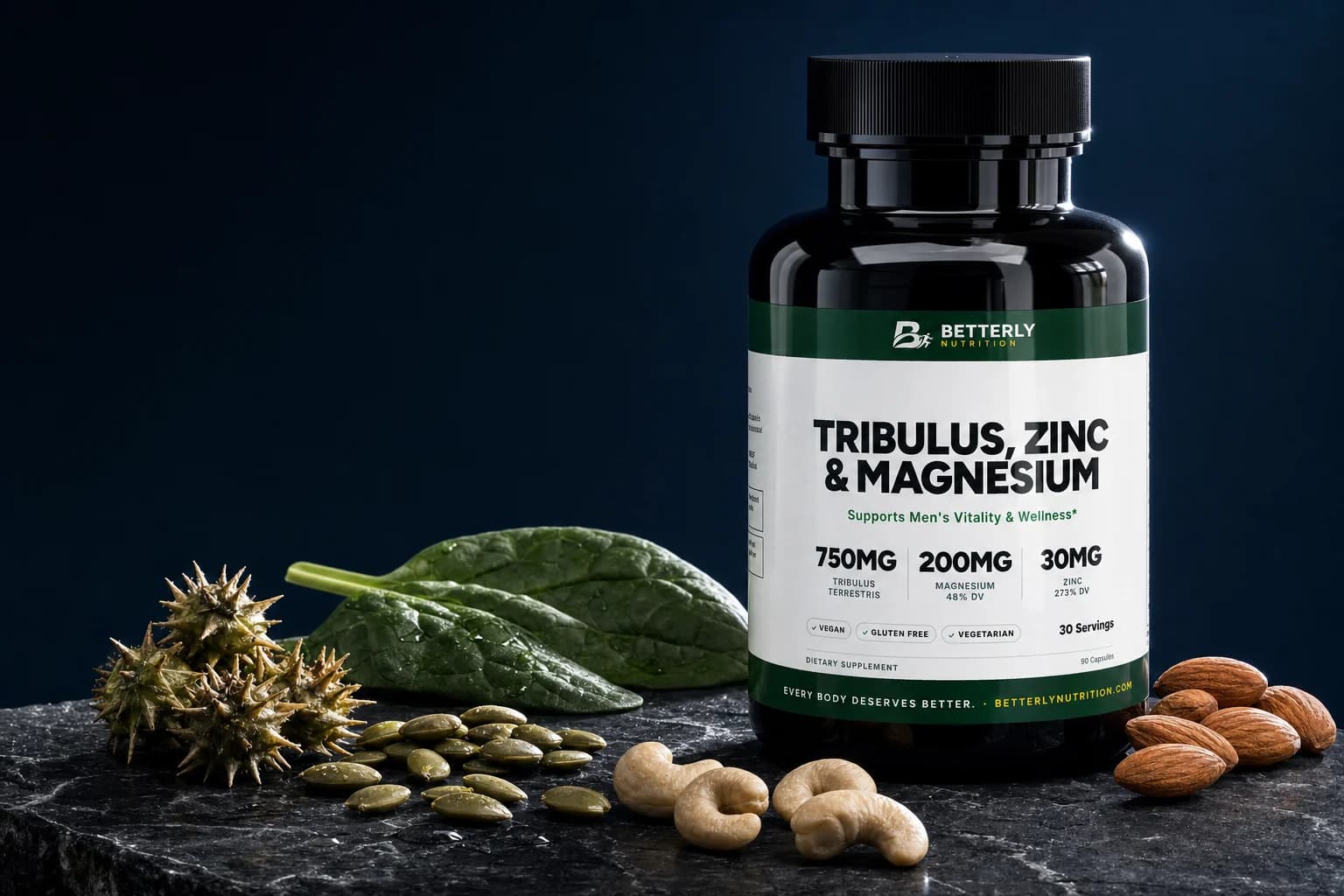
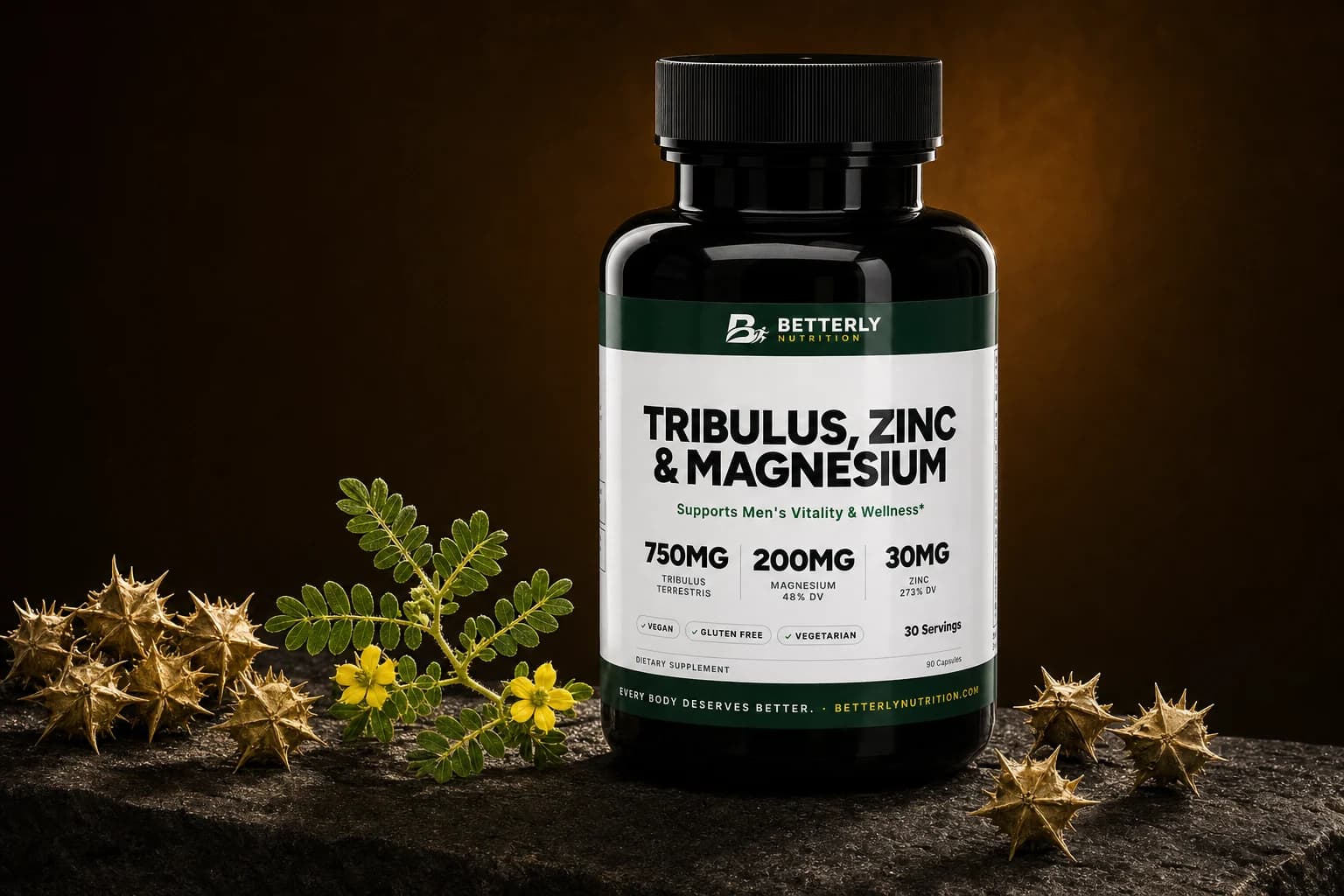
No. Betterly's Tribulus, Zinc & Magnesium Capsules share ZMA's 30 mg of zinc per 3-capsule serving, but they list no vitamin B6 and add seven botanicals.
Per 3-capsule serving, its minerals are 200 mg of magnesium (48% DV) and 30 mg of zinc, both as oxide. In place of B6 it adds 750 mg of Tribulus terrestris fruit and six smaller herbal rows, each itemized in our zinc and magnesium label-math guide.
On paper, ZMA has one real edge here. The NIH magnesium sheet puts magnesium aspartate on its short list of better-absorbed forms, and our oxide doesn't make that list. ZMA pairs its aspartate with oxide, though, so the edge is partial.
Then there's the tribulus. The same NIH exercise sheet says the few studies of tribulus found no benefit for strength or muscle mass, and that its safety hasn't been studied enough to judge. We print 750 mg of it, so read our notes on tribulus side effects before you buy.
From our shop: Tribulus, Zinc & Magnesium Capsules — 30 mg of zinc and 200 mg of magnesium per 3-capsule serving, with 750 mg of Tribulus terrestris and no vitamin B6.
ZMA vs magnesium glycinate: which fits your routine?
Magnesium glycinate fits if magnesium is the only nutrient you're after, while ZMA fits only if you also want its zinc and vitamin B6 in one fixed dose.
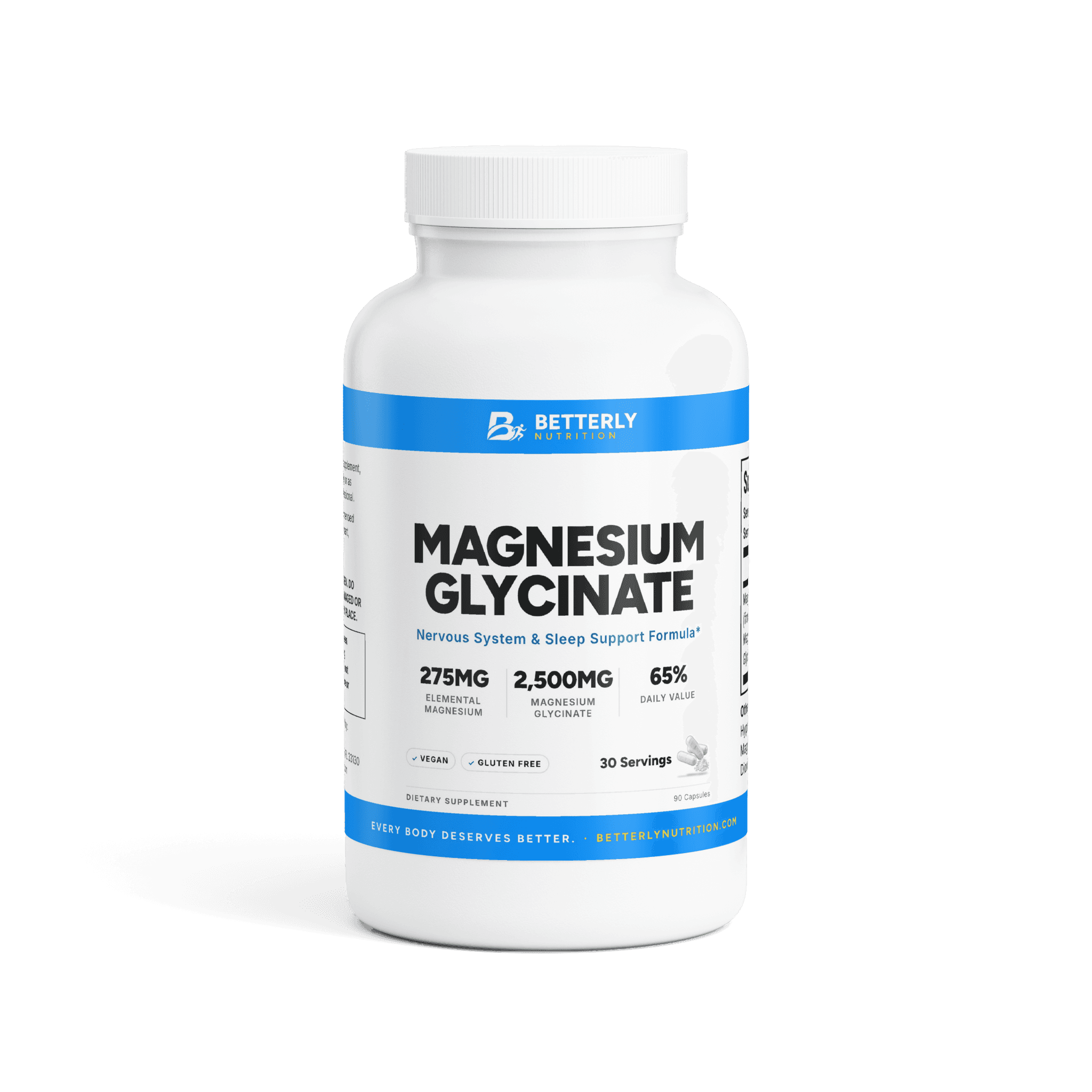
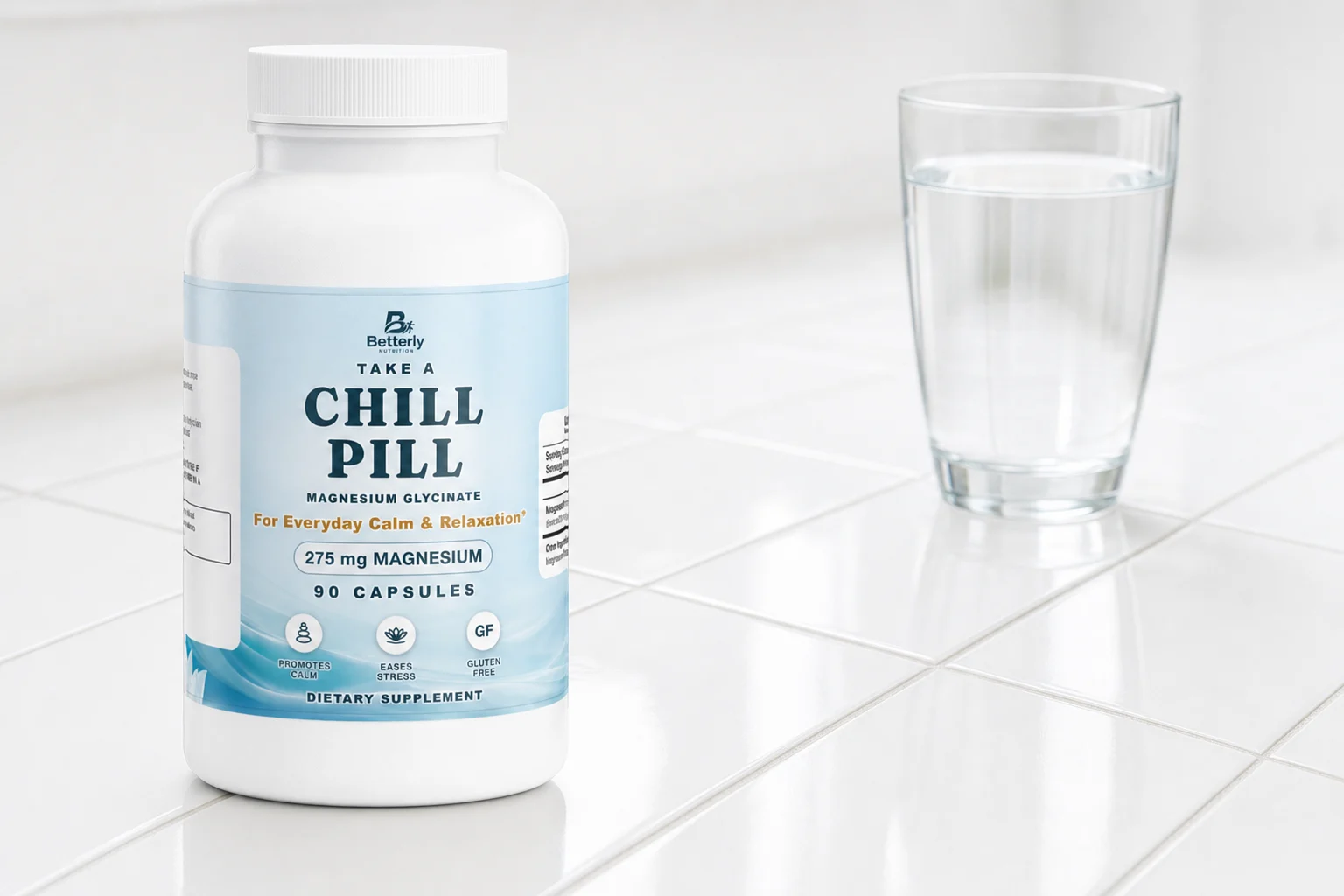
Per 3-capsule serving, Betterly's Magnesium Glycinate Capsules supply 275 mg of magnesium (65% DV) from 2,500 mg of magnesium glycinate. The 2,500 mg is the whole compound, magnesium bound to glycine. The 275 mg is the mineral itself, the number that counts toward the 350 mg limit.
On absorption, the NIH list of easier-to-absorb forms names aspartate, citrate, lactate and chloride. It doesn't mention glycinate either way, so we won't claim our glycinate beats ZMA's aspartate. The honest case for it is simpler: you get magnesium without stacking extra zinc and B6 on top of your diet.
Our glycinate's label calls it a "Nervous System & Sleep Support Formula." The NIH magnesium consumer sheet doesn't discuss sleep, though, so we won't stretch that descriptor into a promise.
Whichever you pick, pick one. ZMA's men's serving plus our glycinate would put 725 mg of supplemental magnesium in your day, more than double the limit.
From our shop: Magnesium Glycinate Capsules — 275 mg of magnesium from 2,500 mg of magnesium glycinate per 3-capsule serving, with no zinc or vitamin B6 on the panel.
ZMA vs zinc: do the zinc form and vitamin B6 matter?
The NIH says no zinc form is clearly better, so ZMA differs from a plain zinc supplement in its zinc dose and the magnesium and vitamin B6 it adds.
The NIH zinc fact sheet names sulfate, acetate and gluconate as examples and doesn't rank them. It doesn't single out monomethionine, picolinate or oxide either. So a zinc-only product with a smaller dose may suit you better than any branded blend.
ZMA's men's serving of 30 mg is nearly three times the 11 mg adult men need each day, and its women's 20 mg is two and a half times the 8 mg women need. Long stretches of too much zinc can pull copper down, and neither the ZMA panel nor our tribulus formula lists copper.
Vitamin B6 is the ingredient that makes ZMA ZMA. The men's serving lists 10.5 mg, or 618% of the Daily Value. Our vitamin B6 limits guide shows why that sits under the US adult upper limit yet close to the far lower 12 mg ceiling Europe's food safety agency set in 2023.
How do you take ZMA or a zinc and magnesium formula?
Follow each label below, but get a healthcare provider's okay before the original ZMA men's serving (its 450 mg of magnesium passes the 350 mg limit) or before either 30 mg zinc formula becomes a daily routine, because the 40 mg zinc limit counts food.
- Original ZMA. The label says 3 capsules for men and 2 for women, preferably on an empty stomach, 30 to 60 minutes before bed, away from calcium-containing foods and supplements. Only the women's serving stays under the magnesium limit.
- Our Tribulus, Zinc & Magnesium Capsules. The label directs three capsules before bedtime, with no food or calcium rule, so we won't invent one. Its zinc leaves the same 10 mg margin as ZMA's, so count your food zinc and check with a healthcare provider before daily use.
- Our Magnesium Glycinate Capsules. The label says three capsules once daily, or as your healthcare professional directs. It names no time of day, so pick a slot you'll remember.
- One source per mineral. Choose ZMA, the tribulus formula or the glycinate for magnesium, never two. And don't pair either 30 mg zinc formula with a multivitamin or any other product that lists zinc.
When don't you need ZMA at all?
You likely don't need ZMA if your meals cover zinc and magnesium, or if a multivitamin already supplies the zinc and vitamin B6 that ZMA would double up on.
ZMA's fixed ratio assumes you want all three nutrients, but ODS paints a lopsided picture. Many US diets fall short on magnesium, though food plus supplements generally clears the recommended amounts, while zinc is usually covered by food. If magnesium is your real gap, a magnesium-only product fills it.
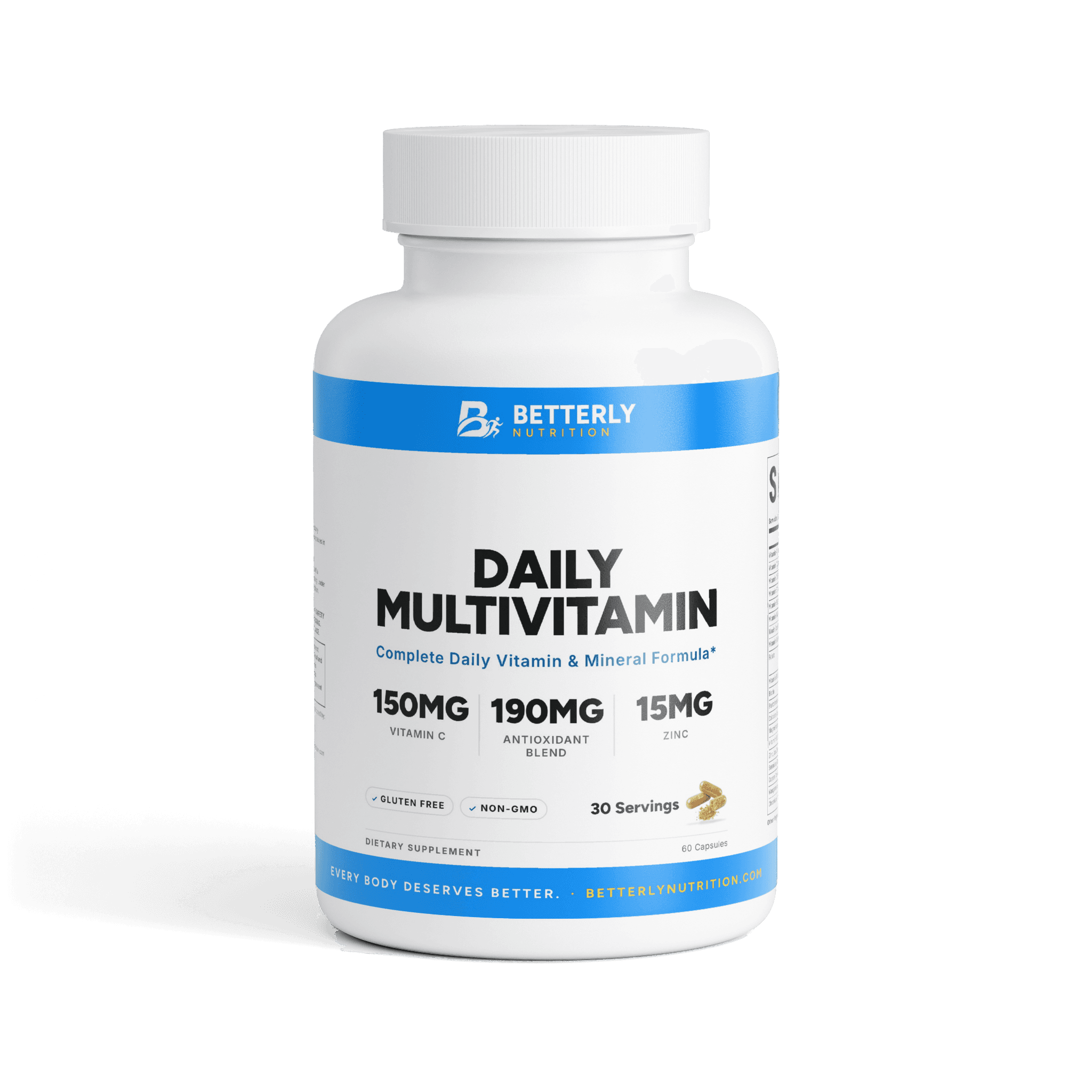
A multivitamin changes the math most, and B6 is where ZMA stacks up fastest. Our Daily Multivitamin Capsules list 15 mg of zinc, 50 mg of magnesium and 7.5 mg of vitamin B6 per 2-capsule serving. Add ZMA's men's serving and B6 lands at 18 mg a day, past Europe's 12 mg figure, while supplemental zinc reaches 45 mg before any food. Even the women's serving takes B6 to 14.5 mg.
Our tribulus formula gets no pass here. Paired with the multivitamin, it also puts 45 mg of supplemental zinc in your day, 5 mg past the limit before a single meal, so don't stack those two.
And if gym talk is the only reason you're curious, the NIH exercise sheet puts a good diet, enough fluids, fitness and proper training first.
Who should check with a healthcare provider first?
Talk to a healthcare provider before ZMA or a similar formula if you're pregnant, nursing, under 18, on medication, due for surgery or managing a health condition.
- ZMA's men's serving needs that talk by ODS's own terms, since its magnesium sheet says supplemental magnesium shouldn't pass 350 mg a day unless a health care provider recommends it.
- ZMA's label rules out use while pregnant, nursing or under 18. Our tribulus formula's warning rules out pregnancy and lactation, and both our labels send anyone pregnant, nursing, under 18 or managing a medical condition to a physician first.
- Teens get a second reason from the NIH exercise sheet, which says that in most cases only adults should use performance supplements.
- ZMA's label tells every buyer to consult a doctor first, and to stop and contact one after any adverse reaction.
- If you take any medication, ODS says magnesium can get in the way of some antibiotics and bisphosphonates, and zinc can cut how much of certain antibiotics you absorb. Ask a pharmacist how to space them.
- Before a scheduled surgery, give your surgical team the full panel, whether that's ZMA's three nutrients or our tribulus formula's seven botanicals.
FAQ: ZMA
What are the benefits of ZMA?
ZMA's benefits are the jobs its three nutrients already do, not anything unique to the trademark. According to ODS, zinc supports normal immune function and helps the body make proteins and DNA, while magnesium helps regulate muscle and nerve function. ZMA adds vitamin B6. The original label says ZMA supports muscle strength and power in athletes, and none of the federal sheets we checked review that claim.
Can women take ZMA?
Yes, the original ZMA label includes a women's serving of 2 capsules, which lists 20 mg of zinc, 300 mg of magnesium and 7 mg of vitamin B6. That magnesium sits 50 mg under the 350 mg adult limit, so a second magnesium product could push it over. The same label rules it out during pregnancy and nursing.
Do you have to take ZMA on an empty stomach?
No, the original ZMA label says "preferably" on an empty stomach, 30 to 60 minutes before bed, so it's a preference rather than a rule. Our tribulus capsules say only to take them before bedtime, and our glycinate names no time or food rule. Keep your own bottle's timing, but get a healthcare provider's okay before ZMA's men's serving, since its 450 mg of magnesium passes the 350 mg limit.
Is ZMA good for sleep?
No federal source we rely on shows that ZMA is good for sleep, so we can't say it is. The original label does say ZMA helps promote deep, restful sleep to aid recovery from exercise, but that's the seller's statement, and the label's own disclaimer says the FDA hasn't evaluated it. None of the NIH sheets we cite discusses sleep for zinc, magnesium or ZMA. A bedtime direction is a schedule, not evidence.
What are the side effects of ZMA?
ZMA's side effects mostly trace back to dose, and the men's 450 mg of magnesium is where we'd look first. ODS ties high supplemental magnesium intakes to loose stools, nausea and cramps. For zinc, ODS lists headaches, dizziness, vomiting and a lost appetite as warning signs, and long-term excess can lower copper. If any of these show up, stop and talk with a healthcare provider.
Sources
- ZMA, SNAC Nutrition (NIH Office of Dietary Supplements, Dietary Supplement Label Database)
- Dietary Supplements for Exercise and Athletic Performance: Fact Sheet for Consumers, NIH Office of Dietary Supplements
- Magnesium: Fact Sheet for Consumers, NIH Office of Dietary Supplements
- Zinc: Fact Sheet for Consumers, NIH Office of Dietary Supplements
If this left you looking for somewhere to start, read zinc and magnesium capsules taken at bedtime — its amounts per serving are listed on the page. For the practical questions this raises, how dosing, sourcing and subscriptions work is answered in one place.