On this page
- Key takeaways
- Does creatine dehydrate you, or does it make you hold water?
- Why does the scale jump when you start creatine?
- Can creatine cause cramps, or is it fluid and sweat?
- How much water should you drink with creatine?
- Does creatine dehydrate you faster in hot weather?
- When does the 1,000 mg sodium version earn its place?
- What do the directions on our creatine tubs say?
- When don't you need to change your water habits at all?
- Who should check with a healthcare provider first?
- FAQ: creatine and hydration
- Sources
The short answer: Does creatine dehydrate you? The NIH's review points the other way: creatine tends to make your body hold water. The NIH Office of Dietary Supplements says studies have found no consistent side effects except weight gain, which it links to water retention. Our creatine labels mix each 5,000 mg scoop into 6-8 oz of liquid (the electrolyte version) or 8 oz (plain monohydrate), and MedlinePlus says drinking when thirsty and with meals should keep you hydrated.
Key takeaways
- The NIH Office of Dietary Supplements names weight gain from water retention as the one consistent creatine side effect in studies.
- Muscle cramps and trouble handling heat appear in the NIH's creatine summary only as anecdotal reports.
- Betterly's creatine labels call for 6-8 oz of liquid per scoop on the electrolyte version and 8 oz on plain monohydrate.
- MedlinePlus lists 91 to 125 fl oz of total water a day for adults, counting water from food and beverages, with no specific target for how much you drink.
- The 1,000 mg of sodium in our creatine and electrolyte scoop suits long, hot, sweaty sessions, not desk days.
We make money on three products in this guide: two creatine powders and a lemonade electrolyte mix. Each dose, liquid amount and sodium figure below comes from their printed Supplement Facts and directions.
Does creatine dehydrate you, or does it make you hold water?
Creatine tends to make you hold water. The NIH Office of Dietary Supplements ties creatine's usual weight gain to increased water retention and found no consistent pattern of other side effects in studies.
The worry sounds logical: if creatine draws water somewhere, it must take it from somewhere else. But the water that comes with creatine is extra water your body keeps.
The NIH's health professional fact sheet on exercise supplements shows where creatine lives. A 154-pound person carries about 120 g of creatine and phosphocreatine, almost all of it in skeletal and heart muscle. Your body makes about 1 g a day, and beef, pork and salmon add more.
A supplement tops up those muscle stores. Nothing in the NIH's creatine section describes it pulling fluid out of your muscles or the rest of your body.
Why does the scale jump when you start creatine?
The scale jumps because creatine makes your body hold extra water. In several strength-training studies the NIH cites, people gained 1 to 2 kg in a month, which is 2.2 to 4.4 lb.
The NIH gives two reasons for that gain: increased water retention and, possibly, more muscle protein being built. Neither one is body fat, and neither one means you're low on fluid. A heavier reading in your first weeks points to water being kept, not lost.
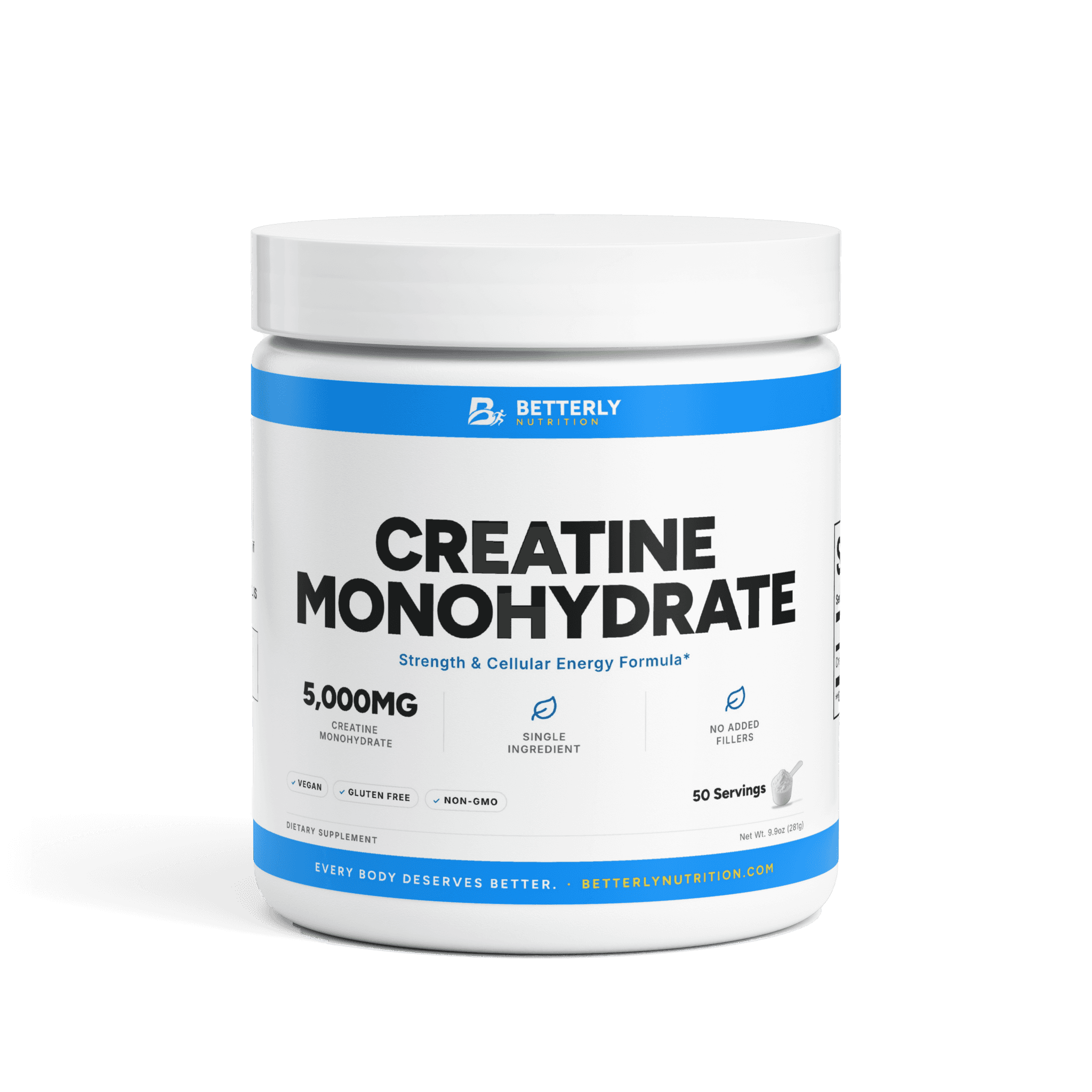
Our Creatine Monohydrate Powder label starts with 4 scoops a day for 5 days. At 5,000 mg per scoop, that's 20 g of creatine a day, the same loading dose the NIH describes from studies. The NIH also describes a no-loading approach of roughly 3 to 6 g daily for 3 to 4 weeks. That's the pattern on the 5g Creatine & Electrolyte Powder label: one 5,000 mg scoop a day, with no loading phase.
One trade-off: for endurance sports like distance running or swimming, the NIH says creatine seems to be of little value and the added weight might hold back performance.
Can creatine cause cramps, or is it fluid and sweat?
Studies haven't found cramps to be a consistent creatine side effect. The NIH lists muscle cramps only among anecdotal reactions, along with nausea, stomach upset and trouble handling heat.
"Anecdotal" means individual reports, not a pattern that showed up in controlled trials. The NIH also notes creatine may limit range of motion and leave some people feeling stiff. Its one line on these uncommon reports is that adequate hydration while taking creatine might minimize them.
MedlinePlus's page on muscle cramps points to a likelier suspect. It says working out without enough fluids, or with low sodium, potassium or calcium, makes a muscle spasm more likely. It names not getting enough fluids as the most common cause of cramps during sports.
So if cramps show up the month you start creatine, check what else changed. Did your sessions get longer or hotter? Did you start skipping meals, and the salt in them? A new tub is the obvious change, but not always the one that matters.
Stomach cramps are a separate complaint, and our guide to creatine side effects covers those.
How much water should you drink with creatine?
Mix each creatine scoop with the liquid its label names, 6 to 8 oz on our electrolyte version and 8 oz on plain monohydrate, then drink normally through the day.
No federal page we read gives a creatine-specific water target. The NIH's only hydration note is that adequate fluid might minimize the uncommon reactions it lists.
MedlinePlus's page on water in your diet gives the wider frame. It lists the Dietary Reference Intake for adults as 91 to 125 fl oz (2.7 to 3.7 liters) a day, counting water from both food and beverages. It adds that there's no specific recommendation for how much water you should drink.
Here's the liquid each of our labels builds into your day. The 5g Creatine & Electrolyte Powder and plain monohydrate each hold 5,000 mg (5 g) of creatine per scoop, so a 5 g serving goes into 6-8 oz or 8 oz of liquid, depending on the tub.
| Label and phase | Scoops a day | Liquid per scoop | Mixing liquid a day |
|---|---|---|---|
| 5g Creatine & Electrolyte Powder | 1 | 6-8 oz | 6-8 oz |
| Creatine Monohydrate Powder, days 1-5 | 4 | 8 oz | 32 oz |
| Creatine Monohydrate Powder, after day 5 | 1-2 | 8 oz | 8-16 oz |
| Electrolyte Hydration Powder (Lemonade) | 1-2 per drink (label max 5 a day) | 14-20 fl oz | 14-20 fl oz per scoop |
A single 8 oz creatine drink is less than a tenth of the low end of the MedlinePlus range, and two daily scoops are under a fifth. Only the loading week stands out, adding 32 oz, about a third of the low end.
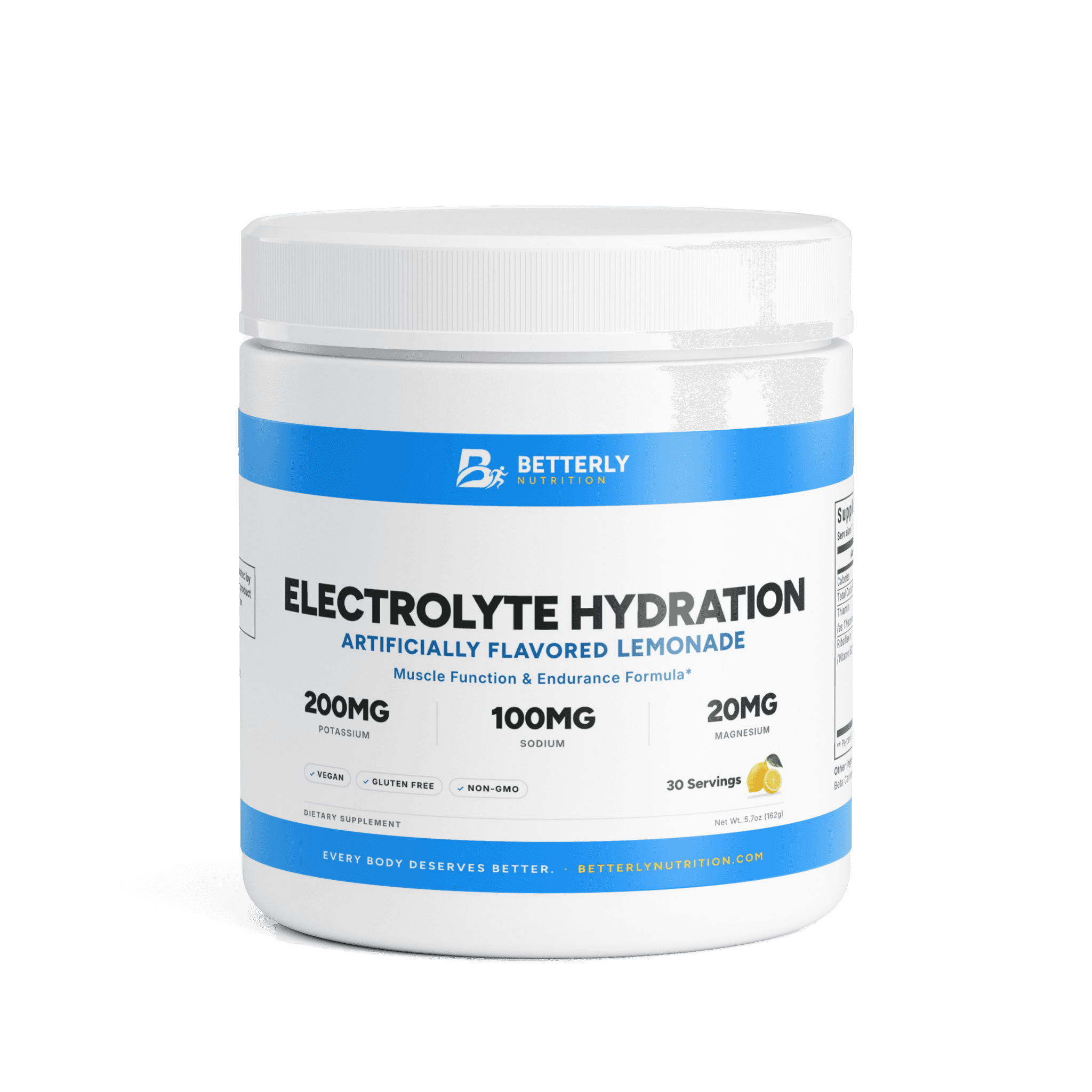
The lemonade row holds no creatine. Our Electrolyte Hydration Powder (Lemonade) is the lower-sodium way to add a flavored drink on a sweaty day. Its label sets the most water per scoop of the three, counted per drink with a 5-scoop daily cap.
Past the scoop, MedlinePlus keeps it simple: drink when you're thirsty and have beverages with meals. It also notes thirst can change as you get older, so older lifters may want to sip through the day.
Does creatine dehydrate you faster in hot weather?
Nothing in the NIH's creatine review says creatine dehydrates you faster in hot weather. It lists trouble handling heat only as an anecdotal report that adequate hydration might minimize.
Hot, sweaty sessions usually mean more activity and more sweat. MedlinePlus says your water needs depend partly on activity level, and it notes that your body sheds heat through sweat.
The scoop itself doesn't change. One serving of plain monohydrate in 8 oz of water is the same drink in July as in January. What changes on a hot day is everything around it: the bottle you bring, the drinks with your meals and how salty those meals are. Keep creatine at the label amount, and don't add scoops because it's hot.
When does the 1,000 mg sodium version earn its place?
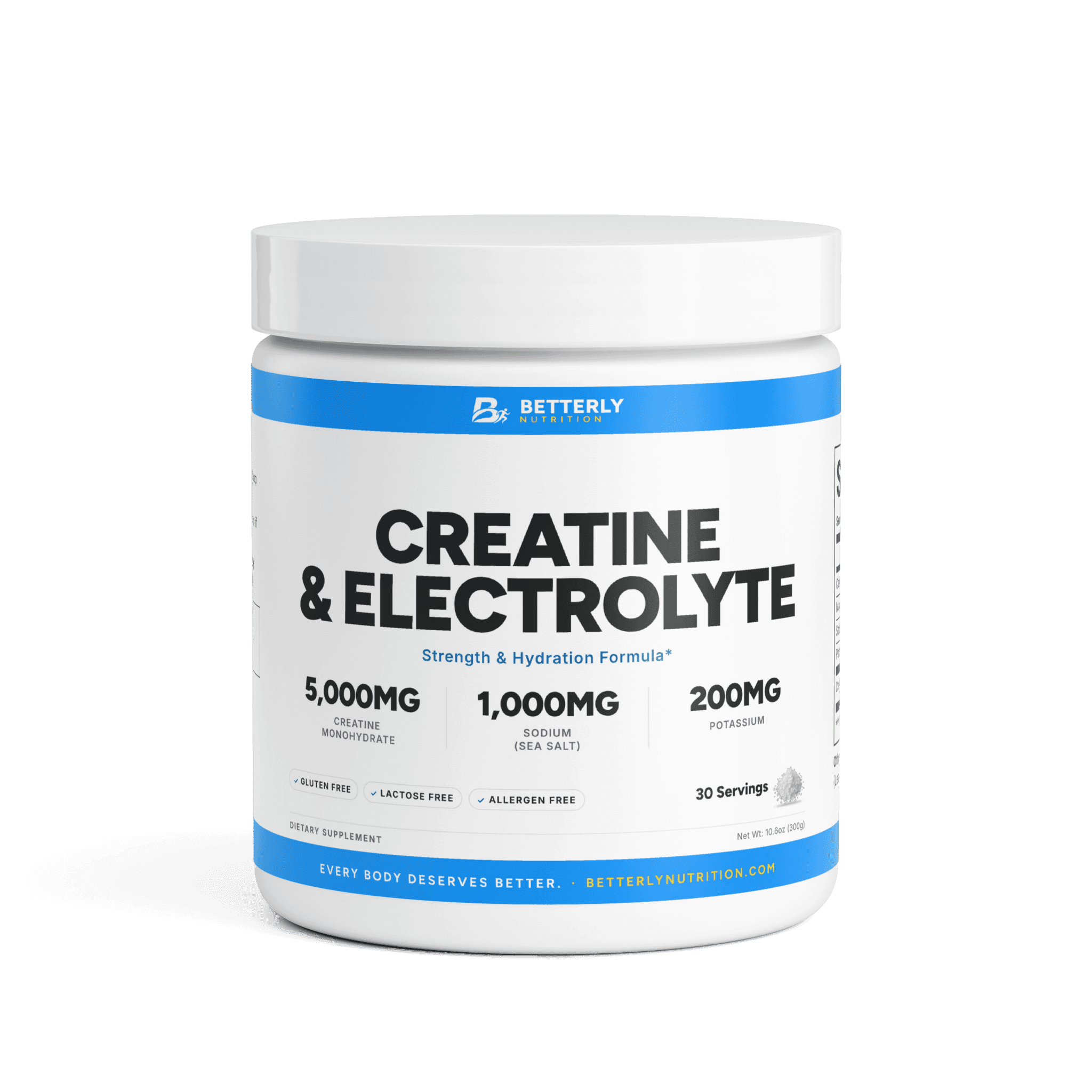
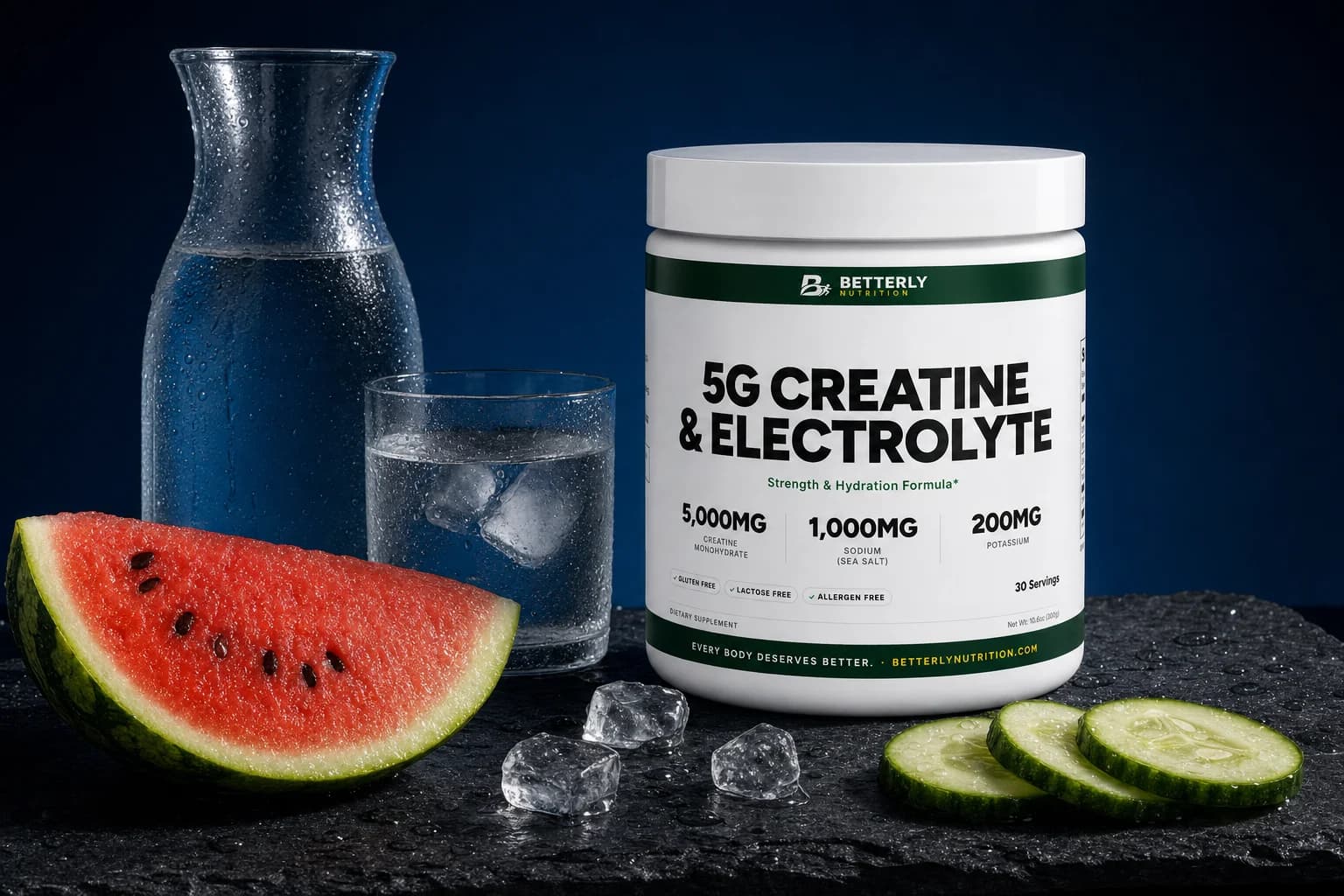
The 5g Creatine & Electrolyte Powder earns its place on long, hot, sweaty days, when its 1,000 mg of sodium per scoop has real sweat losses to cover.
That's a big number, covering 43% of the Daily Value. The FDA's consumer guidance on sodium says 20% DV or more per serving counts as high, so one scoop clears that line twice over. The FDA also says the body needs only small amounts of sodium unless you sweat heavily, and that the average American eats about 3,400 mg daily.
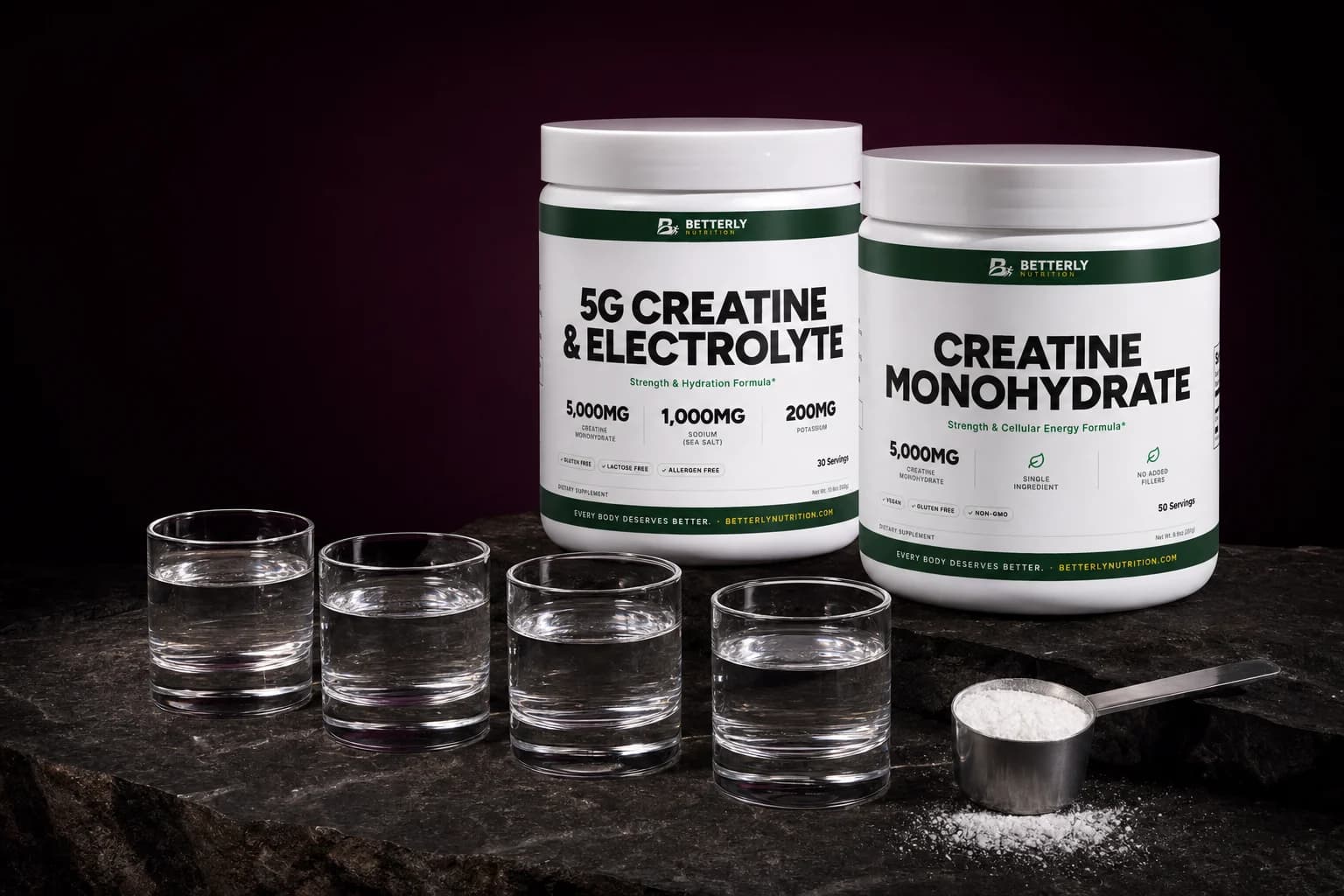
The rest of the panel per serving reads 5,000 mg of creatine (as creatine monohydrate), 200 mg of potassium (4% DV), 60 mg of magnesium (14% DV) and 22 Kcal. The label marks it gluten free, lactose free and allergen free.
It fits a two-hour summer practice or outdoor work followed by a lift, when salt leaves in your sweat. On a rest day at a desk, it's more sodium on top of your meals. Our comparison of plain, blended and two-tub creatine setups runs that weekly sodium math.
From our shop: 5g Creatine & Electrolyte Powder — each 1 scoop (10 g) serving stirred into 6-8 oz of liquid puts 5,000 mg of creatine and 1,000 mg of sodium in the same glass.
What do the directions on our creatine tubs say?
The 5g Creatine & Electrolyte Powder label says one scoop daily in 6-8 oz of liquid. Creatine Monohydrate Powder adds a 5-day loading phase, with every scoop going into 8 oz.
For the electrolyte version, the directions say: adults mix one (1) scoop with 6-8 oz (177-237 ml) of water or favorite beverage daily. There's no loading phase, and the caution says not to exceed the recommended dose. Don't use the plain tub's loading week with this blend. Four scoops would mean 4,000 mg of sodium a day and go past the label's one daily scoop. Our creatine-and-electrolytes comparison runs that math.
The plain tub's directions read: mix one (1) scoop with 8 oz (237ml) of water or juice, four (4) times daily for the first 5 days, then 1-2 times daily. The only row on its panel is creatine monohydrate, 5,000 mg per 1 Scoop (5.6g) serving, and its label carries vegan, gluten free and non-GMO claims.
After loading, one 5,000 mg scoop already sits at the top of the NIH's typical 3 to 5 g maintenance range, even though the label permits two. If you're unsure about loading at all, our creatine starter guide lays out both paths.
What to read on a creatine tub before you judge your water needs:
- The liquid per scoop, so you know what each drink adds.
- The scoops per day, including any loading phase.
- The sodium row, if there is one, and its % DV.
- The caution statement, for who should ask a clinician first.
From our shop: Creatine Monohydrate Powder — each 1 Scoop (5.6g) serving of 5,000 mg creatine monohydrate goes into 8 oz of water or juice, and the panel has no sodium row.
When don't you need to change your water habits at all?
You don't need new water habits for creatine if you're a healthy adult who drinks when thirsty, has drinks with meals and trains in ordinary conditions.
That covers most people starting out:
- You lift for an hour or less in a cool gym, and your shirt stays mostly dry. The mixing drink is the only change.
- You eat regular meals with normal salt, so the sodium scoop adds little you're missing on quiet days.
- You train mainly for distance running, swimming or other long endurance events. The NIH says creatine seems to be of little value for endurance sports like these.
You also don't need salt tablets or a second electrolyte product just because you started creatine. Our electrolytes explainer covers when minerals matter, and you can compare Supplement Facts panels across our Performance Essentials shelf before adding anything.
Who should check with a healthcare provider first?
Ask a healthcare provider before starting creatine if you're pregnant, nursing, younger than 18 or living with a medical condition. Both creatine labels name all four.
Also ask first if:
- You have an existing kidney condition. The NIH notes that creatine's waste product, creatinine, leaves the body through the kidneys.
- A clinician has told you to limit sodium or fluids. A single scoop of the electrolyte version covers 43% of the Daily Value for sodium.
- You take prescription medication. Our lemonade label lists medication as a reason to consult a physician, so bring every label to your pharmacist.
- You're scheduled for surgery. Share your full supplement list with the surgical team.
- Your cramps are severe, keep coming back, last a long time or don't ease with stretching. MedlinePlus says those are reasons to contact a provider.
FAQ: creatine and hydration
Does creatine dehydrate your muscles?
The NIH's review doesn't describe creatine drying out your muscles, and it points the other way: creatine tends to make your body hold water. Almost all of your creatine sits in skeletal and heart muscle, and the NIH Office of Dietary Supplements links creatine's usual weight gain to water retention. A daily scoop tops up those muscle stores.
Does creatine make you thirsty?
Thirst isn't among the reactions the NIH's creatine summary lists, though that isn't the same as ruling it out. What does change is the liquid you mix: each scoop comes with its own drink, 6-8 oz on the electrolyte version and 8 oz on plain monohydrate, whose loading days mean four of them. If you feel thirsty, drink. MedlinePlus says drinking when thirsty and with meals should keep you hydrated.
Should you drink more water during a creatine loading phase?
Yes, and the label builds it in for you. The loading phase on our Creatine Monohydrate Powder asks for 4 scoops a day for the first 5 days, each in 8 oz of water or juice, which adds 32 oz of liquid. Beyond that, the NIH's only hydration note is that adequate fluid might minimize uncommon reactions, so drink to thirst and with meals. After day 5, the label drops to 1-2 scoops, or 8 to 16 oz.
Does coffee count toward your water intake on creatine?
Yes, coffee counts toward your daily water whether or not you take creatine. MedlinePlus lists coffee, tea, milk, soup and juice among the drinks that supply your body's water. The exception it names is alcohol, which it says doesn't add to the body's water. Our plain creatine label names water or juice as the mixer, so give your scoop its own glass rather than your mug.
What should you do if you get cramps after starting creatine?
If you get cramps after starting creatine, stop the activity, stretch the muscle and look at your fluids first. MedlinePlus says not getting enough fluids is the most common cause of cramps during sports, and that drinking water often eases them. If cramps are severe, keep coming back, last a long time or don't ease with stretching, contact a healthcare provider and bring your creatine label along.
Sources
- NIH Office of Dietary Supplements: Dietary Supplements for Exercise and Athletic Performance, Fact Sheet for Health Professionals
- MedlinePlus Medical Encyclopedia: Water in diet
- MedlinePlus Medical Encyclopedia: Muscle cramps
- U.S. Food and Drug Administration: Sodium in Your Diet
If this left you looking for somewhere to start, read creatine and electrolyte powder with 1,000 mg sodium per scoop — its amounts per serving are listed on the page. For the practical questions this raises, how dosing, sourcing and subscriptions work is answered in one place.