On this page
- Key takeaways
- What is berberine?
- What does berberine actually do?
- What is berberine not?
- What should you look for when buying berberine?
- How much berberine should you take, and when?
- What should you expect when you start?
- Who is berberine for — and who should skip it?
- How does berberine fit into a bigger routine?
- Frequently asked questions
- Sources
The short answer: Berberine is a bitter, yellow plant alkaloid found in botanicals like barberry, and it's earned a reputation as a supplement that supports healthy metabolism. It isn't a quick fix or a stand-in for any medication — it works best as a steady daily habit alongside balanced eating and regular movement. Betterly's Berberine HCl Capsules are two vegan capsules a day with water, and this guide covers what it does, what it doesn't, and who should skip it.
Key takeaways
- Berberine is a naturally bitter, golden-yellow plant alkaloid found in the bark and roots of botanicals like barberry and goldenseal, with a long history in traditional herbal practices.
- As a supplement, berberine is used to help support healthy metabolism and blood sugar levels already within a normal range — quiet, background support, not something you feel working like caffeine.
- Berberine HCl Capsules are two capsules daily with 6–8 oz of water; each bottle holds 60 capsules, a 30-day supply.
- According to NCCIH, the side effects reported for berberine are primarily digestive, such as nausea, bloating, constipation or diarrhea; if you notice them, stop and check in with your physician.
- The label says to consult a physician if you're pregnant, nursing, under 18 or have a medical condition, and if you take any medication, talk with your physician before starting.
What is berberine?
Berberine is an alkaloid — a naturally occurring plant compound — concentrated in the bark and roots of several botanicals; NCCIH names goldenseal, barberry, and Oregon grape among the plants it's found in. Berberine itself is intensely bitter and a deep golden yellow. Long before anyone put it in a capsule, berberine-containing plants were used to dye fabric and cropped up in traditional herbal practices across more than one culture. This isn't a lab invention that appeared last year; it's an old plant compound having a very online moment.
One quiet advantage of the capsule era, by the way: berberine is famously bitter, and a capsule spares you the taste entirely. No powders to choke down, no flavoring systems needed to cover it up.
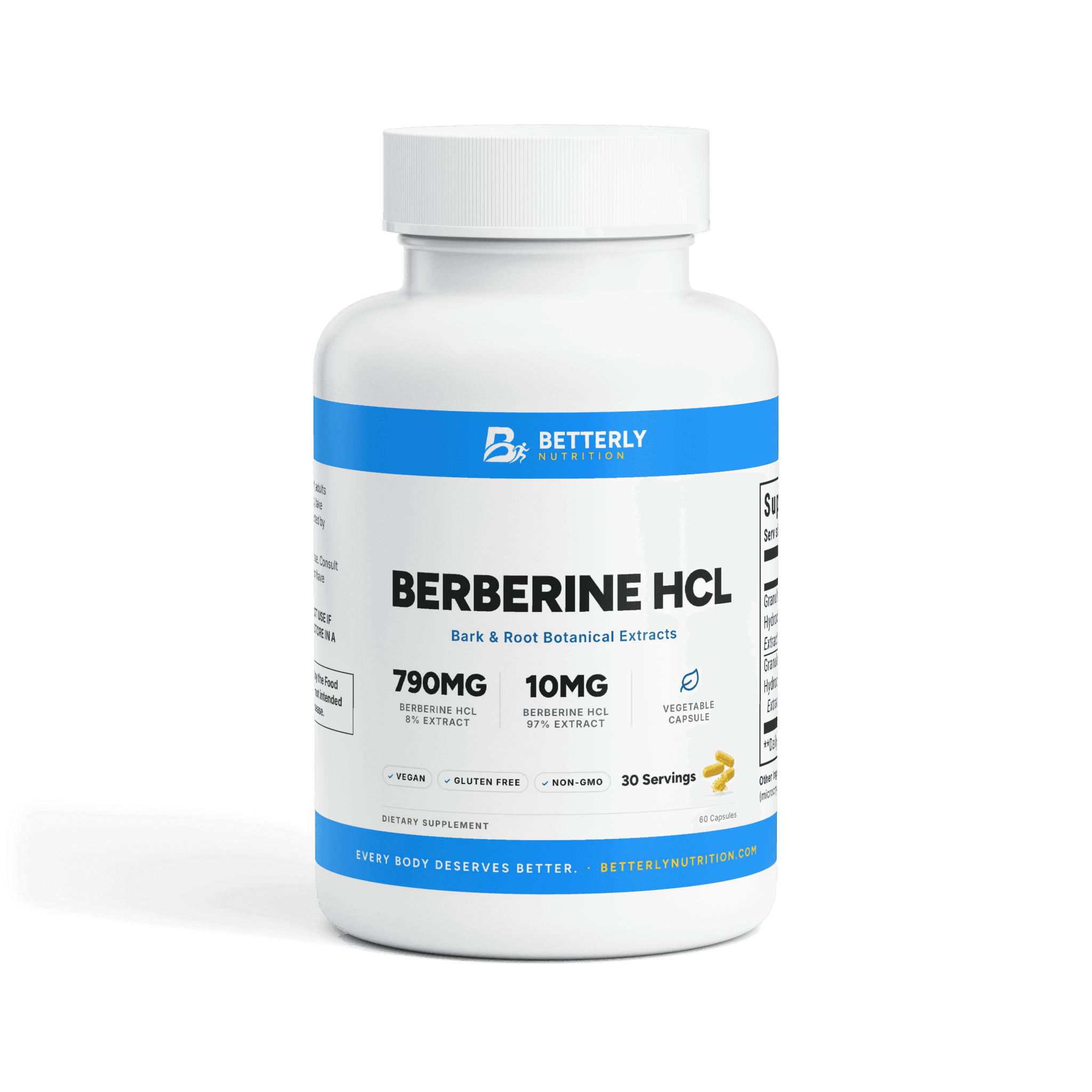
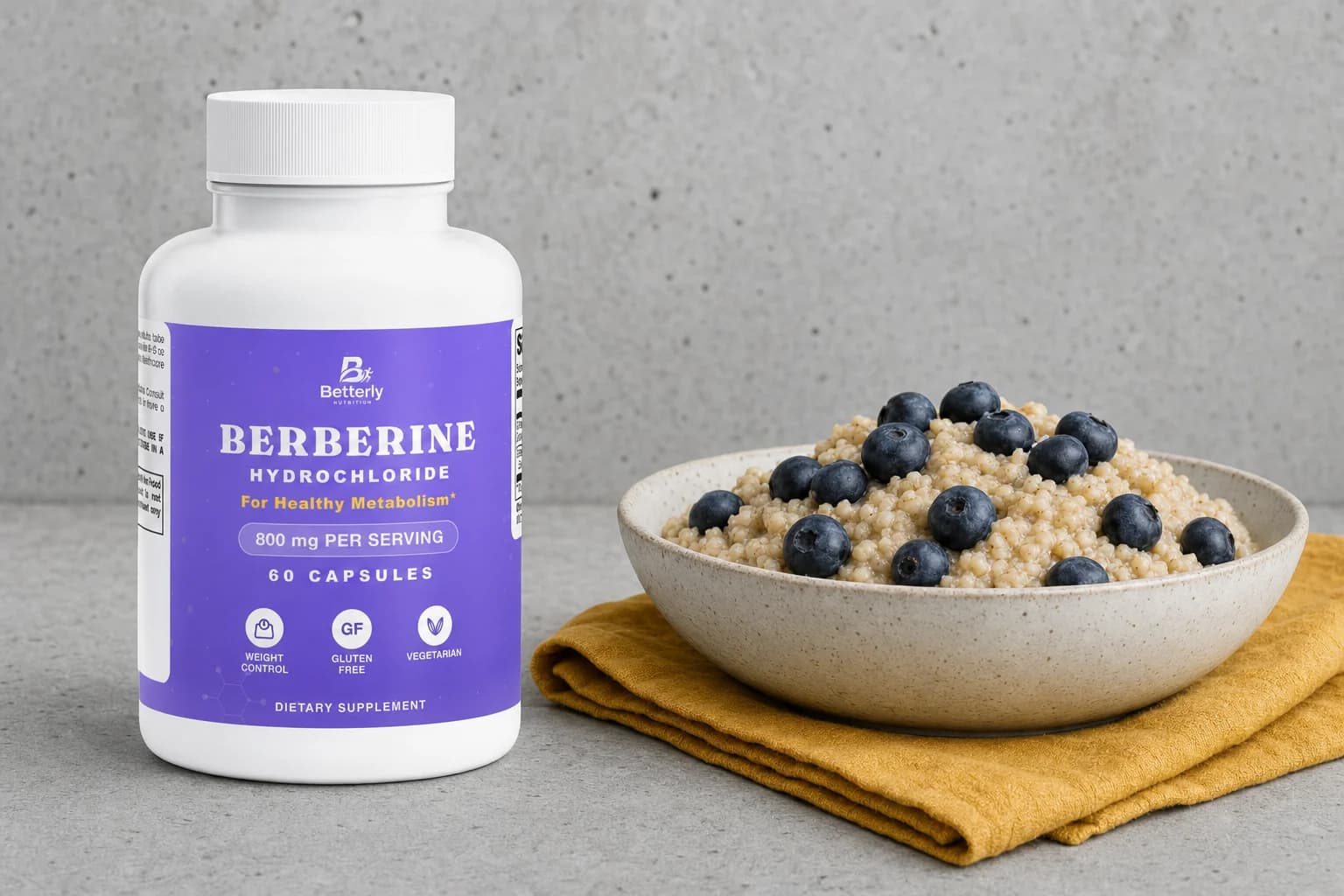
The form you'll find in modern supplements is almost always berberine hydrochloride, or berberine HCl — a stable version that suits capsules. That's what we use too: Berberine HCl Capsules deliver 790 mg of Granular Berberine Hydrochloride Extract 8% (bark/root) and 10 mg of Granular Berberine Hydrochloride Extract 97% (bark) per two-capsule serving, in a plant-based cellulose capsule. Short list, no mystery blend.
What does berberine actually do?
Here's the honest, structure/function version — the only version we're willing to write.
Berberine is taken to help support healthy metabolism. Metabolism, in the plain sense, is the everyday background work your body does converting food into usable energy — it's happening right now, whether or not you're thinking about it. A berberine capsule doesn't take over that work. Taken consistently, it's there to support what your body is already doing, alongside a balanced diet and regular movement.
Then there's the topic that sends most people to this page in the first place. The honest, precise sentence — and the only one we'll write on it — is this: berberine supports blood sugar levels already within a normal range. That qualifier isn't legal wallpaper — it's the whole point. "Already within a normal range" means this is support for a system that's working normally, not a tool for managing anything your doctor monitors. If a label or an influencer implies otherwise, that's your cue to get skeptical.
And a word on what it feels like: mostly, nothing. Berberine isn't a stimulant, and there's no buzz to chase. It's the kind of supplement you take for weeks as part of a consistent routine, not one you "feel" twenty minutes later. We'd rather tell you that up front than let a quiet first bottle feel like a failure.
What is berberine not?
Berberine has picked up a lot of online hype. We won't repeat it, because it sets expectations no supplement can meet, and selling on borrowed expectations isn't how we want to earn your order.
So, plainly:
- Berberine is a dietary supplement, not a stand-in for anything. It helps support healthy metabolism while balanced meals and regular movement do the heavy lifting.
- It's not a shortcut. Nothing in a capsule replaces sleep, food you cook, or a walk you actually take. A supplement earns its keep by being easy to stick with, not by substituting for the basics.
- It's not a replacement for anything your doctor prescribed. Ever. If a medication is part of your life, berberine is a conversation to have with your physician, not a swap to make on your own.
If that framing sounds unusually restrained for a supplement company, good — that's the brand. We'd rather you buy one honest bottle with clear expectations than three hyped ones you abandon. For the bigger picture on stacking habits that actually stick, our guide to building a simple daily supplement routine is a sensible next read.
What should you look for when buying berberine?
Berberine's popularity has crowded the market, and the bottles don't all deserve equal trust. Here's the checklist we'd use as shoppers, not just sellers:
- The form is named. Look for "berberine hydrochloride" (berberine HCl) spelled out on the label, ideally with the plant part it's extracted from. Vague "berberine complex" labels make it hard to know what you're getting.
- The ingredient list is short and readable. Berberine doesn't need a dozen sidekicks. A focused formula is easier to evaluate and easier to trust.
- The serving math is honest. Check capsules per bottle against capsules per day. Sixty capsules at two a day is a true 30-day supply, so check the math on any bottle before you compare prices.
- The claims stay calm. Any berberine product promising dramatic transformations or drug-like results is telling you something about the seller. Walk away.
- The capsule fits your diet. If vegan or vegetarian matters to you, check the capsule material — plenty of capsules on the market are gelatin.
And since we're asking you to scrutinize labels, here's how we handle ours: we reproduce the manufacturer's ingredient list exactly — what you read is what's in the capsule. For Berberine HCl Capsules, that full list is: Granular Berberine Hydrochloride Extract 8% (bark/root), Granular Berberine Hydrochloride Extract 97% (bark), Cellulose (vegetable capsule), MCC (microcrystalline cellulose), L-Leucine, Olive Oil. Per the manufacturer's specification, it's gluten-free, non-GMO, and vegan friendly.
From our shop: Berberine HCl Capsules. Two vegan capsules a day of granular berberine hydrochloride extract to help support your body's healthy metabolism, with no hype and no long list of extras.
How much berberine should you take, and when?
For Berberine HCl Capsules, the suggested use is simple: as a dietary supplement, adults take two (2) capsules daily, ideally with 6–8 oz (177–237 ml) of water. Don't exceed the recommended two capsules a day.
There's no required time of day. Pick a moment that's easy to remember — with breakfast, at lunch, whenever your routine has a natural anchor — and stay consistent. Consistency beats intensity with berberine: a capsule you take every day at a so-so time does more for your routine than a "perfect" time you forget half the week.
Each bottle holds 60 capsules, which works out to a 30-day supply at the suggested serving. And as always, the label on your bottle is the instruction that counts — if your healthcare professional gives you different guidance, follow theirs.
What should you expect when you start?
Expect quiet. As we said above, berberine isn't something most people feel working, and that's normal.
The one thing worth knowing ahead of time: according to NCCIH, the side effects reported for berberine are primarily digestive, such as nausea, abdominal pain, bloating, constipation or diarrhea. If you notice any of them, stop and check in with your physician.
The same goes if anything else feels off. There's no prize for pushing through discomfort, and a supplement that doesn't agree with you isn't earning its spot. For a broader look at keeping digestion on an even keel — fiber, probiotics, and the unglamorous fundamentals — our gut health basics guide covers what actually helps.
Who is berberine for — and who should skip it?
A reasonable fit: adults who want to support healthy metabolism as part of a balanced lifestyle — people who are already working on their meals and movement and want a simple, low-effort capsule habit alongside that work. If that's you, berberine is one of the easier supplements to fold in: two capsules, water, done.
Skip it, or talk to your physician first:
- Under 18. Berberine HCl Capsules are labeled for adults, and the label says anyone under 18 should consult a physician first.
- Pregnant or nursing. The label says to consult a physician if pregnant or nursing, and according to NCCIH, berberine may be unsafe during pregnancy or while breastfeeding.
- Taking medication. According to NCCIH, berberine may interact with medicines, so if any prescription is part of your daily life, have the conversation with your physician before your first capsule, not after.
- Managing a known medical condition. Your doctor knows your situation; a blog post doesn't. Check in first, as you would with any supplement.
None of this is fine print to us. The right customer for berberine is someone it actually suits — everyone else, we'd genuinely rather wave off.
How does berberine fit into a bigger routine?
Berberine works best as one steady piece of a routine that's already pointed in the right direction: real meals most of the time, regular movement, decent sleep. That's the unglamorous truth about every supplement we sell, and berberine is no exception.
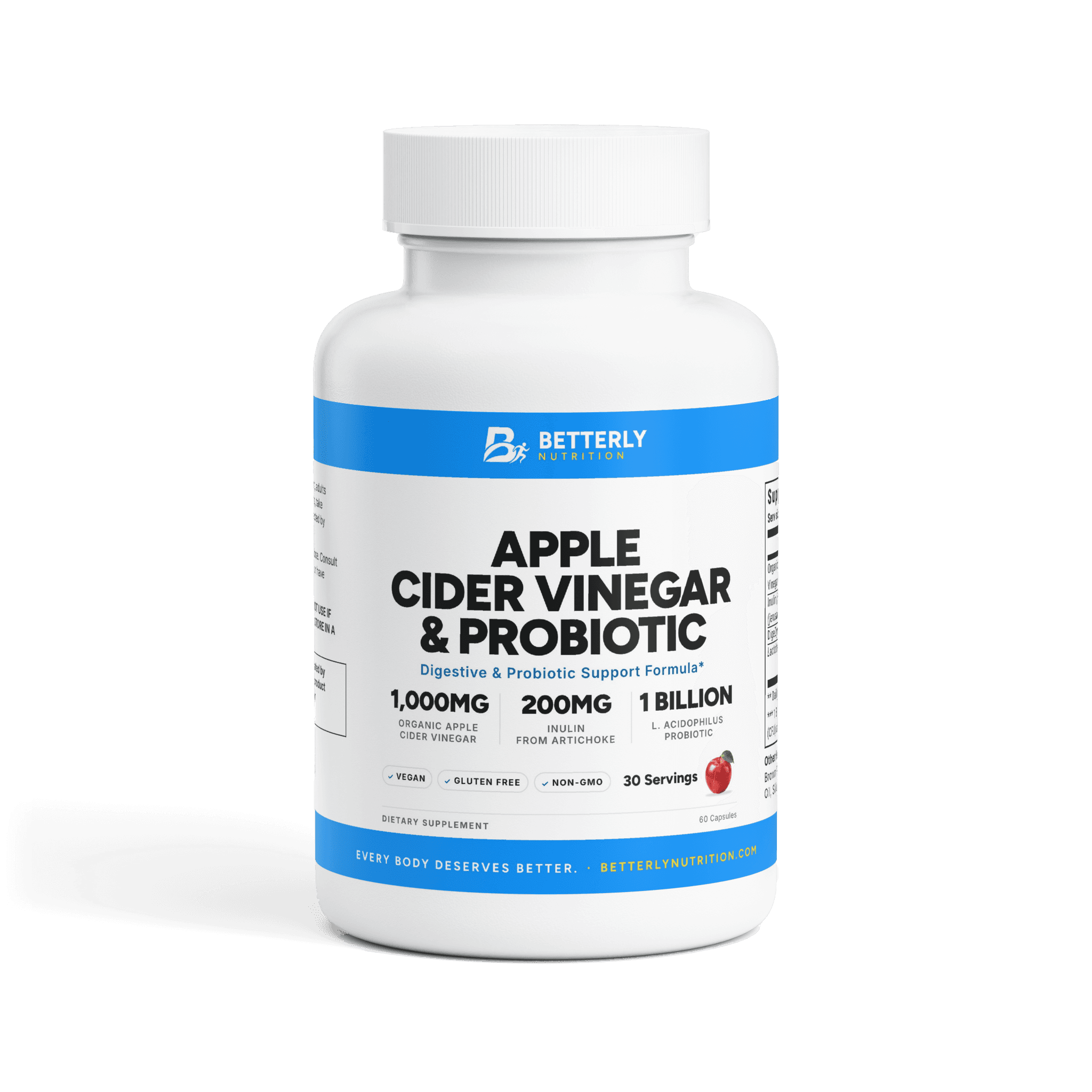
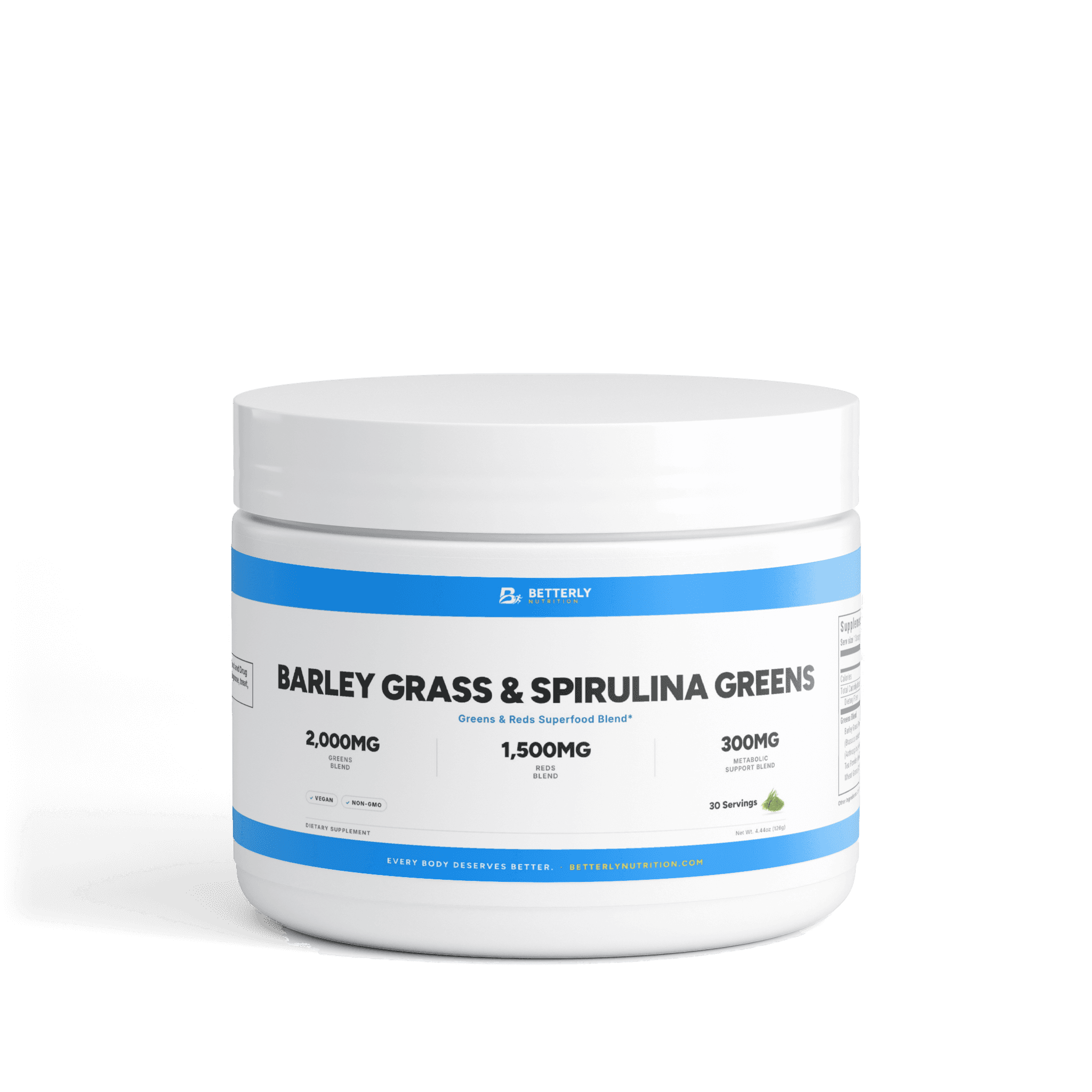
If you're rounding out the rest of the picture, a scoop of Barley Grass & Spirulina Greens Powder is an easy way to fold 20+ plant-based greens, fruits, and botanicals into your day, and Apple Cider Vinegar & Probiotic Capsules pair organic apple cider vinegar powder with a probiotic, prebiotic inulin and digestive enzymes for steady, everyday digestive support. You can browse how we think about this whole corner of wellness in our Weight Support collection.
And if the plant-compound side of berberine is what caught your interest — an old botanical, extracted from bark and root, doing quiet supportive work — you'll probably enjoy our honest look at whether liver support supplements work, which walks through milk thistle, dandelion, and other traditional botanicals in the same register.
From our shop: Berberine HCl Capsules. A short, focused berberine HCl formula in a plant-based vegetable capsule: 60 capsules per bottle, a 30-day supply at two a day.
Frequently asked questions
Are Berberine HCl Capsules vegan?
Yes, Berberine HCl Capsules carry a VEGAN claim on the label, and the capsule itself is vegetable cellulose. Besides the two berberine extracts, the other ingredients are microcrystalline cellulose, L-Leucine and olive oil. Per the manufacturer's specification it's also gluten-free and non-GMO.
How long does one bottle last?
Each bottle holds 60 capsules. At the suggested two capsules a day, that's a 30-day supply — one bottle per month, which is also how the Subscribe & Save delivery is timed. The label lists 30 servings of two capsules each and says not to exceed the recommended dose.
Will I feel berberine working?
Probably not, and that's expected. Berberine isn't a stimulant and doesn't deliver a noticeable jolt — it's quiet, background support for healthy metabolism. Judge it the way you'd judge any slow habit: by whether it's easy to stay consistent, not by week-one fireworks.
Do I need to take berberine with food?
No, the label doesn't call for taking berberine with food. It keeps it simple: two capsules daily, ideally with 6–8 oz of water, at whatever time of day you'll actually remember. There's no required mealtime pairing — consistency matters more than timing. If your healthcare professional has given you different directions, the label says to follow those instead.
Can I take berberine alongside other supplements?
Many people fold berberine into a routine that already includes a multivitamin, greens, or protein. That said, if you take any medication or are managing a known medical condition, check with your physician before adding berberine or any new supplement to the mix.
Can berberine interact with medications?
Yes, berberine may interact with medicines, according to the National Center for Complementary and Integrative Health (NCCIH). If any prescription is part of your day, talk with your physician before starting Berberine HCl Capsules. The label also says to consult a physician if you're pregnant, nursing, under 18 or have a medical condition.
Sources
If this left you looking for somewhere to start, read berberine HCl capsules for glucose metabolism support — its amounts per serving are listed on the page. For the practical questions this raises, how dosing, sourcing and subscriptions work is answered in one place.