On this page
- What "metabolism support" actually means (and what it doesn't)
- Habits first: what moves the needle more than any capsule
- The ingredients worth knowing, in plain English
- How to choose a metabolism supplement: read the label before you buy
- Our Weight & Metabolism lineup, honestly compared
- How to use metabolism support supplements well
- The honest bottom line
- FAQ: metabolism support supplements
- Sources
Type "metabolism support supplements" into a search bar and you'll mostly find listicles — 33 best metabolism boosters, ranked by whoever earns a commission on each one. This guide is deliberately the opposite: a plain-English look at what metabolism support actually means, the handful of ingredients with research worth discussing, and how to read a supplement label well enough that nobody can fool you with one. No overnight transformations promised — just enough clarity to decide what, if anything, belongs in your routine.
What "metabolism support" actually means (and what it doesn't)
Your metabolism is the sum of every process your body runs to turn food into energy — breathing, thinking, walking to the mailbox. Most of it happens without your input — your body spends energy at rest and while digesting food — and movement covers the rest.
Here's the part the listicles skip: the big levers of that equation are body size, muscle mass, age, genetics, and how much you move. No capsule rewrites them.
So what can a supplement honestly do? "Metabolism support," in the honest sense, means supplying nutrients and plant compounds that play a role in the body's normal energy processes — glucose metabolism, fat metabolism, appetite signaling. That's a real category — and a modest one. When a label implies a pill alone will transform your body, the marketing is doing the heavy lifting, not the ingredients.
We sell supplements in this category, and we'll walk through ours later in this guide — with the amounts per serving from each label listed on every product page, so you can judge them by the same standard we're about to teach you.
Habits first: what moves the needle more than any capsule
Before we get to ingredients, an honest ranking of what actually influences your metabolism from day to day:
- Muscle mass. Muscle uses more energy at rest than fat does, which makes strength training two to four times a week the closest thing to a genuine metabolism upgrade.
- Protein at meals. Your body spends noticeably more energy digesting protein than carbs or fat, and protein-forward meals tend to keep you satisfied longer.
- Everyday movement. Researchers call it NEAT — non-exercise activity thermogenesis — the walking, standing, cooking, and stair-climbing you do all day. It can add up to more than a formal workout.
- Sleep. Short nights are consistently linked to stronger cravings and duller fullness signals the next day.
- Not crash-dieting. Aggressive calorie cuts push your body to adapt by spending less energy — the opposite of what you're after.
If those five are a mess, no supplement will paper over them. If they're mostly in place, supplements to support metabolism can be a reasonable nudge on top. That's the deal, stated plainly.
The ingredients worth knowing, in plain English
The metabolism aisle is enormous, but the shortlist of ingredients with meaningful research is genuinely short. Here's what the evidence suggests — hedges included, because the hedges are the honest part.
Berberine
Berberine, a plant compound from barberry, goldenseal, and a few other botanicals, has quietly become a familiar name in the metabolic aisle. Research suggests it plays a role in the body's normal glucose and fat metabolism. Expect any effect to be modest — "modest" being the operative word.
Two practical notes: berberine is best taken exactly as its label directs — ours says two capsules daily with 6-8 oz of water. And it can interact with several medications, so this is one to clear with your provider before starting. If you're weighing berberine, our full guide to berberine benefits, dosage, and safety goes far deeper.
MCT oil and L-carnitine
These two often appear together because they touch the same system from different ends. MCTs — medium-chain triglycerides — are fats your body absorbs quickly and tends to use for energy rather than store, which is why an MCT oil supplement is popular with lower-carb eaters. L-carnitine's job in the body is transport: it helps shuttle fatty acids into your cells' mitochondria, where they're used as fuel. According to the NIH Office of Dietary Supplements, any benefit from carnitine supplements in this area is small. Think of it as a modest assist alongside diet and exercise, not a transformation.
If you're looking at a stimulant-free formula, our label read of L-carnitine and MCT oil together goes through one panel line by line.
Saffron and chromium
Saffron — yes, the spice — has a small but interesting body of research around appetite. According to the NIH Office of Dietary Supplements, researchers don't fully understand what chromium, a mineral, does in the body, but it might help you use carbohydrates, fats, and proteins. The same source says trials of chromium supplements have found only a very small benefit. Together, this pairing is less "metabolism booster" and more "mindful-eating support" — a different tool for a different problem. We wrote a full guide to saffron extract and how to choose one if that's the thread you want to pull.
African mango (Irvingia gabonensis)
African mango extract had a moment in the weight-support world, and only a few small trials have looked at it. Here's the context those trials deserve: the NIH Office of Dietary Supplements rates any benefit as very small and notes that African mango's safety hasn't been well studied. That doesn't make the ingredient worthless — it makes the evidence preliminary, and we'd rather say that plainly than pretend the science is settled.
The honorable mention: caffeine
Caffeine is the familiar one here — the NIH Office of Dietary Supplements notes it can help you burn calories, though people who use it regularly become tolerant of it — and it's often added to formulas in this aisle, sometimes without appearing on the label. If a formula seems to "work" within thirty minutes, there's a decent chance you paid a premium for caffeine.
How to choose a metabolism supplement: read the label before you buy
Whatever brand you buy — ours included — run it through this five-point check:
- Insist on seeing the complete supplement facts panel before checkout. This is the real dividing line — not "blend versus no blend." Per-ingredient amounts are the gold standard — research is dose-specific, and a printed number is the only way to compare a product to a study. But a blend can still be an honest blend: total weight printed, every ingredient named, called what it is instead of dressed up. What should end the conversation is a label you can't see until the bottle arrives. We list the amounts per serving for everything we sell, and where one of our labels carries a blend, we call it a blend — hold any brand, us included, to that standard.
- Match the ingredient to your actual situation. Struggling with between-meal grazing? Appetite-focused ingredients like saffron make more sense than anything "thermogenic." Want general metabolic support alongside diet changes? That's berberine territory. Eating lower-carb and wanting steadier energy? That's where MCTs fit.
- Set expectations by the research, not the label art. The honest ceiling for any ingredient here is "modest nudge." Anything promising more is selling you the copywriting.
- Prefer short formulas — or fully disclosed long ones. Fewer ingredients means you can tell what's doing what; a longer formula earns its keep only when the label shows you everything.
- Screen for interactions. Berberine in particular can interact with common medications. If you take anything daily, ask your provider or pharmacist first.
Our Weight & Metabolism lineup, honestly compared
Here are three from our Weight Support collection. Not thirty-three. Each one is sold on what its label actually says — you now know how to check:
| Product | What the label says, per serving | Format |
|---|---|---|
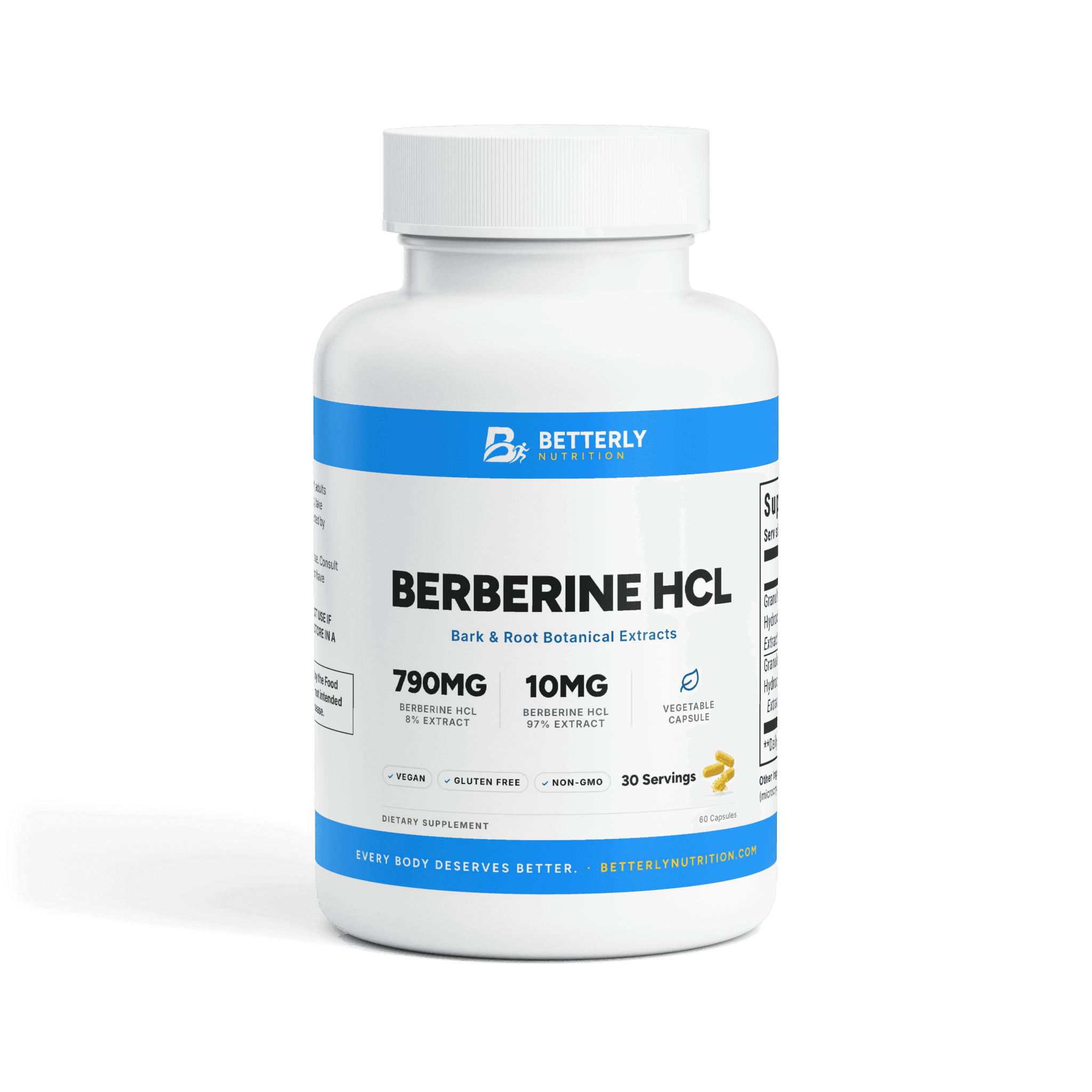
| Berberine HCl Capsules | 800 mg berberine HCl extracts (790 mg at 8% + 10 mg at 97%, both standardizations printed) | 2-capsule serving, 30 servings |
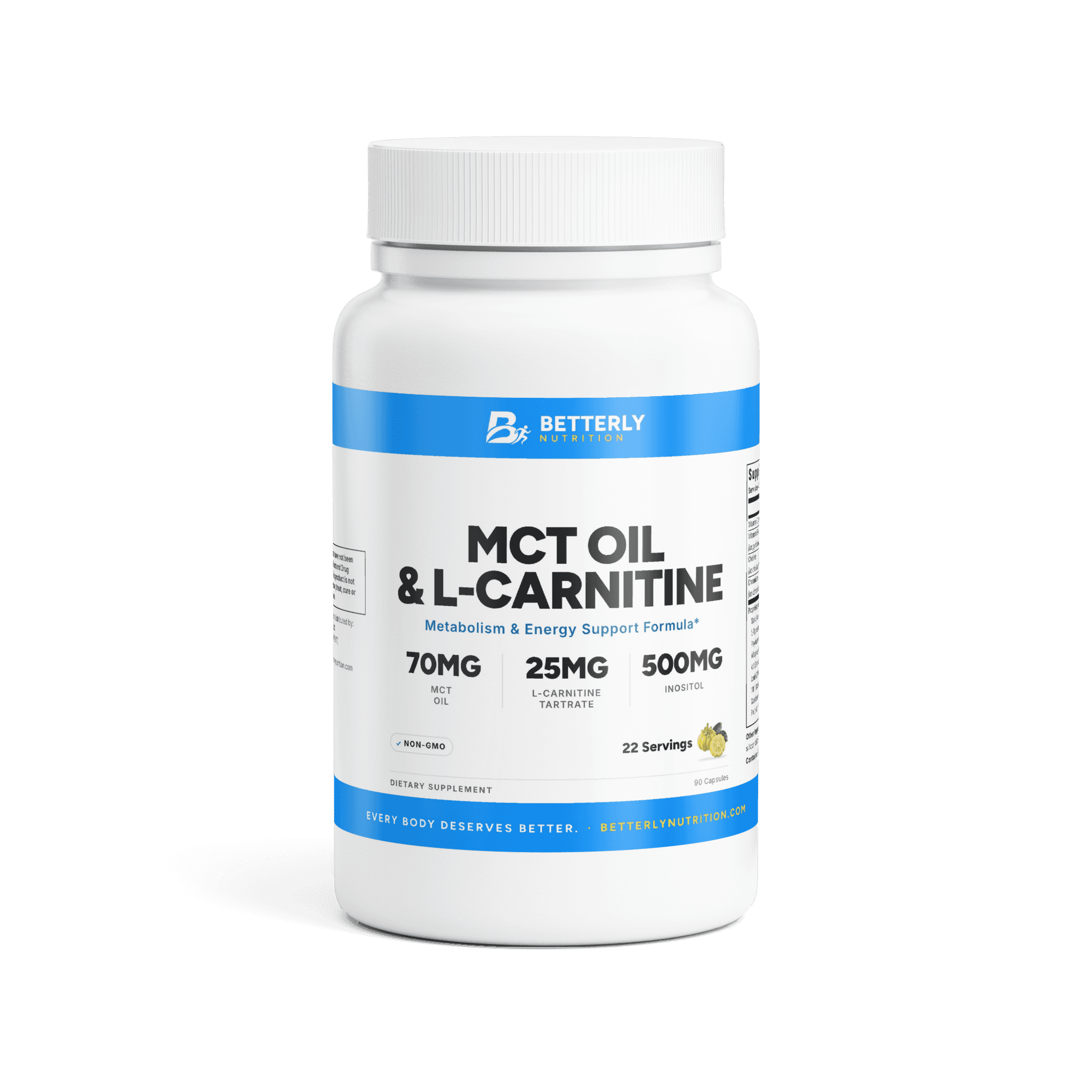
| MCT Oil & L-Carnitine Capsules | Chromium 200 mcg (571% DV), choline 200 mg (37% DV), B6, vitamin C, inositol 500 mg + 9 more named amounts + one disclosed 631 mg blend | 4-capsule serving, 22 servings |
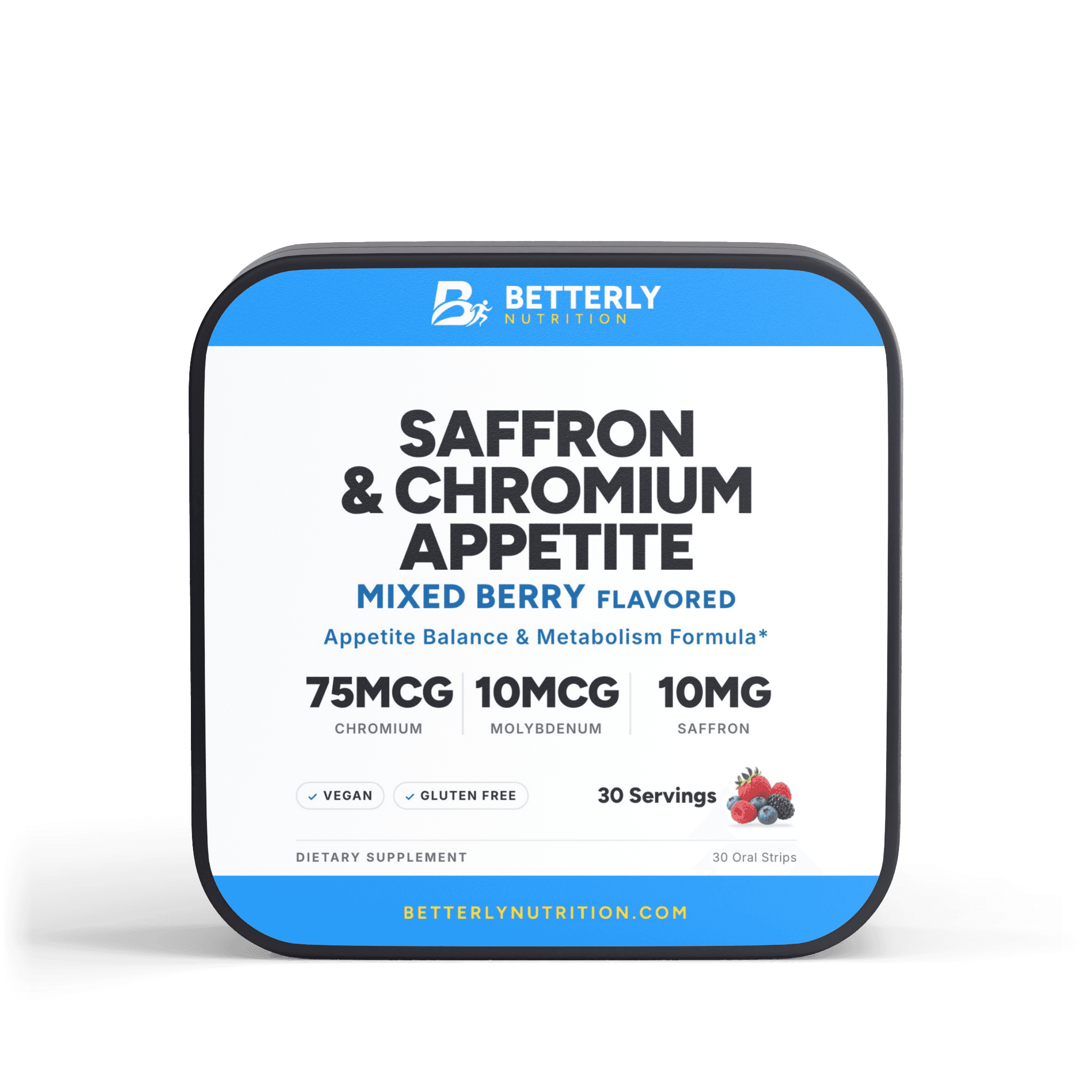
| Saffron & Chromium Appetite Strips | 10 mg saffron + 75 mcg chromium (214% DV) per single strip — no blend on the panel | 30 dissolvable strips |
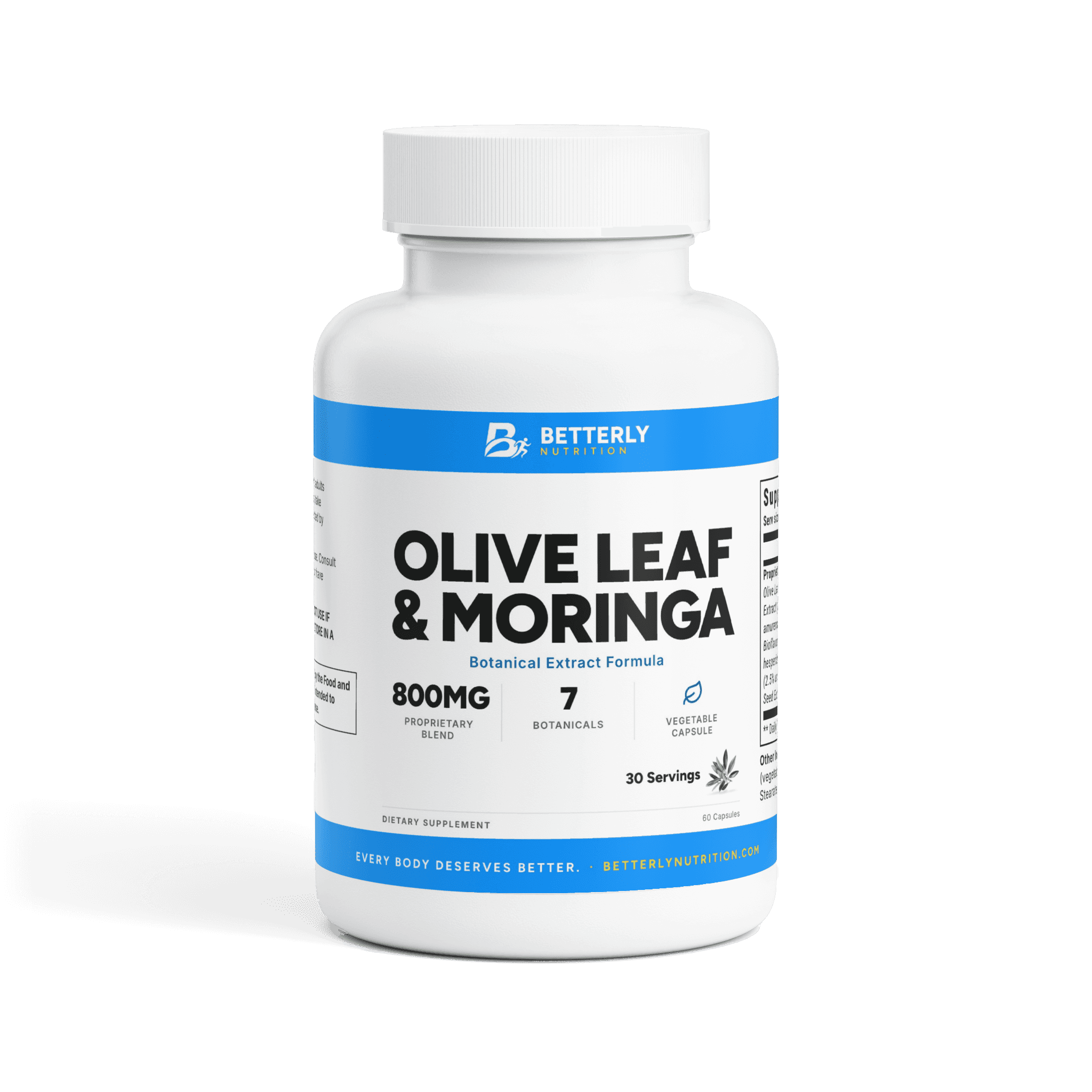
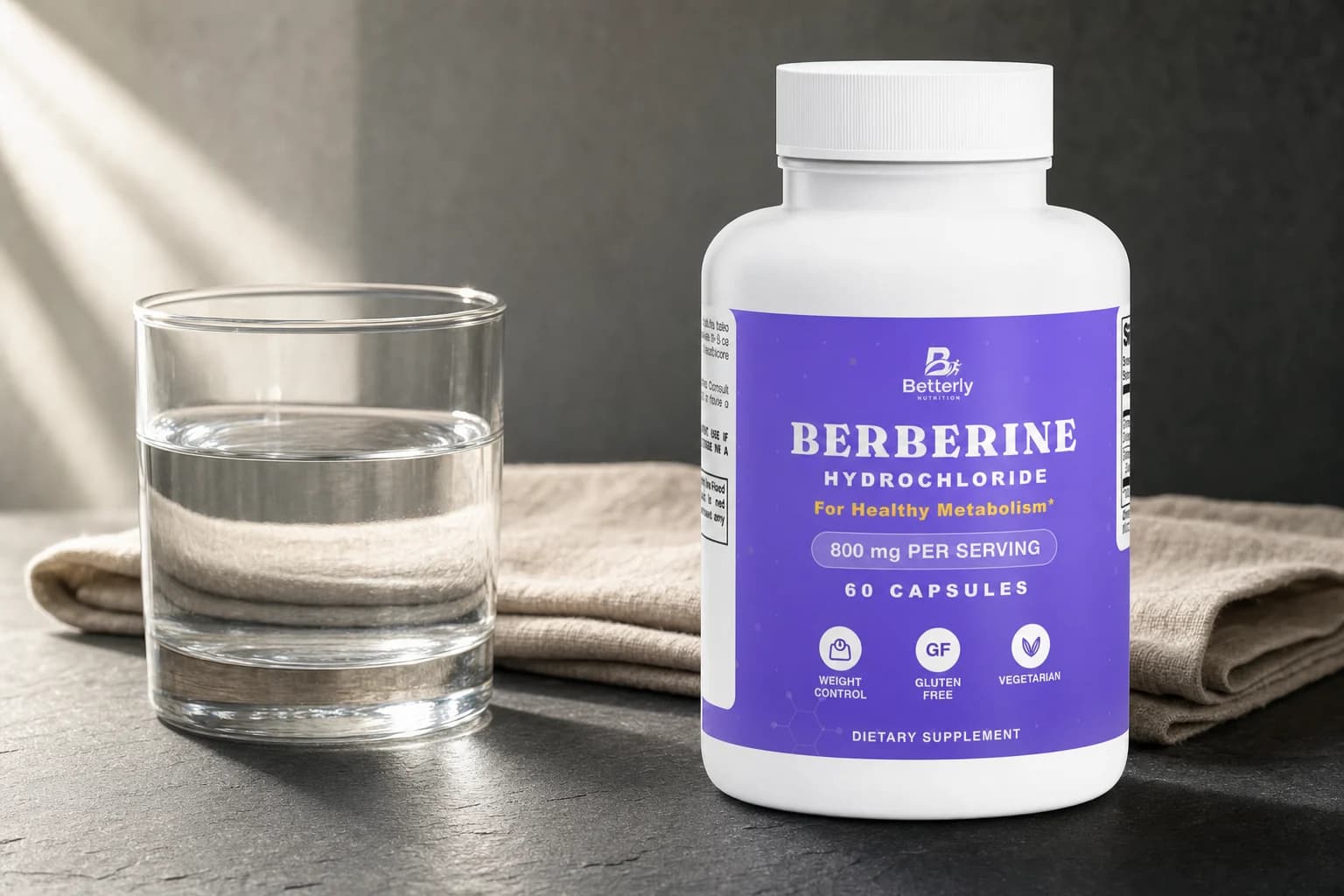
Berberine HCl Capsules is the one we'd point most people to first — berberine suits the broadest goal on this page (general metabolic support alongside diet changes), and ours is a single-ingredient formula with nowhere to hide. Each two-capsule serving of our berberine capsules carries 800 mg of berberine HCl extracts — 790 mg of an 8% bark-and-root extract plus 10 mg of a concentrated 97% extract — with both standardizations printed on the panel. Read that the way we just taught you: those are extract weights, not 800 mg of pure berberine. For an ingredient famous for testing stomachs, the label keeps it simple: two capsules daily, with a "do not exceed recommended dose" caution — and because every line is printed, it's an easy label to hand your provider. Sixty plant-based capsules, a thirty-day supply.
MCT Oil & L-Carnitine Capsules is the multi-pathway option, and its quiet strength is what's not on the label: no caffeine, no stimulants, anywhere on the panel. Instead of one big jolt, each four-capsule serving works several angles at once — chromium at 571% of the Daily Value and choline at 37%, alongside vitamin B6, vitamin C, and 500 mg of inositol, plus named amounts of MCT oil, CLA, L-carnitine, gymnema, garcinia, turmeric, and CoQ10. One thing said once, plainly: both ingredients in the name are supporting players — 70 mg of MCT oil and 25 mg of L-carnitine per 4-capsule serving — so the formula's real case is that mineral-and-vitamin row. And yes, there's a 631 mg blend on the label, every ingredient named, from spirulina to cinnamon bark; we call it a blend because that's what it is. Read the full label yourself — it's all there. Twenty-two servings per bottle.
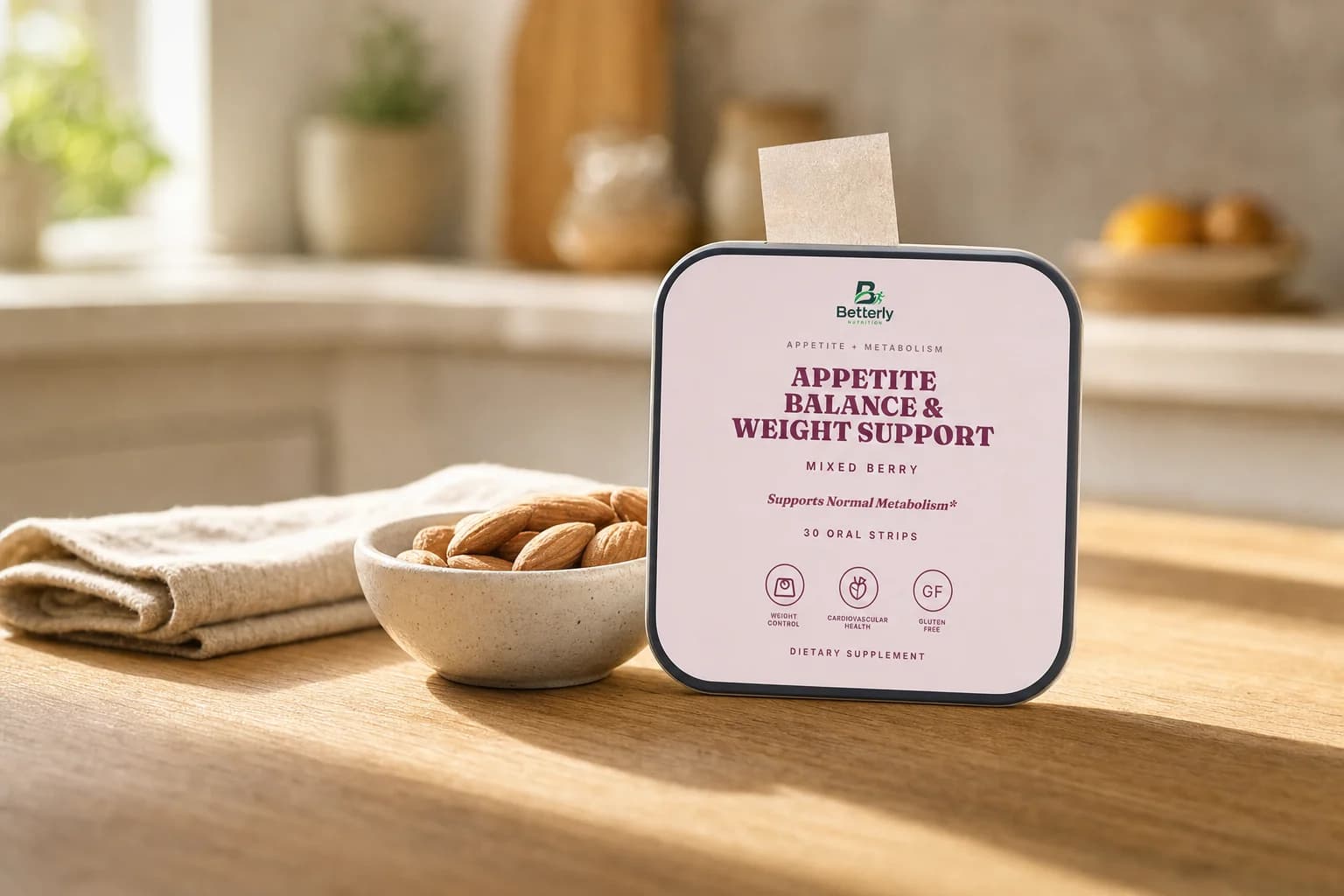
Saffron & Chromium Appetite Strips are the fully-broken-out label in the lineup: each single strip of our saffron and chromium strips prints exactly what's in it — 10 mg of saffron, 75 mcg of chromium as picolinate (214% DV), 10 mcg of molybdenum — with no blend anywhere on the panel. The 10 mg of saffron is a light daily touch, and the format is the honest selling point: a strip that dissolves on your tongue, no water, no capsule, living in the same desk drawer where the mid-afternoon grazing happens. Thirty strips per pack.
Whichever you pick, the boring Betterly stuff applies: shipping at USPS cost with no markup, Subscribe & Save you can cancel yourself, and a 30-day arrives-right-or-we-make-it-right policy.
How to use metabolism support supplements well
One unglamorous truth first: the best format — capsule, drop, or strip — is whichever you'll actually take every day; consistency beats potency. From there:
- One new thing at a time. Add a single product, keep everything else steady, and you'll actually know what's helping.
- Anchor it to a meal. The label for our MCT Oil & L-Carnitine Capsules says to take them with meals, which makes a meal the easiest habit anchor you own; for anything else, follow that product's own label. Our guide to building a simple supplement routine shows how to set one up without willpower.
- Track something honest. How well meals satisfy you, how often you graze, and your afternoon energy.
- Loop in your provider if you're pregnant, nursing, under 18, take medication, or have an ongoing health concern.
The honest bottom line
Metabolism support supplements occupy a small, real, frequently oversold corner of wellness. The habits do the heavy lifting. A few ingredients, berberine among them, may offer a modest assist. Buy them the way we've laid out here: amounts checked before you buy, blends called blends, realistic expectations. Start with one, take it as the label directs, and let your own experience cast the deciding vote.
FAQ: metabolism support supplements
Do metabolism support supplements actually work?
Modestly, sometimes, for some people — that's the honest reading of the research. At most, ingredients like berberine and L-carnitine show only small effects, always alongside diet and activity changes. Nothing in this category replaces muscle, everyday movement, protein, and sleep.
What's the best supplement to support metabolism?
There's no universal winner. If you want general metabolic support alongside diet changes, berberine is where we'd start; research suggests it plays a role in the body's normal glucose and fat metabolism. If appetite is your real challenge, saffron-based support may fit you better than anything marketed as "thermogenic."
How do I know if a metabolism supplement is working?
Judge a metabolism support supplement on honest markers like meal satisfaction, snacking frequency, and steady afternoon energy. There's no set timeline, and no supplement should promise one. Take it consistently, exactly as its label directs. If you're unsure whether to keep going, your provider or pharmacist is a good sounding board.
Why do printed doses matter so much?
Because research is dose-specific: a study on a particular daily amount can only be compared to a label that states its amounts. That's why per-ingredient numbers are the gold standard, and why the one non-negotiable is seeing the complete supplement facts panel before you buy. A blend can still be an honest purchase when its total weight and full ingredient list are printed and the brand says plainly what it is. Walk away from the label you can't see until the bottle is already on your counter.
Sources
- Dietary Supplements for Weight Loss - Consumer Fact Sheet, NIH Office of Dietary Supplements
- Carnitine - Consumer Fact Sheet, NIH Office of Dietary Supplements
- Chromium - Consumer Fact Sheet, NIH Office of Dietary Supplements
If this left you looking for somewhere to start, read berberine capsules for metabolism support — its amounts per serving are listed on the page. For the practical questions this raises, how dosing, sourcing and subscriptions work is answered in one place.