On this page
- First, figure out why you're always snacking
- Build meals that actually hold you
- Slow down: the mindful eating shift that changes how full you feel
- Drink first: thirst is a convincing hunger impostor
- Sleep and stress: the hidden snacking drivers
- Redesign your snack environment (especially evenings)
- Where supplements fit: an honest look at craving support
- Key takeaways
- FAQ: snacking and cravings
It's 3 p.m., lunch feels like a distant memory, and you're standing in front of the pantry again. If you want to know how to stop snacking between meals, here's the honest starting point: it's almost never a willpower problem. Constant snacking usually comes down to a handful of specific causes — meals that don't hold you, eating too fast, thirst doing a convincing hunger impression, short sleep, and habit loops that run on autopilot — and every one of them has a practical fix.
This guide works through those causes one at a time. Supplements get a section too, near the end, because that's where they belong: a small nudge layered on top of the habits, never a substitute for them.
First, figure out why you're always snacking
If you've ever typed "why am I always snacking" into a search bar, you already suspect the answer isn't simple hunger. Between-meal eating usually traces back to one of three drivers, and the way to stop snacking between meals depends on which one is yours:
- Real hunger. Your meals aren't holding you. This is the most common driver and the most fixable — it usually means breakfast or lunch is light on protein, fiber, or fat.
- Habit. You snack at the same times, in the same places, doing the same things — 3 p.m. at your desk, 9 p.m. on the couch. The cue is the clock or the room, not your stomach.
- Stress and emotion. A hard meeting, a tense conversation, plain boredom. Food works as a fast mood changer, which is exactly why it becomes the default.
Here's a simple way to tell them apart: for three days, jot a one-line note every time you snack — the time, what you grabbed, and what was happening right before. No judgment, just data. Most people discover their snacking clusters around two or three specific moments, which means you don't have to overhaul your whole life. You have to fix two or three moments.
One more useful test: real hunger accepts substitutes. If you'd happily eat an apple, you're probably hungry. If only the chips will do, that's a craving — and cravings respond to different tools than hunger does.
Build meals that actually hold you
If you want to feel full longer, the single highest-leverage change is what's on your plate at actual meals. Between-meal hunger is very often a delayed verdict on the meal you ate two hours ago.
Three things slow digestion and keep fullness signals going:
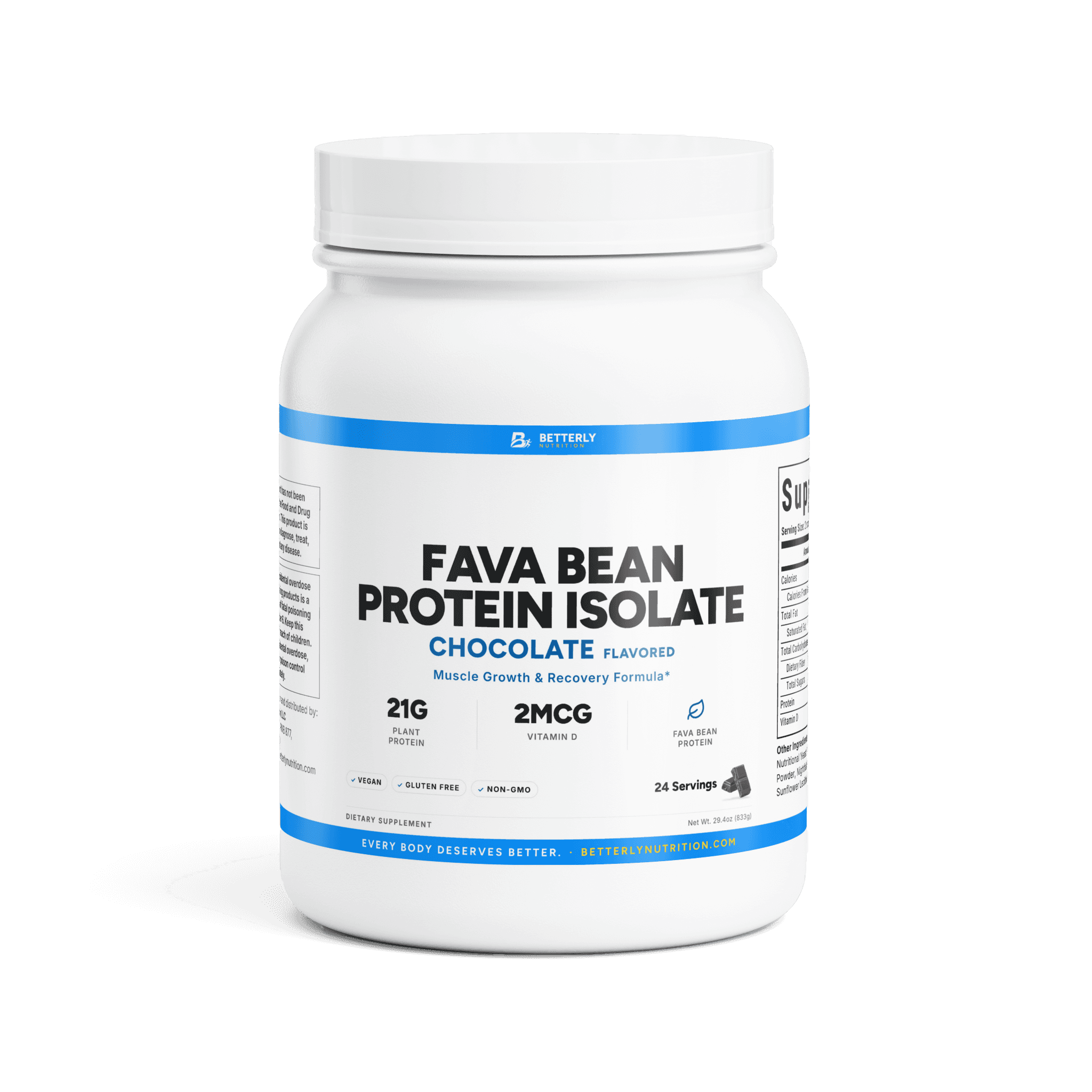
- Protein. This one has real research behind it. In one controlled study, when protein dropped from 15% to just 10% of daily calories, people ate roughly 12% more overall — and most of the extra came from snacking between meals. Protein digests slowly and signals fullness strongly. A palm-sized portion at each meal is a reasonable target; if breakfast is your weak spot, a shake made with Fava Bean Protein Isolate Powder (Chocolate) is an easy patch.
- Fiber. Vegetables, beans, oats, fruit with the skin on. Fiber adds bulk, slows the whole meal down, and keeps things moving in ways your gut appreciates — our gut health basics guide covers why that matters well beyond fullness.
- Fat. A real amount, not a fear-based drizzle. Olive oil, avocado, nuts, full-fat yogurt. Fat slows stomach emptying, which is a direct lever on how soon you're hungry again.
The pattern to avoid is the one many of us default to: a light, carb-leaning breakfast (toast, cereal, a granola bar), a "virtuous" salad lunch with little protein, and then a mystery about why 3:30 p.m. feels like an emergency. It's not a mystery. The meals were small enough that your body is simply collecting the difference.
Slow down: the mindful eating shift that changes how full you feel
Fullness signals run on a delay. The hormones released as food reaches your gut take roughly twenty minutes to fully register — so if you finish lunch in eight minutes at your desk, you've paid for a meal and skipped the part where your brain finds out about it.
A few mindful eating tips that don't require a meditation cushion:
- Screens off for the first ten minutes. Distracted eating is consistently linked with eating more and remembering less of it — and a meal you don't remember doesn't do much to keep afternoon cravings quiet.
- Put the fork down between bites. Mechanical, unglamorous, effective.
- Do a half-time check. Halfway through the meal, pause for thirty seconds and ask how hungry you still are. Not to stop eating — just to reconnect the wire between your stomach and your decisions.
- Actually chew. Slower eating gives those delayed fullness signals a chance to arrive while food is still on the plate.
None of this is about eating less at meals. It's about letting the meal you already ate register — which is often the difference between coasting to dinner and rummaging at 4 p.m.
Drink first: thirst is a convincing hunger impostor
Mild thirst and mild hunger feel remarkably similar — a low-grade, unsettled, "I need something" signal. If you're under-hydrated, and most desk-bound afternoons make that easy, some of your snack urges are really drink urges.
The fix is almost embarrassingly simple: when the urge hits, drink a full glass of water and wait ten minutes. If it was thirst, the urge fades. If it was hunger, it's still there — and now you get to answer it deliberately instead of reflexively. Sparkling water, herbal tea, or water with lemon all count, and the small ritual of making a hot drink is itself a decent pattern-breaker for habit snacking.
Sleep and stress: the hidden snacking drivers
If your snacking has recently gotten louder and your meals haven't changed, look at your nights and your stress load before blaming your discipline.
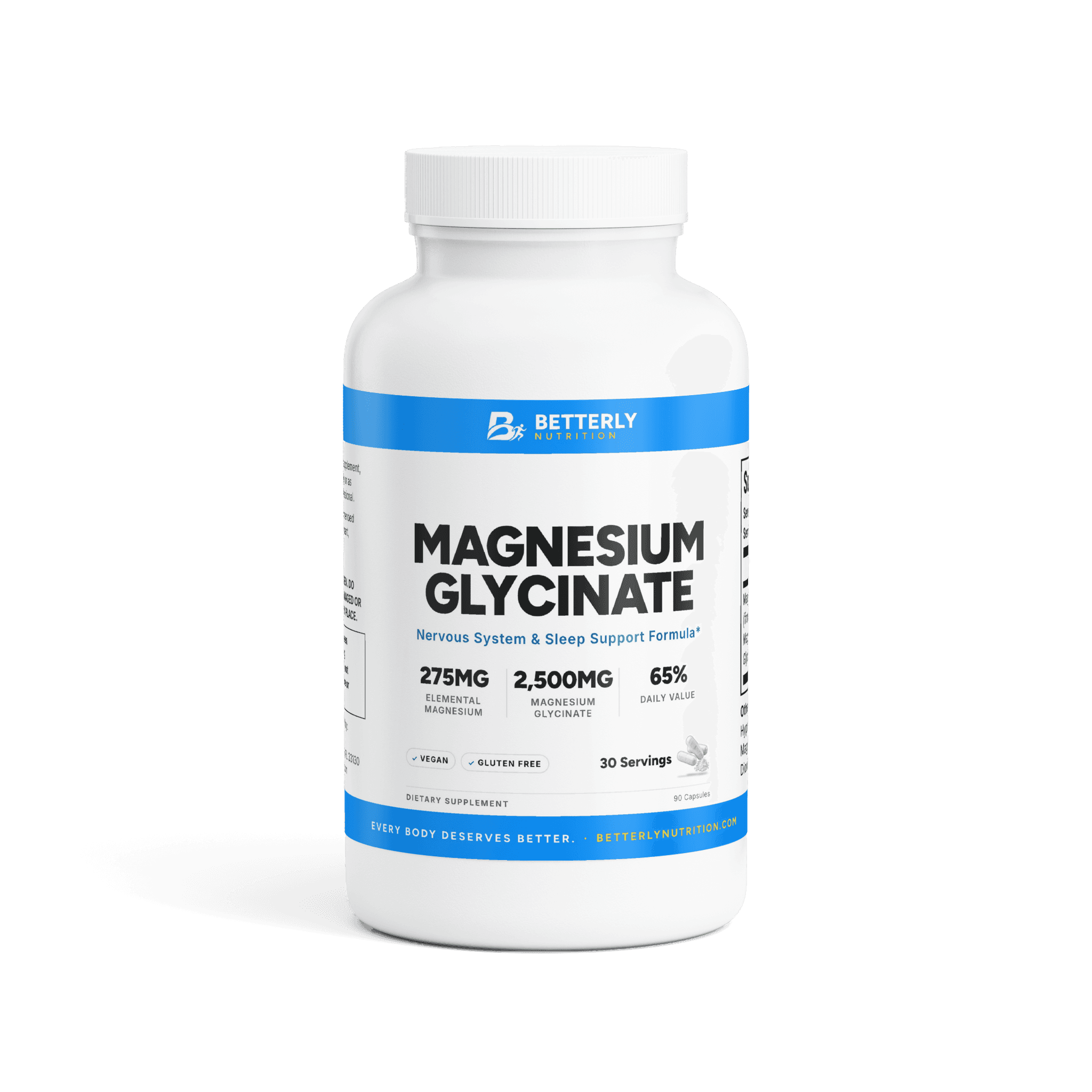
Short sleep changes your appetite signals. In sleep-lab studies, people whose sleep was cut short tended to eat more. In one, people limited to 5.5-hour nights ate about 220 more calories a day from snacks, not meals, and slightly more of those snack calories came from carbohydrates. Findings on hunger hormones such as ghrelin and leptin have been mixed. The research isn't perfectly uniform, but the practical pattern shows up over and over: tired days are snacky days. If winding down at night is your bottleneck, our guide to supplements that support better sleep covers the honest options, including our Magnesium Glycinate Capsules.
Occasional stress pushes you toward exactly the foods you're trying to skip. Under pressure, your body nudges you toward quick, rewarding calories — it's a feature of your wiring, not a character flaw. The countermove isn't "resist harder"; it's giving the stress somewhere else to go first. A ten-minute walk, two minutes of slow breathing, stepping outside, texting a friend. If the urge survives that, eat something real and move on. Often it doesn't survive.
Redesign your snack environment (especially evenings)
Most advice about how to stop snacking between meals leans on willpower — but willpower is a terrible full-time employee. Environment works every shift without complaint. A few high-leverage changes:
- Don't stock your trigger foods. Not "hide them" — don't buy them. The decision happens once, in the store, when you're not hungry, instead of forty times a week at home when you are.
- Make the good option the visible option. Fruit on the counter, cut vegetables at eye level in the fridge, nuts portioned into small containers. You eat what you see.
- Break the couch-and-screen pairing. Evening snacking is the classic habit loop: same couch, same show, same bowl. Change one element — tea instead of the bowl, a different seat, something for your hands. The loop needs all its pieces to fire.
- Close the kitchen. A defined "kitchen's closed" time — dishes done, lights off, maybe a cup of herbal tea — gives the evening a clean ending. It sounds small. It works.
Where supplements fit: an honest look at craving support
Here's our position, stated plainly: no supplement replaces the habits above. If your meals are light on protein, you're sleeping five hours, and the pantry is stocked with trigger foods, a strip or a capsule will not out-argue your biology. Anyone selling supplements for cravings as a standalone answer is selling you something.
That said, a couple of ingredients have interesting — if early — research for people who have the basics mostly in place and want a small extra nudge.
Saffron extract is the most interesting of them. In a small 8-week placebo-controlled study of mildly overweight women, participants taking a saffron extract reported less between-meal snacking and a stronger sense of satiety than the placebo group. It's one small study, and a later 4-week trial of a combination supplement that included the same saffron extract found no difference in cravings compared with placebo. We go deeper on the research in our saffron extract guide.
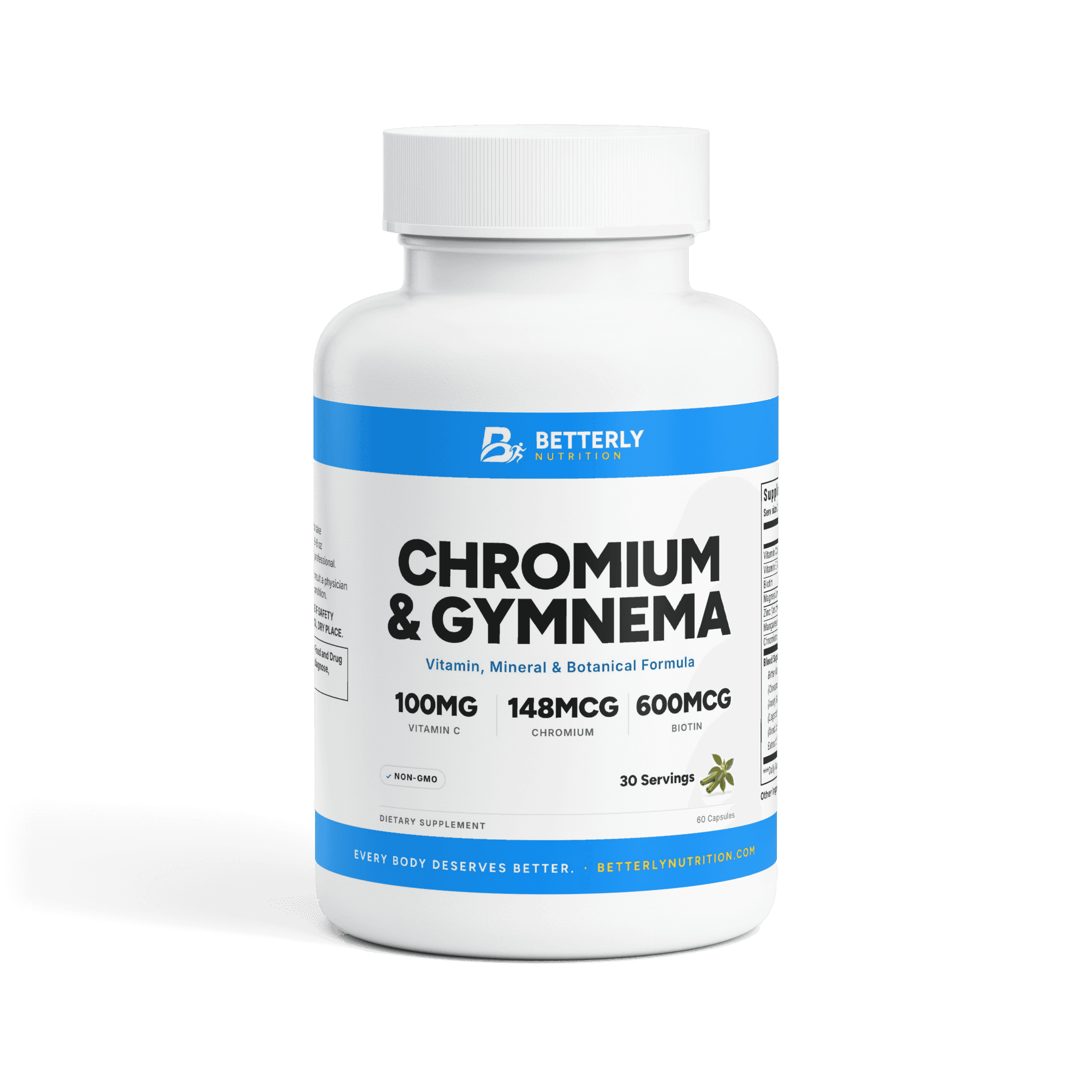
Chromium is a trace mineral that has been tested in a few small trials in people who report carbohydrate cravings, with modest, mixed results. According to the NIH Office of Dietary Supplements, researchers don't fully understand what chromium does in the body. The evidence is early; think supporting actor, not headline.
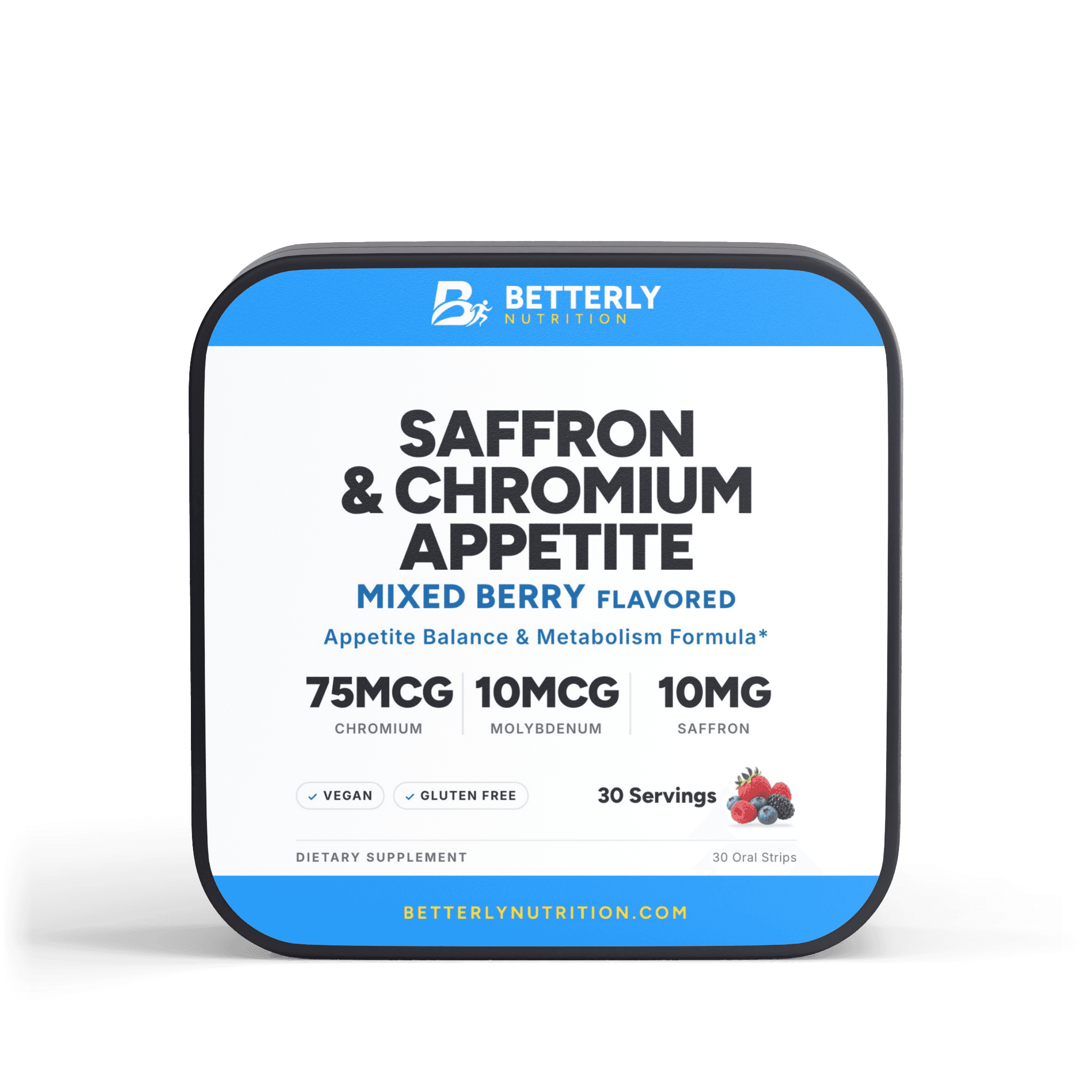
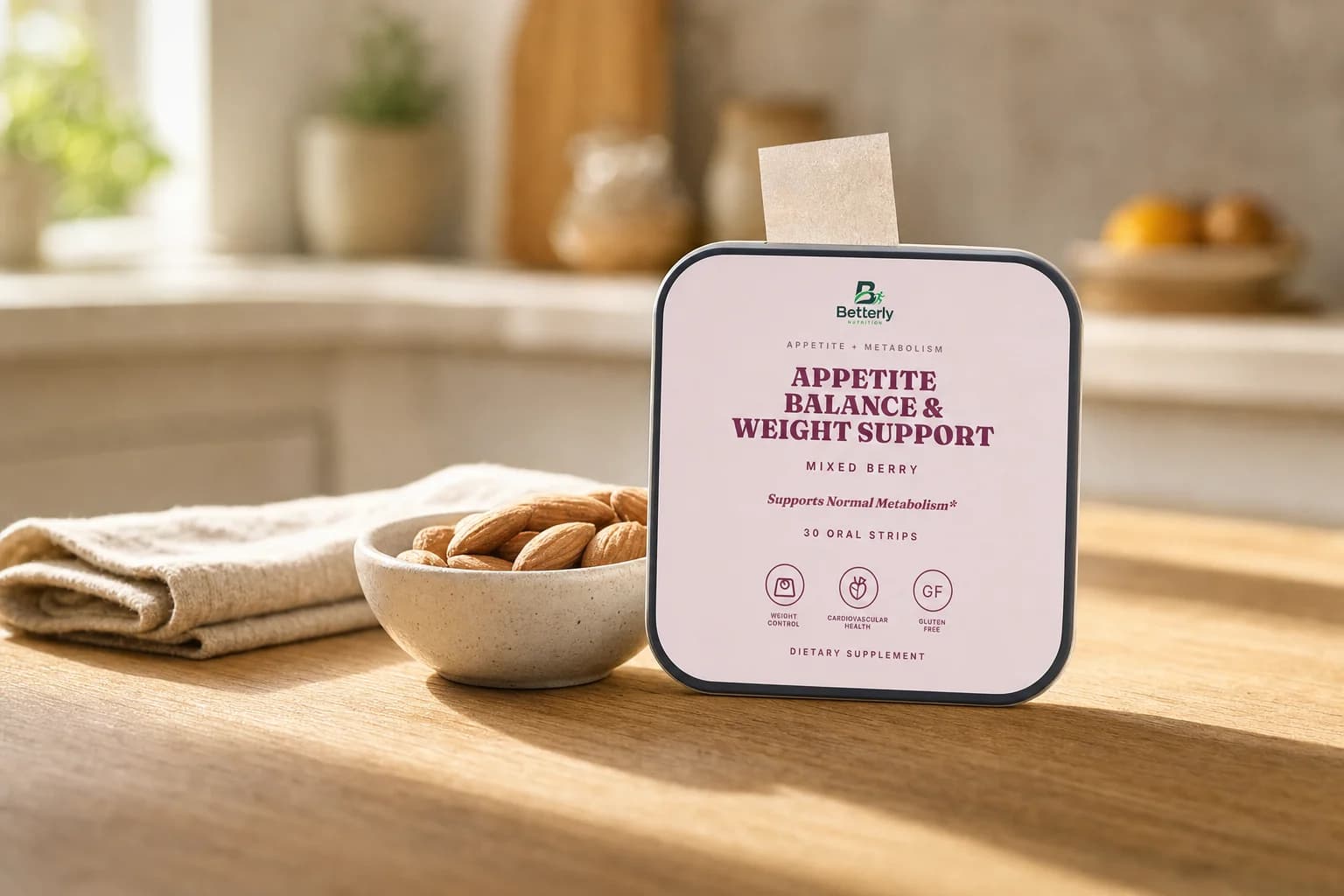
Our Saffron & Chromium Appetite Strips provide 10 mg of saffron and 75 mcg of chromium per 1 oral strip (130 mg) serving, with 30 strips in a pack. That is far less than the 176.5 mg a day of a saffron extract used in the study above, so we don't claim the strip reproduces those results. The label's suggested use is to place 1 oral strip on the tongue daily and allow it to dissolve.
It's an add-on to the habits above, not a replacement for them. The label says not to exceed the recommended dose. Check with a healthcare provider first if you're pregnant or nursing, under 18, taking any prescription medication, or managing a medical condition. According to the NIH Office of Dietary Supplements, chromium supplements might interact with some medicines, so tell your doctor or pharmacist about any supplement you take.
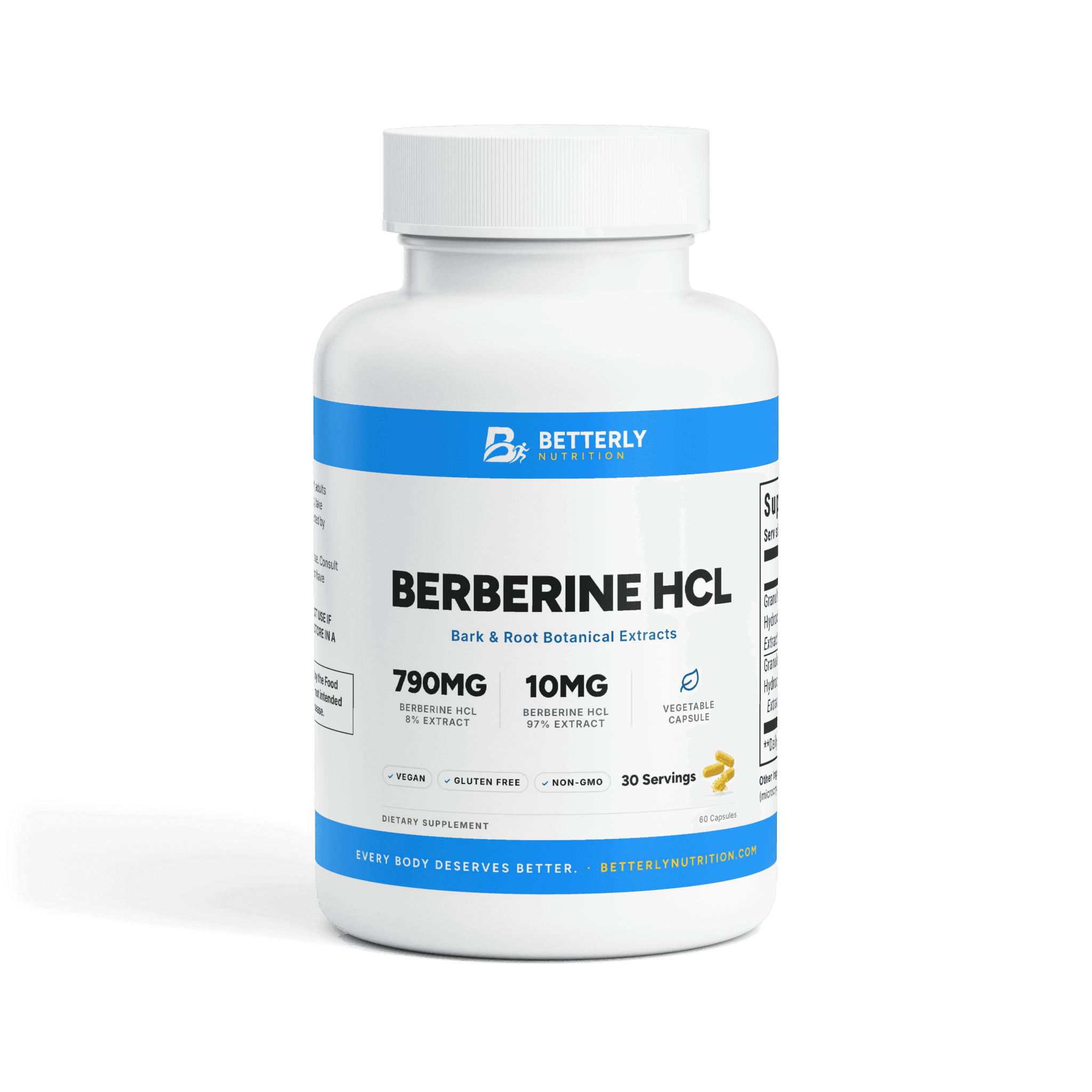
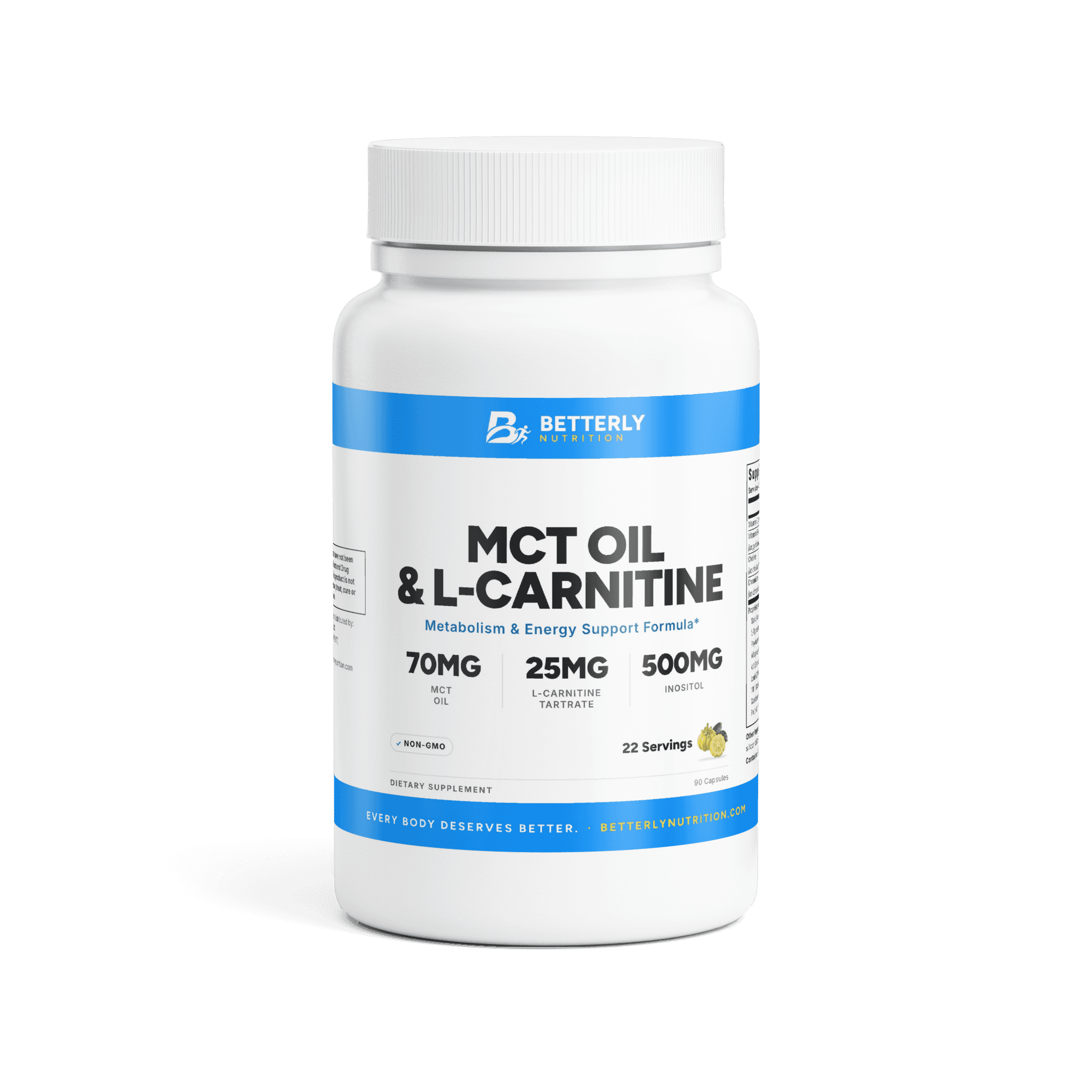
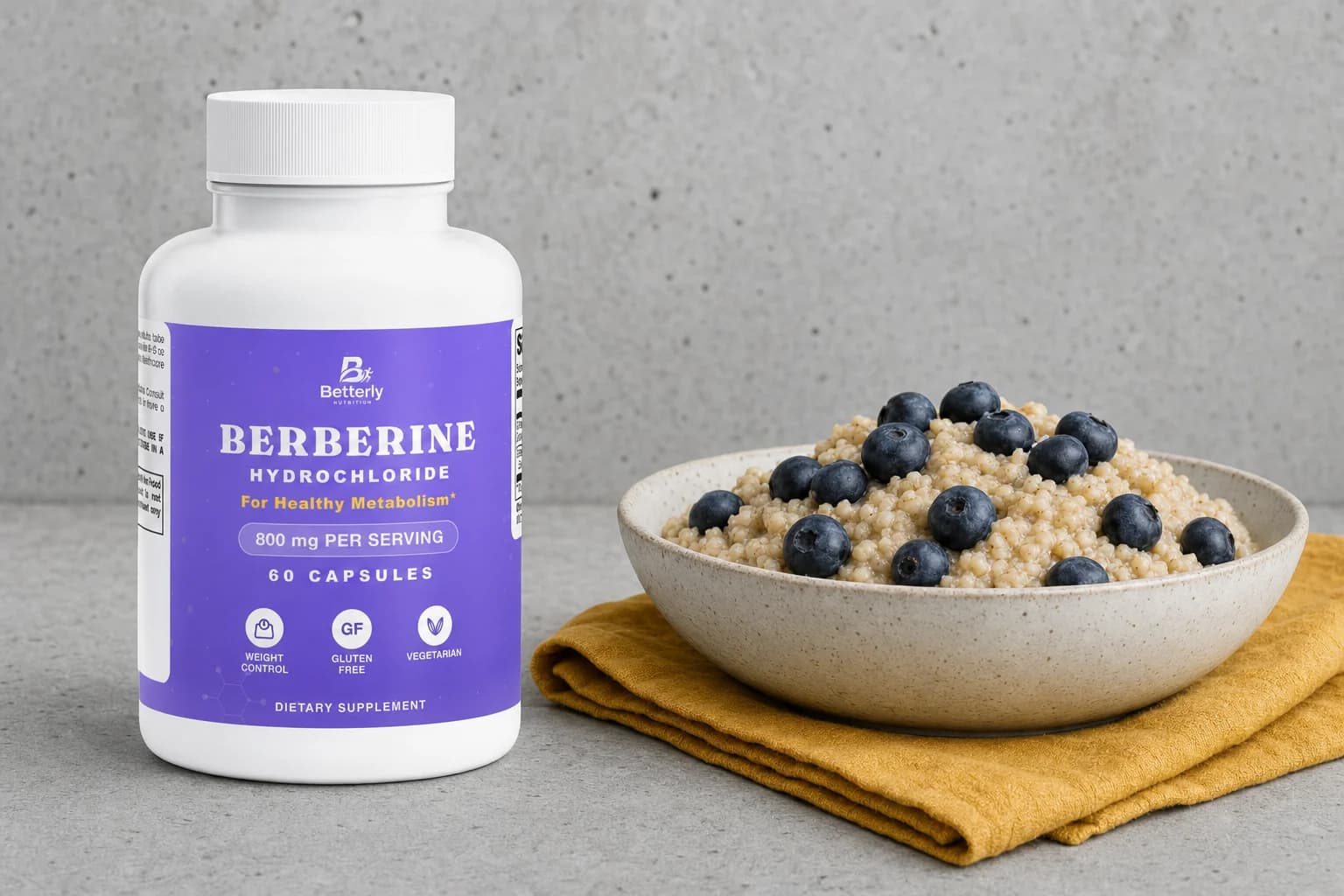
If you're interested in metabolism support more broadly, Berberine HCl Capsules are a separate conversation. Berberine is studied for metabolism rather than cravings, and our berberine guide walks through the research and who should check with a physician before trying it. And if you're weighing a stimulant-free formula, our label read of L-carnitine and MCT oil together goes through one panel line by line.
You can compare everything in this category in the Weight Support collection, and if you do add something new, our guide to building a simple supplement routine covers how to start one thing at a time so you can tell what's actually helping.
Key takeaways
- Snacking is a signal, not a character flaw. Three days of quick notes will show you whether yours is hunger, habit, or stress — each has a different fix.
- Meals that hold you are the foundation. Protein, fiber, and real fat at breakfast and lunch quiet the afternoon more than any other change.
- Slow down and drink first. Fullness runs on a twenty-minute delay, and thirst is a convincing hunger impostor.
- Protect your sleep. Short nights reliably make the next day snackier.
- Change the environment, not just the intention. What's visible and available wins by default.
- Supplements are a nudge at most. Saffron and chromium have early, limited research related to snacking and cravings, and they only make sense on top of the habits, never instead of them.
FAQ: snacking and cravings
Is it actually bad to snack between meals?
No — a planned snack is a perfectly good tool, especially when meals sit far apart. The problem is unplanned grazing you barely register, which leaves you less hungry for real meals. One deliberate snack you sit down for beats five handfuls you don't remember.
Why do I crave sugar in the afternoon?
Usually some mix of a light lunch, a natural early-afternoon energy dip, and — if you slept badly — appetite signals tilted toward quick calories. A protein-anchored lunch plus a short walk at the slump usually does more than any amount of resisting.
How long does it take to break a snacking habit?
Once you know how to stop snacking between meals — meals that hold you, water first, a closed kitchen — the new pattern still takes time to stick. Research on habit formation found that a new habit typically takes around two months to feel automatic, with a very wide range from person to person. Expect the first week to be the loudest, and expect slip-ups — the overall pattern matters, not any single evening.
Do supplements for cravings actually work?
Modestly, at best, and only on top of solid habits. Saffron extract has one small placebo-controlled study showing less snacking; chromium has been tested in a few small trials in people who report carbohydrate cravings, with mixed results. Both are nudges. Nothing in a strip or capsule overrides a skipped breakfast and five hours of sleep.
How can I feel full longer without eating more food?
Change the composition, not the quantity: more protein and fiber, some real fat, eaten slowly enough for your fullness signals to catch up — they run about twenty minutes behind your fork. Most people feel fuller on the same amount of food simply by rebalancing breakfast and lunch.
What should I do in the moment a craving hits?
Drink a glass of water, set a ten-minute timer, and change your location — even just walking to another room. That's the honest core of how to curb cravings naturally, and most habit-driven urges don't survive the wait. If it's still there after ten minutes, eat something with protein in it, sitting down, and count it as a decision rather than a failure.
If this left you looking for somewhere to start, read saffron and chromium strips for mindful eating — its amounts per serving are listed on the page. For the practical questions this raises, how dosing, sourcing and subscriptions work is answered in one place.