On this page
"Gut health" gets used to sell just about everything these days, which makes it hard to know what actually matters. The good news: the fundamentals are refreshingly ordinary, and most of them don't cost a thing. This guide walks through how to improve gut health in a way that's realistic — what the science generally supports, where supplements fit, and what to be skeptical of.
What we mean by "gut health"
Your gut is more than a digestion tube. It's home to trillions of microbes — collectively called the gut microbiome — that help you break down fiber, produce certain vitamins, and interact with your immune system. A healthy gut is generally associated with comfortable, regular digestion, a diverse mix of microbes, and an intestinal lining that does its job of keeping the right things in and out.
There's no single lab test that gives you a tidy "gut health score," and anyone selling you one should be met with a raised eyebrow. Instead, think of gut health as a pattern of everyday habits that support your digestive system over time — not a quick fix.
Start with food (this is the big one)
If you change one thing, make it what's on your plate. Your microbes eat what you eat, and they're especially fond of fiber.
Eat more plants, and more kinds of them
Diversity on your plate tends to support diversity in your microbiome. A frequently cited target is aiming for a wide range of plant foods across a week — vegetables, fruits, whole grains, beans, lentils, nuts, and seeds. You don't need to count anything; just rotate what you buy so you're not eating the same three vegetables on repeat.
Prioritize fiber
Fiber is the fuel your gut bacteria ferment into short-chain fatty acids, compounds that help nourish the cells lining your colon. According to MedlinePlus, Americans eat about 16 grams of fiber a day on average, while the recommendation for adults is 21 to 38 grams, so there's usually room to add:
- Beans, lentils, and chickpeas
- Oats, barley, and other whole grains
- Berries, apples, and pears (skins on)
- Leafy greens and cruciferous veggies like broccoli
A practical tip from MedlinePlus: add fiber gradually over a few weeks and drink plenty of fluids. Going from very little to a lot overnight can leave you bloated and uncomfortable.
Include fermented foods
Foods like yogurt with live cultures, kefir, sauerkraut, kimchi, and miso naturally contain live microbes. Working a small serving into your routine is an easy, food-first way to support your gut. Read labels — "live and active cultures" matters, and shelf-stable versions are sometimes pasteurized after fermentation, which removes the live cultures.
The habits that surround your meals
Digestion doesn't happen in a vacuum. A few non-food basics quietly support your gut every day.
Sleep
Your gut and your sleep are more connected than most people realize. Poor or irregular sleep can throw off appetite, digestion, and the daily rhythms your microbiome seems to follow. Aiming for consistent, adequate sleep is an underrated gut habit — and it's free.
Movement
Regular physical activity supports healthy, regular digestion. You don't need a punishing routine; walking, especially a short walk after meals, is a genuinely useful place to start.
Stress
The gut-brain connection is real — ever felt butterflies or lost your appetite when you were nervous? Ongoing stress can affect digestion and how your gut feels day to day. Simple, repeatable practices — a few minutes of slow breathing, time outdoors, winding down before bed — help support the routine your gut thrives on. For more on supporting the body through everyday stress, see our guide to adaptogens.
Hydration
Water keeps things moving, quite literally. Fiber works best when you're drinking enough, so the two go hand in hand.
Where supplements fit
Here's the honest framing: supplements are one part of a healthy routine, not a substitute for the fundamentals above. If your sleep, food, movement, and stress are all over the place, a capsule isn't going to carry the load. That said, some people find targeted support helpful alongside the basics.
Probiotics
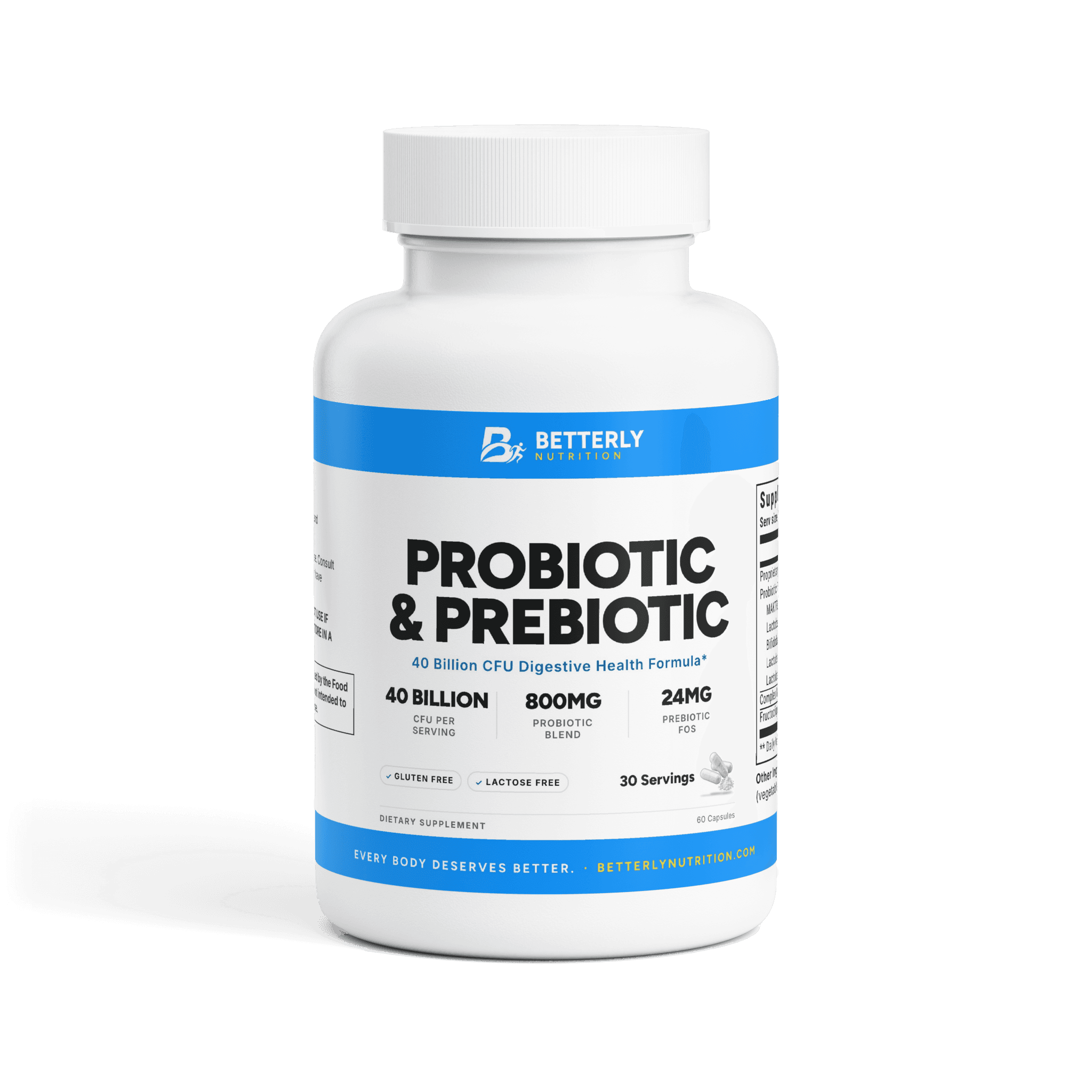
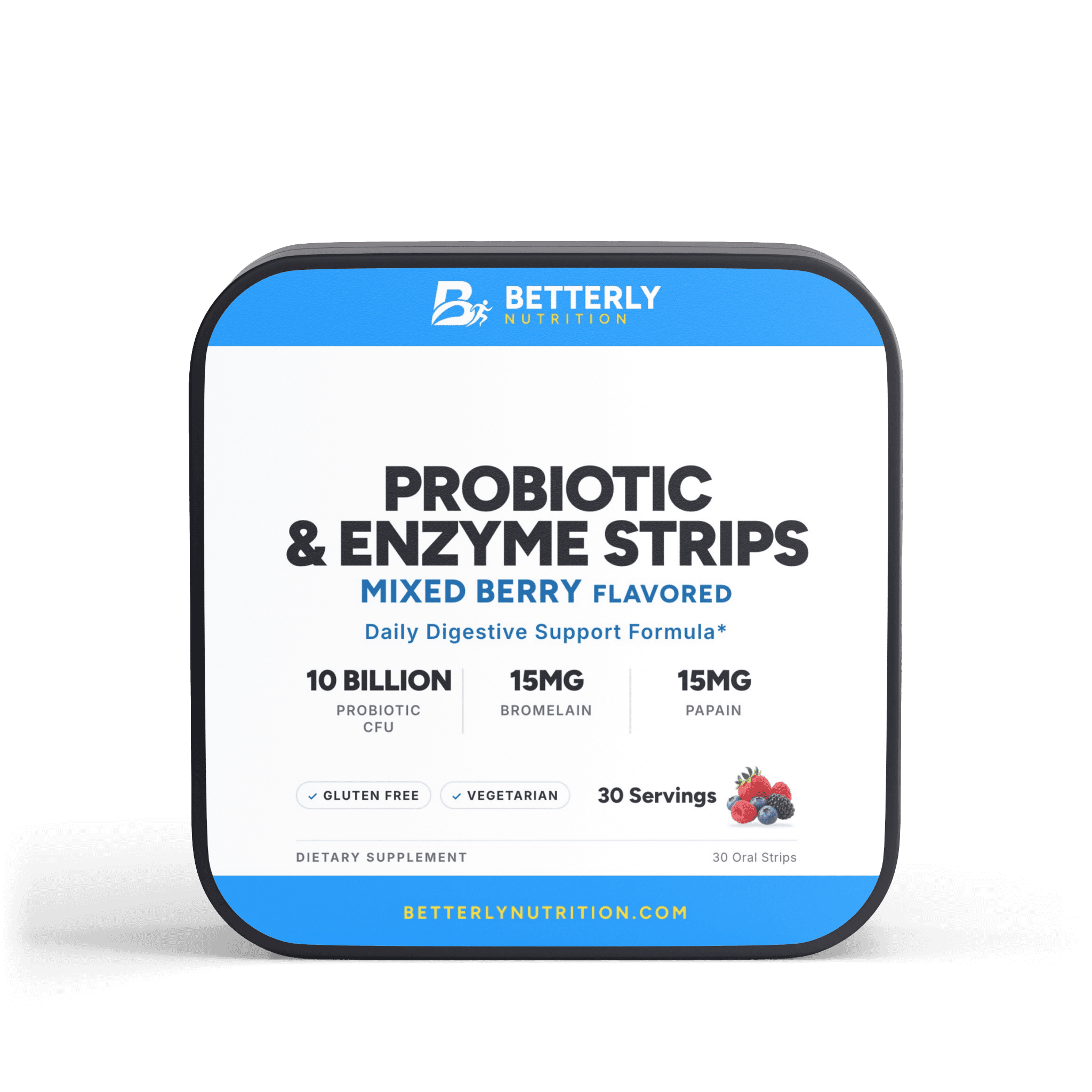
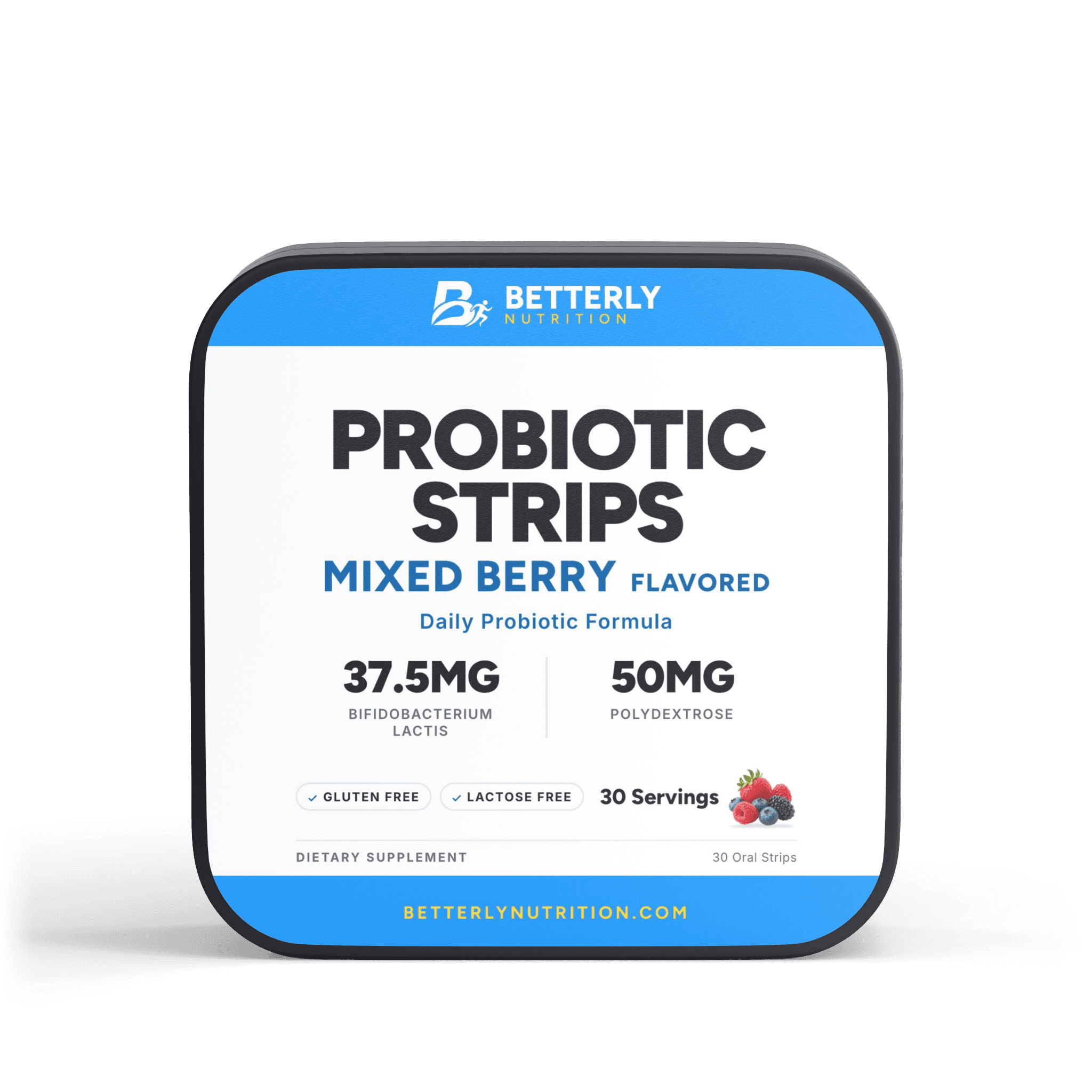
Probiotics are live microorganisms that, in adequate amounts, are intended to support the existing community in your gut. According to the National Center for Complementary and Integrative Health (NCCIH), different types of probiotics may have different effects. CFU counts and formulation vary widely too, so it's worth understanding what you're actually buying rather than grabbing the flashiest label. We break this down in our guide to how to choose a probiotic. Not sure whether you want digestive enzymes or probiotics? We compare the two side by side.
Prebiotics and fiber supplements
Prebiotics are essentially food for your good microbes — often specific fibers like inulin. Whole foods should come first, but a prebiotic or fiber supplement can help fill gaps in a busy week. Start with a small amount to see how your body responds.
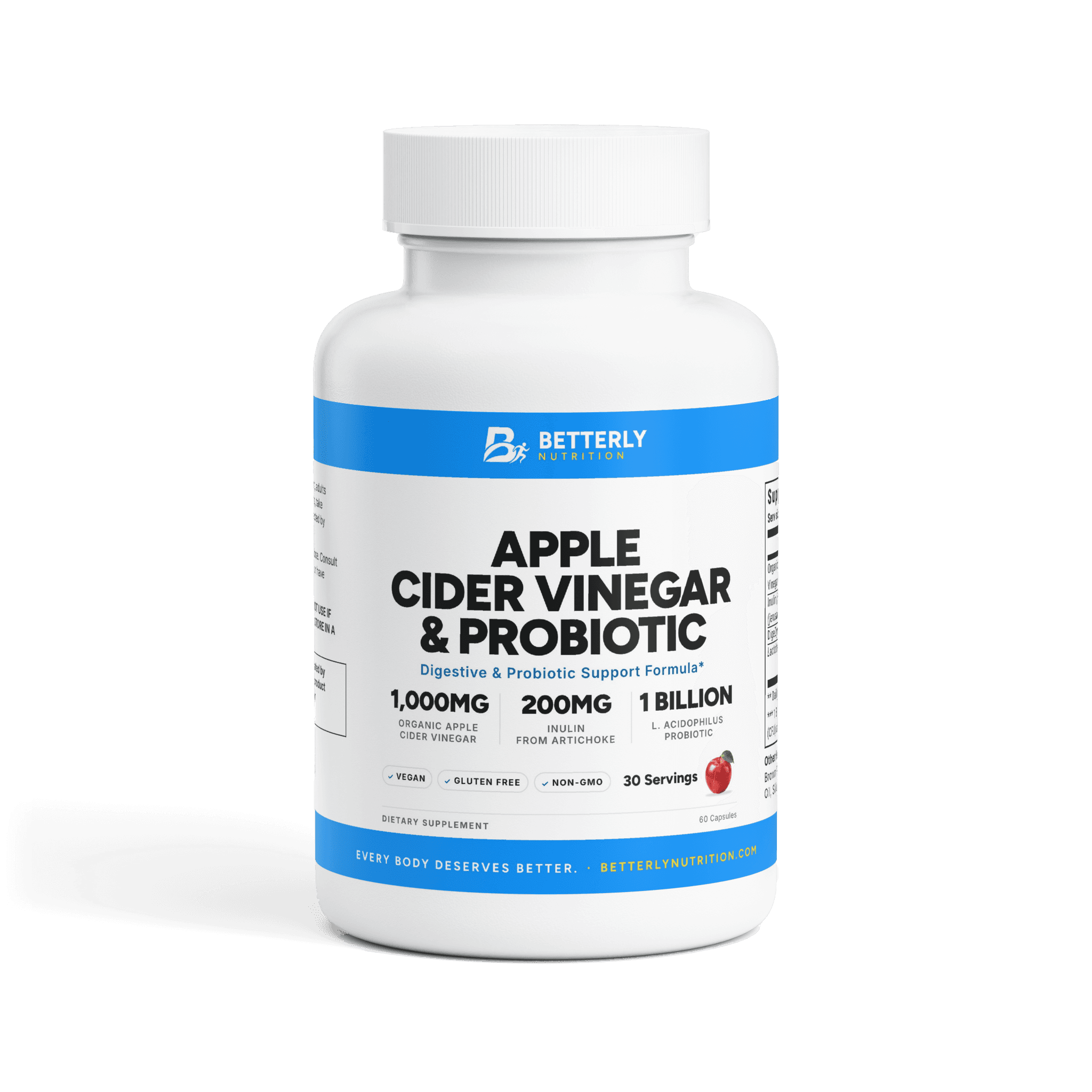
You can explore our Apple Cider Vinegar & Probiotic Capsules or browse the full Gut Health & Digestion collection if you'd like to see what a food-first routine might be supported by.
A few myths worth retiring
- "You need a special product to reset your gut." Your body already has its own well-designed systems for digestion, and no supplement or product "resets" your gut.
- "More probiotics is always better." According to the NIH Office of Dietary Supplements, higher CFU counts alone don't necessarily mean greater benefits; a product's benefits, if any, depend on both its specific strains and its CFU count, not just a giant number on the box.
- "One test will tell me exactly what's wrong." Consumer microbiome tests are interesting but still an evolving science; be cautious of anything promising precise fixes based on a single sample.
Key takeaways
- Food first. A varied, plant-rich, fiber-forward diet with some fermented foods does most of the heavy lifting.
- Surround it with good habits. Consistent sleep, regular movement, managed stress, and enough water all support your gut.
- Add fiber gradually and drink water alongside it to stay comfortable.
- Supplements are a supporting role. Probiotics and prebiotics can complement a healthy routine, not replace it.
- Be skeptical of quick fixes. Quick-fix products, "reset" promises, and one-and-done tests tend to overpromise.
When to check in with a professional
Everyday digestive ups and downs are normal, but persistent or concerning symptoms — ongoing pain, significant changes in your digestion, or anything that worries you — are worth discussing with a healthcare provider. Supplements aren't a stand-in for medical advice, and a good clinician can help you sort out what's going on.
Better gut habits are built slowly, one ordinary choice at a time. If you'd like some support to go alongside the food, sleep, and movement basics, take a look at our gut health and digestion supplements — chosen to fit into a real routine, not replace it. We're not here to sell you a reset; we're here to help better feel doable.
Sources
- Fiber — MedlinePlus Medical Encyclopedia
- Probiotics: Usefulness and Safety — NCCIH
- Probiotics: Fact Sheet for Consumers — NIH Office of Dietary Supplements
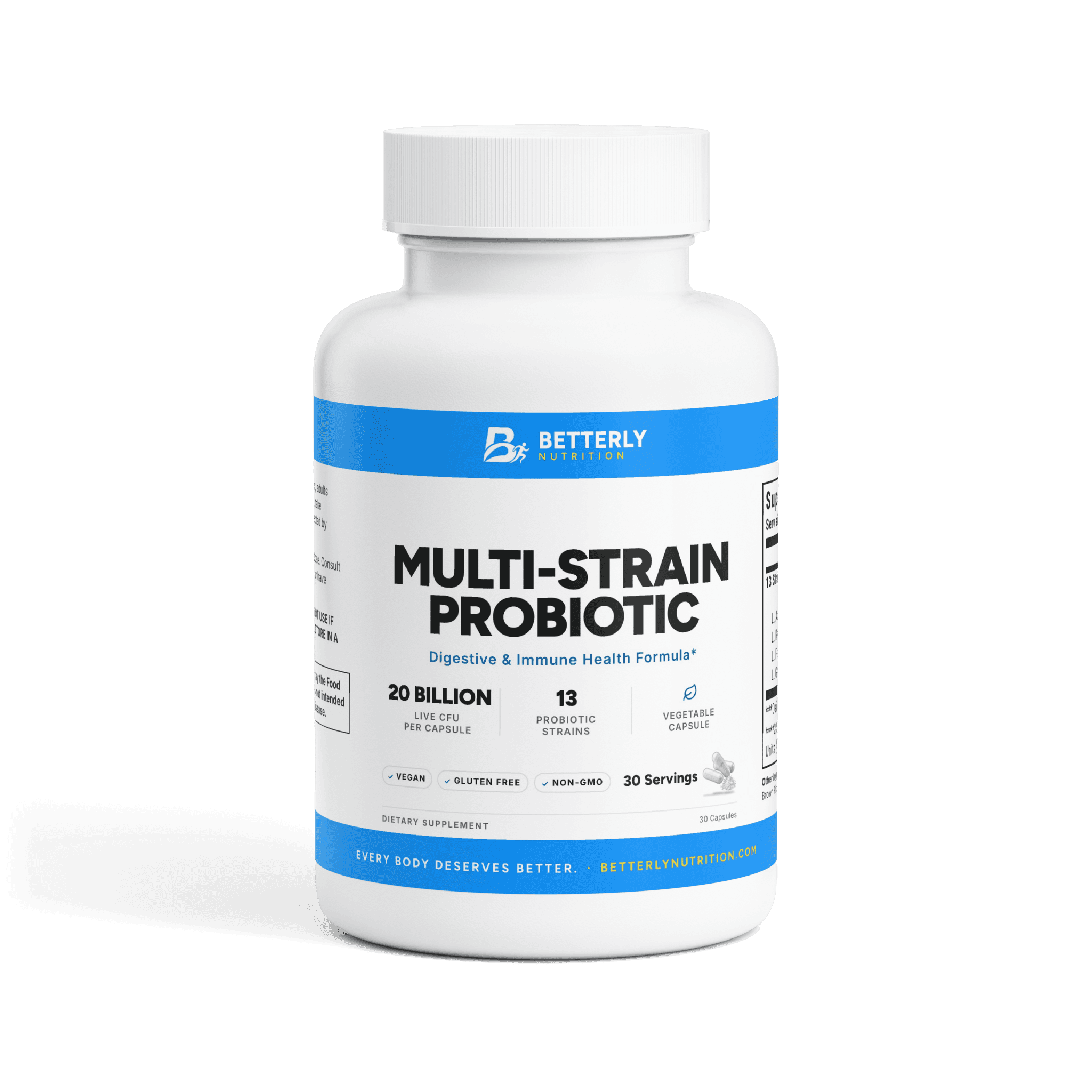
If this left you looking for somewhere to start, read a 13-strain probiotic with 20 billion CFU per capsule — its amounts per serving are listed on the page. For the practical questions this raises, how dosing, sourcing and subscriptions work is answered in one place.