On this page
- Key takeaways
- Chromium picolinate vs chromium polynicotinate: what's the difference?
- Does the form change how much chromium you actually get?
- Are chromium nicotinate and polynicotinate the same thing?
- What is chromium amino acid chelate?
- What do GTF chromium and chromium chloride labels mean?
- Which form of chromium is best?
- How do you take each chromium form, according to its label?
- When don't you need a chromium supplement at all?
- Who should check with a healthcare provider first?
- FAQ: chromium picolinate vs polynicotinate
- Sources
The short answer: Chromium picolinate vs chromium polynicotinate is really a question about the carrier: picolinic acid in one, niacin in the other. The NIH Office of Dietary Supplements (ODS) says supplement forms of chromium are absorbed similarly. So compare the micrograms (mcg) of chromium each label prints per serving instead. On our own six chromium labels, that number runs from 12 to 200 mcg.
Key takeaways
- Chromium picolinate binds the mineral to picolinic acid, while chromium polynicotinate binds it to niacin, which is vitamin B3.
- ODS describes absorption as similar across the chromium forms sold in supplements, so we don't rank them.
- Under FDA labeling rules, the mcg beside "Chromium" is the chromium alone, so two forms compare number to number.
- The name "GTF chromium" doesn't tell you the carrier, so read the words in parentheses, not the name on the front.
A quick disclosure: we sell chromium in four forms and profit from every one, so no form wins by default here. Every mcg figure and direction below was checked against each product's own label.
Chromium picolinate vs chromium polynicotinate: what's the difference?
Chromium picolinate and chromium polynicotinate both supply chromium; what differs is the molecule holding it, picolinic acid in one and niacin in the other.
In supplements, chromium comes bonded to a partner molecule that gives the ingredient its name. "Nicotinate" comes from nicotinic acid, which the ODS niacin fact sheet names as one of niacin's two main supplement forms.
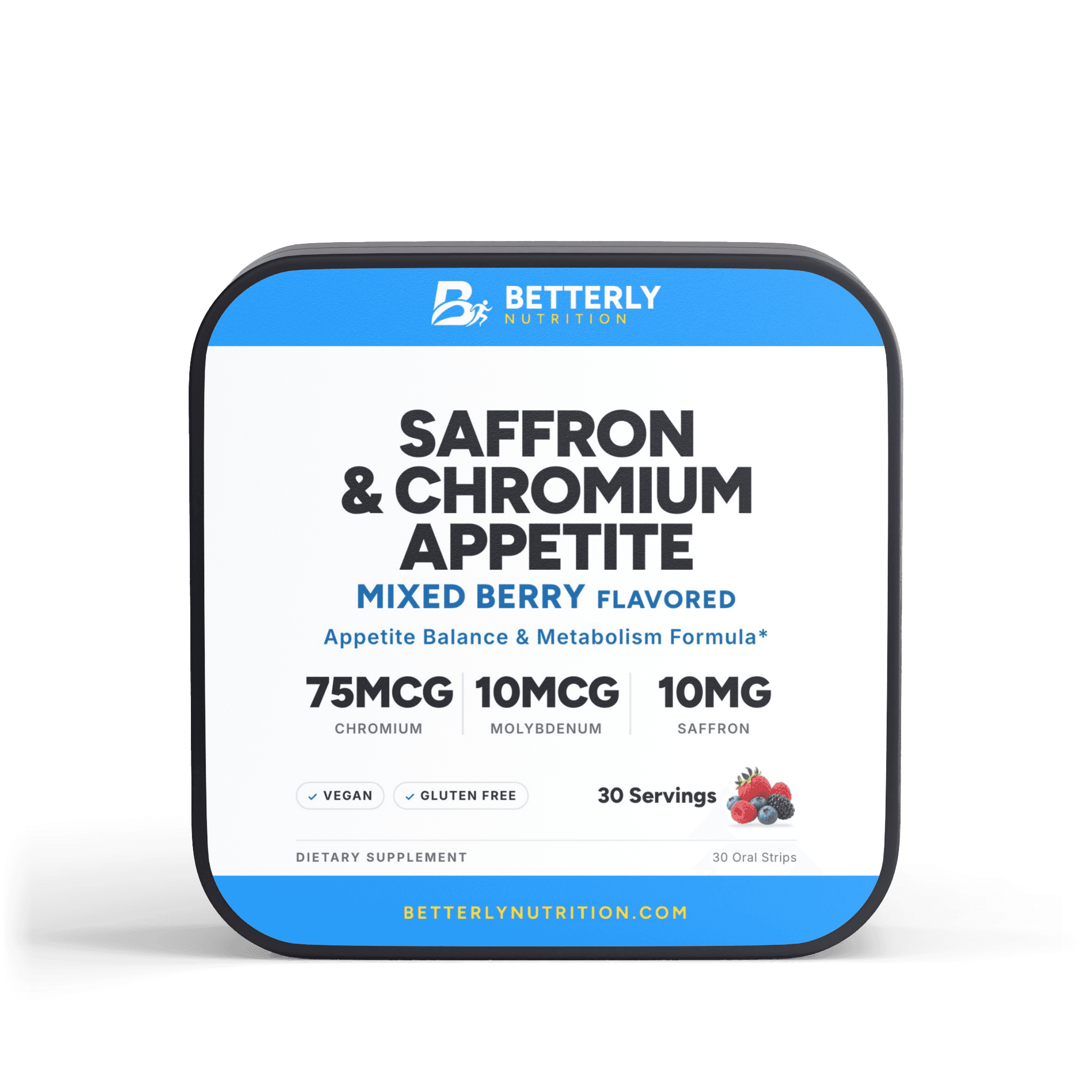
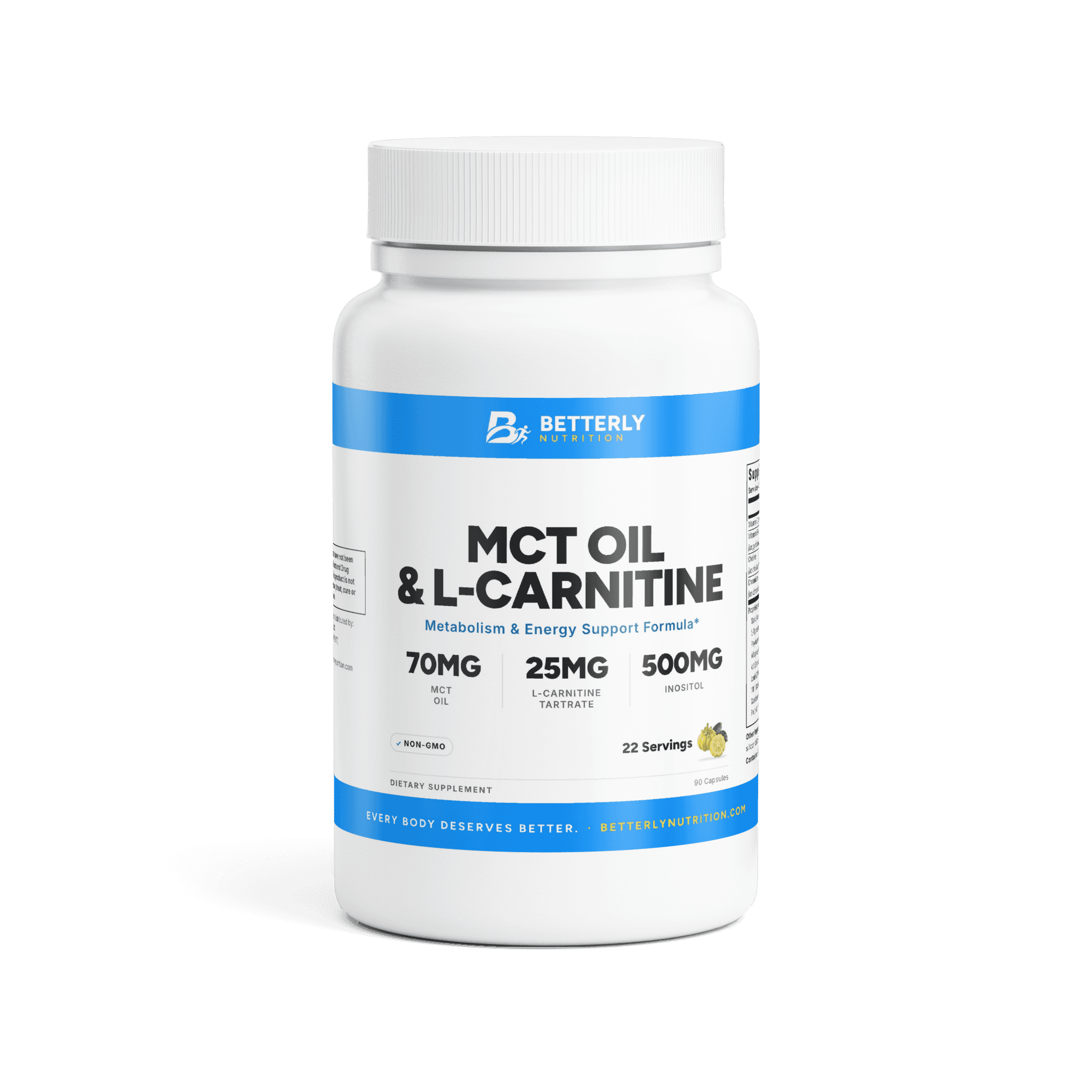
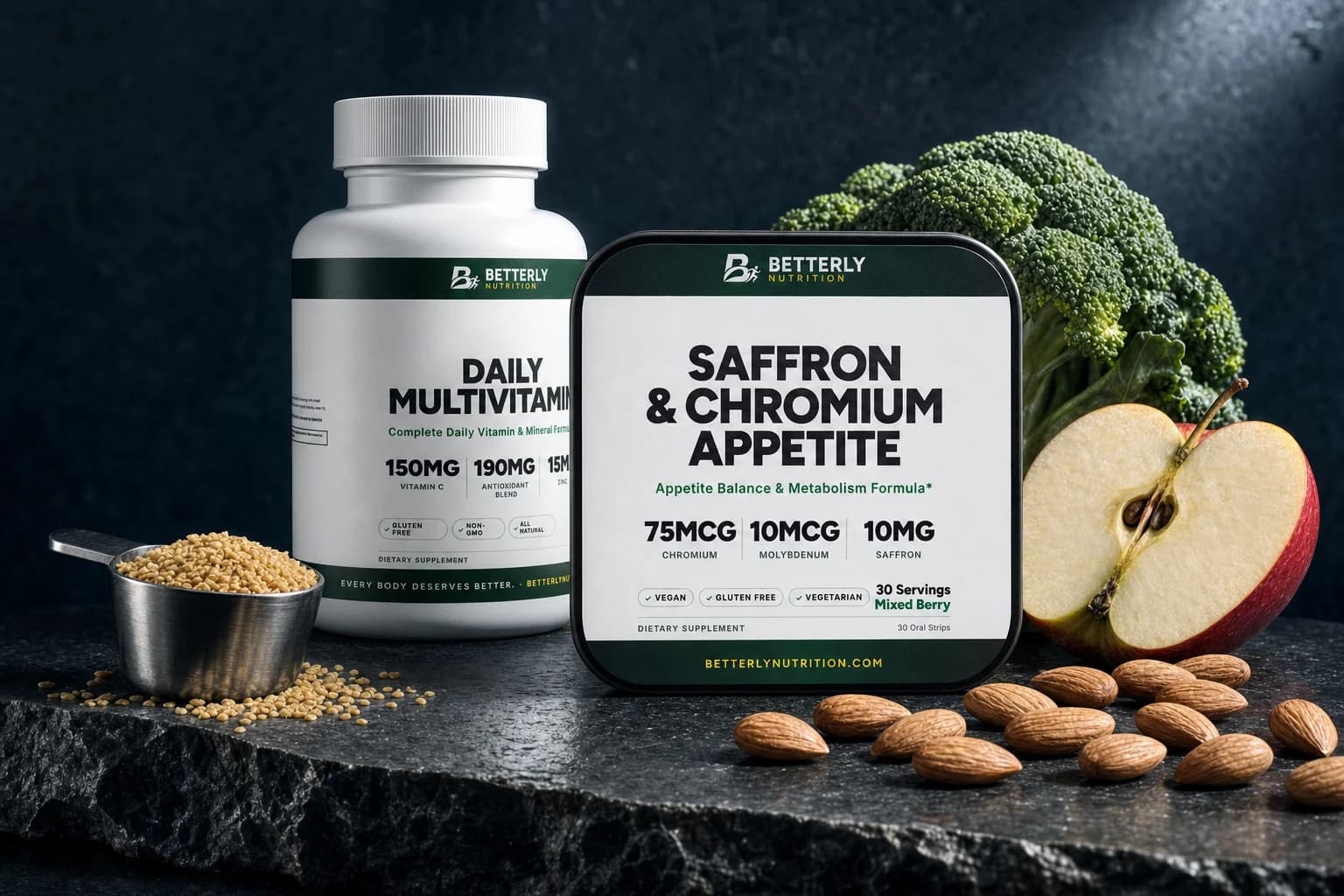
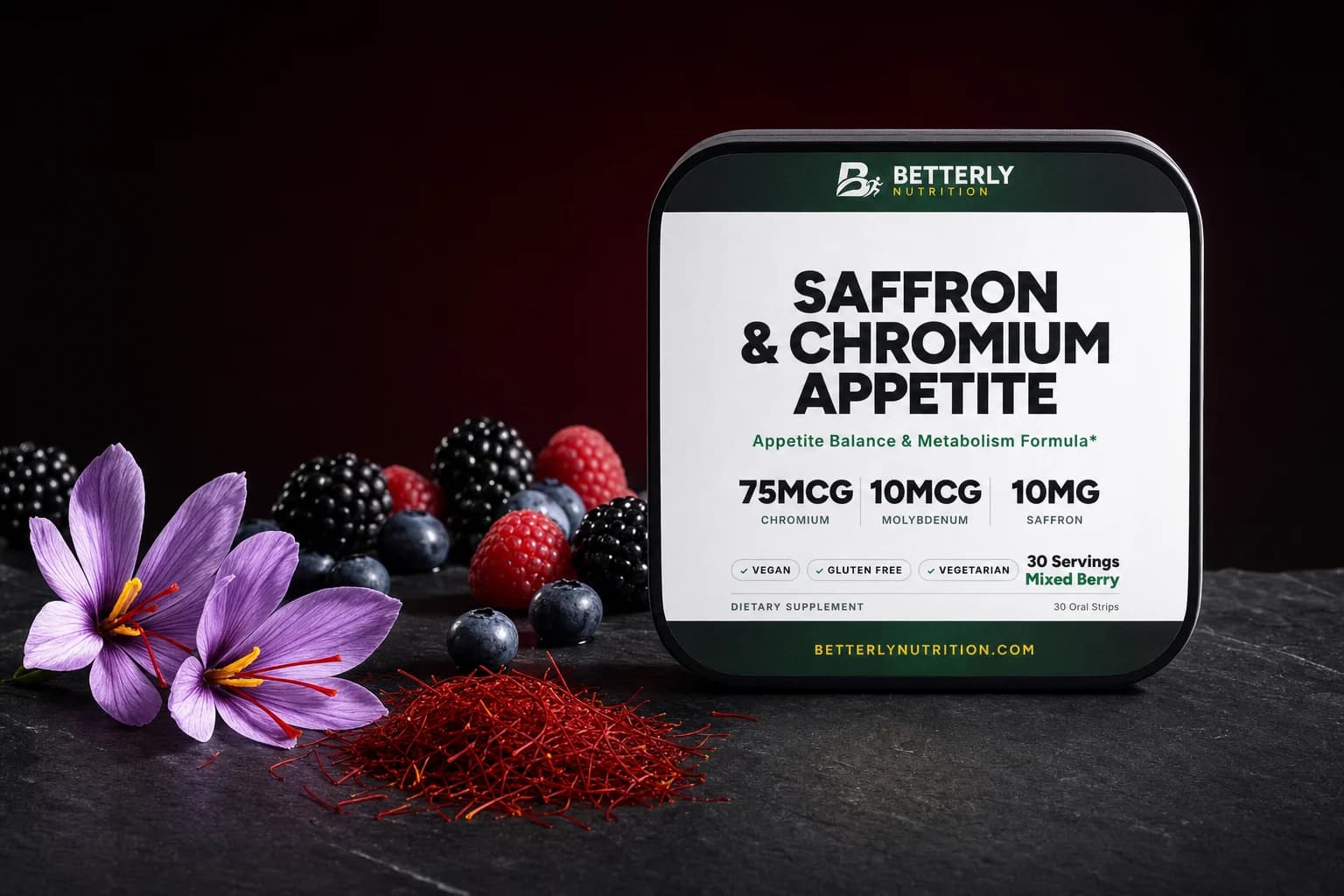
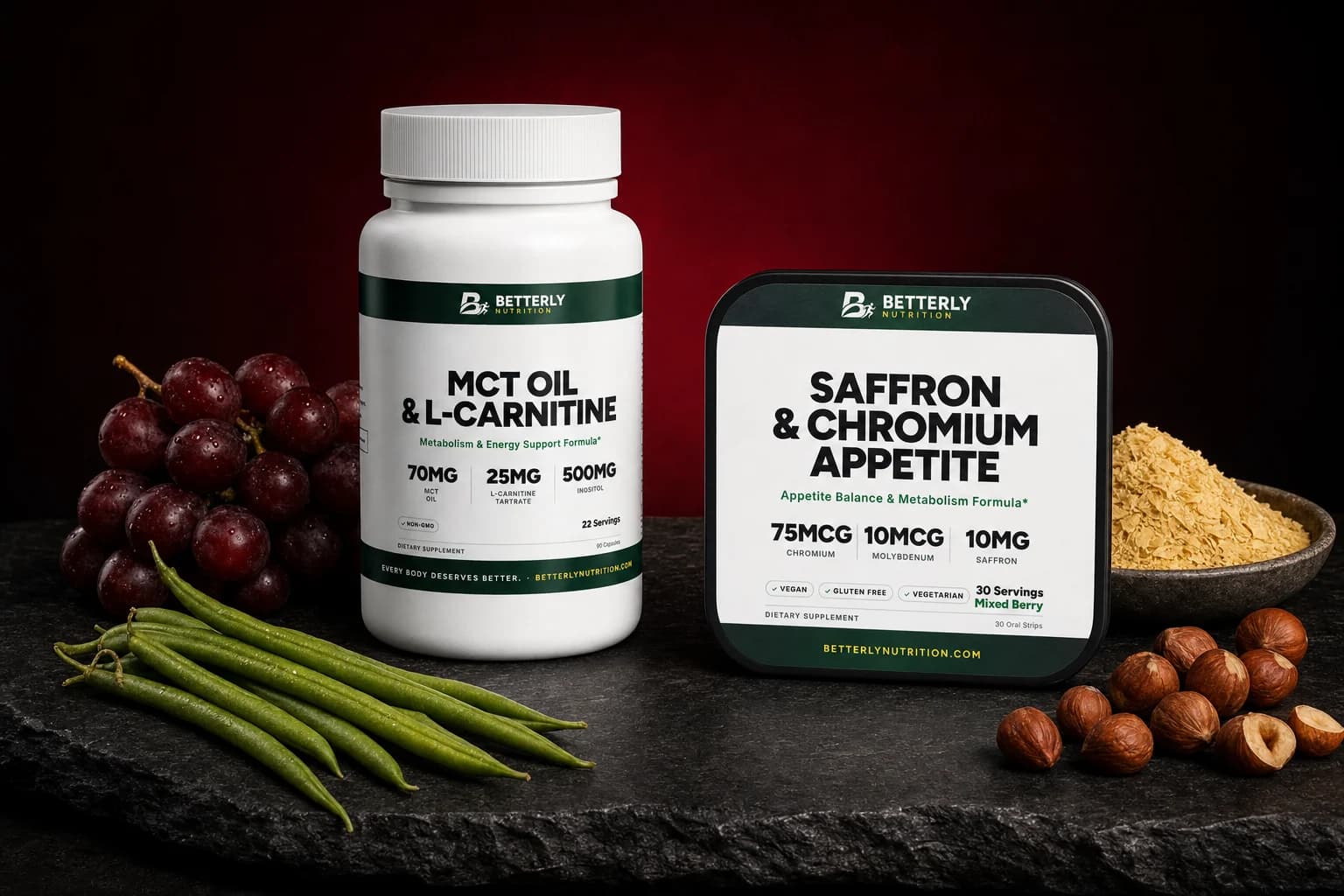
Both forms sit on our shelves. Saffron & Chromium Appetite Strips list 75 mcg of chromium per 1-strip serving, as chromium picolinate. MCT Oil & L-Carnitine Capsules list 200 mcg as chromium polynicotinate per 4-capsule serving.
Here's every form you're likely to meet, with our verdict:
| Form in parentheses | What holds the chromium | Our labels, per serving | Verdict |
|---|---|---|---|
| Chromium picolinate | Picolinic acid | 3 labels: 12, 75 and 120 mcg | No proven edge; compare mcg |
| Chromium polynicotinate | Niacin, several molecules | 1 label: 200 mcg | No proven edge; compare mcg |
| Chromium nicotinate | Niacin | 1 label: 30 mcg per scoop | Same family as polynicotinate |
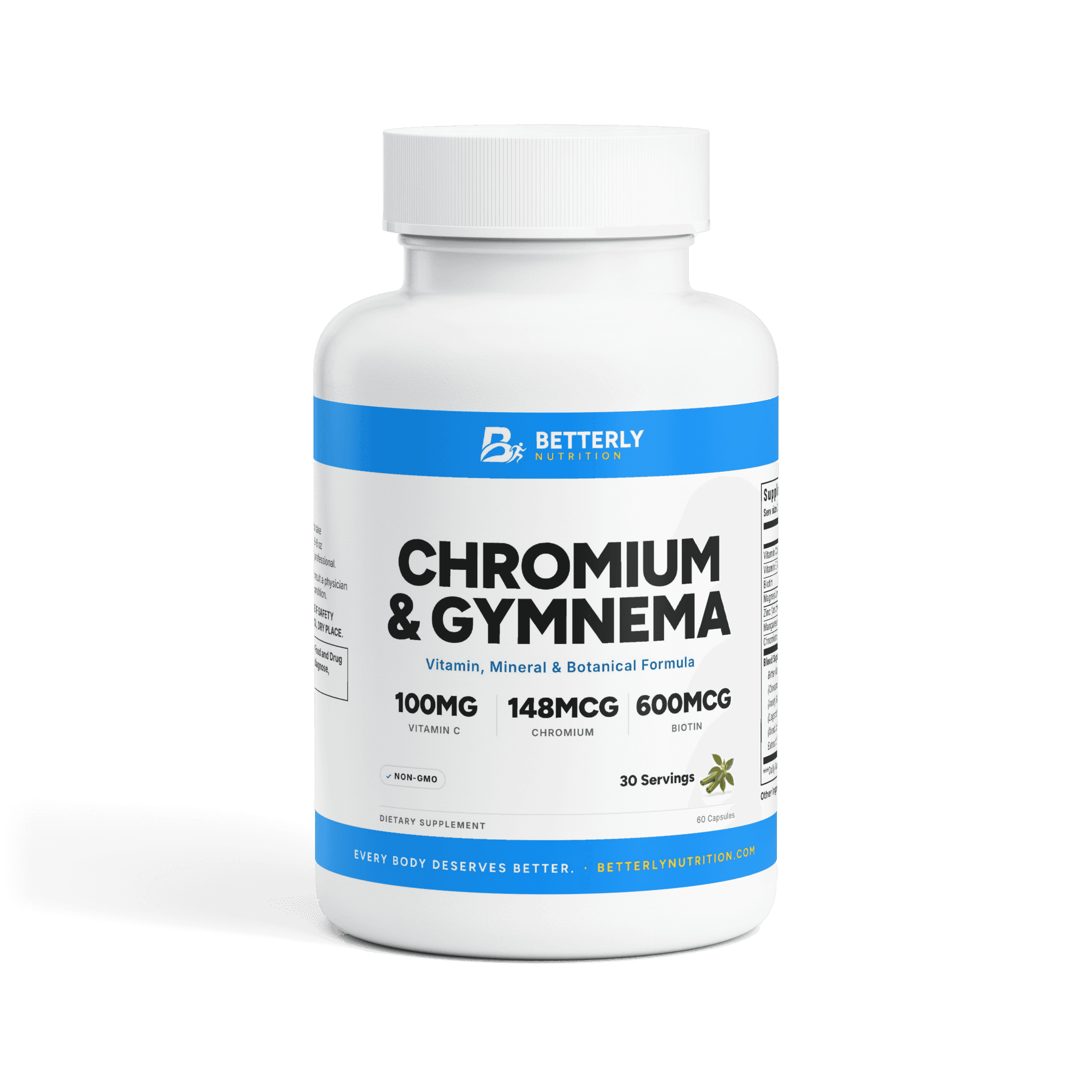
| Chromium amino acid chelate | Amino acids | 1 label: 148 mcg | Our label doesn't name the amino acid |
| Chromium chloride | Chloride | None | A plain salt ODS lists as a form |
| GTF chromium | Not stated by the name | None | Check the parentheses |
No row crowns a winner. Look at the picolinate row instead: one form, three labels, and a tenfold range from 12 to 120 mcg. The carrier tells you what came along with the chromium; the mcg tells you how much you're getting.
Does the form change how much chromium you actually get?
The form doesn't change the chromium number on a label, because FDA rules count only the chromium, and ODS says absorption is similar across supplement forms.
Start with what's printed. The FDA's Dietary Supplement Labeling Guide answers this exact question for calcium: a panel must list the weight of calcium "rather than the weight of the calcium carbonate." The guide cites 21 CFR 101.36(b)(2)(ii) for that answer, a rule written for every mineral on the panel, not calcium alone.
So when our MCT capsule panel reads "Chromium (as chromium polynicotinate) 200 mcg," all 200 mcg is chromium, and the niacin isn't counted. The 125 mcg gap between those capsules and our picolinate strip comes from the formulas, not the partners.
Then there's what your body does with it. The ODS chromium fact sheet for consumers is direct: "Your body absorbs chromium similarly from the different forms used in supplements." It names picolinate and chloride as examples.
If a label or ad ranks one form above another, ask where that ranking comes from. No federal page we read ranks the forms, so we don't offer a ranking either.
Are chromium nicotinate and polynicotinate the same thing?
Chromium nicotinate and chromium polynicotinate are both names for chromium bound to niacin, and "poly," meaning many, points to several niacin molecules around the chromium.
Either way the carrier is niacin, so chromium picolinate vs chromium nicotinate gets the same answer as polynicotinate: read the mcg first.
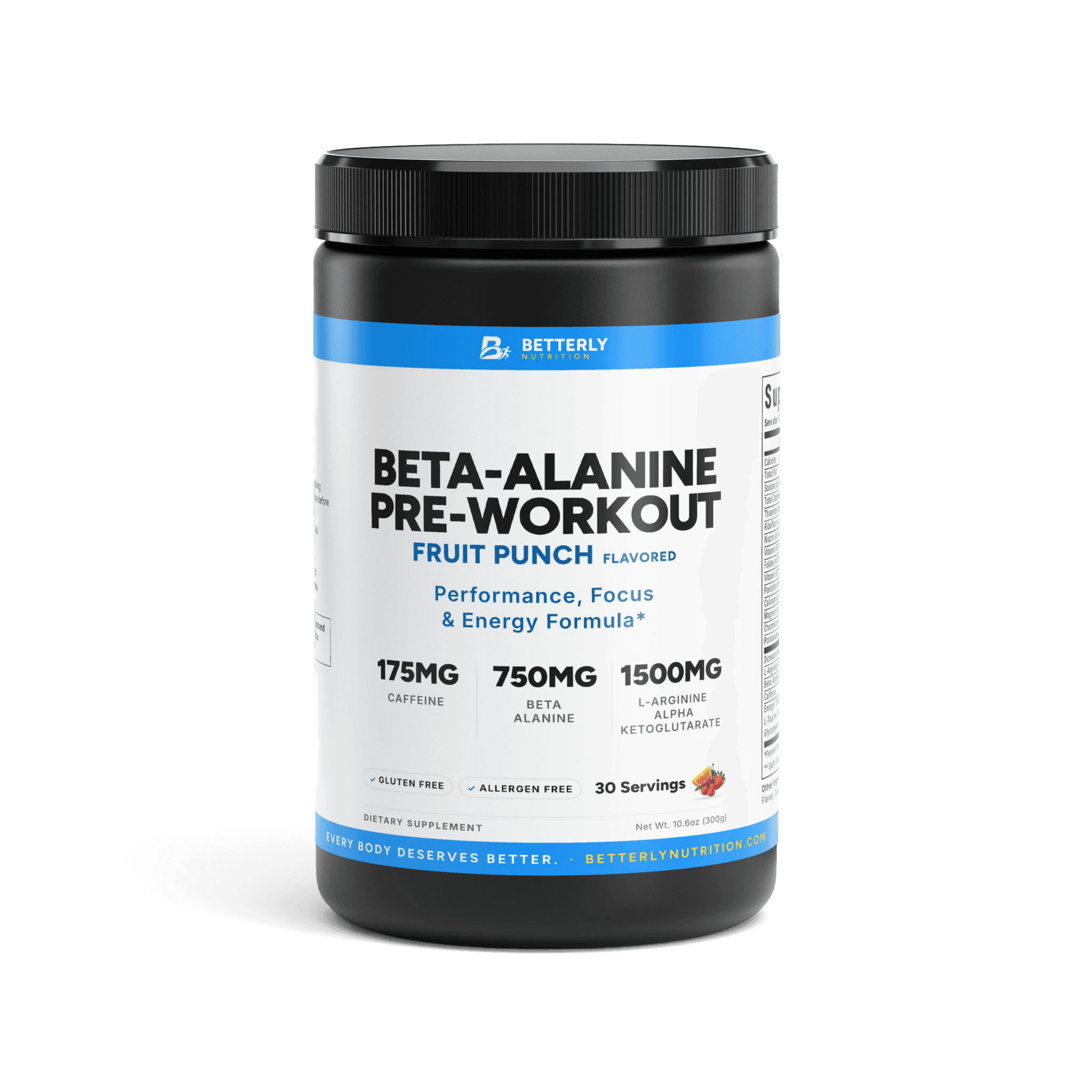
Our only nicotinate sits in the Beta-Alanine & Caffeine Pre-Workout Powder (Fruit Punch), at 30 mcg of chromium per 10 g scoop (86% DV). Niacin shows up on that panel twice: once inside the chromium's name, and once on its own line at 20 mg per scoop.
The stand-alone line is the one to count. ODS sets the adult upper limit for niacin from dietary supplements at 35 mg a day. The pre-workout's label permits as many as 2 scoops daily, or 40 mg of niacin, which goes past that limit. For that reason, we wouldn't take more than 1 scoop a day.
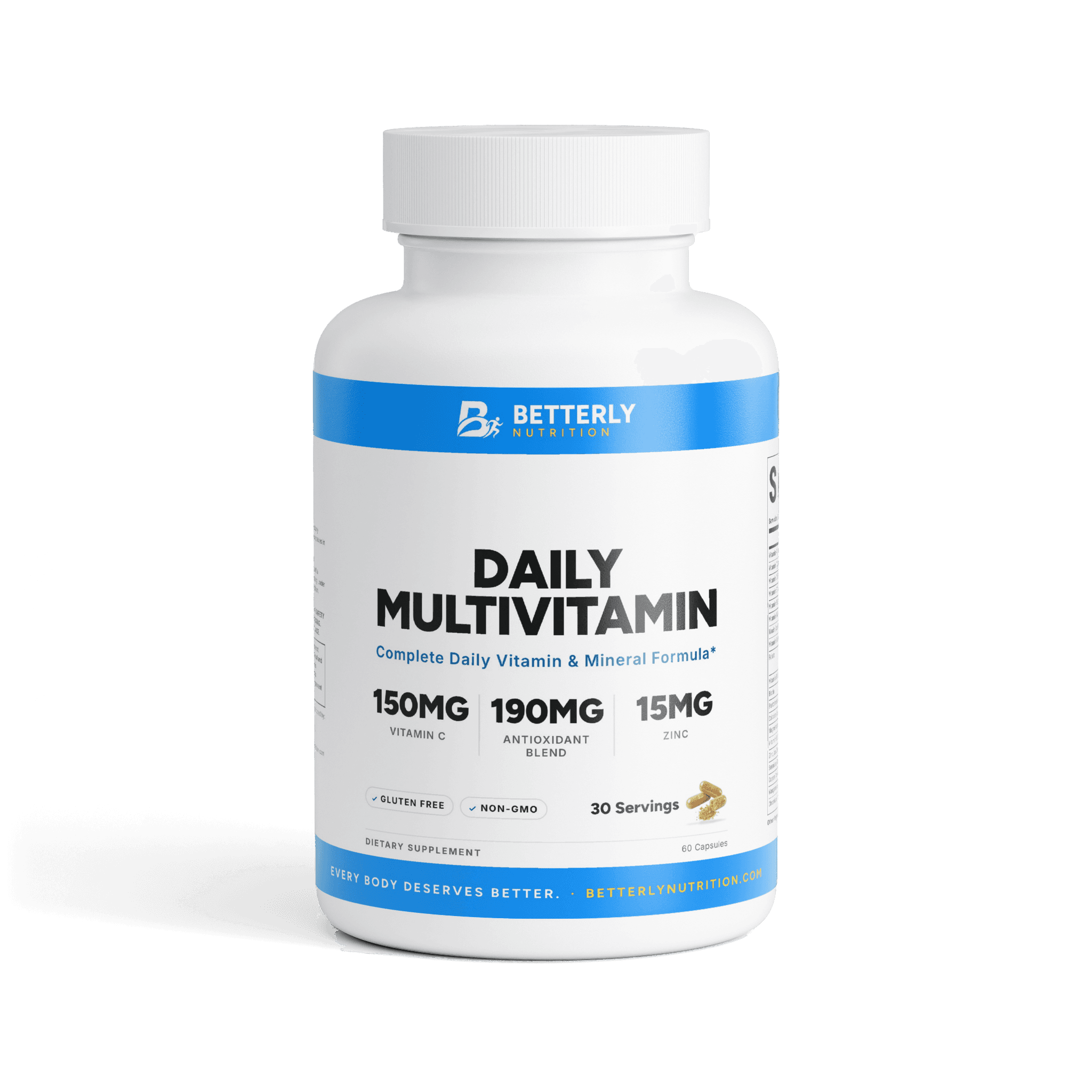
The same ODS sheet warns that a supplement delivering at least 30 mg of nicotinic acid may leave your skin red, burning, tingling and itchy. Taking a multivitamin too? Add its niacin line. Our Daily Multivitamin Capsules list 30 mg NE (niacin equivalents) per 2-capsule serving. One scoop plus the multivitamin comes to about 50 mg, also over the 35 mg limit, so we wouldn't pair those two.
What is chromium amino acid chelate?
Chromium amino acid chelate is chromium held by amino acids, the building blocks of protein, which grip the mineral at more than one point.
"Chelate" comes from the Greek word for a claw, a fair picture of that grip. Our Chromium, Gymnema & Cinnamon Capsules use this form, at 148 mcg of chromium per 2-capsule serving, or 420% DV.
One gap on our own label: the panel says "amino acid chelate" without naming which amino acid. It's a family name, and the same capsule uses it for manganese too.
For chromium amino acid chelate vs chromium picolinate, the ODS absorption statement still applies, so line up the mcg.
What really separates our chelate capsule from our picolinate strip is everything around the chromium. Each 2-capsule serving adds 600 mcg of biotin, 100 mg of vitamin C, 7.5 mg of zinc and a 620 mg, 11-ingredient blend that opens with bitter melon extract and cassia cinnamon bark. The panel gives the blend's total weight but not each ingredient's share, and our proprietary blend explainer covers what that hides.
You may also see chromium nicotinate glycinate chelate: chromium held by both niacin and glycine, an amino acid. We don't sell it, but its chromium line reads like any other, so compare the mcg.
From our shop: Chromium, Gymnema & Cinnamon Capsules — chromium amino acid chelate supplying 148 mcg of chromium per 2-capsule serving, alongside biotin, vitamin C, zinc and a 620 mg blend.
What do GTF chromium and chromium chloride labels mean?
GTF chromium is a label name that doesn't identify the carrier, while chromium chloride is a simple salt that ODS lists as a supplement form.
Unlike picolinate or chloride, the letters GTF don't tell you which molecule holds the chromium. The ODS consumer sheet doesn't use the term at all.
So for chromium picolinate vs GTF chromium, the front of the bottle won't settle it. Look for the words after "as" on the panel's chromium line, or in the ingredient list below it if they aren't there.
Chromium chloride pairs chromium with chloride, the same partner sodium has in table salt. ODS names it next to picolinate, and the same absorption statement covers both. None of our labels use it, so for chromium picolinate vs chromium chloride on another brand's bottle, compare the mcg lines again.
Which form of chromium is best?
ODS gives no chromium form an absorption edge, so the best form is the one in a product whose mcg, extras and directions suit you.
Since the carrier doesn't settle it, these label checks do the real sorting:
| If this matters to you | What to check | What our labels show |
|---|---|---|
| Staying near the ODS amounts | The mcg per serving | From 12 mcg (focus capsules) to 200 mcg (MCT capsules) |
| Not swallowing pills | The serving format | The strip dissolves on your tongue; the pre-workout mixes into a drink |
| Avoiding gelatin | Other ingredients | Strip labeled vegan; multivitamin and focus capsules use vegetable capsules |
| A fish, shellfish or soy allergy | The allergen statement | MCT capsules list fish and shellfish; focus capsules list soy and fish |
| Chromium on its own | The rest of the panel | None of our six is chromium-only |
The form's name never appears in the middle column, because every real decision sits elsewhere on the panel. The 12 mcg product is our Choline & DHA Focus Capsules, where chromium is a minor line, not the reason to buy.
One more check applies to every form. On our shelf, picolinate, polynicotinate and chelate each show up in at least one serving above the 20 to 45 mcg a day that the ODS sheet on weight-loss supplements calls safe for adults. In fairness, the ODS chromium sheet lists no upper limit, and so far it reports no harm from chromium in food or supplements, while noting that the research is thin.
Still, no carrier shrinks a big serving, so pick one product and never go past its label. Our guide to how much chromium per day runs the totals when two products overlap, and our look at chromium and sugar cravings walks through a picolinate trial.
From our shop: MCT Oil & L-Carnitine Capsules — chromium polynicotinate at 200 mcg of chromium per 4-capsule serving, alongside 500 mg of inositol, 70 mg of MCT oil and 25 mg of L-carnitine.
How do you take each chromium form, according to its label?
Take each chromium product by its own label, since the form never changes the directions, and all of our chromium panels warn against going past the recommended dose.
Two belong with food. Daily Multivitamin Capsules call for 2 capsules with a morning meal. MCT Oil & L-Carnitine Capsules list 4 capsules a day with meals, ideally split into 2 before breakfast and 2 before dinner, each time with water.
Three name no time of day. One Saffron & Chromium Appetite Strip goes on your tongue once a day to dissolve. Chromium, Gymnema & Cinnamon Capsules are 2 capsules a day for adults, taken with a glass of water (6 to 8 oz). Choline & DHA Focus Capsules are 2 capsules once a day.
One is built around training. The pre-workout label starts you at 1 scoop to test tolerance, then allows 1 or 2 scoops half an hour before you train. We'd stop at 1 because of its niacin.
When don't you need a chromium supplement at all?
Most people who eat a varied diet can skip a chromium supplement, since ODS says everyday foods supply the recommended amounts.
That ODS food list is long and ordinary: meats, bread and other grains, a few vegetables and fruits, several juices, brewer's yeast and nuts. ODS is modest about chromium's job, too. Researchers aren't fully sure what it does, though it may play a part in how your body uses carbohydrates, fats and proteins.
ODS goes further: scientists don't currently consider chromium necessary for good health, and no deficiency has turned up in healthy people. A different carrier can't change that, so switching forms isn't a reason to buy something new.
Check what you already take, too, since a multivitamin or pre-workout can bring chromium along. Our weight support shelf also carries formulas with no chromium at all.
Who should check with a healthcare provider first?
Run any chromium form past a healthcare provider first if you're expecting, nursing or under 18, or you have prescriptions, planned surgery or a health condition.
The printed caution is identical on all six of our chromium panels, and it names four of those situations.
ODS adds that chromium supplements might interact with some prescription medicines. One example is levothyroxine, a thyroid medicine, which chromium may make harder for your body to absorb. The same sheet puts kidney and liver health on its caution list for large chromium amounts, so mention either one if it applies to you.
Bring your actual labels to your pharmacist, form names included, since a nicotinate or polynicotinate also carries niacin. Two product flags: the MCT Oil & L-Carnitine panel says it contains fish and shellfish, and the pre-workout lists 175 mg of caffeine per scoop.
FAQ: chromium picolinate vs polynicotinate
Is chromium picolinate the same as chromium?
Not exactly. Chromium picolinate is the whole compound, chromium plus picolinic acid, while the amount on a panel is the chromium by itself. Our pre-workout shows the idea with a different carrier: its line reads "Chromium (as Chromium Nicotinate) 30 mcg," and that 30 mcg is the mineral, with the nicotinate's weight left out. Swap in picolinate and you'd read it the same way.
Can you take chromium picolinate and chromium polynicotinate together?
You can, but we wouldn't, since a second form just adds more chromium to your day. Our picolinate strip and polynicotinate capsules together come to 275 mcg a day at label directions, far past the 20 to 45 mcg a day that ODS gives as the safe, recommended range for adults. Let one product be your only chromium source.
Does chromium polynicotinate make you flush like niacin?
We can't say for sure. The ODS pages we cite don't address flushing from chromium polynicotinate, and our MCT capsule panel prints no separate niacin amount. ODS ties flushing to supplements carrying at least 30 mg of nicotinic acid. If you notice flushing on a chromium product, look for a stand-alone niacin line, like the 20 mg per scoop on our pre-workout, and tell your healthcare provider.
Do chromium picolinate and polynicotinate have different side effects?
ODS doesn't give chromium picolinate and chromium polynicotinate separate side effects. Its weight-loss sheet lists nausea, headache, dizziness and hives among the effects of amounts above the adult range of 20 to 45 mcg a day, without naming a form. With niacin-based forms, mention the niacin if your provider tracks it.
Is it worth switching from chromium picolinate to polynicotinate?
Switching from chromium picolinate to polynicotinate isn't likely to change how well you absorb the chromium, since ODS says absorption is similar across supplement forms. A switch makes sense only for reasons printed elsewhere on the panel, such as a smaller mcg amount, a format you prefer or fewer added ingredients. If you do switch, stop the first product before starting the second, so you never take two chromium sources on the same day.
Sources
- Chromium: Fact Sheet for Consumers, NIH Office of Dietary Supplements
- Niacin: Fact Sheet for Consumers, NIH Office of Dietary Supplements
- Dietary Supplements for Weight Loss: Fact Sheet for Consumers, NIH Office of Dietary Supplements
- Dietary Supplement Labeling Guide: Chapter IV. Nutrition Labeling, U.S. Food and Drug Administration
If this left you looking for somewhere to start, read chromium amino acid chelate capsules — its amounts per serving are listed on the page. For the practical questions this raises, how dosing, sourcing and subscriptions work is answered in one place.